Until 1997, Bilbao was best known as an industrial port city; proud, Basque to its bones, but not somewhere that featured on many tourist itineraries. Then Frank Gehry built the Guggenheim on the banks of the Nervión River, and the city’s trajectory shifted overnight.
The so-called ‘Guggenheim Effect’ became shorthand in urban planning for what a single building can do to a city’s fortunes, and nearly three decades on, Bilbao has made good on that early promise. The museum district hums with investment, but walk ten minutes into the Casco Viejo and you’ll find pintxo bars that haven’t changed their recipes in decades, medieval lanes where every other doorway leads to a tiny bar, and a food culture that rivals anywhere in Europe for quality and value.
This is a city that speaks its mind in Euskera, one of Europe’s most ancient languages, serves wine by pouring it from great heights, and considers a proper lunch incomplete without at least three courses. Barcelona and Madrid battle tourist hordes; Bilbao offers a more intimate urban experience where you’re more likely to rub shoulders with locals at the morning market than fellow visitors.
The compact city centre means everything is walkable or a short metro ride away, and the Bay of Biscay’s beaches and the verdant Basque mountains both lie within 30 minutes. Two days provides enough time to gorge on pintxos, gawp at world-class art, and understand why Bilbaóns are so fiercely proud of their transformed city.
Day 1
Morning: Gehry, Gooseneck Barnacles & The Casco Viejo
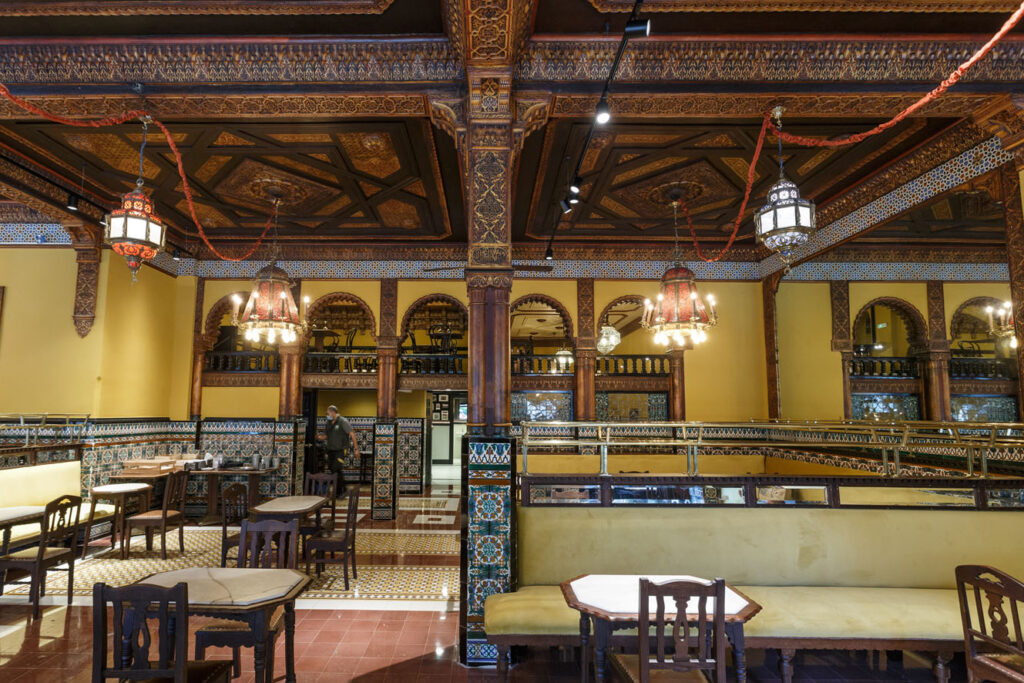
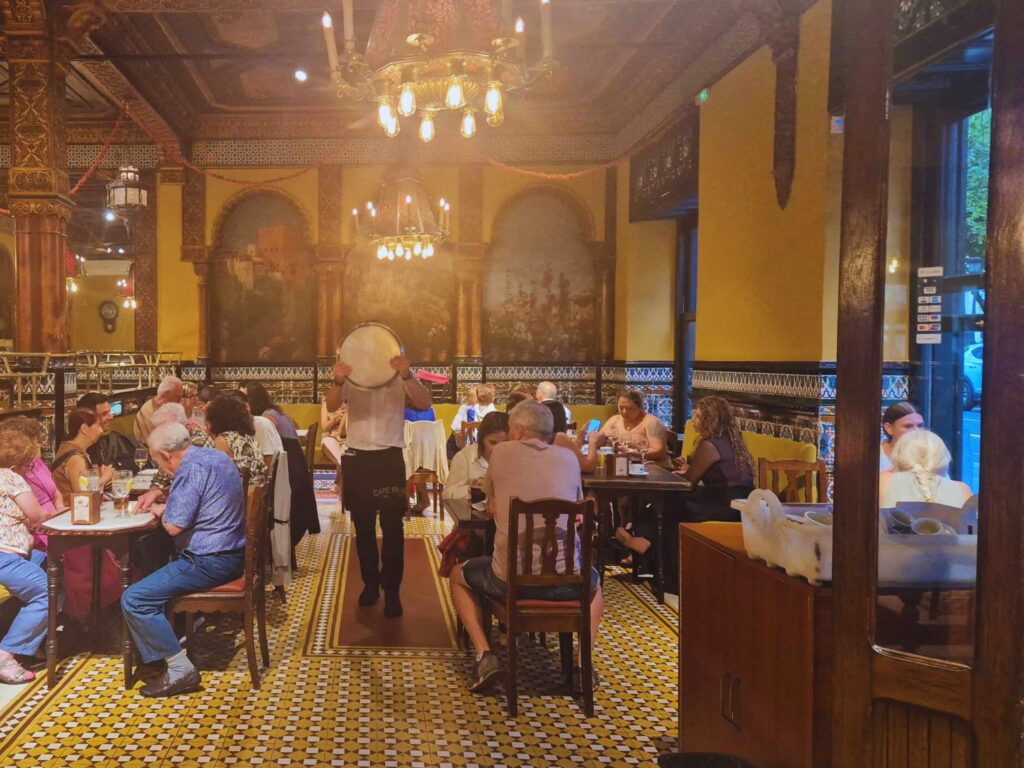
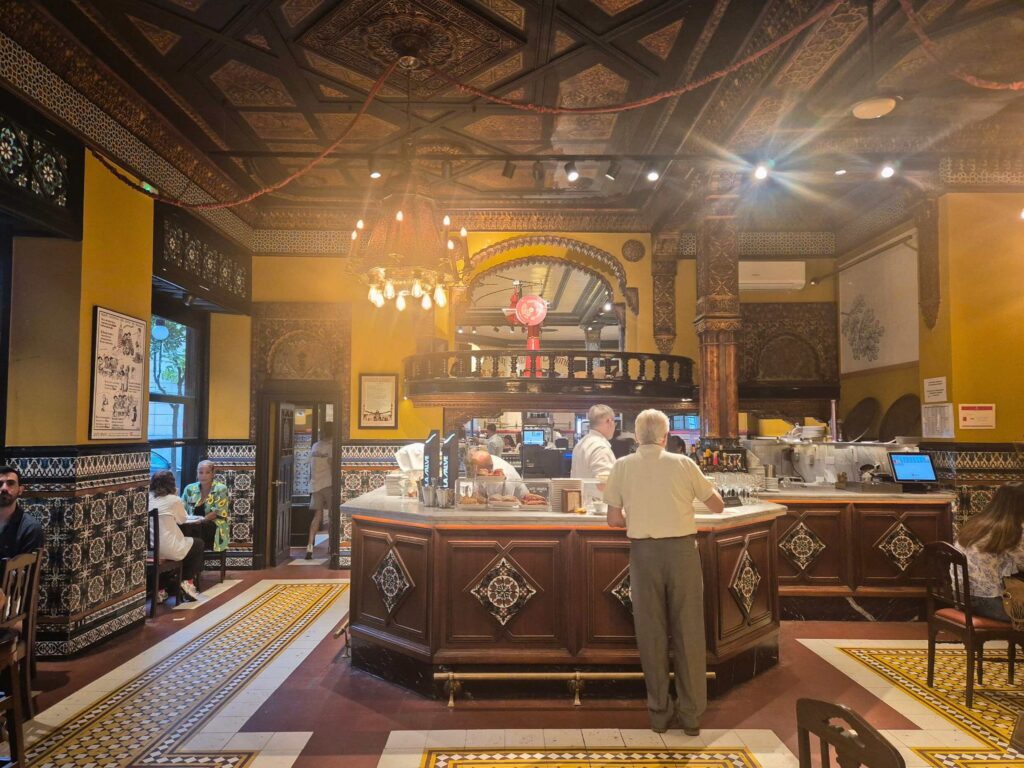
Begin your Bilbao weekender at Café Iruña, a Moorish-inspired institution on Jardines de Albia that’s been caffeinating locals since 1903. Their café con leche arrives in elegant china; elderly gents debate politics over copies of El Correo at the next table. The ornate tiled interior, complete with carved wooden ceiling and stained glass, provides the perfect backdrop for planning your day. Order a pintxo de tortilla; their Spanish omelette, served at room temperature as tradition demands, sets the bar high for everything that follows. Note that Café Iruña opens at 9am on weekdays but 11am on weekends.
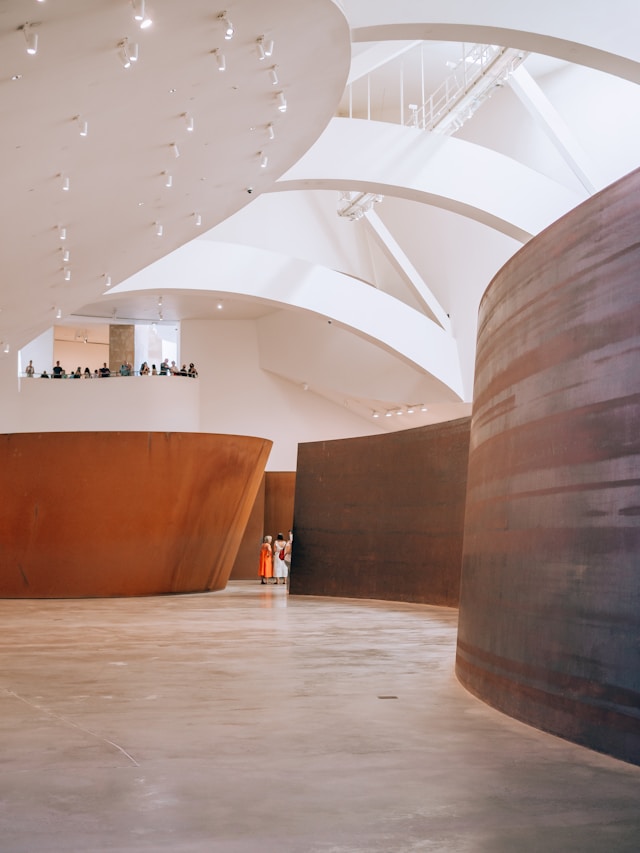
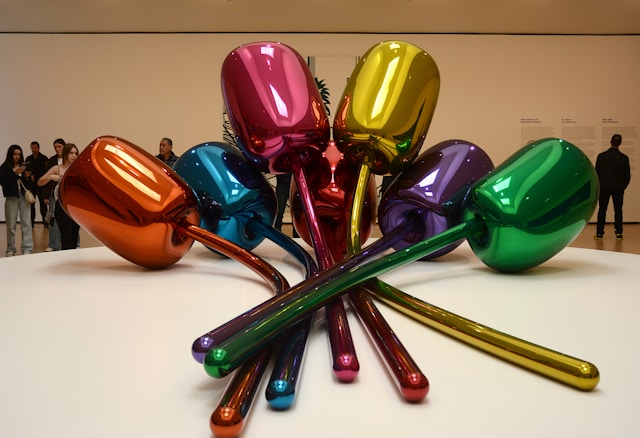
A 15-minute riverside stroll brings you to the Guggenheim Museum Bilbao, Frank Gehry’s game-changing masterpiece that sparked the city’s renaissance. Arrive for the 10am opening to beat the crowds and catch morning light dancing off the titanium curves. The building itself is the star, but the collection holds its own with works by Koons, Kapoor, and Serra.
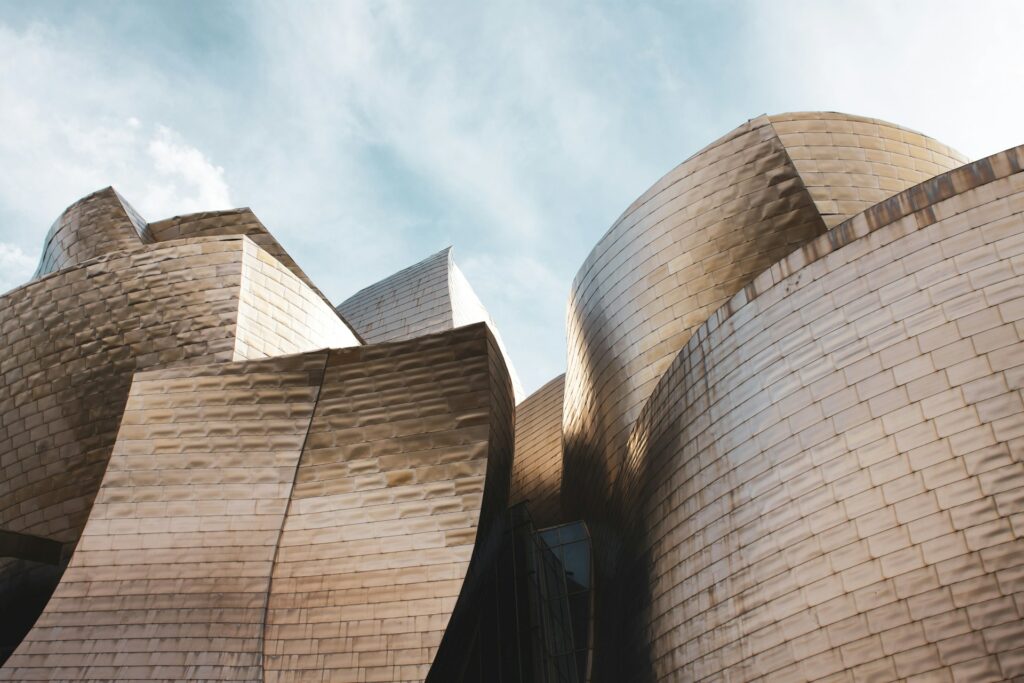
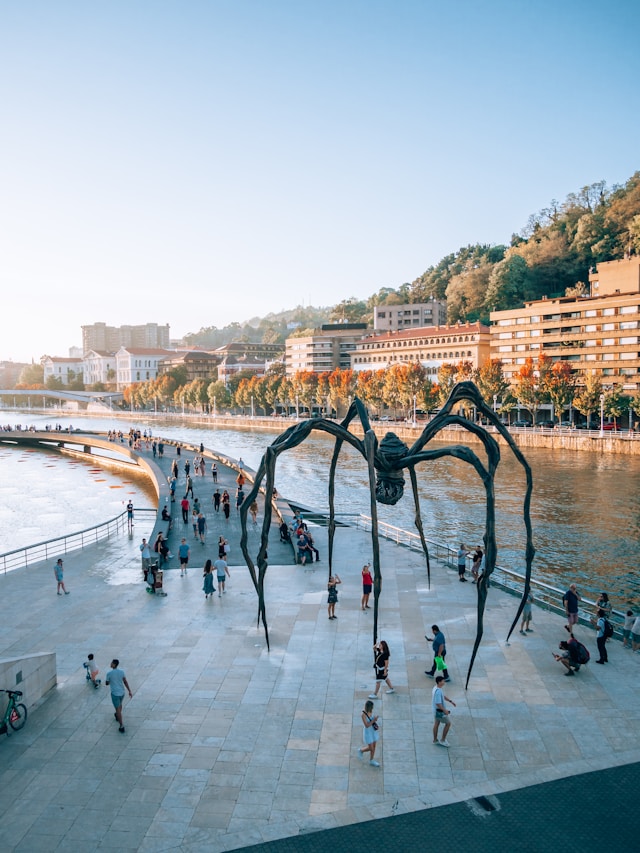
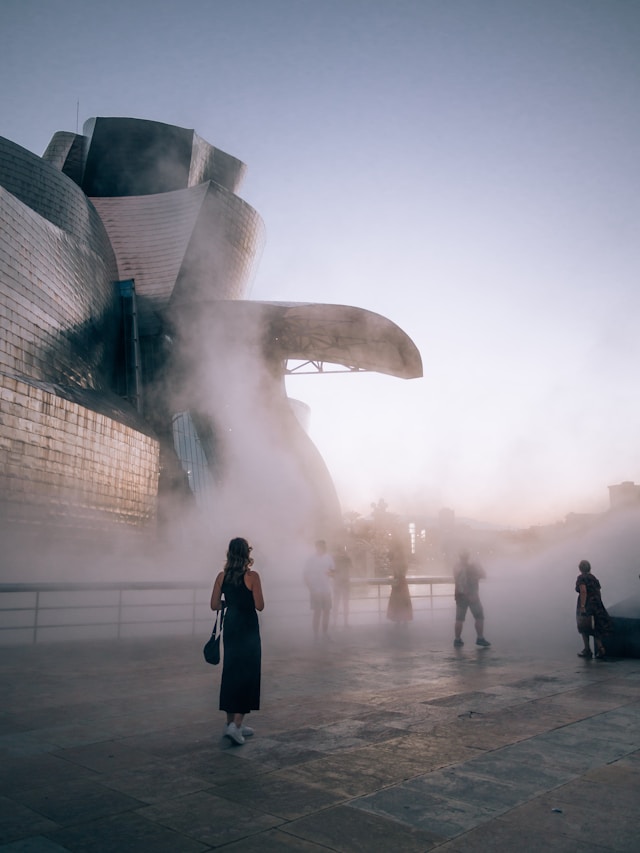
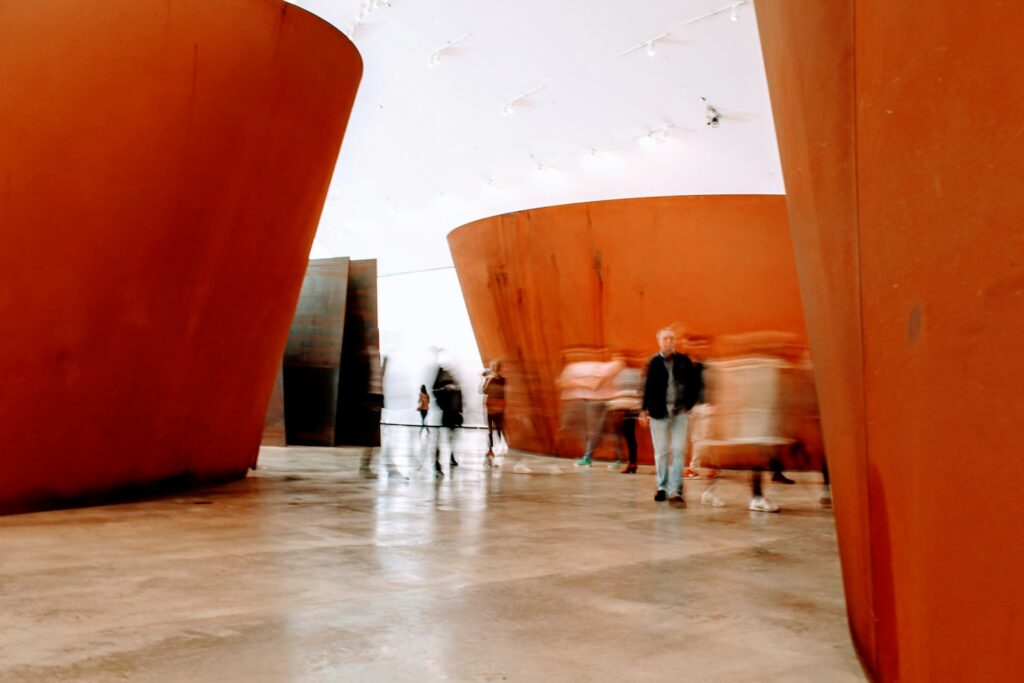
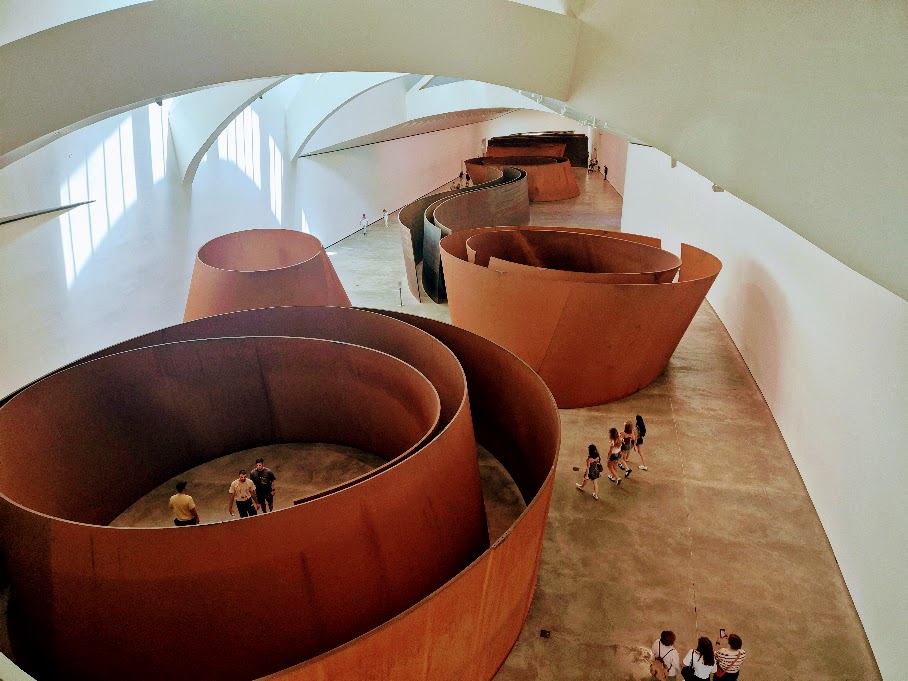
Don’t miss Richard Serra’s ‘The Matter of Time’; walking through these towering steel spirals feels like navigating a rust-coloured dreamscape, and the temptation to yell into the echoes and crevices is impossible to resist, even for adults. The museum is open Tuesday to Sunday (closed Mondays except in summer and on select holidays).
Afternoon: The Market & The Old Town
Exit the Guggenheim and walk 15-20 minutes along the river (or take the tram two stops) to reach the Mercado de la Ribera, Europe’s largest covered market by floor space. This art deco behemoth houses over 60 stalls where fishmongers hawk everything from percebes (gooseneck barnacles) to massive tuna heads. The upper floor has been converted into a gourmet food court where traditional meets contemporary; grab a txuleta (aged beef) sandwich from one stall and wash it down with txakoli (sparkling Basque wine) from another. Note that the market closes Monday and Saturday afternoons and all day Sunday.
Cross back over the river via the Campo Volantin footbridge (another Calatrava creation that locals love to hate) and plunge into the Casco Viejo, Bilbao’s atmospheric old town. These seven medieval streets, Las Siete Calles, have anchored the city since the 14th century. Start at Plaza Nueva, a neoclassical square ringed by pintxo bars, then lose yourself in the narrow lanes where every other doorway seems to lead to a tiny bar or ancient shop.
The Cathedral of Santiago deserves a quick visit for its Gothic cloister, but the real attraction is street life. Watch txikiteo in action: the Basque tradition of bar-hopping with small glasses of wine, never staying too long in one place.
Evening: Pintxo Crawl
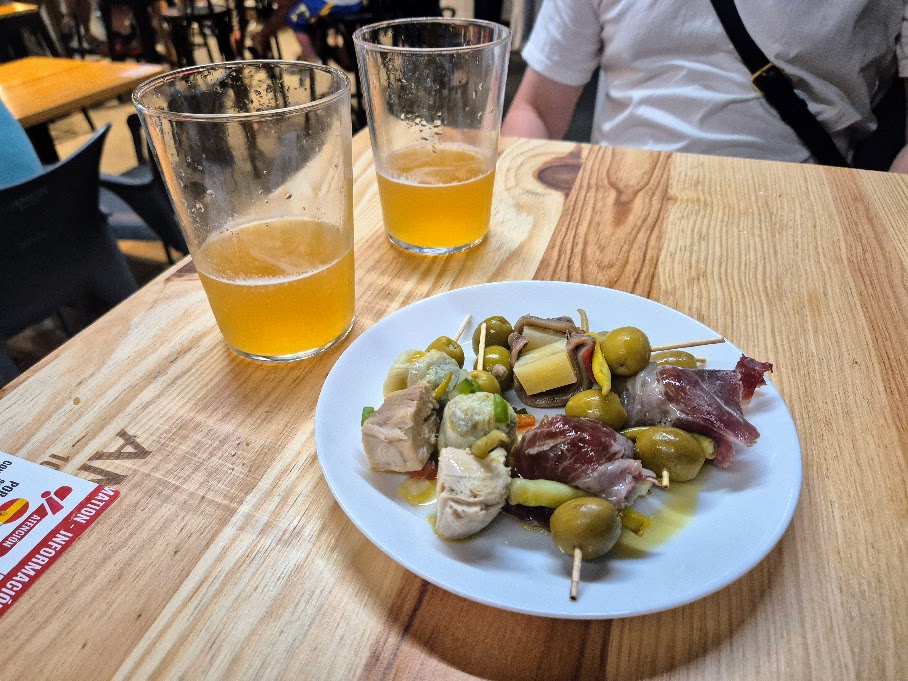
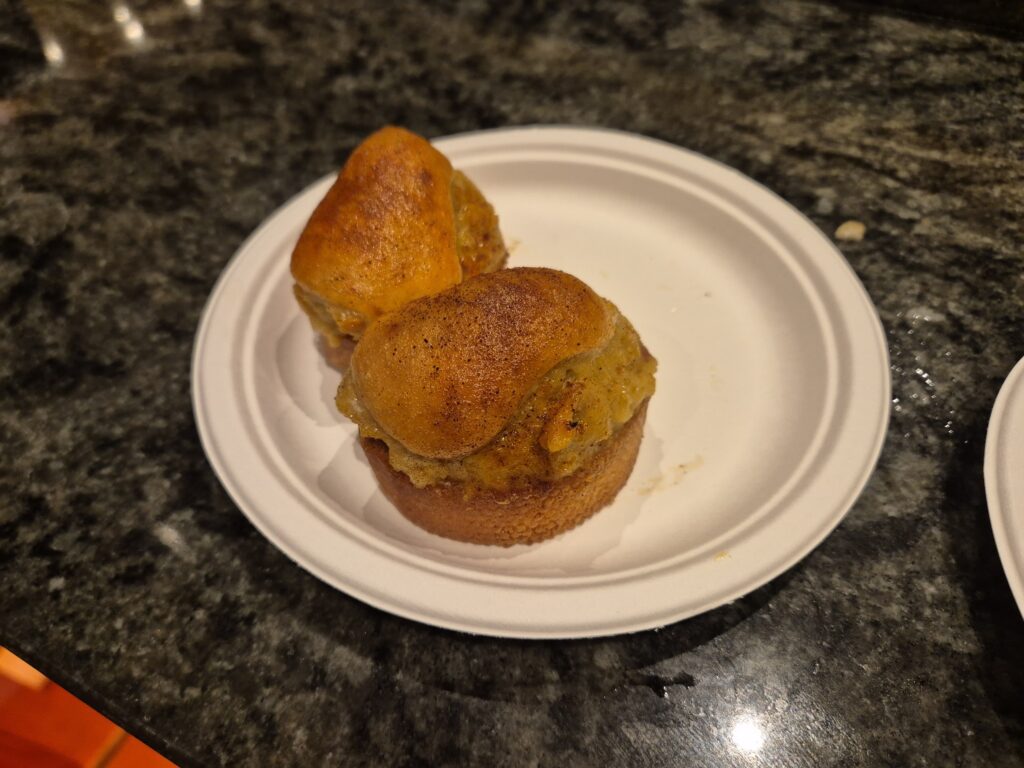
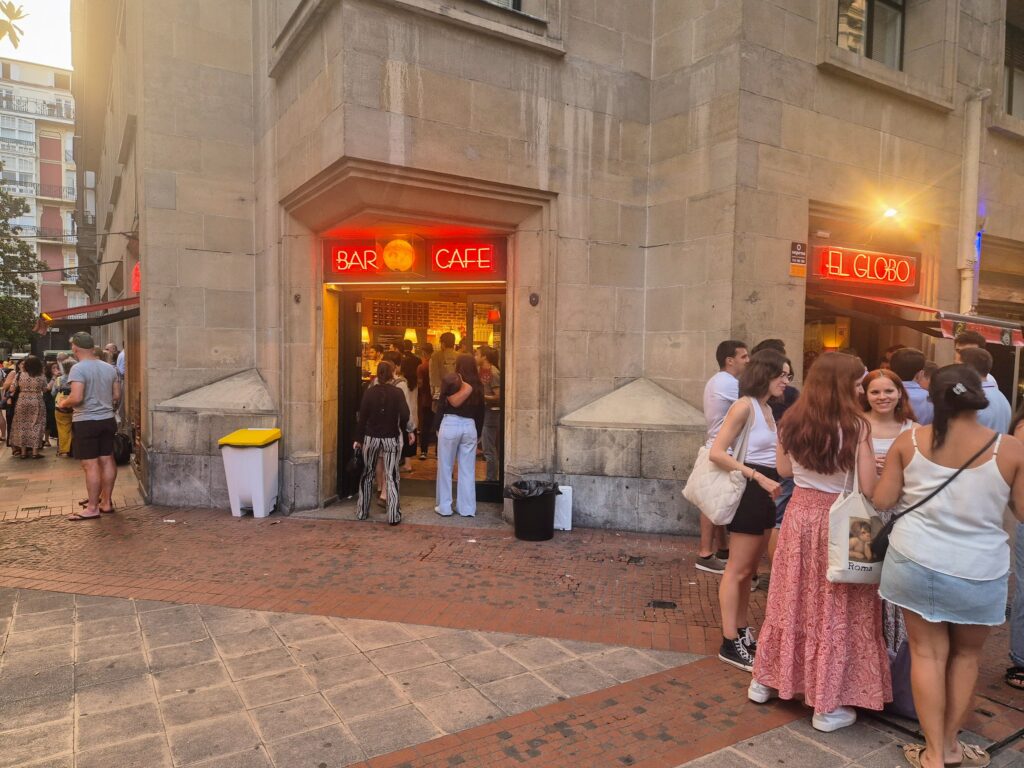
As evening approaches, position yourself for Bilbao’s greatest ritual: the pintxo crawl. Most visitors stick to the Casco Viejo, but cross the river to the Diputación area in the Ensanche district and you’ll be richly rewarded. El Globo’s txangurro gratinado (spider crab gratin) is the essential Bilbao pintxo: brown crab meat and béchamel piled onto crusty bread and gratinéed until golden.
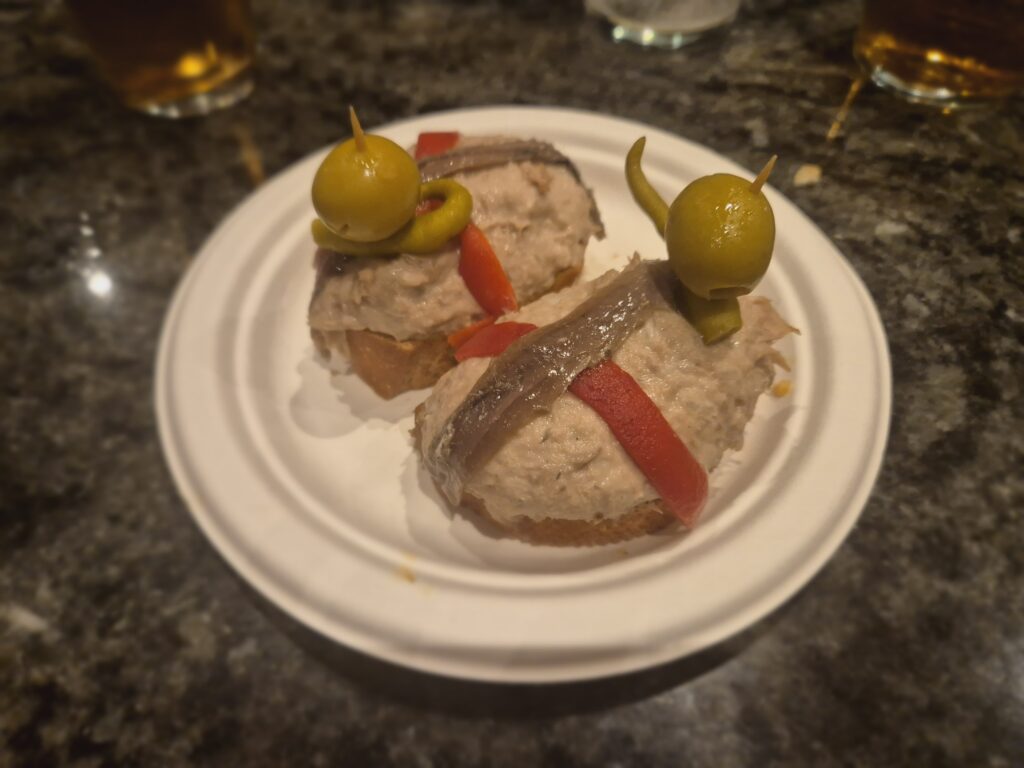
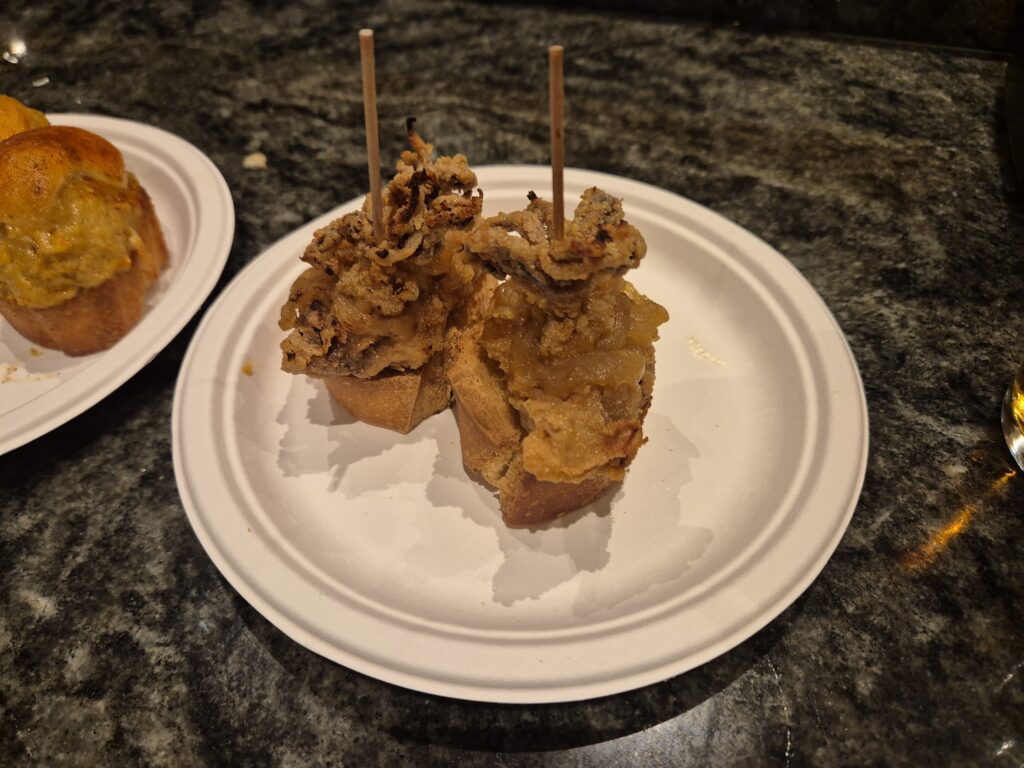
Next door, La Viña del Ensanche has been run by the same family since 1927 and serves some of the city’s finest jamón ibérico, sliced on a vintage 1907 Berkel. For a full rundown of where to eat and how to navigate the ritual, our guide to the best pintxos in Bilbao covers the city’s four key neighbourhoods for txikiteo.
For a sit-down dinner (if you still have room), book ahead at Mina, chef Álvaro Garrido’s Michelin-starred restaurant which recently relocated from its original riverside spot to larger premises in the Indautxu neighbourhood. The tasting menu changes with the seasons but always showcases Basque ingredients with subtle Asian influences. The sake selection might seem incongruous until you taste how perfectly it pairs with local seafood.
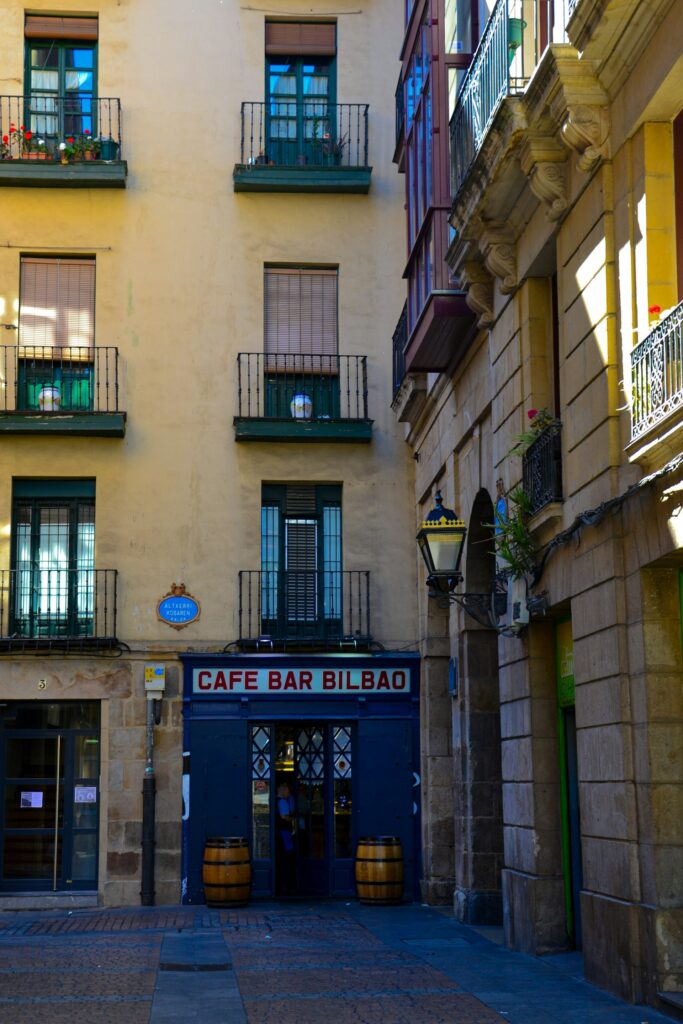
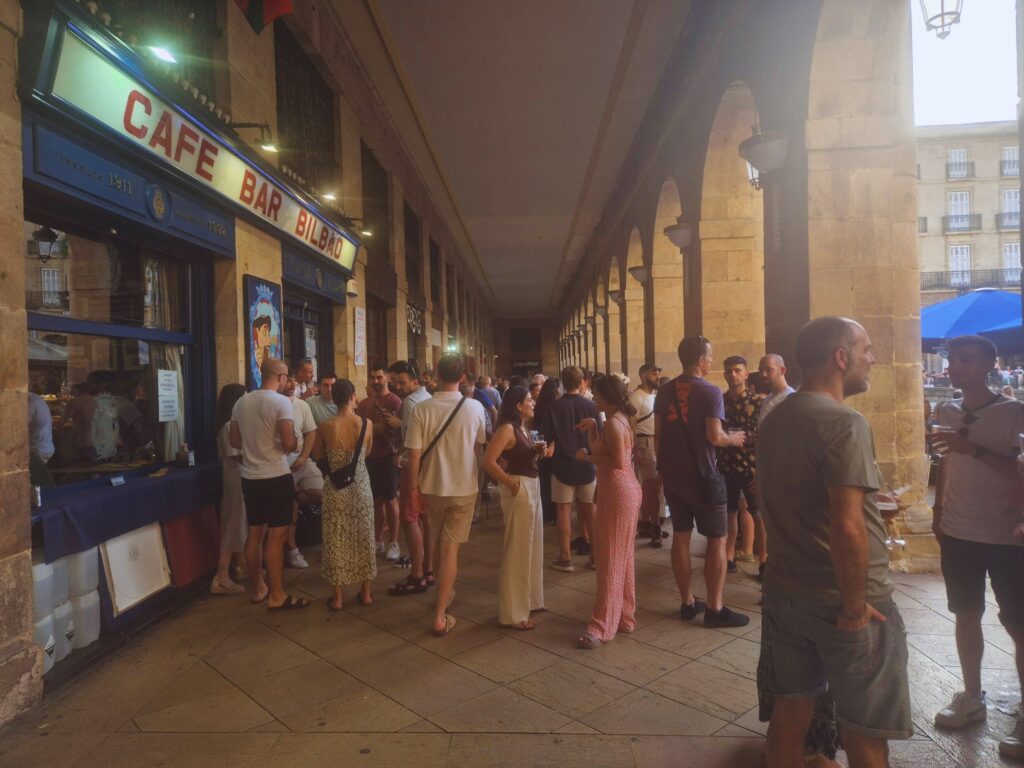
End your night at Café Bar Bilbao back on Plaza Nueva, where the tiles haven’t changed since 1911 and the atmosphere gets increasingly animated as the night wears on.
Day 2
Morning: Art, Coffee & A View
Beat the crowds with a 9am visit to the Museo de Bellas Artes, Bilbao’s other world-class art museum that somehow flies under the tourist radar. The museum is currently partially open (with free admission) during the major Foster + Partners expansion project, Agravitas, with the full reopening scheduled for June 2026. What’s accessible is well worth the visit; the Basque art section proves particularly fascinating, revealing how isolated this culture remained from mainstream Spanish movements.
Exit through the lovely Doña Casilda Park and head to nearby Café Arrese in Abando district for a bit of Basque breakfast. This traditional pastelería has been perfecting its recipes since 1852; their butter croissants and Carolina pastries provide the perfect sugar rush for the day ahead.
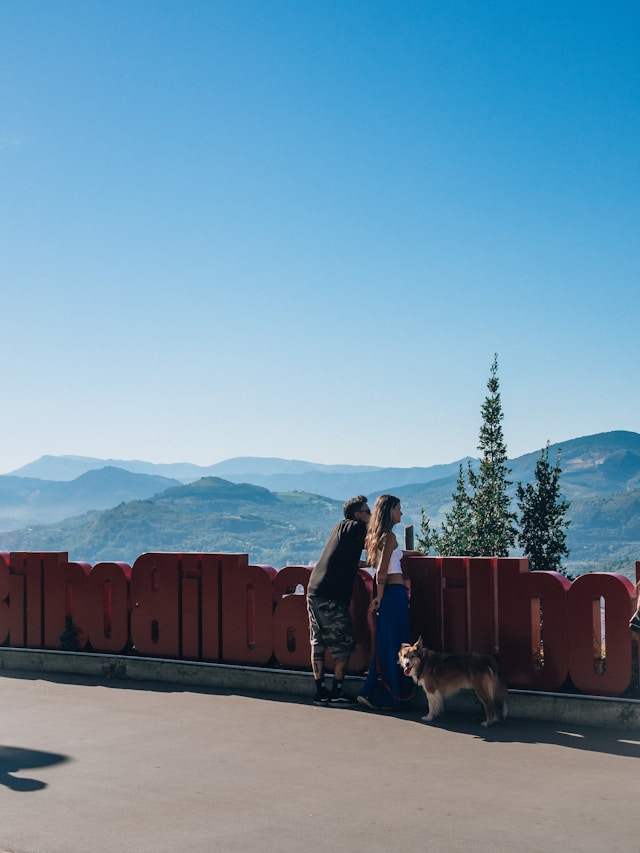
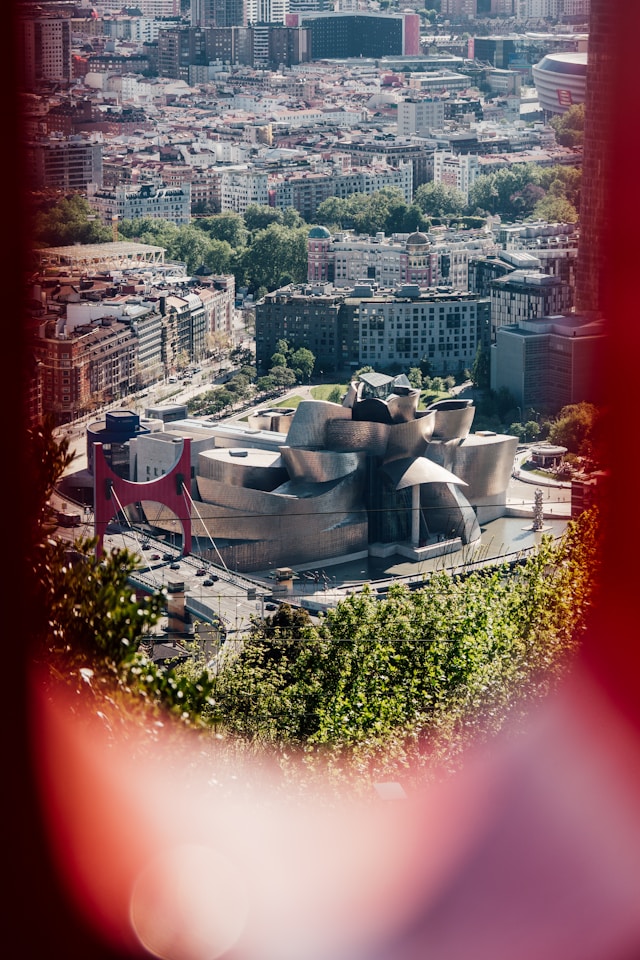
From here, it’s a short walk north through the museum district to the Funicular de Artxanda, which departs from behind the Guggenheim. This three-minute ride whisks you 770 feet above the city to a park where the panorama encompasses everything from the Guggenheim’s titanium curves to the Bay of Biscay. The contrast between green mountains and urban sprawl helps explain why Bilbaóns seem so content; they’ve got the best of both worlds.
Afternoon: Beach, Bridge & Football
Descend and take the metro (the stations themselves are architectural gems designed by Norman Foster) to Getxo, a seaside suburb about 30 minutes north. The Puente Bizkaia transporter bridge, a UNESCO World Heritage site, still ferries cars and pedestrians across the river mouth in a hanging gondola. Take the lift to the top walkway for vertigo-inducing views, then stroll along the waterfront promenade to Ereaga beach. For lunch, Las Arenas beach offers several chiringuitos (beach bars) serving fresh seafood with sand between your toes.
Return to central Bilbao for a pilgrimage to San Mamés Stadium, home of Athletic Bilbao. Even non-football fans should appreciate this club’s unique philosophy: they only field players born or raised in the Basque Country, yet have never been relegated from Spain’s top division in over a century of competition, holding their own against the likes of Real Madrid and Barcelona with a fraction of the budget.
If football doesn’t appeal, the nearby Azkuna Zentroa offers an alternative cultural fix. Philippe Starck transformed this former wine warehouse into a civic centre that defies categorisation. The 43 unique columns supporting the building each tell a different story, and inside you’ll find everything from a cinema to a rooftop swimming pool with a glass bottom.
Evening: Modern Basque Finale
For your farewell dinner, end your 48 hours where locals do, at a traditional asador (grill house) in the old town. Try Kasko for excellent grilled meats; order the chuletón (ribeye) for two, cooked over vine cuttings, and toast your weekend away in Bilbao with a glass (or two) of Rioja.
Beyond Bilbao: Extending Your Stay
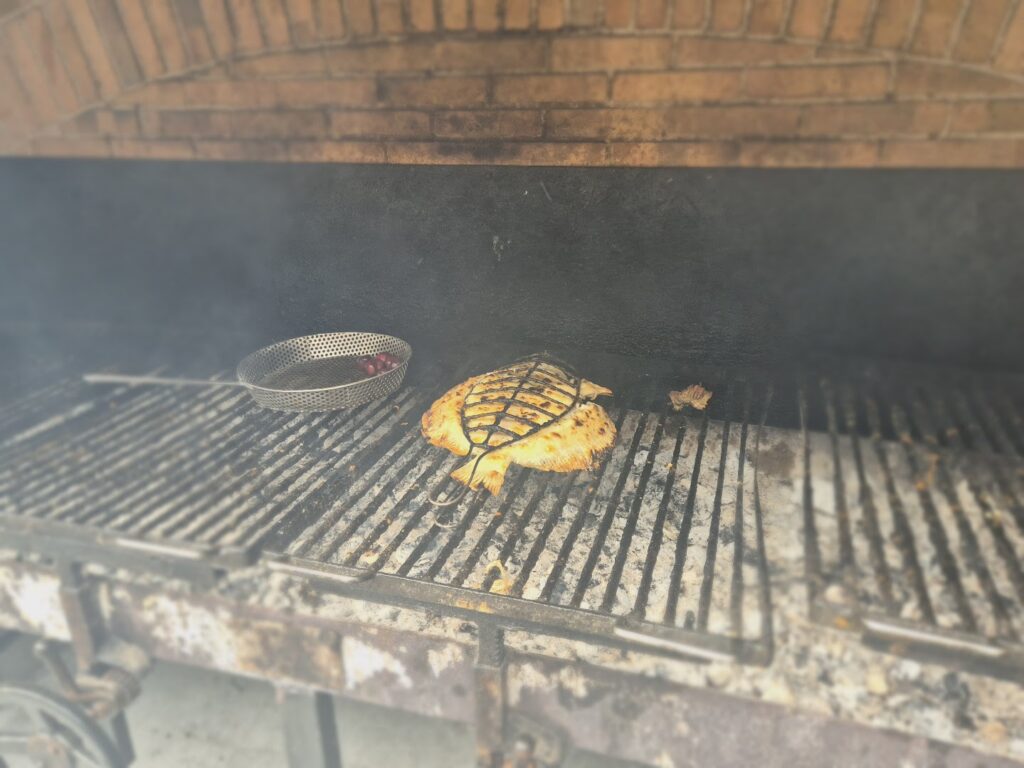
If two days isn’t enough (and it won’t be), the Basque Country rewards a longer stay. San Sebastián is less than 90 minutes east by bus, with its own legendary pintxo scene concentrated along the old town’s narrow streets. Break the journey at the fishing village of Getaria, birthplace of Balenciaga and home to Elkano, one of the world’s great seafood restaurants, where whole turbot is grilled over charcoal just metres from the harbour.
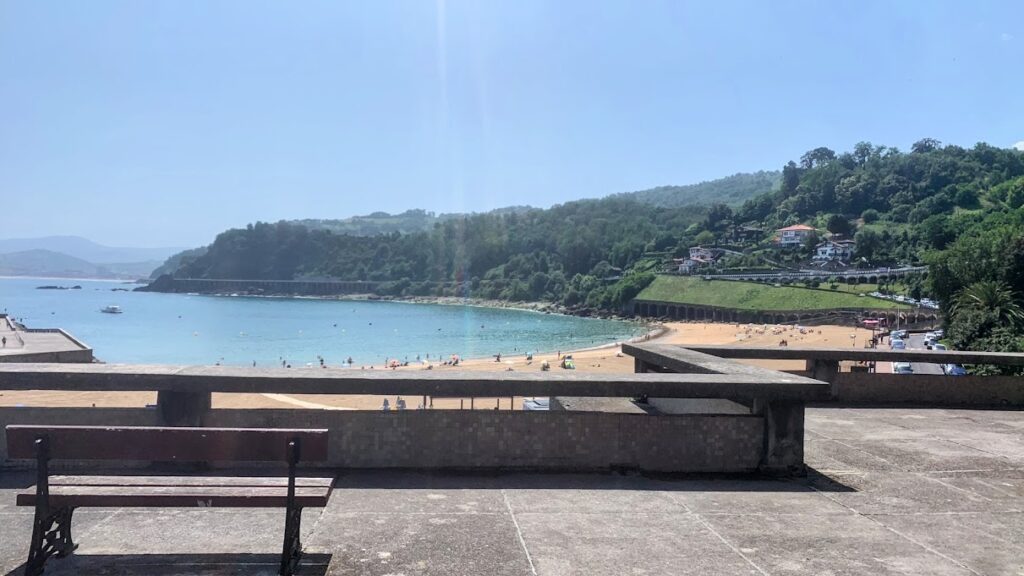
Head south and you’re in the Rioja wine region within an hour, tasting Tempranillo among centuries-old bodegas. North, the French Basque coast from Biarritz to Saint-Jean-de-Luz offers a different character entirely: softer light, Art Deco seafronts and Basque culture with a Gallic accent. All of it is easily combined into a longer trip, whether self-driven or through small group tours of Spain that connect the region’s highlights without the logistical headaches.
Where To Stay In Bilbao
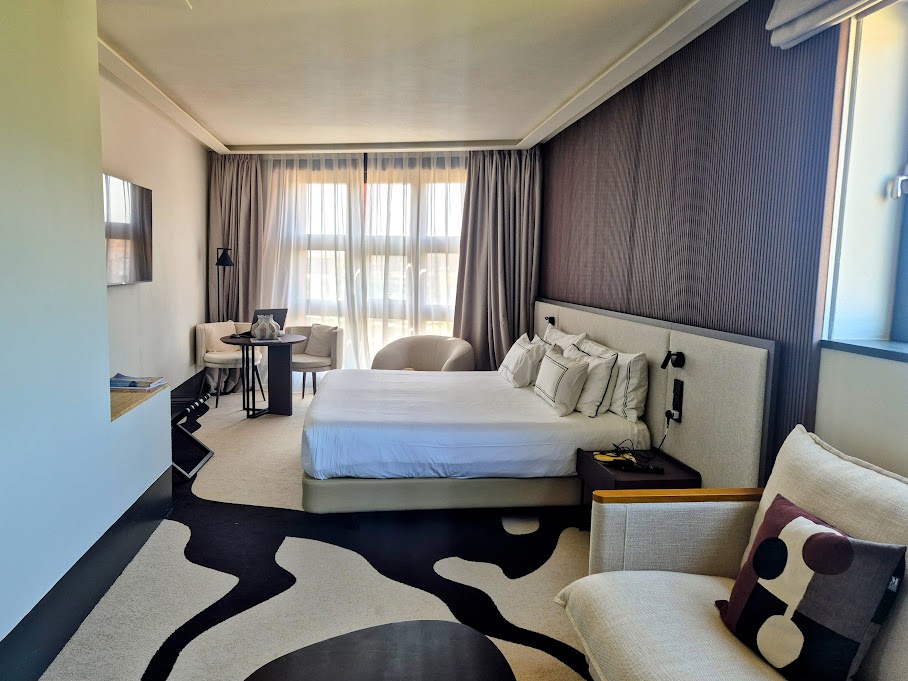
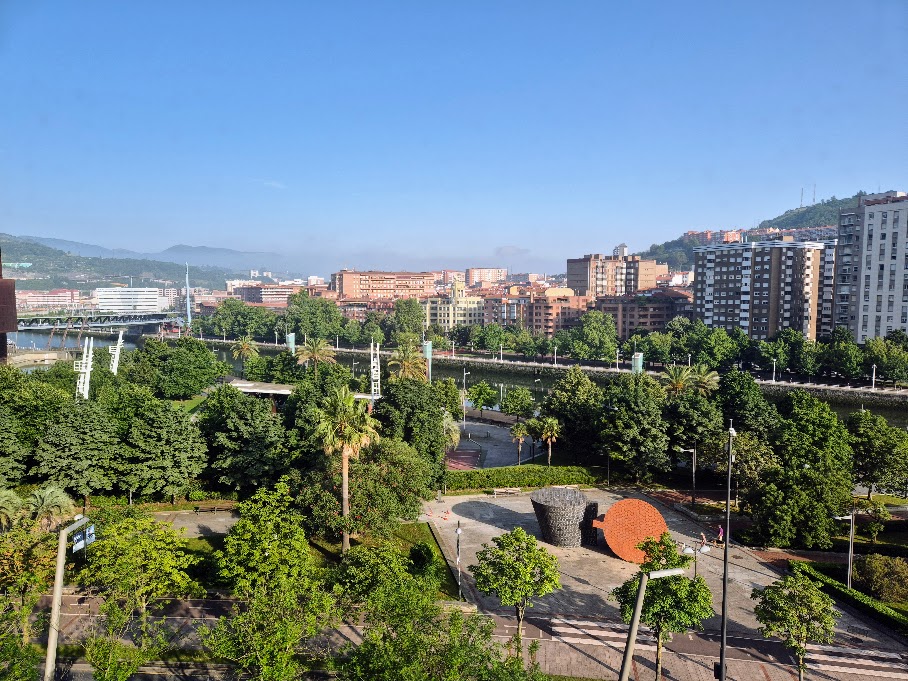
We stayed at the Meliá, which overlooks Doña Casilda Park. Designed by Mexican architect Ricardo Legorreta as a tribute to Basque sculptor Eduardo Chillida, the building is a bold slab of Bilbao red that fits right in among the Gehrys and Calatravas. Its location, a short walk from both the Guggenheim and the Casco Viejo, made it an ideal base for covering the city on foot. Rooms on the upper floors face the park and the mountains beyond, and the breakfast buffet leans heavily on local produce: Idiazábal cheese, Basque cider, cured meats from the region.
For a front-row seat to the Guggenheim, The Artist Grand Hotel of Art (formerly Gran Hotel Domine) sits directly opposite the museum in a building designed by Javier Mariscal, with Philippe Starck bathtubs and a rooftop terrace looking straight across at Gehry’s titanium curves. In the Casco Viejo, Hotel Tayko occupies a 1924 building with exposed brick and industrial-chic interiors; its restaurant is overseen by Michelin-starred chef Martín Berasategui, which alone justifies the booking.
Budget-conscious visitors should look at the Ensanche district, where mid-range options sit within easy walking distance of both the old town and the museum quarter.
The Bottom Line
Forty-eight hours in Bilbao reveals a city that’s mastered reinvention without forgetting its roots. From the Guggenheim’s titanium waves to the Casco Viejo’s medieval lanes, from cutting-edge cuisine to traditional txikiteo, the city offers a masterclass in how industrial heritage and contemporary culture can coexist and thrive. Don’t be surprised if you’re already planning your return before you’ve even reached the airport, which, in true Bilbao style, is conveniently located just twenty minutes from the city centre.
We’re off to the Spanish capital next, for a taste of Madrid’s most iconic local dishes. Care to join us?