
Gym memberships in the UK now average just over £25 a month at low-cost chains alone, according to Leisure DB’s 2025 State of the UK Fitness Industry Report, with mid-market memberships sitting closer to £50 and London prices regularly pushing past £75. That’s before you factor in the petrol, the parking, the protein shake at the counter, and the small psychic cost of changing in a room that smells of Lynx Africa.
Little wonder, then, that the home workout has gone from lockdown necessity to genuine lifestyle shift, with Sport England’s latest Active Lives survey showing record numbers of UK adults now meeting weekly activity guidelines, much of it done outside traditional gyms.
The best part? You don’t need to spend a single penny to build a genuinely effective home gym. A surprising amount of resistance, cardio and mobility work can be done entirely with stuff already kicking around your house. Fitness experts have long noted that you can do nearly a full workout with just a wall, and with a bit of imagination and a willingness to lunge across your living room, you’ll be hitting every major muscle group without setting foot in a Pure Gym. With that in mind, here are 7 IDEAL tips for creating a free home gym with items you already own.
Sort The Floor First
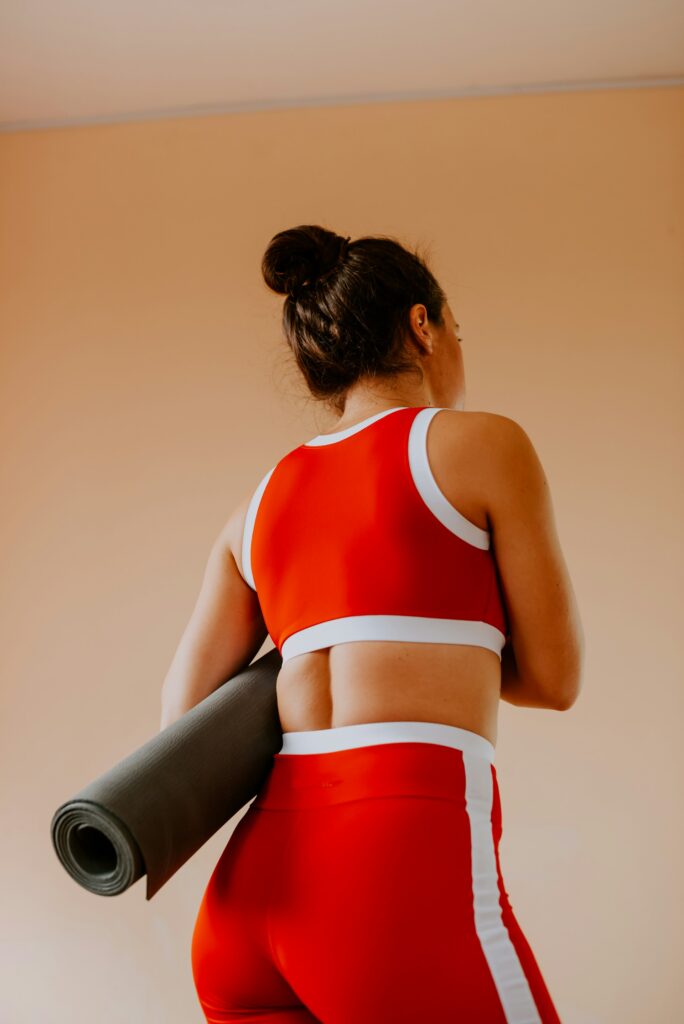
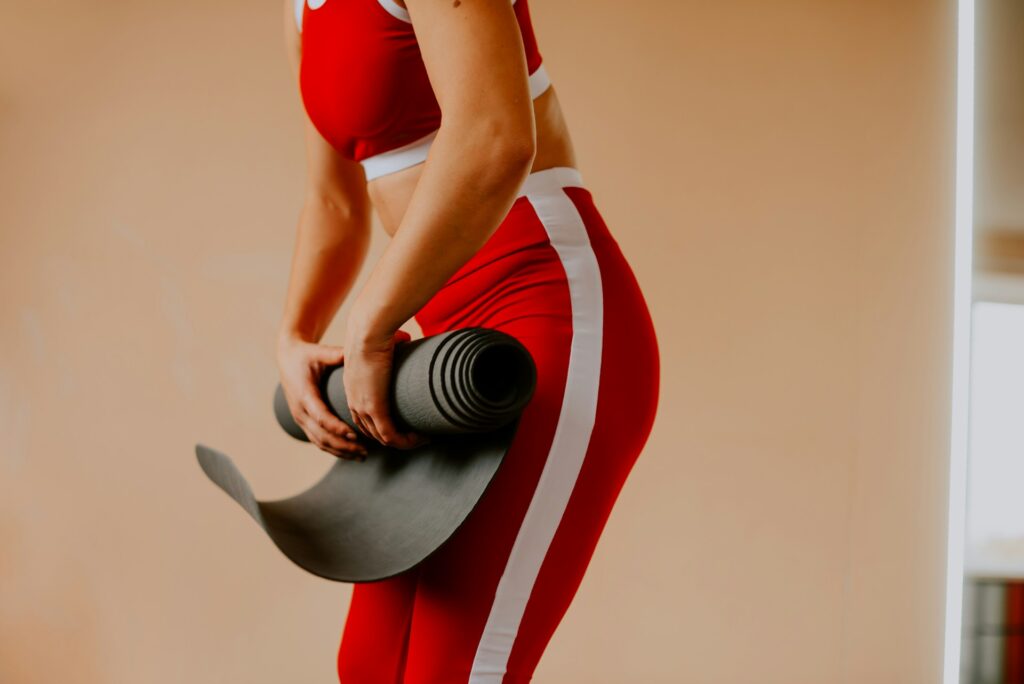
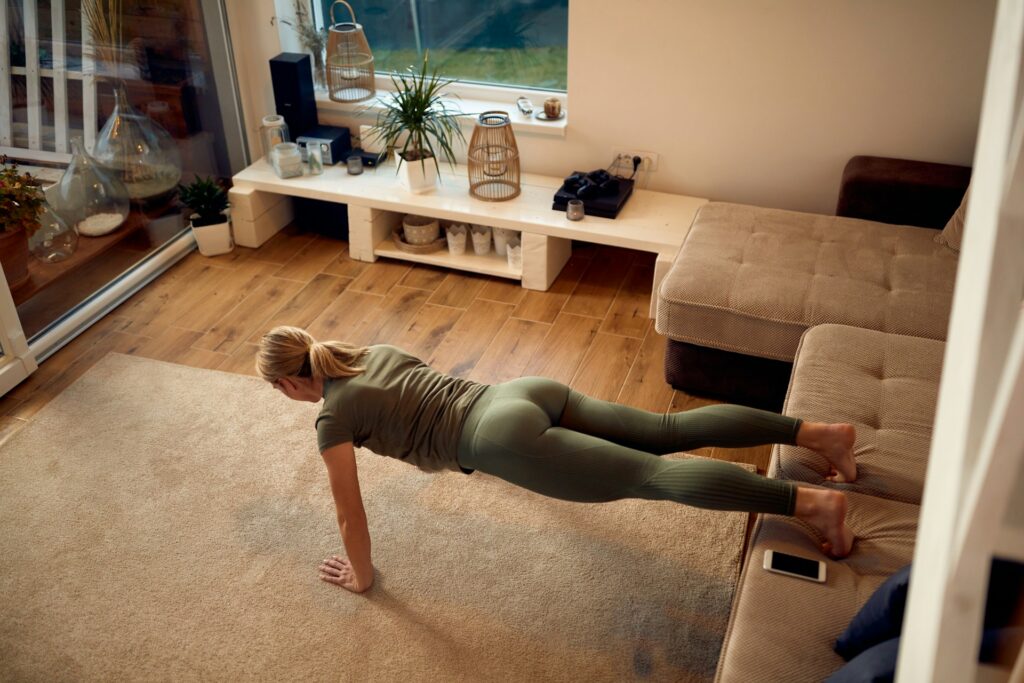
Before you do anything else, think about what’s under your feet. A workout on a hardwood floor in your slippers is asking for a turned ankle, and your downstairs neighbours will quickly tire of the burpees. The good news is that most homes already contain everything you need; a thick rug folded in half works brilliantly for floor-based stretching and core work, while an old yoga mat (most households seem to have one gathering dust behind the wardrobe) gives you enough grip for planks and press-ups.
If you do decide to spend on a single thing as part of your home setup, make it protection for your floor. Even pure bodyweight work, jumping jacks, burpees, mountain climbers, press-ups, takes a quiet but cumulative toll on floorboards, carpet underlay and the patience of anyone living beneath you. A set of decent gym floor mats absorbs the impact, dampens the noise, and protects the one thing in your home you genuinely can’t replace cheaply. Floor damage is the cost that outlasts the workout, so it’s worth heading off early.
Chair Squats, Dips & Step-Ups
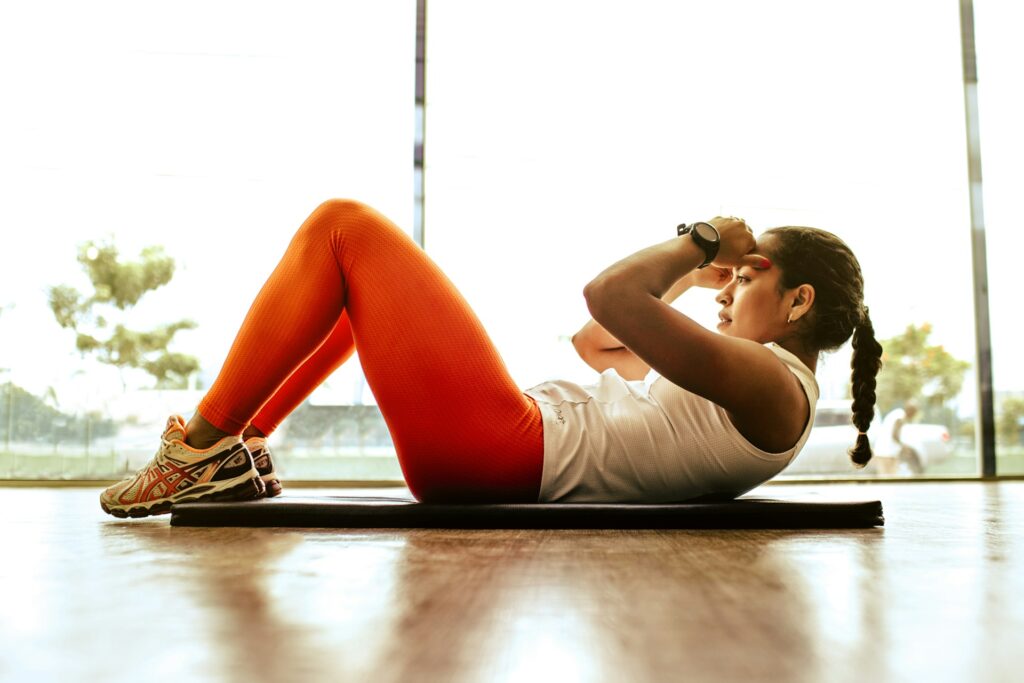
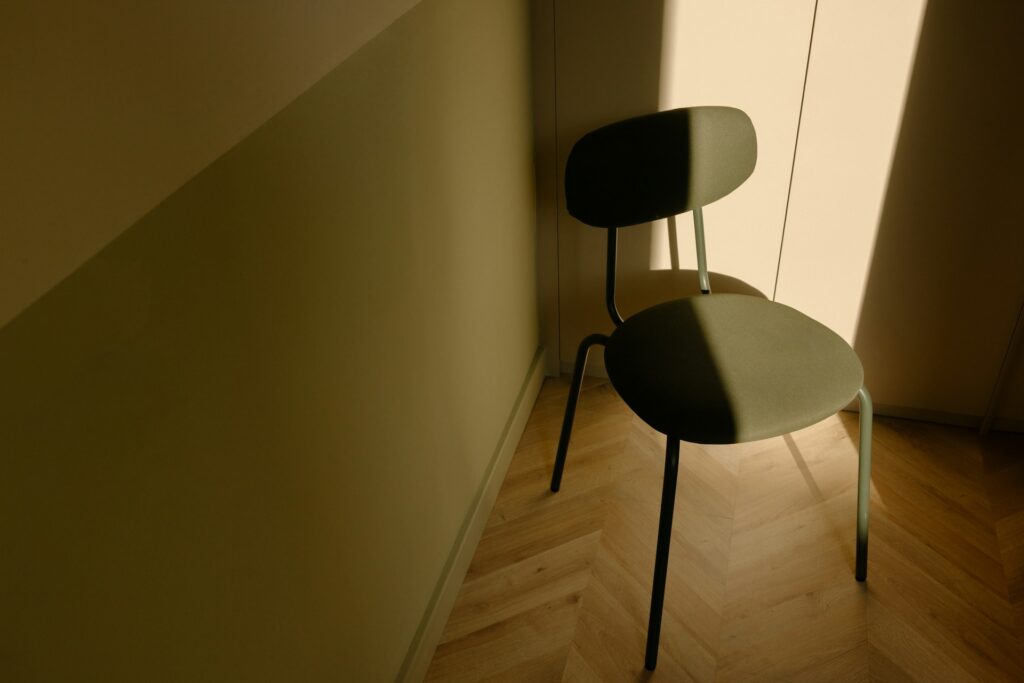
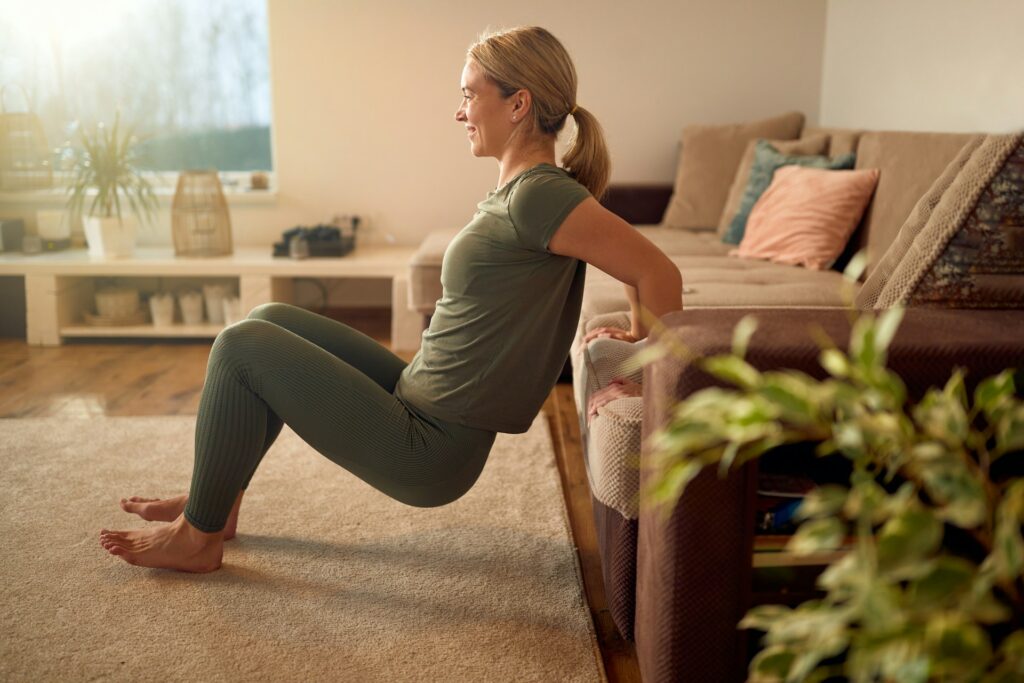
A solid dining chair is one of the most versatile pieces of fitness kit you’ll never have to buy. For squats, sit on the seat with a straight back and arms extended in front of you, then slowly rise to standing before lowering yourself back down, hovering just above the seat at the bottom of each rep. For tricep dips, face away from the chair, place your palms on the edge of the seat with fingers pointing forwards, and lower your body until your elbows reach a 90-degree bend.
A sturdy chair (or the bottom step of your stairs, if your dining furniture is more for show) also makes an excellent platform for step-ups, which are unassuming but one of the most efficient lower-body exercises going. Just make sure the chair isn’t going to slide; a non-slip mat or a wedge against the wall sorts that.
Grocery Cupboard Weights
The dumbbell aisle of any sports shop is a study in marketing. A pair of 5kg neoprene-coated weights costs around £40, and yet most kitchens contain heavier loads sitting on the shelves for free. A standard 5kg bag of rice or potatoes is exactly that. A two-litre bottle of water weighs 2kg, a four-pinter of milk roughly 2.3kg, and a large bag of cat litter or compost can easily hit 10kg or more.
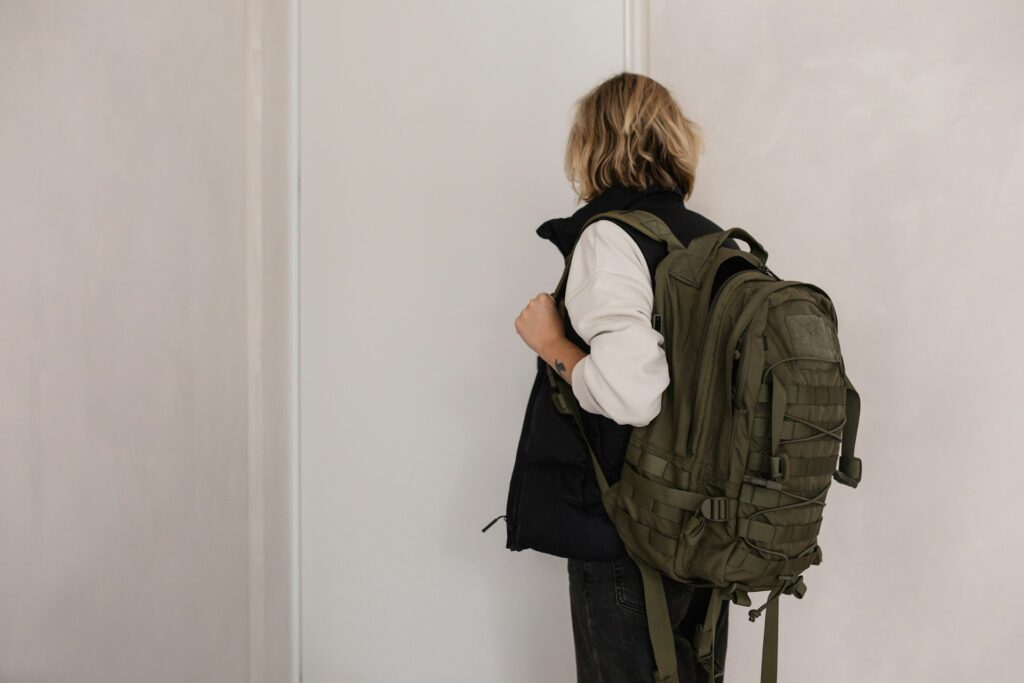
For meaningful resistance, think bigger. A full backpack loaded with hardback books quickly reaches 10–15kg, comfortably enough to challenge most home lifters during goblet squats, rows, deadlifts and overhead presses. Two filled five-litre water bottles, one in each hand, give you 10kg of suitcase-carry loading for farmer’s walks down the hallway. If you need to go heavier still, a sturdy laundry bag filled with books or sand becomes a serviceable sandbag for cleans, carries and shouldered squats. Sure, your home gym might look a little chaotic, and your partner will be confused when they go to cook your favourite dinner only to find the ingredients are gone, but that’s the rub and them’s the brakes.
Lighter loads still have their place. The 1–2kg range, two tins of chopped tomatoes, a small water bottle, suits high-rep isolation work for shoulders and arms; lateral raises, front raises and bicep curls all benefit from going lighter and slower than ego suggests. The trick is matching the weight to the movement, keeping the load balanced, and making sure whatever you’re gripping won’t slip mid-rep. None of it needs to leave your account.
Stair Cardio & Plyometrics
If you’ve got stairs, you’ve got a cardio machine, and one that costs precisely nothing to run. Research highlighted by Harvard Health found that people who climb more than five flights of stairs daily, around 50 steps, were roughly 20% less likely to experience a heart-related problem or stroke, based on data from nearly 460,000 adults. You can dial the intensity up by skipping every other step, taking them two at a time, or adding a weighted backpack for resistance.
For something more explosive, the bottom step works beautifully for plyometric box jumps, alternating quick step-ups (think mountain climbers, but vertical), or simply sprinting in place at the foot of the stairs and tagging the third step on every count. It’s brutal, it’s free, and you can do it while the kettle boils.
Towel Roller & Resistance
Foam rollers have become a fixture of the modern wellness routine, and they do genuinely help with stretching, post-workout mobility and releasing tight fascia. Rather than spending £25 on what is essentially a tube of dense foam, roll a thick bath towel tightly around a rolling pin and secure it with two elastic bands. It’ll do the same job for your IT band, your upper back, and your calves, with the bonus that you can unroll it and dry yourself with it afterwards.
A long towel doubles as a free resistance band, too. Loop it around your feet for seated rows, hold it taut overhead for shoulder mobility, or use it as a sliding disc on a hardwood floor for hamstring curls and pike push-ups. Old tights or a long scarf work similarly, and there’s a quiet satisfaction in repurposing things you’d otherwise have donated to the charity shop.
Backpack Loading
Of all the no-cost training methods, weighted backpack work (sometimes called rucking by people who take it very seriously) might be the most underrated. Load a sturdy rucksack with hardback books, bags of rice, or filled water bottles, tighten the straps so it sits flush against your back, and you’ve effectively built yourself a weight vest for the cost of nothing at all.
Wear it during squats, lunges, press-ups or step-ups to add resistance, or take it for a brisk walk and turn an ordinary stroll into a meaningful conditioning session. According to the Cleveland Clinic, rucking burns up to three times more calories than walking without a weighted pack, putting it on par with jogging, and weighted walking has also been linked to improved bone density and reduced risk of osteoporosis as you age.
Habit Stacking With Television
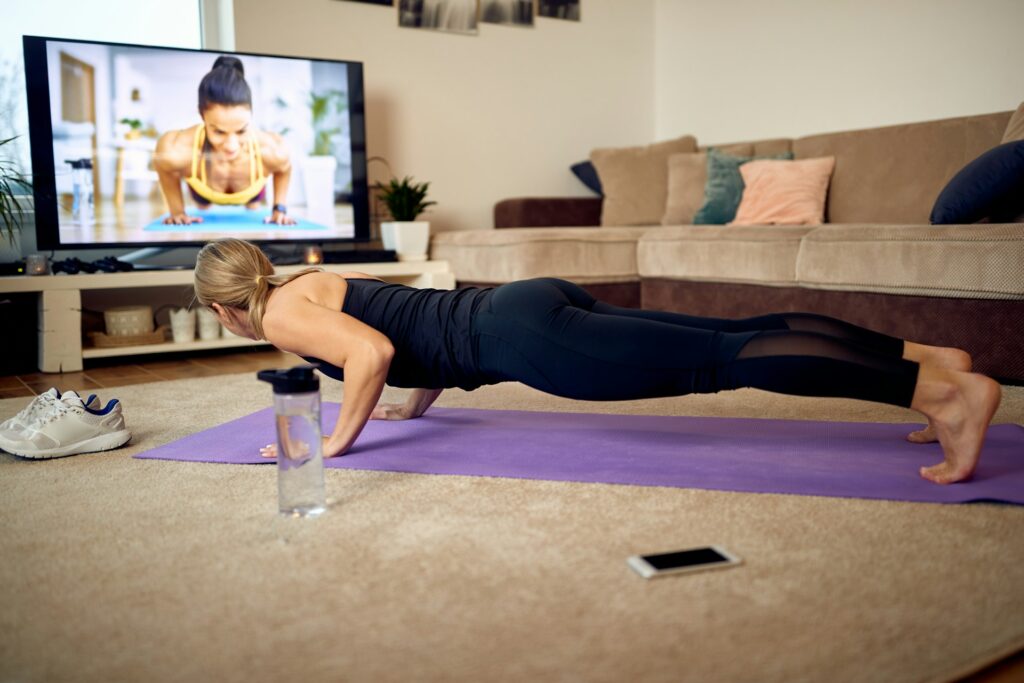
The final tip is more behavioural than equipment-based, but it’s the one most likely to actually keep you moving, and it requires nothing beyond the telly you already own. The principle is simple; attach a small dose of exercise to something you already do without thinking, in this case watching television.
Pick a show, pick a trigger, and pick a movement. Every time the Bake Off theme plays, do 20 squats. Every time someone on Succession says something cruel, drop and do 10 press-ups (you’ll be ripped by the end of the season). Every ad break in the football, plank for 60 seconds. The point isn’t to replace structured training but to break up the long sedentary stretches that Harvard researchers have linked to a 40–60% greater risk of heart failure and cardiovascular death, even among people who otherwise meet activity guidelines.
The Bottom Line
A full-functioning home gym doesn’t require a spare room, a deadlift platform or a subscription to anything. It requires a bit of floor space, a willingness to look slightly daft in front of your own furniture, and the recognition that consistency beats kit, every single time. Spend the gym membership you’ve just saved on something that actually brings you joy. A really good coffee machine, perhaps.