If you’re planning an African safari in the not-too-distant future then we’re sure you’ve balked at the prices and been warned of the potential for heaving crowds, both. Indeed, the most popular African safari locations, such as Botswana and South Africa, certainly have a reputation for being on the steeper side.
But it’s neighbouring Namibia where we’re focusing today, which is reasonable, less populated, and generally a superb choice for an affordable African safari holiday. Right now, the Pound is strong against both the Namibian Dollar and South African Rand, which are used simultaneously and interchangeably in the country, and this makes the country a relatively cheap option for travel.
Namibia’s dry season and consequently, the best time to visit, is from roughly May to October, and it’s during this time you’ll see the most wildlife, with the sky clear and visibility high. Temperatures during this time are also more manageable; in fact, it gets pretty chilly at night! Rainy season is a different wildebeest, and sees huge bird migration and plenty of newborns. For visitors, from November to April, the heat and humidity can get unbearable.
Most travellers from London fly to South Africa’s Johannesburg and transit to Windhoek, Namibia’s capital. Alternatively, you can change at Frankfurt; Namibia used to be a German colony and connections between the two countries remain.
Anyway, enough of the need-to-know spiel, you’re here to talk about safari destinations. With that in mind and without further ado, here are 7 must see places on your tour of Namibia, Southwest Africa.
Namib-Naukluft Park
We had to start here, as the vast majority of Namibia safari holidays do, in Africa’s largest game park and the fourth largest of its kind in the world.
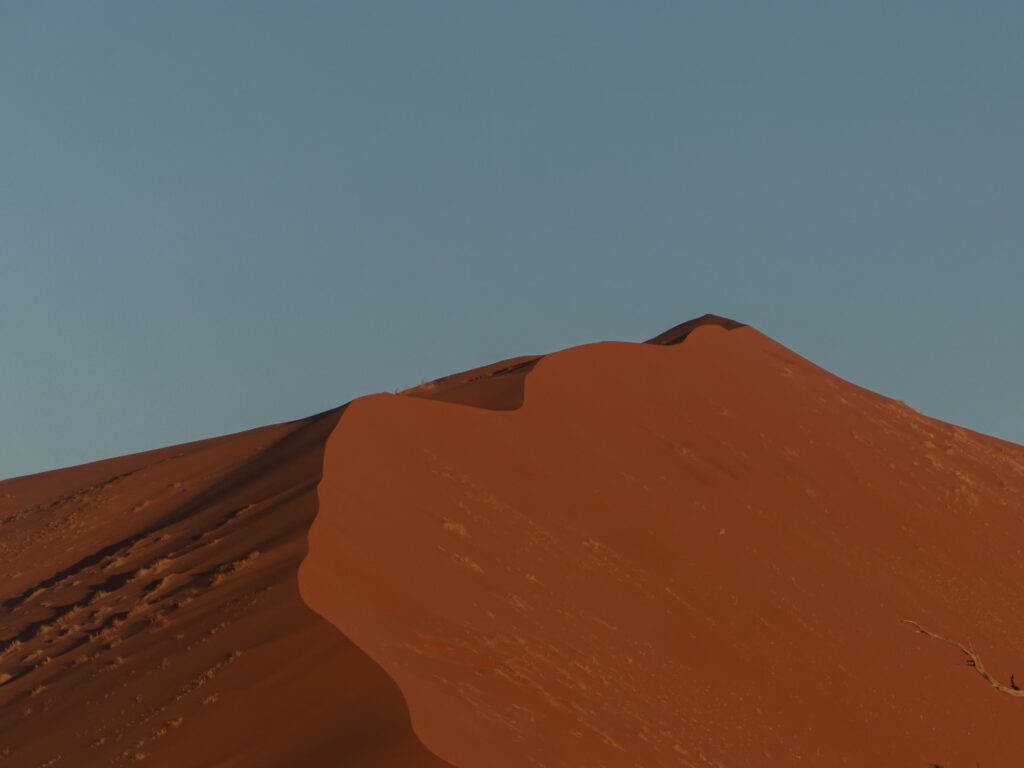
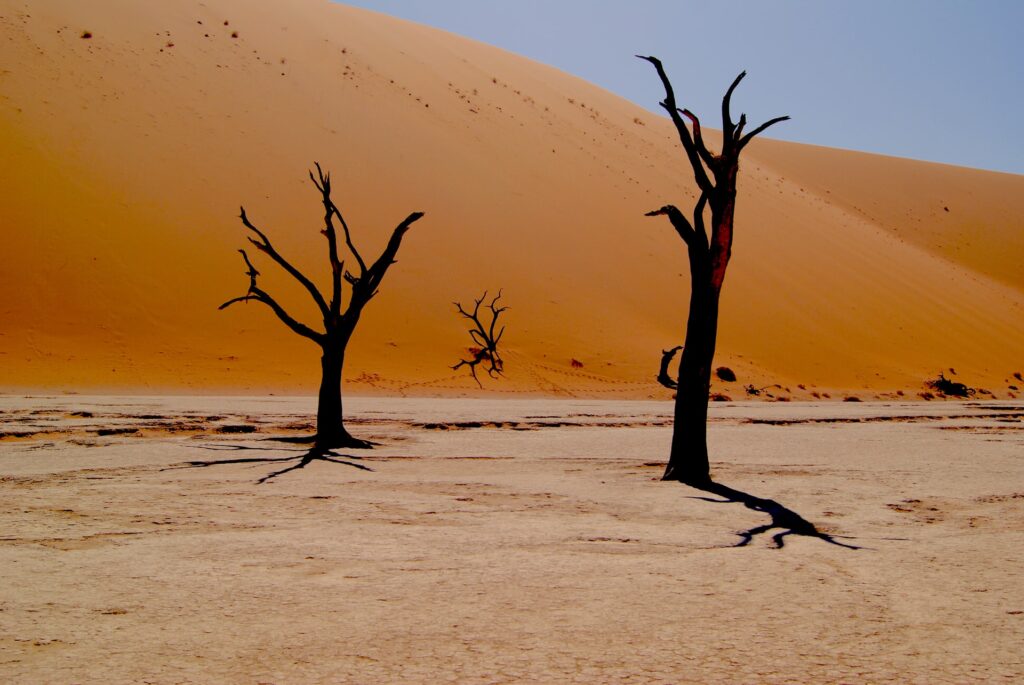
If it’s diversity of landscape you’re after, then in Namib-Naukluft you’ll find some of the most varied, sprawling and magnificent scenery in the world. Indeed, the park boasts a desert, mountain range, lagoon and sand dunes, and is the premier destination in the country for geographic intrigue. A particular highlight is the red dunes of Sossusvlei; rolling, mysterious and spectacular.
Because the terrain is primarily arid and unforgiving, Namib-Naukluft isn’t the best place for wildlife spotting in Namibia. Though plenty of lizards, such as gecko, sidewinder snakes and chameleons, live here, they’re tough to spot. You’ll have more luck spying puku antelope and springbok, but the real appeal of Namib-Naukluft is that dramatic scenery.
Namib-Naukluft Park’s Sesriem entry point (which is close to Sossusvlei) is a four hour drive west from Namibia’s capital, Windhoek. Most tour packages will provide airport pick up, at Hosea Kutako International Airport, in a 4×4, and with required road and entry permits already in place.
Etosha National Park
You said you were in Namibia to see animals, right? Etosha National Park, in the north of the country, is your place. Regarded as one the continent’s great national parks for sheer diversity of wildlife, it takes its name from the Etosha salt pan, an 80 mile dry lakebed and focal point of the park.
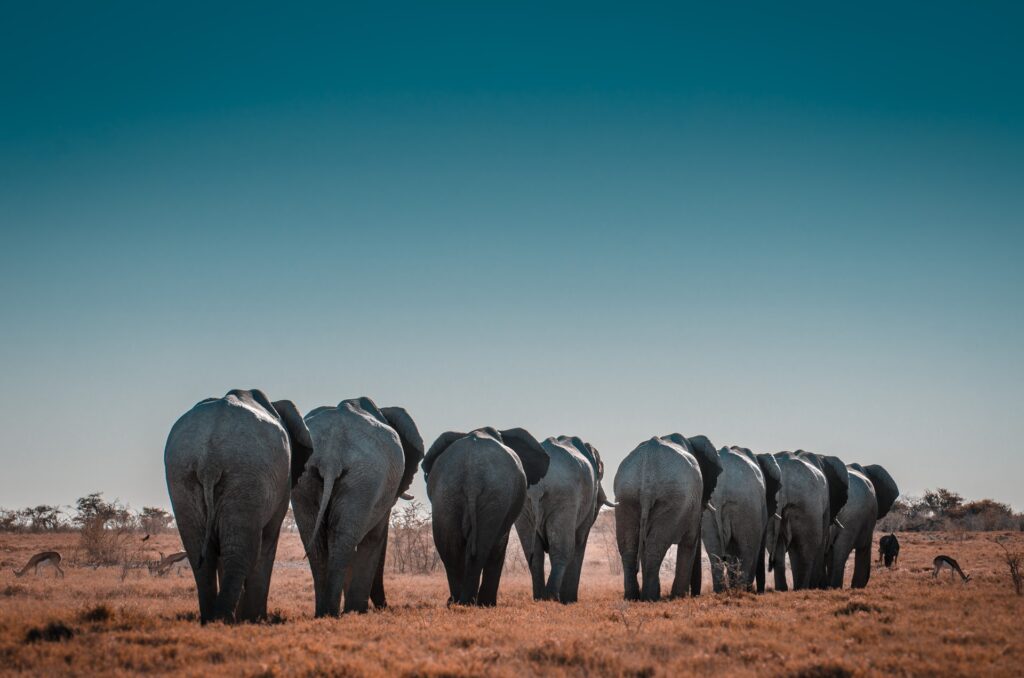
The park is home to the key mammal groups safaris are famous for. Expect to see (if you’re lucky, of course; this is the wild, after all) lions, leopards, elephants, rhinos, giraffes, cheetahs, zebras and so much more throughout the year, primarily in the dry season between May and October.
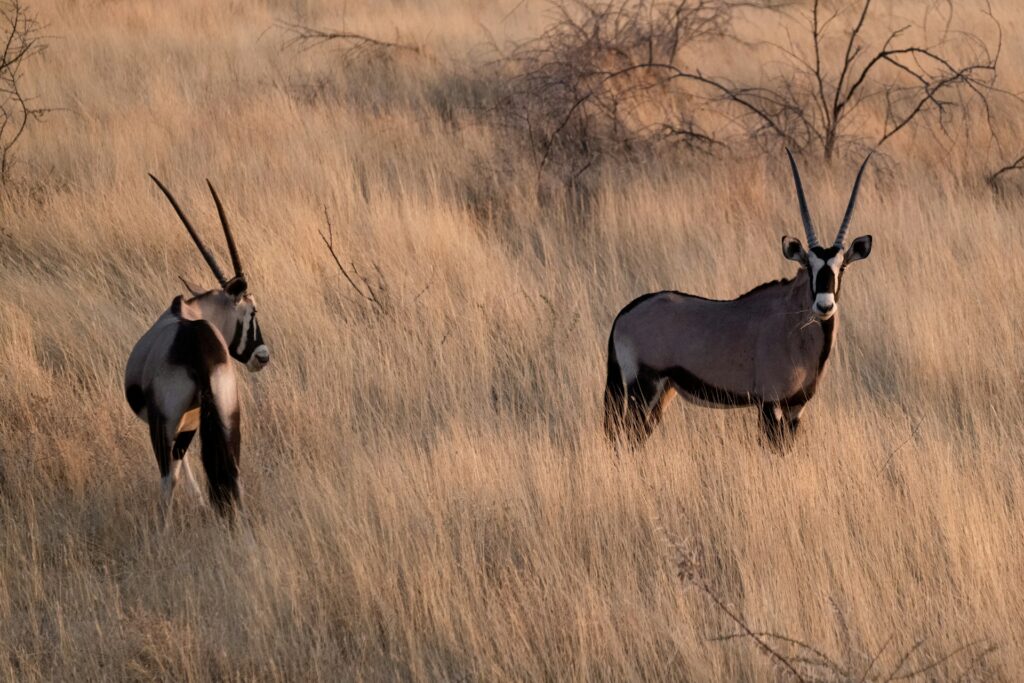
For big cats, in particular, Kalkheuwel and Chudop are popular spots. For the largest collection of animals in one place, including elephants and zebras, you’ll want to arrange your visit to focus on watering holes, where mammals, birds and reptiles congregate. The Okondeka, Ombika, Nebrowni and Moringa watering holes are highlights.
Perhaps the biggest draw of all is the endangered black rhinoceros, found around the watering holes of Etosha National Park and considered to be the best place in the world to spot them. Because the park is vast, be sure to arrange an excursion with one of the several Namibia tour packages on offer catering to the area, whose expertise gives you a much greater chance of seeing four of the big five who call the national park home.
The drive from Windhoek to Etosha National Park takes around six hours heading north, but views of Namibia are spectacular on the way.
Skeleton Coast National Park
For those seeking a truly unique and hauntingly beautiful experience, Skeleton Coast National Park is an unmissable destination. Located in the north-western part of Namibia, this park stretches along the Atlantic Ocean and is renowned for its eerie shipwrecks, dense fog, and desolate landscapes. The name itself evokes a sense of mystery and adventure, derived from the numerous shipwrecks that litter the coast, remnants of vessels that met their fate in the treacherous waters.
The park is divided into two sections: the southern part, which is accessible to the public, and the northern part, which requires a special permit or guided tour. The southern section offers stunning vistas of the Atlantic Ocean, vast sand dunes, and the chance to see Cape fur seals at Cape Cross Seal Reserve, one of the largest colonies in the world.
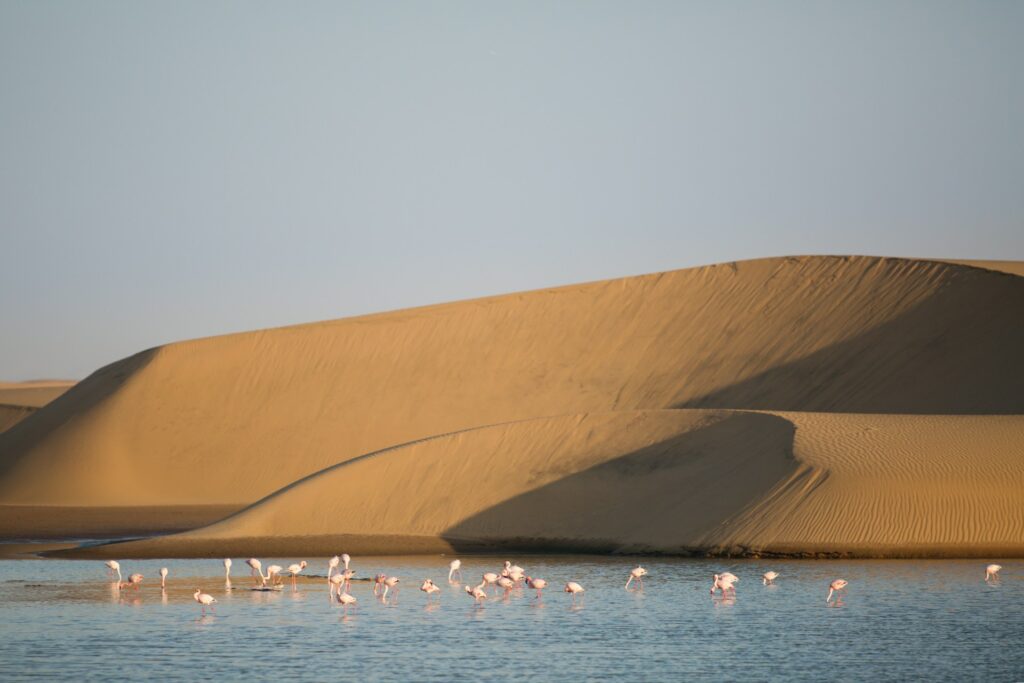
In the northern section, the landscape becomes even more dramatic and remote. Here, you can explore the Hoarusib and Hoanib rivers, which are home to desert-adapted elephants, lions, and other wildlife. The Skeleton Coast is also a birdwatcher’s paradise, with species such as flamingos, pelicans, and cormorants frequently spotted along the shoreline.
A visit to Skeleton Coast National Park is not just about the wildlife; it’s about experiencing one of the most surreal and starkly beautiful places on Earth. The combination of the roaring Atlantic waves, the endless desert, and the ghostly shipwrecks creates an atmosphere that is both haunting and captivating.
To reach Skeleton Coast National Park, most visitors fly into Windhoek and then take a charter flight to one of the airstrips within the park. Alternatively, a self-drive adventure is possible, but be prepared for challenging terrain and ensure you have a well-equipped 4×4 vehicle.
The Zambezi Region (Caprivi Strip)
If it’s untapped and unexplored you’re after, in Namibia’s north eastern pocket is the Caprivi Strip, a sprawling, desolate place, in the best possible way.
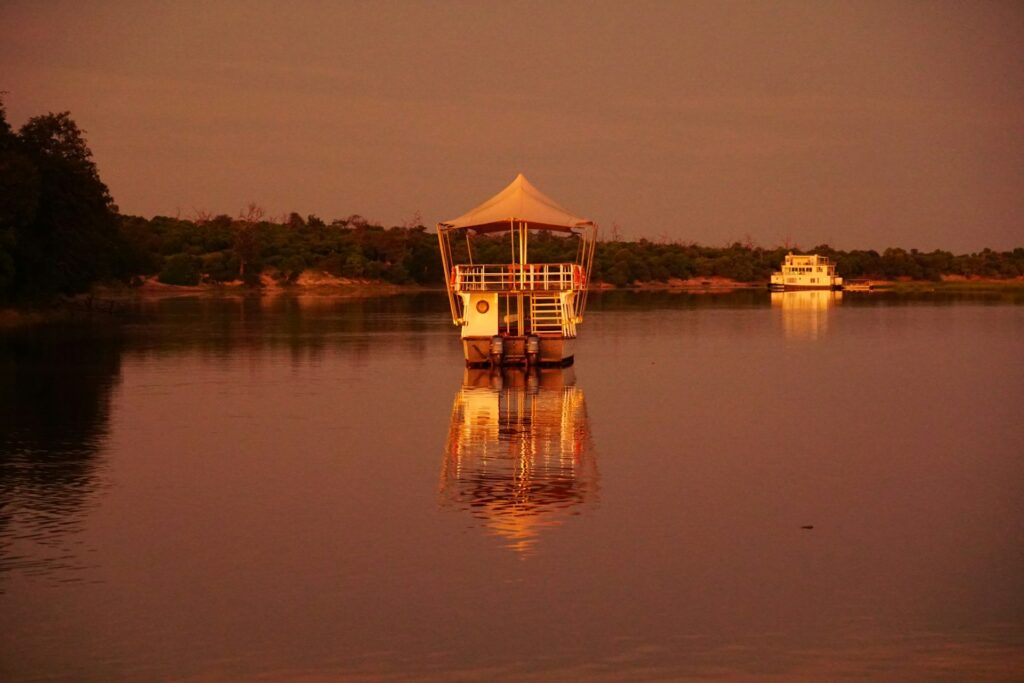
Bordered by Botswana, Angola and Zambia, the strip is rich in resources and wildlife equally. 300 miles long but just 20 miles wide, the Caprivi Strip boasts several unfenced safari camps and has only recently gained popularity as a tourist destination. As such, it’s gorgeously untroubled by modern infrastructure and development. Expect to encounter hippos, elephants and lions in groups, enjoying the abundant water.
Largely, visitors are here on a self-drive basis, rather than being chauffeured by a tour, and a visit to the Caprivi Strip represents an adventure, for sure. But that’s what you’re here for right?
The Caprivi Strip is an 11 hour drive northeast from Windhoek, and many travellers choose to break up their trip with a stay in or near Etosha National Park, which is halfway between the two. Alternatively, you – or your tour operator – could organise a chartered flight from Windhoek to Rundu, which is the gateway to Namibia’s North East, and should set you back around £300. The onward drive to the Caprivi Strip takes around four hours.
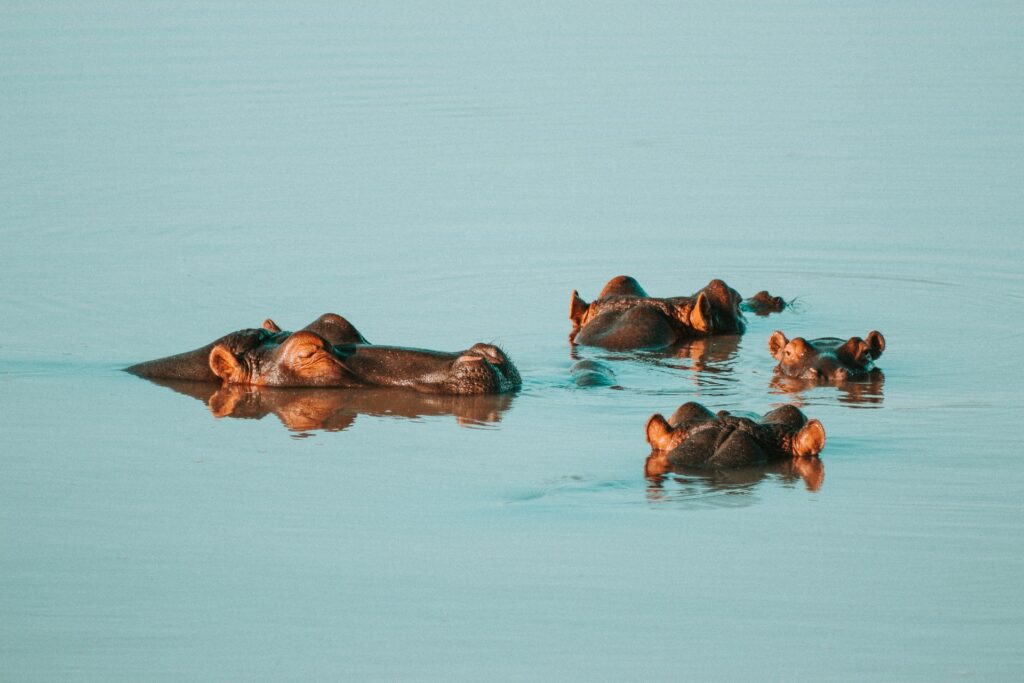
Damaraland
The extremities of Damaraland, in Namibia’s North West, are what will first strike you; barren, scorched desert which sprawls further than the eye can see, the country’s highest mountain Brandberg, and harsh, harsh heat.
Don’t let such inhospitable, ultra-rugged terrain put you off; there’s plenty of wildlife to spot on safari excursions here, with desert elephants and black rhinos the must-see duo. You’ll also have the chance to encounter mountain zebras and giraffes.
The Desert Rhino Camp is the best way to spot the magnificent, endangered black rhinos (and you’ll be contributing to their conservation) but it comes at a cost; more than £500 per person, per night. For something more affordable (although you’re admittedly less guaranteed to engage with the rhinos) many visitors head for the Palmwag area, which has camping and offers excursions to nearby water to spot the mammals.
Another huge draw of Damaraland is the San Bushmen rock art at Twyfelfontein, one of the oldest and most substantial collections of its kind in the world. Just fascinating.
Most visitors book a seat on a charter flight from Windhoek to Damaraland, with Scenic Air or Wilderness Air, which should set you back around £300.
Waterberg Plateau
Most visitors to Namibia make a beeline for Etosha and skip straight past one of the country’s most rewarding stops. That’s a mistake. The Waterberg Plateau, a colossal sandstone tabletop rising 200 metres above the surrounding plains, sits about three and a half hours north of Windhoek and works brilliantly as a stopover en route to Etosha or the Caprivi Strip.
The plateau’s sheer cliff faces made it a natural fortress, and the Namibian government took full advantage; since 1972, endangered species have been relocated here for protection, turning the park into a conservation stronghold. Both black and white rhino roam the top, alongside buffalo, roan and sable antelope, giraffe and wild dog. It’s also home to the highest concentration of leopard in Namibia, though you’ll need serious luck and a guided game drive (self-driving on the plateau isn’t permitted) to spot one.
Birders will find plenty to get excited about, with more than 200 species recorded here, including Verreaux’s eagles and the only breeding colony of Cape vultures in the country. Nine unguided hiking trails wind along the plateau’s base, while ranger-led walks take you up top for views across the Kalahari. The AfriCat Foundation at nearby Okonjima rehabilitates cheetahs and leopards and offers safari activities that double as conservation education.
Waterberg Plateau is around a three and a half hour drive from Windhoek, or roughly four hours south of Etosha. Charter flights to a nearby airstrip are also available if you’d rather skip the road.
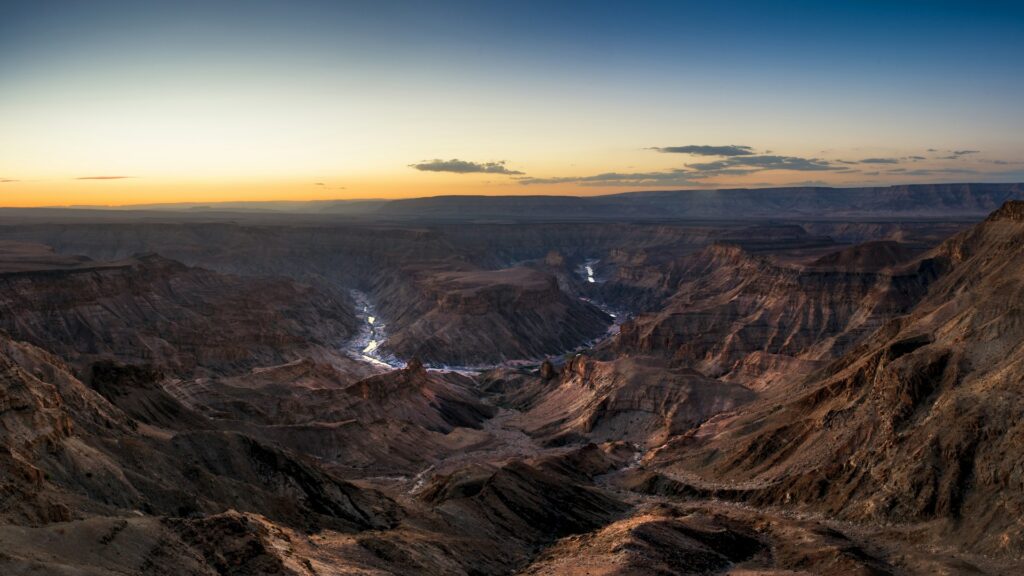
Fish River Canyon
Head south, far south, and you’ll reach the kind of landscape that genuinely stops you in your tracks. Fish River Canyon is the largest canyon in Africa and the second largest in the world, stretching 160 kilometres long, 27 kilometres wide and plunging to depths of 550 metres. It sits within the Ai-Ais/Richtersveld Transfrontier Park in Namibia’s remote south, and it looks like it belongs on another planet.
For serious hikers, the multi-day Fish River Canyon Trail is the main event. The 85 kilometre route takes four to five days, descending into the canyon floor and following the winding riverbed south to the Ai-Ais Hot Springs, where thermal pools offer what might be the most earned soak of your life. It’s regarded as one of Africa’s toughest long-distance walks; a medical certificate is required, permits are limited to around 30 hikers per day, and the trail is closed from October to April due to extreme heat.
If five days of desert hiking isn’t your thing, the viewpoints along the canyon rim are worth the trip alone. The main viewpoint near Hobas offers staggering panoramas, particularly at sunrise and sunset, when the rock faces glow amber and copper. Shorter guided walks and nature drives from nearby lodges give you a taste of the canyon without the blisters. Wildlife is sparse but hardy; klipspringers, baboons, kudu and the occasional mountain zebra inhabit the area. This isn’t a safari destination in the traditional sense; it’s about raw, stark, humbling geography at its most dramatic.
Fish River Canyon is around an eight hour drive south from Windhoek, making it a commitment. Most visitors fold it into a wider southern Namibia loop taking in Keetmanshoop and the Quiver Tree Forest.
If you still haven’t satisfied your safari curiosity, then on the other side of the continent sits Tanzania, another superb spot for wildlife spotting, and our pick for 2024’s best safari destination, and still just as an intriguing a prospect in 2026. We’ll see you on the savannah?