A small town of around 3,000 residents straddling the River Brue, Bruton spent centuries going about its business: wool trading in medieval times, silk production in the 18th century, then the gentle rhythms of agricultural life. And in some ways, that remains true; the High Street still has a butcher, a baker, and a hardware shop where they know what size screw you need before you’ve finished describing the problem.
But in 2014, the international art dealers Iwan and Manuela Wirth opened a Somerset outpost of their Hauser & Wirth gallery on the outskirts of town. The art world followed. Then the food world. Then the property developers, the weekend refugees from London, and the Sunday supplement journalists breathlessly declaring Bruton ‘the new Notting Hill’ or ‘the Cotswolds with edge’. Just a couple of months ago, Conde Nast claimed once again that it was ‘the coolest town in the UK’.
The comparison feels slightly off – Bruton has neither the self-conscious polish of Notting Hill nor the honeyed grandeur of the Cotswolds. What it has is something rarer: a genuine tension between the ancient and the contemporary, the local and the global, the pastoral and the avant-garde.
A weekend here reveals both sides of this equation. The countryside remains stubbornly, beautifully Somerset – all rolling hills, muddy footpaths, and views to Glastonbury Tor. But within a few minutes’ walk you can move from a medieval dovecote to world-class contemporary art, from a 17th-century pub to a Michelin-starred tasting menu. It’s this unlikely proximity that makes Bruton worth the journey, even if there is a constant risk of bumping into George Osborne strutting around.
Day 1: Galleries, Gardens & Gastronomy
Morning: The High Street & The Dovecote
Start with coffee at The Old Pharmacy on the High Street. By day, this 500-year-old former apothecary operates as a café and grocery store; by night, it becomes a candlelit wine bar. The coffee is from Roundhill, the pastries from Rye bakery, and the shelves are stocked with provisions from Somerset’s farms – absolute best-in-class sourdough, cheese, cider, charcuterie. It’s run by Merlin Labron-Johnson, who you’ll hear more about later.
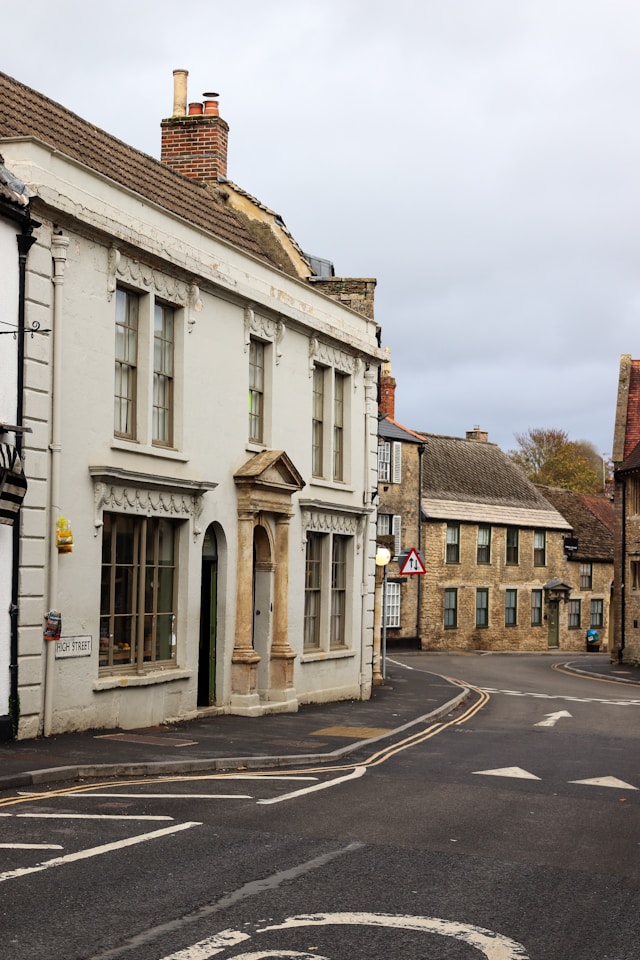
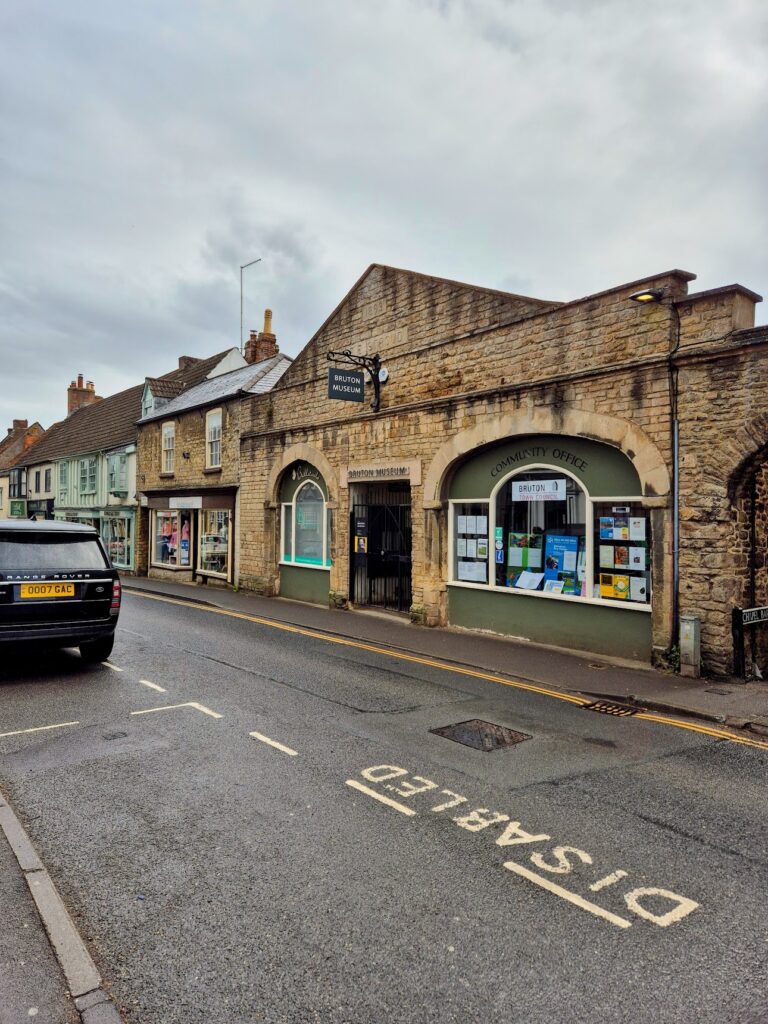
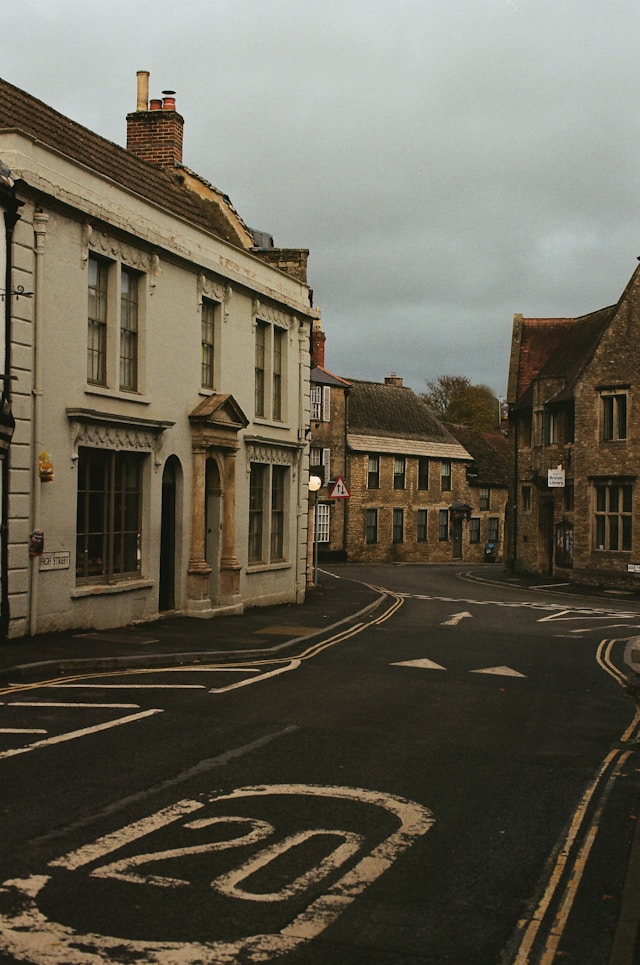
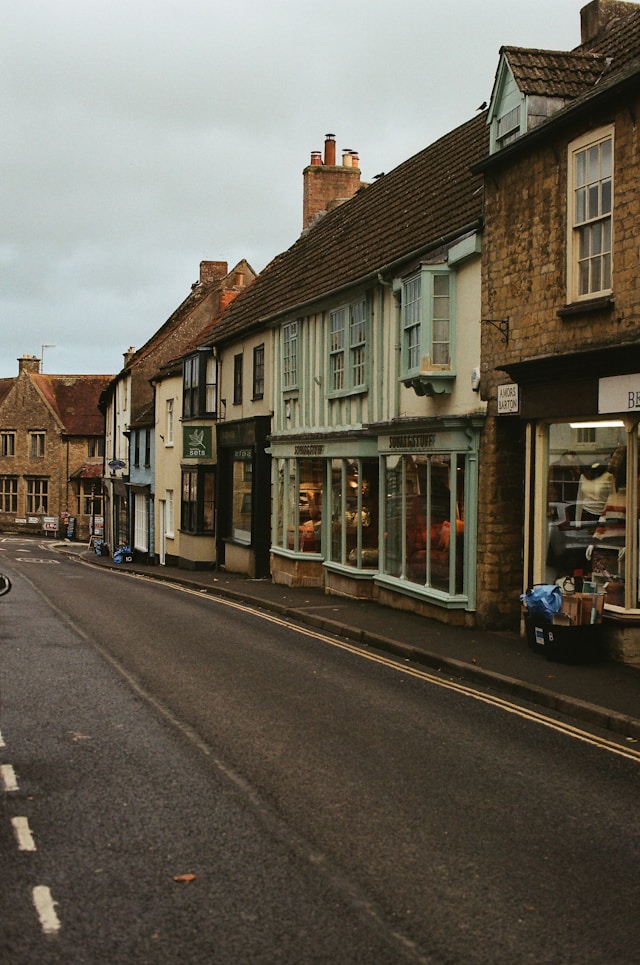
From there, wander up the High Street. Rose & Lyons is worth a browse for colourful homewares and independent fashion; the Bruton Museum, housed in the Dovecote Building, offers a small but absorbing collection of local history. Look out for John Steinbeck’s writing desk – the Nobel Prize-winning author spent six months in a cottage outside Bruton in 1959, researching his book on King Arthur. When he and Elaine left, they both independently described it as the happiest time of their lives. If you’re after cheese, detour down to Godminster on Station Road for tastings of their organic, heart-shaped cheddar.
Back on the High Street to Sexey’s Hospital, a handsome row of 17th-century almshouses founded by Hugh Sexey, auditor to Elizabeth I and James I. The Jacobean chapel is still in use. From there, climb the path up to Bruton Dovecote, a roofless 16th-century tower now owned by the National Trust. The structure once housed hundreds of pigeons – medieval takeaways, essentially – but now offers something better: a view across the Somerset Levels towards Glastonbury Tor. On a clear day, it’s a reminder of just how deeply this landscape is layered with history and myth.
Lunch: Hauser & Wirth
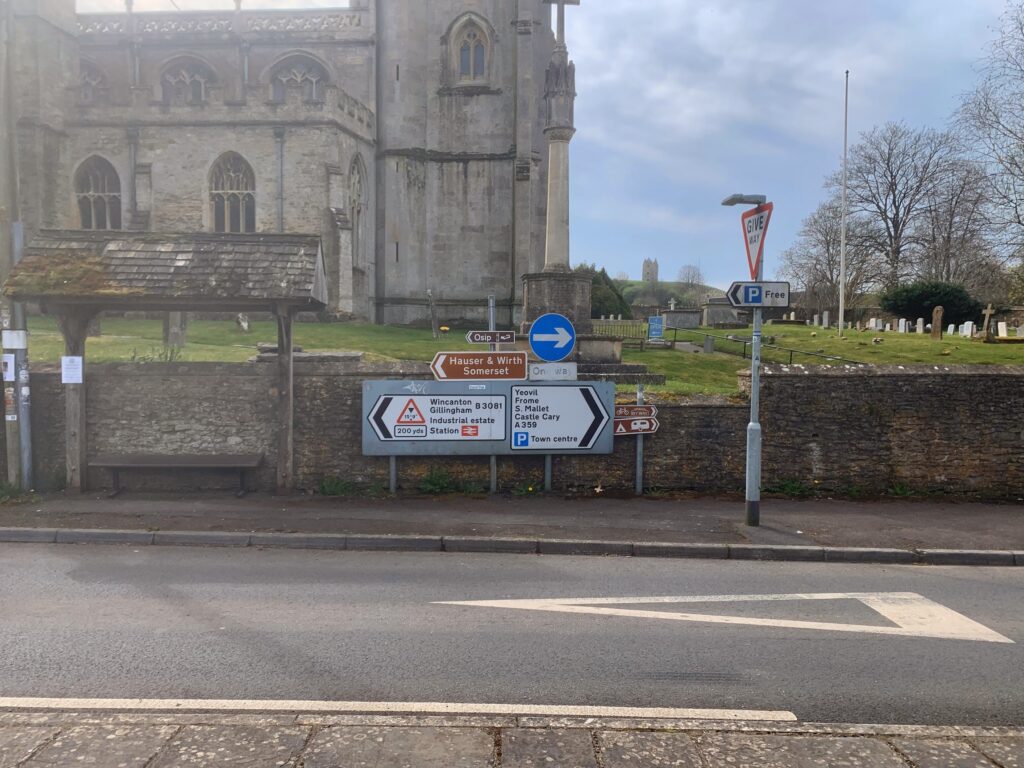
Make for Hauser & Wirth Somerset, a pleasant ten-minute walk from the High Street along Dropping Lane. The gallery occupies a collection of Grade II-listed farm buildings at Durslade Farm, sensitively restored by Paris-based architects Laplace. Since opening in 2014, it has welcomed over a million visitors and helped establish Bruton as a genuine cultural destination.
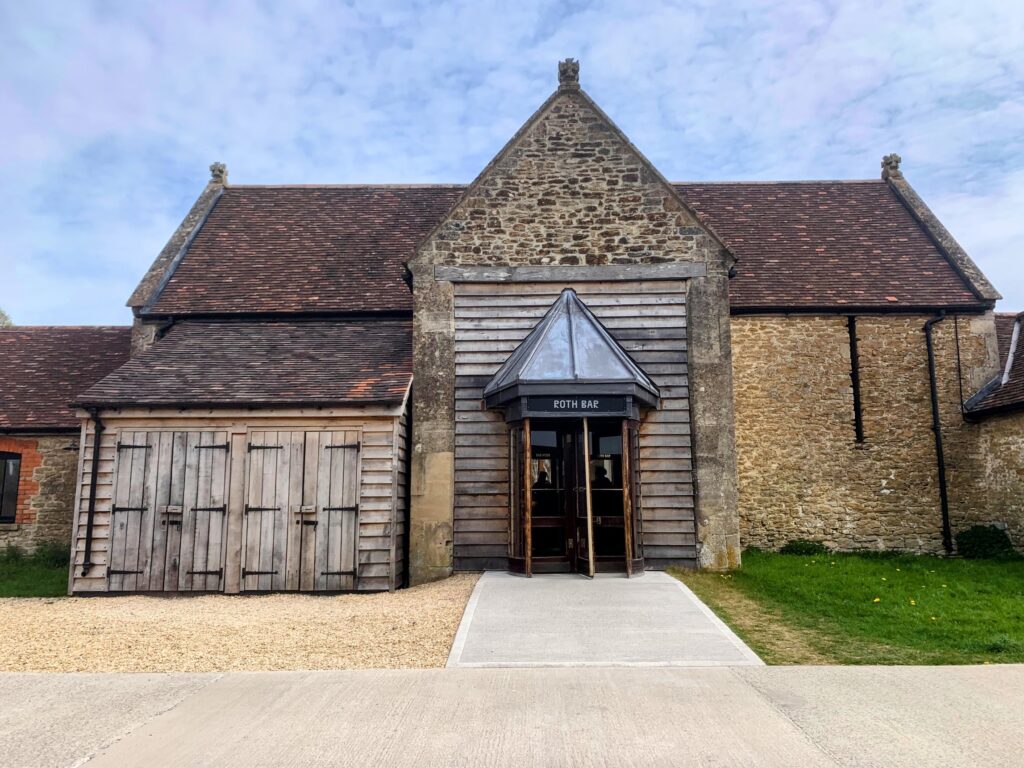
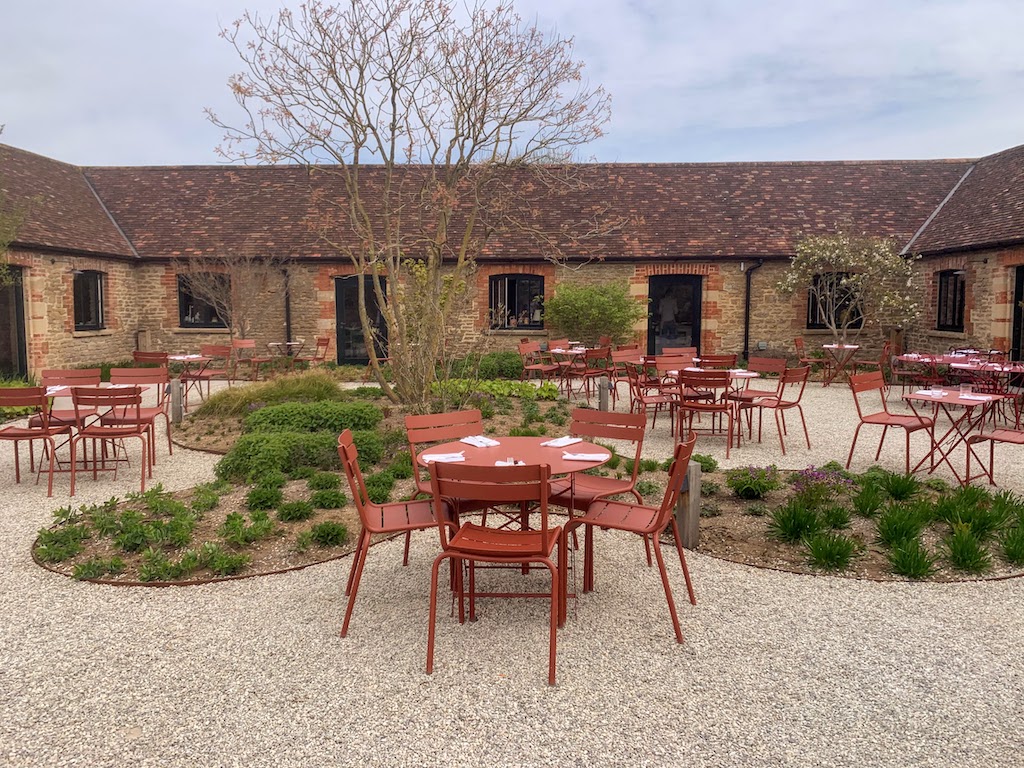
For lunch, you have two options on site. Roth Bar is a site-specific artwork and functioning bar created by Björn and Oddur Roth – the son and grandson of artist Dieter Roth – using salvaged materials. It’s a pleasantly eccentric spot for a cocktail or a light bite.
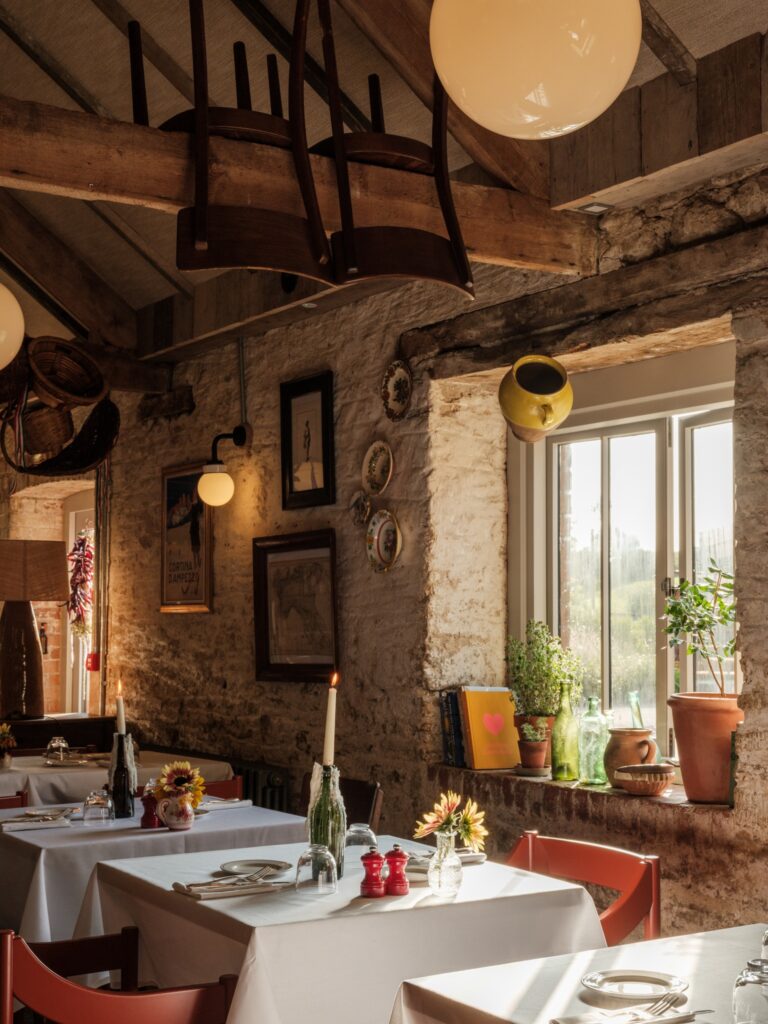
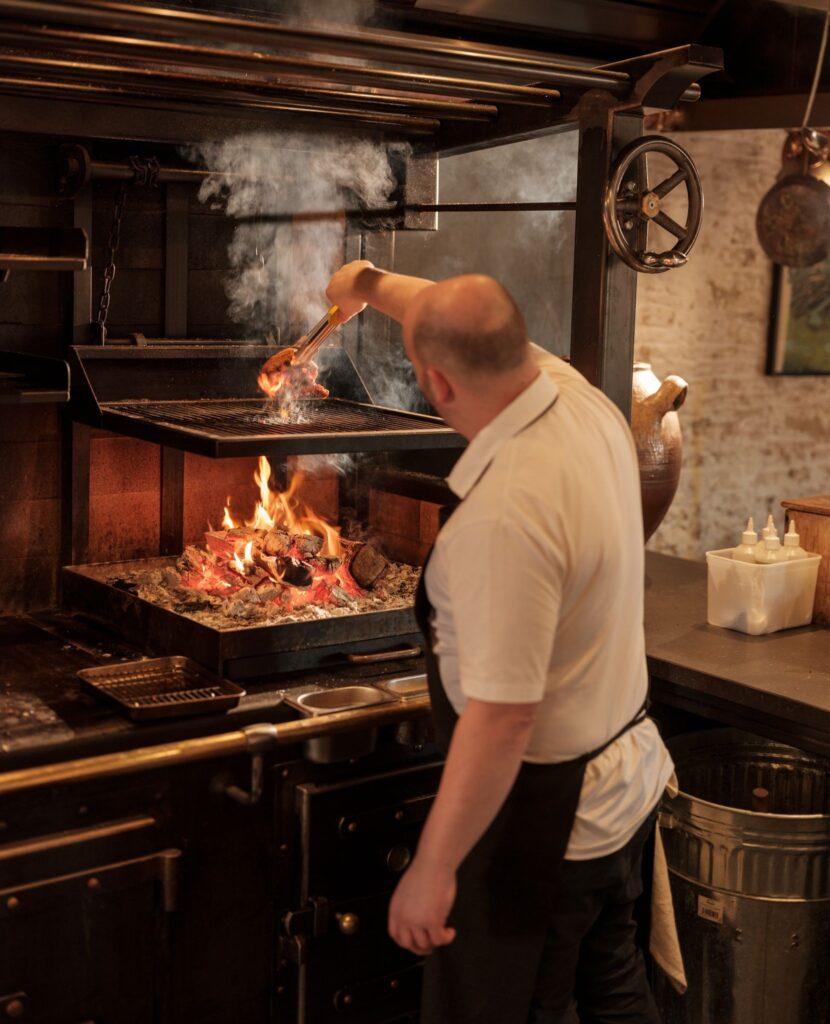
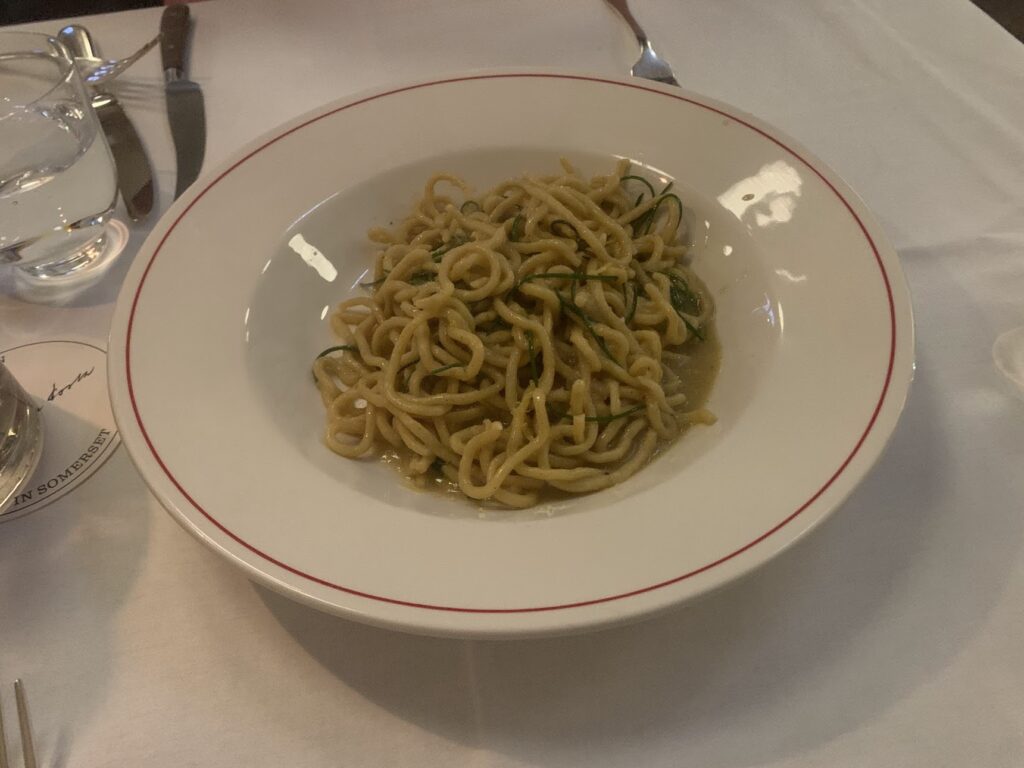
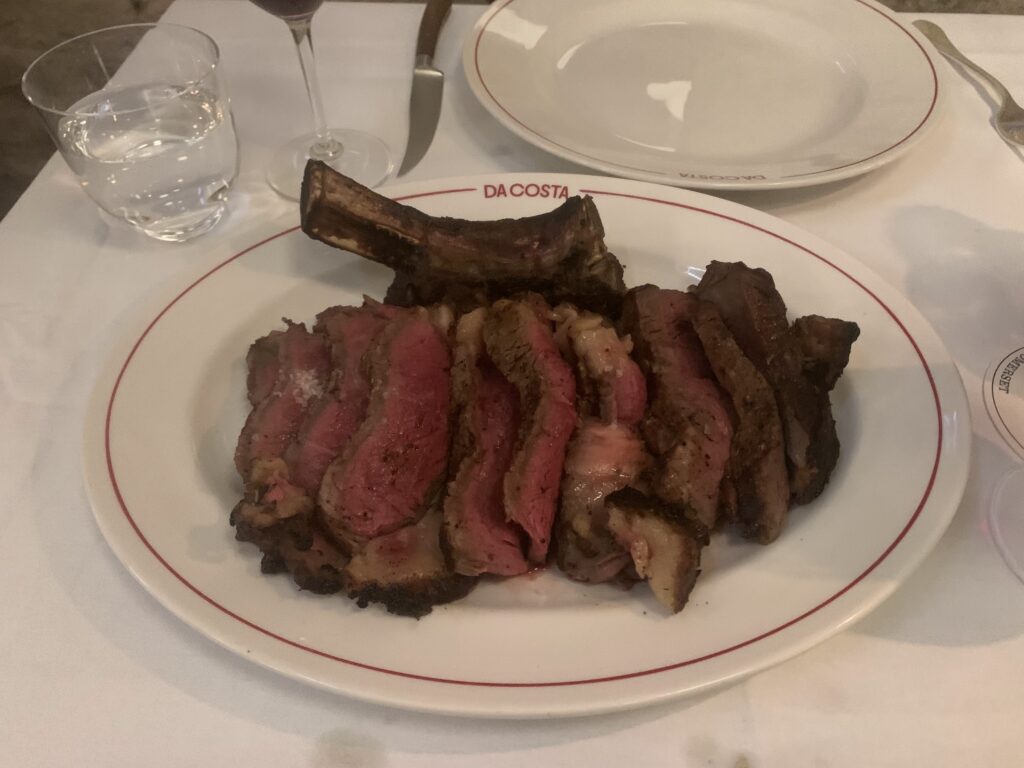
For something more substantial, Da Costa opened in September 2024, replacing the former Roth Bar & Grill. Named after Iwan Wirth’s grandfather, who emigrated from northern Italy to Switzerland and opened a restaurant there, it serves a menu of Italian-inflected dishes using produce from the farm’s walled garden. The 74-cover dining room has the rustic warmth of a mountain lodge, with a wood-fired grill at its heart.
Afternoon: Oudolf Field & the Radić Pavilion
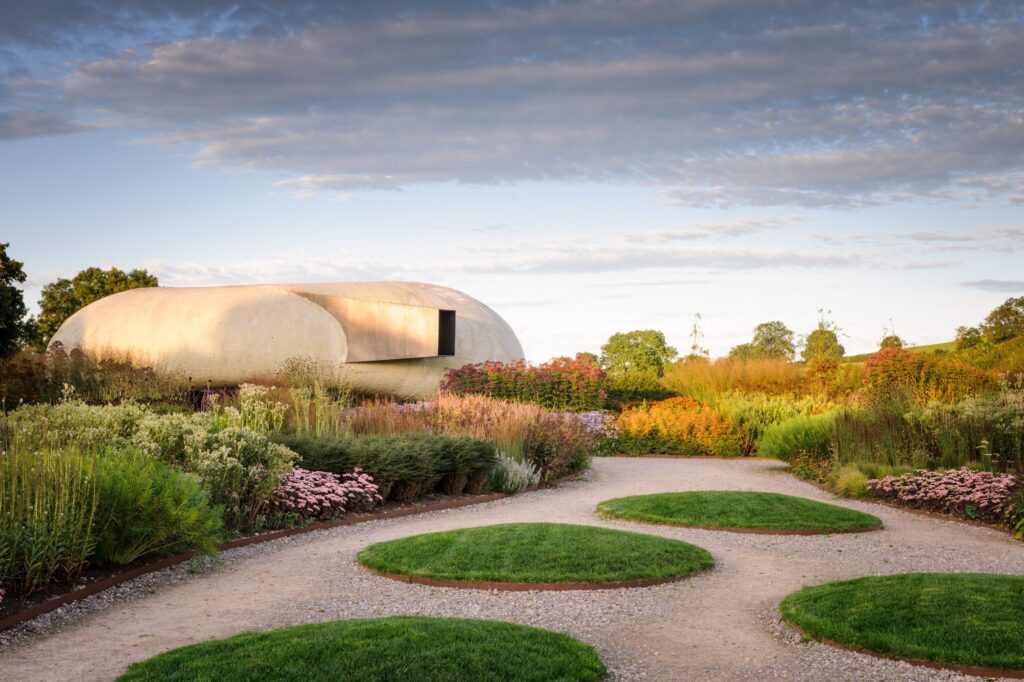
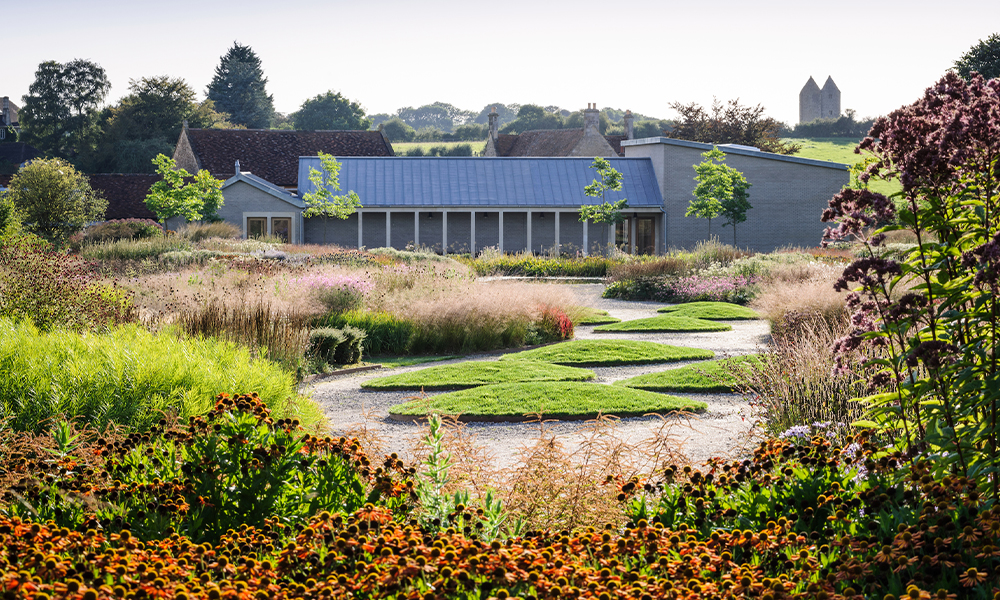
After lunch, explore the exhibitions, which rotate throughout the year, showcasing both established and emerging artists from the Hauser & Wirth stable. But even if the art’s not your thing, the setting is worth lingering over. Behind the galleries, Oudolf Field – a perennial meadow designed by Dutch landscape architect Piet Oudolf – provides a seamless transition between the gallery buildings and the surrounding countryside. At its summit sits the Radić Pavilion, a boulder-like structure designed by Chilean architect Smiljan Radić, originally unveiled at the Serpentine Gallery in 2014 and installed here in 2015. Entry to the garden is free.
Dinner: Osip
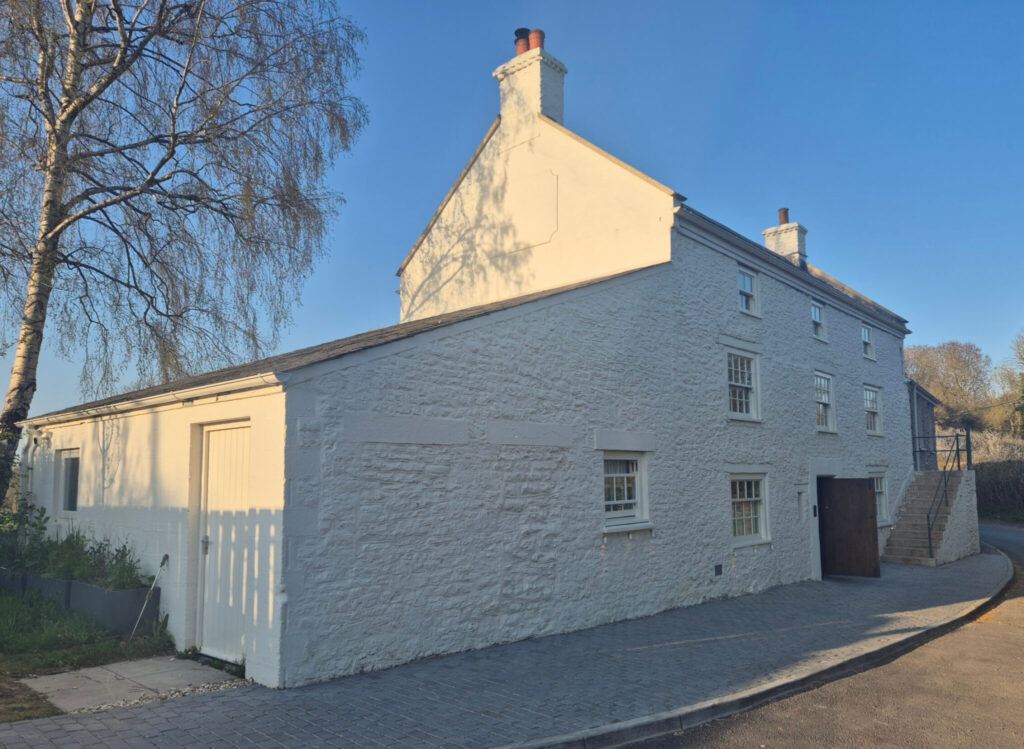
Dinner demands advance planning. Osip is Bruton’s culinary crown jewel: a Michelin-starred restaurant (with a Green Star for sustainability) run by chef Merlin Labron-Johnson in a 300-year-old country inn in nearby Hardway, about a ten-minute drive from the town centre. In late 2024, Osip relocated from its original premises on the high street to this larger site at 25 Kingsettle Hill, complete with four guest bedrooms above the restaurant, and it’s only gone from strength-to-strength since.
There’s no printed menu. The kitchen works from what the team grows on their nearby farm and what’s available from local producers, creating a daily-changing tasting menu that’s an expression of the Somerset landscape at that particular moment. The wine list emphasises organic and biodynamic producers.
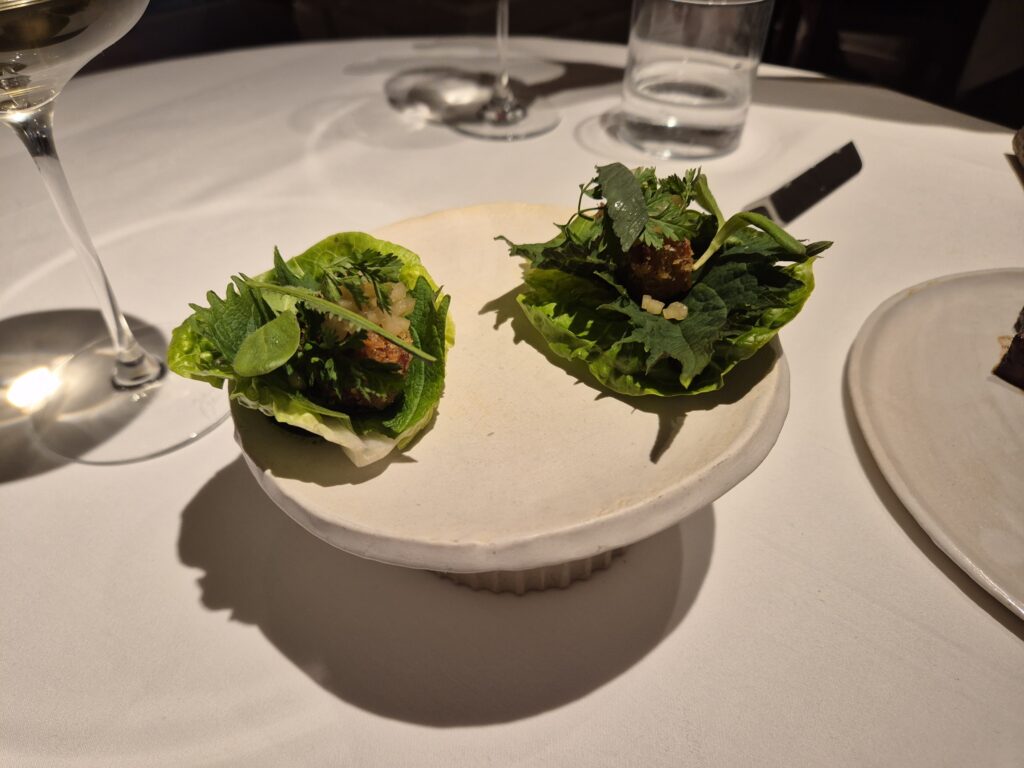
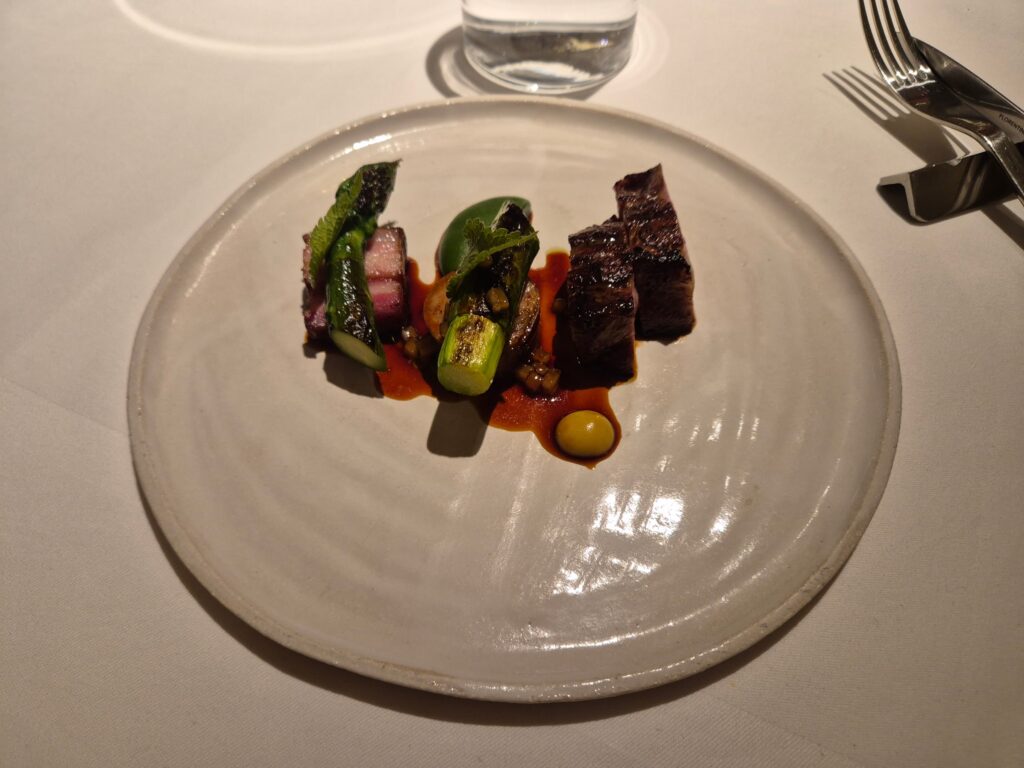
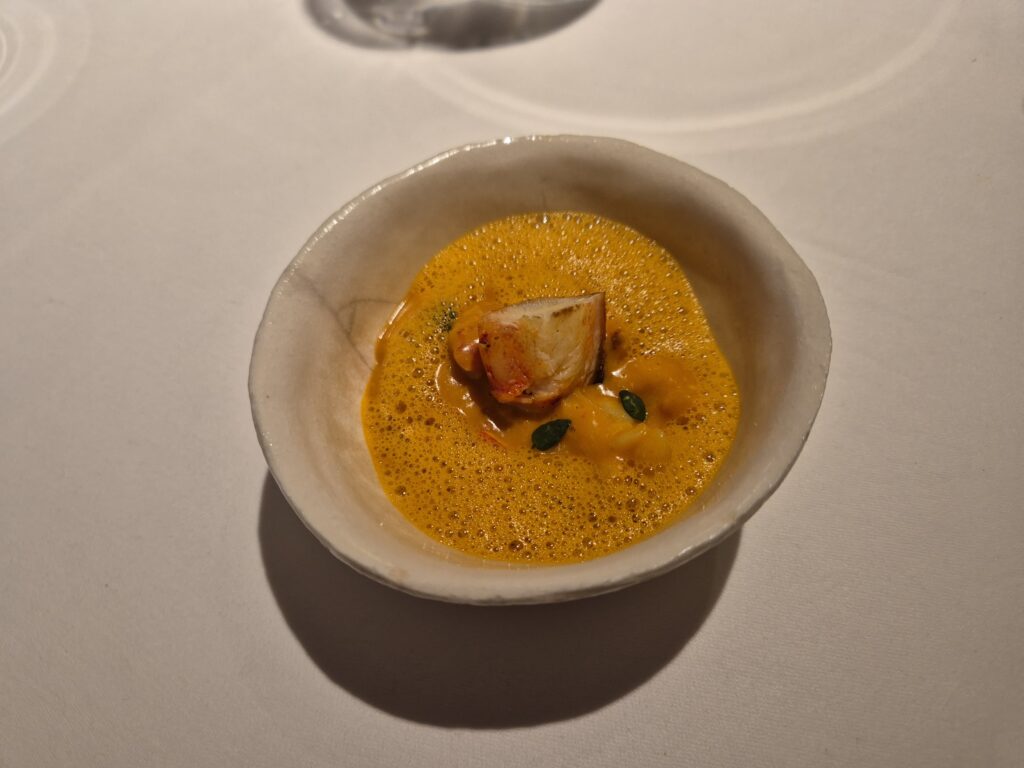
Prices reflect the ambition: expect to pay £150 for the tasting menu or £195 for the signature menu, with wine pairings from £95. At lunch (Thursday to Sunday), a lighter menu is available at £95. Book well ahead – tables are released 120 days in advance and disappear quickly.
You can read our full review of Osip here, by the way.
Day 2: Village To Valley
Morning: At The Chapel & A Walk To Batcombe
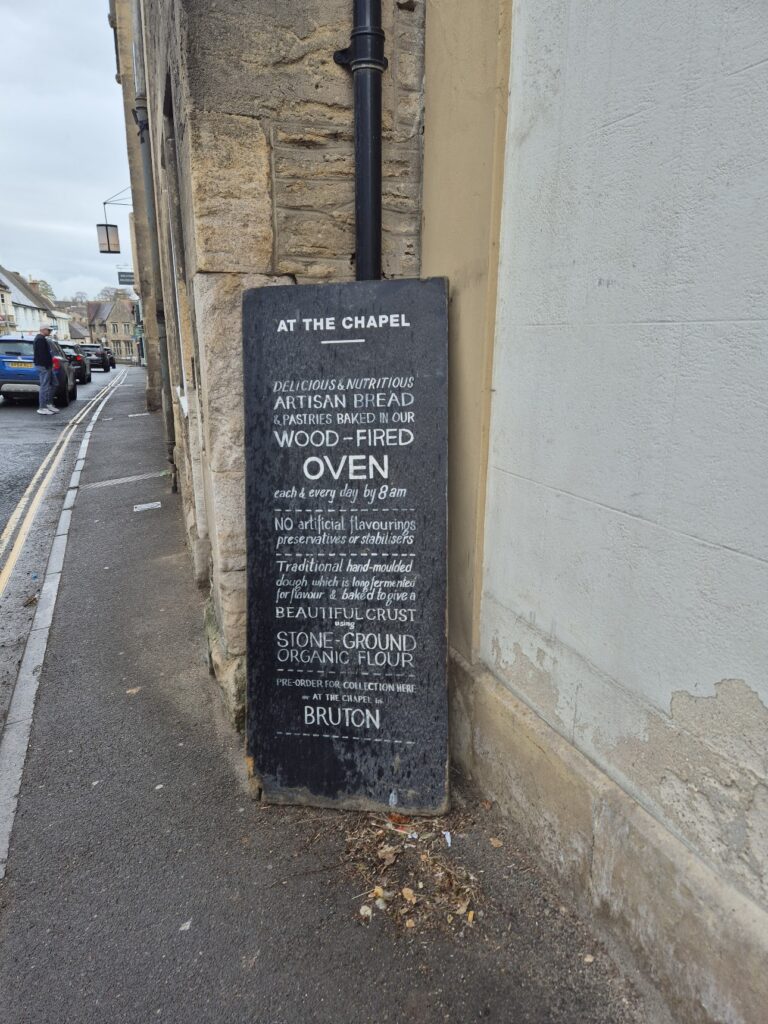
Fuel up at At The Chapel (you may well have stayed here, of course) before you set off – the bakery produces some of the best pastries in the West Country, and the full English is done with care and grace. We’re big fans of the signature muffin with Cumberland sausage, streaky bacon, a runny egg, and tangy cider-onion relish.
Your second morning is for walking. The footpaths around Bruton are well-maintained and well-signposted, threading through farmland, woodland, and the kind of pastoral countryside that makes you understand why Steinbeck was so happy here.

Should the paradox of footpath-choice have got you stuck, the best option is to walk to The Three Horseshoes in Batcombe for lunch. Take the route via Greenscombe and Spargrove (Route B on the Bruton Town Council walking maps, available online), which is about four miles and takes around 90 minutes. The path climbs through beautiful countryside at Greenscombe before dropping to Spargrove, where you join the River Alham for a gentle meander through Batcombe Bottom – one of the prettiest stretches of walking in the area.
Avoid the more direct route via Hedgestocks, which involves walking along the B3081: narrow, winding, and not safe for pedestrians.
Lunch: The Three Horseshoes
The Three Horseshoes is a 17th-century inn that reopened in April 2023 under the ownership of former gallerist Max Wigram, with food by the wonderful Margot Henderson of London’s Rochelle Canteen.
Head chef Nye Smith (formerly of Six Portland Road) runs the kitchen day-to-day. The style is hearty, unfussy British cooking: think devilled kidneys on toast, chicken and ham pie, and puddings that require a post-lunch nap. The Michelin Guide has taken note, as have we in our guide on where to eat in Bruton.
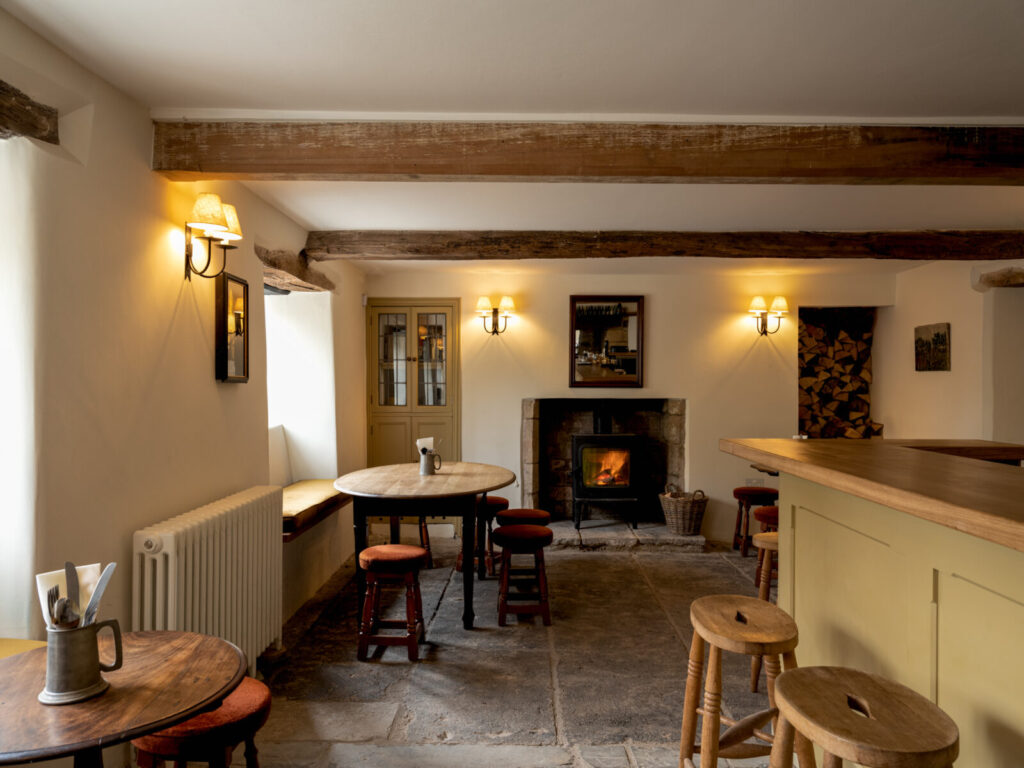
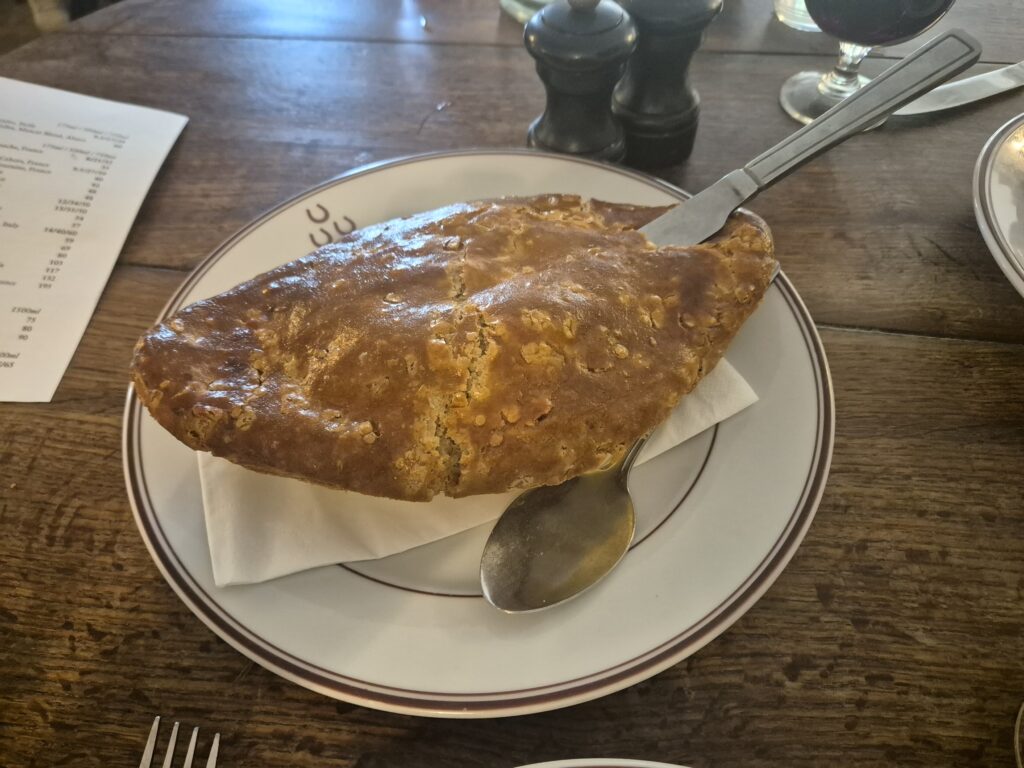
But don’t let those recommendations worry you into thinking this is fancy fine dining. There’s a proper locals’ bar with real ales and local cider, a dining room with flagstone floors and an inglenook fireplace, and a walled garden designed by Libby Russell. Five beautifully appointed bedrooms upstairs make it a destination in its own right.
Afternoon: Back To Bruton & A Final Glass Of Wine
After lunch, walk back to Bruton via Moor Lane (Route D), which passes through lovely woodland and feels like stepping back a century. Or, if your legs are protesting, arrange a taxi back.
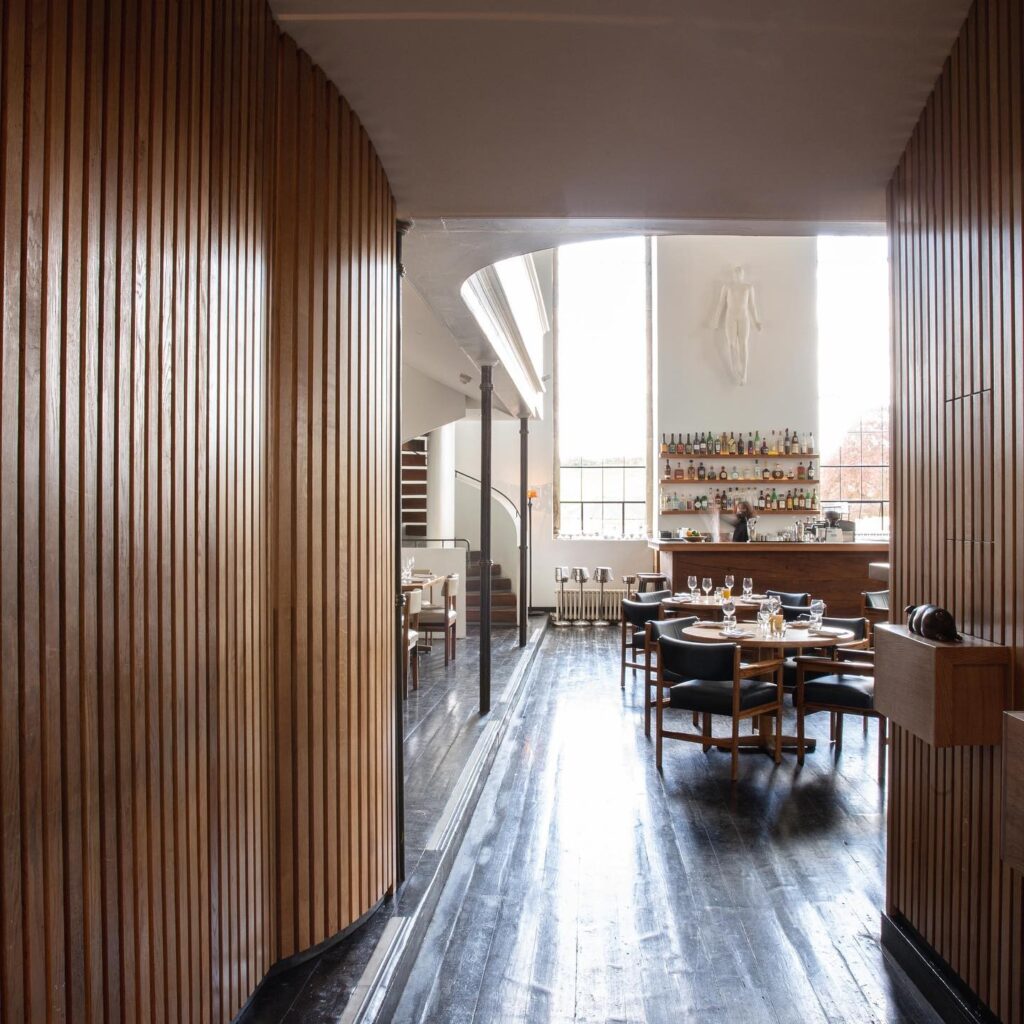
Spend your final hours at the aforementioned At the Chapel, the restaurant and hotel that helped put Bruton on the map when it opened in 2008. The building is a 17th-century Grade II-listed structure on the High Street, incorporating an early 19th-century congregational chapel – hence the dramatic lancet windows that flood the dining room with light.
It’s now owned by Stay Original Company, a West Country hotel group, but the formula remains unchanged: wood-fired sourdough pizzas, seasonal small plates, an artisan bakery producing, and a thoughtfully curated wine shop focusing on organic and biodynamic producers.
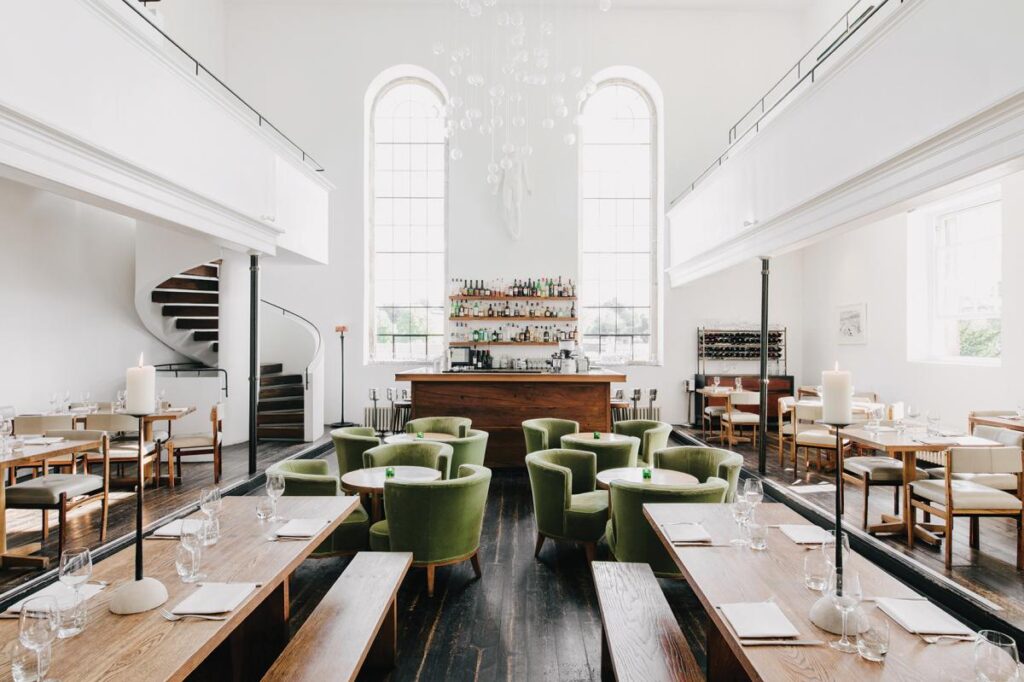

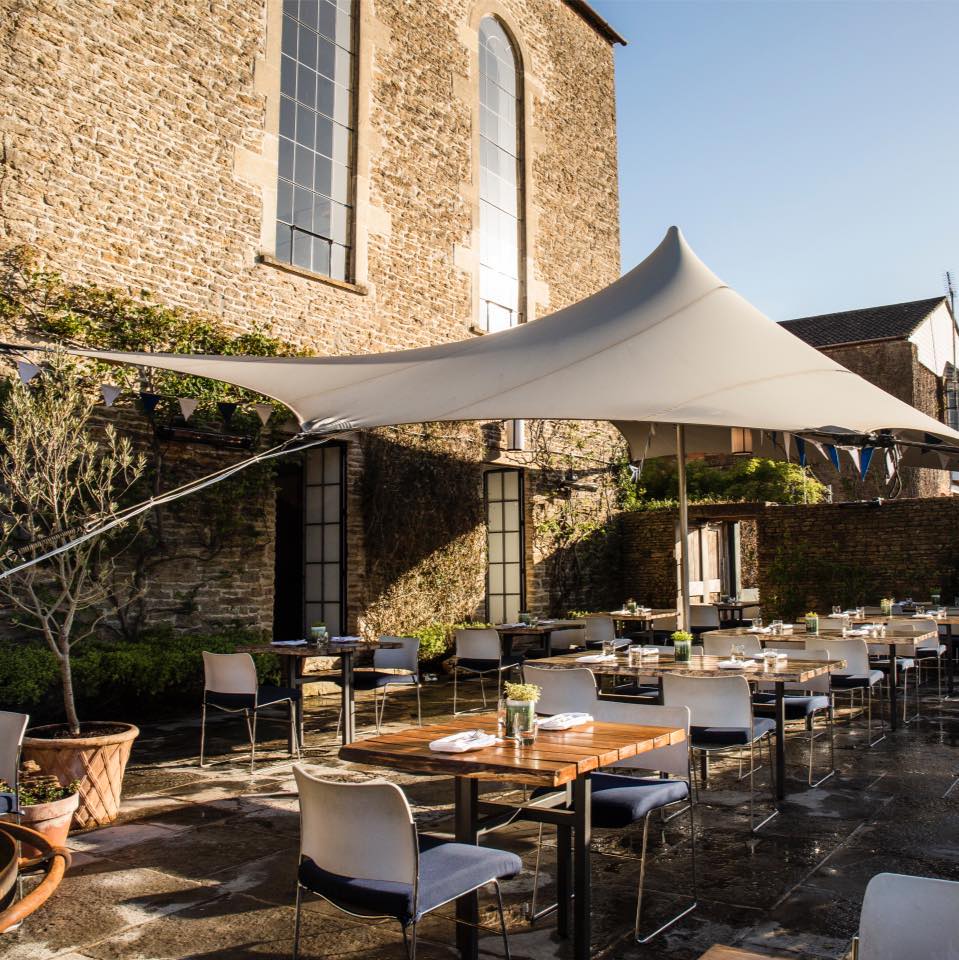
Order a bottle of something interesting from the wine store, take it to the south-facing terrace, and watch the afternoon light move across Bruton’s rooftops towards the Dovecote on the hill. It’s a fitting way to end a weekend in a town that has somehow managed to embrace the contemporary without losing sight of the timeless.
Where To Stay
At the Chapel has ten individually designed rooms above the restaurant, ranging from cosy lofts tucked into the eaves to the spacious Dovecote Suite with views to the 16th-century tower. Marble bathrooms, comfortable beds, and freshly baked croissants delivered to your door each morning. Check the website for current rates.
The Three Horseshoes in Batcombe offers five sumptuous bedrooms with freestanding bathtubs, rain showers, and antique furniture. It’s a ten-minute drive from Bruton but worth it for the food and the setting – and you can walk back to Bruton the next morning. Check the website for current rates.
The Rooms at Osip offer four beautifully appointed bedrooms above the restaurant, completing the vision of a holistic destination. If you can get a table for dinner and a room for the night, it’s the ultimate Bruton experience.
How To Get There
By train: Bruton has its own station on the Heart of Wessex line. Direct trains from London Waterloo take around 2 hours 40 minutes. Alternatively, take the faster service from London Paddington to Castle Cary (1 hour 30 minutes) and taxi the final four miles. The fastest trains to Bruton itself can take as little as 1 hour 40 minutes with a change.
By car: Bruton is about 2 hours 30 minutes from London via the M3 and A303. Be warned that the A303 around Stonehenge is notorious for weekend traffic – leave early or late to avoid the worst of it.
The Bottom Line
Bruton offers something increasingly rare in England: world-class art and food in a setting that remains genuinely, unpretentiously rural. You could argue that the arrival of Hauser & Wirth and the London food crowd has changed the town irrevocably – and in some ways it has. Property prices have risen, second homes proliferate, and the High Street has more than its fair share of lifestyle boutiques. But spend a weekend here and you’ll find that the essential character of the place – its ancient churches, its muddy footpaths, its views to Glastonbury – remains stubbornly intact. Forty-eight hours is just enough time to scratch the surface.