That 5am departure to Barcelona looks like a bargain at £47 return. But before you book, consider what happens at the other end of the transaction: how exactly are you getting to the airport at 3am?
Budget airlines have built their business models around unsociable hours. Slots at Stansted, Luton and Gatwick come cheaper in the small hours, and those savings get passed on to passengers. But the airport itself is only half the journey, and a £50 flight that requires a £120 taxi was never really £50 at all.
Here’s how to avoid the most common traps.
Calculate Door-To-Door, Not Airport-To-Airport
Open a spreadsheet before you book anything and calculate every expense from your front door to your destination. Include ground transport at your specific departure time (not the daytime fare you’re imagining), parking if driving, any overnight accommodation, and transport at the other end too. Compare this total across different flight times, not just the ticket price. A flight costing £30 more but departing at 11am frequently works out cheaper once you factor in a standard train versus a pre-dawn taxi.

Use Overnight Flights To Eliminate A Hotel Night
Long-haul red-eyes have a hidden benefit: they can eliminate your first night’s accommodation cost entirely. A flight departing at 10pm that lands at 6am local time means you sleep on the plane instead of paying for a hotel room you’d barely use.
For destinations where hotels run £150+ per night, this represents genuine savings even if the overnight flight costs slightly more than a daytime alternative. The calculation works best for travellers who can actually sleep on planes, but even a few hours of broken rest beats paying for a bed you’d only occupy briefly before an early checkout.
Understand The Regional Airport Trade-Off
Flying from Birmingham, Bristol, Manchester or Edinburgh often costs slightly more per ticket, but ground transport savings can flip the equation entirely. If you’re based in the Midlands, a £80 flight from Birmingham beats a £50 flight from Luton once you add the £60 train fare to get there.
More importantly, regional airports tend to be smaller, faster to navigate, and less prone to the chaotic security queues that make London hubs so stressful during peak periods.


Know The Taxi Tipping Point
Solo taxi journeys to airports rarely represent good value, but the equation shifts dramatically with more passengers. Taxis to Heathrow, Gatwick or other London airports become the smartest option once you’re splitting the fare two, three or four ways. A £90 taxi divided among three people costs £30 each, which often undercuts three separate train tickets while offering door-to-door convenience and no luggage hassle.
The tipping point for most airport runs sits around two passengers; beyond that, taxis almost always win.
Check What Your Destination Airport Actually Connects To
Budget airlines love secondary airports: Beauvais instead of Paris, Treviso instead of Venice, Girona instead of Barcelona. The flight savings can evaporate entirely when you discover the ‘Barcelona’ airport requires a 90-minute bus transfer costing €15 each way.
Before booking, search the actual transport options from your arrival airport to where you’re staying. Sometimes the budget airline’s secondary airport is genuinely convenient. Often it adds hours and costs that would have paid for the mainstream alternative.
Beware the False Economy Of Connections
Flying via a hub like Amsterdam, Dublin or Madrid can slash ticket prices, but connections introduce risk that’s difficult to price. A 90-minute layover looks efficient until your inbound flight runs 40 minutes late and you’re sprinting through Schiphol. If you miss the connection, the airline will rebook you, but you’ll lose hours or potentially an entire day.
For short trips especially, a missed connection can wipe out a significant chunk of your holiday. The direct flight costing £60 more might represent the better value once you account for the stress and the statistical probability of delays.
Read: The frequent flyer’s guide to getting through the airport in record time
Factor In The Luggage You’ll Actually Bring
Budget airline pricing assumes you’re travelling with hand luggage only. The moment you add a checked bag, the equation changes substantially. Ryanair and easyJet charge £20-45 each way for hold luggage depending on when you book and the route. That £40 fare becomes £120 return once you’ve added a suitcase.
Before celebrating a cheap headline price, click through to the final checkout screen with your actual luggage requirements selected. Sometimes a legacy carrier with included baggage undercuts the budget option once you’re comparing like for like.

Consider Whether You Actually Need To Fly
For destinations under 500 miles, the train often competes once you account for total journey time and cost. A London to Paris flight might take 90 minutes in the air, but add security queues, boarding, taxiing, immigration, and the journey from a suburban airport to the city centre, and you’re looking at five or six hours door-to-door.
The Eurostar takes 2 hours 15 minutes from central London to central Paris, with none of the airport theatre. For Amsterdam, Brussels, Lille and other northern European cities, the train increasingly makes sense on both time and cost, particularly when you factor in the productivity or relaxation possible on a train versus the dead time of airports.
Look At What Day You’re Flying, Not Just What Time
Tuesday and Wednesday departures consistently price lower than Friday and Sunday flights on the same routes, sometimes by £50-100 per person. If your schedule allows any flexibility, shifting your trip by a day or two can unlock savings that dwarf the difference between a 6am and 11am departure. The cheapest flight of the week at a reasonable hour often beats the cheapest flight of the day you’ve fixated on.
Don’t Assume Booking Early Is Always Cheaper
The conventional wisdom says book flights months ahead for the best prices. This holds for peak summer weeks and school holidays, but for off-peak travel, airlines often drop prices as departure dates approach to fill empty seats.
If you’re flexible and travelling outside busy periods, setting a price alert and waiting can pay off. The risk is that prices rise instead, but for low-season city breaks, last-minute deals frequently undercut the advance purchase price.

Account for What You’ll Spend Because You’re Tired and Hungry
Is saving £30 on that earlier flight worth it?
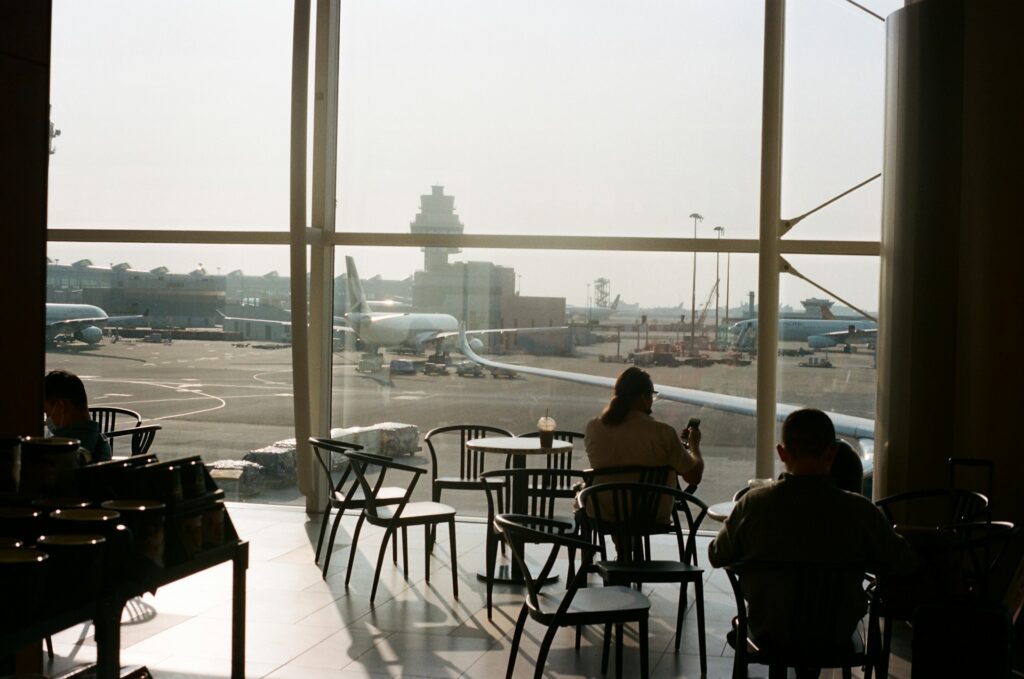
Early flights create knock-on costs that don’t appear on any receipt. You’re more likely to buy expensive airport coffee because you’re exhausted, and if your departure time coincides with breakfast or lunch, you’ll almost certainly eat at the terminal rather than at home. Airport food runs two to three times high street prices: a sandwich, coffee and bottle of water can easily cost £15-18.
You’ll probably take a taxi at your destination rather than navigate public transport with heavy luggage (and eyes!). You might write off your first afternoon to a nap instead of sightseeing. None of these show up in a spreadsheet comparison, but they represent real money and real lost time. The flight that lets you travel rested and fed often pays for itself in decisions you won’t make from a place of exhaustion and hunger.
The Bottom Line
The cheapest flight is only cheap if getting there doesn’t cost more than you saved. Before booking, calculate the genuine door-to-door total for each option, factor in your luggage, your energy levels, and the realistic probability that everything goes to plan. The headline price is marketing. The number that matters is what actually leaves your account.