There’s a particular thrill in booking a hotel where the restaurant is the main event. When the kitchen holds a Michelin star (or three), dinner becomes less about sustenance and more about theatre, and rolling straight from the dining room to a four-poster bed a few corridors away feels like the only civilised way to end the evening.
These six properties represent the best of British gourmet hospitality, from a 13th-century blacksmith’s forge in Cumbria to an Elizabethan manor in the Sussex countryside. Between them, they hold nine Michelin stars, and each offers something distinct: some grow almost everything they serve, others smoke lobster over whisky barrels or deliver desserts topped with tiny anvils. What unites them is that the food is never an afterthought, and staying the night means you can linger over the wine list without watching the clock.
With all that in mind, here are 6 of our favourite UK hotels with Michelin-starred restaurants.
Moor Hall, Lancashire
Mark Birchall knew he wanted to be a chef from the age of 14, growing up in Chorley watching Brian Turner and James Martin on the telly. In February 2025, his restaurant with rooms became the first outside London to win three Michelin stars since Simon Rogan’s L’Enclume achieved the feat in 2022. The journey there included winning the Roux Scholarship in 2011, a stage at El Celler de Can Roca in Girona (twice voted the world’s best restaurant), and eight years as executive chef at L’Enclume itself.
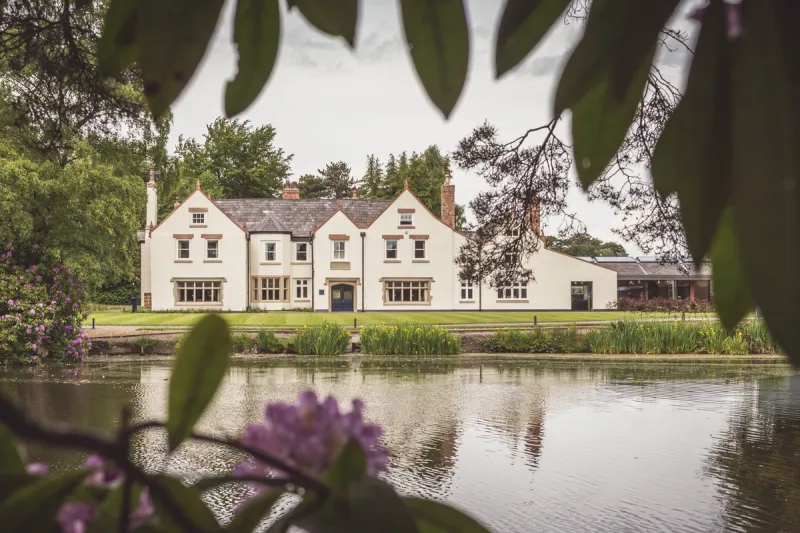
Moor Hall itself first appears in records in 1282, though its origins likely predate the Norman Conquest. Birchall partnered with local investors Andy and Tracey Bell, who acquired the Grade II-listed property in 2015 and undertook a multi-million pound restoration. Local ceramic artist Sarah Jerath created bespoke crockery from sandstone salvaged during the work.
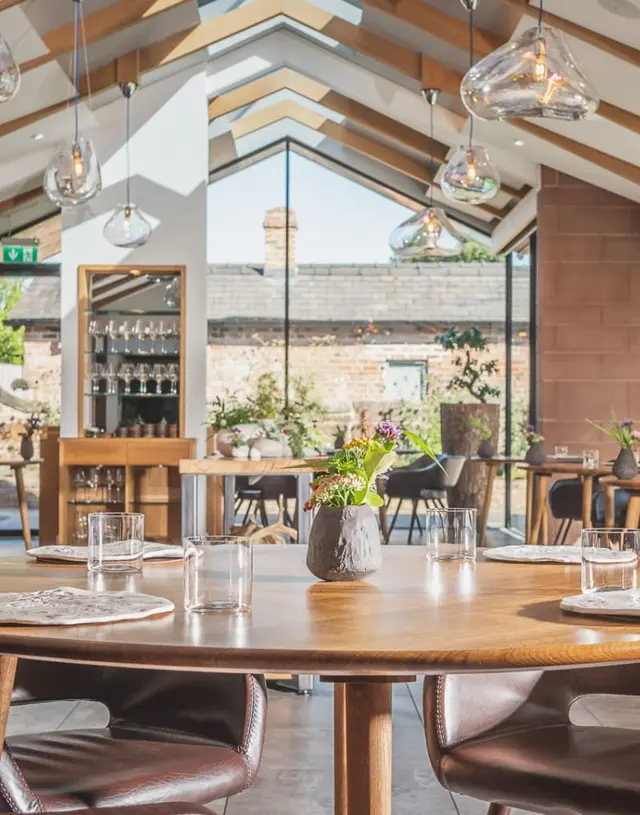
The striking Scandic-style dining room looks out over the lawns and lake on one side and the open kitchen on the other. Snacks and aperitifs begin in the lounge of the historic main house before guests are led through for a tour of the kitchens, setting the stage for the meal to come.
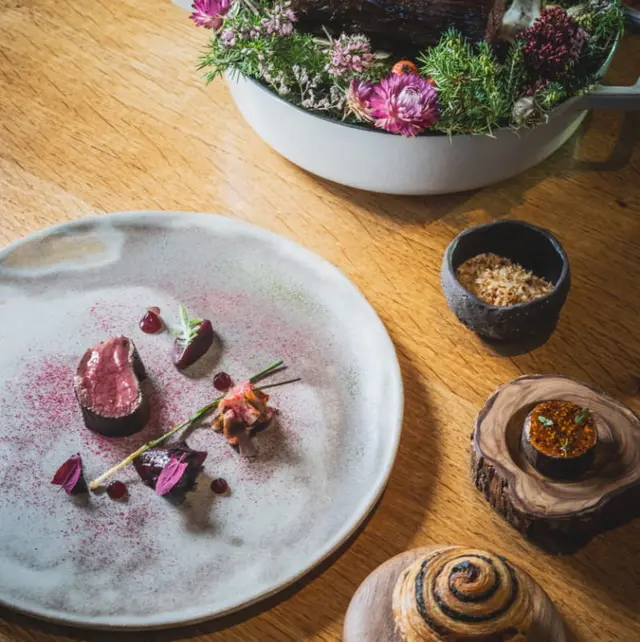
The Provenance tasting menu (£145 at lunch, £265 at dinner) changes with the seasons, drawing heavily on the estate’s own kitchen gardens and micro-dairy. Birchall’s cooking favours precision over pyrotechnics: a dish of Paris Market carrots gets lifted by Doddington cheese, chrysanthemum and sea buckthorn, while Dorset sika deer arrives alongside beetroot, elderberry and hen of the woods. A course built around ragout with whey, liver and truffled honey shows his willingness to let offal and fermentation take centre stage. Humble beginnings, ancient techniques, hugely impressive results…
The kitchen gardens supply beetroots, turnips, and step-over apple trees, while the site also houses its own micro-dairy, charcuterie operation, and bakery. The Barn, a separate one-Michelin-starred restaurant on the grounds, offers a more relaxed à la carte alternative where duck liver parfait comes with pablo beetroot and blackberry, and Belted Galloway short rib is glazed with black garlic and finished with smoked bone marrow sauce, demonstrating Birchall’s understanding of how seemingly humble ingredients can achieve something extraordinary when handled with precision.
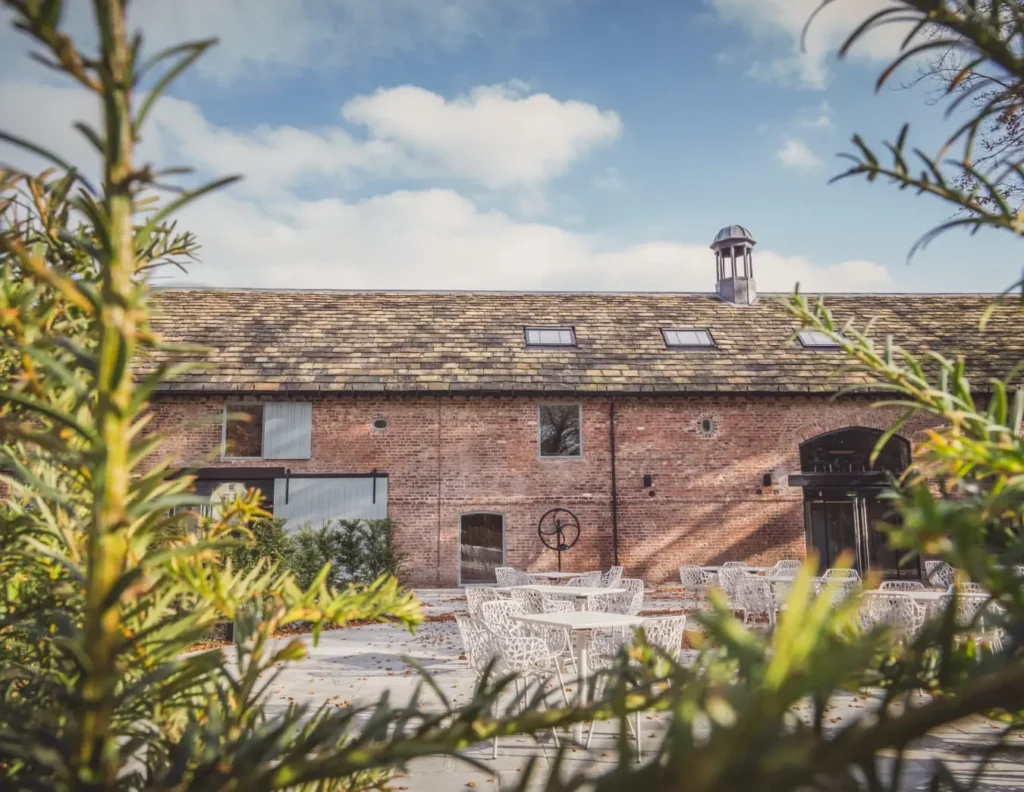
Fourteen bedrooms are spread between the historic main house, the original gatehouse overlooking the lake, and seven newer KOTO-designed garden rooms complete with private hot tubs.
L’Enclume, Cartmel
In 2002, Simon Rogan was living in Littlehampton, hoping to open a restaurant somewhere between Brighton and the New Forest. Then someone mentioned an 800-year-old former smithy in a Cumbrian village he’d never heard of. He made an offer on the way home. The name L’Enclume, French for ‘the anvil’, pays homage to the building’s history as a blacksmith’s workshop, which operated until the 1950s. Original features remain: a centuries-old anvil, brick water basins now used as wine coolers, and the final dessert arrives decorated with an anvil motif.
The restaurant earned its first Michelin star in 2005, its second in 2013, and a third in 2022 on its 20th anniversary. In 2024, L’Enclume took the top spot in La Liste’s global ranking of the world’s best 1,000 restaurants, the first British restaurant to achieve this. Rogan received an MBE for services to hospitality that same year.
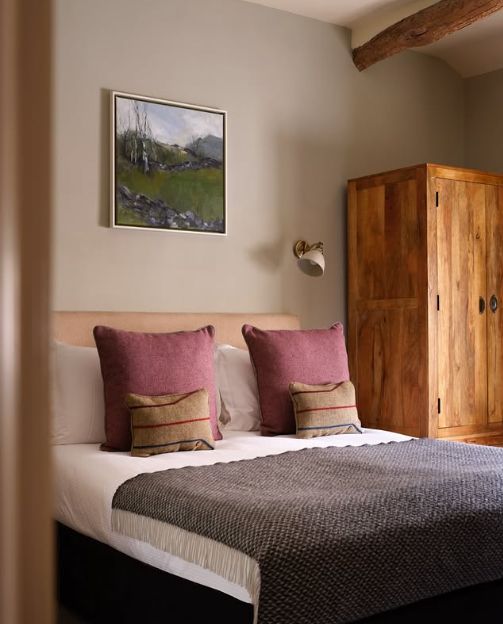
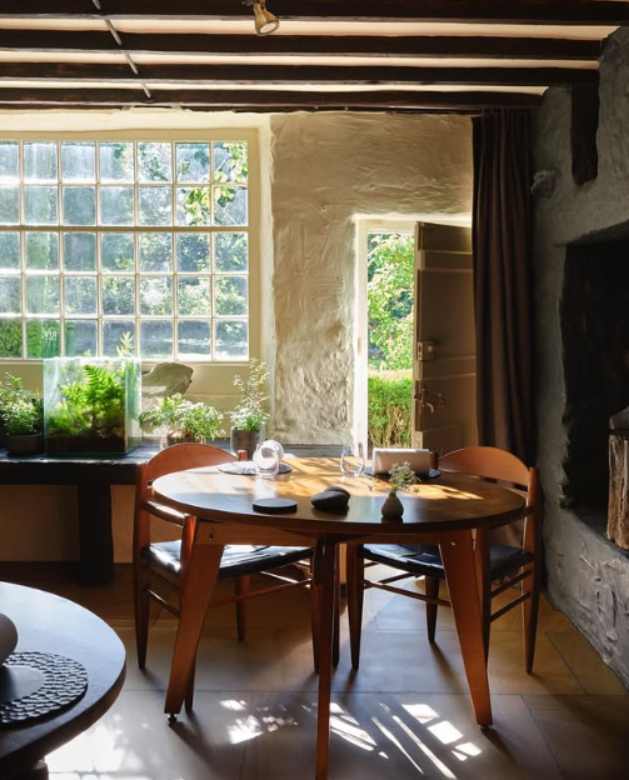
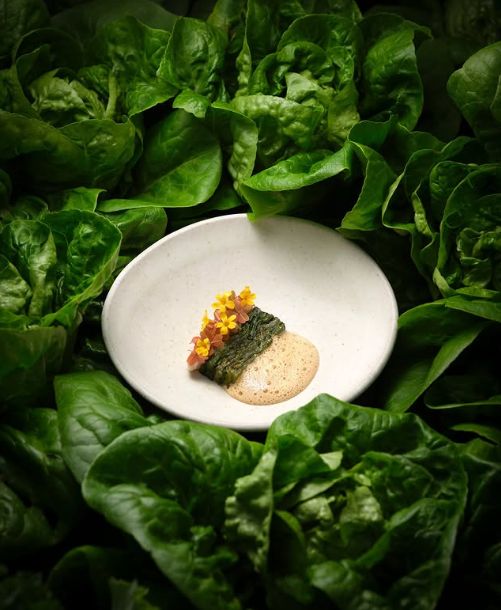
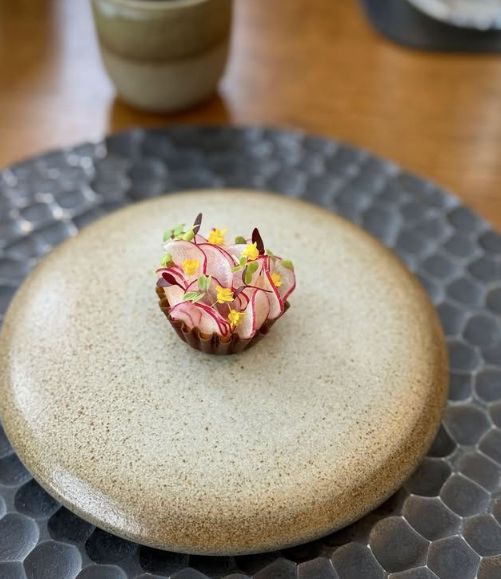
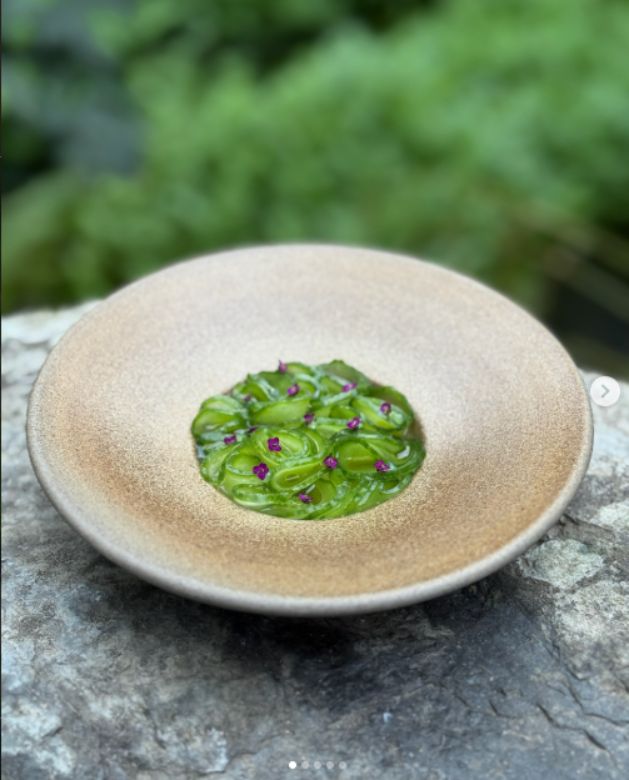
The 20-course tasting menu (£265) is served in the intimate stone-walled dining room, where exposed ceiling beams and thick walls give way to views of the River Eea. The setting feels almost ascetic in its calm, the centuries-old building lending weight to what arrives on the plate. The menu celebrates Cumbrian terroir in all its glory. It might begin with a toasted seed, salted mackerel and fermented gooseberry tart accompanied by juices infused with woodruff. A fritter of Duroc pig and smoked eel with lovage and fermented sweetcorn may follow. You might see Orkney scallops arrive with boltardy beetroot cooked in pine vinegar, fresh curds and pickled roses; Red King Edward potatoes could well be cooked with Primor garlic and served alongside steamed crab and lemon verbena.
For mains, expect west coast monkfish with aged pork, autumn brassicas and cuttlefish, or Texel hogget from Gaisgill Row Farm with grilled alliums, nasturtium and anise hyssop. The signature anvil caramel mousse with house-made miso, apple and spruce provides a fitting finale.
Almost everything served comes from Our Farm in the Cartmel Valley, grown organically without pesticides. A dedicated forager ensures wild ingredients make it onto the menu.
The 16 bedrooms are scattered throughout the medieval village, and room reservations guarantee a table at L’Enclume plus breakfast at sister restaurant Rogan & Co. In short, dinner, bed and breakfast doesn’t get more prestigious than this.
Restaurant Andrew Fairlie at Gleneagles, Perthshire
Andrew Fairlie began his training at 15, polishing glasses at a hotel in Perth. At 20, he became the first winner of the Roux Scholarship, training under Michel Guérard in south-west France. He opened his own restaurant within Gleneagles in 2001, won a star within eight months, and added a second in 2006, making it Scotland’s only two-Michelin-starred restaurant.
The windowless dining room was deliberate: dark wood walls painted in textured Farrow & Ball create an intimate cocoon, while bespoke black crockery by ceramicist John Maguire and food-themed art on the walls add to the sense of luxurious seclusion.
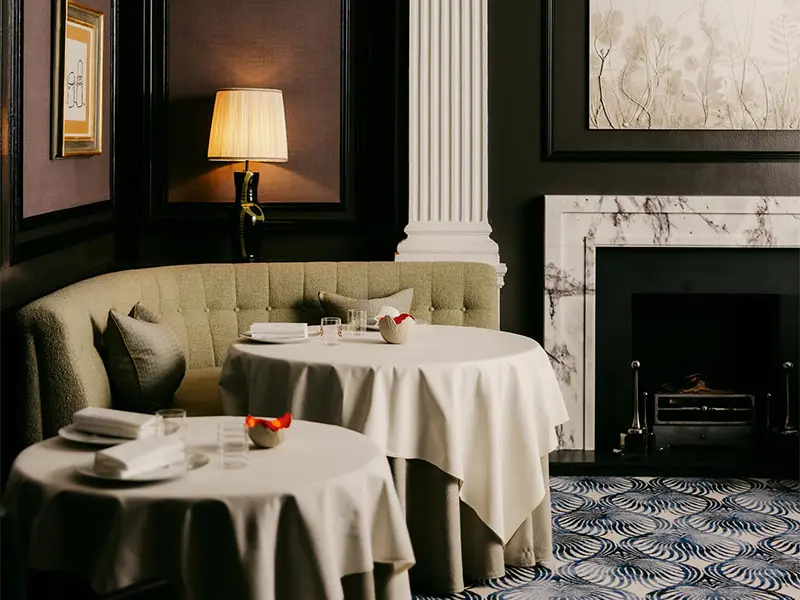
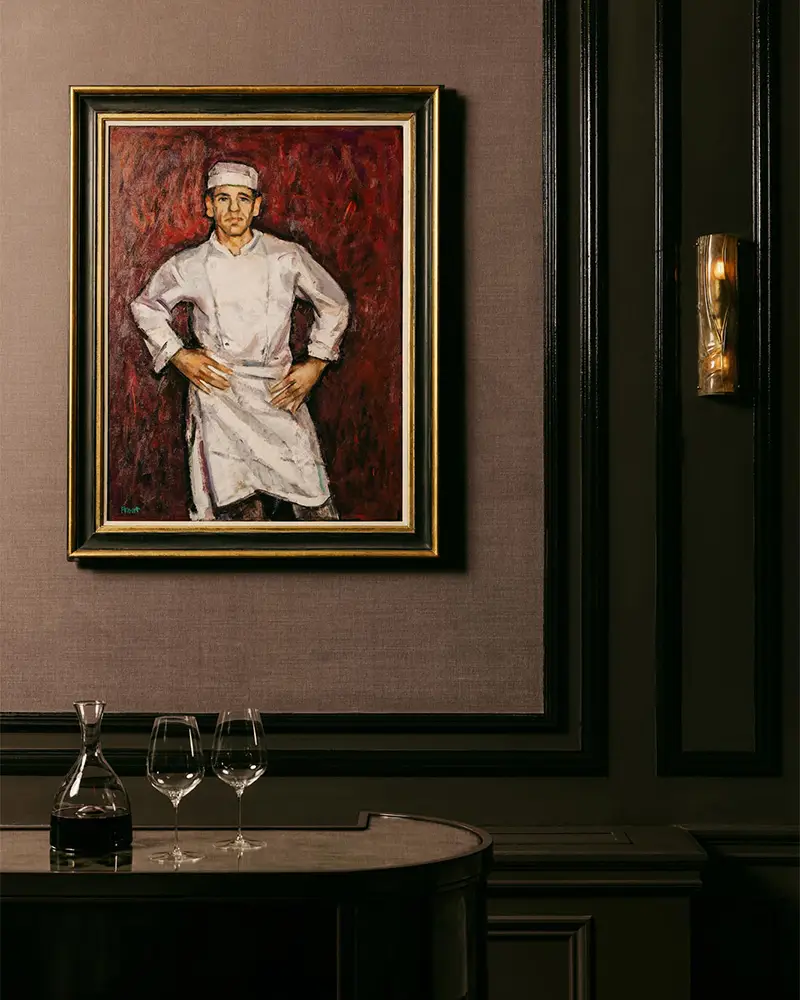
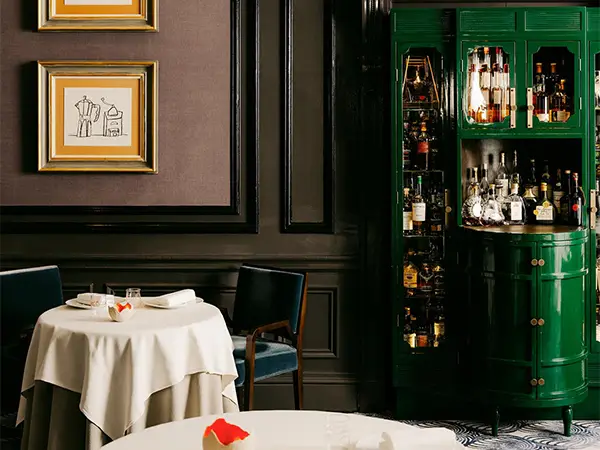
It feels less like a hotel restaurant and more like a private members’ club where the outside world has been deliberately shut out. The signature dish, lobster smoked over Auchentoshan whisky barrel chips for up to 12 hours, has become one of Scotland’s most celebrated plates. The shells are smoked separately from the flesh, which is then returned to the shells and baked at high temperature with melted butter, lime juice and herbs. It arrives traditionally paired with Krug Grand Cuvée, the sweet smokiness of the lobster playing against the champagne’s toasty notes
The dégustation menu reads like a roll call of prime Scottish produce: crab and razor clams appear alongside crab sabayon; fillet of halibut arrives with refined accompaniments; black and blue beef tartare comes with salt-baked beetroot. Other highlights from the à la carte include grilled scallop and poached oyster salad with pimento purée, ravioli of summer truffle with white bean velouté, and veal loin served with shin and sweetbreads in an exquisitely balanced dish where the delicate flavours of the loin mesh with the richer, darker tones of the slow-cooked shin.
Fairlie died in January 2019 following a brain tumour diagnosis, but head chef Stephen McLaughlin, who worked alongside him since the restaurant opened, has maintained both the philosophy and the stars. Produce still comes from a two-acre Victorian walled kitchen garden. Gleneagles holds three MICHELIN Keys and offers 232 rooms alongside championship golf and falconry.
Hambleton Hall, Rutland
Hambleton Hall sits on a peninsula above Rutland Water and has held its Michelin star since 1982, making it the longest continuously held star in the UK. Chef Aaron Patterson has run the kitchen since 1992. Tim and Stefa Hart opened Hambleton in 1980 as one of England’s first country house hotels, inspired by Michel Guérard’s Les Prés d’Eugénie in France.
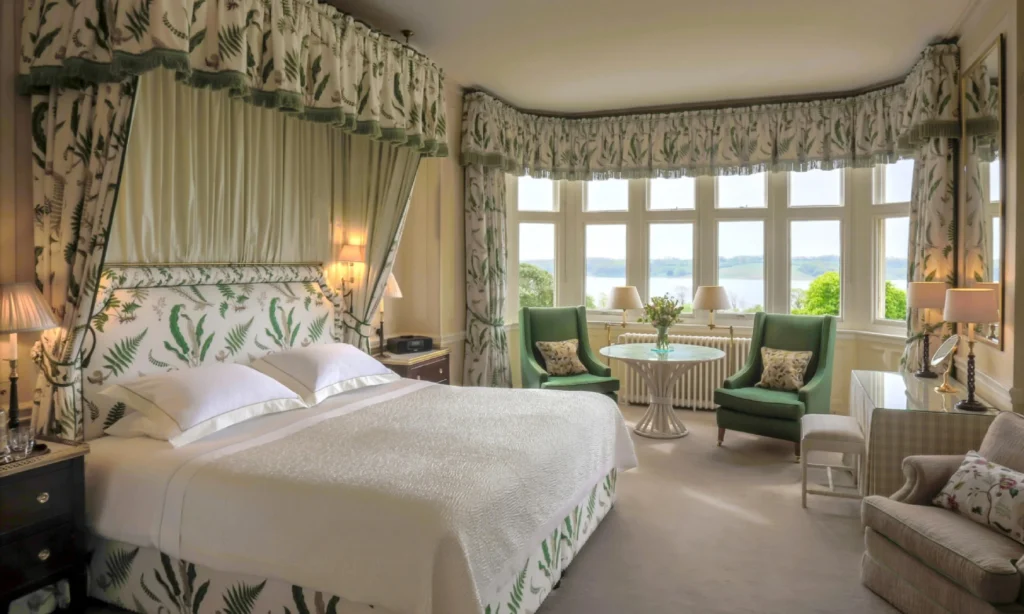
The Victorian hall was built in 1881 as a hunting box for Walter Marshall, who entertained lavishly and hunted with the Cottesmore, Quorn, Belvoir, and Fernie hounds. Noël Coward was among those who visited when Marshall’s sister Eva inherited the property, writing fondly in his autobiography about fires in the bedroom, brass cans of hot water, and following the hunt in a dog cart. The dining room retains that sense of well-heeled country living: large, well-spaced tables dressed in impeccable white linen, a real log fire in the lounge for coffee afterwards, and an attractive terrace overlooking the immaculate gardens where drinks and canapés can be taken when the weather permits.
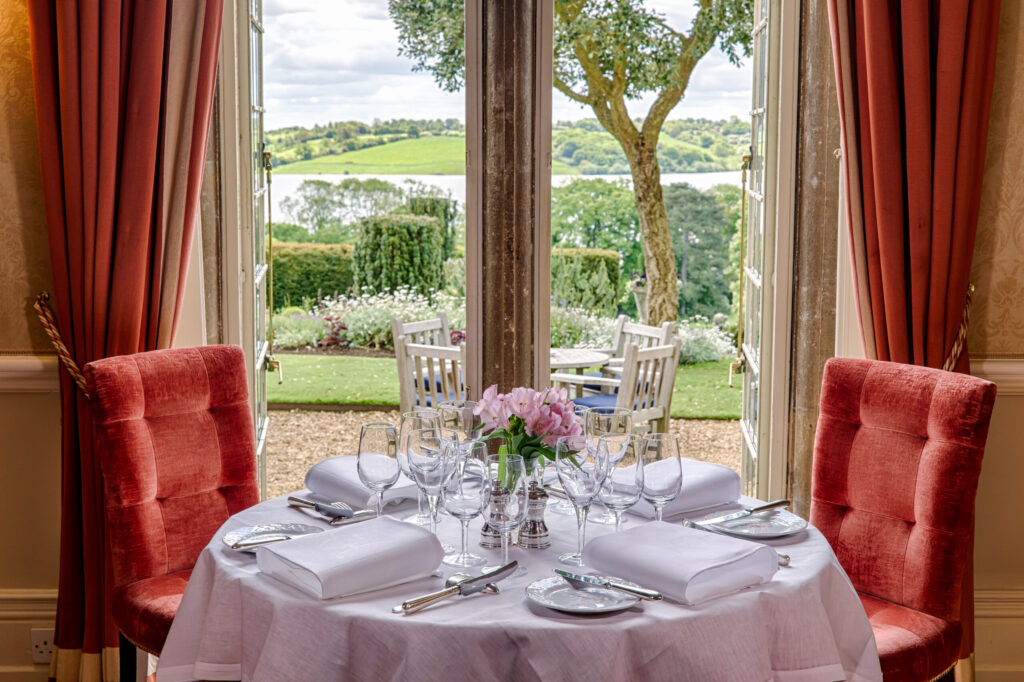
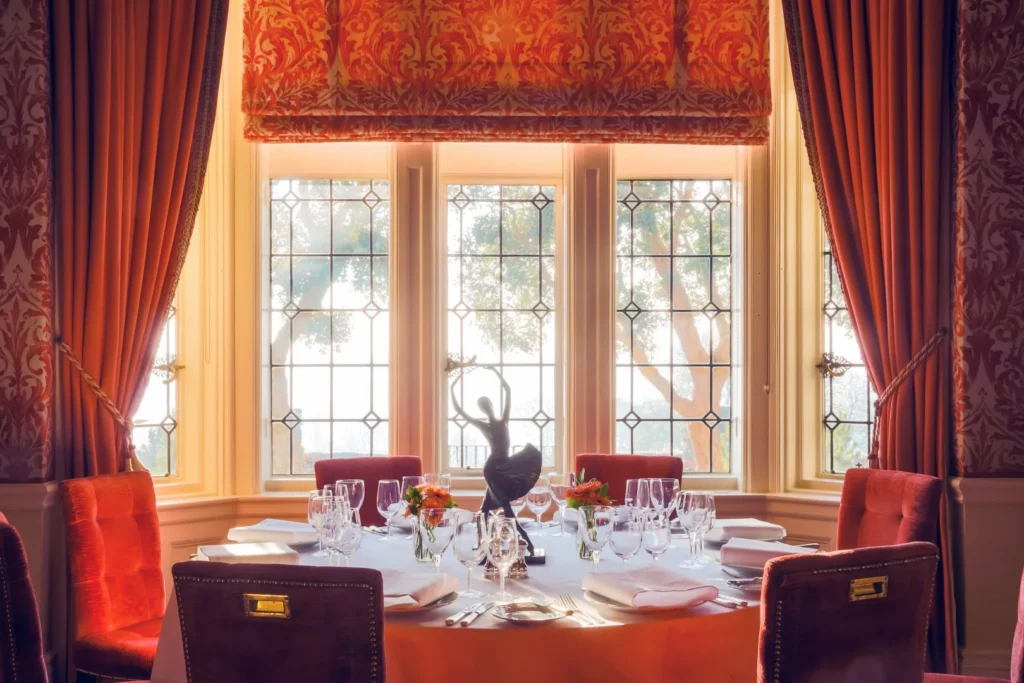
Patterson’s à la carte menu (£135 for three courses) changes daily depending on what his suppliers deliver, but expect dishes that balance classical technique with modern touches. Among Patterson’s signature dishes is his cauliflower cheese with spiced lentils and cauliflower beignets, and the delicate beetroot terrine that has endured on the menu for years. The apricot soufflé makes a frequent appearance at dessert, alongside Patterson’s mille-feuille of apple and blackberry. He’s got a wicked way with the sweet stuff, this guy.
Today, 17 bedrooms are individually styled, and the bakery in a nearby village supplies bread to the restaurant and for guests to take home. There’s a staff-to-guest ratio of around 55 to 17 (or, you know, three to one if you don’t care about being pedantry), and views stretch across England’s largest artificial lake.
Gravetye Manor, West Sussex
Gravetye Manor was built in 1598 by ironmaster Richard Infield for his bride Katherine (their initials remain carved in stone above the entrance), but its fame comes from William Robinson, who purchased the property in 1885. Known as the ‘Father of the English Flower Garden’, Robinson spent 50 years rebelling against Victorian formality, championing native plants and the ‘wild garden’, ideas that influenced Gertrude Jekyll and the Arts & Crafts movement. He planted 100,000 narcissi along one of the lakes in a single year.
His two-acre walled kitchen garden, with its unique elliptical sandstone walls (thought to be the only one of its kind in the country), still supplies the one-Michelin-starred restaurant. The dining room was redesigned in 2018 with floor-to-ceiling glass walls that provide uninterrupted views of the glorious gardens, creating the sense that you’re eating within them rather than merely looking out at them. Noise levels are blissfully low, and the atmosphere manages to be both refined and unstufffy.
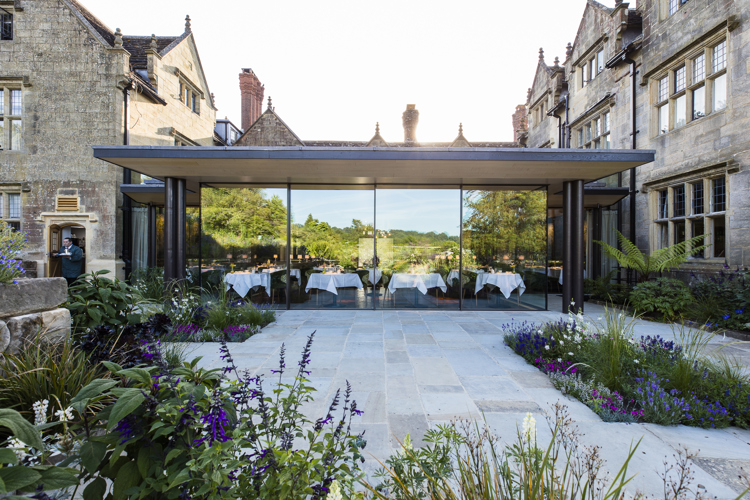
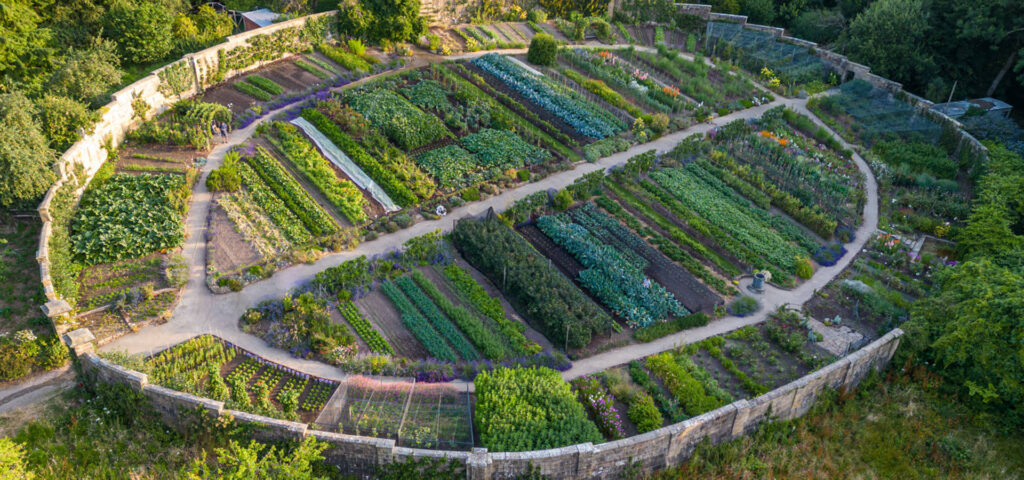
New executive chef Martin Carabott (a 2018 Roux Scholar who did time at Eleven Madison Park) took the helm in April 2025, and the kitchen garden remains the foundation of his menu planning. The luxury of being able to use fruit and vegetables that have fully ripened on the vine, sometimes picked just two hours before service, is rarely replicated elsewhere.
Head gardener Tom Coward manages the 35 acres of grounds, which featured on Planet Earth 3. The star has been held since 2015. The 18 bedrooms retain original features including stone windows and wooden beams. Despite being just 30 minutes from London and 12 miles from Gatwick, the setting within Ashdown Forest feels wonderfully remote.
Gilpin Hotel & Lake House, Lake District
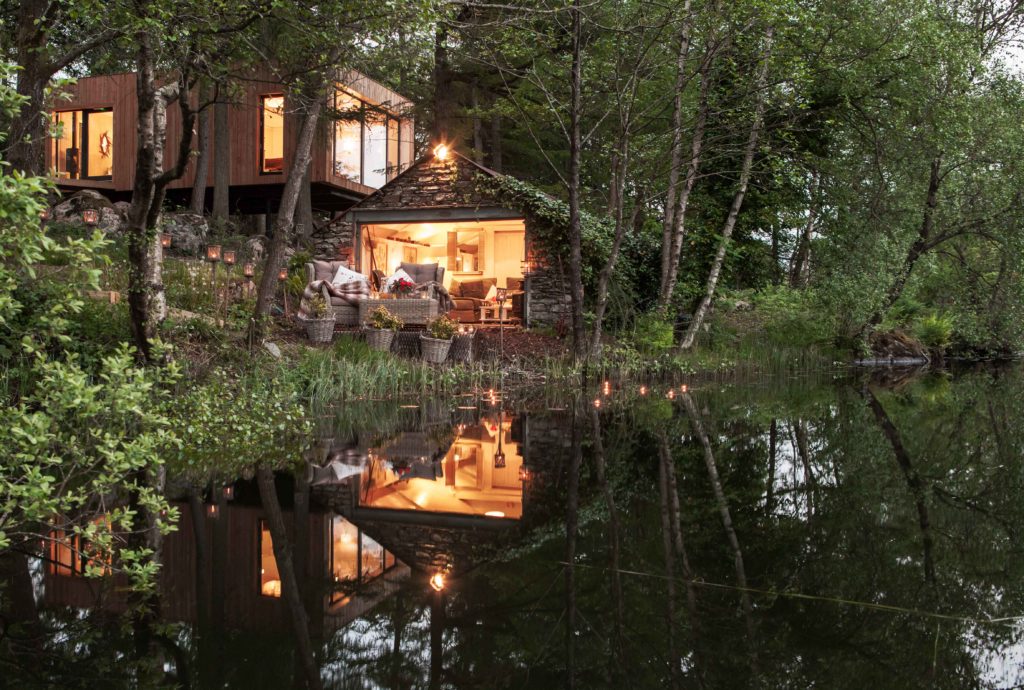
Gilpin Hotel has been run by the Cunliffe family since 1987, growing from a modest country house into a two-property Lakeland empire with 38 bedrooms, two restaurants, and resident llamas. The flagship restaurant, SOURCE, holds one Michelin star under executive chef Ollie Bridgwater, who spent over five years as sous chef at Heston Blumenthal’s three-starred Fat Duck before arriving at Gilpin.
The ten-course tasting menu (£120) is served in the ground-floor dining room, which seats up to sixty but never feels crowded. The atmosphere strikes a balance between precision and playfulness that mirrors the food itself, with friendly, knowledgeable staff who seem genuinely enthusiastic about explaining each course.
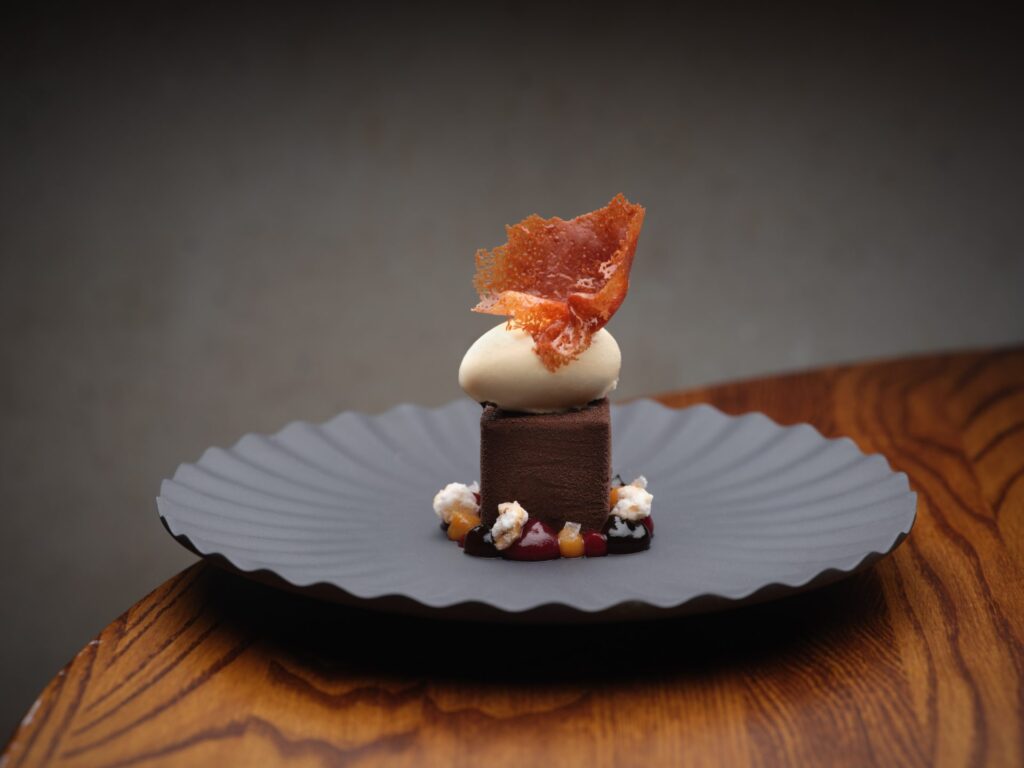
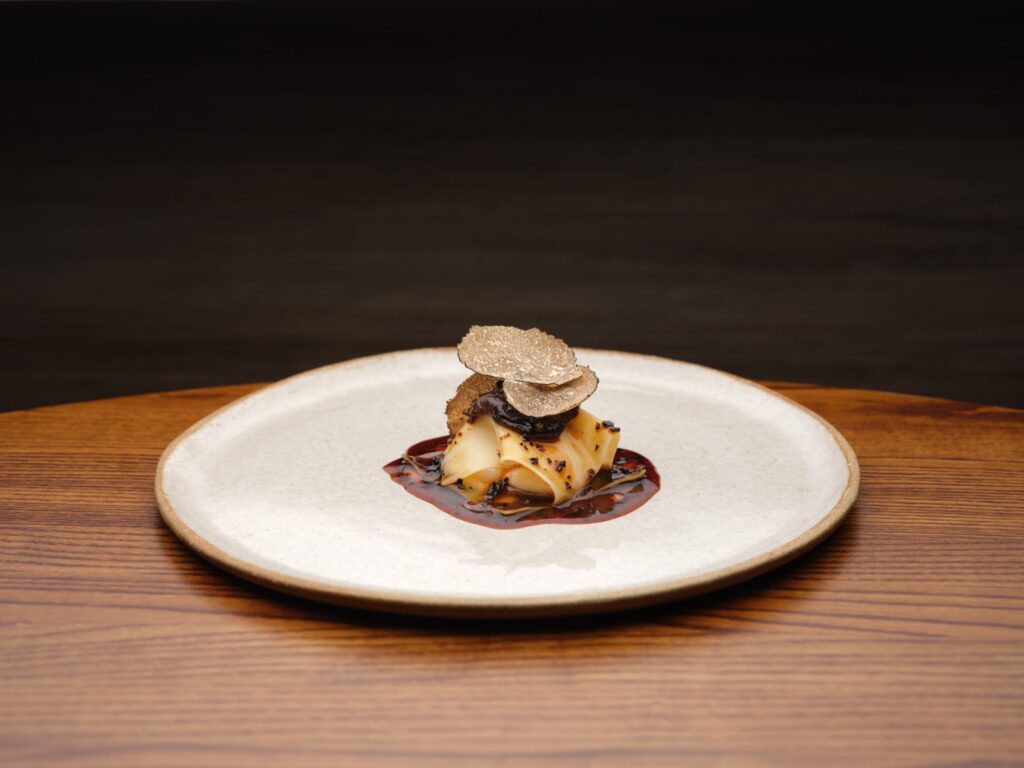
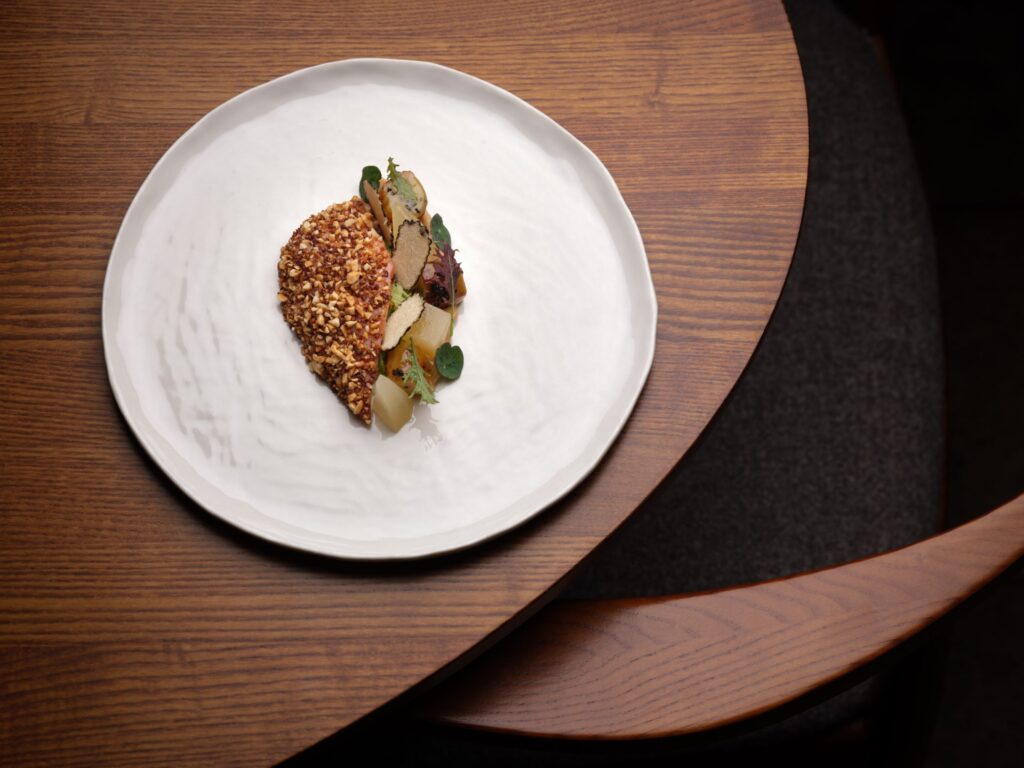
The menu blends British ingredients with Japanese influences and Bridgwater’s Fat Duck-honed precision. Berry-red glazed orbs of smooth chicken liver parfait, rich with brandy, arrive circled by dots of blackcurrant gel and horseradish cream on a toasted base of spiced pain d’épice. A croustade of lobster comes with kombucha, pickled daikon, yuzu and ponzu, its piquant elements playing beautifully off the sweet lobster.
That Cornish lobster appears again later with red curry and braised lettuce, while turbot might be served with salsify, nashi pear, kombu and roast bone sauce. For mains, expect Lake District chicken with wild garlic foraged from the fells, morels and XO sauce. For those wanting a shorter experience, the three-course Origin menu (£90) offers the same creativity over fewer courses.
The main hotel sprawls across 21 acres and includes spa lodges with private saunas and outdoor hot tubs. Gilpin Lake House, a mile away, offers just eight bedrooms sharing 100 acres of private grounds with its own tarn. Both properties hold two MICHELIN Keys. Gilpin Spice, the two-AA-rosette pan-Asian restaurant, provides a more relaxed alternative with an open kitchen.
The Bottom Line
Tasting menus and long wine pairings don’t mix well with car keys or last trains. These six hotels solve that problem beautifully, letting you stumble from dining room to pillow without a care, then wake up to grounds worth exploring and a breakfast that doesn’t feel like an afterthought. What’s not to love?
Another Michelin key holding hotel we’ve really recently enjoyed is The Yard in Bath. You can check out our full review of it here, if you like.