Six hundred miles from mainland Portugal, closer to Morocco than Lisbon, Funchal clings to the hills above its harbour like an amphitheatre. Madeira’s capital sits where white houses with terracotta roofs cascade down through subtropical greenery to the Atlantic, and the island’s geography shapes everything here. Streets rise at gradients that would defeat most cities. Cable cars connect neighbourhoods that would otherwise require mountaineering. And the climate hovers in a state of perpetual spring, warm enough for banana plantations but rarely oppressive.
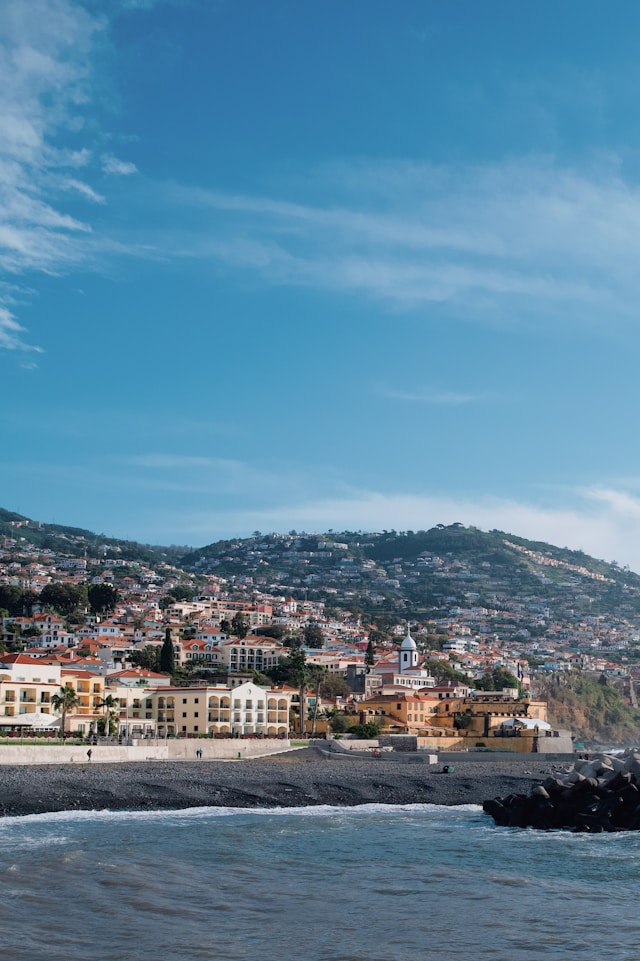
The city’s compact centre rewards walking, though your calves will have opinions about this by day two. The Old Town (Zona Velha) occupies the eastern flank, its narrow cobblestone streets lined with buildings dating back five centuries to Madeira’s earliest Portuguese settlement. The grand civic centre spreads west from here, all black-and-white paving stones and baroque churches. Above everything sits Monte, the hillside suburb where wealthy families once escaped the summer heat and where the famous wicker toboggans still hurtle downhill at speeds that feel inadvisable.
A weekend here divides neatly between the pleasures of the city itself and a single excursion into Madeira’s interior – day one in Funchal, day two in the mountains, with enough time left over to drink more poncha than is strictly advisable.
Day One: Markets, Toboggans & Madeira Wine
Morning: Mercado dos Lavradores & the Old Town
Start at the Mercado dos Lavradores before 9am, when the flower sellers in traditional costume arrange their strelitzias and the fruit vendors are still setting out produce rather than hawking it to tourists.
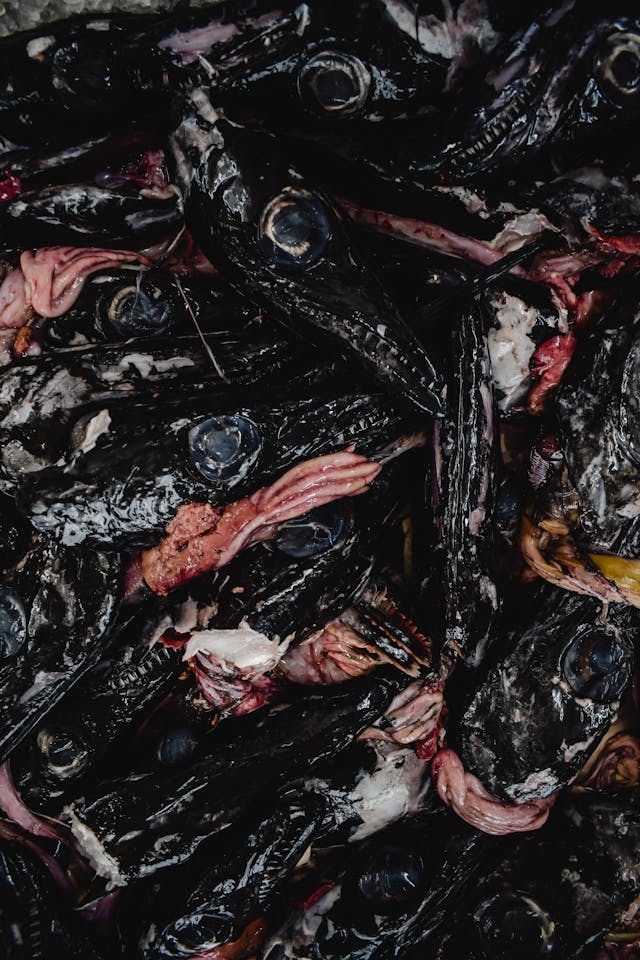
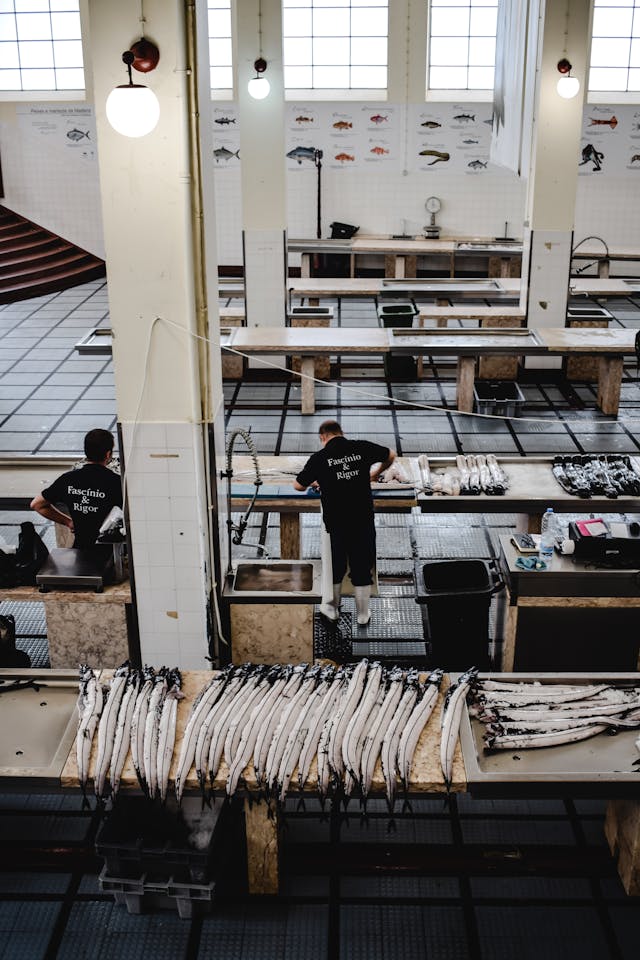
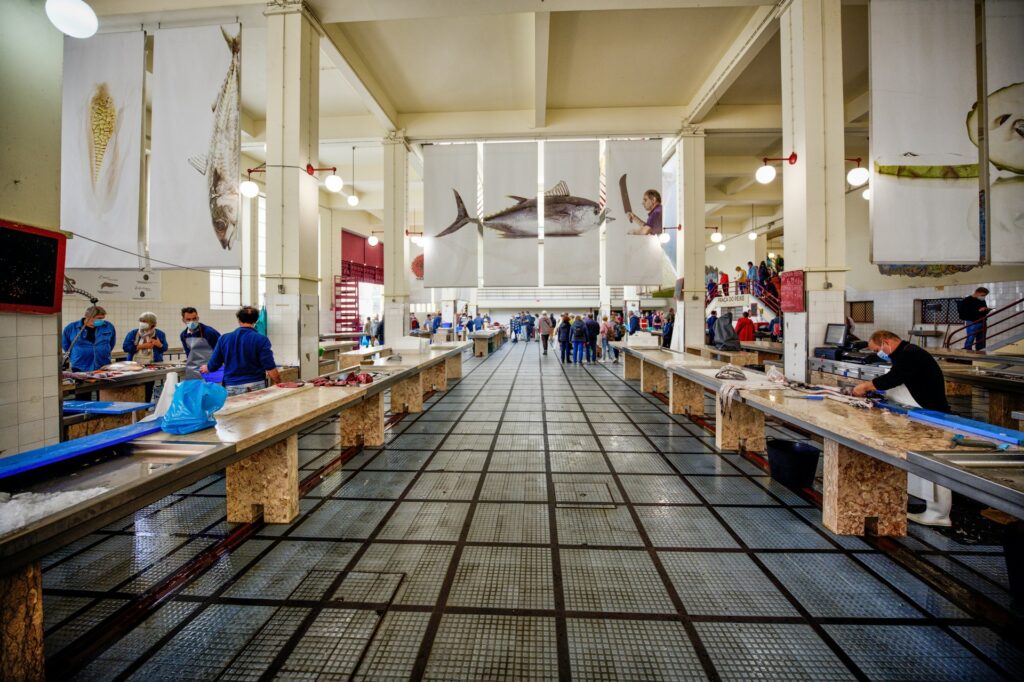
The 1940 art deco building houses Funchal’s main market across three floors. Upstairs you’ll find tropical fruits in colours that seem digitally enhanced: passion fruit, custard apples, tamarillos, and the local banana-pineapple hybrid that tastes better than it sounds. Downstairs, the fish hall displays the day’s catch, including the black scabbard fish (espada) that appears on menus across the island. The creature looks genuinely alarming, all teeth and dark eyes, but grilled with banana it becomes one of Madeira’s signature dishes.
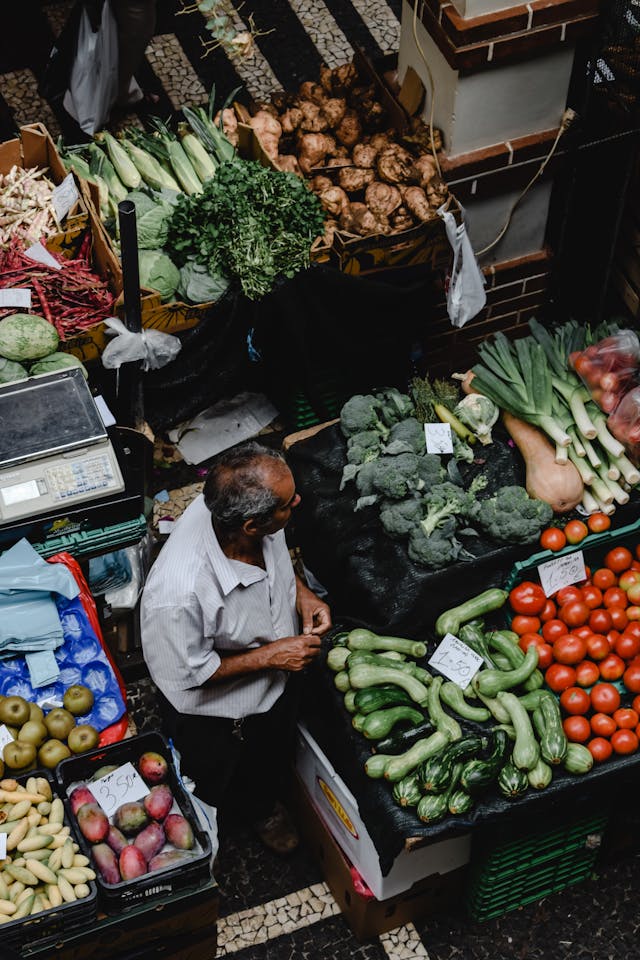
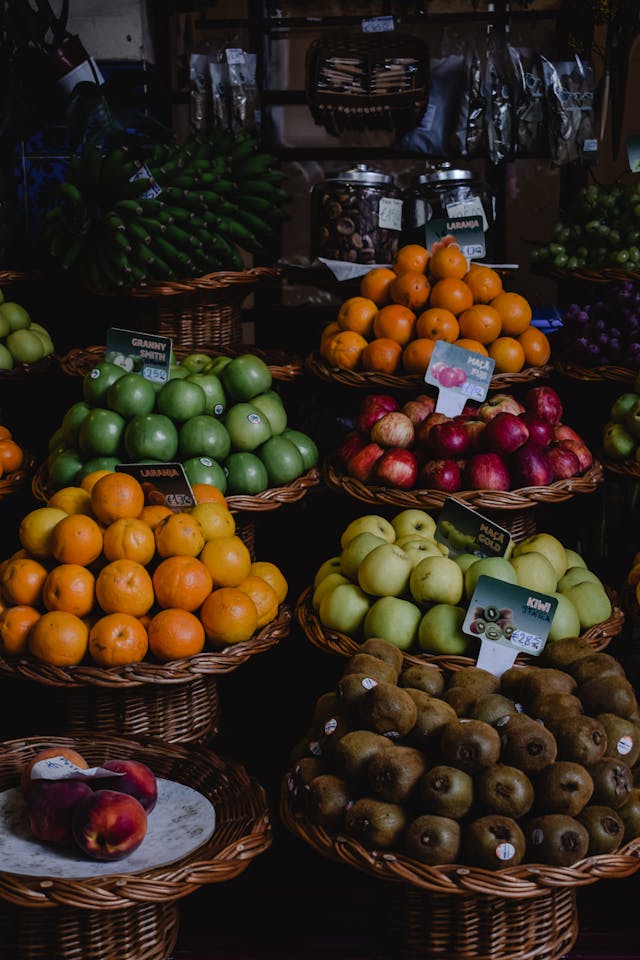
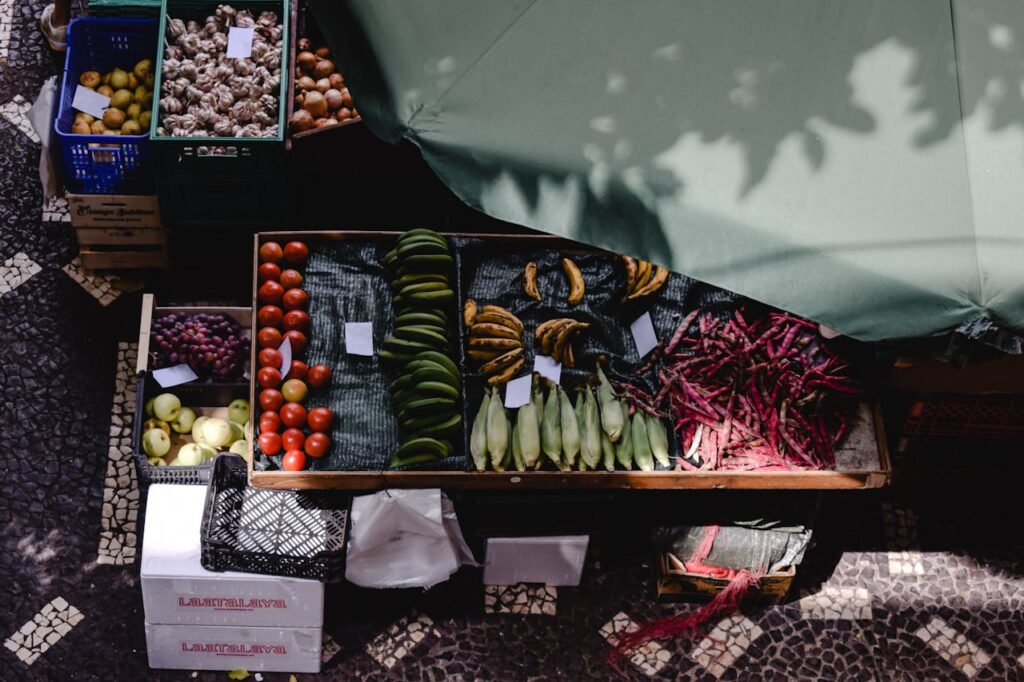
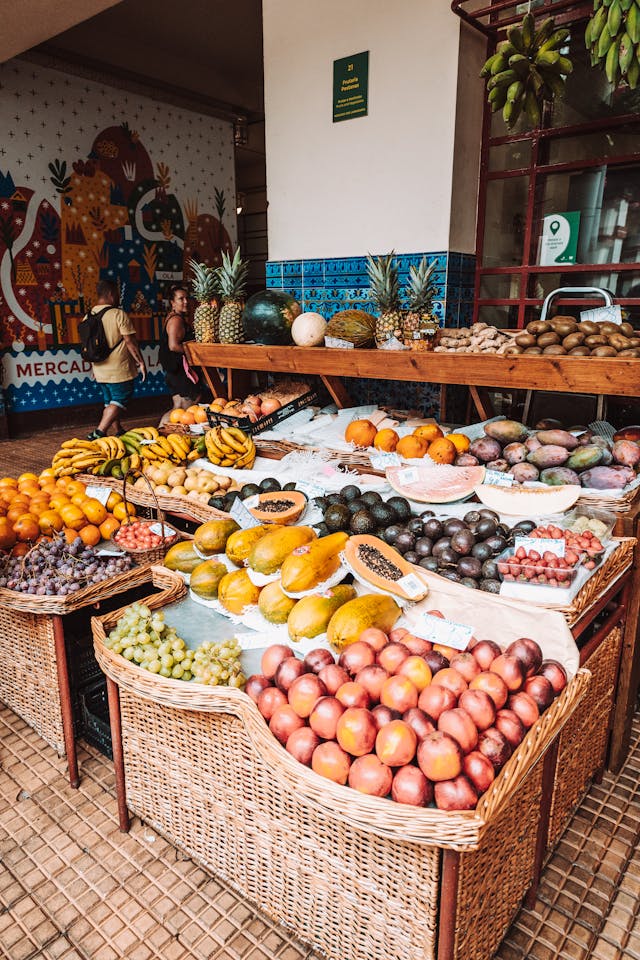
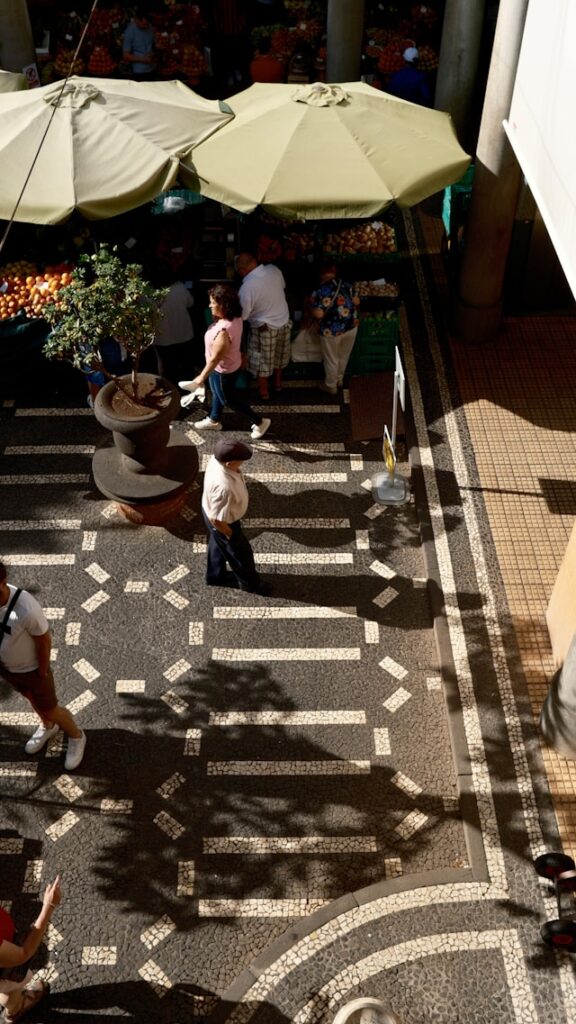
A note on the fruit vendors: they can be pushy about offering samples and vague about prices. Accept samples if offered but confirm prices before purchasing anything, or simply enjoy the visual spectacle and buy nothing. The building itself, with its tile panels depicting regional scenes, justifies the visit regardless.
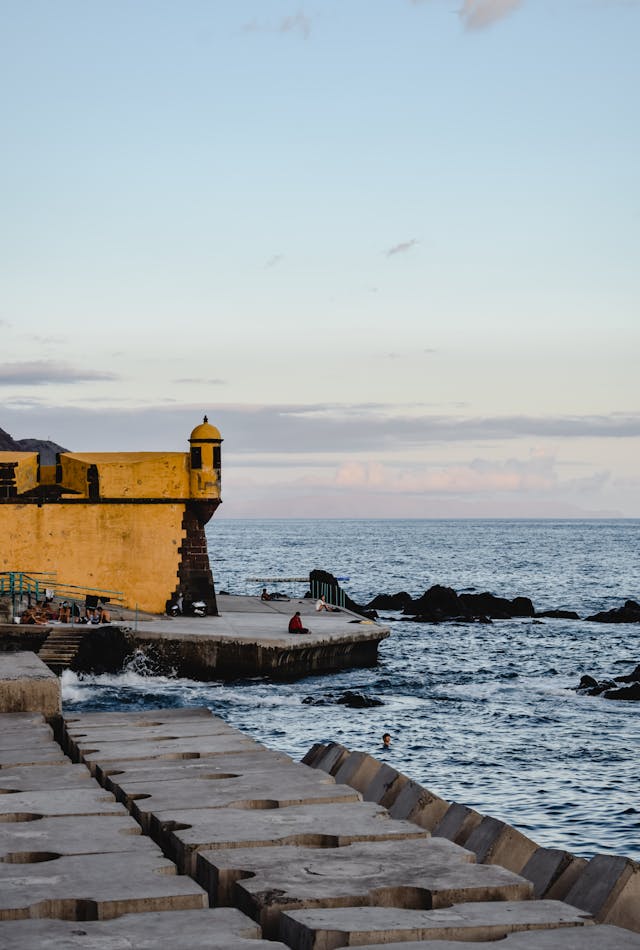
From the market, walk east into the Old Town along Rua de Santa Maria, Funchal’s oldest street. The ‘Arte de Portas Abertas’ project has transformed over 200 doors into painted artworks, turning the thoroughfare into an open-air gallery. The street ends near the 15th-century Capela do Corpo Santo and the fort of São Tiago, built in 1614 after pirate attacks devastated the city.
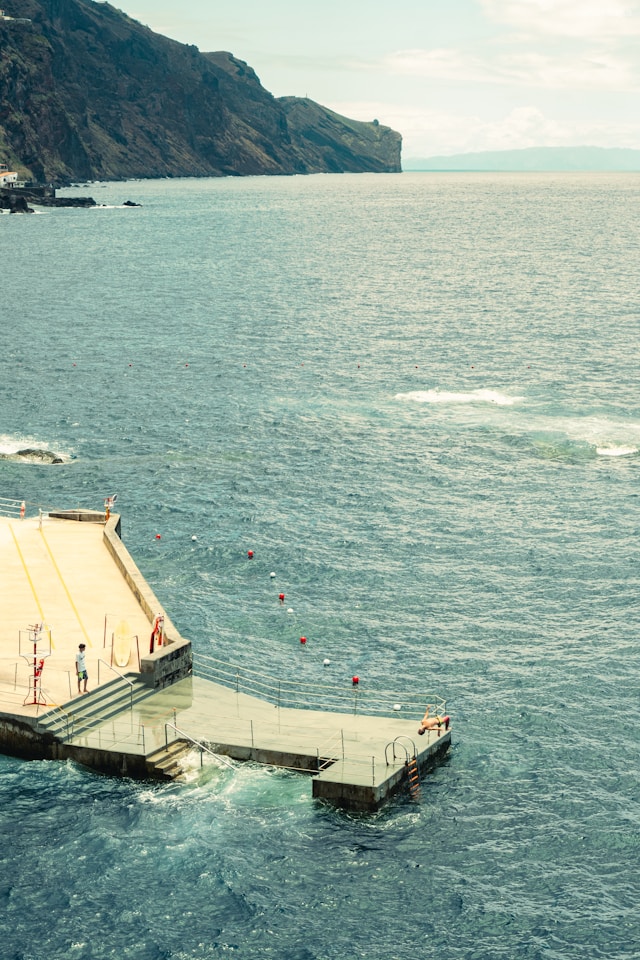
Just beyond the fort, the Barreirinha Bathing Complex is built against a rocky cliff overlooking Funchal’s bay. It’s the closest swim to the city centre and a good reason to pack a towel in your bag for the morning. The Blue Flag complex has sea access via ladders and a small pebble beach, a solarium, changing rooms, showers, lockers, and a bar for post-dip coffee. It opens at 09:30 in winter and 08:30 in summer, so an early start at the market followed by a walk through the Old Town puts you here at the right time. Even a brief swim sharpens the appetite for what comes next.
Lunch: Rua de Santa Maria
The Old Town contains some of the best restaurants in Funchal. Kampo, on Rua da Alfândega, serves a tasting menu built around seasonal Madeiran ingredients that’s inventive and fulfilling. For something more casual, Rustikus on Rua da Conceição serves a prato do dia for around €9 that draws queues of locals at lunchtime.
Afternoon: Cable Car to Monte & the Toboggan Ride
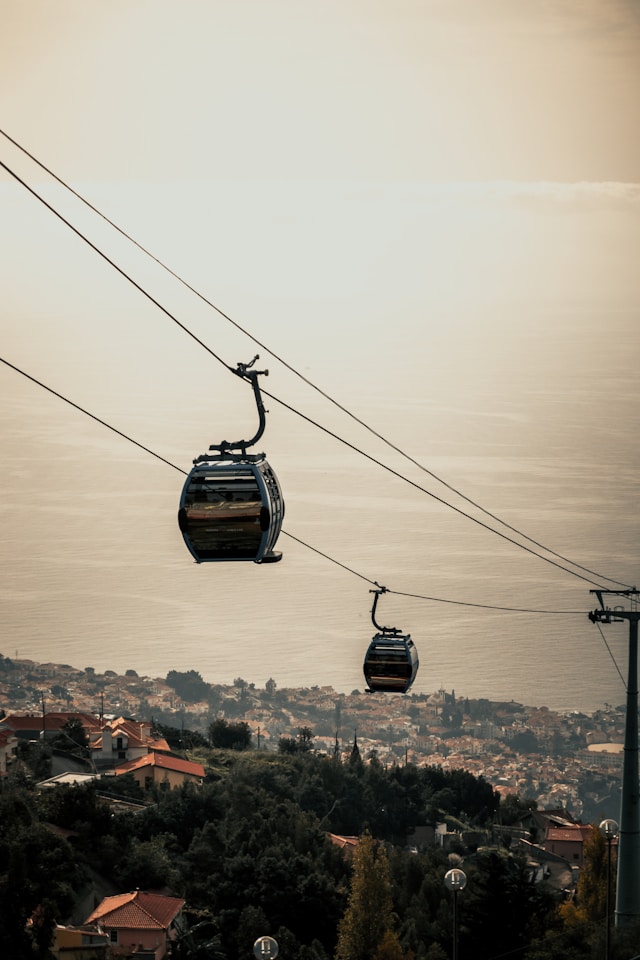
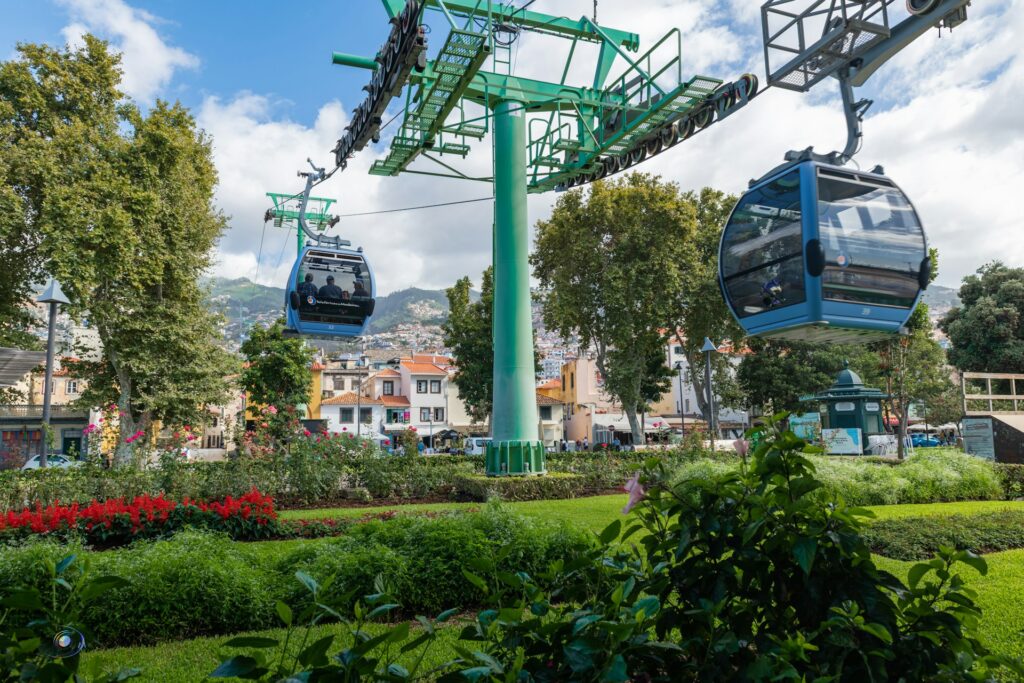
The Teleférico da Madeira departs from the waterfront near the Old Town and rises 560 metres to Monte over approximately 15 minutes. The views during the ascent are extraordinary: Funchal’s terracotta roofs receding below, the harbour shrinking to model-village scale, and the mountains opening up ahead. At the top, the village of Monte spreads across the hillside, its centrepiece the Igreja de Nossa Senhora do Monte, where Emperor Charles I of Austria-Hungary lies buried after dying in exile on Madeira in 1922.
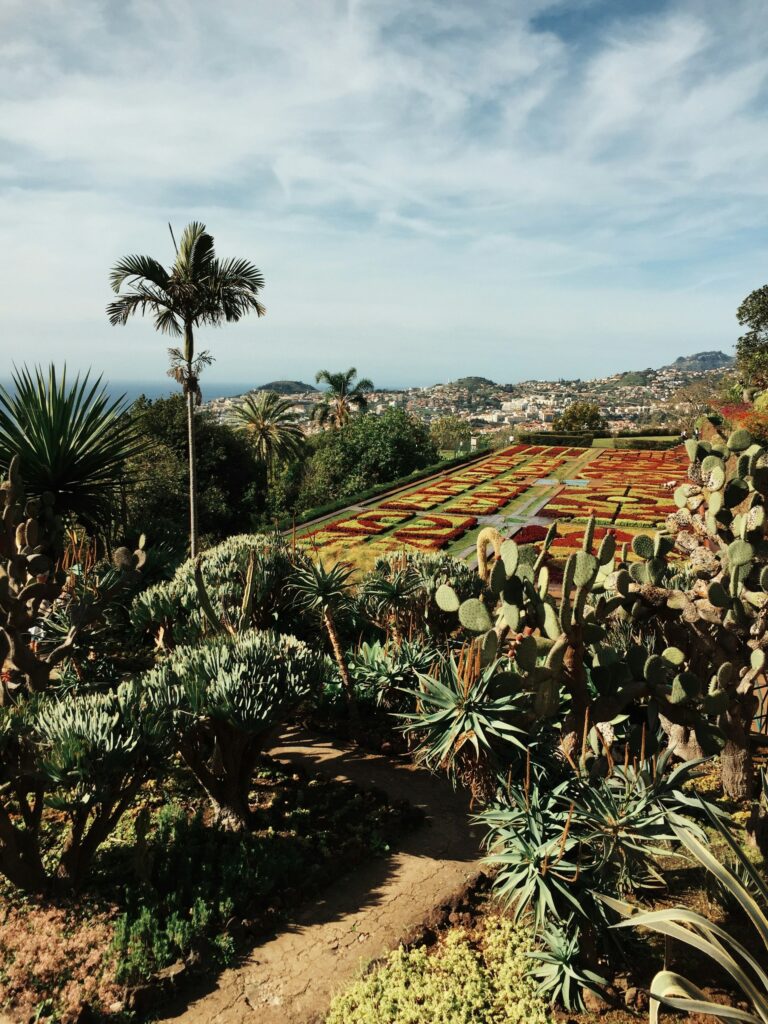
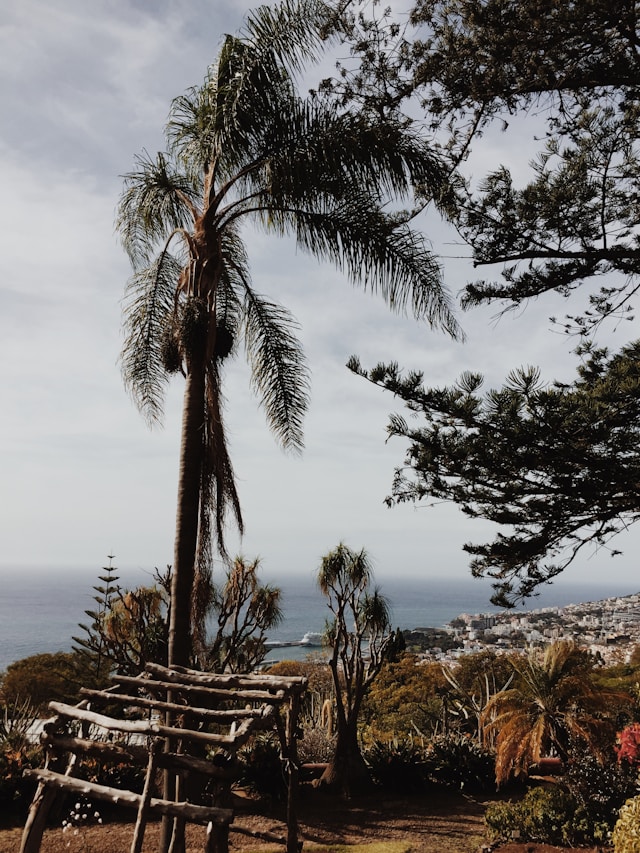
The Monte Palace Tropical Garden occupies 70,000 square metres around a former hotel, combining azulejo tile panels, Japanese gardens, and plants from across the Portuguese empire. It’s one of the best gardens on an island known for them.
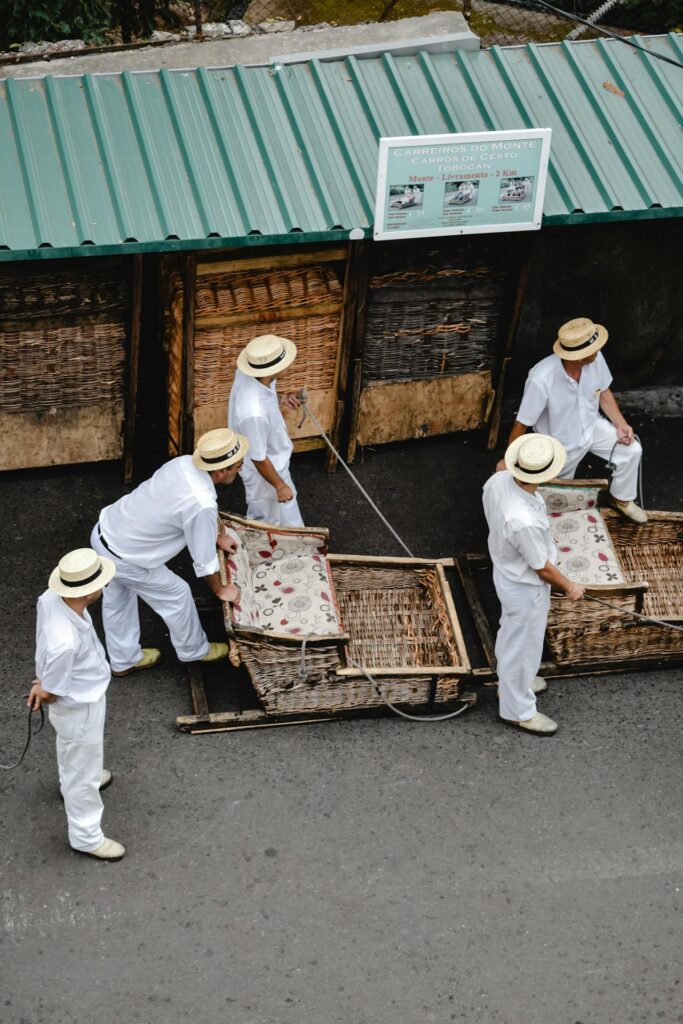
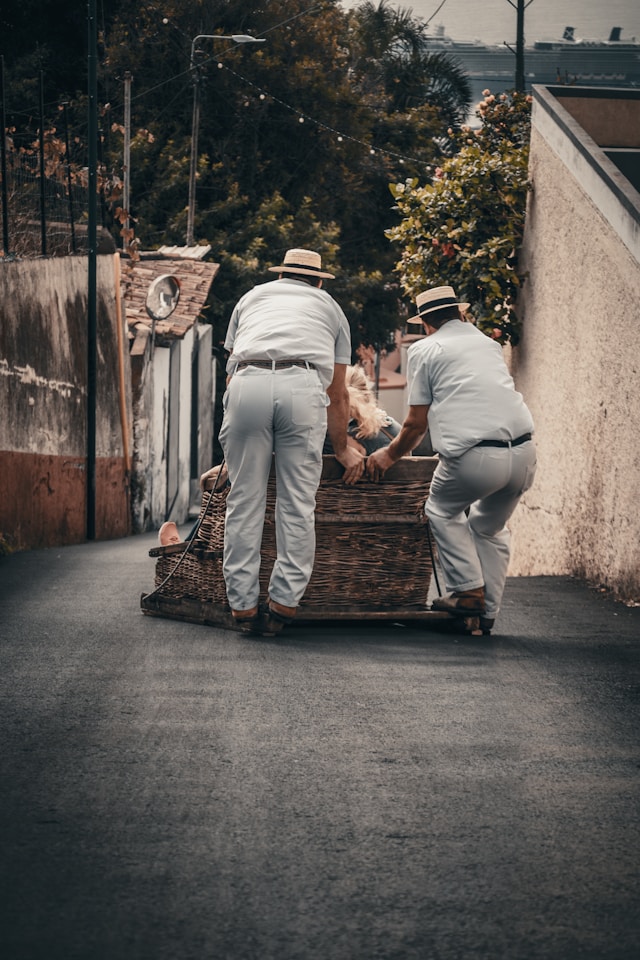
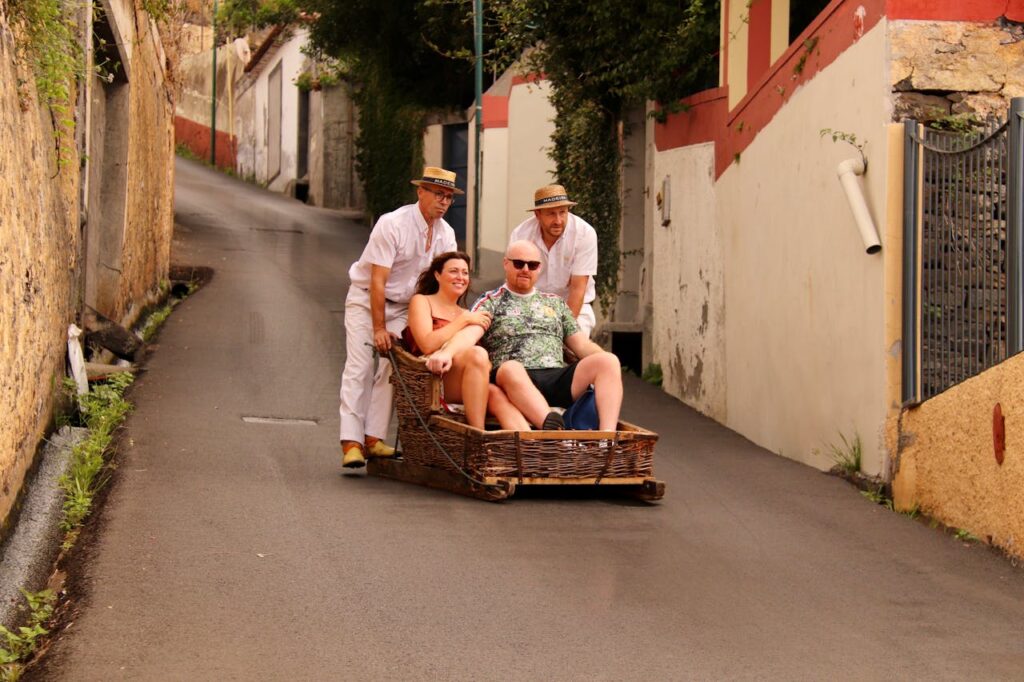
The wicker toboggans have been sliding down Monte’s streets since the 1850s, originally as a practical transport solution for residents heading to Funchal. Two drivers in white suits and straw boaters steer each carro de cesto using their rubber-soled boots as brakes, pushing passengers downhill for two kilometres at speeds reaching 48km/h. The ride costs €35 for two people and lasts about ten minutes. Is it touristy? Absolutely. Is it worth doing? Without question. You can find more information from the Carreiros do Monte website.
Evening: Blandy’s Wine Lodge
Madeiran wine needs tasting on Madeira. The Blandy’s Wine Lodge, housed in a historic building in central Funchal, has been ageing the island’s finest fortified wines for seven generations. The standard tour (€16, approximately 45 minutes) covers the history of the Blandy family, the canteiro ageing rooms, and a tasting of two wines. The four noble grape varieties (Sercial, Verdelho, Bual, Malmsey) produce wines ranging from bone-dry to richly sweet. All share Madeira’s distinctive oxidised character, the result of a production method developed accidentally when barrels survived long sea voyages and emerged improved by the heat.
For dinner, return to Kampo if you only had lunch elsewhere, or book ahead at Desarma on the rooftop of The Views Baía Hotel. Chef Octávio Freitas holds a Michelin star and the panoramic views over Funchal add considerably to the experience.
Read: Why Madeira is 2026’s IDEAL honeymoon destination
Day Two: Mountains, Nuns & Poncha
Morning: Curral das Freiras
The Valley of the Nuns lies 17 kilometres from Funchal but feels like another world entirely. Curral das Freiras (its Portuguese name) sits inside what appears to be a volcanic crater, though scientists now believe erosion carved this natural amphitheatre. The surrounding mountains rise so steeply and completely that the valley cannot be seen from the sea, a fact that proved decisive in 1566 when French pirates attacked Funchal. The nuns of the Santa Clara Convent fled into the mountains, carrying their treasures along paths that took hours to traverse. They found this hidden valley and made it their refuge. The settlement remained isolated for centuries, accessible only on foot until a tunnel opened in 2004.
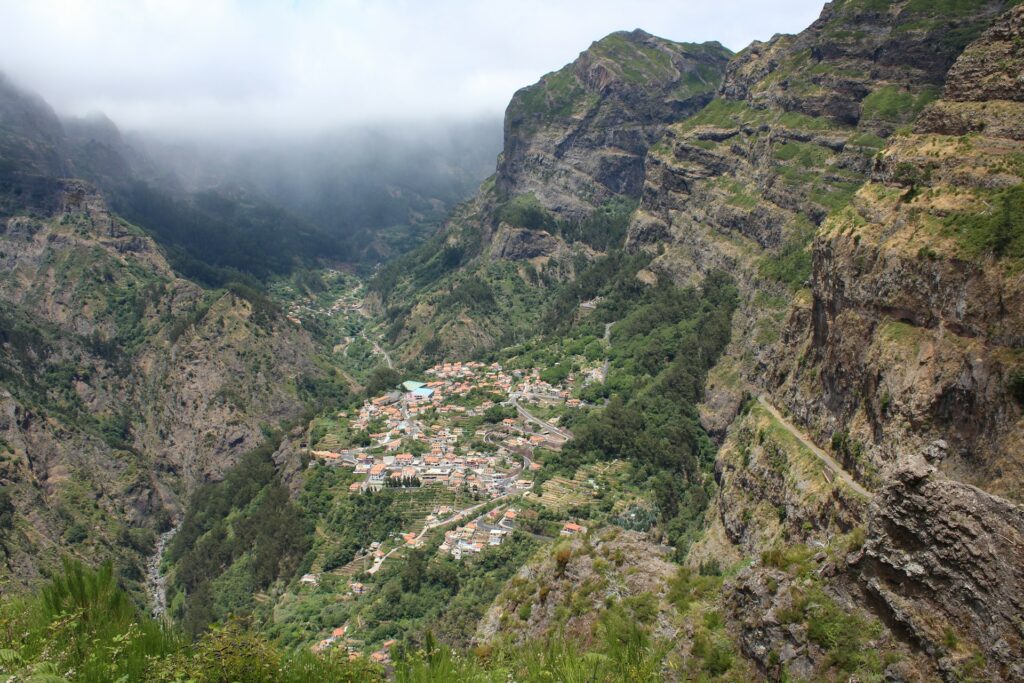
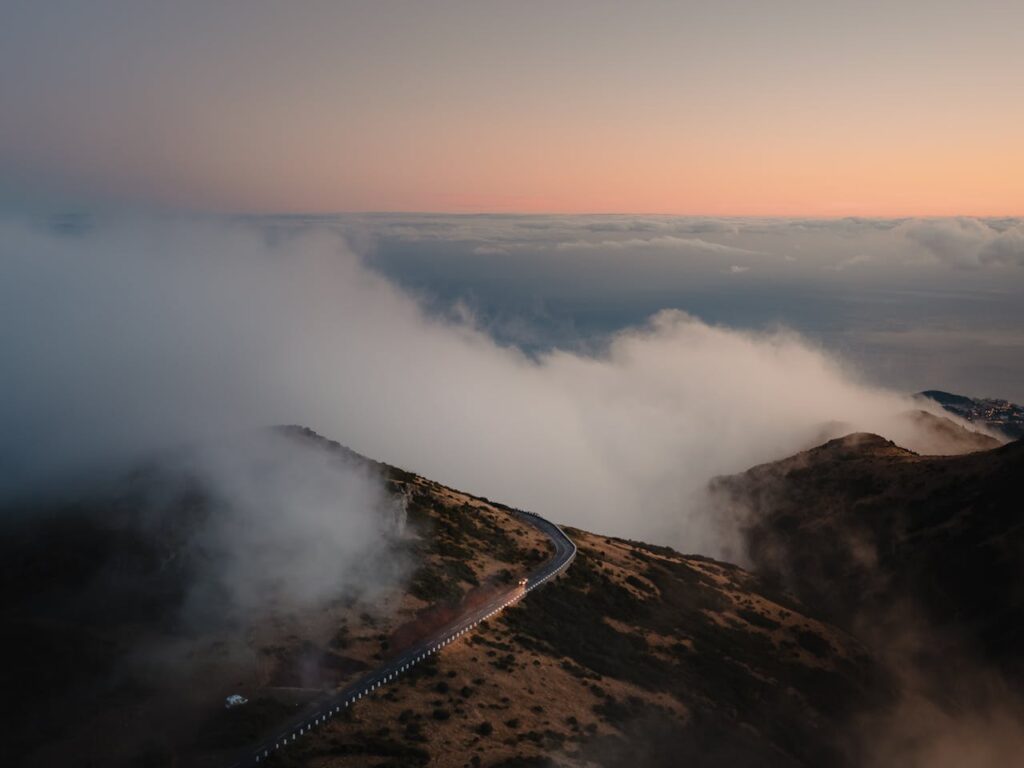
Stop first at Eira do Serrado, the viewpoint at 1,095 metres that overlooks the entire valley. The village appears impossibly small below, cradled by peaks including Pico Ruivo (1,862 metres) and Pico Grande (1,654 metres). In the village itself, the small Museu da Castanha (free entry) explains the importance of chestnuts to local cuisine and economy.
Lunch: Sabores do Curral or Santo António
Sabores do Curral has a rooftop terrace with views of the surrounding mountains and offers the full range of local specialties. Start with chestnut soup, which sounds simple but demonstrates why the nuts define this valley’s cooking.
The espetada, one of Madeira’s defining dishes, where thick cubes of beef are threaded onto a skewer, seasoned with garlic, coarse salt, and bay leaf, then grilled over open flame makes a good main course. Finish with chestnut cake and a small glass of chestnut liqueur, and accept that you’ve now eaten enough chestnuts to qualify as a local.
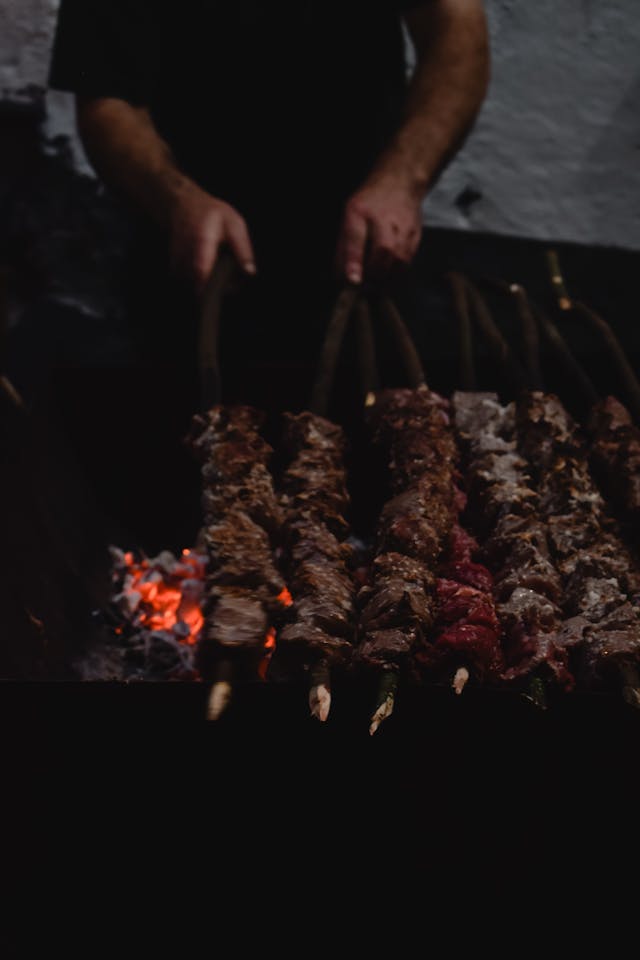
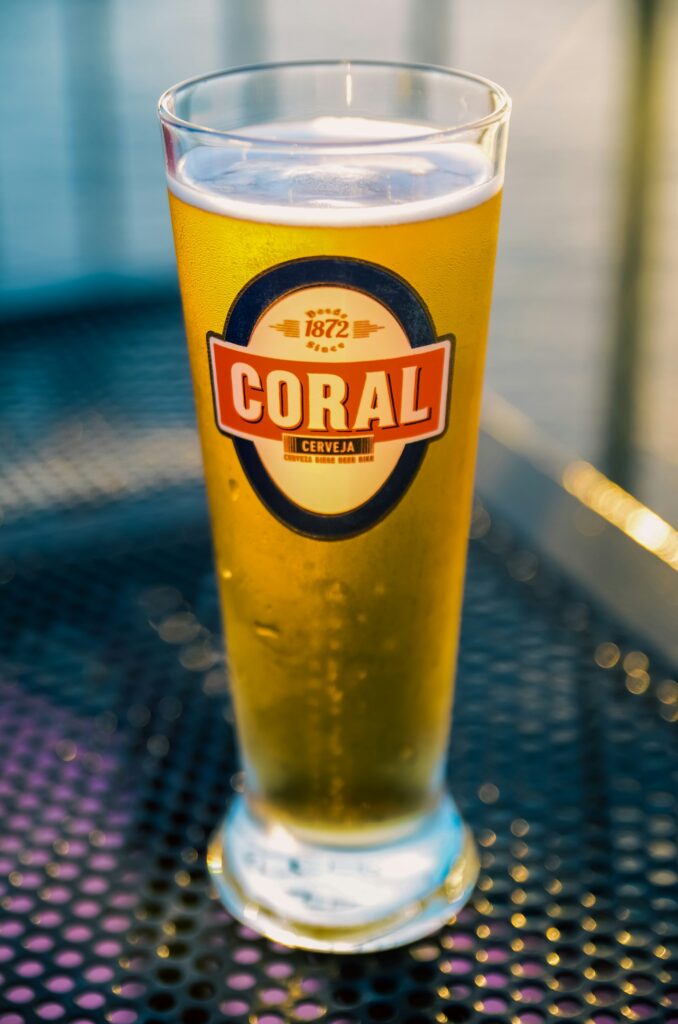
Alternatively, just have coffee and some chestnut cake (maybe that glass of chestnut liqueur too – you’re on holiday after all) and save your appetite for the drive back to Funchal. Restaurante Santo António in Estreito de Câmara de Lobos sits among the Malmsey wine terraces on the road back down and is a popular with locals and tourists alike. It has been grilling espetada over open flame since 1966. Order the milho frito, chips, bolo do caco with garlic butter too and wash it all down with plenty of local coral beer.
Afternoon: The Cathedral & Praça do Município
Return to Funchal for the civic heart of the city. The Sé Cathedral dates to the early 16th century, featuring Gothic arches, a Moorish carved cedar ceiling, and a vermeil crucifix gifted by King Manuel I. Praça do Município, a few minutes’ walk away, centres on black-and-white wave-patterned paving stones surrounded by the 18th-century Town Hall, the Church of St John the Evangelist, and the former Jesuits’ College. The square offers a sense of Funchal’s civic ambitions, all whitewashed facades and carefully maintained grandeur.
Late Afternoon: Ponta da Cruz & Doca do Cavacas
From the city centre, head west along the seafront promenade towards the Lido district. The walk takes around 20 minutes at a pace that allows for the views, passing the Pestana Carlton and the Forum Madeira shopping centre before the road narrows to Rua da Ponta da Cruz. The viewpoint here looks west towards Cabo Girão, the highest sea cliff in Europe, with Praia Formosa stretching below. In late afternoon the light turns the cliff face amber and the whole coastline softens into something worth standing still for.
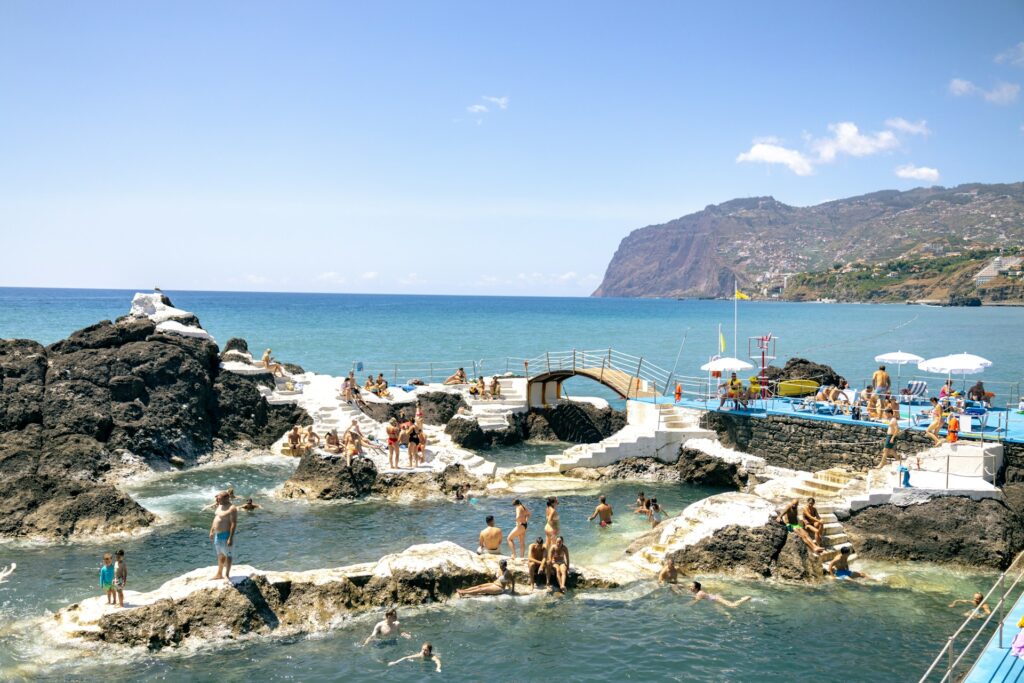
Below the road, Doca do Cavacas is Funchal’s only south-coast natural swimming pool, a small bathing complex carved into volcanic rock where the Atlantic fills a series of pools at varying depths. Waves crash over the outer wall and shower anyone brave enough to lean against it. The complex is open year-round (10:00–18:00 in winter, 08:30–20:00 in summer) and has changing rooms, showers, and a small bar. Even if you skip the swim, the tunnel at the entrance leads through to the Praia Formosa promenade, and the whole area catches the evening sun in a way that the city centre, tucked into its east-facing bay, simply does not. It’s a ten-minute walk from here to Horta, making this a natural prelude to dinner.
Evening: Poncha Bars & Dinner at Horta
No weekend in Funchal is complete without poncha, the traditional Madeiran drink made from aguardente de cana (sugar cane rum), honey, and citrus juice. The drink originated in fishing villages as a warming tonic and hangover cure, and it remains deceptively strong, with the sweetness masking an alcohol content that creeps up on the unwary.
The old town is the best place to head to enjoy a pre or post dinner drink. Rei da Poncha on Rampa do Cidrão, near the cathedral, offers an extensive menu of flavours and a lively atmosphere. For something more traditional, seek out Venda Velha, which recreates the atmosphere of old village bars while adding DJ sets at weekends.
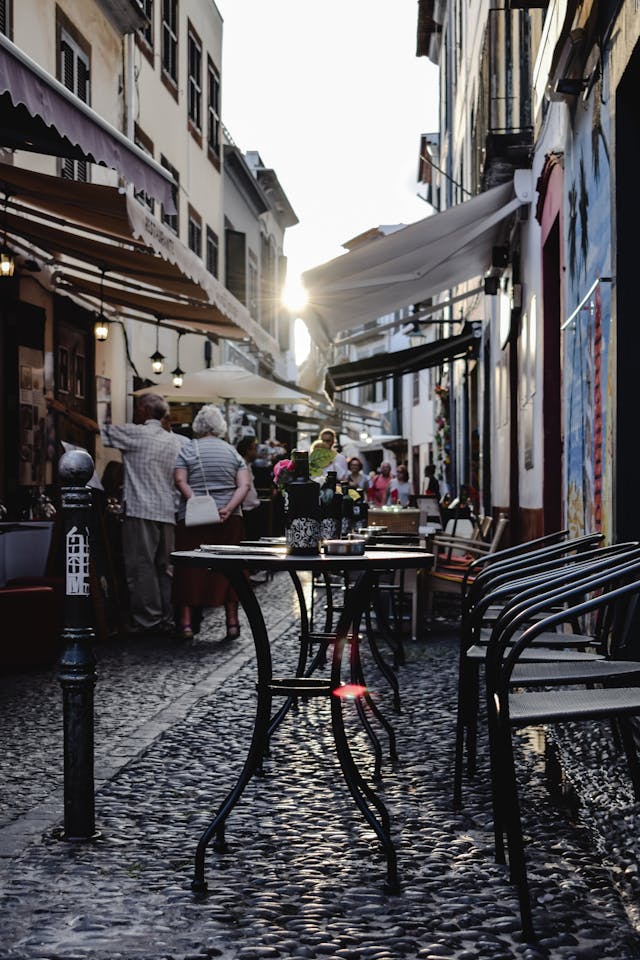
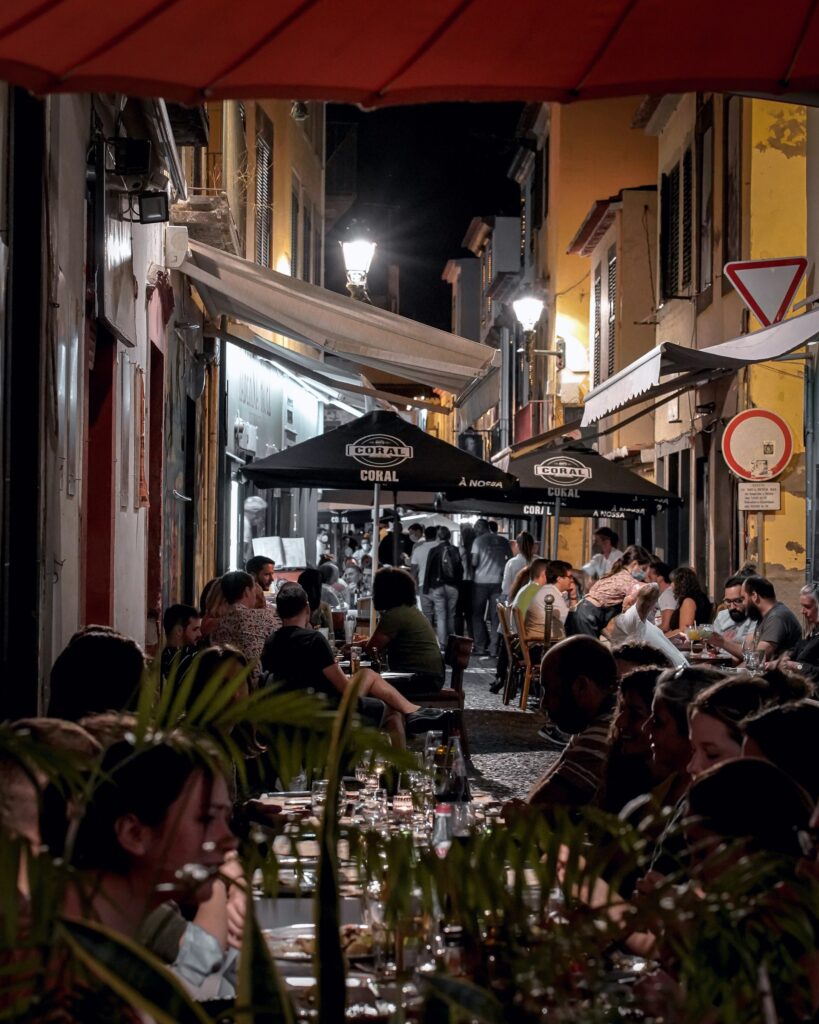
For a final dinner, Horta in the Lido area focuses on ‘healthy comfort food’ using locally sourced ingredients. The restaurant earned a Michelin recommendation within a year of opening. Book ahead.
Where To Stay
The Cliff Bay occupies a headland west of the city centre with direct sea access and views across Funchal’s bay. The rooms are spacious and contemporary, and Il Gallo d’Oro, the hotel’s two-Michelin-starred restaurant, makes a compelling reason to stay in for dinner. Rates from €250 per night.
Reid’s Palace, a Belmond property, has been receiving guests since 1891 and remains the grand dame of Madeiran hospitality. Winston Churchill painted here; George Bernard Shaw learned to tango on the terrace. Rates from €400 per night.
Castanheiro Boutique Hotel offers a more central option in the Old Town, with a rooftop pool and views across the city. Rates from €150 per night.
For best private pool villas in Madeira, the hills around Funchal contain numerous rental properties with pools and views that would cost three times as much on the Amalfi Coast.
Getting There
By air: Direct flights from the UK reach Funchal in approximately 3 hours 45 minutes. BA, easyJet, Jet2, and TUI all operate routes. The approach to Madeira Airport is famously dramatic, threading between mountains before landing on a runway extended over the sea on concrete pillars.
From the airport: Funchal lies 20 kilometres west, roughly 25 minutes by taxi (approximately €30) or 45 minutes by Aerobus (€5).
Getting around: Funchal is walkable, though the hills demand reasonable fitness. The cable car to Monte costs €16 return. For exploring beyond Funchal, car hire is recommended. Exclusive holiday rentals in Madeira often come with parking.
The Bottom Line
In just 48 hours in Funchal you can eat at restaurants that would hold their own in any European capital, ride a wicker toboggan down a mountainside, taste fortified wines that have been aging for decades, and stand in a valley so hidden that nuns once fled there from pirates. The city offers both urban sophistication and access to genuine wilderness, often within the same afternoon. The combination is difficult to replicate elsewhere.The Atlantic shapes islands into something distinctive, and Madeira is no exception. If Portugal’s mainland appeals more than its Atlantic outposts, discover our guide to the best restaurants in Lisbon for another side of Portuguese hospitality. The competition for your appetite is fierce.