Altitude has always mattered in skiing, but it has never mattered quite as much as it does now. A recent Guardian investigation found that 186 French ski resorts have permanently closed since the 1970s as rising temperatures push the reliable snowline ever higher up the mountains. For anyone planning a 2026 high season trip, this is no longer abstract climate science but a practical consideration when choosing where to book.
The good news is that France still has an abundance of resorts built to withstand uncertain winters. The best of them sit predominantly above 1,800m, with north-facing terrain, modern lift infrastructure and serious investment in snow management. These are the destinations that will still be delivering consistent powder days in a decade, two decades, and beyond. Here are five that stand out.
Méribel
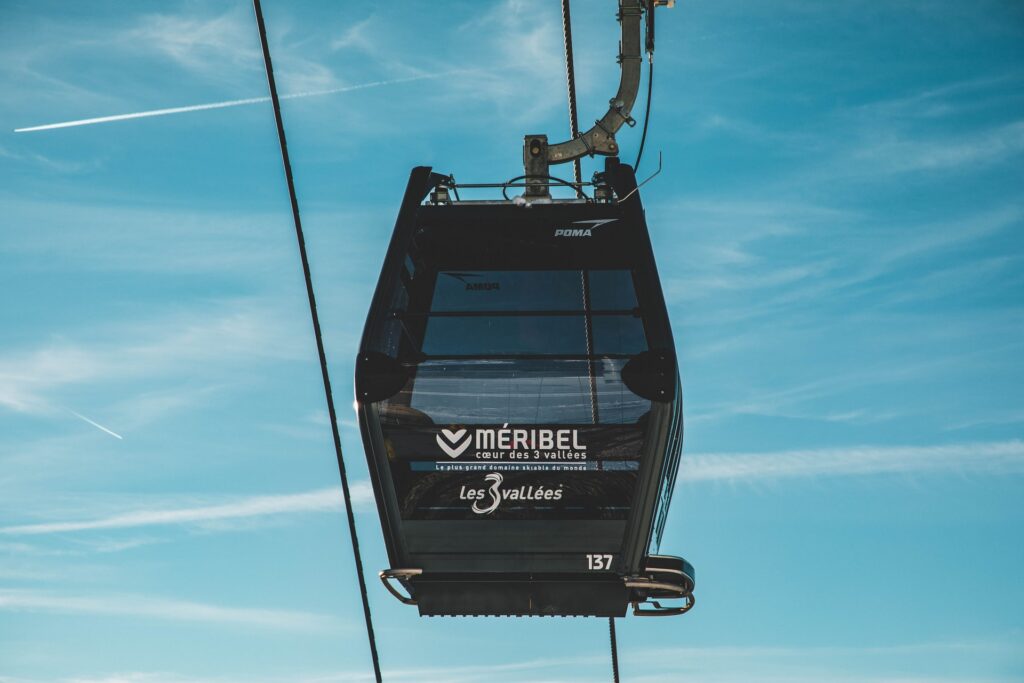
Méribel occupies the central valley of Les 3 Vallées, and that geographical quirk shapes everything about the resort. From here, you can ski directly to Courchevel, Val Thorens, Les Menuires or any of the seven linked resorts without ever doubling back on yourself. That adds up to 600km of pistes accessible with a single lift pass, 85% of which sits above 1,800m. In practical terms, this translates to consistently good snow from early December through to late April.
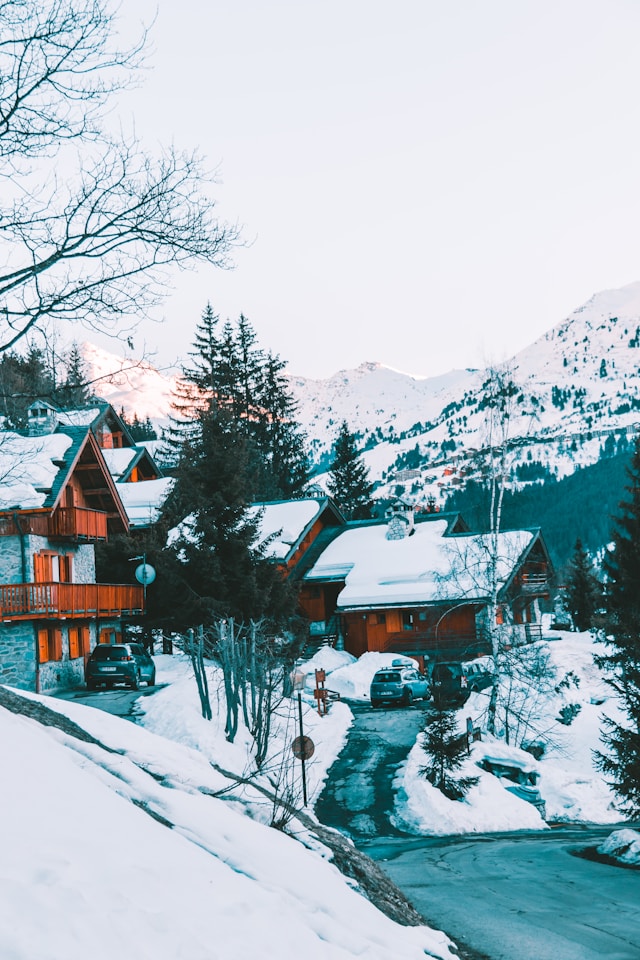
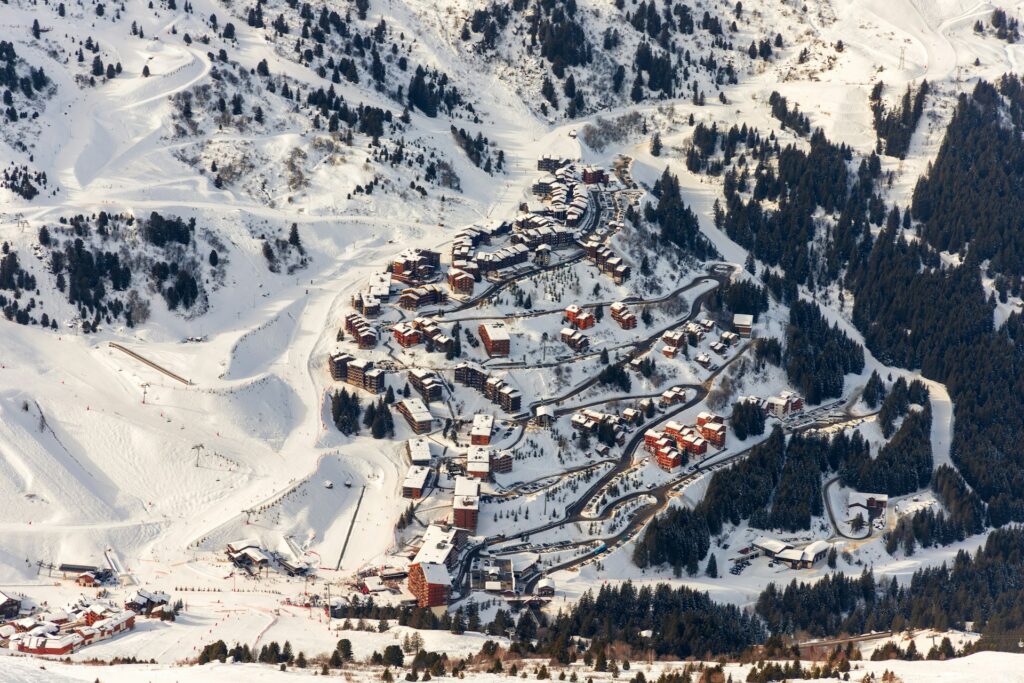
The resort itself spreads across several altitudes, which means you can choose your atmosphere. Les Allues at 1,100m has the traditional Savoyard charm of old barns and communal bread ovens, a village that feels like it belongs to the mountains rather than having been built for tourists.
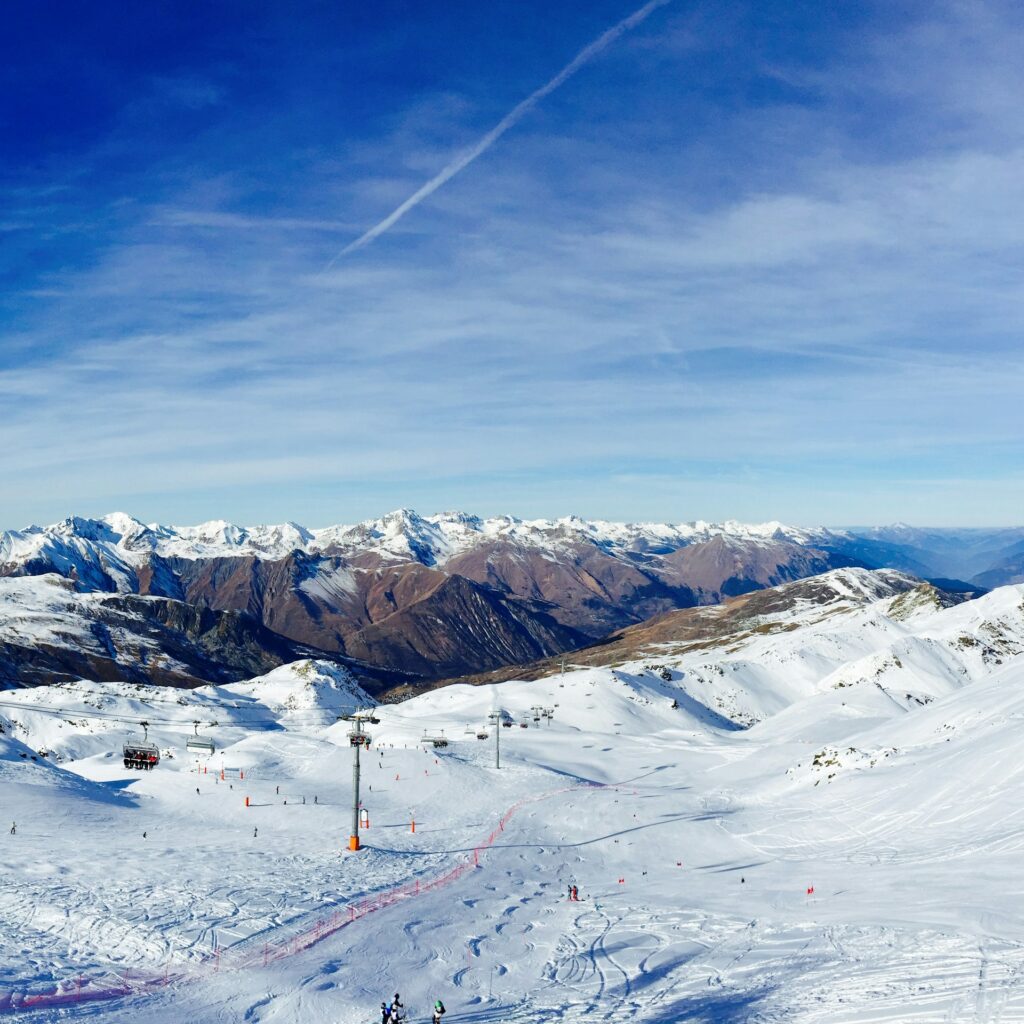
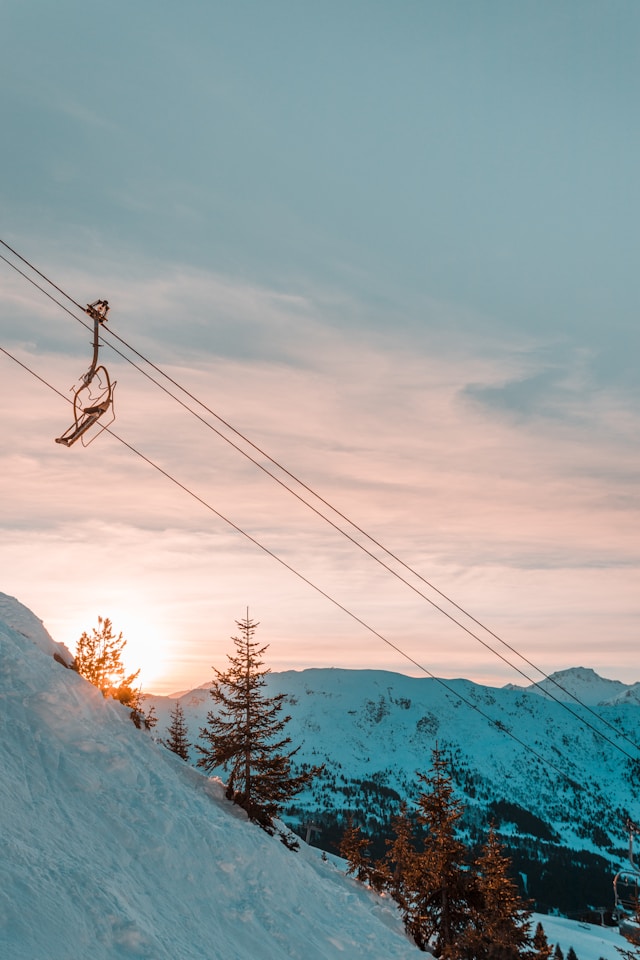
Méribel Centre at 1,450m offers the liveliest après-ski and easiest access to the main lifts. Mottaret at 1,750m puts you higher still, with the Mont Vallon gondola rising to nearly 3,000m where north-facing slopes hold powder for days after a storm.
What makes Méribel work so well is the balance it strikes between snow security and genuine village character. The chalet architecture, all wood, stone and slate, was mandated from the resort’s founding in the 1930s and gives the place a coherence that purpose-built resorts struggle to match. The Saulire cable car connects directly to Courchevel, while the 3 Vallées Express takes you across to Val Thorens in under 20 minutes.
More than 160 lifts serve the wider area, so queuing is rarely a problem even during February half-term. The Meribel Official Ski Pass covers both the local Méribel valley and the full 3 Vallées network, with family passes available.
The dining scene here punches well above what you might expect from a ski resort. L’Ekrin holds a Michelin star, while mountain restaurants like La Folie Douce and Le Clos Bernard offer everything from raucous afternoon dancing to quiet lunches with Mont Blanc filling the window.
Val Thorens
If Méribel is about balance, Val Thorens is about one thing above all else: altitude. At 2,300m, it is the highest ski resort in Europe, and the village itself sits higher than many other resorts’ upper slopes. The skiing extends to 3,230m at Cime de Caron, where the panorama takes in over 1,000 Alpine peaks across France, Switzerland and Italy.
The physics are simple and unforgiving in your favour. Air temperature drops roughly 0.65°C for every 100m of altitude gain, which means Val Thorens stays consistently cold when lower resorts are battling slush and ice. The season runs from late November to early May, longer than almost anywhere else in the Alps, and snow quality tends towards cold, dry powder rather than the wetter, heavier stuff you find lower down. Having skied there in late April, I can confirm it feels more like February than spring.
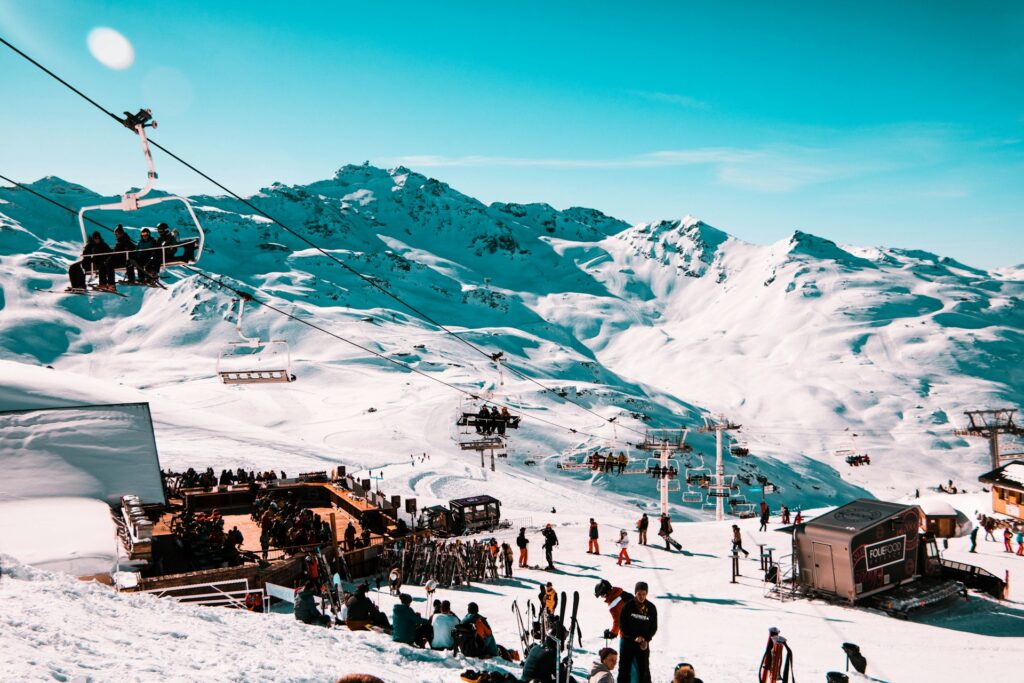
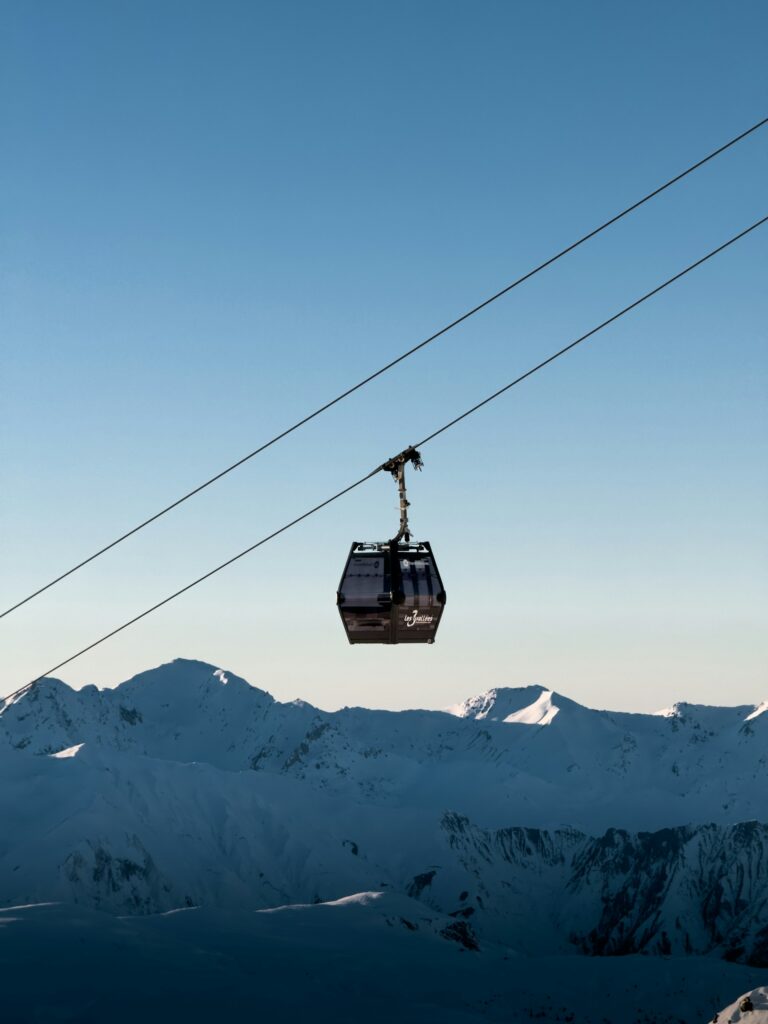
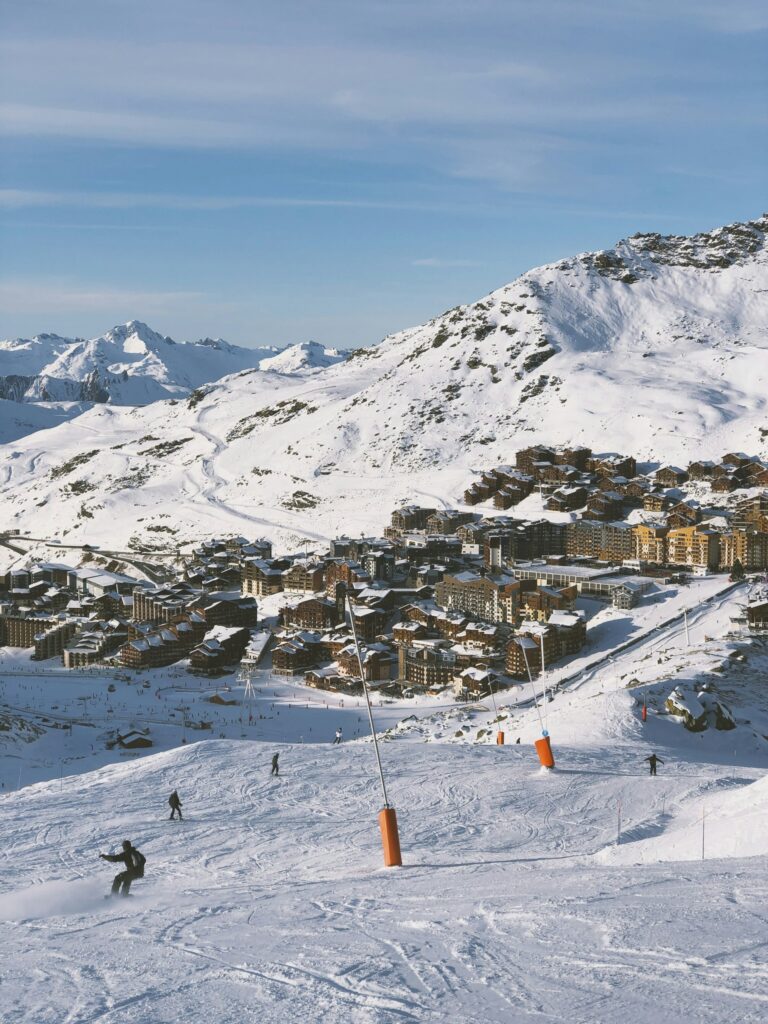
The trade-off is obvious the moment you arrive. This is a purpose-built resort from the early 1970s, and the architecture reflects the era’s enthusiasm for concrete and efficiency over charm. Brutalist apartment blocks cluster around pedestrianised streets, functional rather than beautiful. But if your priority is guaranteed snow and easy ski-in, ski-out access, few places deliver so reliably. The local terrain covers 150km with direct links to the full 3 Vallées network, and the lift system includes funitels, gondolas and high-speed chairs that keep everything moving with impressive efficiency.
The après-ski scene is surprisingly lively for somewhere this high and this purpose-built. La Folie Douce kicks off mid-afternoon with live music and dancing on the terrace, while the village has enough bars and restaurants to keep evenings interesting without requiring you to venture far from your accommodation.
Tignes
Tignes and neighbouring Val d’Isère form L’Espace Killy, an area with perhaps the strongest claim to the best snow record in the Alps. The numbers back it up: 93% of the pistes sit above 2,000m, the resort reaches 3,456m at the Grande Motte glacier, and average annual snowfall hovers around 669cm. These are measurements taken over decades, not marketing approximations, and they explain why serious skiers keep coming back.
The glacier access sets Tignes apart from almost every other resort in Europe. The Perce-Neige funicular burrows through the mountain and delivers you to the Grande Motte in seven minutes, where skiing continues not just through winter but into summer. The Double M piste, a 1,400m vertical descent from glacier to village, ranks among the great continuous runs in the Alps and never seems to get old no matter how many times you ski it.
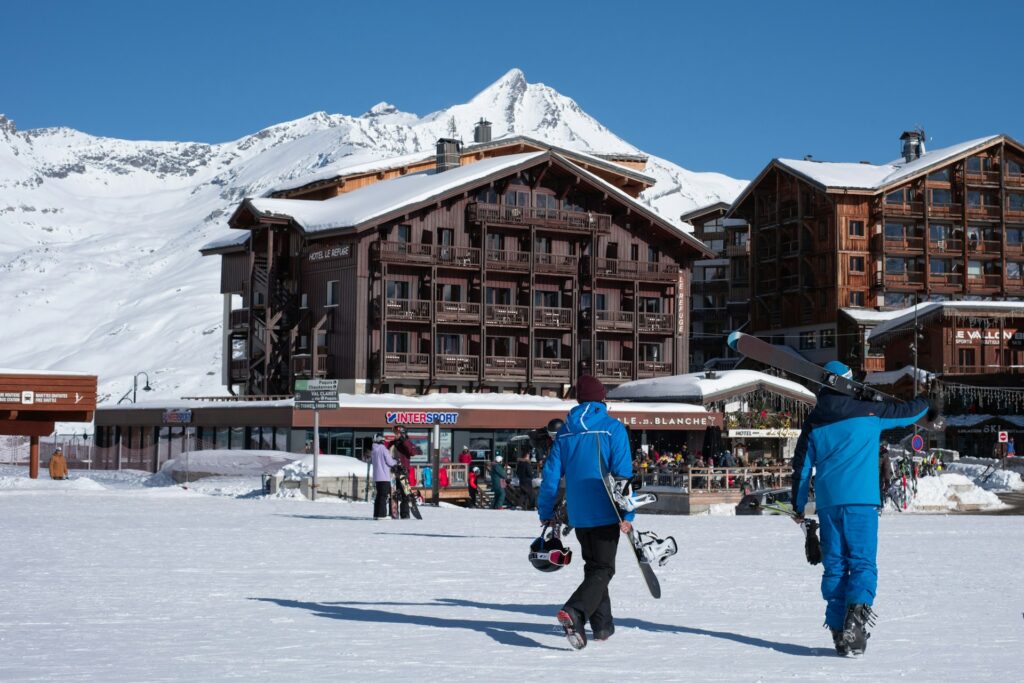
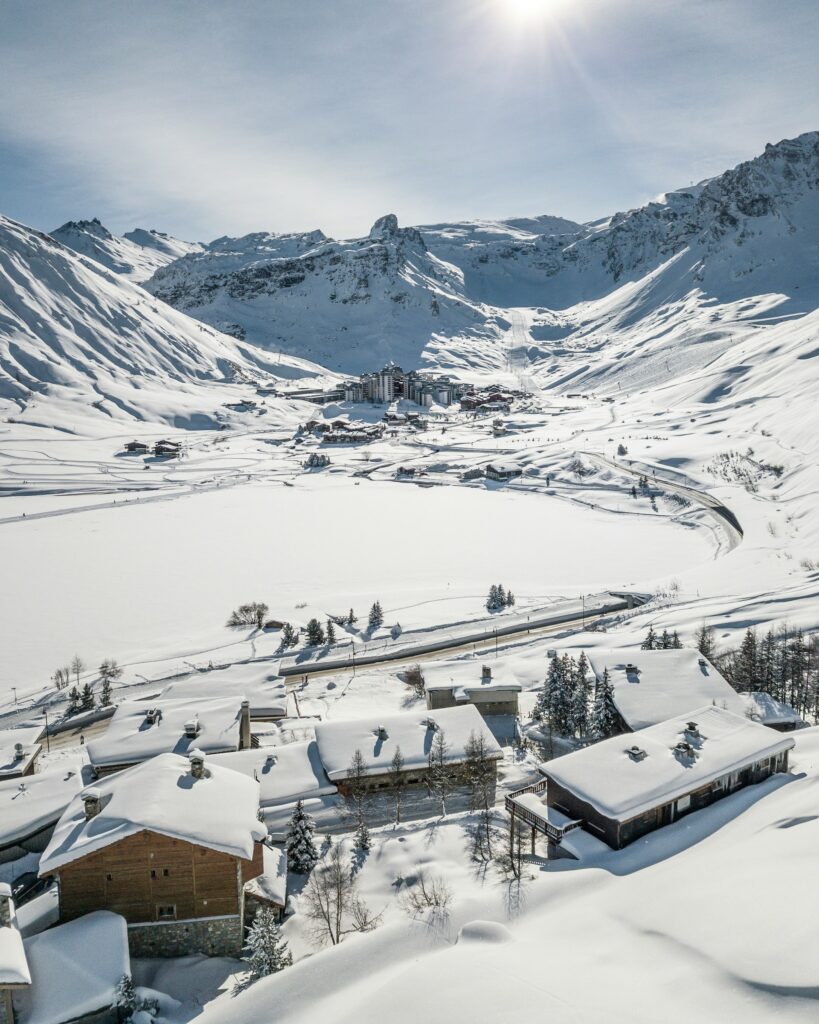
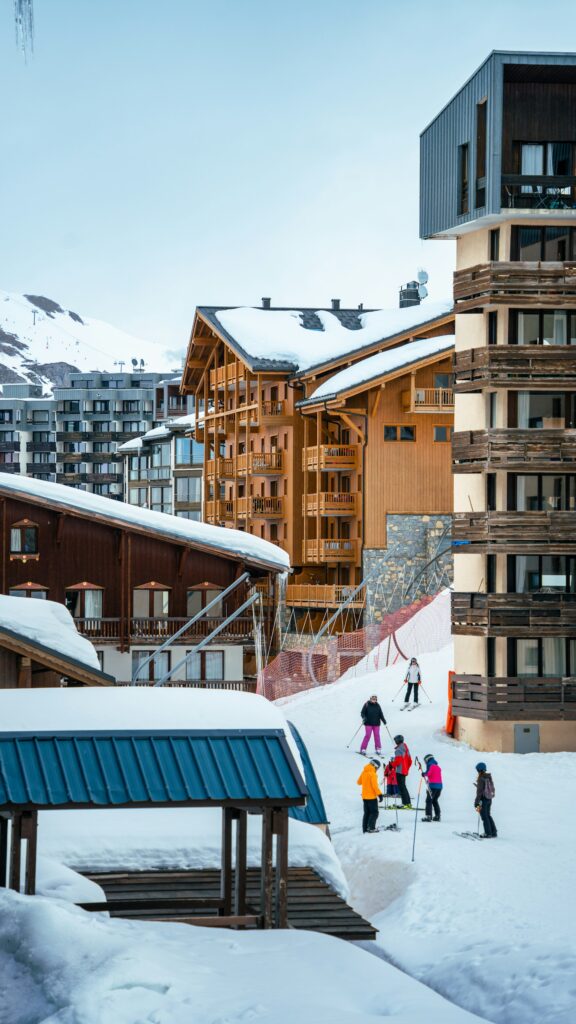
Tignes comprises several villages at different altitudes, each with its own character. Val Claret and Le Lac, both around 2,100m, offer the most convenient ski-in, ski-out access and the liveliest evenings. Le Lavachet sits slightly lower. Les Brévières, at 1,550m, is the traditional village with more character but less immediate slope access. The resort is largely treeless, which means stunning high-alpine scenery on clear days but limited shelter when weather turns aggressive. If conditions deteriorate badly, the woods above La Daille in Val d’Isère offer the nearest refuge and some surprisingly enjoyable tree skiing.
For experts, the off-piste potential is exceptional, with routes like the Tour de Pramecou starting just below the glacier offering everything from accessible powder fields to serious steep terrain that requires both skill and respect.
Chamonix
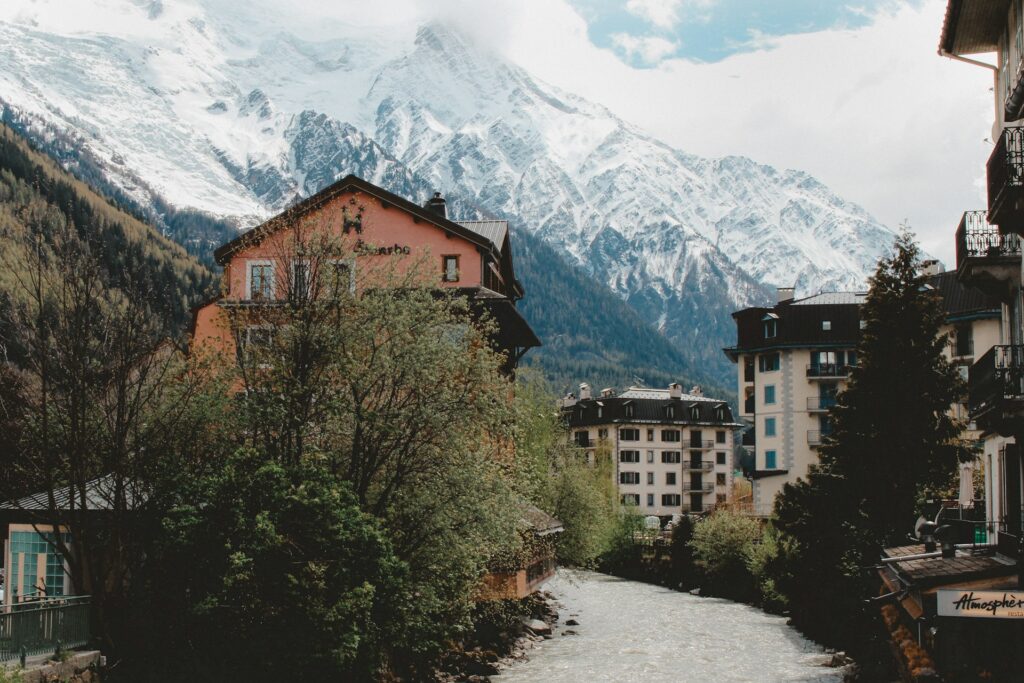
Chamonix occupies a different corner of the skiing world entirely. It is not a resort in the modern sense but a proper mountain town, home to the first Winter Olympics in 1924 and still the spiritual centre of alpinism in Europe. The skiing reflects this heritage: challenging, varied and spread across several separate areas rather than one interconnected network.
The headline terrain is Les Grands Montets, reaching 3,275m with steep, north-facing slopes that hold snow exceptionally well into spring. The legendary Vallée Blanche, a 20km off-piste descent from the Aiguille du Midi with over 2,200m of vertical drop, remains one of skiing’s great adventures, though it requires a guide and is emphatically not for intermediates. Even the name commands respect among people who have never skied it.
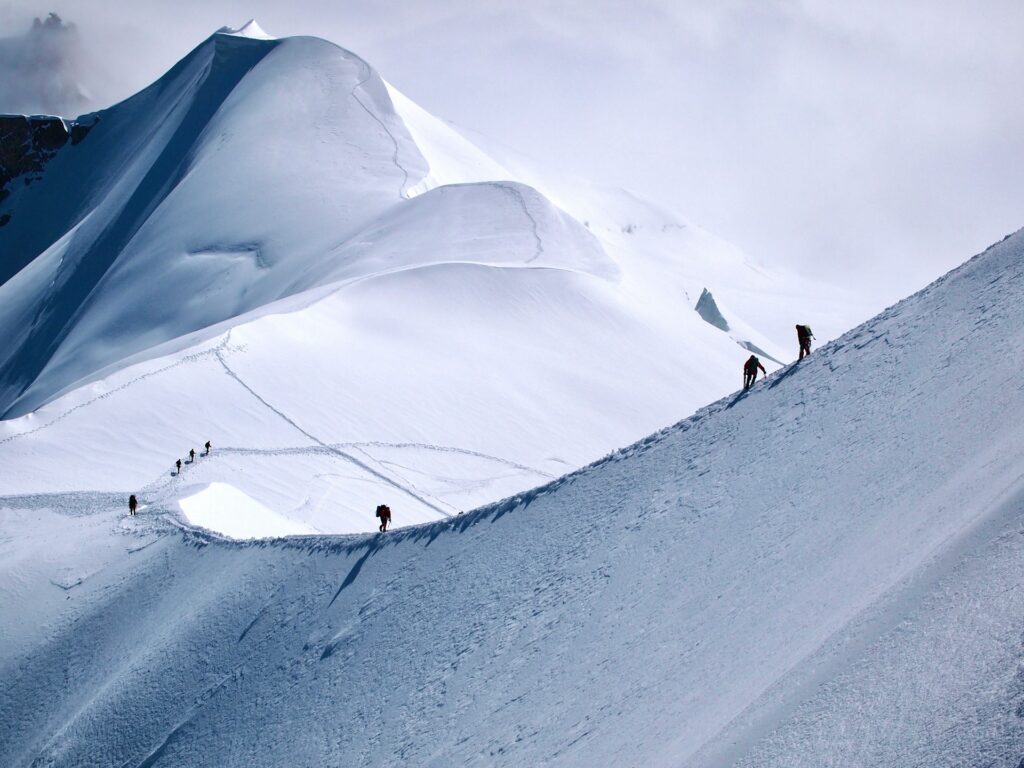
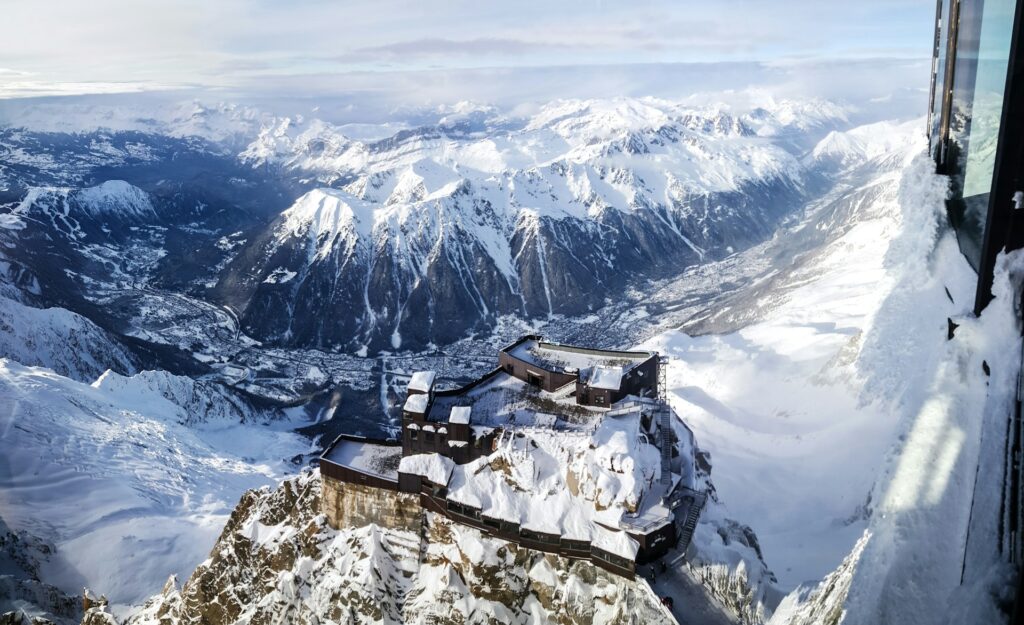
Snow reliability varies by sector, which requires some planning. Lower slopes at Les Houches can suffer during warm spells, but the altitude and aspect of Les Grands Montets keep conditions dependable well into April. Le Tour, at the valley’s northern end, has a microclimate that makes it the snowiest village in France.
The trade-off is logistics: you will need buses or short drives between areas, and the lack of interconnected lifts means more planning than at purpose-built mega-resorts. But for many skiers, that slight inconvenience is a price worth paying.
What you get in return is authenticity. The town itself buzzes with climbers, guides, ski bums and tourists, its narrow streets lined with gear shops, bakeries and bars that have been serving mountaineers for over a century. The restaurants range from Michelin-starred to fondue-focused, and the views of Mont Blanc, which dominates the valley in a way that never becomes ordinary no matter how long you spend there (or, indeed, how much it shrinks), justify the journey on their own.
La Plagne
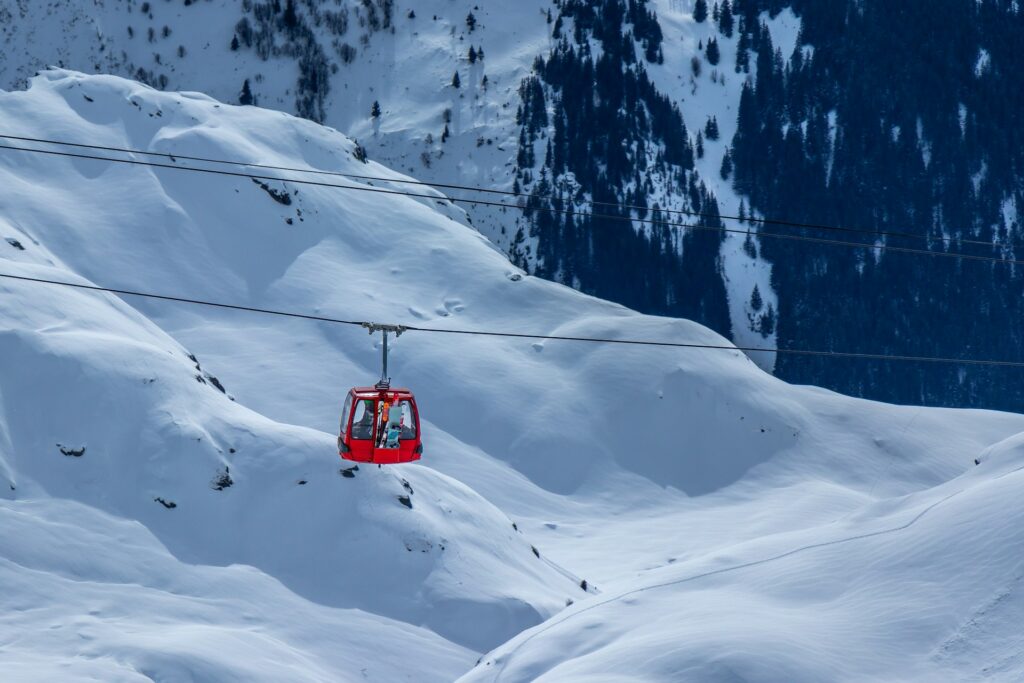
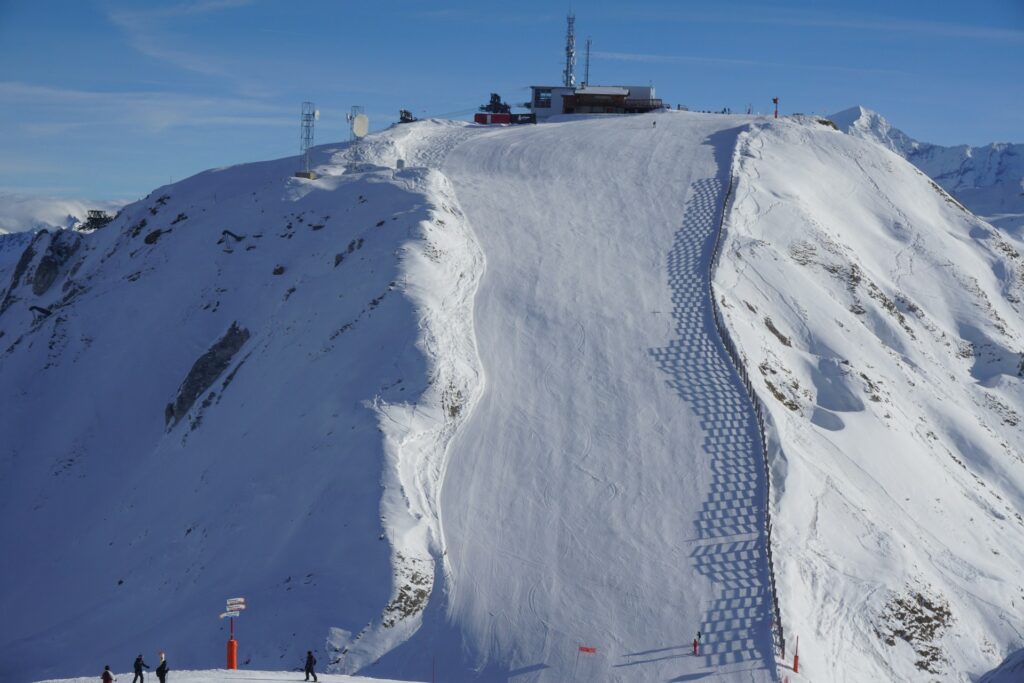
La Plagne takes yet another approach to snow security: sheer scale across eleven villages spread between 1,250m and 3,250m, with most of the skiing sitting above 2,000m on north-facing slopes. Combined with neighbouring Les Arcs via the Vanoise Express cable car, the Paradiski area offers 425km of terrain, second only to Les 3 Vallées in terms of interconnected skiing in France.
The glacier above Belle Plagne provides genuine high-altitude options for those seeking guaranteed snow, while the varied terrain below ranges from gentle beginner zones to the steep bumps of La Rochette. The purpose-built villages lack architectural charm (though Belle Plagne is prettier than most of its neighbours), but infrastructure is excellent and lift queues remain manageable even during peak weeks when French and British school holidays collide.
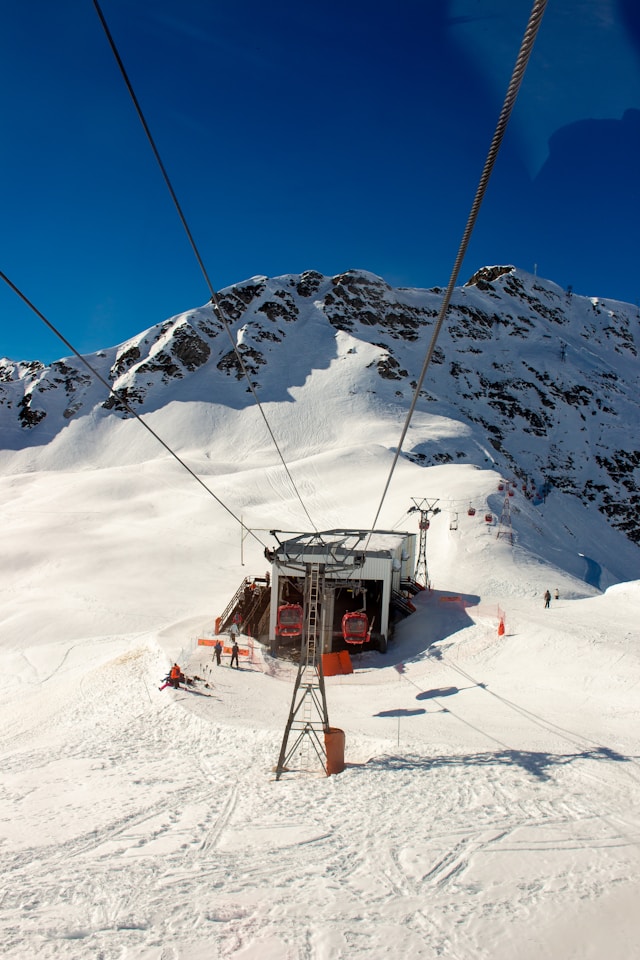
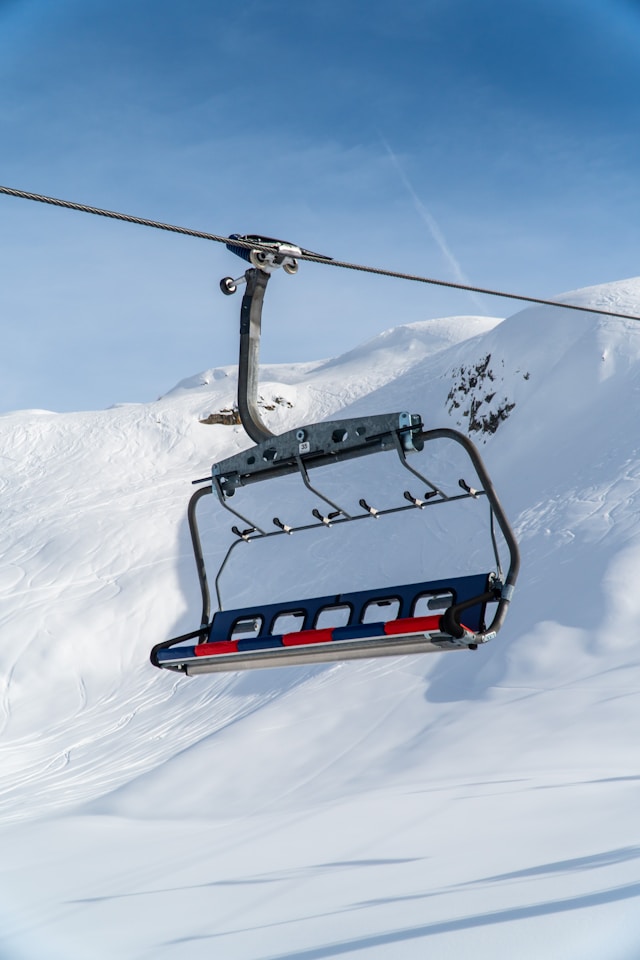
For families, La Plagne ranks among the best resorts in the Alps, and this is not accidental but the result of deliberate design. Wide pistes, numerous skiing beginner areas and ‘Cool Ski’ zones, which integrate small jumps and themed obstacles into gentle slopes, make learning feel like an adventure rather than an ordeal. Each village has its own childminding centre and snow play area. The Olympic bobsleigh track from 1992 offers non-skiers a different kind of thrill entirely, and it is genuinely terrifying in the best possible way.
The spread of villages means you can choose your atmosphere according to what matters to you. Plagne Centre and Belle Plagne offer the best ski-in, ski-out convenience and the most shops and restaurants. Montchavin and Montalbert have more traditional village character at lower prices. Champagny provides a quieter, more upmarket feel for those who prefer their evenings peaceful. Free shuttle buses connect everything.
The Bottom Line
Snow reliability in 2026 comes down to altitude, aspect and infrastructure, and all five of these resorts deliver on each count in their own ways. Méribel’s central position in Les 3 Vallées offers the best combination of snow-sure terrain, varied skiing and genuine resort character, making it particularly suited to groups with mixed abilities and tastes. Val Thorens and Tignes reward their focus on altitude with the longest, most reliable seasons in the Alps.
Chamonix delivers challenging terrain and authentic mountain culture for those willing to work a little harder for their skiing. La Plagne balances family-friendly accessibility with serious vertical for those travelling with children or mixed-ability groups.What all five share is the resilience to deliver consistent conditions regardless of what any given winter brings. In an era of closing resorts and uncertain snowfall, that matters more than it ever has before.