
Ideal for keeping your castle that little bit more fortified…
There’s a peculiar irony to home security. We’ll happily spend thousands on a new kitchen or bathroom renovation, agonise over the shade of our living room walls for weeks on end, and yet the very things designed to keep us (and all those nice new fittings) safe tend to be an afterthought. That front door you’ve been meaning to replace? Still there. The lock that’s been a bit dodgy since last winter? Yep, that too.
The good news is that the picture is broadly improving. ONS data for the year ending September 2025 recorded a 20% fall in domestic burglary and a 12% drop in police-recorded burglary offences year-on-year. The less good news? Fraud rose sharply over the same period, with bank and credit account fraud up 19%. As our homes fill with connected tech, the definition of home security has expanded well beyond bolts and deadlocks.
So whether you’re renovating, moving into a new place or simply giving your current setup a long-overdue once-over, here’s what’s worth your attention right now.
Start With What People Can See
The most effective security measures are often the most visible ones. A sturdy, well-fitted front door remains the single biggest deterrent to opportunistic burglars, who tend to target the path of least resistance.
ONS burglary data consistently shows that in around 70% of domestic break-ins, the offender enters through the door rather than a window, which rather reinforces the point. If your door is flimsy, warped or fitted with a basic cylinder lock, it’s worth investing in an upgrade sooner rather than later, and any replacement lock should meet the BS3621 British Standard, which is the benchmark most insurers expect.
According to the team at steeldoorcompany.co.uk, steel-framed doors have seen a significant uptick in demand for both interior and exterior use, with homeowners increasingly drawn to the combination of robust security and contemporary design. It’s the kind of upgrade that does double duty; functional and aesthetically sharp in equal measure.
Beyond doors, external lighting is one of the simplest and most cost-effective security improvements you can make. Motion-activated lights positioned around entry points, driveways and side passages remove the cover of darkness that most intruders rely on. Solar-powered options have improved considerably in recent years, too, meaning you don’t need to worry about wiring or running costs. Just mount, position and forget about it.
Smart Security Has Grown Up
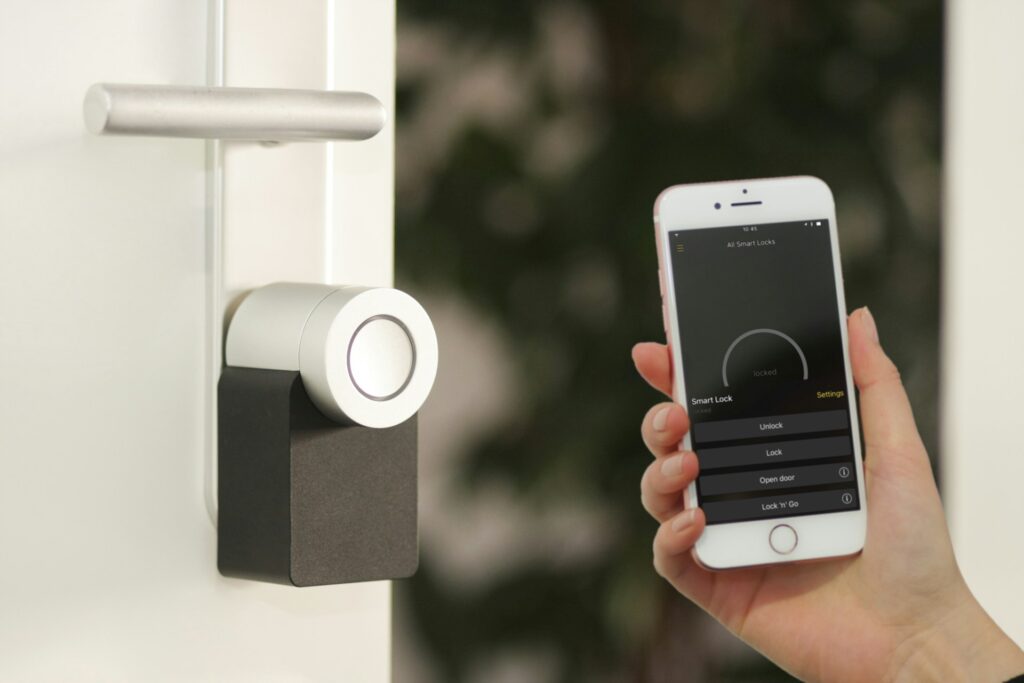
If you haven’t looked at home security tech in a few years, you might be surprised by how far things have come. The days of grainy, unreliable CCTV footage are well behind us. Modern smart camera systems offer 4K resolution, night vision, AI-powered motion detection that can distinguish between a person and a cat, and real-time alerts sent straight to your phone.
Video doorbells, in particular, have become something of a household staple. The ability to see and speak to whoever is at your door, whether you’re upstairs in bed or sitting in an office across town, is genuinely useful. Package theft, which has been on the rise alongside the boom in online shopping, becomes far less of a concern when delivery drivers know they’re on camera and you can issue instructions remotely.
For those willing to go further, professionally monitored alarm systems are gaining ground. It’s worth choosing installers accredited by the NSI or SSAIB, and products carrying the Secured by Design Police Preferred Specification have been independently tested against the kind of attack methods that actually get used. It’s the closest thing to a police kitemark for home security products.
Don’t Forget the Basics
It’s tempting to get swept up in the world of AI analytics and biometric locks, but some of the most effective home security measures remain decidedly low-tech. Window locks, for instance. A surprising number of break-ins happen through unsecured windows, particularly at ground level and around the back of a property where visibility from the street is limited. Retrofitting window locks is cheap, quick and disproportionately effective.
Similarly, timer switches for lights and radios can create the impression of occupancy when you’re away. It’s an old trick, but it works. If you travel regularly, Police.uk has a useful exit checklist covering everything from locking routines to pausing deliveries that’s worth bookmarking.
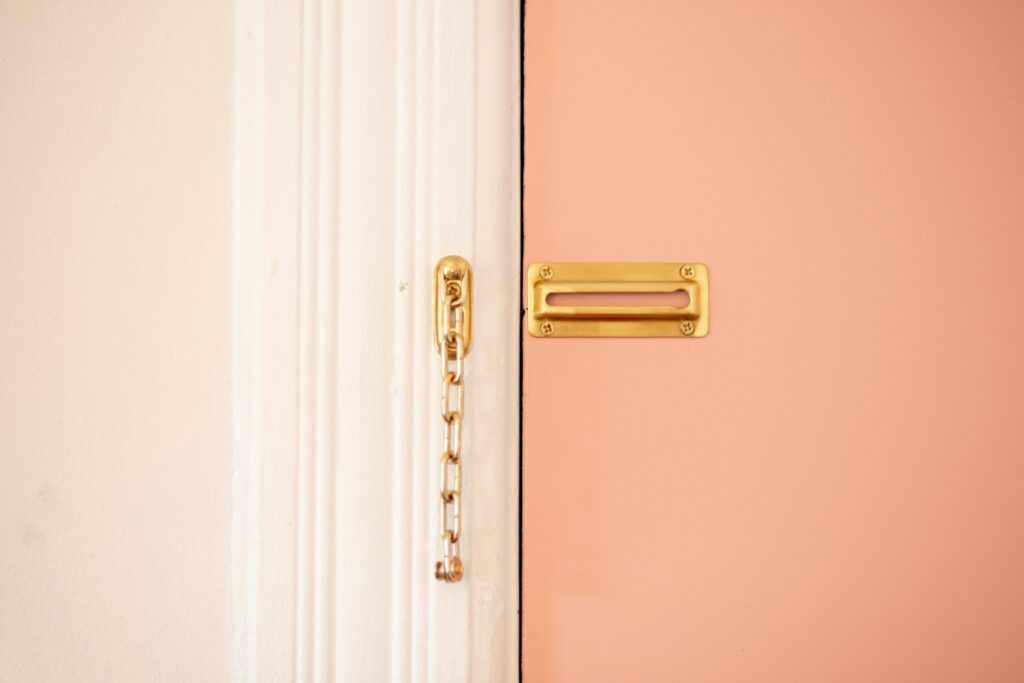
Here’s a random but genuinely useful bit of advice while we’re on the subject of the basics: if you have a letterbox in your front door, fit a letterbox guard or cage on the inside. Fishing through letterboxes with wire or tools to hook keys, handbags or even reach door handles from the inside is more common than most people realise, and a simple metal cage renders the technique useless.
Securing Your Smart Home
As our homes fill up with connected devices, from smart speakers and thermostats to security cameras and door locks, cybersecurity at home has become just as important as physical security. The irony of installing a smart lock that can be hacked isn’t lost on anyone.
The UK government has taken this seriously enough to legislate. The Product Security and Telecommunications Infrastructure Act now requires manufacturers to meet baseline security standards on smart devices sold in the UK, including banning default passwords. But legislation only goes so far, and the basics still fall to the homeowner.
Start by changing the default passwords on every connected device in your home (you’d be amazed how many people don’t). Use a strong, unique password for your Wi-Fi network and enable WPA3 encryption if your router supports it. Keep firmware on all devices up to date, as manufacturers regularly patch security vulnerabilities through updates.
And if you’re running multiple smart home devices, consider setting up a separate Wi-Fi network just for your IoT gadgets, keeping them isolated from your main devices where personal data lives.
The NCSC has clear, jargon-free advice on all of this if you want to go deeper.

Think Like a Burglar
One of the most effective exercises you can do is walk around the outside of your property and look at it through the eyes of someone who wants to get in. Where are the blind spots? Are there bins or garden furniture positioned near walls that could be used to climb? Is your side gate locked? Can your shed, which probably contains ladders and tools, be easily broken into?
Hedging and fencing play a role here, too. Thorny shrubs planted beneath ground-floor windows are a surprisingly effective deterrent, and a well-maintained boundary fence signals that the property is cared for and likely occupied by someone who pays attention.
Police crime prevention advice consistently recommends keeping front hedging to no higher than one metre and trimming trees from the ground to two metres, giving a clear line of sight across the property and removing potential hiding spots. The RHS has a useful rundown on how to use planting for security without turning your garden into a compound.
Insurance & Documentation
No security setup is completely foolproof, which makes proper home insurance essential. But beyond having a policy in place, it’s worth keeping a photographic inventory of valuable items, along with receipts and serial numbers where possible. Store this digitally, backed up to the cloud, so it’s accessible even if the worst happens. You can also register valuables on Immobilise, the UK’s national property register, which is used by police to trace and return stolen items.
Security upgrades can also reduce your home insurance premiums. Many insurers offer discounts for properties fitted with approved alarm systems, quality locks and CCTV. It’s worth checking with your provider before you buy, as the savings can offset a meaningful chunk of the installation cost over time.
The Bottom Line
Home security in 2026 is about layers. No single measure will make your home impervious, but a combination of strong physical barriers, visible deterrents, smart technology and good habits makes you a far harder target than the house next door. If you want a single resource that ties all of this together in plain English, Age UK’s coverage of the topic is surprisingly thorough regardless of your age.
The best time to address all of this was yesterday. The second best time is now, preferably before you’ve finished that kitchen renovation you’ve been planning since 2019!!