There’s a good chance your spice rack is working at about half capacity. Not because the jars are old (though, yes, maybe audit those), but because even confident cooks develop habits with everyday spices that quietly undermine what they’re capable of delivering. None of what follows is obvious. These aren’t reminders to store your spices in a cool, dark place or buy whole rather than ground. You know that. Here are 10 pointers that might actually change how you cook with spices.
Cinnamon: You’re Using The Wrong Kind
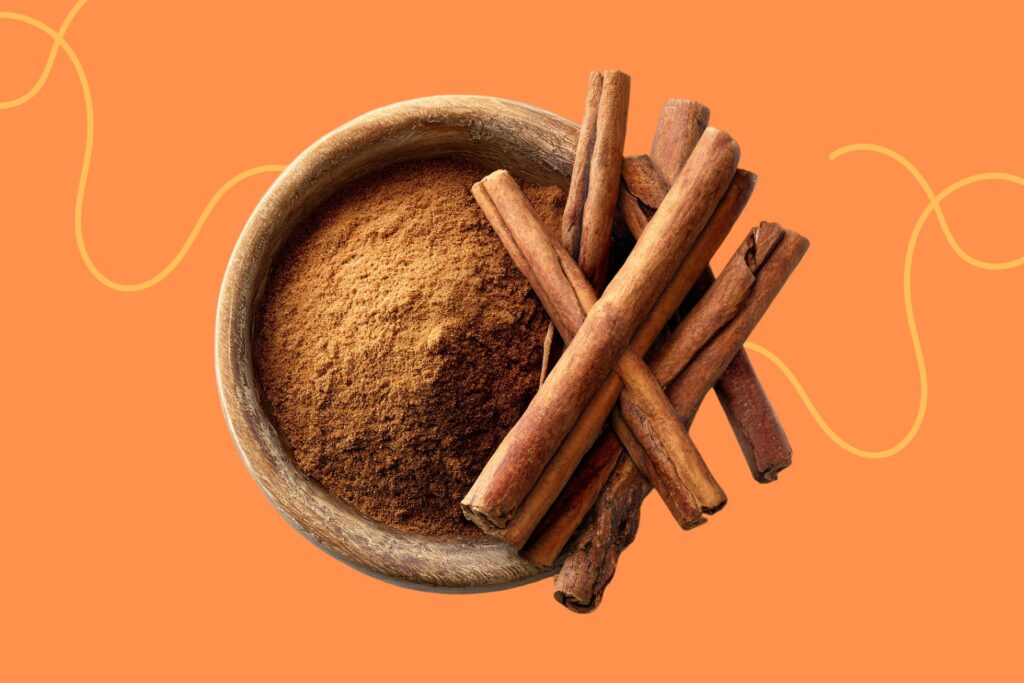
The cinnamon in your cupboard almost certainly isn’t cinnamon. It’s cassia, a related but distinctly different bark from the Cinnamomum cassia tree. True cinnamon, known as Ceylon cinnamon, is lighter in colour, subtly citrusy and comes in thin, papery layers that crumble between your fingers. Cassia is darker, thicker and carries a blunter punch.
For a crumble or a batch of biscuits, cassia does the job. But if you’re stirring cinnamon into porridge every morning, adding it to rice dishes or using it in lighter spice blends, Ceylon is what you want. It plays well with others where cassia tends to bulldoze.
Beyond flavour, there’s a health angle. Cassia contains significantly higher levels of coumarin, a compound that in regular large doses can stress the liver. Ceylon cinnamon contains roughly 250 times less of it. In the UK, non-’true’ cinnamon should be labelled as cassia, so check the small print. If cinnamon is a daily habit, it’s a worthwhile switch.
Paprika: You’re Burning It Without Realising
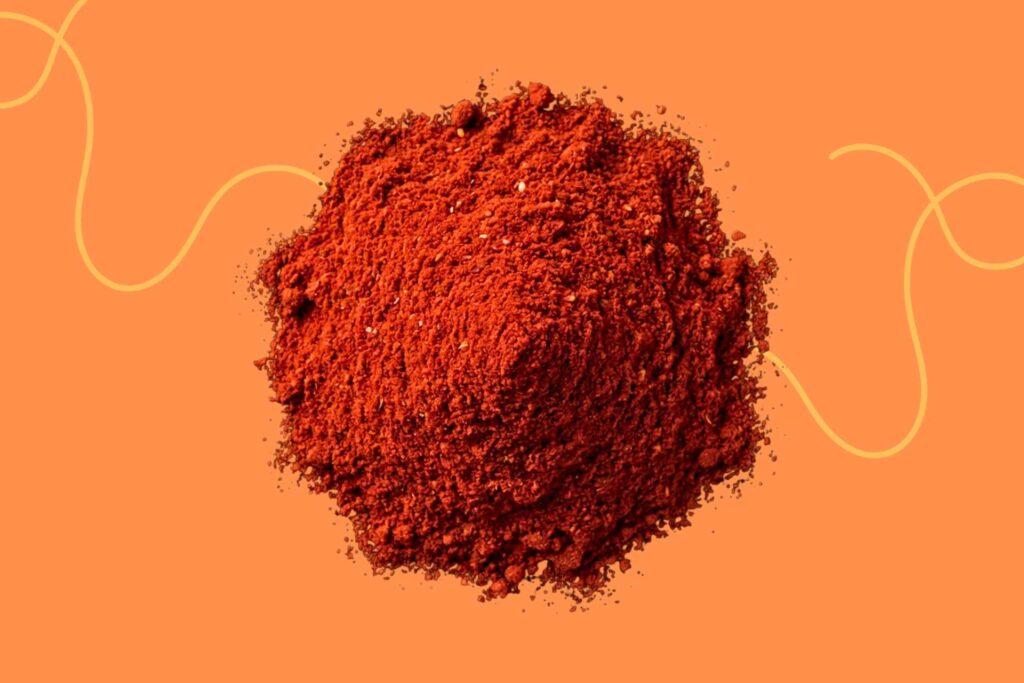
Paprika’s sugars caramelise fast, and not in a good way. In a hot pan, it tips from sweet and fragrant to acrid and bitter in seconds. If you’re stirring it into a roux over high heat or tossing it into a screaming pan with onions, you’re scorching it before it has a chance to do anything useful.
The solution is lower heat than you’d think. Hungarian cooks, who arguably know pimentón better than anyone, often take the pan off the heat entirely before stirring paprika in. If you’re blooming it in oil, medium-low for no more than 60 seconds, just until the oil turns a reddish hue and the kitchen smells sweet.
And if a recipe calls for paprika as a finishing sprinkle on hummus or devilled eggs, skip the cooking altogether. Let its colour and gentle warmth do the work uncooked.
Turmeric: You’re Eating It, But Your Body Isn’t
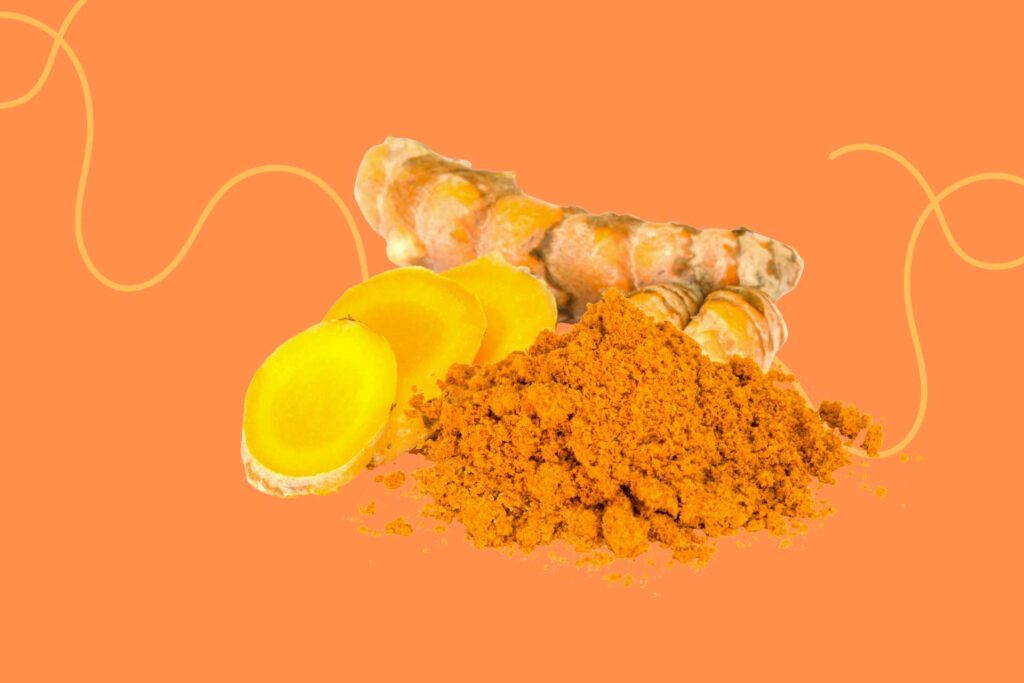
Turmeric’s reputation has outpaced what it can actually deliver on its own. Curcumin, its most celebrated compound, is poorly absorbed, rapidly metabolised and quickly eliminated. That golden latte isn’t doing much if your body can’t hold onto the good stuff.
The fix has been embedded in Indian and Southeast Asian cooking for centuries; pair turmeric with black pepper. Piperine, the compound that gives black pepper its kick, inhibits the enzyme responsible for breaking down curcumin in the gut. One frequently cited study found this increased curcumin’s bioavailability by around 2,000%.
Fat helps too, since curcumin is fat-soluble. Cooking turmeric in oil or ghee, as most traditional recipes do, further improves absorption. It’s not a coincidence that the cuisines which use the most turmeric also happen to cook it in fat with black pepper already present. The chemistry was figured out in the kitchen long before anyone put on a lab coat.
Cardamom: You’re Not Cracking The Pods
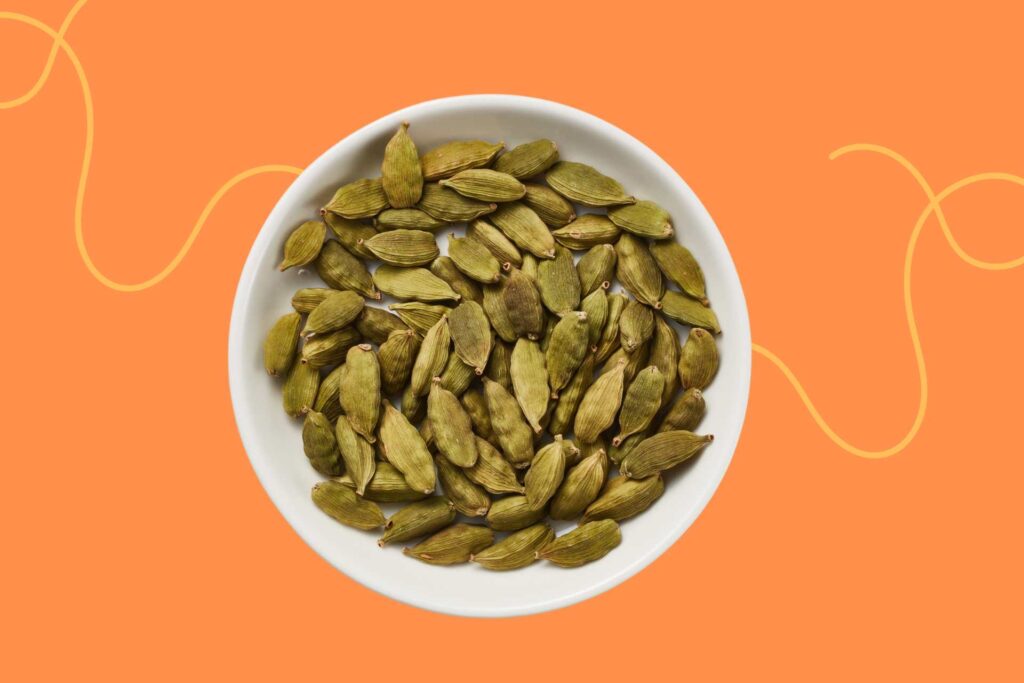
If you’re dropping whole, intact cardamom pods into a curry or rice dish and hoping for the best, you’re getting maybe a third of the flavour those pods can offer. The aromatic oils live in the tiny black seeds inside, and the tough outer husk does a remarkably good job of keeping them locked away.
The fix takes five seconds. Press the flat side of a knife down on each pod until it cracks open. You don’t need to remove the seeds or grind anything. Just splitting that shell allows the oils to seep into the cooking liquid. Fish the spent pods out before serving (biting into one mid-mouthful is no one’s idea of a good time).
One more thing: crushed cardamom seeds lose the majority of their volatile oils within hours, so only ever crack pods immediately before cooking. If you’re using pre-ground cardamom from a jar that’s been open for months, you’re essentially adding expensive dust.
Smoked Paprika: You’re Putting It In Everything
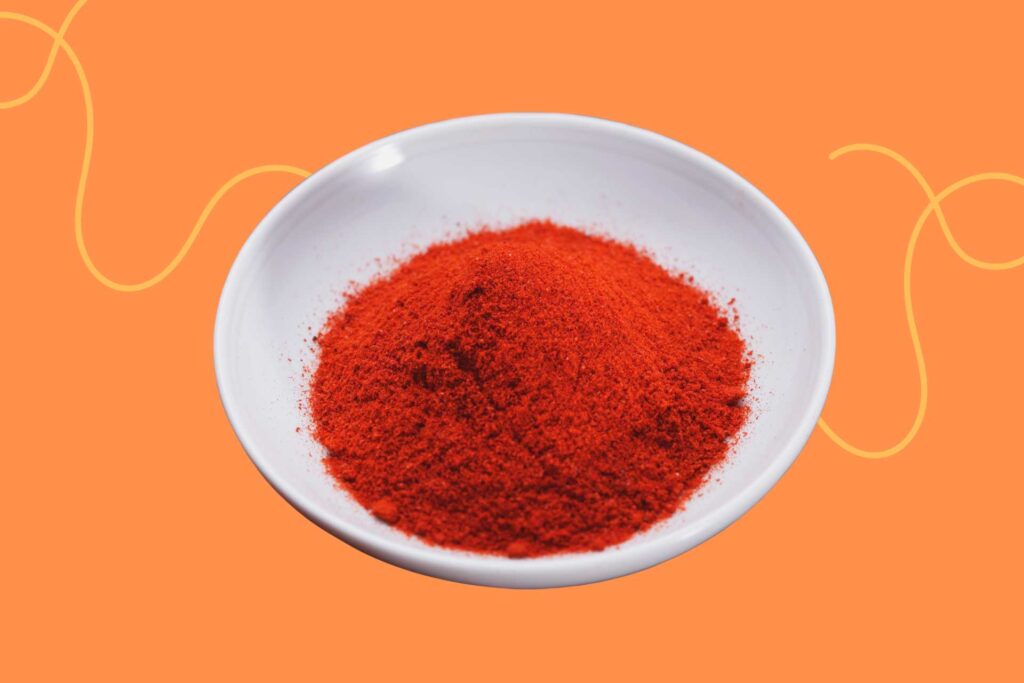
Smoked paprika is brilliant. Its deep, campfire warmth can lift a bean stew or transform roasted vegetables. The problem is that once people discover it, they reach for it reflexively, and it becomes a blunt instrument.
A teaspoon too much and the entire dish tastes of nothing else. Smoked paprika also flattens other flavours when overused, smothering the very ingredients it’s supposed to complement.
Use it where smoke genuinely belongs: pulses, roasted roots, chorizo-adjacent situations, barbecue marinades. But if a recipe calls for regular sweet paprika, resist the swap. They’re different tools. Sweet paprika has a gentle, rounded warmth that the smoked version simply can’t replicate without bringing the bonfire along with it.
Garam Masala: You’re Adding It At The Start
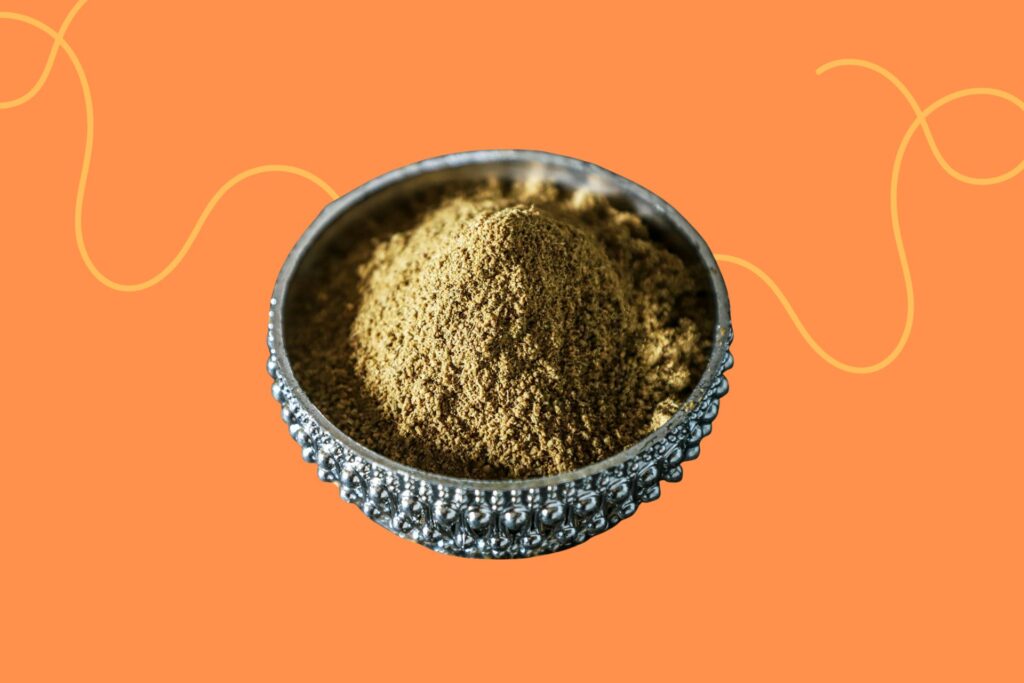
Most spice blends are designed to go in early and develop over time. Garam masala is a notable exception. The blend, typically a combination of cardamom, cinnamon, cloves, cumin and black pepper, is composed of warm, aromatic spices whose volatile oils evaporate quickly under sustained heat.
Add it at the beginning of a 45-minute curry and by the time you serve up, the aromatics have largely gone. What’s left is a muddied, slightly bitter residue that tastes nothing like what you smelled when you opened the jar.
As spice authority Kris Ramamoorthy from Krishna Vilas tells us, Indian home cooks almost universally add garam masala in the final few minutes of cooking, or sprinkle it over the finished dish. It’s a finishing flourish, not a foundation. Think of it as the aromatic equivalent of a squeeze of lemon before serving, something that lifts and brightens right at the end.
Saffron: You’re Not Steeping It
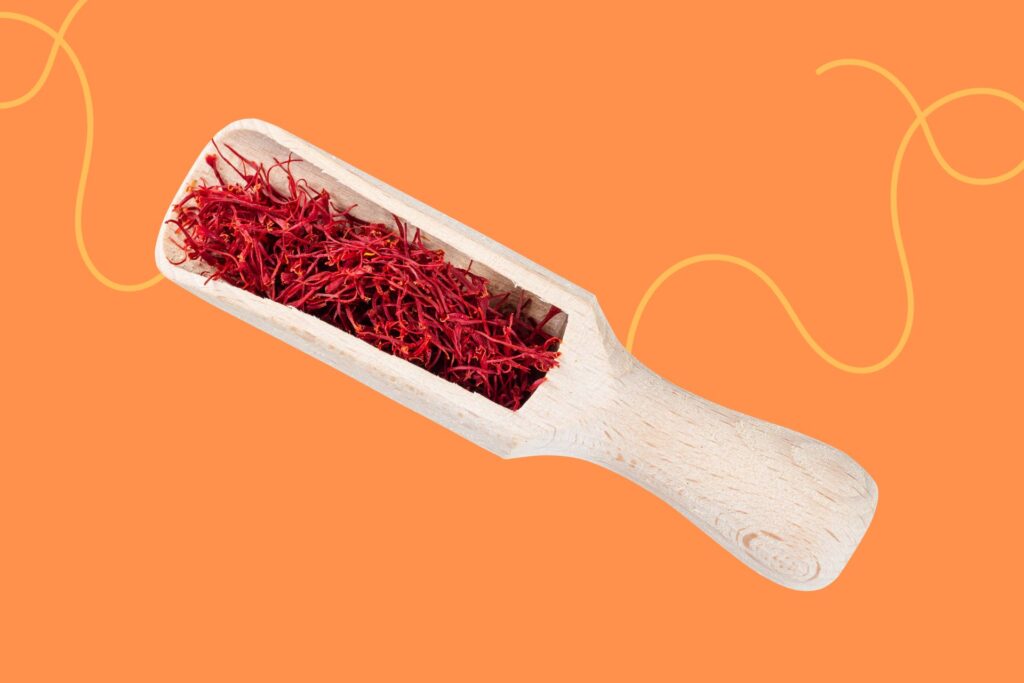
If you’re adding dry saffron threads straight into a dish and expecting them to do their thing, they won’t. Not fully, anyway. Saffron needs time and liquid to release its three key compounds: crocin (colour), picrocrocin (flavour) and safranal (aroma).
Soak the threads in a few tablespoons of warm water, milk or stock for at least 15 to 20 minutes before use. Some cooks grind the threads with a pinch of sugar in a mortar first, which speeds up extraction. The soaking liquid, which will turn a vivid gold, then gets stirred into the dish along with the threads.
Given that good saffron costs north of £5 per gram, skipping this step means you end up with expensive yellow flecks floating in a dish that tastes no different to one made with a pinch of turmeric and food colouring. Which rather defeats the point.
Black Pepper: You’re Grinding It Too Early
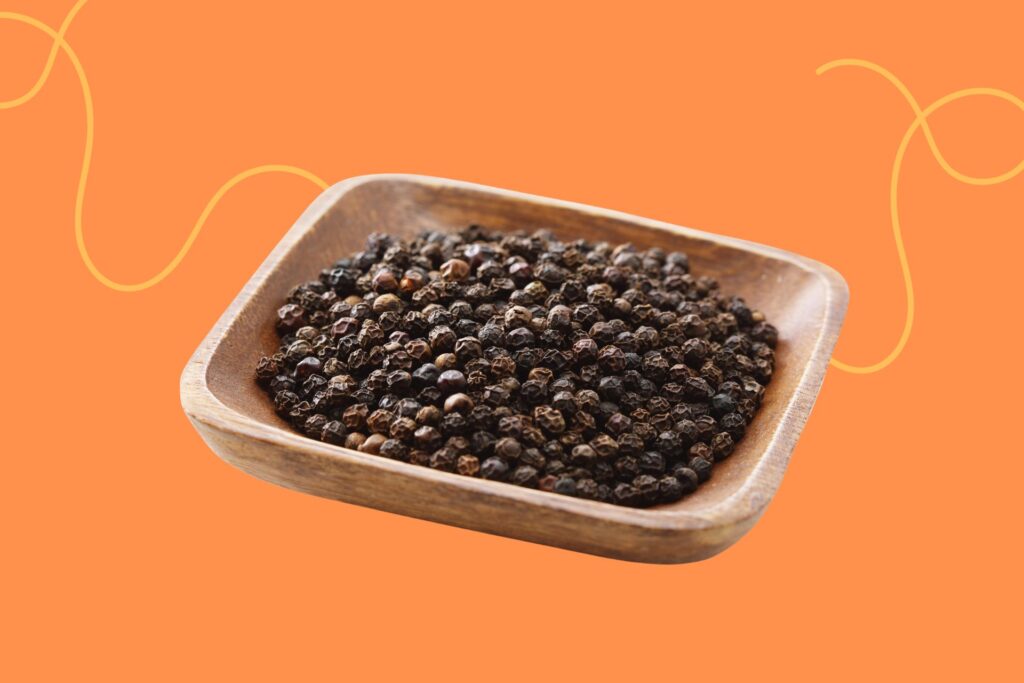
Most people grind black pepper once, at whatever stage the recipe mentions it, and move on. But pepper’s aromatic compounds, the ones that give it its fragrance rather than just its heat, are volatile. They start degrading the moment the peppercorn is cracked open.
If you grind pepper into a stew at the start of a long cook, the heat and piperine will survive but the complexity won’t. You’ll get one-dimensional sharpness. The better approach, borrowed from professional kitchens, is to pepper twice: a small amount early in cooking for depth, then a fresh grinding just before serving for aroma.
It’s the same principle behind why restaurants have pepper mills on the table and not in the kitchen. That final crack of fresh pepper over a finished dish contributes something no amount of pre-ground seasoning can replicate.
Nutmeg: You’re Using The Pre-Ground Stuff
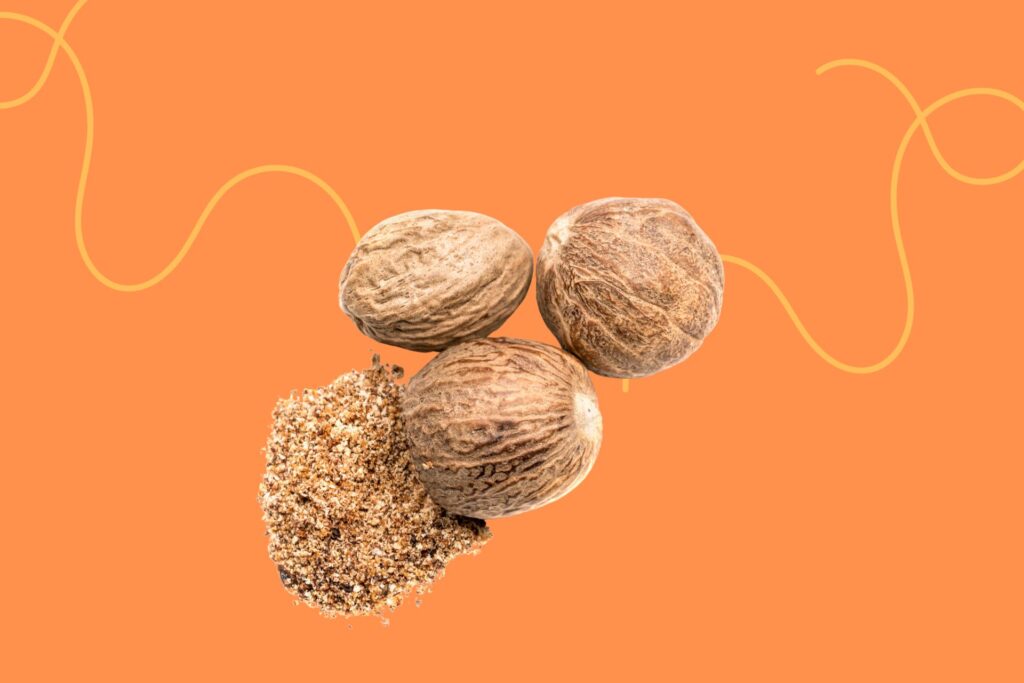
Of all the spices that suffer from being sold pre-ground, nutmeg suffers the most. Its essential oils are exceptionally volatile, and once ground, they begin evaporating almost immediately. The jar of brownish powder in your cupboard is a shadow of what a whole nutmeg can deliver.
Buy whole nutmegs and grate them on a fine Microplane or dedicated nutmeg grater as you need them. The difference in a béchamel, a potato gratin, or even just buttered spinach is startling. Freshly grated nutmeg has a warmth and complexity, floral, slightly sweet, faintly woody, that the pre-ground version lost months or even years ago.
Whole nutmegs also last for years with no deterioration, which makes them better value in the long run. One nutmeg goes a remarkably long way when you’re grating it fresh; generally speaking, you should use a little less than the equivalent ground amount.
Coriander Seeds: You’re Grinding Them Too Fine
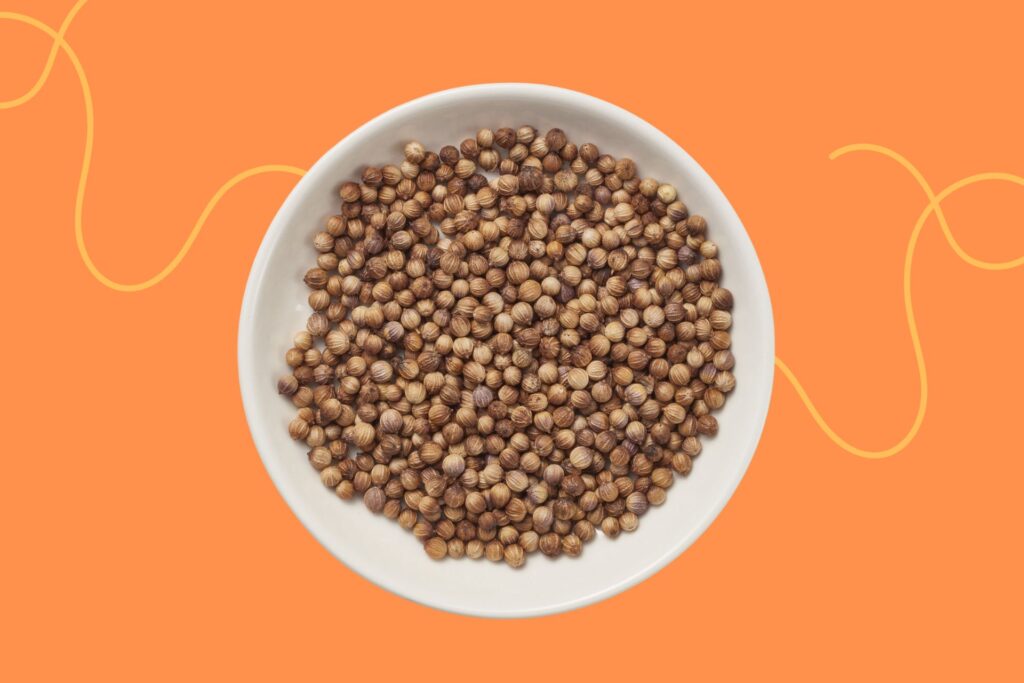
Coriander seeds turn up in spice blends and curry bases across dozens of cuisines, and the instinct is to grind them to a fine powder along with everything else. But coriander seeds have a citrusy, almost floral quality that gets lost when they’re pulverised. What you end up with is a generic earthiness that could be almost anything.
Instead, try roughly crushing them. A pestle and mortar, a few firm presses, is all you need. Coarsely cracked coriander seeds release their essential oils more slowly during cooking, giving you a longer, brighter flavour that you can actually identify in the finished dish.
This is especially useful in dry rubs for meat, where the texture of cracked seeds adds interest, and in dishes like Vietnamese pho, where coriander seeds are toasted whole and only lightly cracked before going into the broth. The difference between fine-ground and coarsely cracked coriander in a slow-cooked broth is night and day.
The Bottom Line
None of these fixes require new equipment or exotic ingredients. They’re small adjustments, a different grind here, a timing change there, that add up to noticeably better cooking. The common thread is that spices aren’t passive ingredients. They respond to heat, fat, timing and technique, and the gap between using them adequately and using them well is narrower than most people think.If you’re looking for more ways to get the most from your kitchen staples, our guide to sauces and condiments that taste better homemade is worth a read. Because once your spicing is dialled in, you’ll want something equally good to pour over the top.