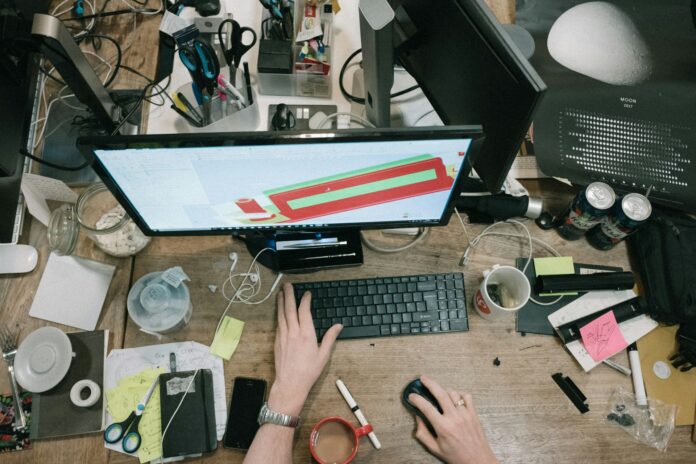
As a concept, the workcation promised more than it delivered for much of its early life. For a while after the pandemic it meant little more than taking your laptop somewhere warm and discovering, mid-presentation, that the WiFi couldn’t handle a video call. The legal footing was vague, the accommodation options amounted to Airbnb roulette, and most people came home more tired than when they left.
That era is over. More than 50 countries now offer dedicated remote work or digital nomad visas. Broadband in most major cities can sustain a full day of calls without flinching. And serviced accommodation has expanded to fill the gap between a hotel room with no desk and a rental flat with no guarantees. The International Workplace Group’s 2025 Work from Anywhere Barometer found that six in ten hybrid workers extended a holiday to work remotely that year, while 87% said the flexibility to choose where they worked improved their productivity.
For most UK workers considering two to four weeks abroad, the practical barriers are lower than you’d expect. Every destination below can be visited visa-free for at least 90 days, and we’ve included the details that actually matter: time zones, visa-free allowances, and honest assessments of the trade-offs.
Tokyo, Japan
Tokyo topped the IWG’s 2025 global workcation rankings with a score of 91 out of 120: broadband speeds among the world’s fastest, a rail network that treats a two-minute delay as a crisis, and one of the lowest crime rates of any major city on earth.
What earns it the top spot, though, is the depth of the city when you have time to move slowly through it. The secondhand bookshops of Jinbocho. The backstreet izakayas of Koenji. Morning walks through Yanaka before the tourists wake up. Mountains, hot spring towns and the coast are all within 90 minutes by train. UK nationals can stay visa-free for 90 days on arrival, with the option to extend to six months at a regional immigration office.
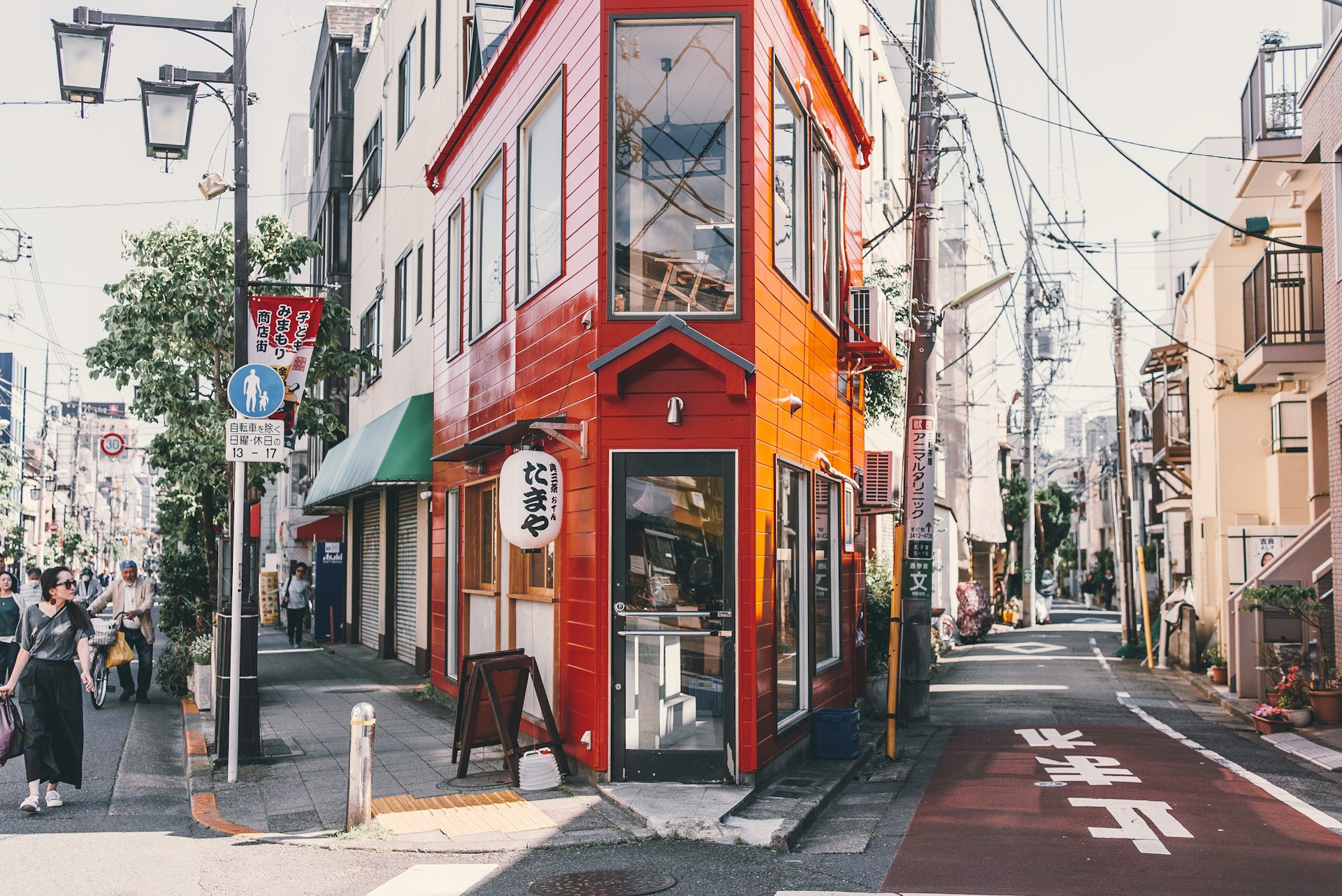
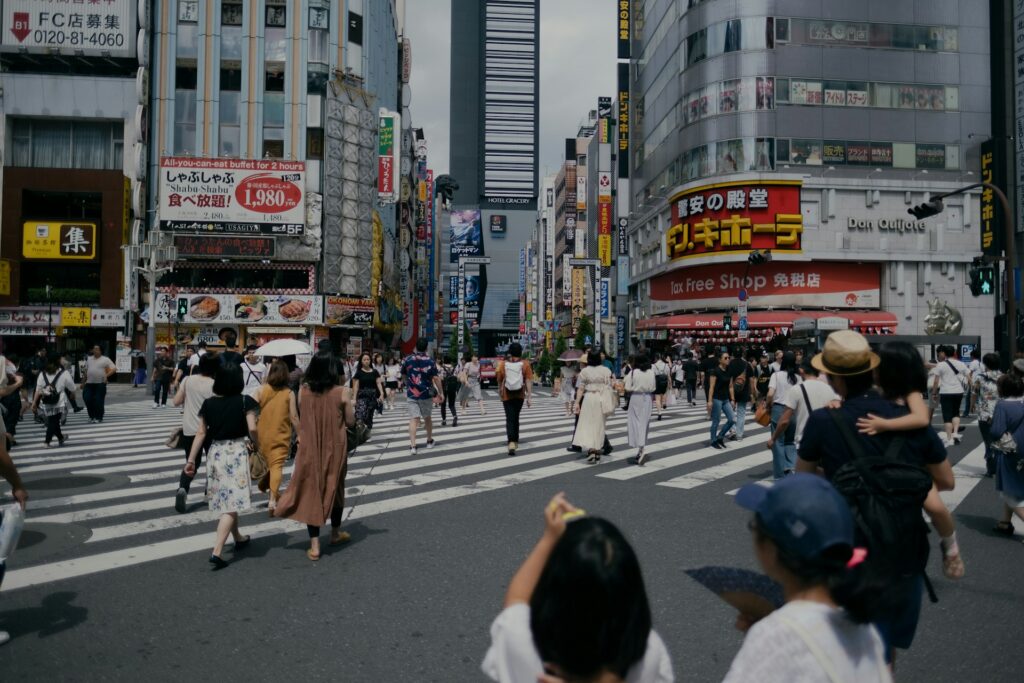

Japan’s digital nomad visa (launched April 2024) exists for longer stays, but it’s aimed at high earners: six months maximum, a minimum annual income of ¥10 million (roughly £49,000), and no renewal without first leaving for six months.
The trade-off is the time zone. GMT+9 means your 2pm London meeting falls at 11pm. If your work is largely asynchronous, this barely registers. If you spend your days on calls, it’s a dealbreaker.
Lisbon, Portugal
Lisbon’s trump card is the clock. It sits on GMT (GMT+1 in summer), which means UK working hours translate without any adjustment at all. You finish at 5:30 and the city is still warm, still light, and dinner doesn’t start for another three hours.
But such prosaic concerns as ‘the clock’ aren’t why you’re here. The city’s food punches well above its price point, the city is compact enough to learn on foot within days, and the flight from London takes under three hours. A serviced apartment in a residential neighbourhood like Príncipe Real or Santos costs less than you’d pay in Paris or Amsterdam, and puts you somewhere you can build a daily rhythm: a regular morning café, a local market, the same walk to clear your head after lunch. UK nationals can stay for 90 days under Schengen rules.
For longer stays, Portugal’s D8 digital nomad visa offers up to a year (renewable to five), with an income threshold of around €3,480 per month.
Barcelona, Spain
Barcelona is the European workcation that practically organises itself. Easyjet and Ryanair fly direct from Bristol, London and Manchester in about two hours, often for less than you’d spend on a week of commuter rail tickets. The time zone (GMT+1, or GMT+2 in summer) needs no adjustment, and the broadband across the city is strong.
The Eixample district works particularly well as a base: a predictable grid, cafés on every corner, and the beach reachable by metro in under 20 minutes. UK nationals can stay for 90 days under Schengen rules, and Spain’s digital nomad visa (launched 2023) covers longer stays with a minimum income of around €28,000 per year.
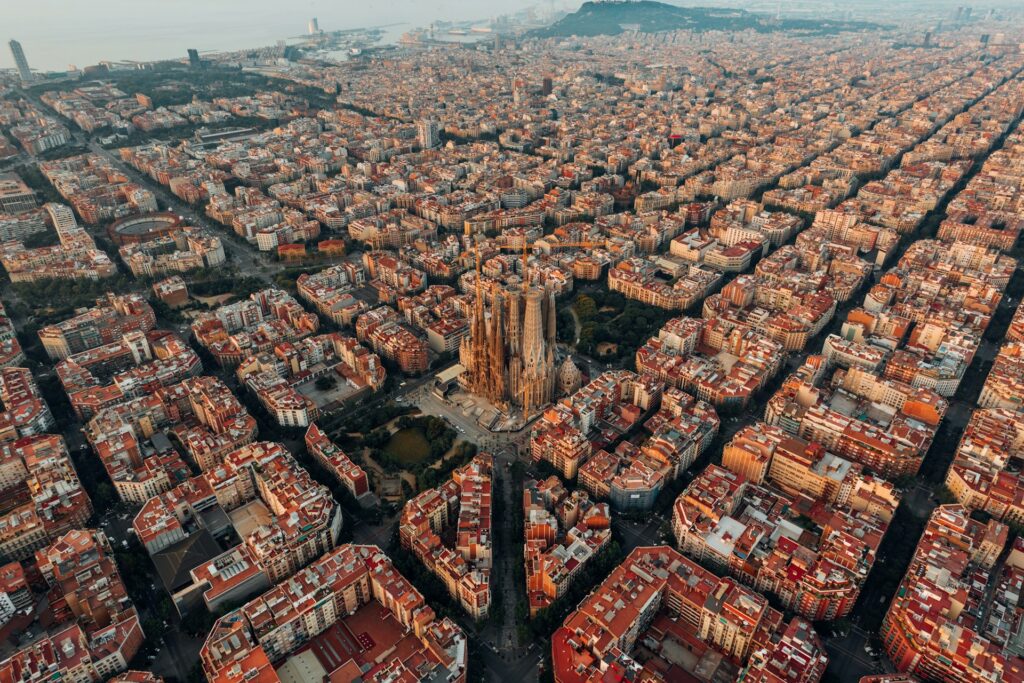
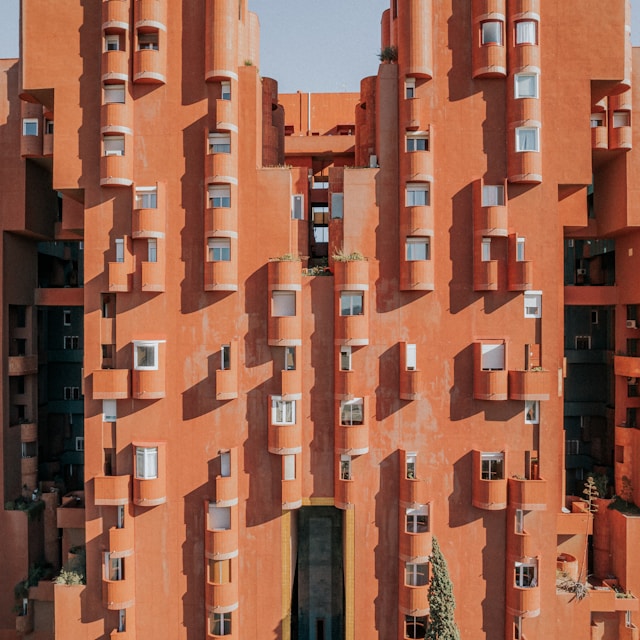

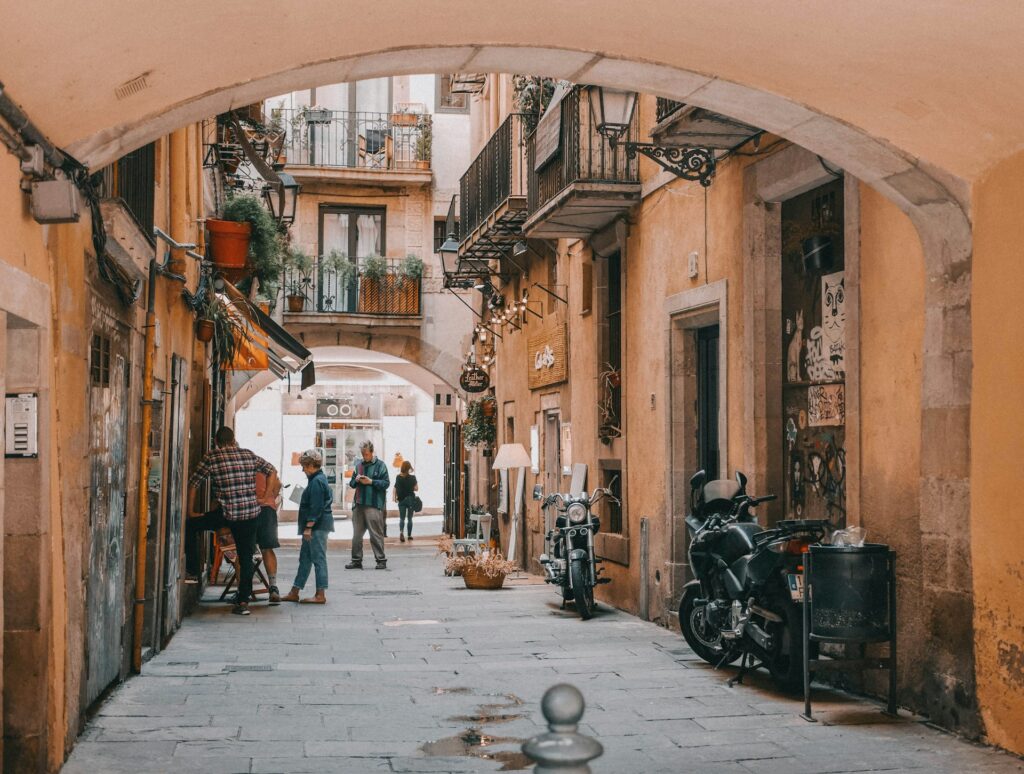
Barcelona has tightened its short-term rental regulations significantly, with plans to phase out tourist apartment licences by 2028, which is where serviced accommodation by Situ becomes the more reliable route.
Read: The most affordable neighbourhoods to settle in Barcelona
Budapest, Hungary
Topping the IWG workcation rankings in 2024 before Tokyo displaced it, for pure value Budapest is still the standout in Europe. A good restaurant meal with wine costs what you’d pay for a mediocre sandwich in central London, and a serviced apartment in the 5th or 7th district gives you a city-centre base for a fraction of Western European rates.
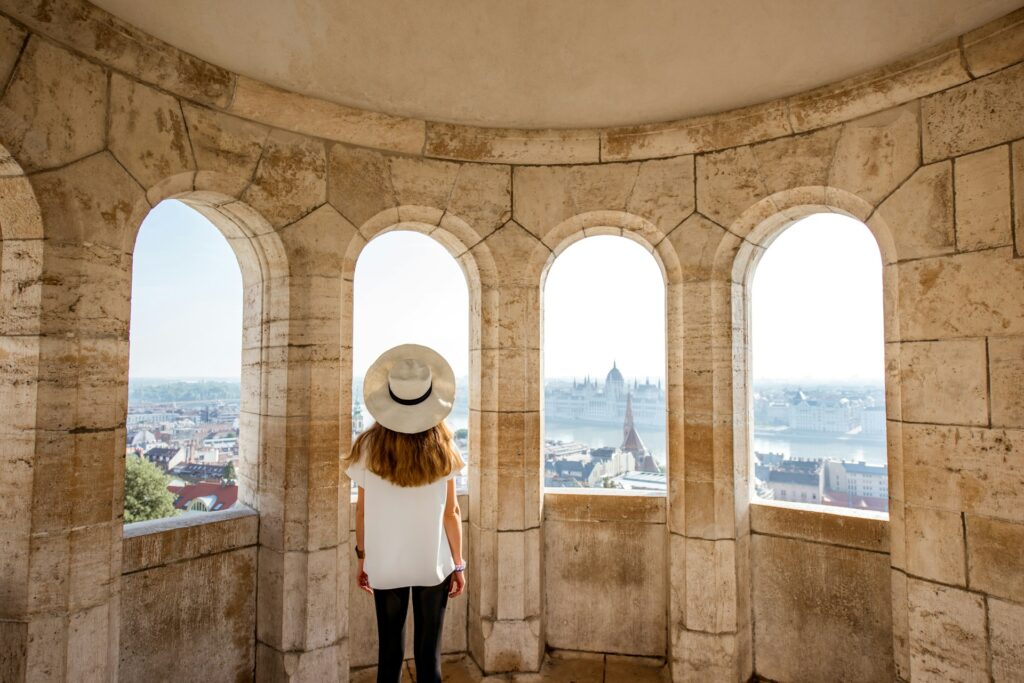

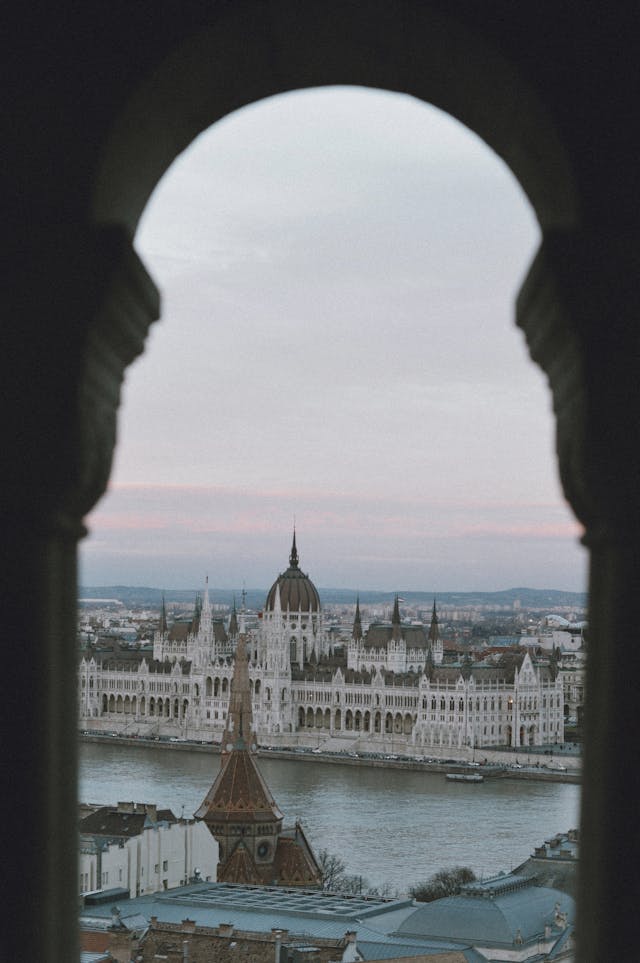
The architecture is extraordinary, the restaurant scene has sharpened enormously over the past decade, and the thermal bath culture gives you something to look forward to at the end of a working day that no gym membership can replicate. The time zone (GMT+1, or GMT+2 in summer) aligns with UK hours.
Hungary doesn’t offer a digital nomad visa, but UK nationals can stay for 90 days under Schengen rules. Spring and early autumn are the sweet spots: warm enough to sit outside, cool enough to breathe, think and, erm, work.
Seoul, South Korea
The South Korean capital Seoul ranked fourth globally in the IWG’s 2025 barometer, and a lot of that comes down to the internet. Speeds here are routinely among the world’s fastest, the kind where you forget that connection quality is something you normally worry about.
The city’s study café culture is a genuine asset for remote workers: purpose-built spaces designed around concentration, with fast WiFi, power at every seat, and a prevailing hush that would shame most London libraries. The food is exceptional across every price point, and Bukhansan National Park borders the city itself.
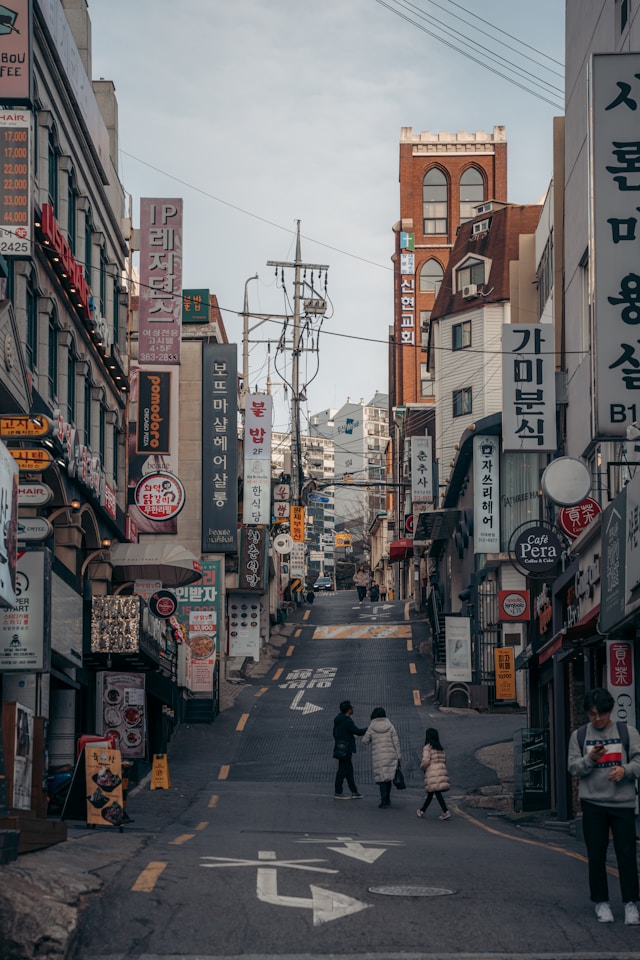
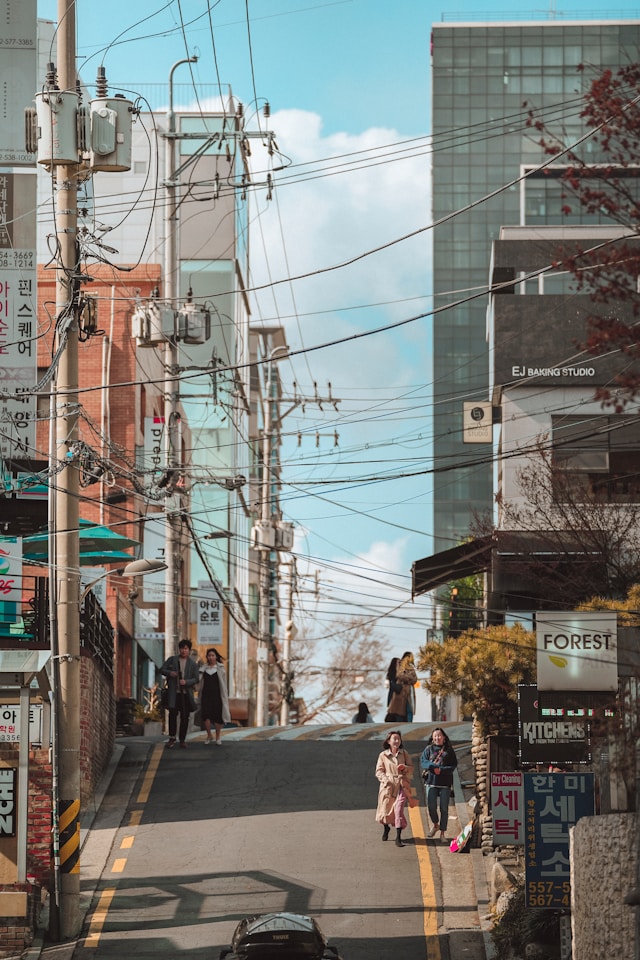

UK nationals can visit visa-free for up to 90 days (British passport holders are currently exempt from the K-ETA requirement through December 2026, though you’ll need a free e-arrival card before landing). South Korea’s F-1-D Workation Visa (launched January 2024) covers stays of up to two years, but the income bar is steep at roughly ₩88 million per year (around $66,000). The time zone (GMT+9) carries the same caveat as Tokyo.
Valletta, Malta
Small enough to learn in a day, the size of Valletta is a strength where workcations are concerned. You’re not spending your non-working hours figuring out the city; you’re living in it from the start. Malta is English-speaking, the broadband holds up, and the time zone (GMT+1, or GMT+2 in summer) mirrors UK hours.
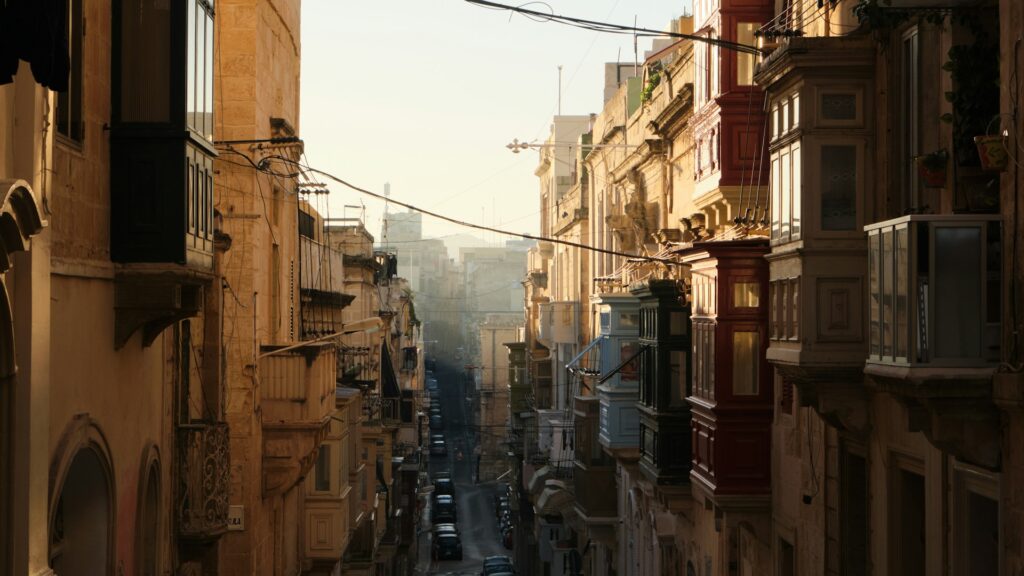
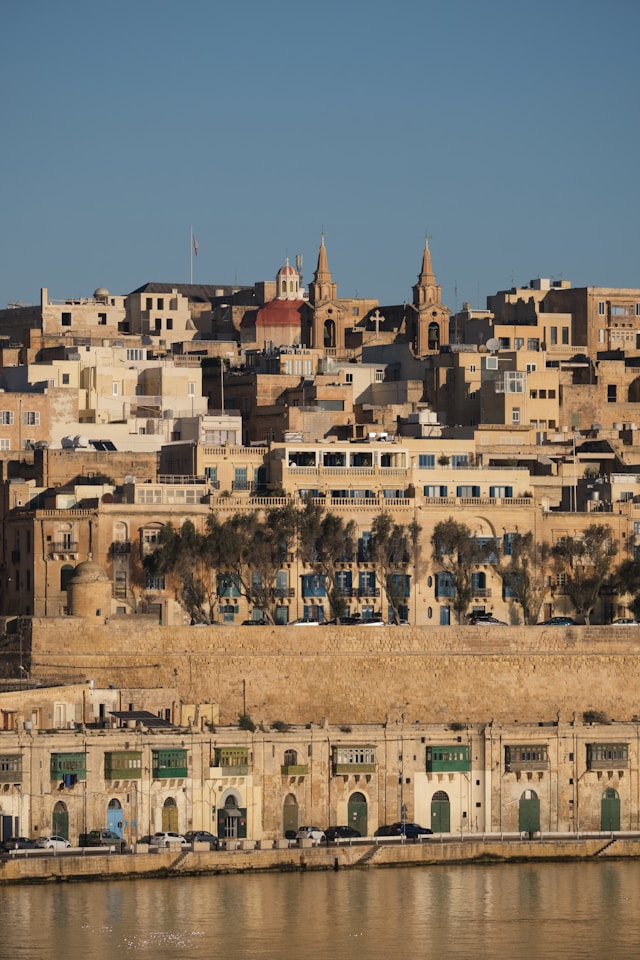

The island’s scale means you can take a lunchtime call with London, close the laptop at five, and be swimming in the Mediterranean twenty minutes later. UK nationals can stay for 90 days under Schengen rules. Malta’s Nomad Residence Permit covers longer stays for remote workers with a minimum monthly income of €2,700.
Read: Where to find Malta’s real character beyond the beaches
Cape Town, South Africa
The time zone advantage in Cape Town doesn’t get enough attention: GMT+2, which during British Summer Time means you’re only one hour ahead. You can work a full London day and still have light for the mountain, the coast or the Winelands.
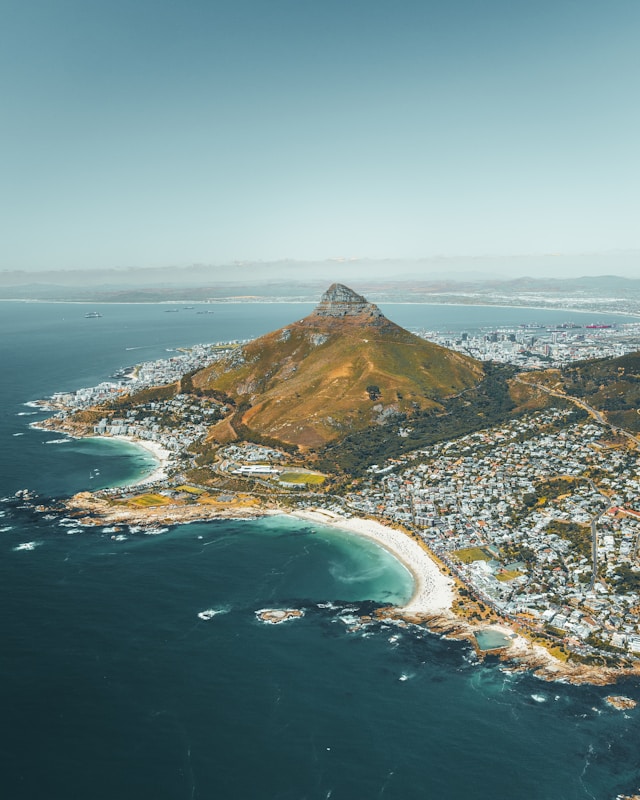
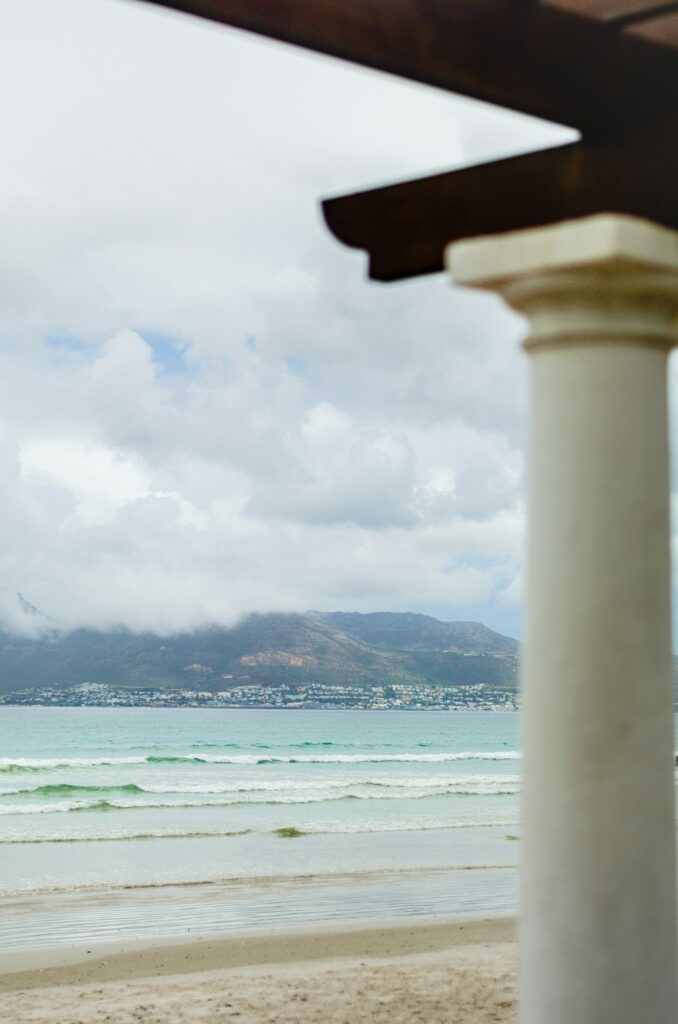
The cost of living is favourable against the pound, and the food and wine culture is serious, the kind of city where a Tuesday evening dinner can turn into one of the best meals you’ve eaten all year. Load shedding was a real deterrent in 2023 and much of 2024, but South Africa went through most of 2025 without significant outages. Accommodation in the City Bowl, Sea Point and De Waterkant tends to come properly set up for working stays. UK nationals can stay for up to 90 days visa-free. Go between November and March and you trade a British winter for reliable 25-degree days.
Rome, Italy
Rome needs no introduction, which is precisely why it works for a workcation. The case for spending time there has been made by roughly 2,700 years of history. But what’s changed is the infrastructure for working there; fibre broadband has reached most central neighbourhoods, and high-speed rail puts Florence and Naples within 90 minutes.

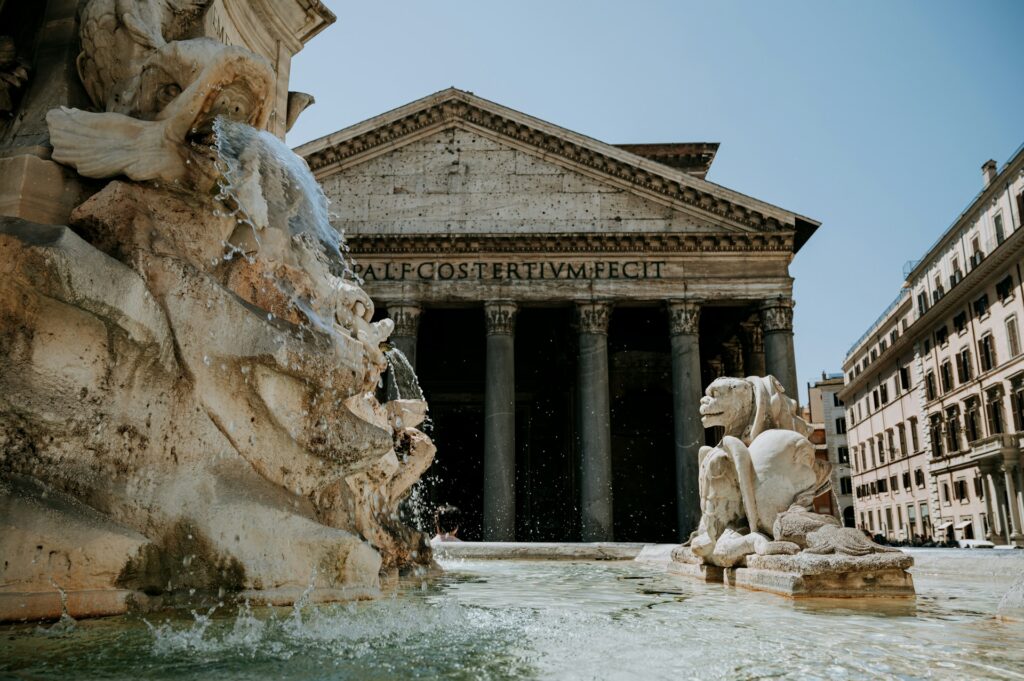
Italy’s digital nomad visa (in force from April 2024) offers one-year residency for remote workers, renewable, with a baseline income threshold of around €25,000-28,000 per year. For a shorter stay, the Schengen 90-day allowance covers it.
The time zone (GMT+1, or GMT+2 in summer) is near-identical to London. And serviced accommodation in residential neighbourhoods like Trastevere, Prati and Testaccio gives you a base that feels like living in the city rather than visiting it, which, after several millenia of receiving guests, is the version of Rome most people never see.
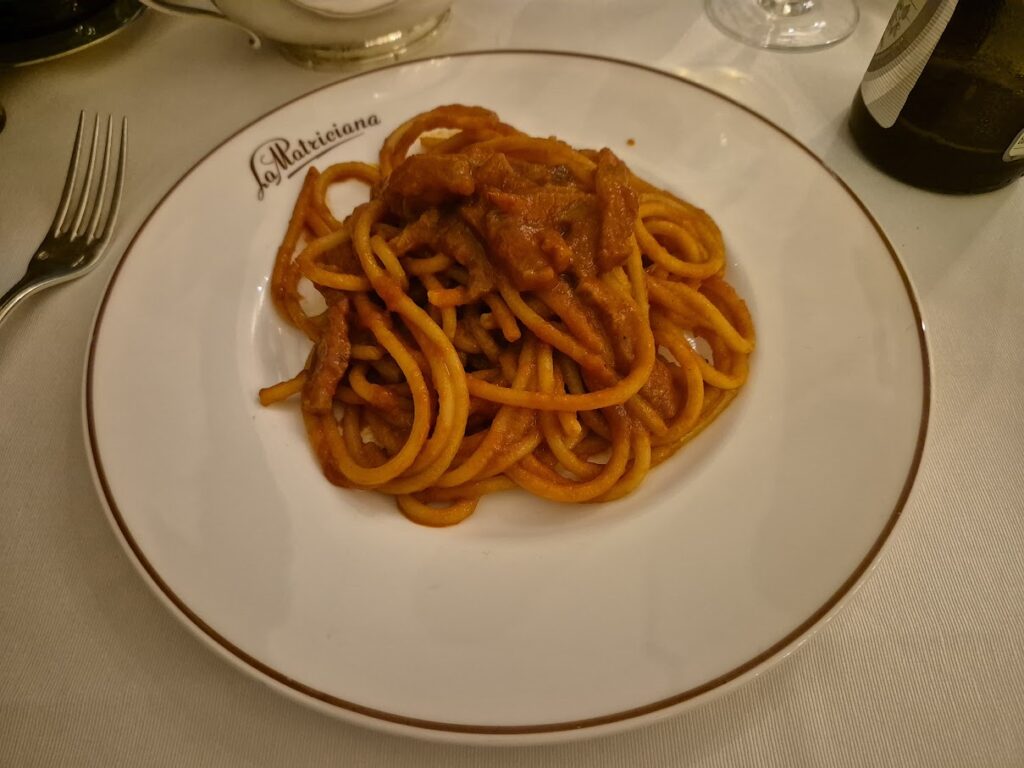
Oh, and the food’s not half bad either. But we didn’t even need to say that, did we?
The Bottom Line
Every destination here can be reached visa-free for at least 90 days, and most sit within two hours of UK time. Where the trip succeeds or fails is usually in the accommodation. A furnished apartment with a tested desk, reliable WiFi and a kitchen will always beat booking blind. Get that sorted and the rest tends to follow.