Forget everything you thought you knew about London’s waterways. Those murky, forgotten channels snaking through the capital? The industrial relics gathering crisp packets and shopping trolleys? It’s time to look again.
London’s extensive canal network tells a different story entirely. These aren’t just remnants of the Industrial Revolution gathering dust and debris. They’re vibrant arteries of culture, gastronomy, and surprisingly good times, where narrowboats bob alongside penthouses and street art blooms on brick walls that have witnessed centuries of history.
So grab your most comfortable walking shoes, download a decent map app, and prepare to see London from an entirely different angle. Here’s how to spend an ideal day exploring the capital’s most scenic canal stretch, from Little Venice through to Angel, covering roughly 5 miles of towpath and city streets.
Start Your Journey At Little Venice
Begin where the Grand Union Canal meets the Regent’s Canal at Little Venice. Despite its rather grandiose moniker, sometimes attributed to poet Robert Browning, this triangular island where the waterways converge actually lives up to the hype.
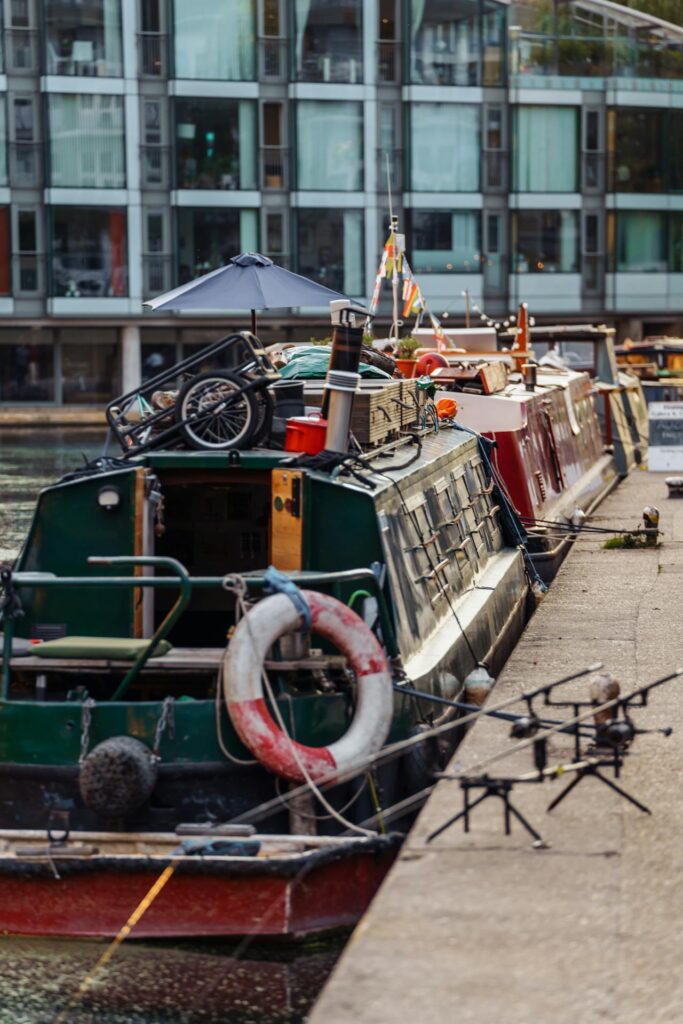
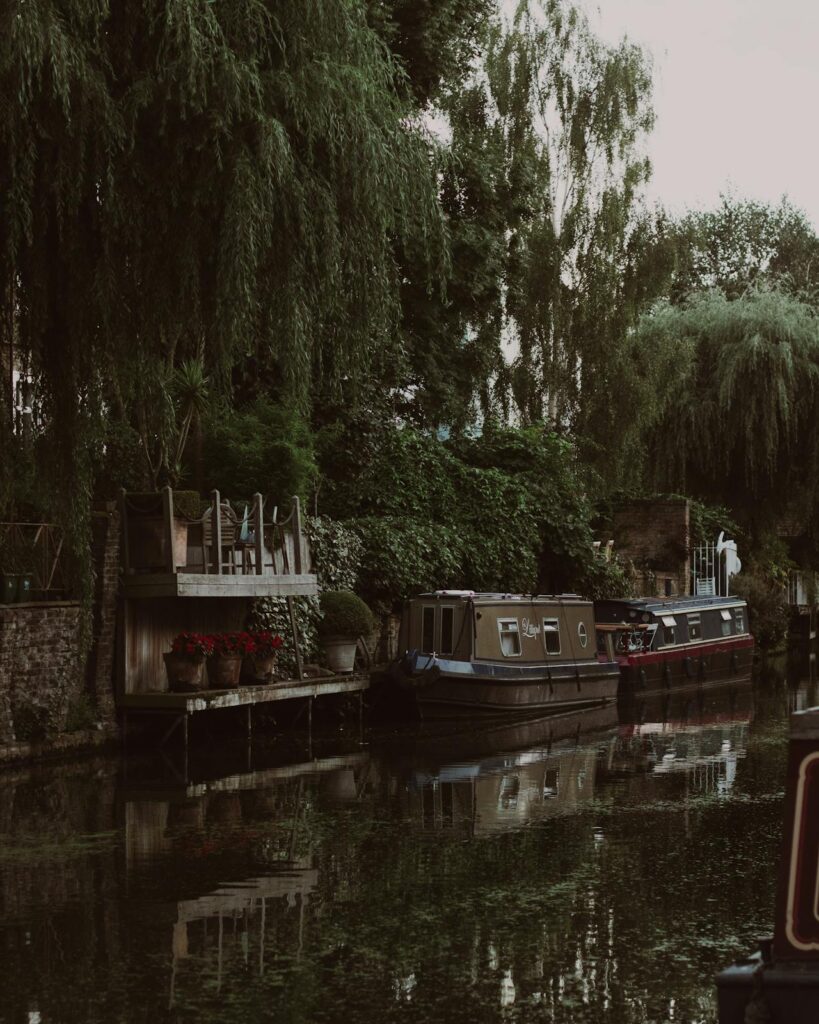
Grab a flat white (other coffees are available) from Café Laville, which is perched alongside the canal with prime people-watching opportunities. Watch the narrowboats navigate the junction with the skill of seasoned London taxi drivers, and marvel at the floating gardens that put your windowsill herbs to shame. The Victorian terraces reflected in the water here are Instagram gold, but more importantly, they’ll give you a real sense of just how elegant London’s canals can be.
Read: The best restaurants in Maida Vale
Take A Narrowboat Trip Along Regent’s Canal
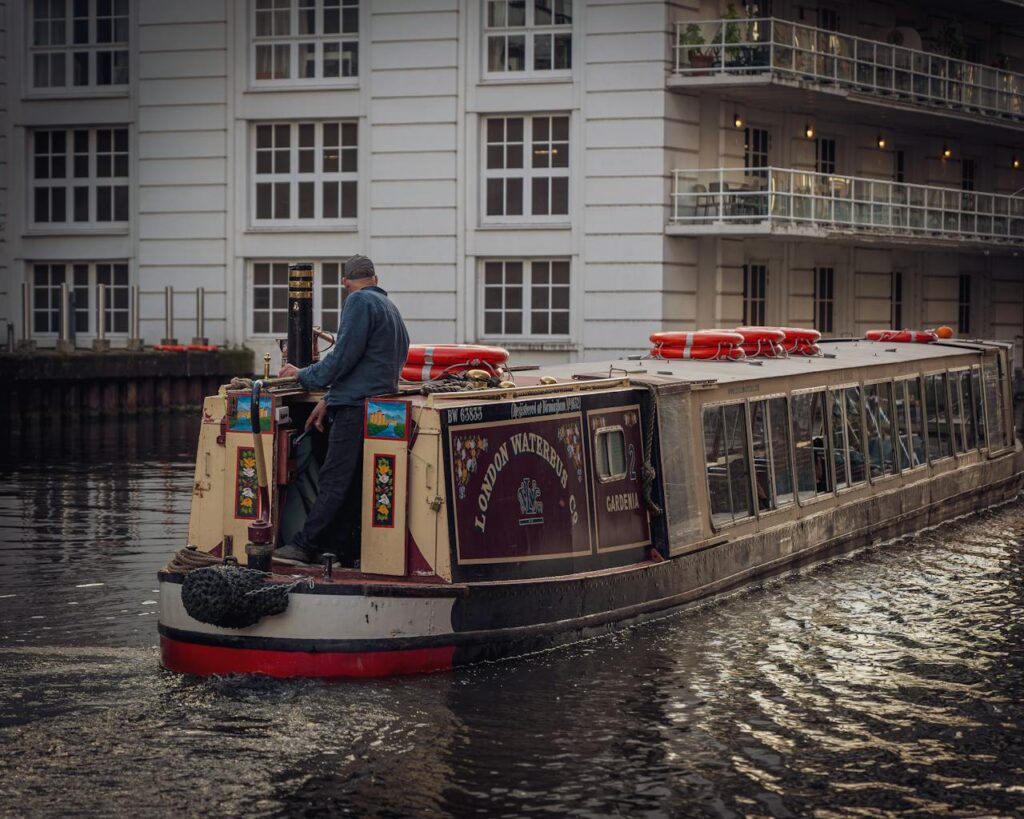
Book yourself onto one of the narrowboat trips that run from Little Venice to Camden Market. London Waterbus Company offers regular services that’ll have you gliding past the back gardens of millionaires and the loading bays of supermarkets with equal fascination. Alternatively, Jason’s Trip, the historic 1906 canal boat, normally operates April to October.
The 45-minute journey takes you through the heart of London at a pace that makes the Elizabeth Line look positively frantic. You’ll pass through the 272-yard Maida Hill Tunnel, built in 1816 and still doing sterling service, cruise past Regent’s Park where you can spot the aviary in London Zoo, and dock right at Camden Lock. It’s tourism, yes, but it’s also the most civilised way to appreciate just how extensive this network really is.
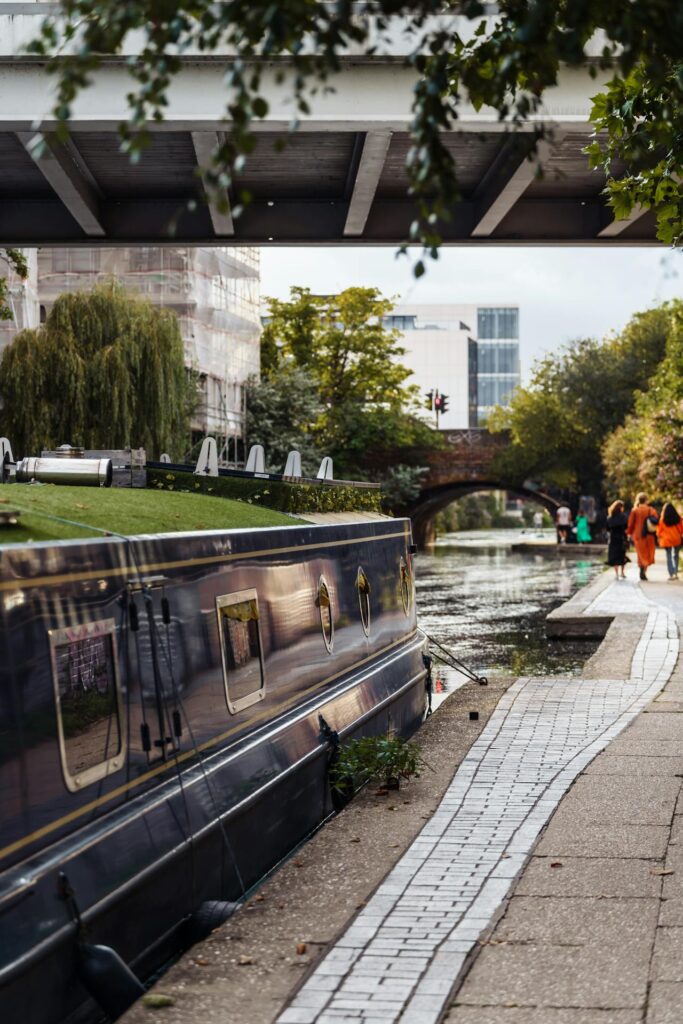
Explore Camden Market & Lock
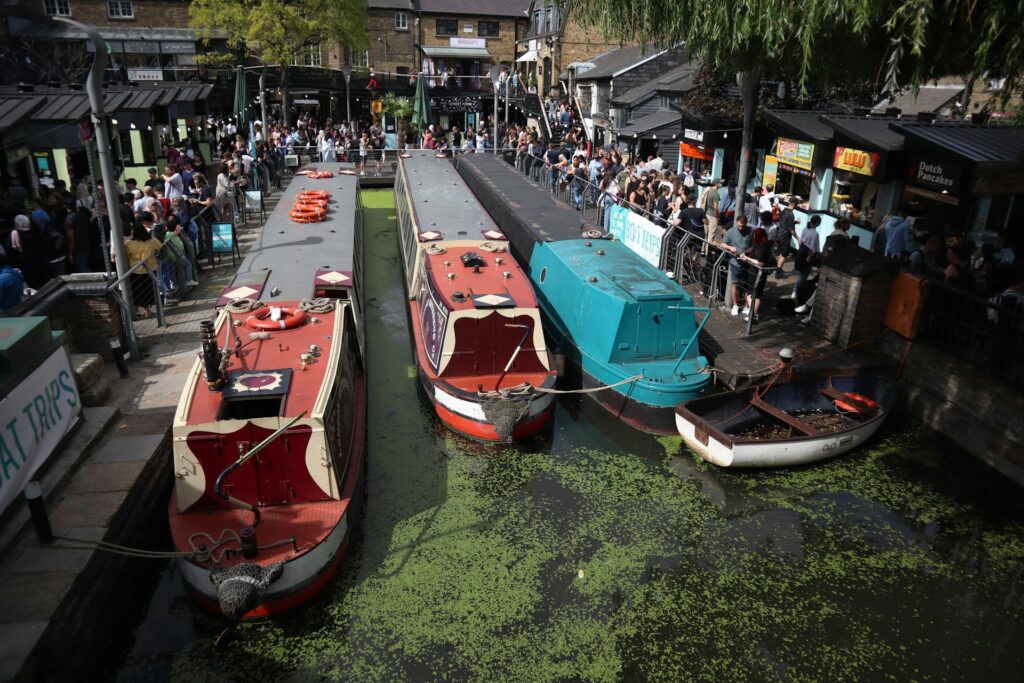
Camden Market might be touristy enough to make genuine Londoners wince, but the lock itself is genuinely fascinating. Here the canal drops down towards King’s Cross, and you can watch the lock-keeper operate the Victorian mechanisms that still regulate water levels today, much as they did two centuries ago.
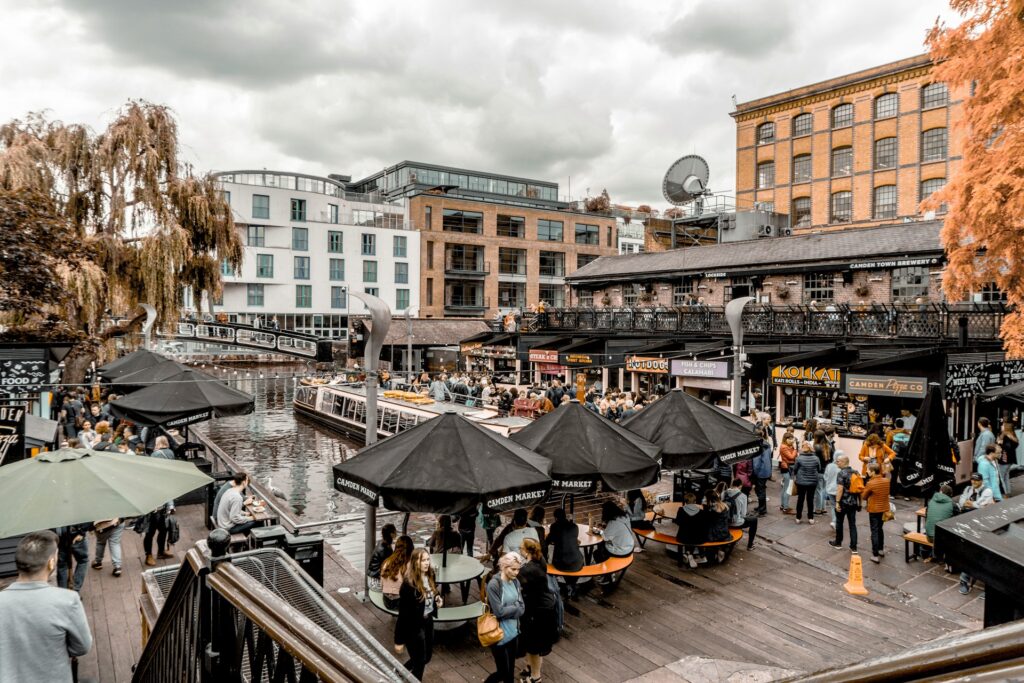
The market stalls spilling over towards the water create a unique atmosphere where canal boats and leather jacket vendors coexist in surprising harmony. Grab some street food from the Filipino truck that usually parks near the bridge, and find a spot along the towpath to watch the boats queuing for the lock like aquatic traffic at rush hour.
Read: The best restaurants in Camden
Walk The Towpath To King’s Cross
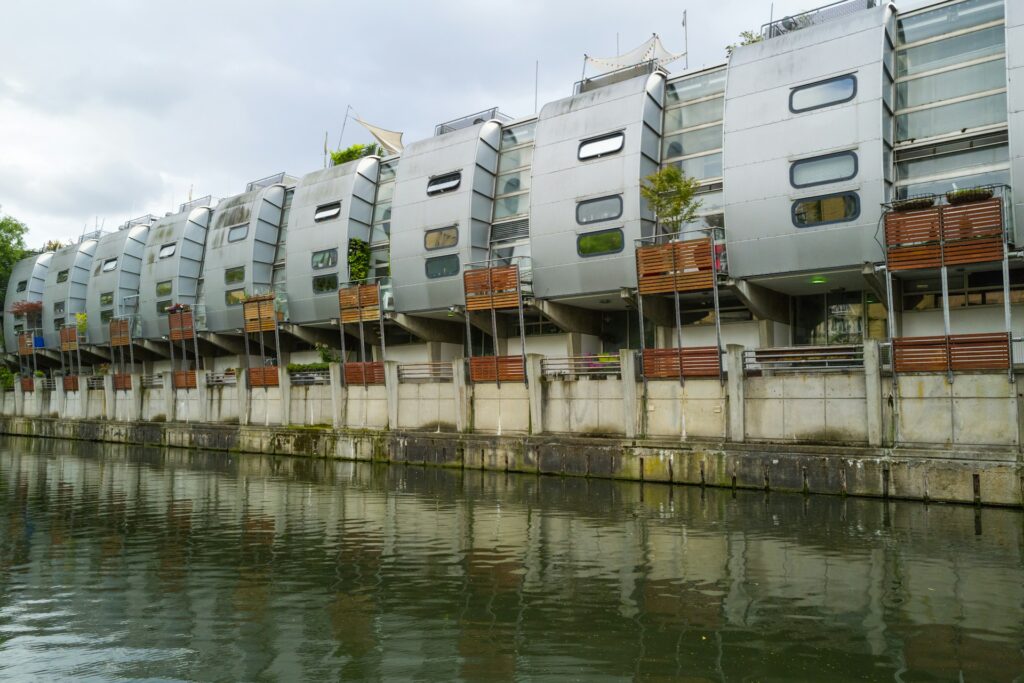
The stretch between Camden and King’s Cross offers some of London’s finest canal-side walking. The towpath here transforms from tourist territory into something altogether more authentic and more interesting. Industrial heritage meets modern regeneration as you pass under railway bridges decorated with murals that would cost thousands in a Shoreditch gallery.
Keep your eyes peeled for the Camley Street Natural Park, a two-acre nature reserve that feels like stepping into a nature documentary. Reed beds, willow trees, and more bird species than you’d expect in Zone 1 create an oasis that most Londoners don’t even know exists. The contrast between this green haven and the glass towers of King’s Cross beyond perfectly captures London’s ability to surprise.
Discover Coal Drops Yard
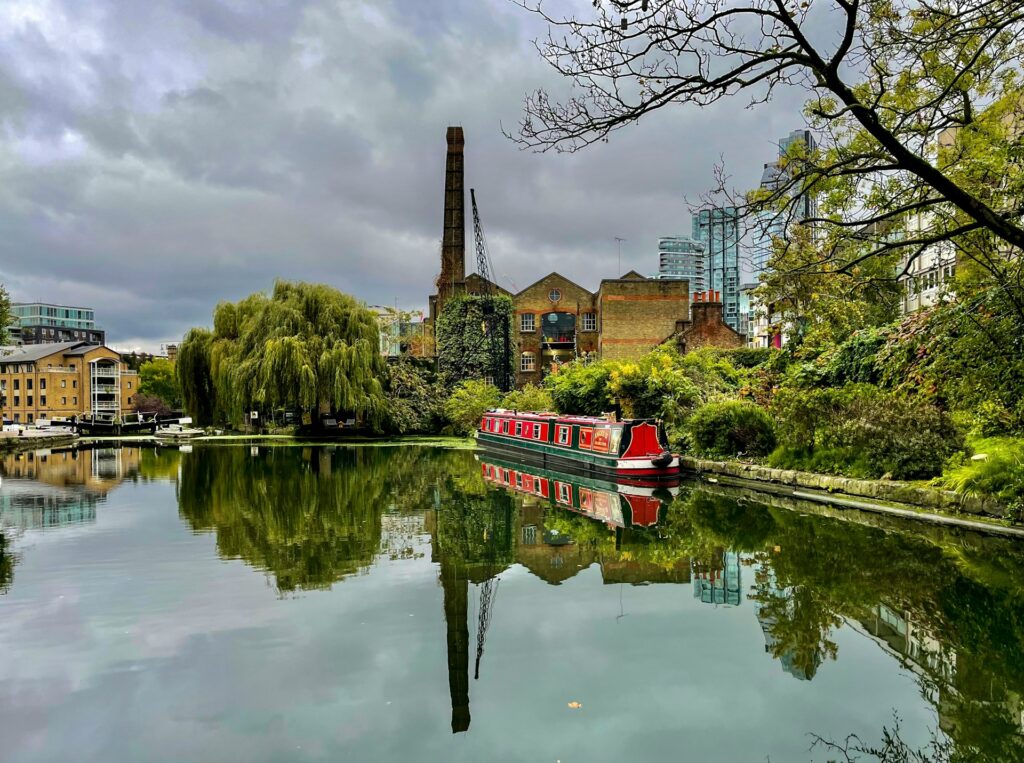
As you approach King’s Cross, the canal curves past Coal Drops Yard, a shopping and dining destination built into converted Victorian coal storage facilities. The industrial architecture here is spectacular, all soaring brick arches and iron girders, but it’s the way the development integrates with the canal that’s really clever.
Pop into El Pastor for excellent tacos, or treat yourself to something from the weekend artisan market. The outdoor seating areas overlook the canal, making this one of the few places in London where you can eat excellent food while watching narrowboats chug past laden with bicycles and geraniums.

For other restaurant suggestions in the area, this comprehensive guide to London will see you right.
Navigate Around The Islington Tunnel
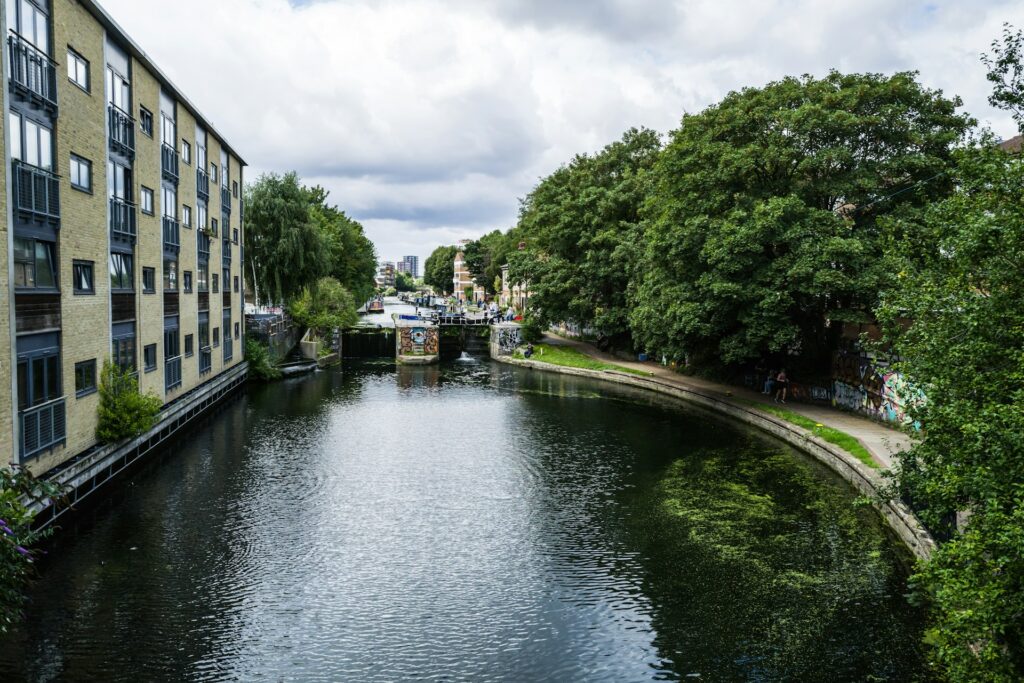
Here’s where things get interesting, and where you’ll need to leave the towpath temporarily. The Islington Tunnel stretches for 960 yards under the borough, and while narrowboats can navigate it, there’s no pedestrian access through the tunnel itself. Instead, you’ll take a pleasant detour through some of Islington’s most characterful streets, following the signs that mark the tunnel’s route above ground.
The tunnel was hand-dug through London clay in the early 1800s, and boats still have to be ‘legged’ through by crew members lying on their backs and walking along the tunnel walls. This street-level walk gives you a real appreciation for the engineering feat happening beneath your feet, and you’ll emerge at the tunnel’s eastern end feeling like you’ve conquered a piece of Victorian London.
Stop For Lunch In Angel
The Angel area offers canal-side dining that ranges from gastropub classics to fine dining. The Narrowboat pub, although a Young’s, serves decent food in surroundings that embrace the nautical theme without going overboard.
For something more upmarket, book a table at Ottolenghi Islington at 287 Upper Street. While not directly canal-side, it’s close enough to count and the perfect spot to recharge. The walk from the towpath up to Upper Street also gives you a chance to appreciate how the canals integrate with London’s neighbourhoods rather than cutting through them.
Read: The best restaurants in Islington
Continue East To The Thames
From Victoria Park, the final stretch of towpath leads to Limehouse Basin, where the Regent’s Canal finally meets the Thames. It’s a satisfying moment: you’ve traced this waterway from its western junction at Little Venice all the way to the river, completing the full story of a canal built to connect these two points over 200 years ago.
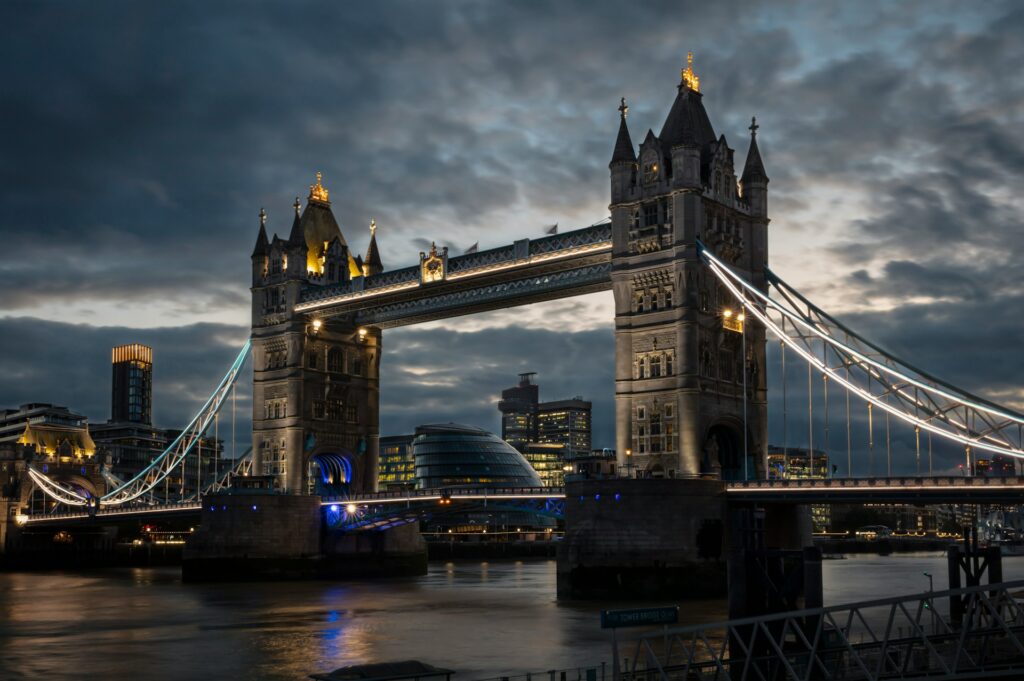
The Thames is beautiful at dusk, and if you’ve timed your day well, this is where the light rewards you. Once you hit the river, you’re barely a mile from the Tower of London. A riverside walk west along the path brings you there in about 20 minutes, and a Tower of London tour makes for a fitting end to a day spent with London’s infrastructure through the ages. You’ve walked a route built to haul coal and timber across a growing city, and now you’re standing in a fortress that predates those canals by seven centuries. It puts the whole day into perspective.
Finish With A Drink On The River
After a day that’s taken you from one waterway to another, it only seems right to end it on the Thames itself. The stretch between the Tower and Tower Bridge is packed with riverside pubs and bars, and finding one with an outdoor terrace overlooking the water shouldn’t take long. The Dickens Inn at St Katharine Docks is tucked just east of the Tower in a converted 18th-century timber warehouse, with tables right on the marina. Or cross Tower Bridge to the south bank and grab a table at somewhere along Shad Thames, where old spice warehouses now house restaurants with views back across the river.
Either way, you’ll be sitting beside the Thames with a drink in hand, looking at a river that’s been the reason for London’s existence since the Romans showed up. Not a bad way to end a walk that started on a canal most Londoners forget is even there.
Essential Information
- The full Little Venice to Tower of London route takes a full day including stops, so start early
- The Little Venice to Angel stretch alone is roughly 5 miles; continuing to Limehouse adds another 4
- Remember that the Islington Tunnel section requires walking through city streets, not along the towpath
- Towpaths can be muddy after rain, so wear appropriate footwear
- Most pubs and cafés along the route accept card payments
- For detailed canal maps, try the Open Canal Map app or visit Canal & River Trust website
- Best visited April-October for maximum daylight and minimal misery
The Bottom Line
London’s canals offer something increasingly rare in the capital: the chance to slow down and see the city as it actually is, rather than as a tourist attraction. Yes, you’ll encounter other walkers and the occasional tourist boat, but you’ll also discover hidden parks, stumble upon brilliant street art, and experience London at walking pace rather than Tube speed. It’s not the most efficient way to get across town, but it might just be the most rewarding. Sometimes the best journeys are the ones that take you somewhere unexpected.
Now that the evening’s drawing in, we’re off for some live music at one of London’s best jazz bars. Care to join us?