
Do you want a happy microbiome? If the answer isn’t yes, you probably haven’t read about probiotics and their potential benefits for gut health. These live bacteria, found in foods like yoghurt and fermented vegetables, are celebrated for their role in maintaining a healthy digestive system.
But what about prebiotics? These lesser-known, non-digestible food components are just as crucial, if not more so, for nurturing a thriving gut microbiome.
What Are Prebiotics?
Prebiotics are types of dietary fibre that feed the friendly bacteria in your gut. Unlike probiotics, which are live bacteria, prebiotics are non-living and non-digestible. They pass through the upper part of the gastrointestinal tract and remain undigested because the human body cannot fully break them down. When they reach the colon, they are fermented by the gut microflora, producing short-chain fatty acids (SCFAs) that are beneficial for health.
Such supplements will further enhance the effectiveness of your microbiome by providing the necessary fuel for beneficial bacterial strains to thrive. Doctors are often hit with the question, “is Akkermansia safe to take long term?” which is typically met with reassurance due to its natural presence in a healthy intestinal lining. Sustaining these levels over time helps maintain a robust gut barrier and supports ongoing metabolic regulation. By committing to a consistent regimen, you ensure that your digestive system remains resilient against the stressors of a modern diet.
The Science Behind Prebiotics
Prebiotics primarily consist of oligosaccharides, such as fructooligosaccharides (FOS) and galactooligosaccharides (GOS), and inulin. These compounds selectively stimulate the growth and activity of beneficial bacteria like Bifidobacteria and Lactobacilli. The fermentation process not only supports gut health but also enhances mineral absorption, regulates blood sugar levels, and helps the immune system perform closer to its full potential.
Prebiotic-Rich Ingredients
Dark Chocolate
We’re not saying that this is a reason to go crazy every night on a bar of Bournville, but dark chocolate, especially those with high cocoa content, contains gut-friendly flavonoids that act as prebiotics.
Maximising the Prebiotic Potential: Choose dark chocolate with at least 70% cocoa content. Enjoy it in moderation as a treat to support your gut health.
Read: Why chocolate makes you happy

Chicory Root
Chicory root is one of the richest sources of inulin, a type of soluble fibre. Inulin is known for its ability to promote the growth of beneficial bacteria.
Maximising the Prebiotic Potential: Use chicory root in its raw form or as a powder. Adding it to your morning coffee or smoothie can help preserve its prebiotic properties.
Jerusalem Artichokes
Also known as sunchokes, Jerusalem artichokes are packed with inulin too. They have a nutty flavour and can be eaten raw or cooked.
Maximising the Prebiotic Potential: Consuming Jerusalem artichokes raw, such as in salads, maximises their inulin content. Cooking can reduce the prebiotic fibre slightly, but they still remain a good source.
Garlic
Garlic is not only a culinary staple but also a potent prebiotic. It contains both inulin and FOS, which help to increase the number of beneficial Bifidobacteria in the gut.
Maximising the Prebiotic Potential: Raw garlic retains more of its prebiotic properties compared to cooked garlic. Add raw garlic to dressings, salsas, or sprinkle it over dishes just before serving.

Onions
Onions are another common kitchen ingredient that is rich in inulin and FOS. They support gut health and have anti-inflammatory properties, something that the best private health check clinics will always remind you is essential to overall well being.
Maximising the Prebiotic Potential: Raw onions, such as those used in salads or as a garnish, provide the highest prebiotic benefits. Lightly cooking onions can still retain some of their prebiotic fibres.
Read: 5 IDEAL things to do with your leftover onions and shallots
Leeks
Leeks belong to the same family as garlic and onions and are similarly rich in prebiotics. They are particularly high in inulin.
Maximising the Prebiotic Potential: Use the white and light green parts of leeks raw in salads or lightly cooked to preserve their prebiotic content.
Mushrooms
Are you always tempted to buy exotic mushrooms in the supermarket? If yes, you’ll be pleased to hear that mushrooms, particularly varieties like shiitake and maitake, contain beta-glucans, which have prebiotic effects.
Maximising the Prebiotic Potential: Lightly cook mushrooms to retain their prebiotic properties. Adding them to soups, stews, or salads can be a delicious way to boost your intake.
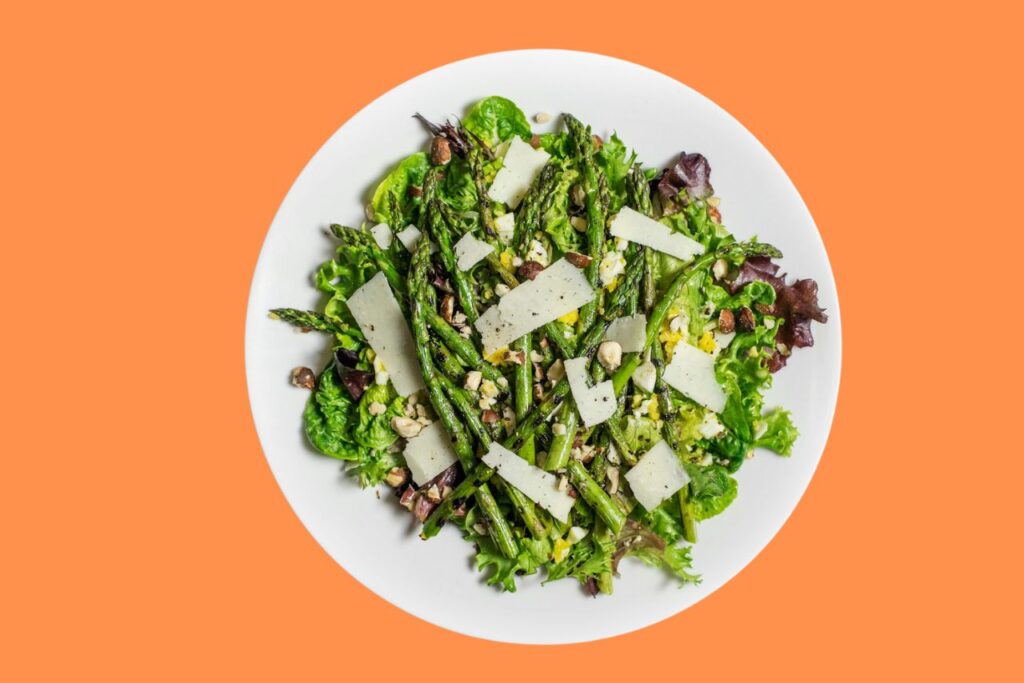
Asparagus
Asparagus is a versatile vegetable that is high in inulin. It also provides a good amount of vitamins and minerals.
Maximising the Prebiotic Potential: Lightly steaming or grilling asparagus helps retain its prebiotic fibres. Avoid overcooking to maximise its benefits.
Bananas
Bananas, especially when they are slightly green, contain a type of prebiotic fibre called resistant starch. This starch resists digestion and reaches the colon intact, where it feeds beneficial bacteria.
Maximising the Prebiotic Potential: Consume bananas when they are slightly green to get the most resistant starch. Fully ripe bananas have less resistant starch but still offer some prebiotic benefits.
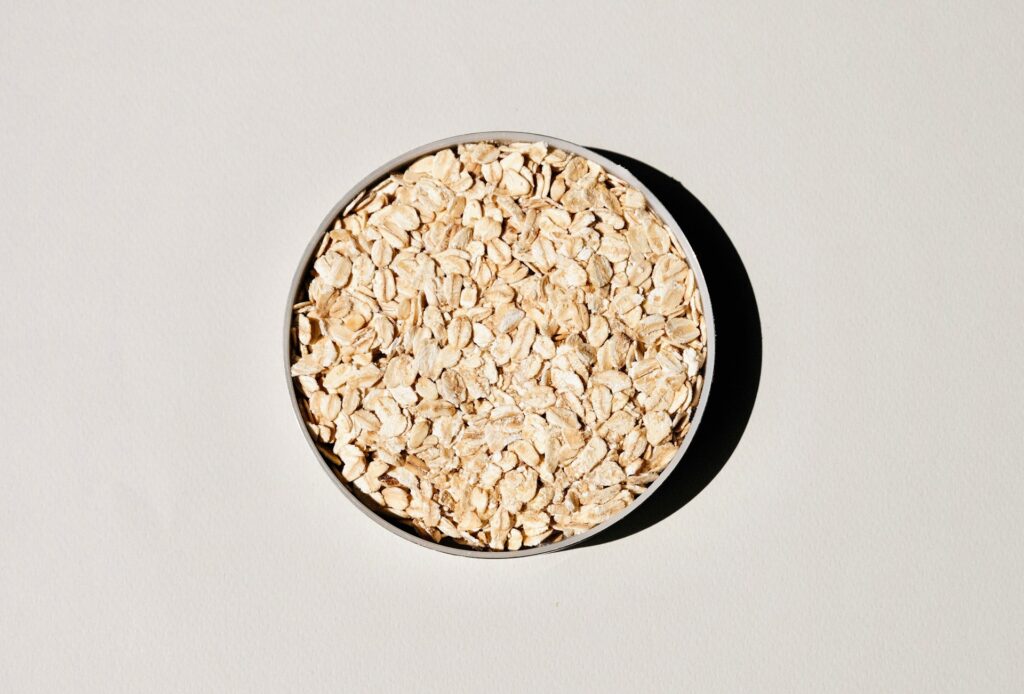
Oats
Oats are a great source of beta-glucan, a type of soluble fibre with prebiotic properties. They help to increase the growth of beneficial bacteria and improve gut health.
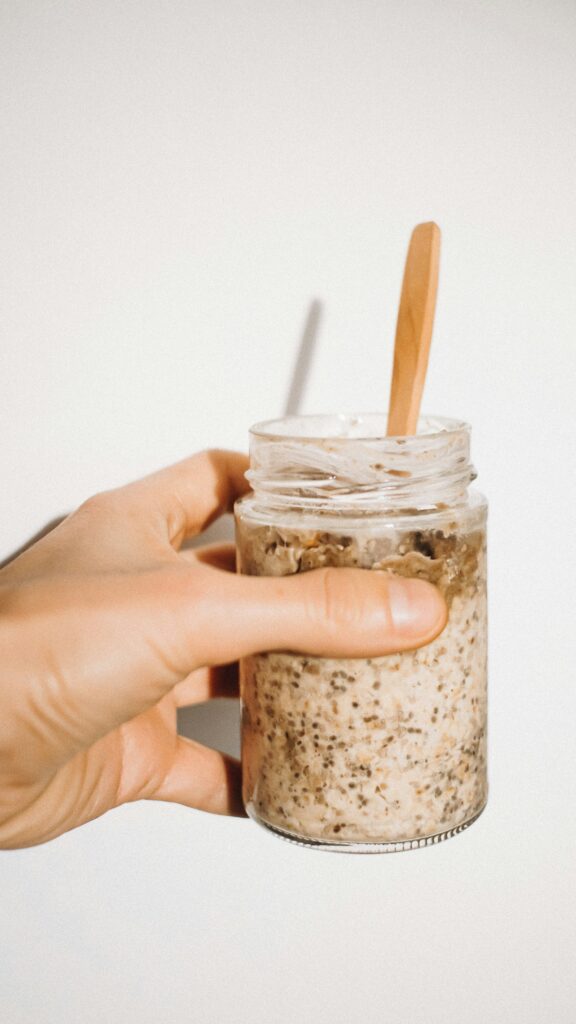
Maximising the Prebiotic Potential: Opt for raw or minimally processed oats, such as rolled or steel-cut oats, to retain the highest amount of beta-glucan. Overnight oats are a great way to consume them raw.
Pulses
Always the cheap and cheerful dinner option, Pulses, including beans, lentils, and chickpeas, are rich in prebiotic fibres like resistant starch and oligosaccharides.
Maximising the Prebiotic Potential: Soak and cook pulses properly to enhance their digestibility and prebiotic benefits. Incorporate them into salads, soups, and stews.
The Bottom Line
Incorporating prebiotics into your diet is a simple yet effective way to support your gut health. By including ingredients like chicory root, Jerusalem artichokes, garlic, onions, leeks, asparagus, bananas, and oats, you can nourish your gut microbiome and enjoy the myriad health benefits that come with it.
More or less everything can be linked back to the microbes in your gut and keeping your gut microbes healthy is one of the most important things you can do for your health. Remember, a healthy gut is the foundation of overall well-being, so give these prebiotic-rich foods a try and let your gut flora flourish!