
As Kew Gardens hits 34.8°C and the Met Office confirms the hottest May day ever recorded in the UK, the British summer has arrived with all the subtlety of a fire alarm. Amber heat health alerts are in force, the trains have gone slow, and your office is doing that thing where it pretends air conditioning is a luxury rather than a basic feature of civilisation.
And somewhere in all of this, slumped against the coolest patch of kitchen tile they can find, is the cat.
We tend to think of cats as desert creatures who came in from the wild with a thermostat built for sunbathing on Cretan rooftops. There’s something in that; their thermoneutral zone runs higher than ours, and they cope with warmth better than we tend to give them credit for. But the British domestic moggy, ginger or otherwise, has evolved alongside drizzle and heated radiators, and a sustained run of 30°C plus weather still demands more of them than they’re built to handle alone, particularly when they’re wearing a fur coat they can’t take off.
Whether you’re navigating a UK heatwave that’s increasingly the rule rather than the exception, or actually upping sticks for pastures hot and sunny, the principles are broadly the same. Here’s how to ensure your cat’s safety when the mercury climbs.
Provide Plenty Of Fresh Water, & Then Some More
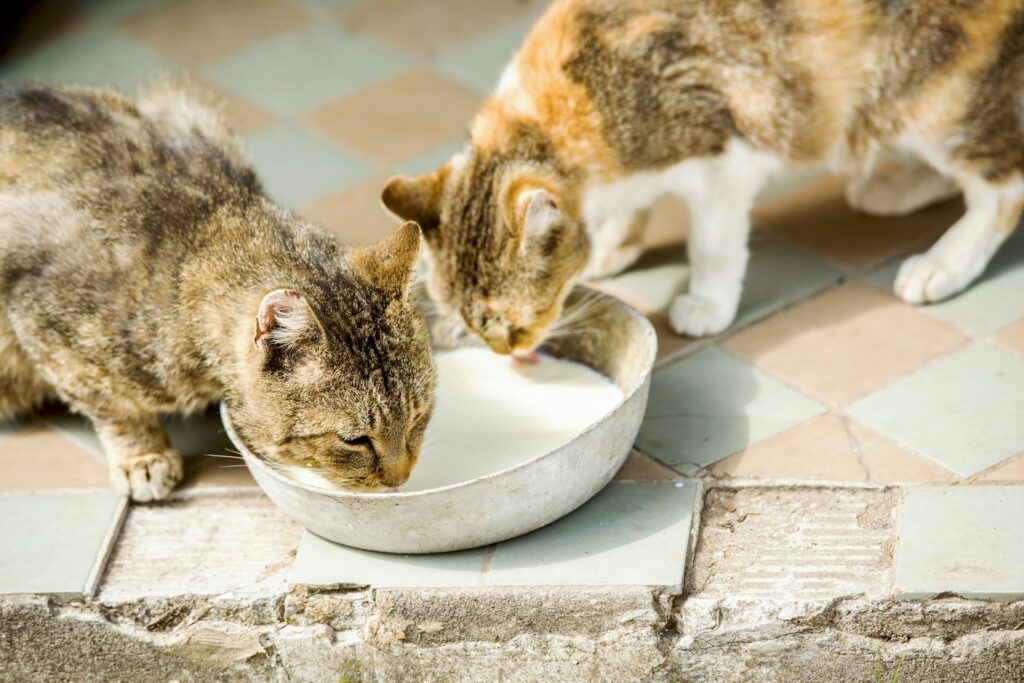
The single most important thing you can do during hot weather is keep your cat hydrated. That means more bowls, in more places, refreshed more often than you’d think necessary. Cats are notoriously fussy drinkers, and a bowl of tepid water that’s been sitting since breakfast is unlikely to tempt them.
Place bowls in shaded spots, both indoors and out. Ceramic or stainless steel holds the cool better than plastic, and the RSPCA suggests dropping an ice cube or two in on the hottest afternoons to encourage a reluctant drinker. Some cats prefer running water and will happily lap from a pet fountain when they’d ignore a still bowl entirely.
Be aware of the signs of dehydration, too. According to the Cornell University College of Veterinary Medicine, the chief signs are lethargy, weakness, poor appetite, dry mucous membranes, and, in more severe cases, eyes that appear sunken in their sockets. A simple test is to gently lift the skin between your cat’s shoulder blades; in a well-hydrated cat it’ll snap back immediately, while in a dehydrated cat it’ll stay tented for a beat too long. Worth noting that older cats can show reduced skin elasticity even when properly hydrated, so the test is more useful for younger cats.
Keep Up A Good Grooming Schedule
Preparation matters as much as response, and grooming is where that begins. Long-haired cats in particular benefit from regular brushing through the warmer months, helping them shed their thicker winter coat in favour of cooler summer fur.
Without this intervention, all that loose hair gets ingested during self-grooming, and the result is hairballs that can cause genuine digestive problems. A few minutes of brushing every couple of days is usually enough to make a real difference, both to your cat’s comfort and to the amount of fur eventually accumulating behind the sofa.
What you shouldn’t do is shave your cat. Their coat actually insulates them against heat as well as cold, and a close shave removes that protection while exposing skin to potential sunburn. Pale-eared and white cats in particular are vulnerable to skin damage; a vet-recommended pet-safe sunscreen on the ear tips and nose is a sensible precaution during sustained sunny spells.
Cool The House, Not Just The Cat
For indoor cats, the home becomes the entire environment, and during a heatwave that environment needs managing. Close curtains or blinds on south-facing windows during the hottest part of the day. Open windows at night when temperatures drop, and shut them again before the sun starts climbing.
A fan is a reasonable option for moving air around, though cats don’t cool down the way we do, so its main benefit is improving ventilation rather than acting as direct relief. Placing a frozen water bottle wrapped in a tea towel in your cat’s favourite resting spot creates a cool surface they can choose to lean against. Ceramic tiles in bathrooms and kitchens are usually the coolest spots in the house, and cats tend to find them on their own.
If you’re using air conditioning, avoid blasting it directly at where your cat sleeps. Like us, they appreciate cool but not a stream of cold air aimed at their face for eight hours.
Don’t Lock Them Out, Or In
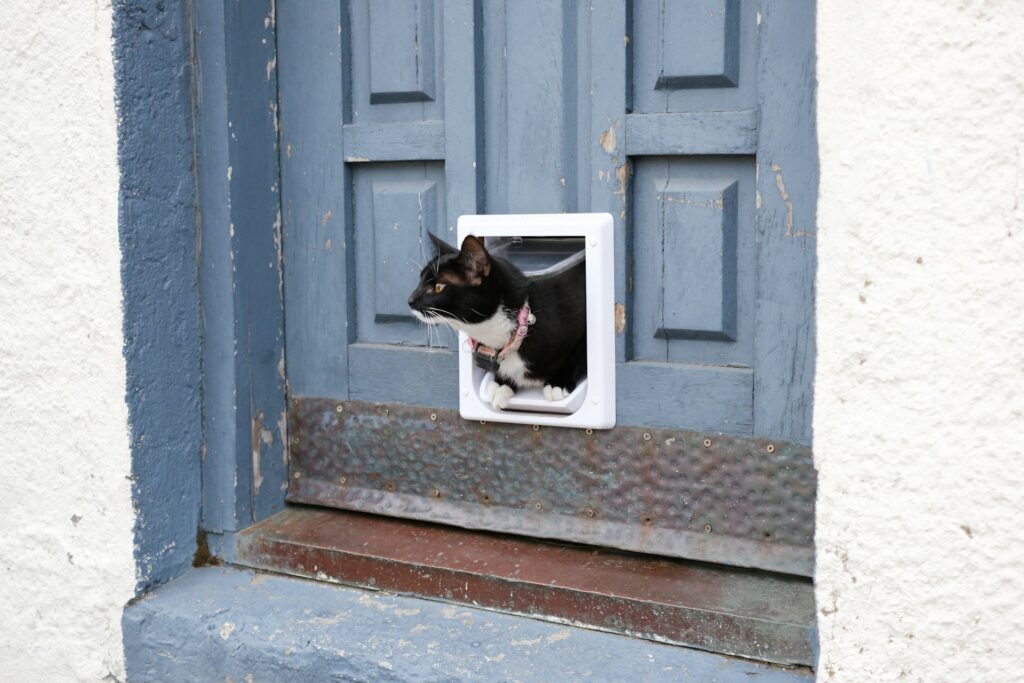
For outdoor cats, the freedom to come and go is essential during hot weather. Try to keep cats inside during the hottest parts of the day, between roughly 11am and 4pm, and always make sure they can get back inside easily if they do venture out.
A cat flap installed before the height of summer is a sensible investment, particularly if you live somewhere where afternoon temperatures regularly climb beyond comfortable. Double-check sheds, greenhouses and garages before closing doors, too. According to the RSPCA, cats can find their way into warm areas looking for a cosy spot and get trapped, with shed and conservatory temperatures climbing to a fatal 47°C even when it’s only 22°C outside. It’s an entirely preventable problem, but one that catches people out every summer.
Know The Signs Of Overheating
Sometimes, despite your best efforts, a cat overheats, and knowing what to look for is the best way to stop a difficult afternoon becoming an emergency.
A cat suffering from heat stress may pant or drool, which is unusual in cats and almost always significant. They might breathe heavily through an open mouth, seem restless and unable to settle, or conversely become unusually lethargic. In more serious cases you might notice confusion, vomiting, dizziness, a stumbling gait, or in the worst scenarios a seizure. Their gums may appear unusually red or, conversely, pale.
If you spot any of these signs, the PDSA’s first-aid advice is to move your cat to a cool, shaded area, offer water but don’t force them to drink, and gently pour cool tap water over their body, taking care to keep it away from the nose and mouth. Create a breeze with a fan or by opening doors and windows. Avoid ice baths and ice-cold water, which can cause shivering and shock. The RSPCA also advises against placing damp towels directly on a cat’s body, since this can trap heat; place them beneath the cat instead. Then call a vet immediately. Heatstroke in cats can progress quickly, and what looks like mild distress can become critical within hours.
Pay Extra Attention To Vulnerable Cats
Not every cat is equally at risk in hot weather. Senior cats, kittens, those with existing heart or respiratory conditions, and overweight cats all struggle more than a healthy adult in their prime.
Flat-faced breeds such as Persians and British Shorthairs are particularly vulnerable; their compressed airways make panting less effective at shedding heat, and what would be uncomfortable for another cat can become genuinely dangerous for them. If you share a home with any of these cats, dial up the vigilance during sustained hot weather and keep them indoors during peak afternoon heat.
Some Questions Worth Asking
At what temperature should I start worrying about my cat? There’s no single trigger temperature, but sustained heat above 30°C combined with poor ventilation or lack of shade is when problems escalate, particularly for kittens, seniors, overweight cats and flat-faced breeds.
What are common signs of illness in cats? Lethargy, reduced appetite, hiding more than usual, changes in drinking or litter tray habits, dull coat, and unexplained weight loss are the main ones, several of which can overlap with heat stress.
Should I shave my long-haired cat in summer? No. Their coat insulates against heat as well as cold, and shaving exposes skin to sunburn. Stick to regular brushing.
Is it safe to give my cat ice cubes or cold water? A cube or two in the water bowl is fine and often encourages drinking. For an overheated cat, the RSPCA and PDSA both recommend cool tap water poured gently over the body, but avoid ice baths or ice-cold water, which can trigger shivering and shock.
Can indoor cats get heatstroke? Yes. Conservatories, sunlit rooms with the windows shut, and poorly ventilated flats can climb well above the outside temperature, and indoor cats have nowhere cooler to retreat to. The same precautions around hydration, ventilation and shaded resting spots apply.
The Bottom Line
The British climate is changing, and our cats are along for the ride whether they signed up for it or not. What was once a once-in-a-decade scorcher is increasingly a regular feature of the calendar, and the habits worth building now will serve you well for every summer that follows.
Plenty of water, a cool indoor environment, grooming kept on top of, and a watchful eye for the signs something isn’t right. None of it is complicated, and all of it makes the difference between a cat who sees out a heatwave with the air of mild inconvenience they reserve for most things, and one who ends up at the emergency vet on the hottest day of the year.
*The advice in this article is intended as general guidance only and isn’t a substitute for veterinary care. If you suspect your cat is suffering from heatstroke, dehydration or any other heat-related illness, contact your vet immediately.*