Britain’s relationship with alcohol is changing. Not in the dramatic, overnight way that headlines love to suggest, but in the kind of steady, measurable shift that eventually becomes impossible to ignore. Fewer people are drinking, those who do are drinking less, and the social pressure to keep up round for round is loosening its grip.
The 2025 Drinkaware Monitor, the UK’s only nationally representative survey of adult drinking habits, found that 64% of drinkers who are currently cutting back cite health concerns as their reason, while 44% of those aged 18 to 34 say saving money is a key motivator. Binge drinking has dropped from 15% in 2018 to 11% in 2025, and more drinkers than ever report staying within the Chief Medical Officers’ low-risk guidelines. The shift is rippling through social circles too; one in five UK drinkers knows someone who is trying to cut back, and more than half of those say it has changed how they think about their own drinking.
Whether you’re looking to quit entirely or simply drink less and drink better, it’s eminently possible to negotiate a social life that doesn’t revolve around rounds at the bar. With that in mind, here’s how to navigate through a no or low alcohol life.
Find Your Fave Low Or No Drink
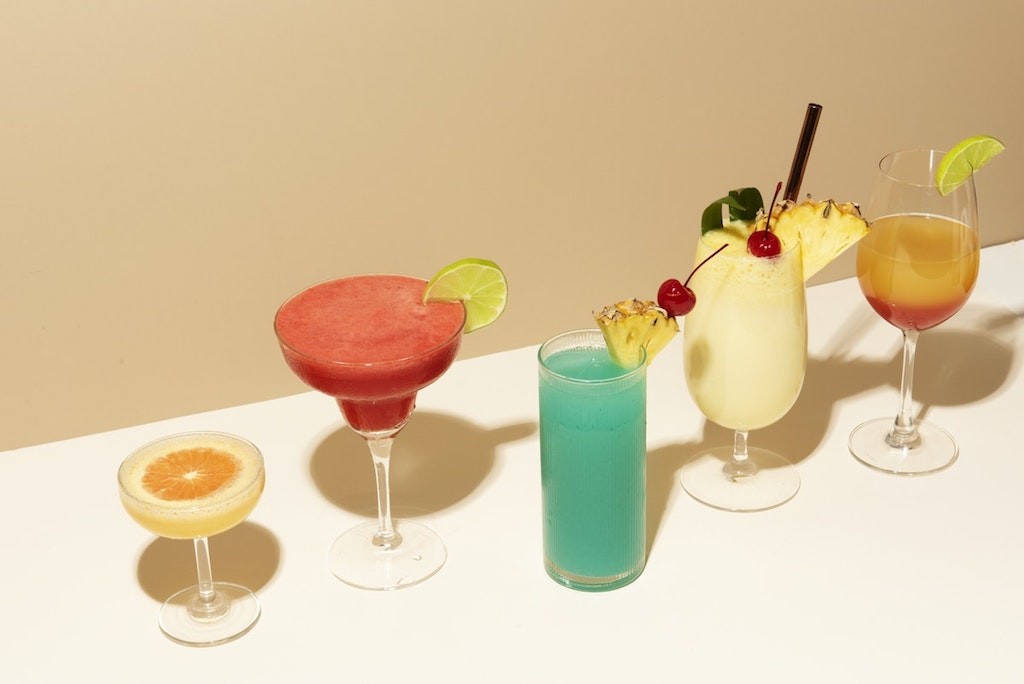
The low and no alcohol drinks market has exploded in recent years, and the options available now bear little resemblance to the token alcohol-free lagers of a decade ago. Around a quarter of on-trade visits in the UK now include no alcohol at all, according to industry data, and producers across every category are investing heavily in quality.
In London, The Lucky Saint in Marylebone, opened by the alcohol-free beer brand of the same name, serves as a fully functioning pub where 0% options sit front and centre alongside a curated selection of low and full-strength drinks. Redemption, also in London, operates as a completely sober and plant-based bar, while SOBR in Aberdeen launched in late 2025 as Scotland’s first dedicated alcohol-free venue, serving everything from non-alcoholic cocktails to functional drinks made with ingredients like lion’s mane. It’s a far cry from the old model of a single dusty bottle of Beck’s Blue behind the bar, and craft breweries such as St Austell, Northern Monk and Verdant are producing alcohol-free IPAs and lagers that rival their boozy counterparts.
Once you’ve found your favourite low or no beverage, the pressure to drink when out with friends feels a lot less pervasive. And the best part? You can enjoy these very grown-up drinks without the hangover.
It should be mentioned that for those with a more serious alcohol dependency, low or no alcohol drinks may actually make problems worse, with experts believing that near beers and mocktails may actually cause temptation to increase in problem drinkers. Instead, try to nurture a completely drug and drink free lifestyle. It’s also important to be aware that, for those with a serious alcohol dependence, quitting cold turkey without assistance can be dangerous.
Change The Way You Define Fun
Not every social gathering needs to come with a pint in hand, even if it’s an alcohol-free one. In fact, some of the most rewarding occasions can be enjoyed to their fullest without any drink at all.
Deciding to embrace a rich and varied social life beyond pubs and bars can actually be incredibly liberating, and you may well find your social circle expands rather than tightens as a result. Sign up for a local arts and crafts class, attend poetry readings, go to exhibitions, take up Zumba, join a five-a-side football team, sing in a choir. Once you put down your pint glass, you’ve got both hands free to embrace a sober life.
And sure, there are still going to be times when you’re keen to get dressed up and hit the town. Rather than leaving the party planning to your friends, why not host a party yourself, keeping it a low alcohol or alcohol-free event?
Finding Your Own Balance With Less
Not everyone wants or needs to give up alcohol completely, and framing sobriety as an all-or-nothing proposition can put people off making positive changes altogether. For many, the goal is simply to consume less, be more mindful about when and why they drink, and feel better for it.
The concept of ‘zebra striping’, alternating between alcoholic and non-alcoholic drinks on a night out, has gained real traction in recent years, particularly among younger drinkers. It’s a practical, low-pressure approach that lets you stay social without writing off the next morning. Similarly, the growing popularity of those mini and low-ABV serves in bars means you can order something interesting and well-made without committing to a full-strength cocktail.
Start paying attention to how different levels of consumption actually make you feel. A couple of glasses of wine with dinner on a Saturday might sit comfortably in your life; the midweek bottle finished on autopilot probably doesn’t. The distinction matters, and once you start noticing it, moderation tends to feel less like deprivation and more like common sense.

Rethink FOMO
Sometimes, FOMO can feel like it’s physically lifted you off your sofa and willed you into the pub. It’s worth asking yourself what you’ll really be missing out on: a hangover, a memory blackout, the risk of disgracing yourself, several hundred pounds spent?
Instead, cherish the positive changes that sobriety or moderation can bring, such as a clearer, more radiant complexion, a better quality of sleep, improved confidence, and a healthier bank balance to boot.
A word on that bank balance: according to NimbleFins, the average UK household spends around £800 a year on alcohol. But heavier drinkers spend considerably more. If you were to consistently have three or four drinks a day, that figure could easily be tripled. Now, imagine what you could be spending that money on if you weren’t drinking it.
What were you afraid of missing out on again?
Read: 5 Amazing Benefits Of Quitting Alcohol Today
Be Kind To Yourself On The Hard Days
Reducing your drinking or going alcohol-free isn’t a linear process, and there will be days when the pull of old habits feels stronger than your resolve. That’s completely normal. What matters is how you respond to those moments, not whether they happen at all.
If you slip up, resist the urge to catastrophise. One drink doesn’t undo weeks of progress, and beating yourself up about it only makes the next attempt harder. Instead, treat setbacks as data. What triggered the urge? Were you tired, stressed, bored, lonely? Understanding your patterns is far more useful than punishing yourself for having them.
Build small rituals that support the life you’re trying to create. A stiff non-alcoholic drink at the end of the working day, a walk after dinner instead of reaching for the wine, a podcast or book that genuinely holds your attention during the hours you’d normally be drinking. These aren’t dramatic gestures, but over time they reshape the architecture of your evenings in ways that make moderation or sobriety feel sustainable rather than like a constant act of willpower.

Find Companionship In The Community
The recovery community is an incredibly supportive one. Should you be finding it hard to socialise with old friends without alcohol, rest assured that opportunities for companionship are abundant in the UK’s proudly alcohol-free spaces.
To name just a few: Living Sober is a worldwide support system, Soberistas and One Year No Beer both require membership but offer diverse community-based encouragement, and the Reddit community /r/stopdrinking is perhaps the most populated online support group in the world. There are also loads of supportive Facebook groups out there, including Be Sober, This Naked Mind and Club Soda Together, all with thousands of active members.
For those who need more structured support, dayhab also includes online rehab options, providing a way to access professional guidance and community without the need to step away from daily life. It can be a particularly valuable resource for anyone looking to build accountability and fight off relapse in a flexible, accessible format.
Within one or all of these communities, you’ll find invaluable encouragement and support from others trying to cut down or quit.
The Bottom Line
You don’t need to overhaul your entire personality to drink less or stop drinking altogether. What you do need is a handful of practical strategies, a bit of self-compassion and the knowledge that millions of people across the UK are making the same shift. The infrastructure is there now in a way it simply wasn’t five years ago, from genuinely good alcohol-free drinks to thriving online communities and professional support options. Start where you are, find what works and give yourself permission to figure the rest out as you go.
*This article is not intended to replace medical advice, diagnosis or treatment given by a qualified mental health professional. Instead, this article only provides information, not advice. For any medical enquiries, always consult your GP first. What’s more, the NHS have a page dedicated to Alcohol Support, including help with finding alcohol addiction services in your area. Do check it out*