Most British gardens get abandoned somewhere around October. The furniture goes into storage, the cushions come inside, and the space you spent all summer enjoying becomes little more than a view from the kitchen window. But with some thoughtful additions, that neglected patch can earn its keep through the colder months too.
The trick isn’t to fight the seasons but to work with them. A garden that functions in winter needs shelter, warmth and a reason to step outside even when the temperature drops and daylight disappears by late afternoon. Here’s how to make that happen.
Start With Shelter
Covered Structures & Garden Rooms
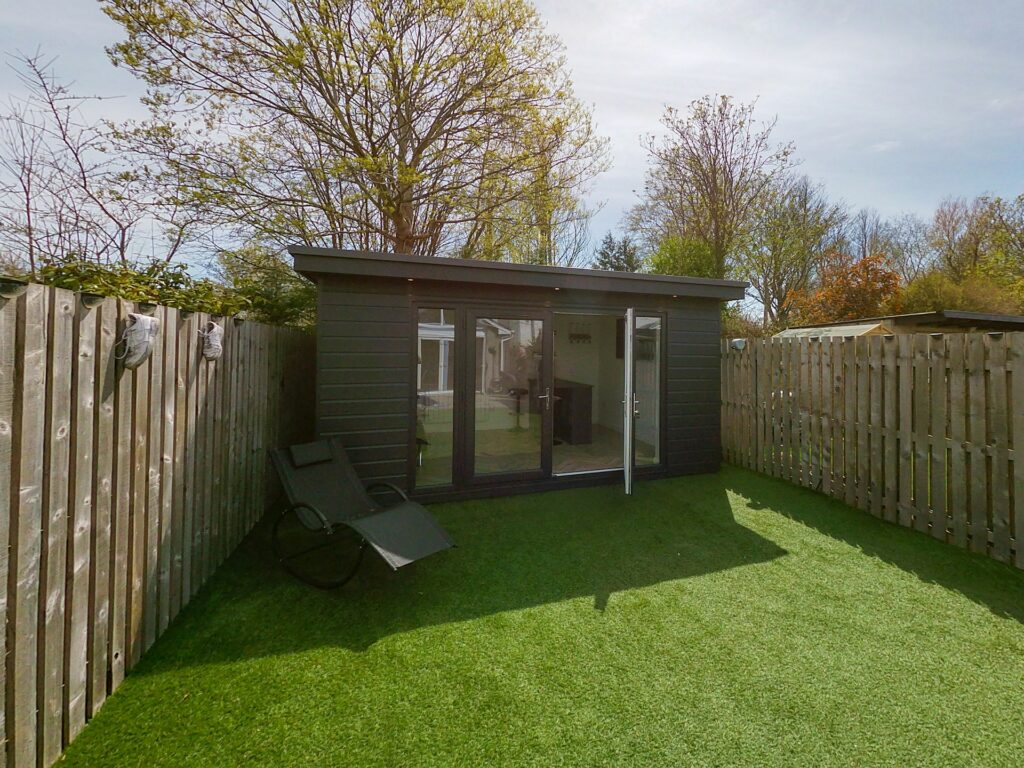
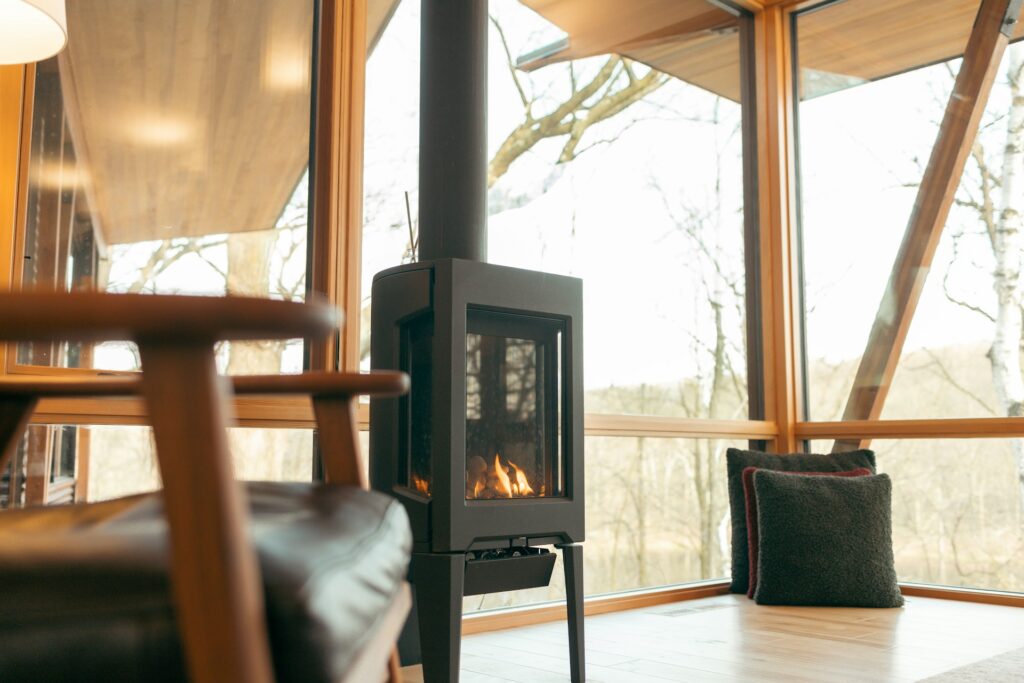
Year-round use starts with protection from the elements. Insulated garden rooms are the most effective solution if budget allows. Whether used as a home office, reading room or simply somewhere to sit with a coffee on a grey morning, these structures extend your living space without requiring planning permission in most cases. Modern options come with double glazing, proper insulation and heating as standard, making them comfortable even in January.
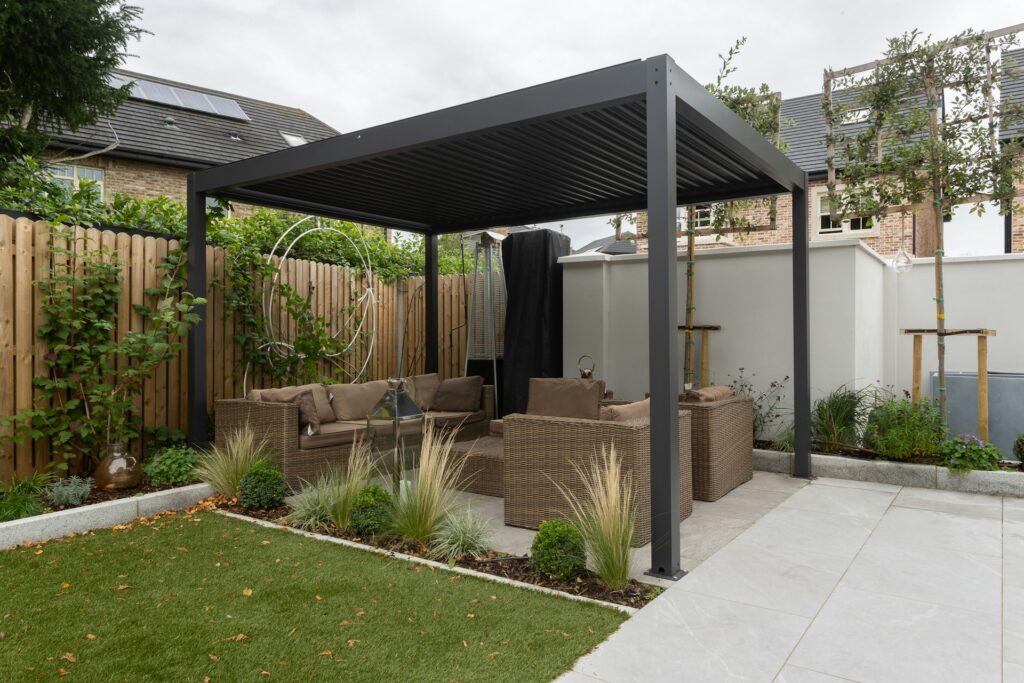
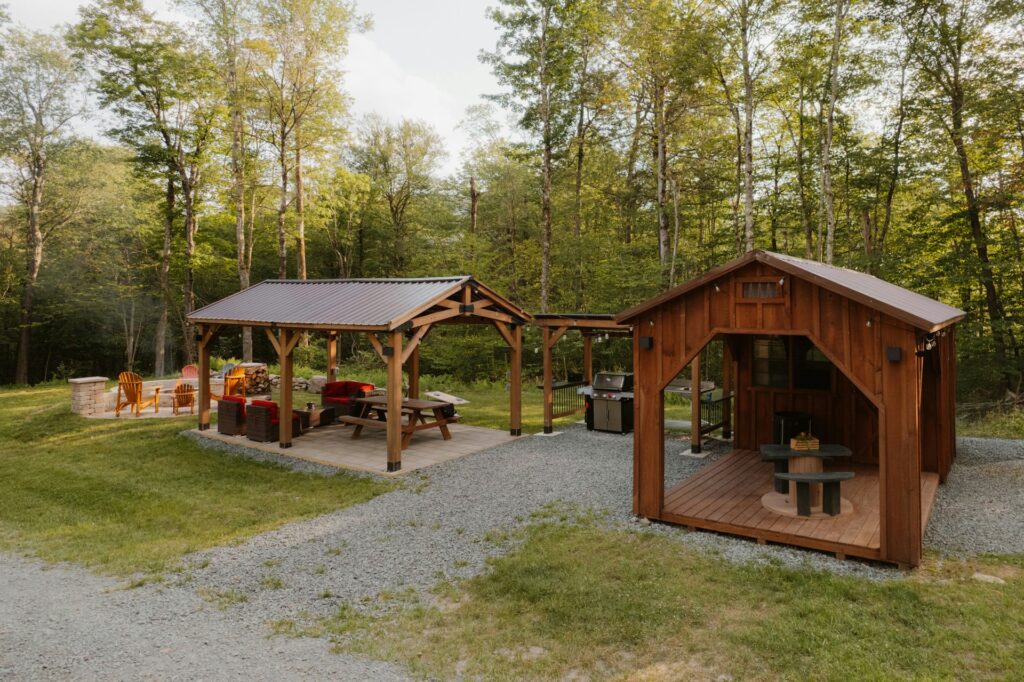
If a full garden room feels like overkill, a pergola with a retractable roof or adjustable louvres offers flexibility. You get shade and shelter when needed, open sky when the weather behaves. Sliding panels or canvas walls can add privacy and block wind without making you feel boxed in. Even a simple canopy over a seating area extends its usability by weeks at either end of the season.
Materials That Last
Choosing the right materials matters more than you might think. Timber-framed canopies bring warmth and soften modern settings. Aluminium frames and polycarbonate roofing handle rain and temperature swings without warping or staining. Green roofs offer insulation and help manage rainwater, though they require a bit more commitment.
The goal is shelter that feels deliberate rather than bolted on as an afterthought. Something that belongs in the space, not something you tolerate because it keeps the rain off.
Add Warmth
Heating Options
Outdoor heating transforms how often you actually use your garden in winter. The right choice depends on how you want the space to work.
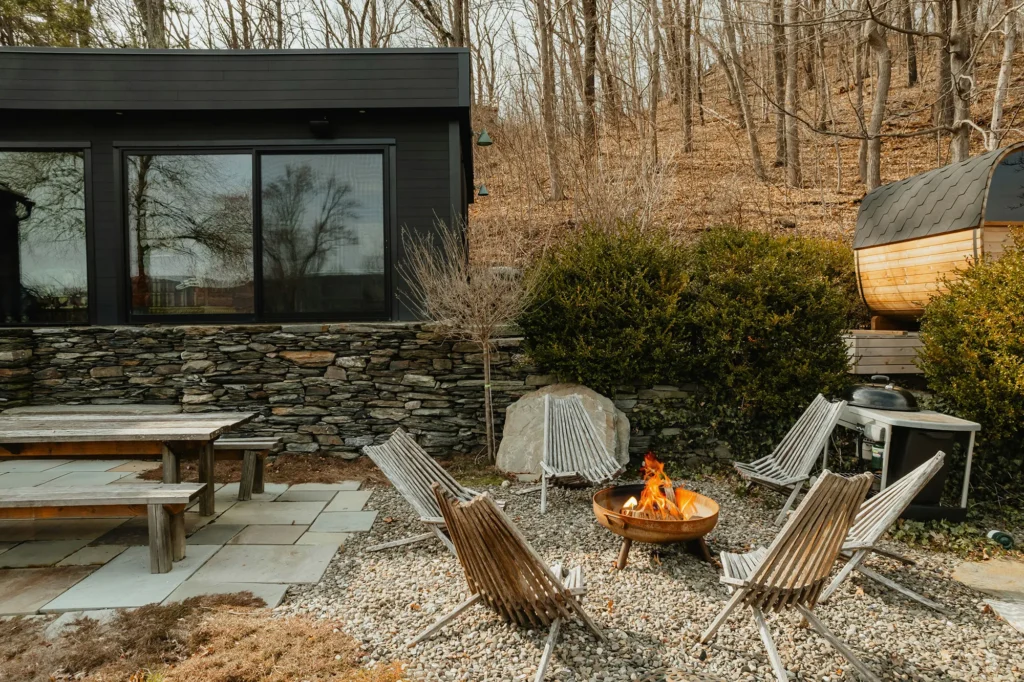
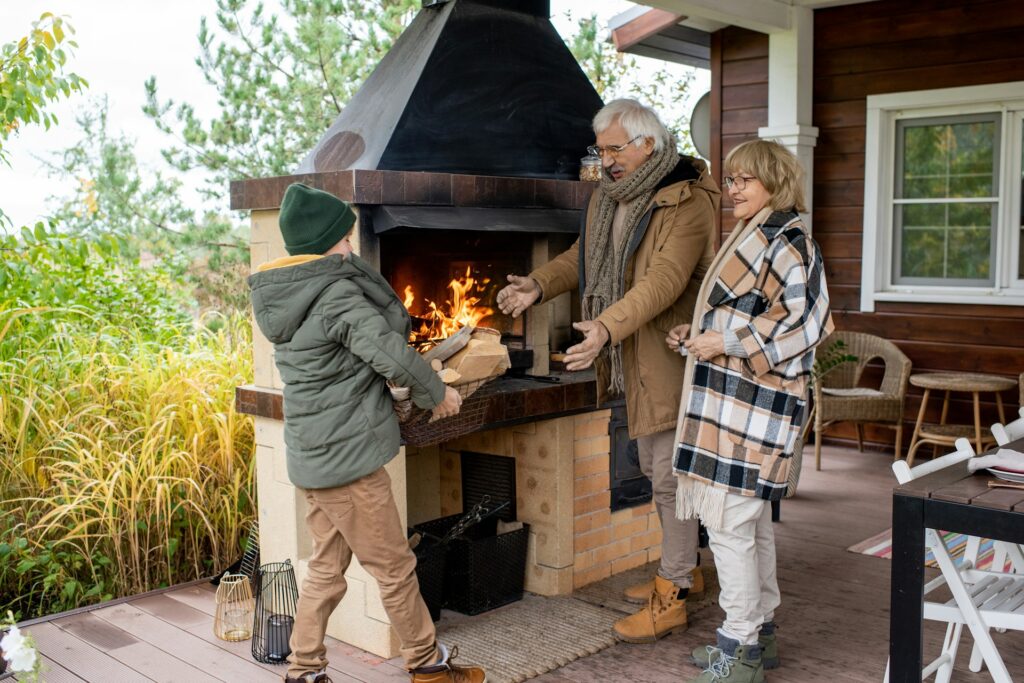
Fire pits create a natural gathering point and add atmosphere on cold evenings. There’s something about an open flame that makes sitting outside in December feel intentional rather than eccentric. Freestanding patio heaters offer flexibility and can be repositioned as needed. Built-in systems like under-patio heating keep things seamless but require more upfront investment.
Positioning matters. Place heat sources near seating and away from draughts. A heater in the wrong spot wastes energy and leaves you cold.

Insulation & Weatherproofing
If you have a garden room or covered structure, insulation makes the difference between a space you use and one you avoid. Look for thermally efficient walls and roofs, ideally with SIPs or similar construction. On the floor, composite decking or treated timber handles moisture and wear far better than standard options.
Soft furnishings help too. Outdoor rugs, thick curtains and weather-resistant cushions add comfort and retain warmth. Draught-proofing doors and windows with proper seals or thermal blinds makes a noticeable difference when temperatures drop. These small details are often what separates a garden room you retreat to from one that gathers dust until spring.
Get The Lighting Right
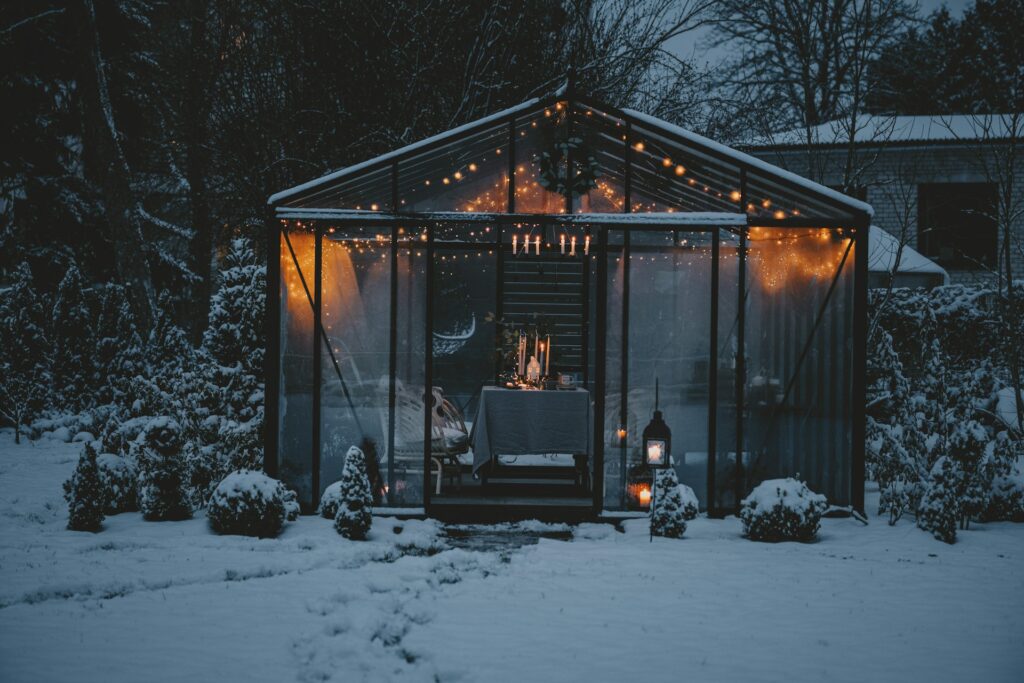
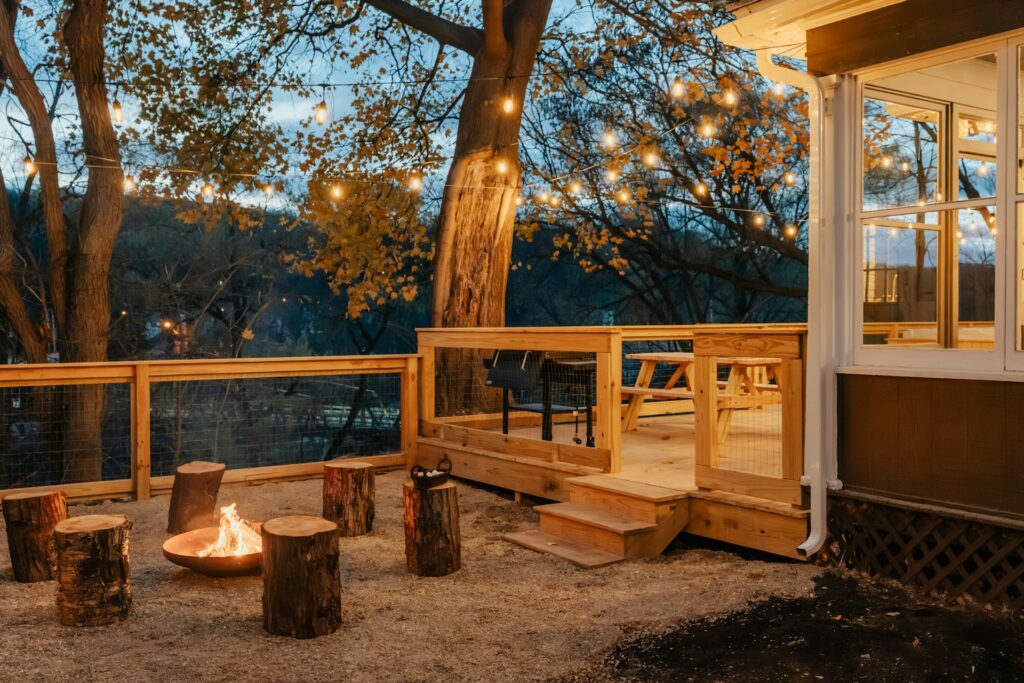
Once the clocks go back, your garden disappears by 4pm unless you light it properly. This is non-negotiable for winter use. Solar path lights offer function without wiring, though their effectiveness drops when daylight hours shorten. Low-voltage spotlights can pick out key features or define the edges of a seating area. Statement pieces like pendant bulbs over a table or lanterns hung from branches add atmosphere and make the space feel considered.
Warmer light temperatures tend to feel more inviting, particularly against timber or textiles. A well-lit garden isn’t just prettier after dark. It’s safer, more usable and more likely to draw you outside when every instinct says stay in.


Use Zoning To Your Advantage
Even a modest garden benefits from intentional zoning. Separating areas by use gives the space structure and makes it easier to maintain through the messier months.
A sheltered corner with seating becomes your default spot for morning coffee. A covered dining area means you can eat outside even when the forecast is uncertain. Raised beds or planters can act as soft boundaries between zones without blocking light or sightlines.
Built-in benches with storage underneath keep cushions, throws and garden games tucked away but accessible. The less friction there is to using the space, the more often you will.
Keep It Green
A garden that looks dead from November to March isn’t one you’ll want to spend time in. Planting with the seasons in mind keeps things interesting even in the depths of winter.
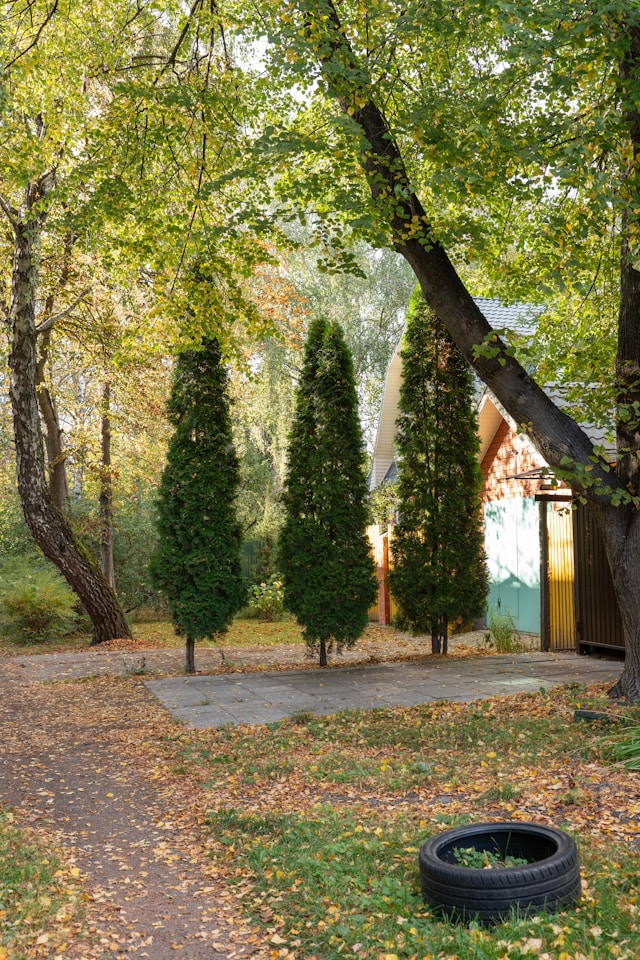
Evergreens provide structure and colour when everything else has died back. Winter-appropriate planting means there’s always something worth looking at, whether that’s the bright stems of dogwood, the texture of ornamental grasses or the unexpected colour of winter-flowering shrubs. Come spring, bulbs and perennials fill in the gaps.
Biophilic design principles suggest that simply being around greenery improves mood and reduces stress — something worth remembering when January drags. Native species attract pollinators and require less maintenance than exotics. Climbing plants soften hard edges and add privacy without eating into floor space.

The Bottom Line
A garden that works only in summer is a garden that sits empty for half the year. With decent shelter, a heat source and proper lighting, yours can become a genuine extension of your living space rather than something you admire through glass while the rain batters down. The investment doesn’t need to be enormous.
Start with the basics, add layers as budget allows, and you’ll find yourself outside far more often than you expected — even when the weather gives you every reason to stay indoors.