
As post-pandemic business travel predictions become old hat and we cast our gaze towards the rest of 2026, the corporate trip looks markedly different from even a couple of years ago.
Global spending is on track to hit $1.69 trillion according to the GBTA, budgets are ticking upwards for a third consecutive year, and yet the trips themselves have changed. Fewer of them, for a start. Longer, too. And with a sharper sense of purpose behind each one. With that in mind, here are 11 trends reshaping how we travel for work this year.
The Rise Of Bleisure Travel
The biggest shift in corporate travel culture isn’t a new technology. It’s a new attitude. Bleisure, the practice of bolting personal leisure time onto the end (or the beginning, or both) of a business trip, has moved from novelty to norm.
According to the GBTA, 43% of corporate travel programmes now have formal bleisure policies in place, while research from Navan and Skift found that 55% of business travellers took at least two blended trips in 2024. The bleisure market itself is projected to surpass $960 billion in 2026.
For employers, the incentive is clear: bleisure boosts satisfaction, aids retention, and often reduces costs, since weekend hotel stays frequently come in cheaper than Friday evening flights home. For the rest of us, it means the chance to actually see Barcelona rather than just its convention centre. Companies that don’t accommodate this shift risk losing talent to those that do.

AI-Driven Personal Travel Assistants
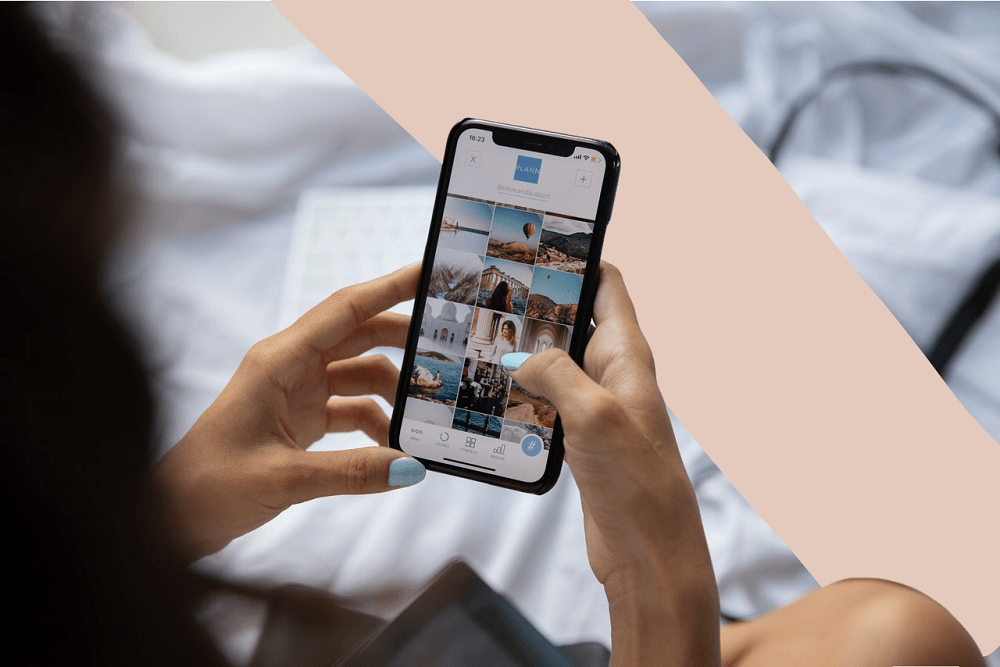
In the realm of personalisation, AI has taken a significant leap forward. The latest travel assistant apps, powered by sophisticated algorithms, are now capable of curating end-to-end travel experiences. These apps consider past behaviour, current context, and even the traveller’s preferences gleaned from social media sentiment analysis to suggest not just flights and accommodation but dining, entertainment, and local transport options.
The real change in 2026, though, is how AI has moved beyond recommendations and into active management. Generative AI tools now handle expense categorisation, flag policy violations before bookings are confirmed, and draft post-trip reports. Deloitte’s 2026 Travel Industry Outlook identifies generative AI as a defining force in travel shopping, even as full integration between commerce and content remains a work in progress. Expect your travel app to know you want a window seat on the quiet carriage, a room away from the lifts, and a table at a restaurant with vegan options, all without having to ask.
The Expansion Of The E-Passport Ecosystem
The digitalisation of travel documents is accelerating, with e-passports becoming more widely accepted. Biometric data embedded in these passports continues to streamline international travel, reducing wait times and enhancing security.
Countries are expanding their e-gate facilities, allowing business travellers to breeze through immigration and customs, making cross-border travel for meetings and conferences faster and more efficient than ever. The result? A same-day return from London to Paris or Amsterdam feels less like an ordeal and more like commuting.
Rail As A Strategic Business Travel Choice
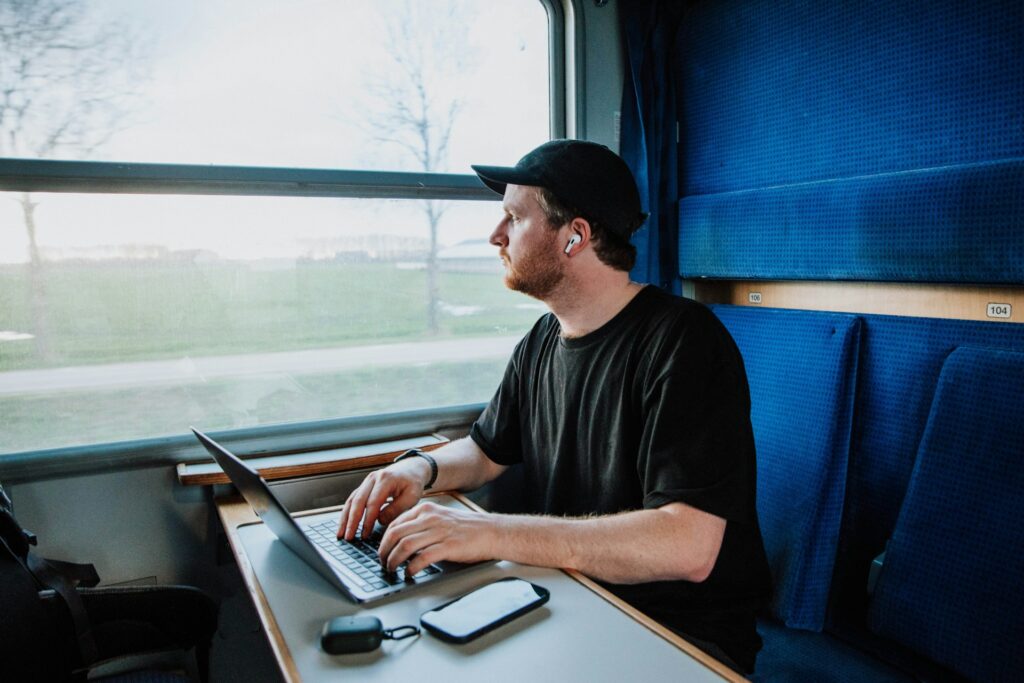
One of 2026’s most significant shifts is the growing preference for rail over short-haul flights. This isn’t just environmental posturing. It’s a practical calculation. Rail journeys between major European business hubs now compete on total journey time when you factor in airport check-in, security, and transfers. They also offer something planes can’t: productive, uninterrupted working time. No turbulence, no seatbelt sign, no being told to close your laptop during descent.
Reed & Mackay’s Business Travel Trends 2026 report identifies rail as an emerging strategic choice for cost, comfort, and carbon savings. With the EU’s Corporate Sustainability Reporting Directive now requiring companies to disclose Scope 3 emissions, which includes business travel, rail is becoming the default for routes where it makes sense. London to Paris, Amsterdam to Brussels, Munich to Vienna: these are increasingly rail-first corridors for the corporate traveller.

The Digital Nomad Visa Boom
With remote work a mainstay, countries are competing harder than ever to attract digital nomads. As of 2026, more than 60 countries now offer dedicated digital nomad visas, up from a handful just five years ago. Spain tops most rankings, thanks to its Entrepreneur visa offering up to five years’ residency and favourable tax treatment under the Beckham Law. New entrants include Slovenia, Moldova, Bulgaria, Nepal, and the Philippines, each pitching affordability, lifestyle, or strategic location as their selling point.
For Brits considering a move, Portugal’s D8 visa remains a strong option, with a clear pathway to permanent residency. Thailand, too, has expanded its offering through the Destination Thailand Visa, a five-year permit allowing 180-day stays and a significant development for the country’s established expat and remote worker community. The broader picture? Governments no longer see mobile professionals as a regulatory headache. They see them as an economic asset.
The Evolution Of Co-Working Spaces
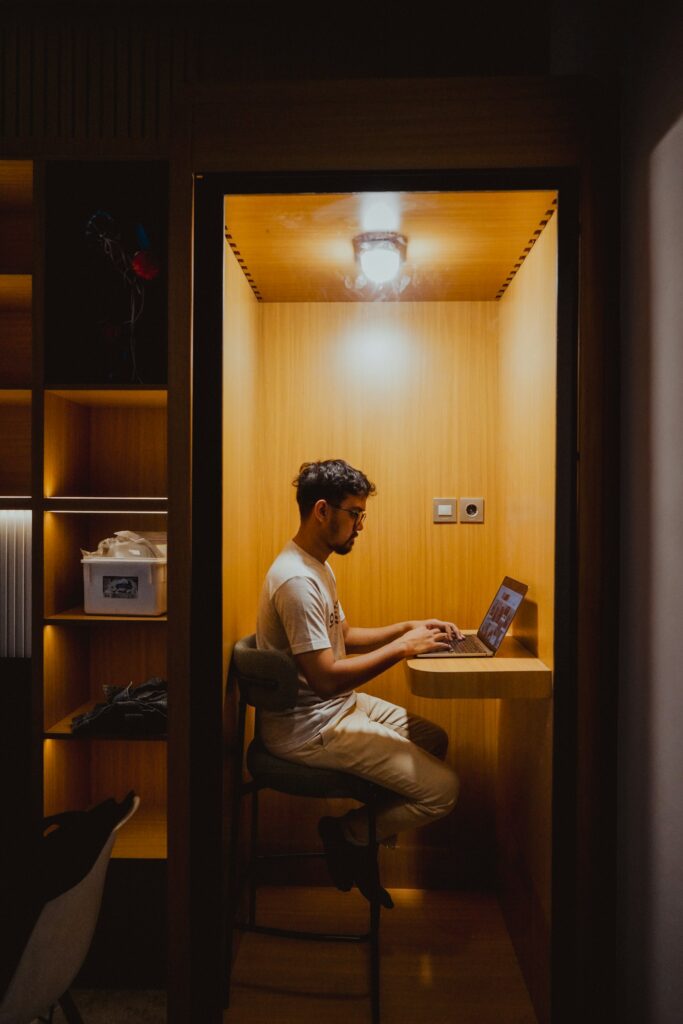
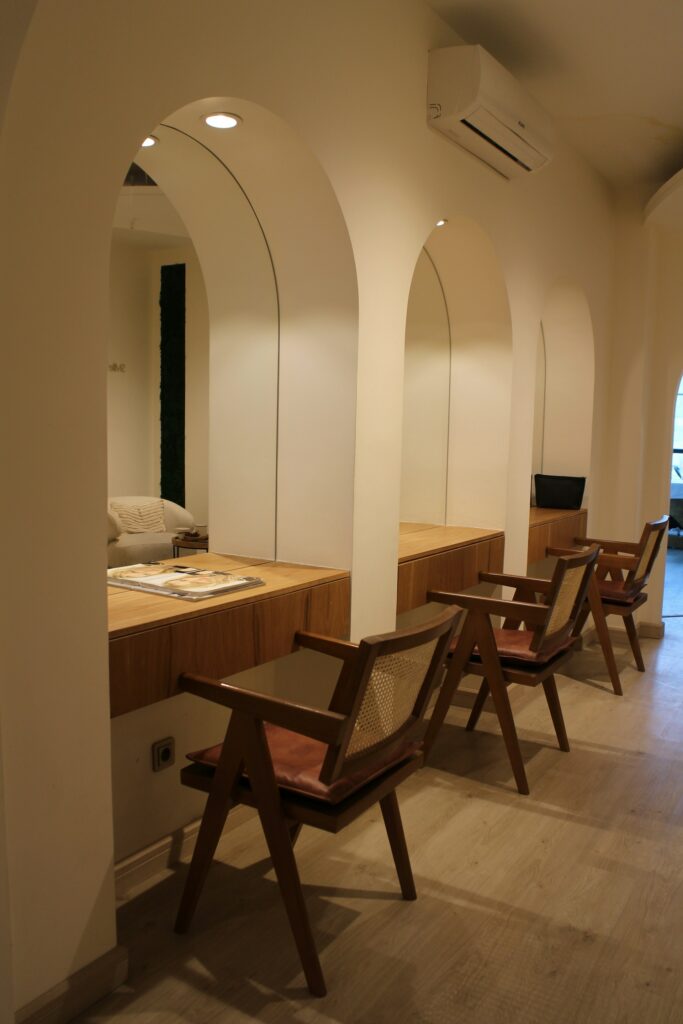
Co-working spaces have matured well beyond the shared desk and free coffee model. In 2026, these spaces cater specifically to business travellers, offering flexible work environments in prime city-centre locations with high-speed internet, bookable meeting rooms, and professional-grade AV setups.
Hotels are getting in on the act too. The line between hotel lobby and co-working lounge has blurred considerably, with major chains now offering day passes for non-guests and designing public areas around the needs of people who want to work, not just wait. For the business traveller, this means less reliance on cramped hotel rooms and airport lounges, and more options for productive work in environments actually designed for it.

Carbon Budgets & Sustainability Mandates
Sustainability has moved from corporate aspiration to regulatory requirement. In the EU, the CSRD now demands that companies disclose the environmental impact of their travel programmes, including flights, accommodation, and ground transport. According to FCM Travel’s 2026 report, 20% of travel buyers now have specific carbon-reduction targets tied to business travel, while nearly 60% of travellers say they’re concerned about the carbon footprint of their work trips.
Carbon offsetting subscriptions remain part of the picture, but they’re no longer the whole answer. Companies are building carbon budgets into travel policies, using supplier scorecards to assess the environmental credentials of airlines and hotels, and actively steering employees towards rail and eco-friendly destinations where the option exists. It’s not just about neutralising damage anymore. It’s about reducing it at source.
The Rise Of Smart Hotels
The hotel industry’s tech transformation continues to accelerate. In 2026, IoT-enabled rooms allow guests to control lighting, temperature, and entertainment via smartphone or voice command. Facial recognition technology is increasingly used for secure, contactless check-in, while smart meeting rooms are bookable with a few taps.
The real change, though, is in how hotels use data. Properties now tailor the guest experience based on loyalty programme preferences and past stays, adjusting everything from pillow firmness to minibar contents before arrival. For business travellers who might spend 50 or more nights a year in hotels, this kind of personalisation makes a material difference to comfort and productivity. And let’s be honest, to sanity.
Personalised Corporate Travel Management
End-to-end management for business trips has evolved into something far more strategic than booking flights and hotels. In 2026, these services leverage data analytics to provide real-time insights into travel spend, traveller behaviour, and policy compliance. They negotiate bespoke deals with providers, manage duty of care obligations with real-time employee tracking and 24/7 support, and increasingly use AI to automate approvals and flag cost-saving alternatives.
The shift, according to Deloitte’s 2025 Corporate Travel Study, is away from granular oversight of individual trips and towards governance-level strategy. Companies are less interested in micromanaging each booking and more focused on whether their overall travel programme delivers measurable business outcomes: new clients won, deals closed, relationships maintained.
Health & Wellness Itineraries
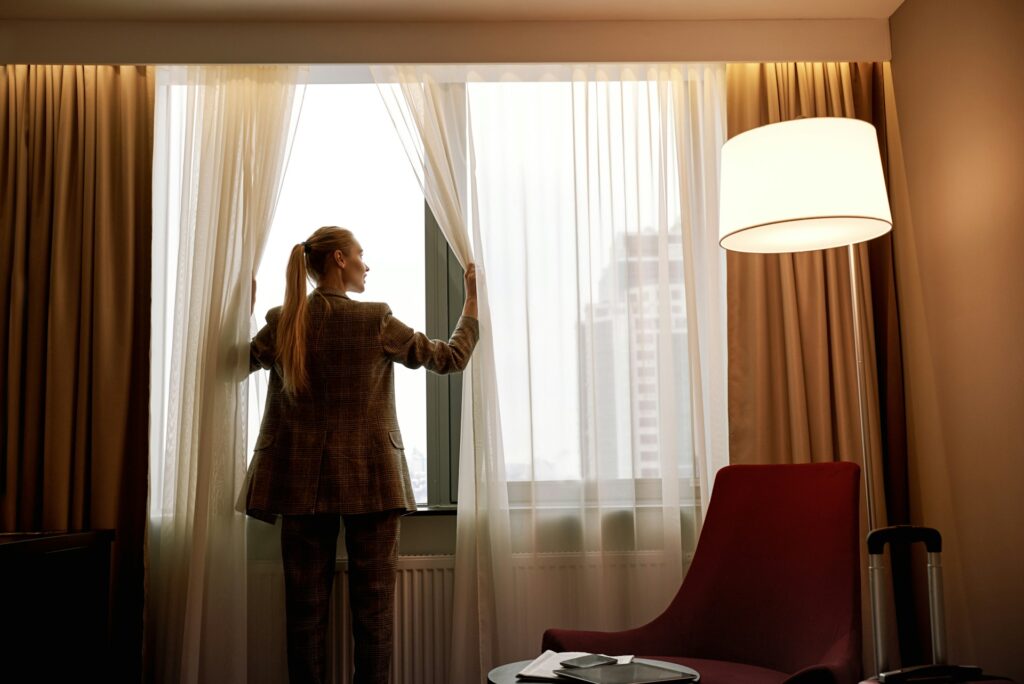
The focus on physical and mental wellbeing within corporate travel has sharpened considerably. Companies are not just providing access to fitness centres; they are integrating wellness into the travel itinerary itself. This includes building in downtime between meetings, booking accommodations that offer sleep optimisation programmes with circadian lighting and blackout technology, and selecting hotels with genuine wellness facilities rather than a neglected basement gym.
Research consistently shows that well-rested, less stressed employees perform better in meetings, and companies are beginning to treat traveller wellbeing as a productivity investment rather than a perk. The old expectation that employees should land at 7am and present at 9am is, slowly, giving way to something more humane.

The Purpose-Driven Trip
Perhaps the most fundamental change in 2026 is philosophical. Business travel is no longer an automatic default. It’s a decision that requires justification. Morgan Stanley’s 2026 corporate travel survey found that while budgets are rising by around 5% globally, companies are placing greater scrutiny on travel approvals, prioritising trips that support revenue growth, client engagement, or operational delivery. Routine internal meetings? They remain largely virtual.
The “road warrior” model of weekly short-haul dashes has been replaced by fewer, longer, more purposeful journeys. This isn’t a retreat from travel, as global spending is at record levels, but a recognition that the value of a trip lies not in the air miles accumulated but in what it achieves. The corporate traveller of 2026 flies less often but with clearer intent, stays longer, and is more likely to come home with something tangible to show for it.
The Bottom Line
The business trip in 2026 looks markedly different from even a couple of years ago. It’s longer, more considered, and increasingly shaped by sustainability mandates, employee wellbeing, and the expectation that every journey should earn its place in the calendar.
For the globe-trotting professional, the shift is broadly positive: better technology, more flexible policies, and a growing recognition that making business travel work for you means more than just getting from A to B efficiently. The future of corporate travel isn’t about travelling more. It’s about travelling better.