
There’s a particular kind of smugness that comes with watching the airport chaos unfold from the comfort of your gate, boarding pass in hand, coffee going cold because you’ve had time to buy one. Frequent flyers move differently. They don’t run. They don’t panic. They’ve simply figured out what the rest of us are still learning the hard way.
You know the type. They’re the ones gliding past the check-in queue with nothing but a carry-on and a vague air of superiority. They’re already through security while you’re still fumbling with your belt and apologising to the person behind you. They seem to know something you don’t, and frankly, it’s irritating.
The good news? Their secrets aren’t actually secrets. They’re habits, hacks and a healthy dose of paying attention. Here’s how to borrow from the frequent-flyer playbook and glide through the airport smoothly and speedily.
Book The First Flight Of The Day
It’s not glamorous, but the 6am departure is the frequent flyer’s best friend. Aircraft are already at the gate from the night before, meaning fewer delays caused by knock-on disruption. Security is quieter, staff are fresher and the chances of your flight leaving on time are statistically higher. Yes, the alarm hurts. But so does spending four hours in a terminal because your 2pm flight got pushed to 6pm.
Choose The Security Lane Nobody Else Does
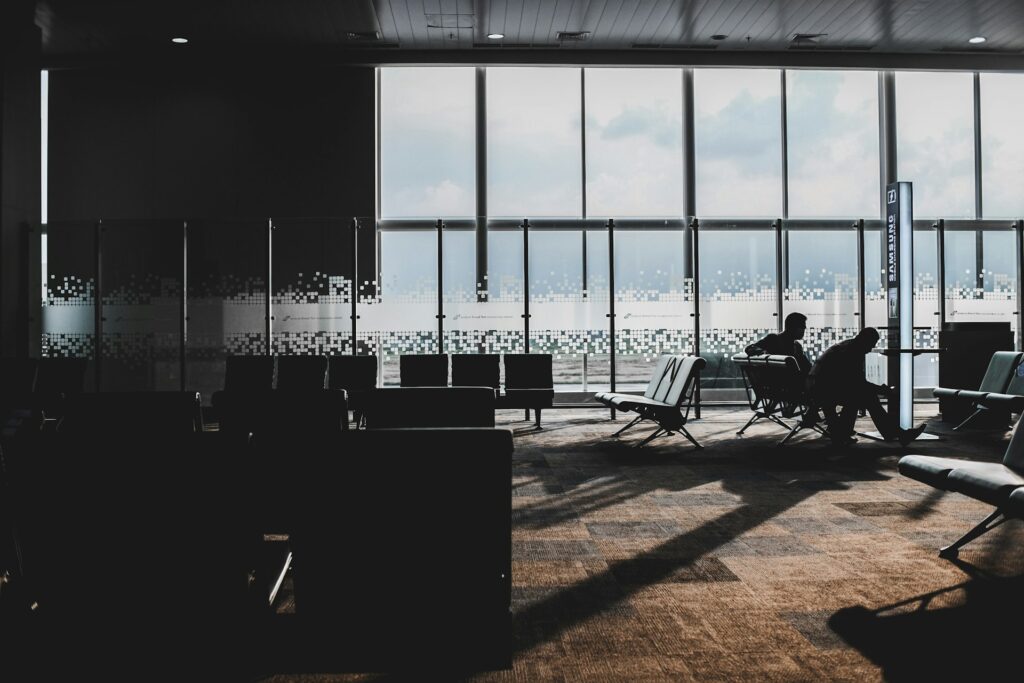
When faced with multiple security lanes, go against the country’s traffic flow. Research published in Human Factors found that people instinctively drift in the direction they’re used to driving: Americans veer right, while British travellers tend toward the left. At UK airports, that means the rightmost lane is often quieter. Flying from the US or continental Europe? Head left. It’s a small edge, but frequent flyers collect small edges.
Learn To Read The Airport
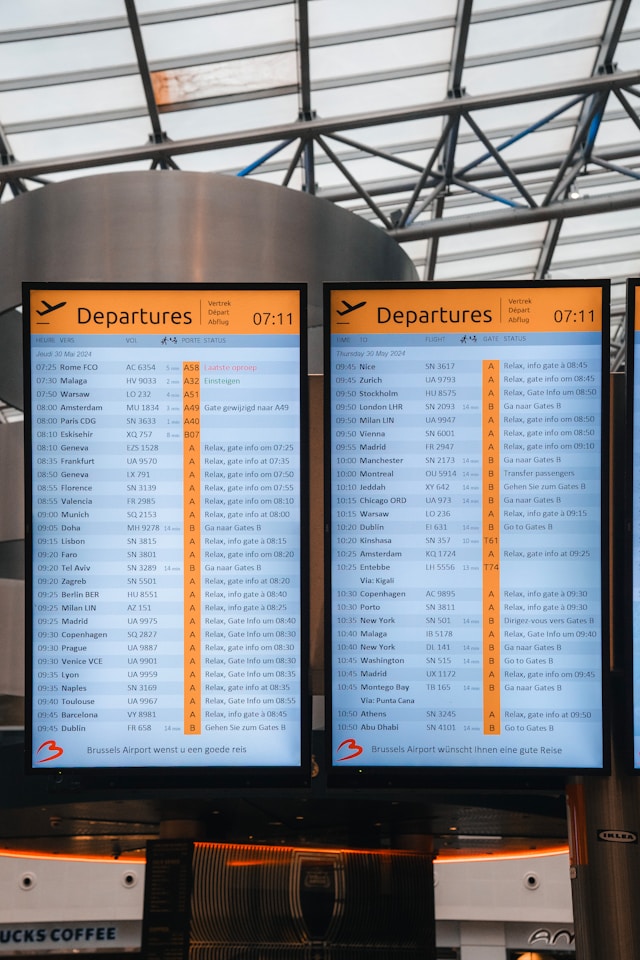
Modern airports have become remarkably good at communicating with passengers, if you’re actually paying attention. Airport digital signage solutions now display real-time updates on security wait times, gate changes and boarding status across terminals. Frequent flyers keep half an eye on these screens rather than relying solely on their phones, which can lag behind live updates. That 30-second head start on a gate change can be the difference between a stroll and a sprint.
Get Fast Track Without Flying Business
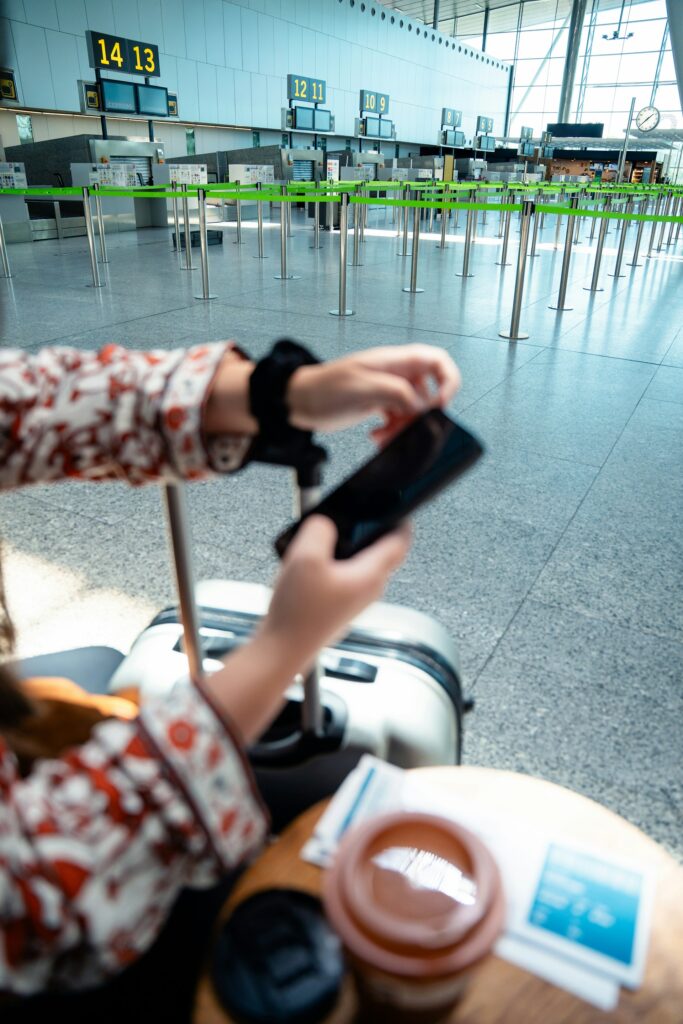
You don’t need a premium ticket to skip the security queue. Many UK airports sell fast track security passes for around £5 to £7 if you book in advance online, often for a fraction of what you’d pay at the airport. Some travel credit cards include fast track as a perk, and certain airline loyalty programmes offer it at lower tiers than you might expect. The time saved, particularly during peak hours, makes this one of the best value purchases in travel.
Know Exactly Where Your Gate Is Before You Clear Security
Every terminal has gates that are a two-minute walk and gates that require a small expedition. At Heathrow, for instance, the difference between an A gate and a C gate can be 20 minutes on foot at Terminal 5. Check your airline’s app or the airport website for gate information as soon as it’s assigned, and look up the terminal map before you land if you’re connecting. Frequent flyers never assume proximity.
Use Social Media When Things Go Wrong
When flights get cancelled, the customer service desk becomes a scrum. Phone lines clog. The airline app crashes. But here’s what frequent flyers know: a polite, direct message to the airline’s X or Facebook account often gets a faster response than any of those options. Social media teams tend to be well-staffed, responsive and empowered to rebook. Have your booking reference ready and be specific about what you need.
Pay For Lounge Access (Even In Economy)
You don’t need status or a business class ticket to use an airport lounge. Priority Pass memberships pop up on deal sites regularly, and sites like Lounge Pass and No1 Lounges sell day passes directly for most major UK airports, typically for £25 to £35.
Here’s the thing: once you’re in, food and drinks are usually free, including beer, wine and spirits in most lounges. When a soggy Pret sandwich and a pint at the terminal bar would set you back £20 anyway, the maths starts to make sense. You also get comfortable seating, wifi that actually works and, during delays, staff who can help rebook you without the scrum at the gate.
Learn The Flat Tyre Rule
Most major airlines operate an unofficial policy known as the flat tyre rule: if you arrive at the airport early for your flight, they’ll often put you on an earlier departure at no extra charge, space permitting. It’s not guaranteed and it’s rarely advertised, but a polite request at the check-in desk or gate can sometimes get you home hours ahead of schedule. Frequent flyers always check for earlier options, particularly on busy domestic routes.
Sit Near The Back On Short Flights
Conventional wisdom says to sit near the front for a faster exit (and that the back isn’t the place to be, but that’s a discussion for another time), but on smaller aircraft with rear stairs or buses to the terminal, the back rows often deplane first. On certain budget carriers this is standard practice. Check your aircraft type and deplaning method before automatically selecting row 2.
Build In A Buffer (But Not Too Much)
The anxious traveller arrives three hours early and spends two of them bored. The overconfident traveller arrives one hour early and spends it sweating through security. Frequent flyers know their airports and adjust accordingly. For domestic flights from familiar airports, 90 minutes is often plenty. For international departures or airports you don’t know well, two hours gives you breathing room without wasting your morning.
The Bottom Line
The frequent flyer’s airport advantage isn’t about status or lounge access. It’s about preparation, attention and knowing that small efficiencies compound into a genuinely less stressful experience. None of this requires elite membership or insider connections. It just requires treating the airport like a system to be understood rather than an obstacle to be endured.
Now, how do we make the actual flight as comfortable as possible? There’s an article for that too, of course…