The Cotswolds has been pulling in visitors for centuries, and it’s not hard to see why. An Area of Outstanding Natural Beauty that stretches across six counties, it’s the kind of place where a wrong turn down a lane still leads somewhere worth going. Honey-coloured villages, good pubs, big skies, and a sense that someone’s been quietly looking after the place for a very long time. It’s a UK staycation that earns its reputation year after year.
Why, Just Why?
No wonder, then, that this Area of Outstanding Natural Beauty is regularly named as one of the UK’s most popular staycations. We could leave it there, really, as the introduction explains everything, but then we wouldn’t meet our word count. For that reason, and with all that in mind, here are some key reasons that the Cotswolds remains such an enduringly popular staycation destination.
The Quintessential English Countryside
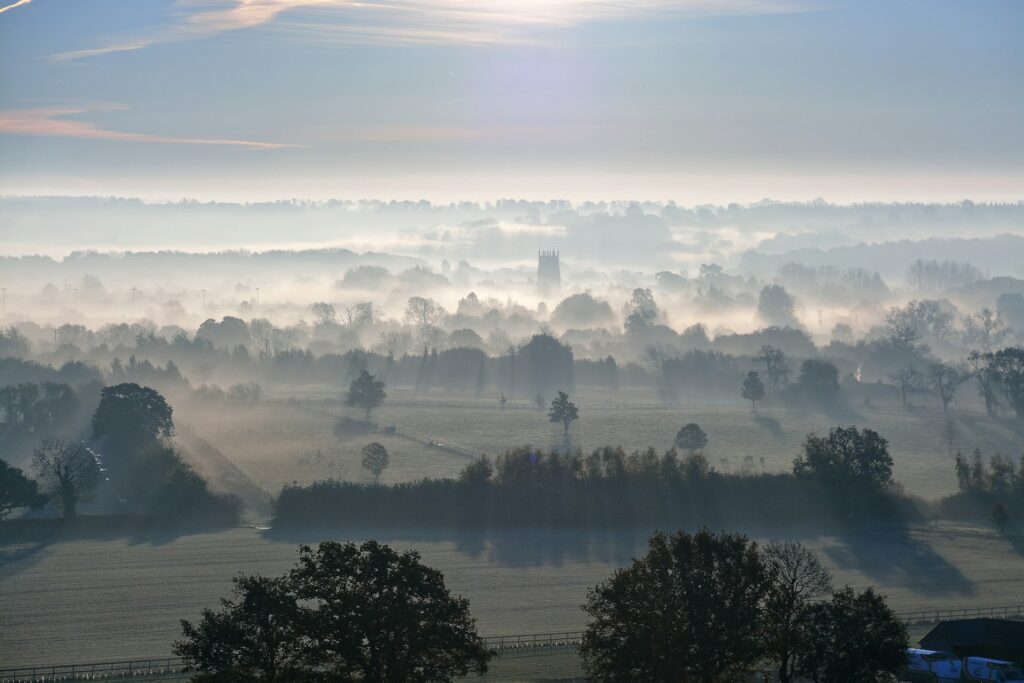
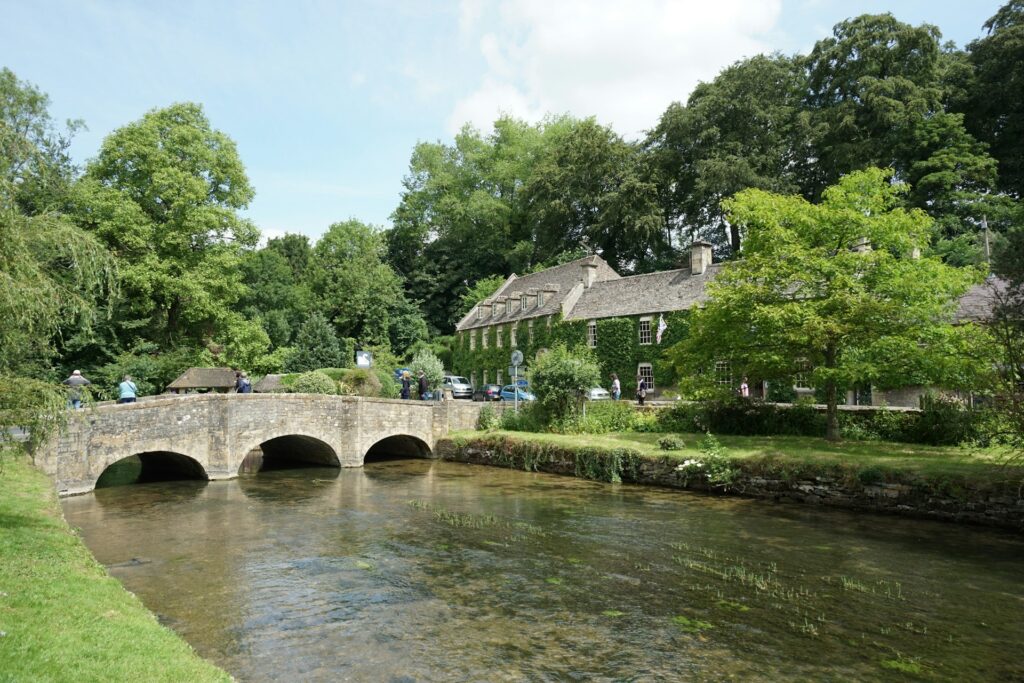
The Cotswolds looks the way most people imagine England should look. Its hills fold into one another across miles of open country, the stone walls and church spires doing exactly what you’d hope they would against a grey or blue sky. That distinctive limestone, warm and pale, almost glowing in the right light, ties the whole region together, from grand manor houses to the smallest garden wall. It’s the kind of scenery that has drawn artists and writers for centuries, and it doesn’t take long here to understand why.
Insider Tip: The Secret Gardens of Hidcote
The whole region qualifies as an AONB, but Hidcote Manor Garden deserves a special mention. This National Trust property, created by the horticulturist Major Lawrence Johnston, is arranged as a series of outdoor ‘rooms’, each with its own character, walled off from the next. It’s one of the most influential garden designs of the 20th century, and it’s surprisingly under-visited.
A Vast Canvas of Natural Beauty
At nearly 800 square miles, the Cotswolds is big enough to absorb a lot of visitors without feeling overrun. It spans several counties, from Oxfordshire’s church spires through to the deeper valleys of Gloucestershire, and the character shifts as you move between them. Even on a bank holiday weekend, you can find a stretch of countryside that feels like it belongs entirely to you.
Discover the Unexplored: Minchinhampton Common
Minchinhampton Common is a good example. This wide-open common land sits high above the Stroud valleys, offering long views in every direction. Cattle roam freely across it, and on a weekday you’re likely to have the place more or less to yourself. Bring a picnic.
Embrace The Great Outdoors
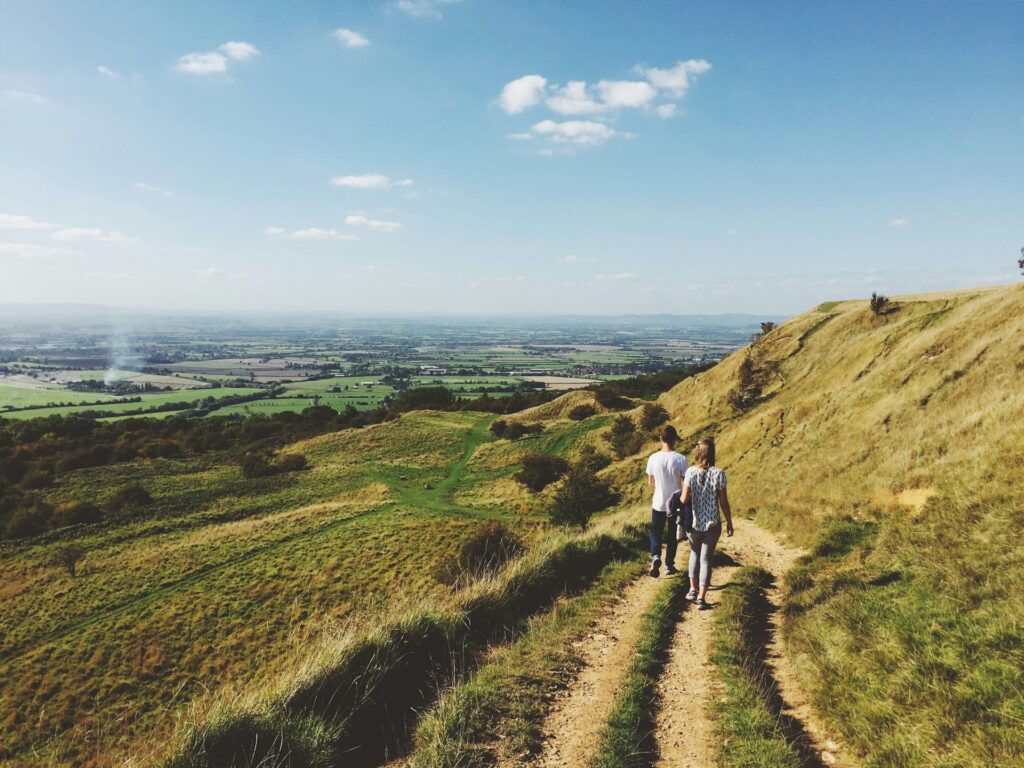
If you like walking, you’ll struggle to find a better region for it. Miles of well-maintained footpaths cut through the countryside, from gentle loops around a village to full-day hikes along exposed ridgelines. The terrain is forgiving enough for beginners but varied enough to keep serious walkers interested.
Walk This Way: The Cotswold Way Circular Walks
If you’re not ready to commit to the full 102-mile Cotswold Way, try one of the Cotswold Way Circular Walks instead. These shorter loops take in some of the long-distance trail’s best stretches without requiring you to arrange transport at the other end.
The Heart of British Country Pub Culture
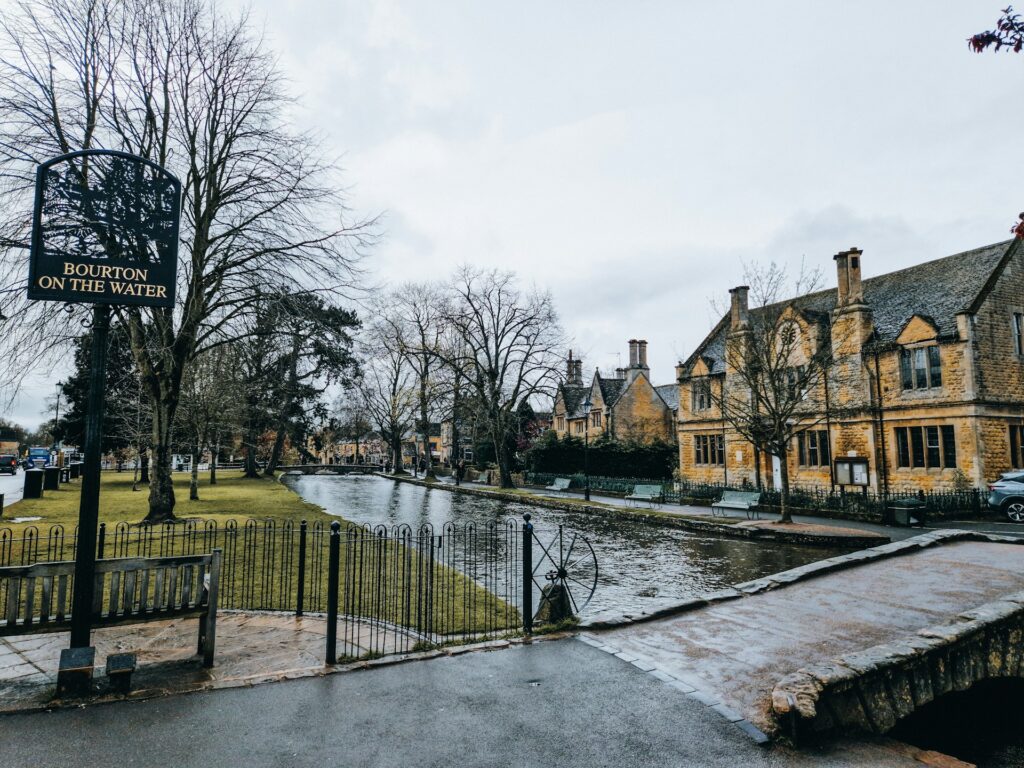
The Cotswolds has more good pubs per square mile than just about anywhere in England. Flagstone floors, low beams, a fire going from October through April, local ales on the hand pumps. It’s the kind of pub culture that people travel from overseas to experience, and it’s still going strong here.
Must-Visit: The Ebrington Arms
The Ebrington Arms, a short drive from Chipping Campden, is a proper Cotswold pub that also happens to operate as a microbrewery. The food is excellent, the setting is hard to beat, and their Yubby Bitter is worth crossing a county for.
A Taste of The Cotswolds
The food scene here goes well beyond pub grub. Artisan cheeses, heritage-breed meats, and seasonal produce from the surrounding farms feed a network of restaurants, farm shops, and weekly markets. Food festivals pop up through the warmer months, and the quality of ingredients at even the smaller producers is reliably high.
Culinary Delight: The Kingham Plough
In the village of Kingham, The Kingham Plough has built its menu around what’s available locally, with foraged ingredients making regular appearances. It’s earned a strong reputation in the area, and the cooking is more ambitious than the country-pub setting might suggest.
A Diverse Range of Accommodation
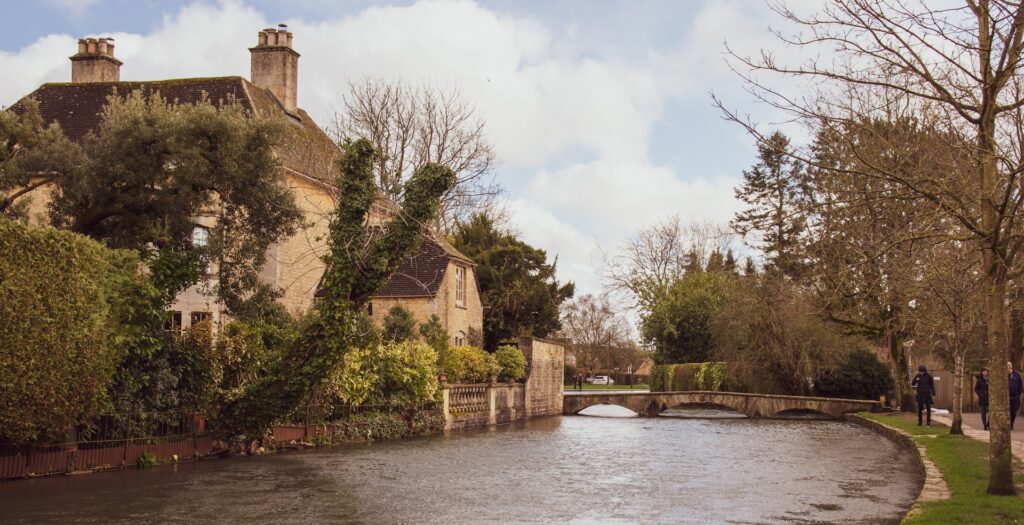
The Cotswolds covers the full spectrum, from converted barns and thatched holiday cottages through to boutique hotels and country-house estates. Whatever your budget, you can find somewhere that feels right for the trip.
Country House Comfort: Burleigh Court Cotswolds
For something with a bit more grandeur, Burleigh Court Cotswolds is a handsome 18th-century manor house set in three acres of grounds near Minchinhampton. It has the feel of a private country estate without the stuffiness, and its position above the Golden Valley means the views from the terrace alone justify the booking.
Alternatively, there are some seriously luxury holiday cottages in the Cotswolds, which give you a proper feel for rural life in this part of England.
Stay In Style: The Wild Rabbit
The Wild Rabbit in Kingham gets the balance right between rural character and contemporary comfort. The rooms are well-designed without being fussy, and its restaurant has been recognised by the Michelin Guide. Sustainability runs through the operation, too, which is increasingly the expectation rather than the exception in this part of the world.
A Year-Round Destination
The Cotswolds doesn’t shut down after summer. Autumn turns the beech woods bronze and copper, winter brings frost to the stone walls and empty footpaths, and spring fills the meadows before the crowds return. Each season changes the mood of the place considerably, and there’s a strong argument that the quieter months are the best time to visit.
Seasonal Secret: The Lavender Fields
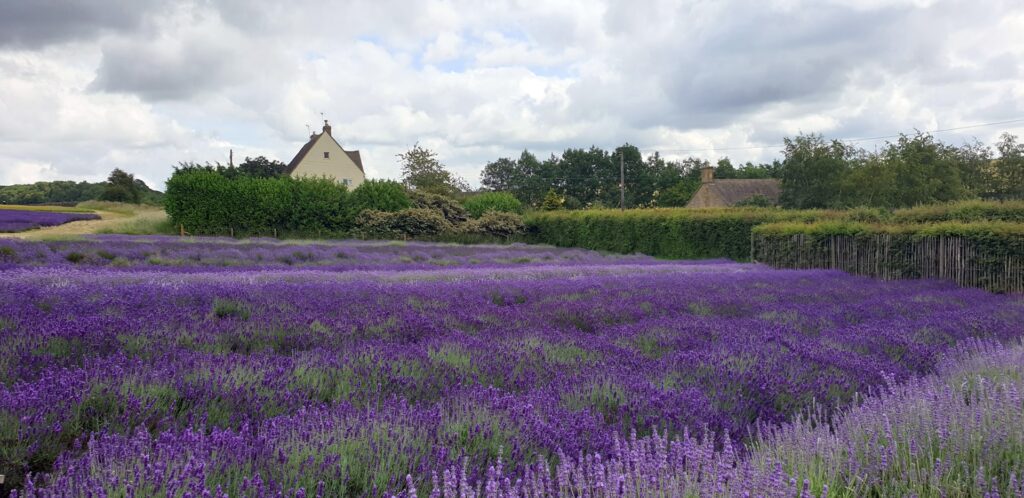
If you are here in summer, though, make a point of visiting The Lavender Fields. Row after row of purple stretching across the hillside, with the scent carrying on the breeze. It’s the sort of thing that looks almost unreal in person. Photographers love it, but it’s worth the visit even without a camera.
History & Culture Beyond The Countryside
There’s more to the Cotswolds than scenery. The region has been continuously settled since Roman times, and the evidence is everywhere: in the churches, the market squares, the ancient trackways that became modern footpaths. Contemporary galleries and studios have also taken root in recent years, drawn by the same light and space that attracted the Arts and Crafts movement a century ago.
Hidden Gem: The Corinium Museum
In Cirencester, the Corinium Museum houses one of the best collections of Roman artefacts in the country. Most visitors to the Cotswolds walk straight past it, which is their loss. The mosaics alone are worth an hour of your time.
Sustainable Travel In The Cotswolds
The Cotswolds has become increasingly serious about sustainable tourism. Local businesses are moving towards eco-friendly practices, and the infrastructure for car-free exploration is better than you might expect.
Eco-Friendly Exploration: Electric Bike Tours
An electric bike is one of the best ways to see the region without a car. Several local companies offer e-bike rentals and guided tours, and the rolling terrain is ideally suited to it. The hills keep things interesting, but nothing is so steep that you’ll regret the decision.
The Cotswolds’ Celebratory Spirit
The Cotswolds has a festival calendar that ranges from the distinguished to the genuinely eccentric, and the locals take both ends of that spectrum equally seriously.
Embrace Local Traditions: Cotswolds Festivals
The Cotswold Olimpicks in Chipping Campden features shin-kicking as a competitive sport, which tells you something about the region’s sense of humour. Then there’s the Cheese-Rolling at Cooper’s Hill, where competitors throw themselves down a near-vertical slope in pursuit of a wheel of Double Gloucester. It’s as dangerous and absurd as it sounds, and it draws thousands of spectators every year.
If your visit coincides with the annual Cotswold Olimpicks, it’s well worth an evening. The games have been running in some form since the early 17th century, and the atmosphere on the hill above Chipping Campden is unlike anything else in English country life.
At the more refined end of the scale, The Cheltenham Literature Festival is one of the oldest literary festivals in the world and draws major names every autumn. Longborough Festival Opera offers world-class performances in a small, rural setting that makes the big city venues feel impersonal by comparison. And throughout the year, food and drink festivals make the most of the region’s producers and the short distances between them.
The Bottom Line
The Cotswolds doesn’t need to try very hard. A good walk, a decent pub lunch, an afternoon spent wandering a village you’ve never heard of. These are small things, but they’re done exceptionally well here. It’s been a popular destination for a long time because the fundamentals are strong, and because the place itself hasn’t been loved to death the way some corners of England have.
Go in any season, stay as long as you can, and don’t over-plan it. The Cotswolds tends to reward the aimless.If you’re after a countryside break with good food at the centre of it, our round-up of the best gastropubs in Wiltshire should keep you busy on the drive home.