
January is a cruel month. The tree comes down, the credit card statement lands with a thud, and your bank balance looks like it’s been through a particularly brutal episode of The Traitors. But here’s the thing: while you’re counting pennies and wondering why you bought quite so much Baileys, there’s a good chance your hard-earned cash is quietly haemorrhaging out of your account without you even noticing.
Welcome to the world of zombie subscriptions. According to research from Nationwide cited by The Guardian, UK households are spending up to £1,200 a year on subscription services, with a staggering 19% of subscribers not even using every platform they pay for.
The same research found that more than a third of people are paying for duplicate subscriptions, while almost half don’t share a single subscription with anyone else in their household. Streaming platforms are the worst offenders, with 23% of respondents admitting they pay twice for services like Netflix, NOW TV, or Disney+.
The potential savings from killing off these financial vampires could reach £400 annually, which is not an insignificant sum when you’re staring down the barrel of a long, cold February.
The Great Subscription Audit
The first step to financial resurrection is understanding exactly what’s lurking in your bank statements. Personal finance experts recommend a thorough audit: go through your statements, collate payments to streaming services, apps, delivery subscriptions, and gym memberships onto a spreadsheet, and note when you last actually used each one. You might be surprised, or frankly horrified, by what you find.
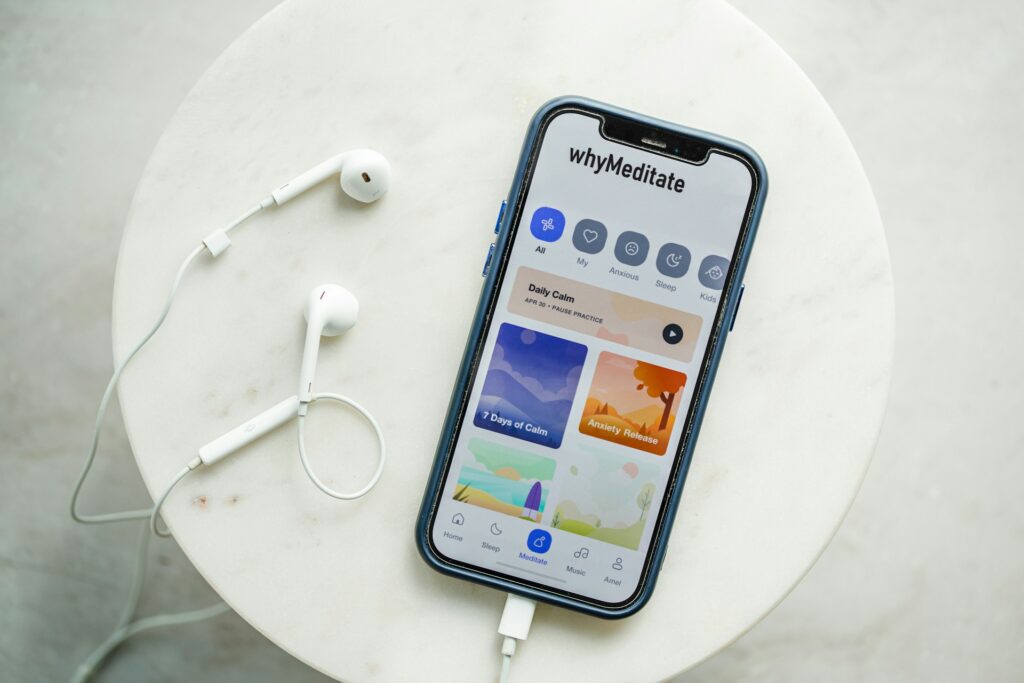
That meditation app you downloaded during the first lockdown and used precisely twice? Still charging you £9.99 a month. The recipe box subscription you signed up for when you had ambitions of becoming a home cook? That’s another £50 quietly disappearing every four weeks.
The Retention Game
Here’s where it gets interesting. Before you cancel outright, consider playing the retention game, because many providers would rather keep you at a reduced rate than lose you entirely. The trick is that they often have retention offers that only appear once you start the cancellation process.
The approach is straightforward: audit your subscriptions, note down renewal dates, then contact providers and politely explain you’re considering leaving. The key word here is politely. Staying calm and kind gets better results than going in heated, since retention agents are far more likely to help customers who explain their situation clearly rather than those who open with accusations. Think of it less as a confrontation and more as a negotiation where both parties want to find a solution.


The Mobile Phone Money Pit
While you’re reviewing your subscriptions, there’s another zombie lurking that could be costing you far more than any streaming service: your mobile phone contract. Around five million mobile subscribers are at risk of overpaying their bills while remaining out of contract, paying on average an extra £351 annually by staying put compared to switching to a SIM-only plan.
The maths here is brutal but worth understanding. If your bundled phone contract includes a handset, you’ve essentially paid it off once your initial contract ends, usually after 24 months. But here’s the catch that catches so many people out: your monthly payments don’t automatically drop to reflect this. You’ll continue paying the same amount, or more, indefinitely, essentially buying a phone you already own over and over again.
Text ‘INFO’ to 85075 to find out if you’re out of contract. If the reply shows zero cancellation charges, you’re free to take your business elsewhere. For the best deals, compare the best SIM only deals rather than approaching operators directly, and don’t forget you can haggle with your current provider using competitor rates as leverage. Loyalty may be a virtue in friendships, but in telecoms it’s just expensive.
Energy: Switch Or Get Switched
The energy market has finally returned to something resembling sanity after years of chaos, which means switching is back on the menu. Households on the Price Cap could save around £250 annually by moving to a fixed tariff, and with government’s Autumn Budget changes set to knock approximately £150 off energy bills from April 2026, those on fixed tariffs should see their providers pass on equivalent savings.
Even without the hassle of switching, there are quick wins to be had. Lowering your boiler’s flow temperature to between 55°C and 60°C can cut energy use by around 12%, saving roughly £65 a year. Dropping your thermostat by just one degree, a difference you’ll barely notice under a blanket, could yield savings of up to £145 annually.

The Insurance Loyalty Penalty
Despite FCA rules introduced in 2022 to stop insurers overcharging existing customers, the so-called ‘loyalty penalty’ hasn’t entirely disappeared. Letting your car insurance auto-renew collectively costs UK drivers £560 million a year in higher premiums, which is a staggering amount of money being left on the table through sheer inertia.
The sweet spot for renewing? Research from MoneySavingExpert suggests 20 to 26 days before your policy start date, which could save you up to 40% compared to leaving it until the last minute. The reasoning is delightfully absurd: insurers apparently view last-minute renewers as disorganised and therefore higher risk, while those who sort things out a few weeks early are rewarded for their administrative virtue. Search in the morning rather than the evening too, since insurers apparently view late-night policy hunters with similar suspicion.
Free Money From Bank Switching
Here’s the closest thing to free money you’ll find in 2026: bank switching bonuses. According to Moneyfactscompare, several high street banks are currently offering substantial incentives to lure new customers. Lloyds has £250 available for switching to a Club Lloyds account before 3 February 2026, TSB offers £200 with its Spend & Save accounts, and First Direct provides £175 plus access to a 7% Regular Saver.
The Current Account Switch Service makes the whole process painless, completing in just seven working days with your payments, Direct Debits, and standing orders all transferred automatically. It’s genuinely one of the few areas where bureaucracy has been streamlined to the point of near-invisibility.

The Bottom Line
The January financial hangover is real, but it doesn’t have to define your entire year. Between zombie subscriptions, overpriced phone contracts, auto-renewing insurance, and unclaimed switching bonuses, the average household is leaving hundreds of pounds on the table.
A few hours of admin spread across a couple of weekends could mean the difference between scraping by until payday and actually having something left over at the end of each month. And if that’s not a resolution worth keeping, we’re not sure what is.