Two cathedrals bookend the same street. The waterfront until recently held UNESCO World Heritage status. And somewhere between the galleries, the football, and the dining scene that’s emerged over the past decade, Liverpool has become one of the most compelling weekend breaks in the country.
The Beatles connection is inescapable, of course, and we’ll get to that. But what makes Liverpool worth the two-hour train from Euston is the sheer density of things worth seeing, eating, and drinking within walking distance of each other. The Georgian Quarter offers some of the handsomest urban architecture in Britain. The Albert Dock has reinvented itself as a genuine cultural hub. And restaurants like The Art School and Maray have put the city on the map for food in a way that would have seemed unlikely fifteen years ago.
A weekend here divides neatly. Day one takes in the Georgian Quarter’s twin cathedrals, the waterfront museums, and an evening in the ornate Victorian pubs that cluster around Hope Street. Day two heads north to Anfield before returning to the city centre for the Museum of Liverpool and a final dinner somewhere excellent.

Day One: Hope Street & the Waterfront
Morning: The Georgian Quarter & Albert Dock
Start with Hope Street, which won the Academy of Urbanism’s Great Street Award in 2013. The street runs between Liverpool’s two cathedrals, providing one of the most striking urban walks in the country. At one end stands the vast Anglican Cathedral, the largest in Britain and fifth largest in the world, its red sandstone bulk rising from St James Mount. At the other sits the Metropolitan Cathedral, locally nicknamed ‘Paddy’s Wigwam’ for its distinctive conical shape. The contrast between Gothic grandeur and sixties modernism tells you something about Liverpool’s capacity for reinvention.

Both cathedrals are free to enter. The Anglican is worth the climb to the tower (£8) for views across the city and out to the Welsh hills. The Metropolitan’s interior, lit by John Piper’s stained glass, is worth twenty minutes of anyone’s morning.
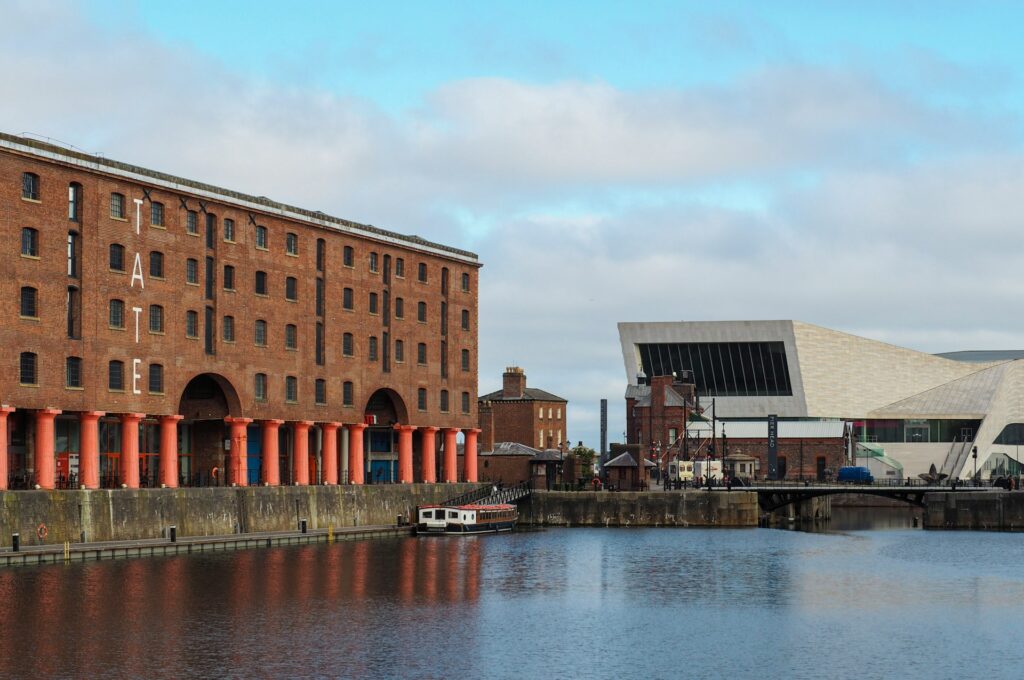
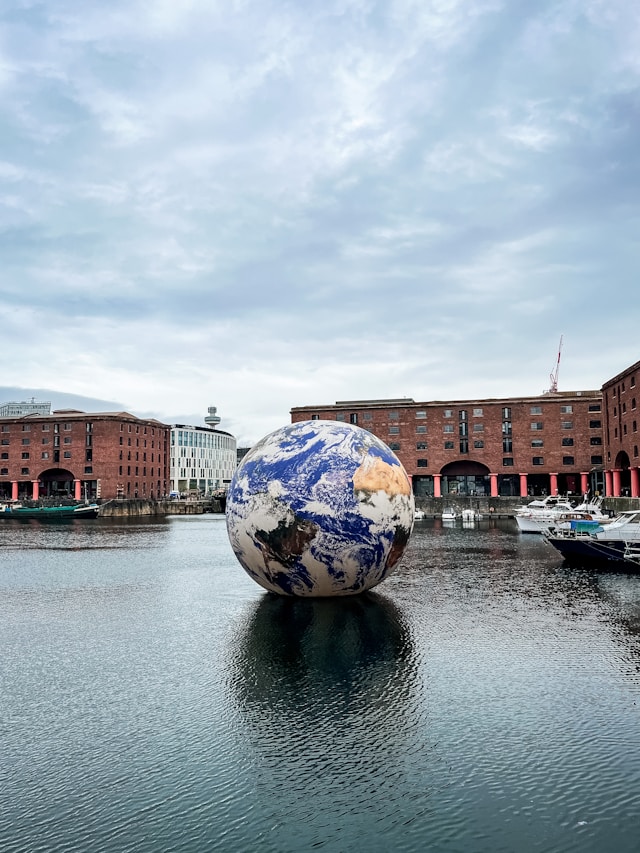
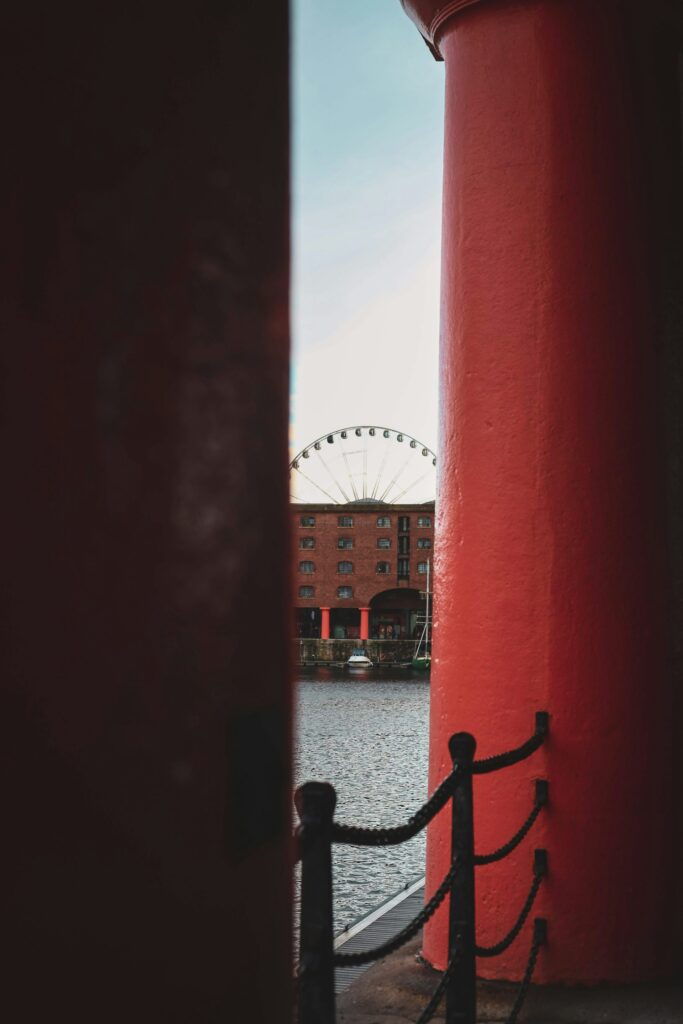
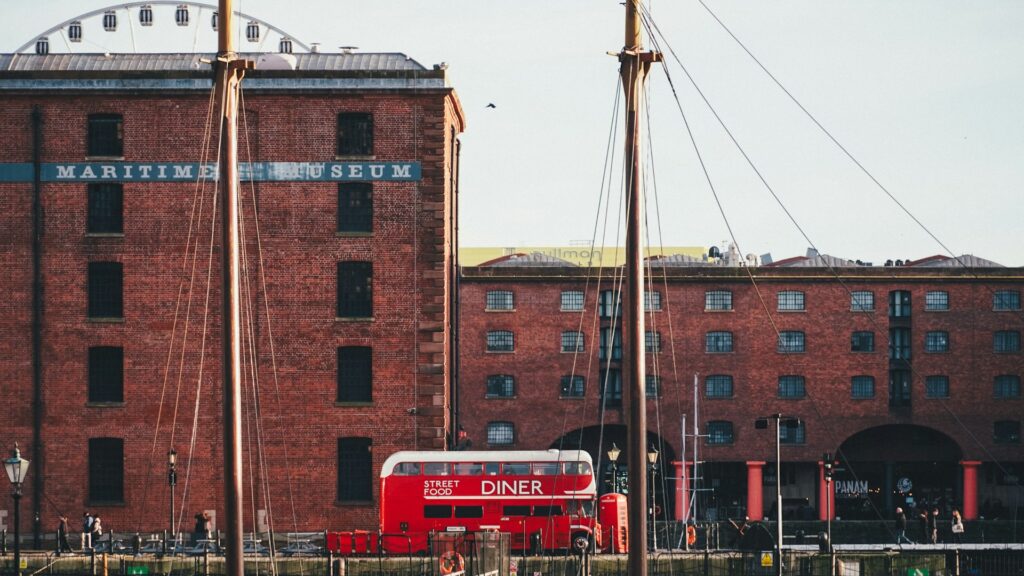
From here, walk down to the Royal Albert Dock, the heart of Liverpool’s waterfront regeneration. The Beatles Story (from £18) occupies the Britannia Pavilion and takes visitors through recreations of the Cavern Club, Abbey Road Studios, and Hamburg. The audio guide is narrated by John Lennon’s sister Julia, which lends proceedings a certain intimacy. Allow ninety minutes.
Afternoon: Bold Street & Maray
Lunch at Maray on Bold Street is the move. This Middle Eastern small plates spot, inspired by Paris’s Le Marais district, has been a Liverpool favourite since 2014. The disco cauliflower is the signature dish, harissa-roasted and topped with tahini, though the lamb koftas and buttermilk chicken thighs hold their own. Two or three plates per person, plus flatbreads, will see you right. The place is small and doesn’t take bookings for fewer than six, so arrive early if you’re visiting on a weekend.
Bold Street itself rewards a wander. The independent shops and cafés that line it are a reminder that Liverpool’s high street culture hasn’t entirely succumbed to chain dominance. News From Nowhere, the radical bookshop near the top, has been operating since 1974.
Evening: The Phil & The Art School
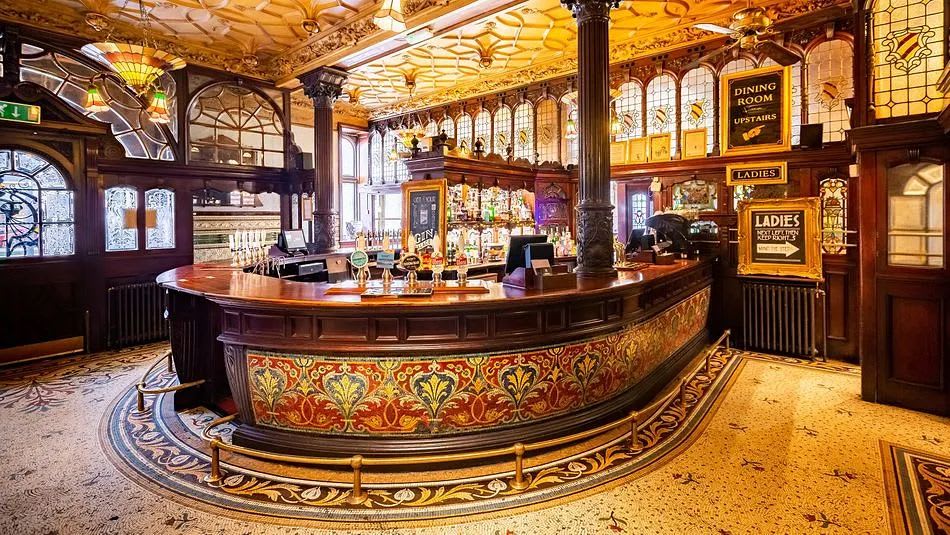
The Philharmonic Dining Rooms is the only Grade I listed purpose-built pub in England, and it looks it. Commissioned for Robert Cain’s brewery between 1898 and 1900, ‘The Phil’ sits opposite the Philharmonic Hall and resembles a Victorian gentlemen’s club more than a boozer. The interior features carved mahogany, stained glass, mosaic floors, and ornate fireplaces. The gents’ toilets, constructed in rose-coloured marble, are famous enough to warrant a discreet visit regardless of gender. A pint of cask ale here before dinner is non-negotiable.
For dinner, The Art School on Sugnall Street represents Liverpool’s finest. Chef Patron Paul Askew has spent a decade turning this former Victorian home for destitute children into the city’s most ambitious restaurant, recently named Hospitality Champion 2025 at the Good Small Business Awards. The tasting menu showcases seasonal British produce with technical precision. The wine list runs to 200 bins. Three courses start from £55, making it considerably more accessible than its London equivalents.
Day Two: Anfield & The Pier Head
Morning: The Stadium Tour
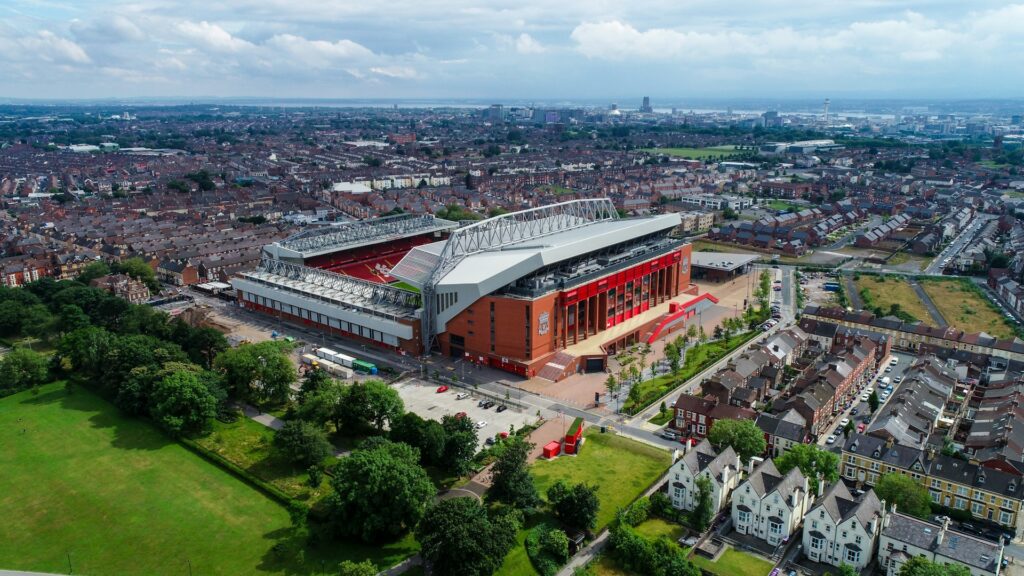
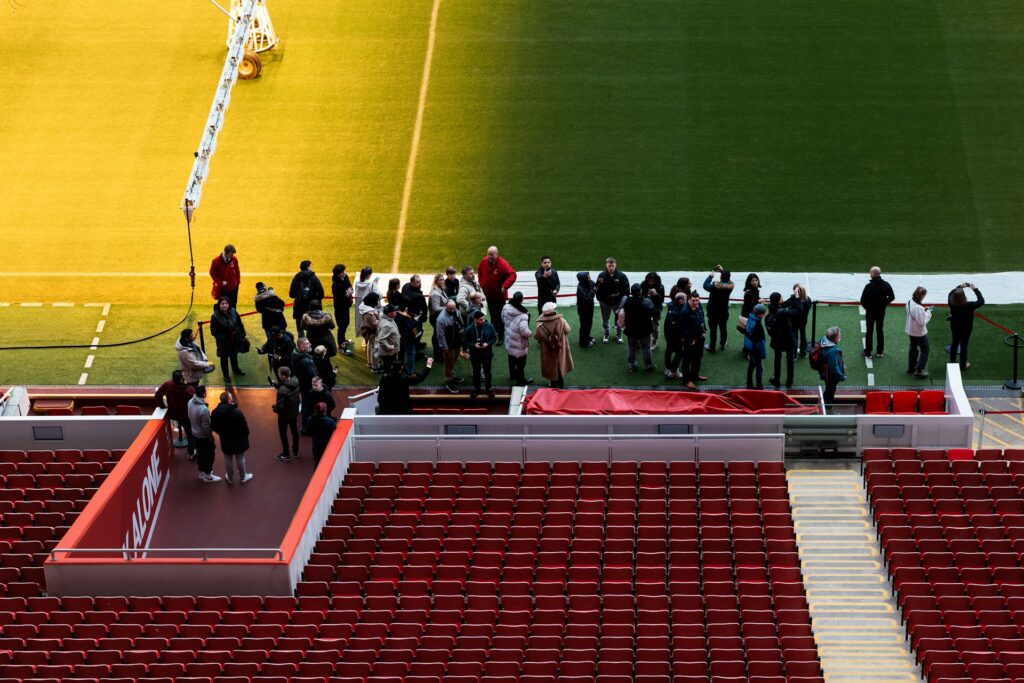
Football in Liverpool isn’t a hobby. For a significant portion of the population, it’s closer to a belief system. Even if you don’t follow the game, the Anfield Stadium Tour is worth the trip to the north of the city. The interactive tour takes in the press room, the ‘This Is Anfield’ sign that players touch before matches, the tunnel, and both dressing rooms.
The museum houses all the major trophies together for the first time, including the Champions 24/25 exhibition. There’s a chance to admire the iconic Liverpool Adidas red kit up close, along with memorabilia spanning the club’s 132-year history. Book in advance (tours from £25).
Afternoon: Museum of Liverpool & The Mersey Ferry
Back in the city centre, lunch at Hawksmoor in the India Buildings is a proper treat. The steakhouse chain’s Liverpool outpost opened in 2021 inside a Grade II listed 1930s building, and the setting alone justifies the visit. The beef is British, grass-fed, and dry-aged for at least 35 days. A châteaubriand for two, with bone marrow gravy and triple-cooked chips, is not cheap but extremely good.
Spend the afternoon at the Museum of Liverpool on the Pier Head, which traces the city’s social, maritime, and cultural history. Entry is free. The exhibition on Liverpool’s role in the transatlantic slave trade is unflinching and necessary. Upstairs, the galleries covering music, football, and working-class life provide useful context for everything you’ve seen over the weekend.
If time allows, the Mersey Ferry from Pier Head to Seacombe and back (around a fiver, return) offers waterfront views that postcards struggle to capture.
Evening: Buyers Club & Belzan
A final drink at the Buyers Club on Hardman Street sets the tone for the evening. This intimate cocktail bar occupies a basement space and specialises in rare spirits and music-led events. The lighting is low, the soundtrack is impeccable, and the staff know what they’re doing.
Dinner at Belzan on Smithdown Road requires a taxi or a half-hour walk, but the neighbourhood restaurant has become one of the city’s most talked-about tables. The cooking draws on Italian and Middle Eastern influences, with an emphasis on fire and fermentation. The menu changes regularly, but expect woodfired flatbreads, charred vegetables, and robust meat dishes. Booking essential.
Where To Stay
Hope Street Hotel is the obvious choice. This 147-room boutique occupies a prime position in the Georgian Quarter, within walking distance of both cathedrals, the Philharmonic Hall, and The Art School. Rooms are minimal and modern, with wooden floors and Temple Spa products. The ground-floor restaurant serves a proper breakfast. Doubles from around £130.
For something grander, The Municipal Hotel on Dale Street, part of the MGallery collection, occupies a restored Edwardian building and includes a 16-metre indoor pool and Thermae Spa. Doubles from around £160.
Getting There
Direct trains from London Euston take around two hours fifteen minutes. Liverpool Lime Street station sits at the top of Bold Street, a short walk from the Georgian Quarter and a ten-minute taxi ride from the waterfront.
The Bottom Line
Liverpool rewards the visitor who arrives without preconceptions. Yes, the Beatles heritage is everywhere, and yes, football dominates conversation. But beyond the obvious draws sits a city with two extraordinary cathedrals, a waterfront that should, quite frankly, still hold UNESCO status, and a dining scene punching well above its weight.
Perhaps most, erm, convincingly, Liverpool doesn’t seem remotely interested in convincing you how good it is. It just gets on with it.