

Whether you’re looking to save money or the environment, or a little of each, lowering your home’s energy output is easy to do. Energy expenses account for a large portion of both monthly outgoings and the domestic carbon footprint, so it’s crucial you get this thing right. Water, gas and electric bills; they can all be hacked. Here’s how; our 5 IDEAL tips for lowering your home energy costs.
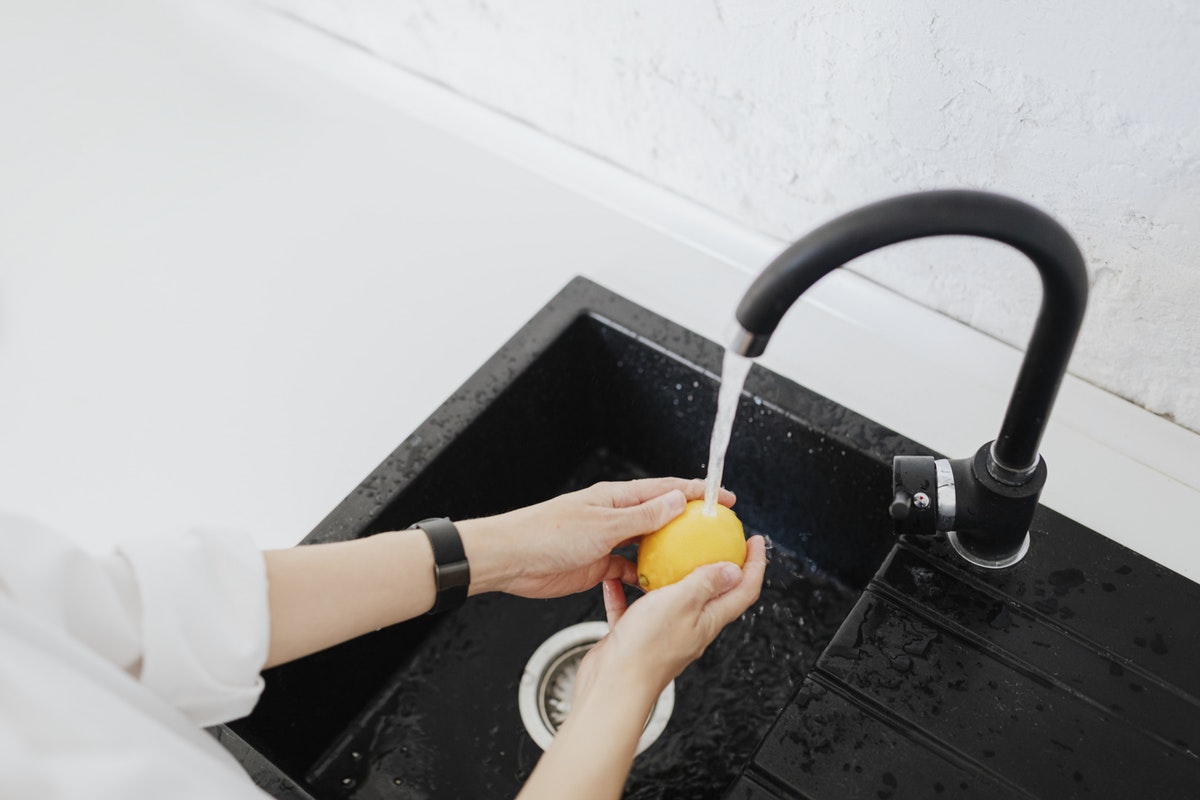
SHUT OFF THE FAUCET
Leaving the water on when you’re brushing your teeth, washing your face or shaving wastes a tremendous amount of water. In fact, as much as 24 litres can be wasted every single time. To reduce this waste, put a little bit of water in a cup prior to brushing your teeth, then turn the water off while you brush. When you are done, rinse out your mouth with the water in the cup.
Don’t stop there. Cut back on waste when shaving by stopping up the sink and filling it with water while you shave. The only time you need to turn the faucet back on is when rinsing off your face once you’re done. This is a simple way to save both water and power. Job done.
KEEP DEVICES FROM USING UNNECESSARY ENERGY
You probably already shut down your devices when you’re done using them, right?. Did you know, though, that you can reduce your energy usage even further by unplugging them from the wall? Devices like laptops, TVs, and battery chargers continue to draw energy when they are plugged in, even if they are turned off. Unplugging devices like these from the wall is a simple way to save energy and ultimately, the environment. In the words of one very famous supermarket, every little helps.
FULLY LOADED
Applicable to several appliances including the washing machine and dishwasher, this; don’t wash small loads. Instead, hold off until these appliances are totally full. While some like these have a setting for small loads, running them when they aren’t at full capacity still wastes a lot of energy and water. The company Energy Star estimates that people can reduce their water usage by 3,400 gallons each year simply by making sure they only wash full loads. Go big or go home, as they say. That’s some serious h2o.

SWITCH TO COOLER SHOWERS
While hot showers can be relaxing, make no mistake, they also take a lot more energy to power than cool ones. And we’ll tell you what’s not relaxing; the world burning up to the point it’s uninhabitable. You certainly won’t be ‘chilling’ then. Indeed, turning down the temperature can also help you avoid spending too long standing in the shower. That means that you can save energy by not having to heat as much water while at the same time, saving water by taking shorter showers. A double victory, there.
AIR DRY
Instead of tossing wet clothing in the dryer or using a hairdryer on your hair, try letting them air dry; slower, steadier but also sounder environmentally and financially. On average, dryers consume approximately 3,000 W of energy each hour. Air drying just a single load of laundry can help you reduce your carbon dioxide emissions by a huge 1’089 kilograms per year. The more often you avoid running these appliances, the lower your CO2 emissions will be.