
For most Brits looking overseas, the search starts and ends somewhere between the Algarve and the Amalfi Coast. Spain, Portugal, the south of France – the usual suspects have dominated British overseas property buying for years, and for good reason. Sun, affordability (relative to the UK, at least), and a flight time that doesn’t eat into your first day. But there’s a case to be made for looking further west.
The US places no federal restrictions on British nationals buying property. No visa required, no residency status needed, no cap on what or where you can buy. Prices have steadied after years of post-pandemic volatility, and the sheer range of landscapes on offer makes southern Europe look, if we’re honest, a bit samey. You can own a clapboard cottage on Cape Cod, a condo overlooking the Gulf of Mexico, or a ski-in lodge in the Rockies, all within the same legal framework and without a single additional permit.
The buying process differs from the UK in several ways, but it’s transparent, well-established, and surprisingly navigable once you know the basics. From the Jersey Shore to the Colorado Rockies, here’s where to start looking.
New Jersey
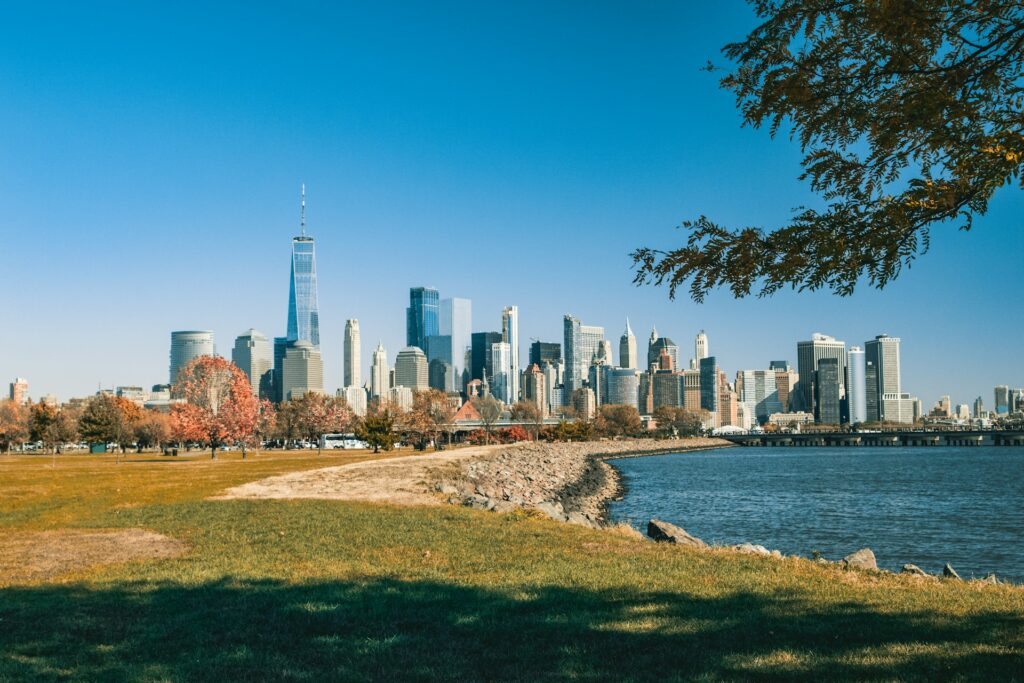
The Garden State gets a bad rap from people who’ve only seen it through an aeroplane window on approach to Newark. In reality, New Jersey’s 130 miles of coastline include some of the most sought-after second-home territory on the Eastern Seaboard. Cape May is all painted gingerbread houses, independent restaurants, and local wineries, while Avalon, known locally as Cooler by a Mile for the way it juts about a mile further into the Atlantic than neighbouring barrier islands, pulls in families who want the beach without the boardwalk noise.
The state sits between New York and Philadelphia, meaning world-class culture and transport links are never more than an hour away. Asbury Park has become a proper food destination, and Princeton was recently named New Jersey’s best food town. For anyone unfamiliar with the American buying process, it’s worth reading up on how to actually buy a house stateside before you start browsing listings. One caveat: New Jersey has some of the highest property taxes in the country, so factor that into your running costs from the start.
Florida’s Gulf Coast
Florida has been the number one destination for international property buyers in the US for over a decade, and British buyers are particularly drawn here. The Gulf Coast is where the serious second-home money goes. Naples and Sarasota offer a more refined pace than the Atlantic side, with white-sand beaches, incredible sunsets, strong dining scenes, and no state income tax sweetening the deal.
Tampa has emerged as a more accessible entry point, while the Keys remain their own thing entirely: a string of islands where the pace drops to something approaching Caribbean levels and the seafood comes off the boat the same morning. Insurance costs in hurricane-prone areas have climbed sharply, though, so get quotes before you fall in love with a property, not after.
Read: 9 of the most profitable places for Brits to own a holiday home

The Carolinas
South Carolina’s Lowcountry has been drawing second-home buyers for decades. Hilton Head Island and the area around Charleston combine coastal living with a food culture that rivals anywhere in the American South. Charleston’s restaurant scene has national clout, with chefs working the intersection of Southern tradition and modern technique.
Myrtle Beach, straddling the border between North and South Carolina, is one of the top second-home markets in the entire country, with prices considerably kinder than Florida’s luxury corridors. Further inland, Asheville in North Carolina’s Blue Ridge Mountains has built a reputation for food, craft beer, and outdoor access that draws a creative, slightly countercultural crowd.
Cape Cod & New England
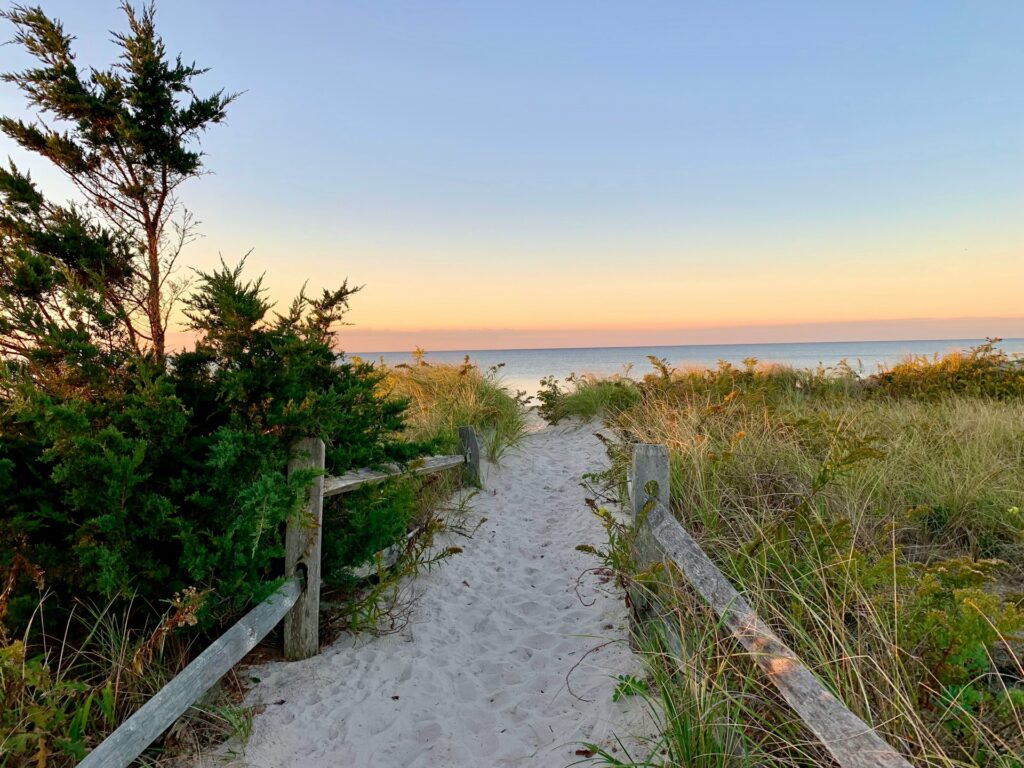
For Brits who want seasons, not eternal sunshine, New England is the play. Cape Cod is salt marshes, cedar-shingled cottages, and lobster shacks, with a summer population that swells to several times its year-round numbers. It’s not cheap, but rental demand during the warmer months is fierce, which helps offset carrying costs.
Beyond the Cape, the Berkshires in western Massachusetts offer rolling hills, arts venues, and small towns that feel remarkably like the Cotswolds if you replaced the dry stone walls with white clapboard.
Vermont
If Cape Cod is the New England coast, Vermont is the interior. Skiing drives most of the second-home market, but the state has genuine year-round pull. The fall foliage season is one of the great natural spectacles of the northern hemisphere, and the summers are green, temperate, and blissfully uncrowded. Land values remain lower than most coastal markets, making Vermont one of the more accessible entry points for a British buyer. The towns around Woodstock and Stowe have a genteel, slightly old-money character, and the food scene is farm-driven and unpretentious.
Colorado
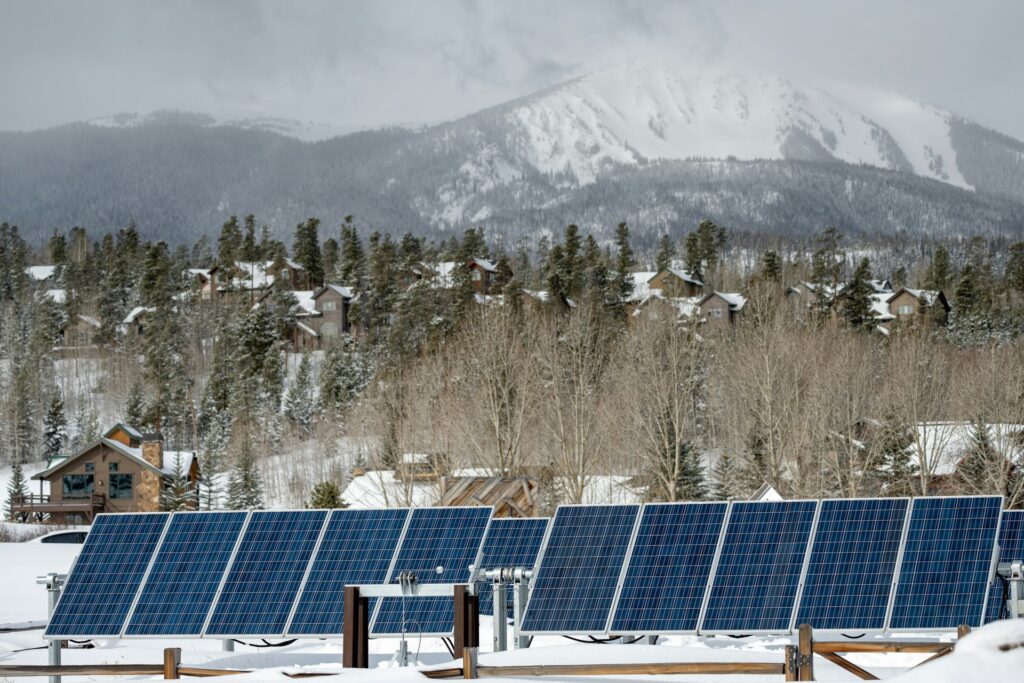
The mountain towns of Colorado offer something no coastal market can: altitude, powder, and that particular Rocky Mountain clarity of light that makes everything look like a tourism poster. Aspen and Vail are the headline names, and the prices reflect it, but Breckenridge, Telluride, and Steamboat Springs provide a similar lifestyle at a more realistic entry point. Summer is arguably better than winter – hiking, mountain biking, fly fishing, and temperatures that rarely trouble 30 degrees. The rental market during ski season is among the strongest in the country.
What Brits Need to Know
You’ll need an Individual Taxpayer Identification Number (ITIN) from the IRS and ideally a US bank account to handle transfers. If you plan to finance rather than pay cash, expect higher deposits and limited mortgage options without an American credit history. Owning property doesn’t grant any immigration rights – under the Visa Waiver Programme, Brits can stay for up to 90 days, which suits most second-home arrangements.
When you eventually sell, FIRPTA (the Foreign Investment in Real Property Tax Act) requires the buyer to withhold 15% of the sale price and send it to the IRS as a deposit against capital gains tax. You can reclaim any excess by filing a US return, but it ties up capital for months, so plan accordingly.
The Bottom Line
The US second-home market offers Brits something European destinations struggle to match: variety. Within a single country, you can choose between subtropical coastline, mountain wilderness, New England heritage, and everything in between. The tax and visa implications need professional advice, but the hardest part is narrower than that: choosing which version of America you want to wake up in.
*This article is for informational purposes only and does not constitute financial, legal, or investment advice. Always consult a qualified professional before making any property purchase overseas.*