
These are unprecedented times indeed, with a climate catastrophe and a cost of living crisis both in full swing. And suddenly, a new perspective on our store cupboards, fridges and freezers is forming. Wasting even a little carrot peel feels frivolous, new, delicious recipes are emerging out of an emerging sense of necessity, and food waste has become the ultimate enemy. Well, perhaps not the ultimate enemy. That title is reserved for something else we won’t mention by name right now.
Anyway, we digress. If you’re to prevent unnecessary food waste and save a few bob along the way, then responsible freezing is essential. It’s not just a matter of stuffing everything in there like Tetris and hoping it survives. There’s an art to this thing. Here are 9 chef’s tips on freezing food properly and safely, IDEAL for avoiding waste and making ingredients last longer.
Label & List
A methodical approach to your storage is hugely helpful when you’re more stocked up than usual and you’re having home cooked food for every meal. Responsible documenting of what’s gone in and when will ensure no food goes to waste, and you’ll know exactly what’s in there without having to get elbows deep in ice.
Label everything, and include the date of freezing, too; contrary to popular belief, that frosty treasure chest doesn’t preserve food for eternity. Make a list of all the things you have in your freezer – both raw products, and leftover meals you’re looking to get more legs from – and stick it on the fridge for any easy reference point.
Blanch Before You Freeze
If you’ve got a glut of fresh vegetables, maybe a haul from the allotment or a market shop that got a bit ambitious, blanching them before freezing is the single best thing you can do to preserve colour, texture and nutritional value. Without this step, enzymes continue to break down the veg even at sub-zero temperatures, leaving you with something drab and flavourless when you come to use it.
The process is simple. Bring a large pan of salted water to a rolling boil, drop the veg in for a minute or two (the exact time depends on what you’re working with; green beans need a couple of minutes, peas barely 30 seconds), then transfer straight into iced water to stop the cooking. Drain thoroughly, pat dry, and freeze in a single layer on a tray before bagging up. That last bit, the tray freeze, stops everything clumping together into one solid mass, so you can grab a handful whenever you need them.
Pack It Properly
Food in your freezer needs to be packed properly to avoid spoilage. If it’s not stored well, its properties will deteriorate, leaving you with an unpleasant texture upon reheating or worse, an inedible product.
Freezer burn, in particular, is the enemy of sustainable storage. To avoid this unfortunate occurrence, you should reduce your food’s exposure to air; double wrapping with cling film is great, but tin foil and an airtight freezer bag provide even better protection.
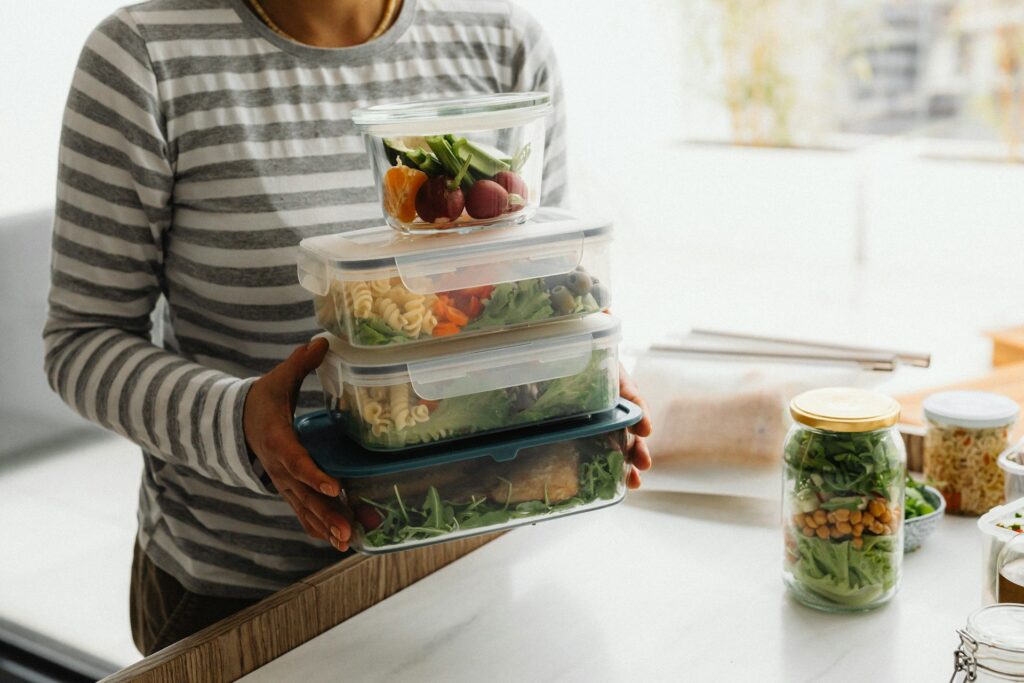
Stackable food storage containers with tight-fitting lids are another solid option, especially for soups, stews and sauces that don’t lend themselves to wrapping. They’re reusable, too, which makes them a greener alternative to single-use plastics over time.
Portion Size Control
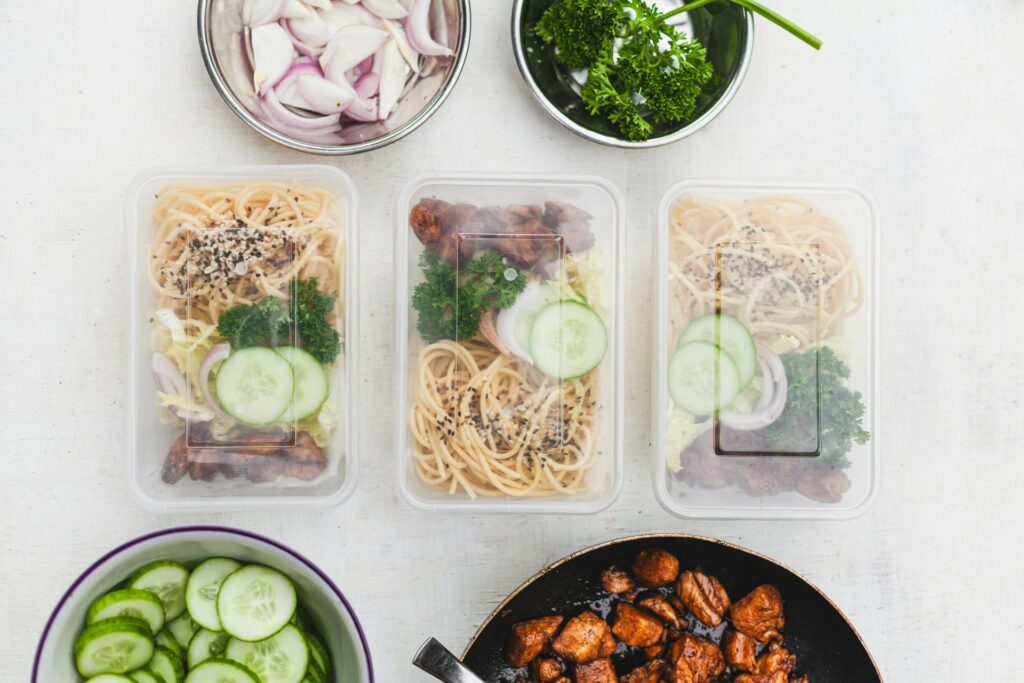
If you have the freezer space or willpower to find it, then freezing ingredients and portions separately, into small, single units is the best way to avoid waste. Consider the quantities you’re likely to need for recipes or mealtimes, so when you need to use them, you’re not defrosting surplus stuff that might then end up in the compost. You don’t want to have to defrost a whole pack of mince when you’re only cooking for two.
The 6 Month Rule
While different types of food have varying freezer lives, as a rule of thumb you shouldn’t keep stuff in your freezer for longer than 6 months. After around three months, the signs of freezer burn may start to appear, regardless of how diligently you wrapped the product. Like professional food operations and restaurants, keep a ‘first in, first out’ mantra in mind to maintain stock rotation according to how long it’s been stored.
Cool Not Cold
The modern fridge freezer comes with separate temperature controls for each compartment, but many people still set their freezer to the coldest possible temperature thinking it’s the best approach. However, the ideal freezer temperature is -18°C, and anything significantly colder won’t actually help your food last longer. In fact, extremely low temperatures can lead to severe freezer burn and unnecessarily high energy consumption.
Consider investing in a freezer thermometer to monitor the temperature accurately – they’re relatively inexpensive and can help ensure your frozen goods maintain their quality whilst keeping your energy bills in check. If you notice ice crystals forming more quickly than usual on your food, it’s a tell-tale sign that your freezer might be running too cold.
Does It Freeze Well?
Some ingredients and complete dishes freeze beautifully, ready to bring out at a moment’s notice and warm up. Some don’t. Raw eggs, for instance, will expand and crack in the freezer. And that’s a mess you don’t want to be dealing with.
What’s more, mayonnaise and other egg-based sauces will curdle, as does cream cheese, single cream and cottage cheese. That said, other dairy products like butter and margarine, and most hard cheeses freeze well.
On top of that, courgettes, cucumbers and other veg with a high water content end up limp and mushy, and fried food will go soggy and lose that crispy reason you fried it in the first place. Research before freezing to avoid waste.
Defrosting & Thawing
Not only do you need to freeze your food properly to avoid waste. You also need to defrost it in the safest, most efficient way, too.
So, ideally, take things out the day before you want to use them, and for meat or fish, this is pretty much essential to give it the time it needs to thaw in the fridge safely. When you’re thawing meat, always leave it on a plate.
Never refreeze food that has been defrosted. If you need to defrost something to cook with immediately, you can use the suitable setting on your microwave. You should, however, check your microwave manual for appropriate time specifications.
How To Maintain Your Fridge
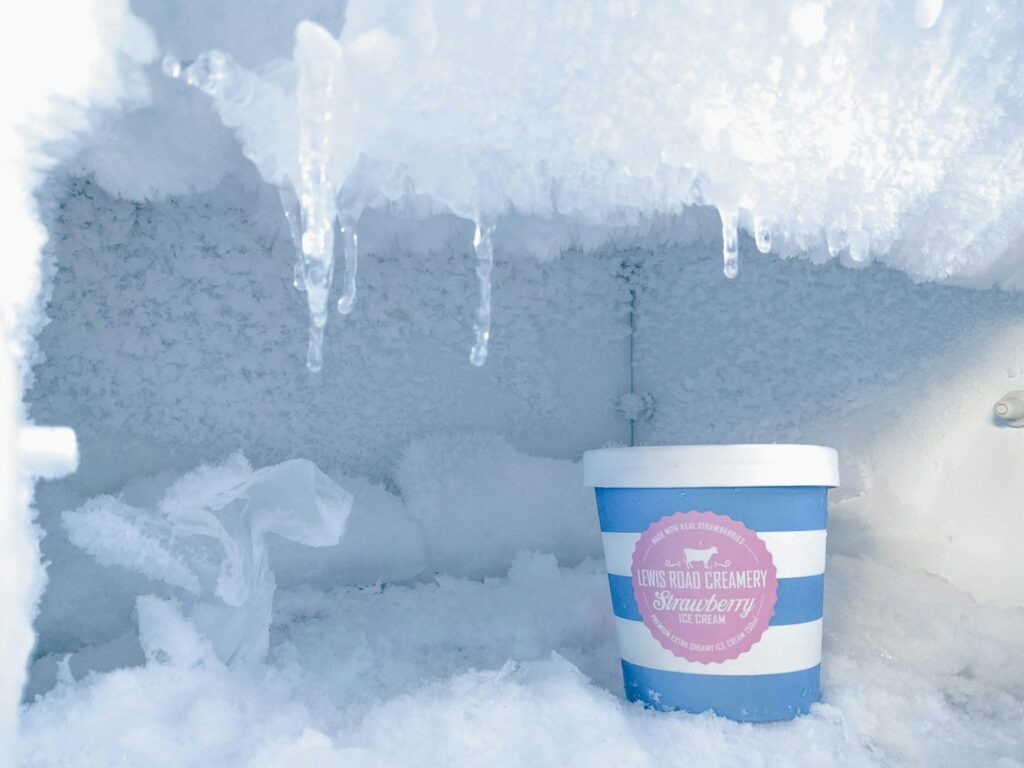
To ensure your freezer is working efficiently, it’s important to defrost it from time to time and give it a proper clean. If your freezer isn’t effectively freezing food, or if it’s leaking water, it means it’s not working properly.
Be aware that a freezer functions more economically when it’s full, so fill the gaps in there with water bottles to keep everything ticking along nicely. And with that, we wish you happy, economical, nutritious cooking ahead! Check out our tips on storing meat safely for more of this sustainable content.