Ideal for those looking to settle in seamlessly…
So, you’re moving to the City of Gold, also known as the Sand Paradise and sometimes called the Gulf Tiger? When you reel off those glamorous, intoxicating nicknames, upping sticks to Dubai sounds swell. Care to sneak us along in your suitcase?
But it’s not all massive buildings, swanky restaurants and several zeros added to your bank balance with each connection you make. Instead, you’ll find Dubai a city of dichotomy. Though there’s convenience and comfort to be found in spades here, it’s also a place capable of delivering a pretty massive culture shock to first-timers, with extreme weather and a new set of customs to get acclimatised to.
We’re here to help you settle in. Covering everything from how to rent a car in Dubai to the finest food in the city-state, here are 9 useful tips for expats moving to Dubai, IDEAL for those looking to settle in seamlessly.
Respect The Local Culture & Customs
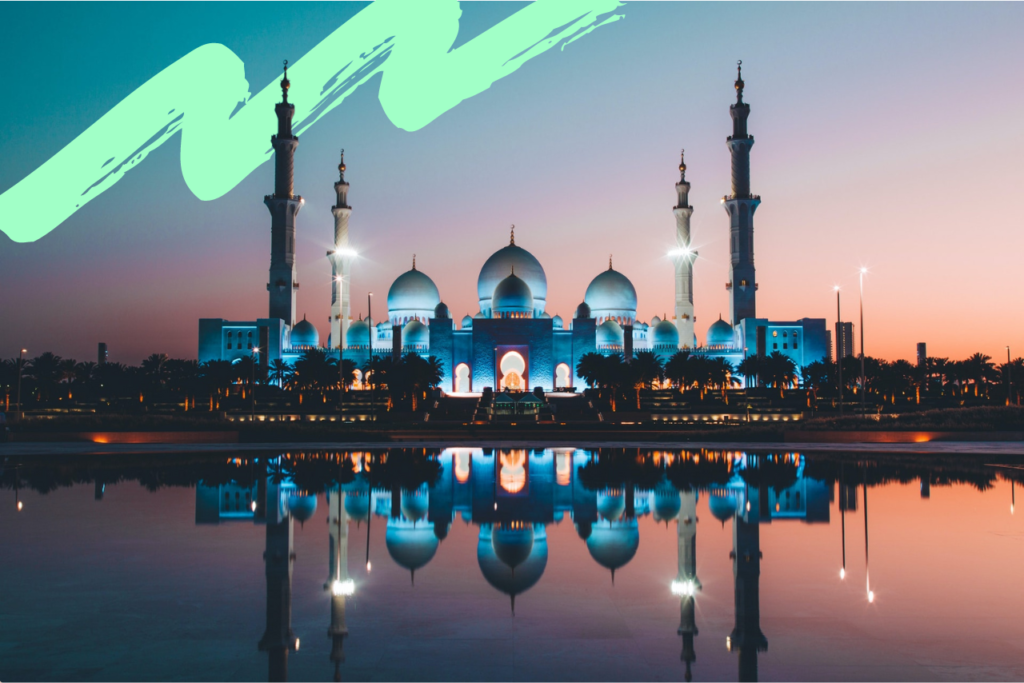
Before you dive into the logistics of your move to Dubai, it’s crucial to understand and respect the emirate’s cultural and religious customs. As a Muslim country, the UAE observes Islamic traditions, and while Dubai is known for being one of the most progressive cities in the Middle East, certain social norms should be followed.
Dress codes are generally conservative, particularly in public spaces like malls, markets, and government buildings. While beachwear is perfectly acceptable at the beach or pool, it’s important to dress modestly elsewhere. For women, this means covering shoulders and knees, while men should avoid going shirtless outside of beach areas.
During Ramadan in Dubai, eating, drinking, or smoking in public during daylight hours is prohibited, even for non-Muslims. Many restaurants will be closed during the day, though some will offer discrete dining areas for non-fasting individuals. The holy month brings a unique atmosphere to the city, with shorter working hours and lively evening festivities that are worth experiencing.
Public displays of affection should be kept to a minimum. While UAE law was reformed in 2020 to decriminalise cohabitation for unmarried couples, discretion remains important, and shared cultural norms around modesty in public still very much apply. Additionally, be mindful that taking photographs of people without their permission is illegal, as is using offensive gestures or language in public.
Understanding these cultural nuances will not only help you avoid any inadvertent faux pas but will also enrich your experience of living in this fascinating city where tradition meets modernity.
Deciding On An Area To Live
Should you be heading to Dubai without a place secured, eager to see which neighbourhood feels right for you, then firstly, may we compliment you on your forward-thinking? We agree, it’s best to get a lay of the land first, before settling on somewhere to live, as each area offers something different, whether you’re a family seeking somewhere peaceful, or a young professional out on your own and wanting a more stimulating experience.
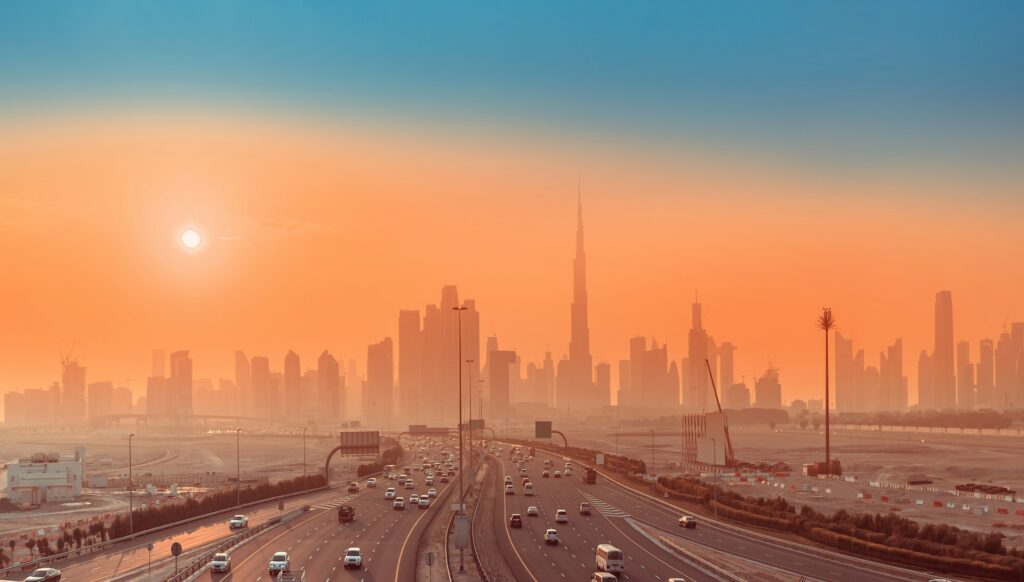
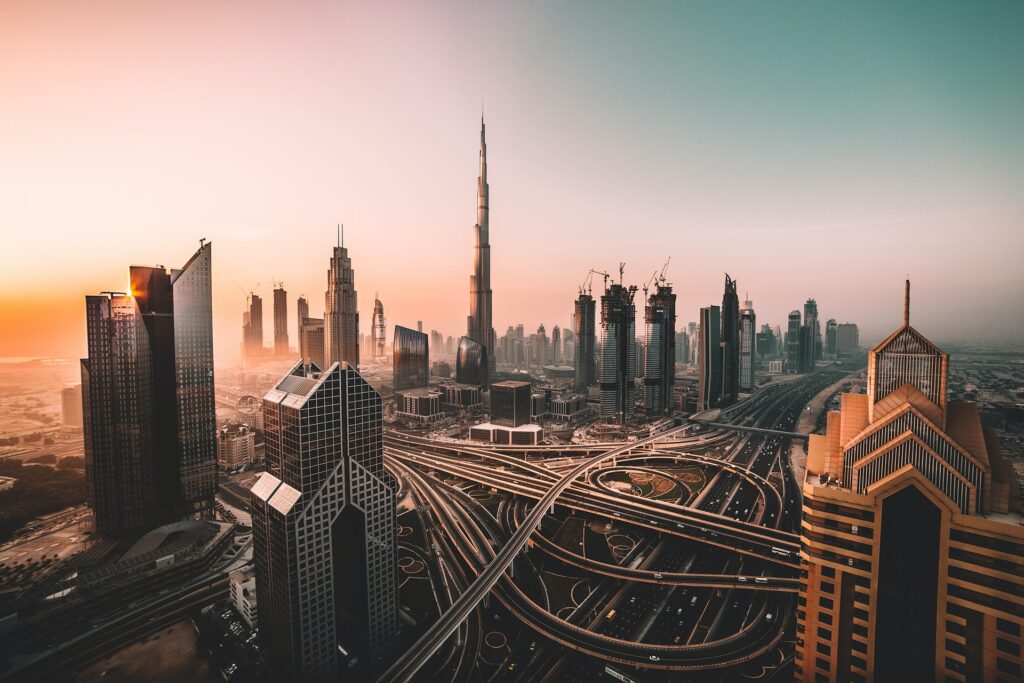
Whilst we wouldn’t want to state the obvious, Downtown Dubai has loads going on, with some seriously high-end shopping and dining options. It’s busy, bustling and full of energy, and where the most famous landmarks, such as the towering Burj Khalifa, are located.
As such, it’s perfectly suited to those young professionals we mentioned earlier. That said, it’s going to cost you, with a one bedroom apartment in Downtown Dubai coming in at around AED 10,000 to 15,000 per month (roughly £2,100 to £3,100). For families, you should also be aware that there are no schools downtown, though there are great transport links to several provided.
The most expensive areas in Dubai to own a property (and that’s saying something) are Palm Jumeirah, Emirates Hills and Dubai Marina. Speaking of which, should you be moving to Dubai as a young couple, and still want to be amongst the action but with a little more elbow room, Dubai Marina is where it’s at.
For something more affordable, Mirdif is still pretty centrally located, with several schools, a park, tennis courts and a shopping mall, and is popular with expats. Be warned that rush hour traffic in and out of Mirdif can be pretty frustrating, though connectivity should improve when the new Blue Line metro extension reaches the area (expected 2029). For expat families who are looking to spread out a little more, Arabian Ranches is the perfect choice.
Transport Smarts
Navigating your way around the City of Gold can be a thrilling experience, but it’s also essential to understand the various modes of transport available to you. Dubai boasts a well-structured and efficient transport system, making it easy for expats to get around.
Dubai Metro
The Dubai Metro is a state-of-the-art, driverless, fully automated rail system that is clean, fast, and efficient. It serves major tourist attractions, business hubs, and residential areas across two operational lines: the Red Line, which runs along Sheikh Zayed Road through the heart of the city (all the way out to Expo City Dubai), and the Green Line, which circles the Creek in Deira and Bur Dubai.
A third line, the Blue Line, is currently under construction and expected to open in 2029. The metro operates from 5am to midnight Monday to Thursday and Saturday, from 5am to 1am on Fridays, and from 8am to midnight on Sundays. Do note that operating hours are sometimes extended during public holidays and major celebrations.
Taxis
Taxis are abundant, metered, and reasonably priced in Dubai. They can be hailed down on the street, booked online, or through various taxi booking apps. Dubai taxis are regulated by the government, and all drivers are professional and courteous. Be aware that during peak hours, finding a taxi might be a bit challenging.
Buses
Dubai’s bus network is extensive, serving over 140 routes across the city. The buses are modern, air-conditioned, and equipped with facilities for people with disabilities. They’re a cost-effective way to travel, especially if you’re on a tight budget.
Trams
The Dubai Tram operates in the Marina and JBR area, providing connectivity to the Dubai Metro and the Palm Monorail. Trams run at intervals of roughly 8 to 10 minutes during peak hours, and it’s a convenient way to travel around these areas.
Car Rentals
If you prefer the freedom of driving, car rentals are widely available. However, keep in mind that traffic in Dubai can be heavy, especially during rush hours, and parking can be a challenge in busy areas. Also, remember that in the UAE, driving is on the right-hand side of the road. Should you choose to rent here, remember that the steering wheel will be on the left side of the car!
Bicycles
For short distances, consider renting a bicycle. Dubai has been increasingly promoting cycling, with dedicated cycling paths in specific areas of the city.
Abra (Water Taxi)
For a more traditional mode of transport, try the Abra, a type of water taxi found in Dubai. It’s a fun, inexpensive way to cross the Dubai Creek and offers a fantastic view of the city’s skyline.
Climate Cautious
The famous Dubai heat is certainly not to be underestimated. Temperatures routinely break the 40°C barrier in the sprawling summer months (from May to September) and don’t dip much below the mid twenties for the rest of the year. Indeed, don’t be surprised if the heat is pushing 50°C at times.
Although there’s some serious air-con going on indoors in Dubai, do be aware that this can lull you into a false sense of security. When you step outside or enter a vehicle, even for a second, you’ll feel that heat. If you’re heading out to enjoy the beach or one of Dubai’s famous water parks, do so early, before the midday sun bears down, stay hydrated and apply strong sunscreen, particularly between 10am and 4pm when the UV strength is considerably higher.

Work Smarts
Should you be travelling to Dubai with the intention of finding a job once you arrive, then be aware that any foreign national will need to secure an employment visa and Emirates ID, typically arranged through your sponsoring employer, in order to work legally.
Nearly all of those intending to work in Dubai will have already secured a job, and their company will have arranged the necessary work permit and residency visa on their behalf. That said, you can enter on a tourist visa and then look for work. The standard visa-on-arrival for UK passport holders grants a 30-day stay, though 60-day and 90-day visit visas are also available depending on your nationality and application route.
To assist your company with your work permit application, you’ll need a valid passport with at least six months until expiry, copies of your work contract, a medical fitness certificate, proof of qualifications and education, and the trade licence of the company you’re working for.
Starting A Business
Should you be arriving with the intention of setting up shop, Dubai has become considerably more welcoming for foreign entrepreneurs in recent years. Following major reforms to the UAE Commercial Companies Law in 2021, 100% foreign ownership is now permitted across the vast majority of mainland business sectors, meaning you no longer need a local sponsor holding a 51% stake as was previously required.
As Rosemont Partners expert corporate services recommend, a handful of strategic industries (banking, telecom, and a few others) still require local partnership, but for most expats, this is no longer a hurdle. Free zones remain another popular option, offering tax incentives and streamlined setup processes.
Read: Your complete guide to Dubai’s best desert adventures
Cleaning & Laundry
Dubai has a fully appointed housekeeping industry, with the majority of expat households hiring the services of a housekeeper, cleaner, cook, security guard and more for the duration of their time in the city. If you’re not familiar with this level of help, it may feel strange at first, but if you’re paying fair wages and treating your housekeeper with the maximum levels of respect, then the arrangement works well for all parties.
Where once your landlord would pass on a recommendation for housekeepers or provide one with the property, now expats tend to use apps to find home help around the home. The justmop.com app is the preferred platform for many.

Feed Me
Like all things in Dubai, restaurant prices here are sky-high. If you’ve money to burn on foie gras topped with gold leaf and caviar, then be our guest. Actually, don’t; you sound expensive to host.
If you’re up for something more authentic, head out of the malls and onto the road. Around Old Dubai you can find cheaper restaurants with loads of traditional, family style food on offer. While Dubai doesn’t have a street scene as such, if you head to Al Rigga Street, you’ll find amazing Arabic shawarma, manakeesh and sweet treats like luqaimat to titillate your taste buds.
For groceries, some of the most ubiquitous, reliable stores include Spinneys, Al Maya Supermarket and, believe it or not, Waitrose. However, for ease, many online supermarkets operate in Dubai, delivering groceries, toiletries and everything you need right to your front door. Many expats avail themselves of such a service to avoid the blistering heat endured walking between shops.
Read: Where to eat on the Palm Jumeirah, Dubai
Learn Some Arabic
Though English is widely spoken in Dubai, and is the preferred tongue for doing business as well as being ever present in the tourism sector, if you’re to get under the skin of the city, it’s best to learn some Arabic.
In Dubai, the Emirati dialect of Arabic is spoken, but a more standard Arabic will be understood everywhere. To learn most efficiently, there are several language centres in Dubai, with the Headway Institute, The Arabic Language Centre, and the Iqraa Arabic Learning Centre being the three most highly regarded.
Exciting times await in the City Of Gold! We hope you settle in smoothly and without a hitch.