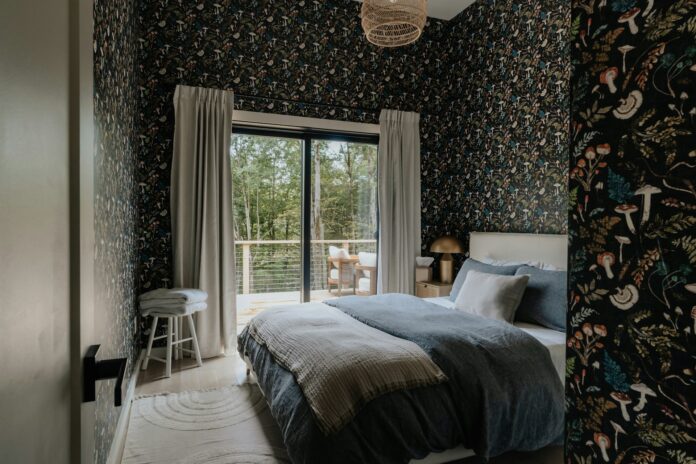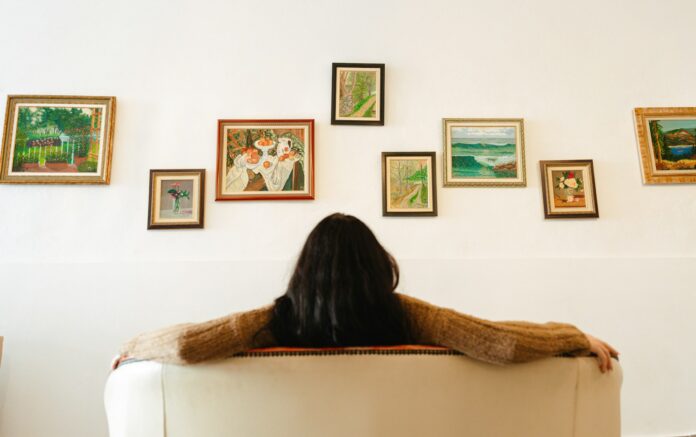
Ideal for channelling the countryside without a change of postcode…
There’s something faintly absurd about romanticising rural life from a terraced house in zone 3. The nearest meadow is a scrubby patch of council-maintained grass, the dawn chorus is a bin lorry reversing, and the closest you’ve come to foraging recently is digging through the reduced section at Sainsbury’s.
And yet, the cottagecore aesthetic, that soft-focus celebration of simple living rooted in nature and nostalgia, refuses to go away. If anything, it’s getting louder and more relevant as city life gets more expensive, more frantic, and more screen-dominated.
What started as a social media mood board around 2018 has matured into a legitimate interiors movement. Apartment Therapy’s annual State of Home Design survey found that 60% of design professionals identified “contemporary English cottage” as the style most likely to define interiors in 2025 and beyond. That’s not a TikTok fad; that’s a consensus.
The good news? You don’t need a thatched roof or a rose garden to channel it. Cottagecore translates beautifully to city spaces, provided you approach it with a light touch rather than treating your flat like the set of a period drama. Here’s how to do it without tipping into parody.
Start With What’s Underfoot & Overhead
The bones of cottagecore are natural materials, and two of the easiest places to introduce them are the floor and the walls. If you’re lucky enough to have original wooden floorboards hiding beneath carpet, get them sanded and finished with a natural oil or wax rather than a high-gloss varnish. That warm, slightly uneven surface does more for the feel of a room than almost any single piece of furniture.
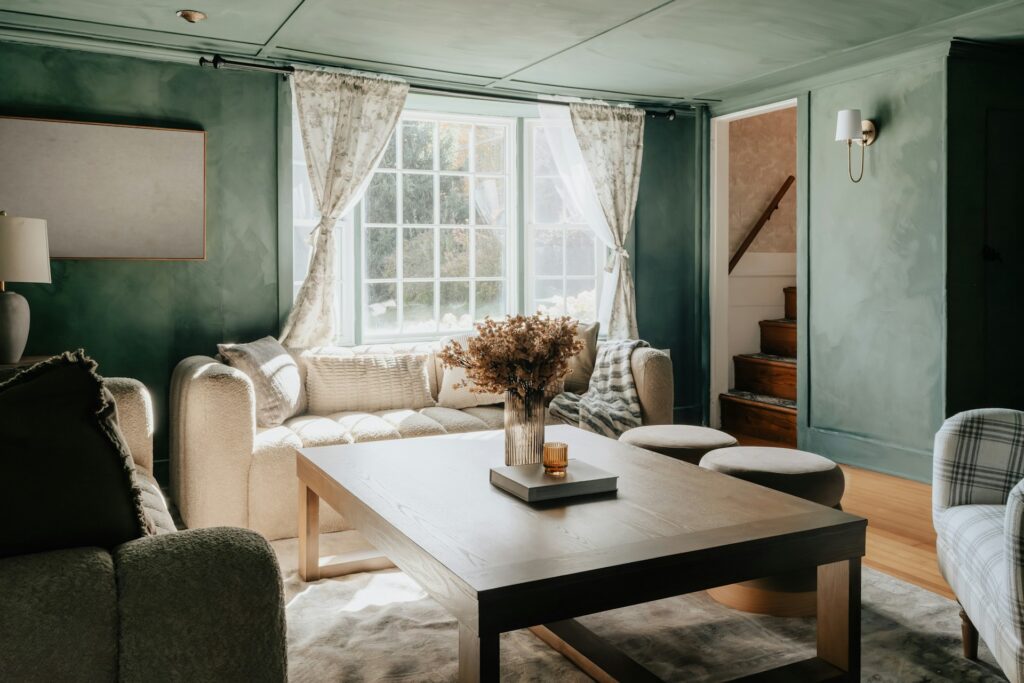
For walls, consider a limewash or chalky matt paint in soft, muted tones: sage green, warm cream, dusty blue, or the kind of off-white that looks like it’s been gently aged by decades of country sunlight. Farrow & Ball and Little Greene both do this palette exceptionally well, though cheaper alternatives exist if the budget doesn’t stretch.
The key is avoiding anything too bright, too uniform, or too glossy. Cottagecore is about surfaces that look like they have a history, even when they don’t.
Read: 7 decor ideas for a country chic look
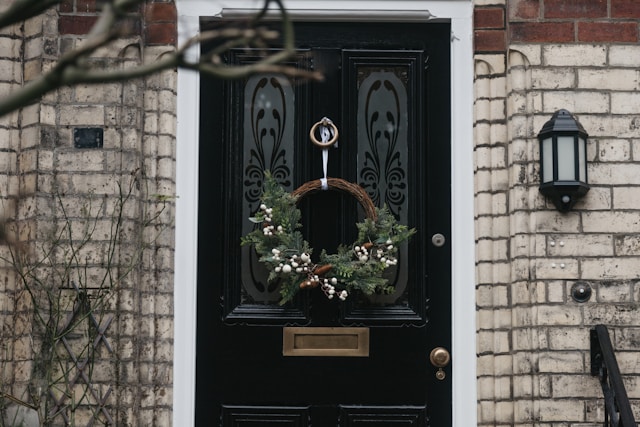
Cottage Front Doors Usually Set The Tone
Cottage front doors usually feature solid wood construction, divided glass panes, and understated ironmongery that makes them instantly recognisable. If you own your property, swapping out a bland composite front door for something with a bit more character can shift the entire first impression of your home. Think vertical panelling, a porthole window, or a simple stable door.
Even renters can make a difference here. A wreath of dried flowers or herbs, a cast-iron knocker, or a carefully chosen doormat goes a long way towards creating that sense of arrival. The front door is where the outside world ends and your version of it begins.
Embrace The Imperfect & The Pre-Loved
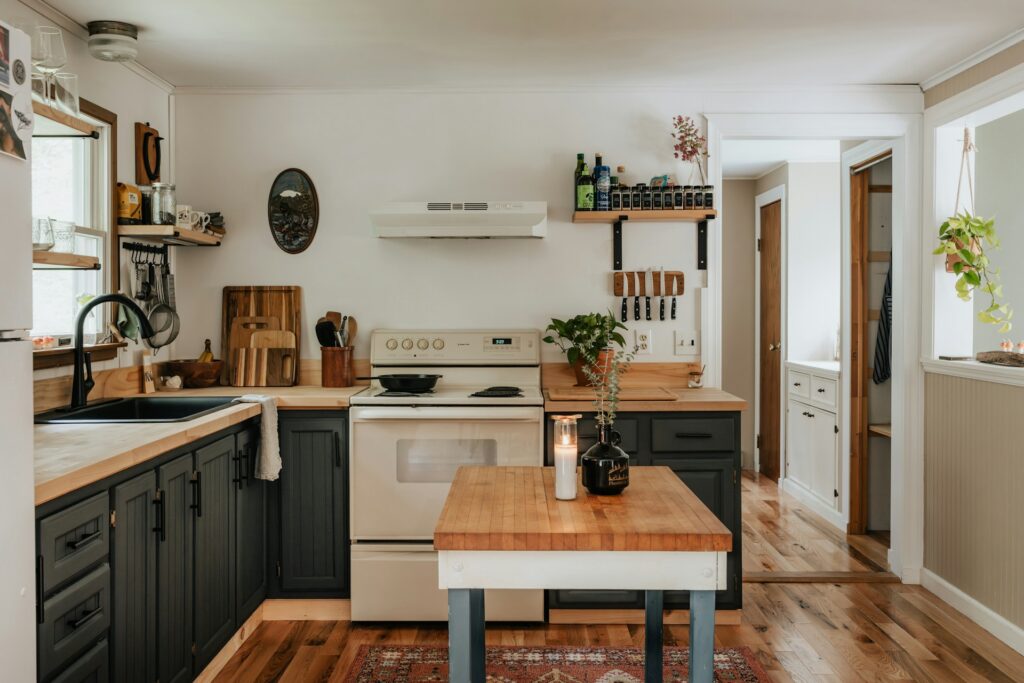
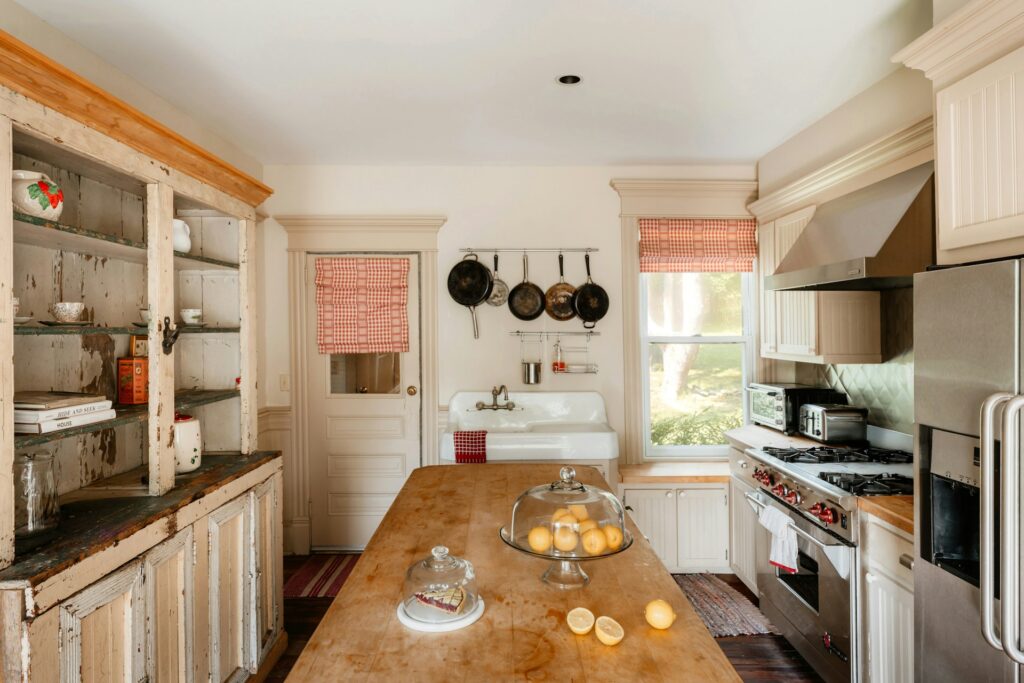
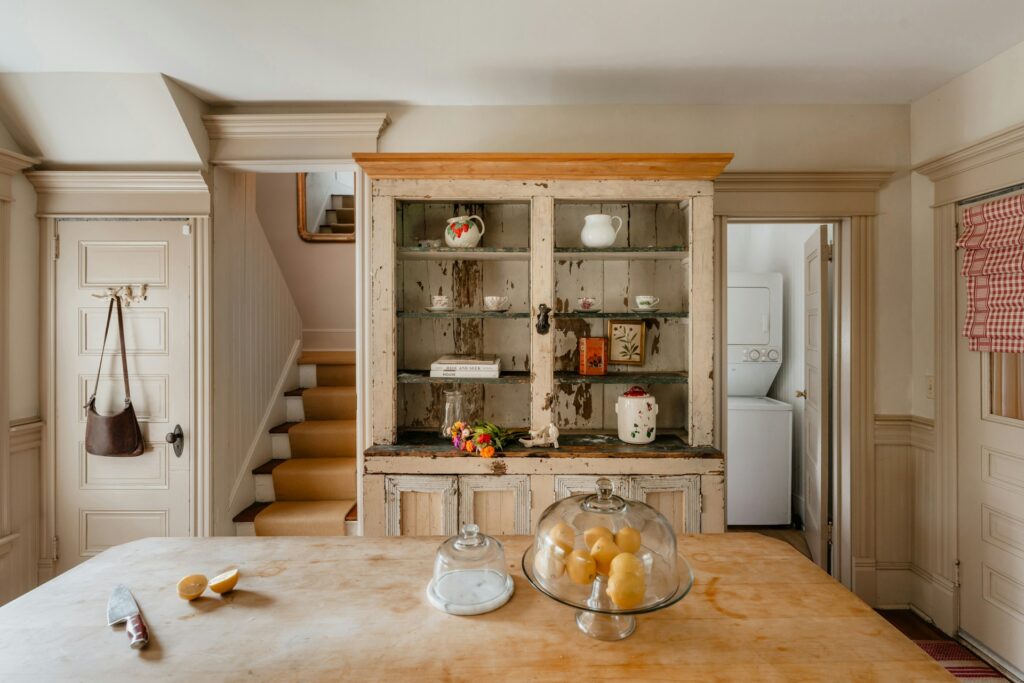
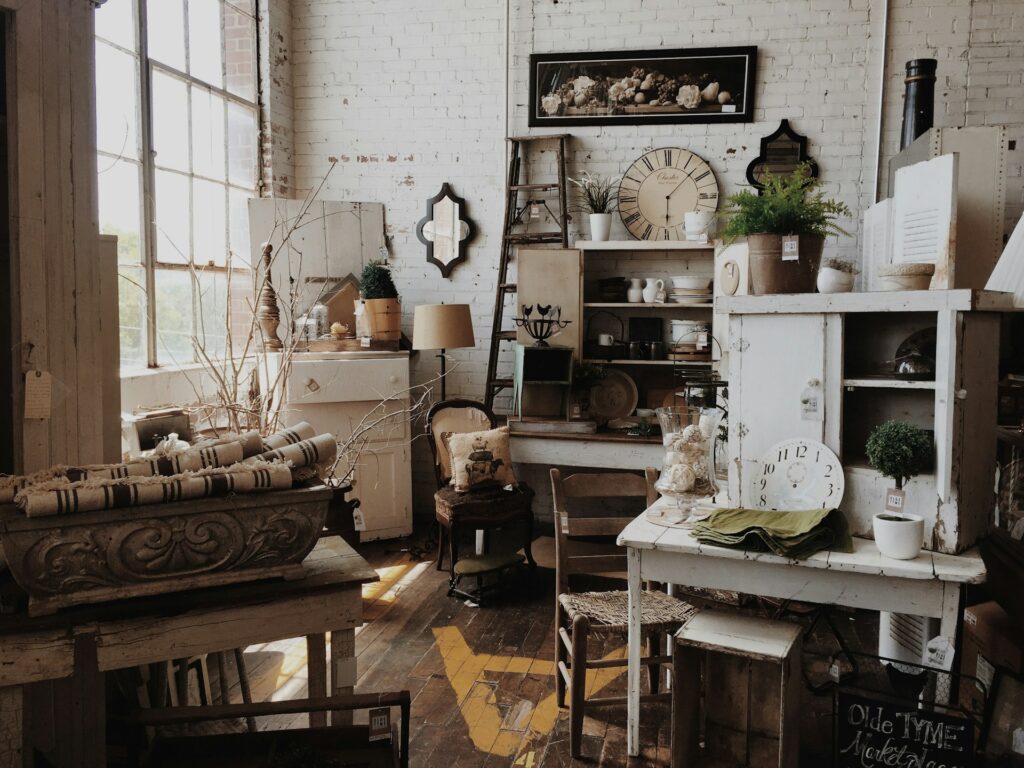
One of the most appealing things about cottagecore is that it actively rewards you for not buying everything new. A slightly battered pine dresser from a charity shop, a set of mismatched ceramic plates found at a car boot sale, a wooden bread board with knife marks from someone else’s kitchen. These things carry a warmth and a texture that flat-pack furniture simply cannot replicate.
The RHS guide to choosing houseplants is worth bookmarking too, because nothing softens a hard-edged city interior quite like a well-placed fern or trailing pothos on a reclaimed wooden shelf.
Upcycling fits neatly here as well. A tired side table given a coat of chalky paint, or a set of dining chairs reupholstered in a muted floral fabric, can do more for a room’s character than a thousand-pound sofa. We’ve got plenty more on this front in our piece on upcycling ideas for the bedroom, if you’re after specific projects.
The point is accumulation over time. As House Beautiful’s interiors team put it, cottagecore’s charm lies in the fact that it “cannot be achieved by clicking ‘add to cart.'” It’s a slow burn, a gradual layering, and it’s all the better for it.
Textures Over Trends
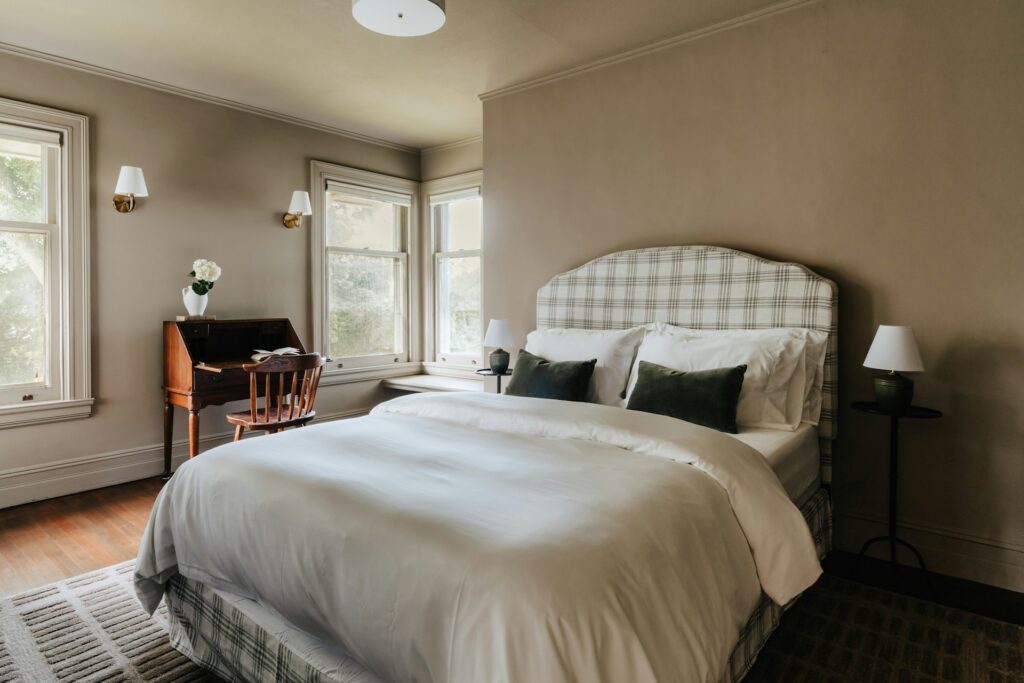
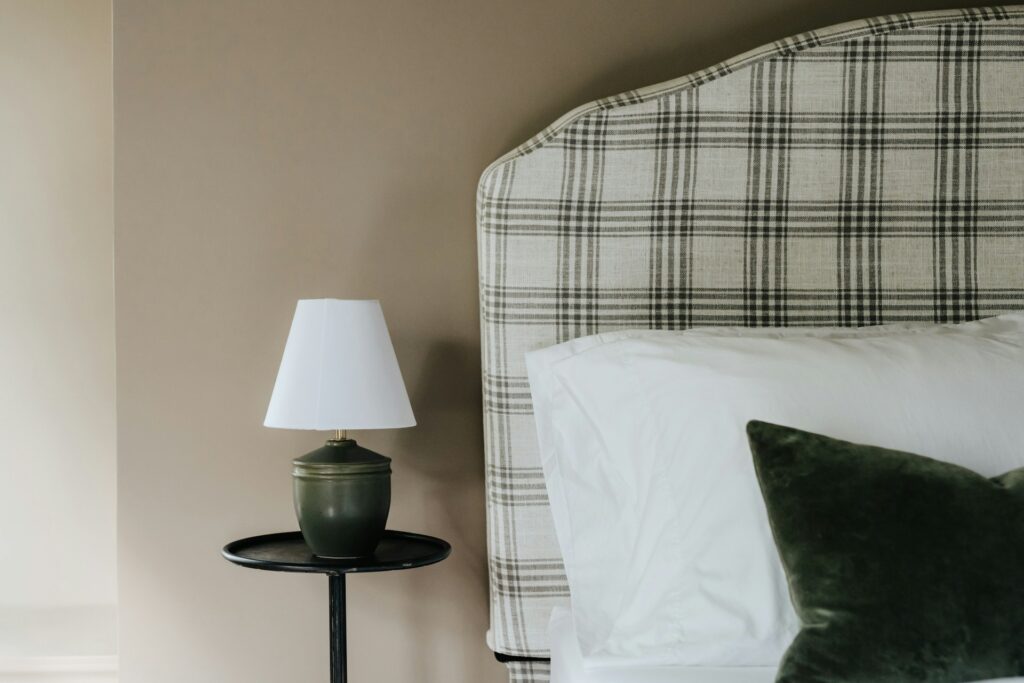
In a city flat with limited square footage, the temptation is to keep things minimal and matchy-matchy. Cottagecore gently rebels against this. It asks you to layer: a linen tablecloth under a wool runner, a crocheted throw over a cotton-covered sofa, a sheepskin draped across the back of a wooden chair. The palette stays calm, but the textural variety is what creates that sense of depth and comfort.
Curtains matter here, too. Swapping out a roller blind for something in a soft linen or a light cotton print, even just in the kitchen or bedroom, can fundamentally change the atmosphere of a room. Cottagecore thrives on softness, on fabric that moves and light that filters, and it’s an area where city homes can compete with their rural counterparts pound for pound.
Bring The Garden In (Even Without A Garden)
Most city cottagecore adopters won’t have a wildflower meadow at their disposal. But a windowsill herb garden, a collection of potted ferns on a bathroom shelf, or a few stems of dried lavender in a stoneware jug on the kitchen counter can do a surprising amount of heavy lifting.
Fresh flowers are wonderful but fleeting. Dried arrangements, on the other hand, last for months and have that slightly faded, just-gathered-from-the-hedgerow quality that suits the look perfectly.
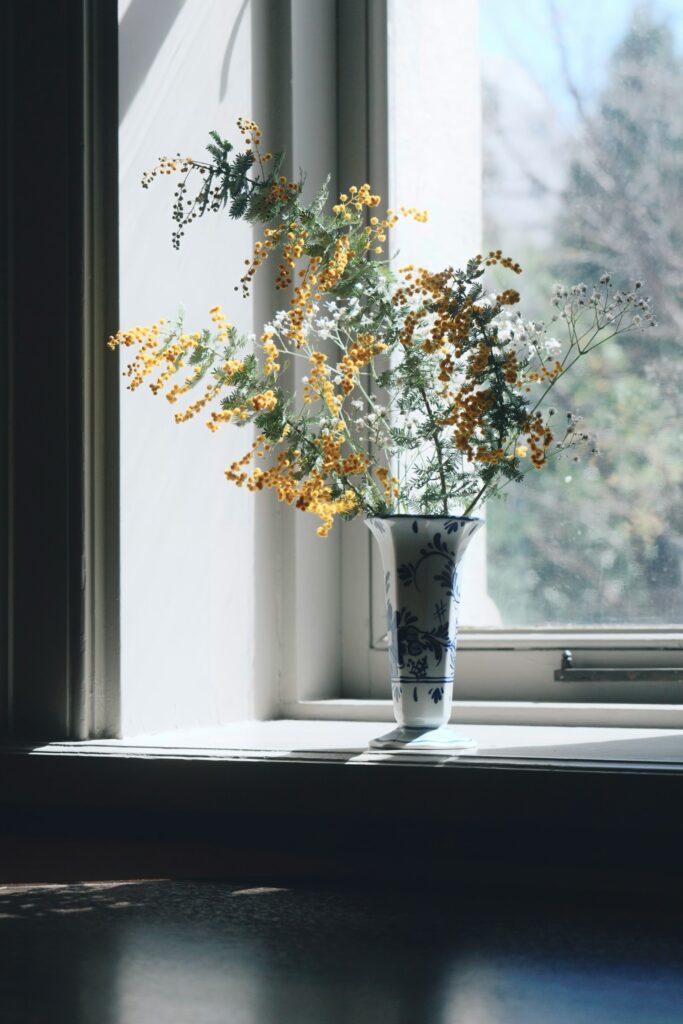
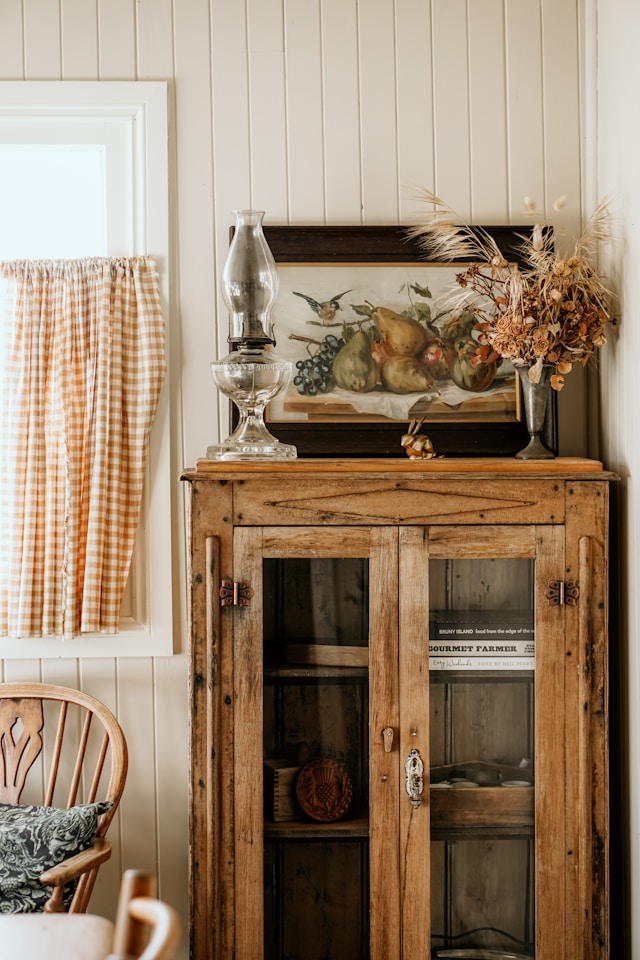
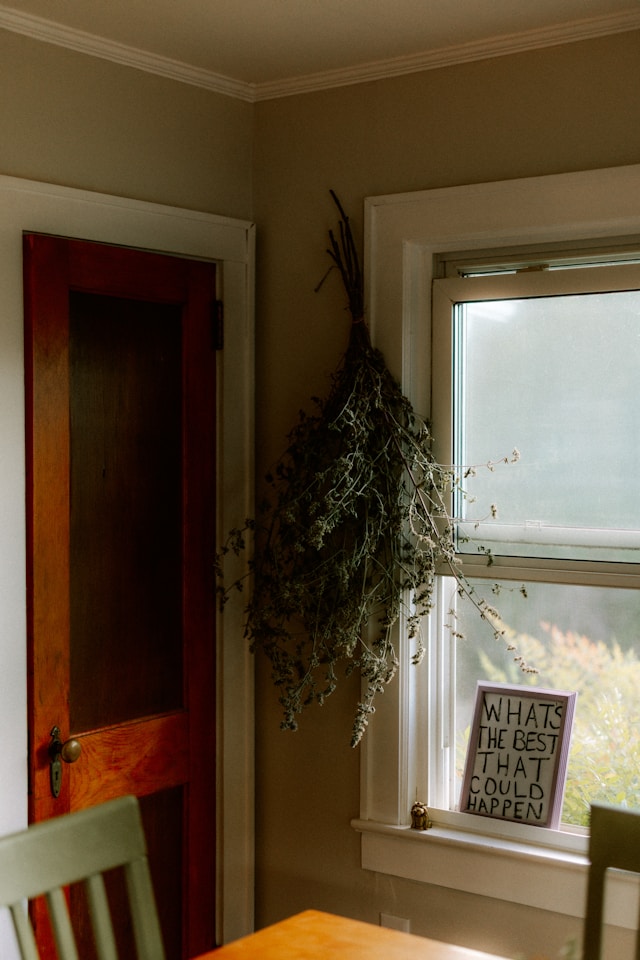
If you do have access to a balcony or small patio, a few terracotta pots of rosemary, thyme, and hanging herbs will create a sense of abundance out of very little space (and are wonderful for herbal teas too!). Consider displaying rows of homemade preserves, pickles, and chutneys in glass jars, preferably with handwritten labels, gingham cloth tops, or wax seals. These are iconic cottagecore visuals and tap into that whole self-sufficiency, back-to-the-land, romanticised rural life vibe.
And don’t underestimate fragrance as part of the equation: beeswax candles, linen sprays scented with lavender, and the occasional batch of something baking in the oven can make a small flat feel like an entirely different world.


Lean Into Slow Living (But Don’t Make It A Chore)
Cottagecore is as much about how you live in a space as how you decorate it. There’s a reason the aesthetic is so closely associated with bread baking, preserving, and making things by hand. You don’t need to become a full-time sourdough devotee, but carving out a small corner for a hobby gives a room purpose beyond mere function.
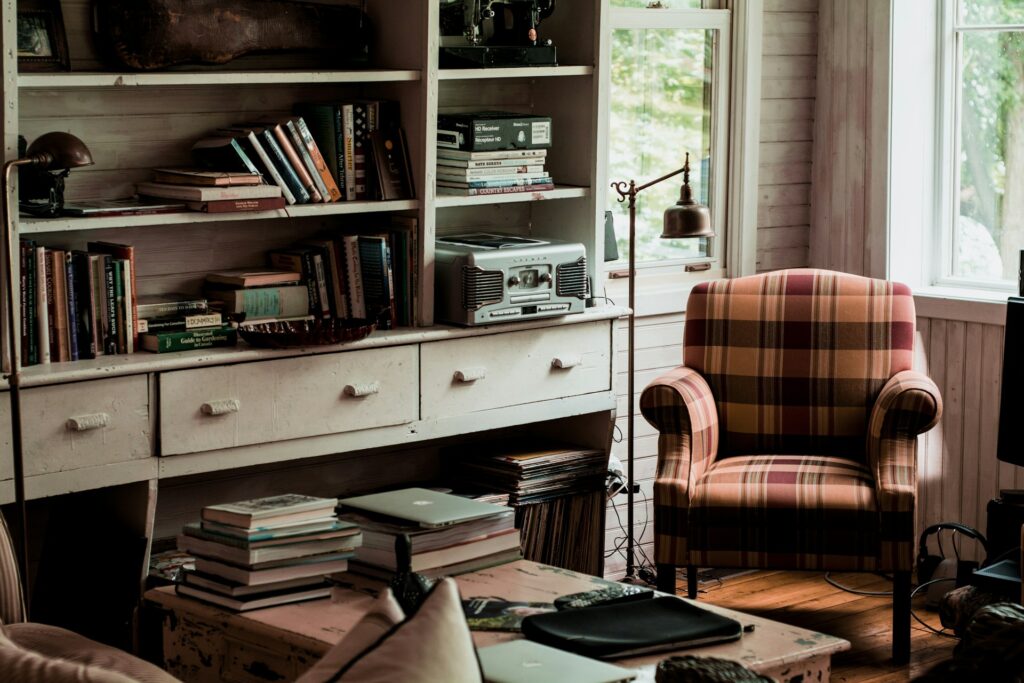
A reading nook with a secondhand armchair and a stack of well-thumbed paperbacks. A kitchen shelf with a few handmade ceramic mugs and a jar of homemade marmalade. Evidence of a life being lived at a pace that actually allows for enjoyment, basically.
The danger, of course, is overthinking it. The moment your cottagecore corner starts to feel curated for Instagram rather than for you, it’s lost the plot entirely.
The Bottom Line
There’s more on this approach to interiors in our piece on the elements that define timeless interior design. Cottagecore in a city home works best when it feels unselfconscious. The whole appeal of the aesthetic is that it looks like it happened gradually, over years, without anyone trying too hard.
None of it requires a cottage, a countryside address, or even a particularly large budget. Just a willingness to slow down, look a bit harder at charity shops and car boot sales, and let your home become something that feels genuinely, unashamedly comfortable.
If you’re ready to take it a step further, our guide to the essential elements of a farmhouse kitchen is just the ticket. Apron sink optional; rolling pin recommended.