The headline price of a UK Umrah package looks reassuringly complete. Flights, hotel, visa, transfers: it’s all there, bundled into a per-person figure that makes the whole thing feel planned and paid for before you’ve even packed. And to be fair, most reputable operators aren’t trying to mislead you. The problem is that the bundled price covers the architecture of your trip but not the texture of it, and it’s the texture that ends up costing you.
We’re talking about the taxi back from the Haram at midnight when your hotel shuttle has stopped running. The laundry bill after three days of Tawaf in 25-degree heat. The restaurant markup that comes with eating within sight of the mosque. The Nusuk app admin that nobody warned you would eat an entire evening. None of these costs are hidden in the sinister sense, but they’re invisible at the point of booking, and collectively they can add 20 to 30 per cent to your total spend if you haven’t planned for them.
Here’s where the money goes, and how to keep it under control.
The Proximity Premium
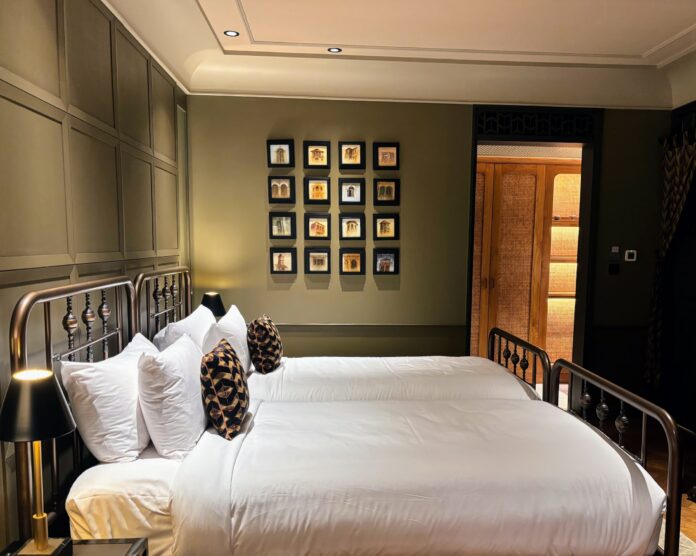
Hotel pricing in Makkah runs on a single axis: how close you are to Masjid al-Haram. A three-star property five minutes’ walk from the mosque can cost more per night than a four-star fifteen minutes away, and the gap widens sharply during busy periods. This is worth understanding rather than simply accepting, because the right answer depends entirely on who you’re travelling with.
If your group includes elderly relatives or young children, proximity is worth paying for; the walk back after Isha with tired legs is no joke. If everyone’s reasonably mobile, a hotel further out with a reliable, included shuttle service (confirm that ‘included’ part before you book) can save a meaningful amount per night.
Madinah is a different equation. Hotels are generally cheaper, the area around Masjid an-Nabawi is more manageable in scale, and the city itself moves at a calmer pace. Most UK packages split your stay across both cities, and it’s worth checking whether the Madinah leg reflects that price difference or whether the operator has simply pocketed the saving.
Visa Admin & The Nusuk Question
Saudi Arabia’s Umrah infrastructure has been digitalised substantially, and while the process is smoother than it used to be, the admin still carries costs and time commitments that headline prices don’t always make clear.
The Saudi eVisa for UK passport holders is applied for online through the official portal, usually approved within 24 to 72 hours, and comes with mandatory travel insurance baked in. That insurance, though, is basic. If you want cover that actually means something in the event of a medical issue during the physical demands of Tawaf and Sa’i, a separate policy is worth the additional spend.
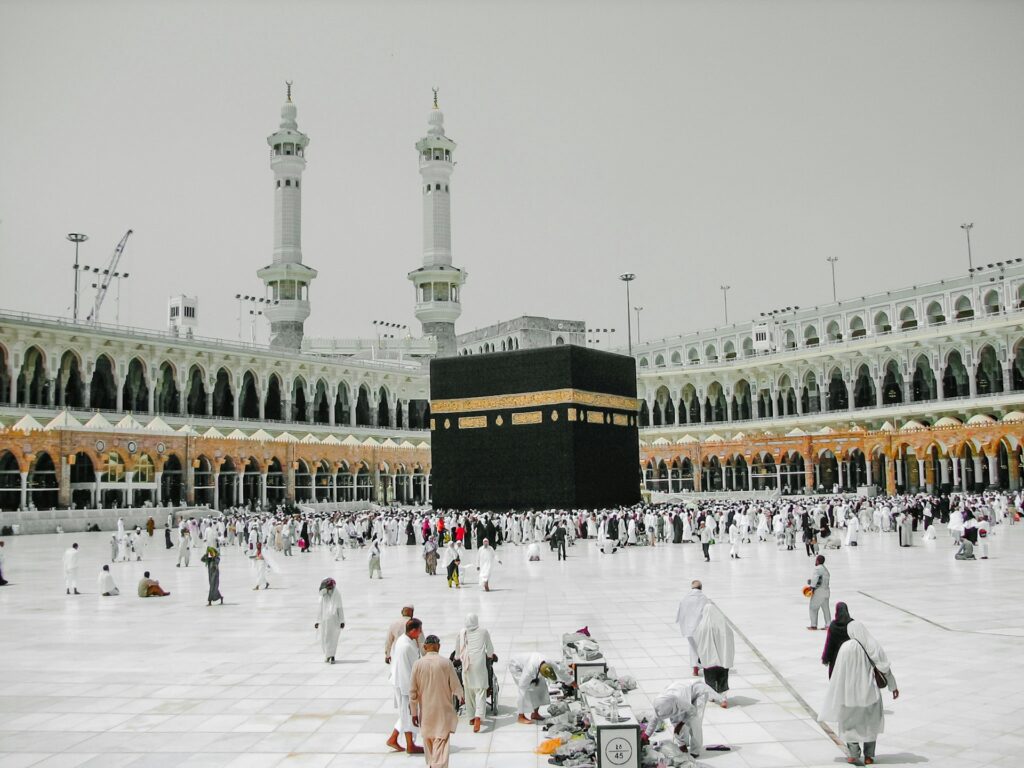
Then there’s Nusuk, the Saudi Ministry of Hajj and Umrah’s official app, which in 2026 is mandatory. Every pilgrim needs a Nusuk-issued permit to enter Masjid al-Haram, and if you want to visit the Rawdah in Madinah, that’s booked through the app too, with slots limited to one per person per year. The app itself is free, and Saudi networks now offer zero-data access for it, which helps. But getting your visa details correctly linked, securing a permit slot that aligns with your hotel dates, and troubleshooting the login issues that seem to affect a good proportion of first-time users all take time and patience. Allow an evening for it, ideally before you travel.
One practical note on timing: if you’re travelling on a dedicated Umrah visa, the entry window has been tightened to 30 days from issuance (down from 90), so the smart sequence is to confirm flights and hotel first, then apply roughly three weeks before departure. Get this the wrong way round and you risk holding a valid visa that expires before your trip starts. UK passport holders can also perform Umrah on a Saudi tourist eVisa, which has a longer validity of one year with up to 90 days per visit, though you’ll still need your Nusuk permit sorted before arrival either way.
Transport Within The Cities
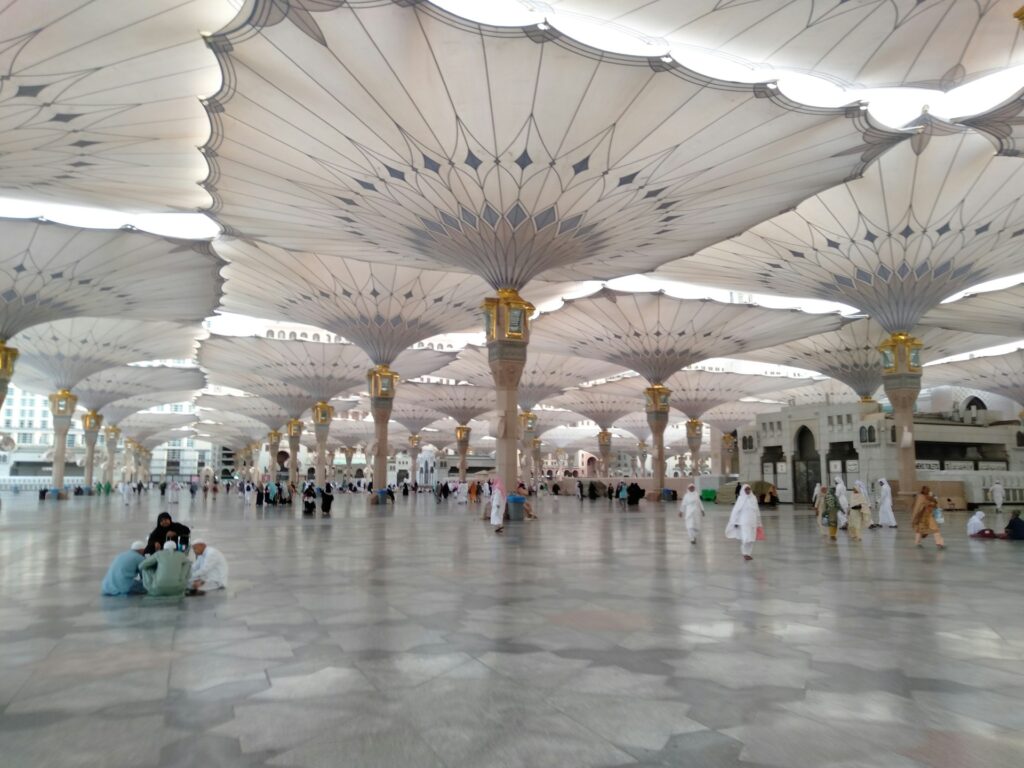
Most UK packages include the transfer between Makkah and Madinah, but check what form that takes. The Haramain High-Speed Railway connects the two cities in around two to two and a half hours and is comfortable and reliable; a shared minibus at an unspecified time is neither.
Where transport costs genuinely bite is within each city, particularly Makkah. Taxi fares around prayer times can be significantly higher than at other points in the day, and ride-hailing apps, while functional in both cities, are subject to surge pricing when demand peaks. If your hotel advertises a shuttle to the Haram, confirm before booking whether it’s complimentary or charged per use, and critically, whether it runs after Isha and before Fajr or only during standard hours.
Food & The Daily Spend
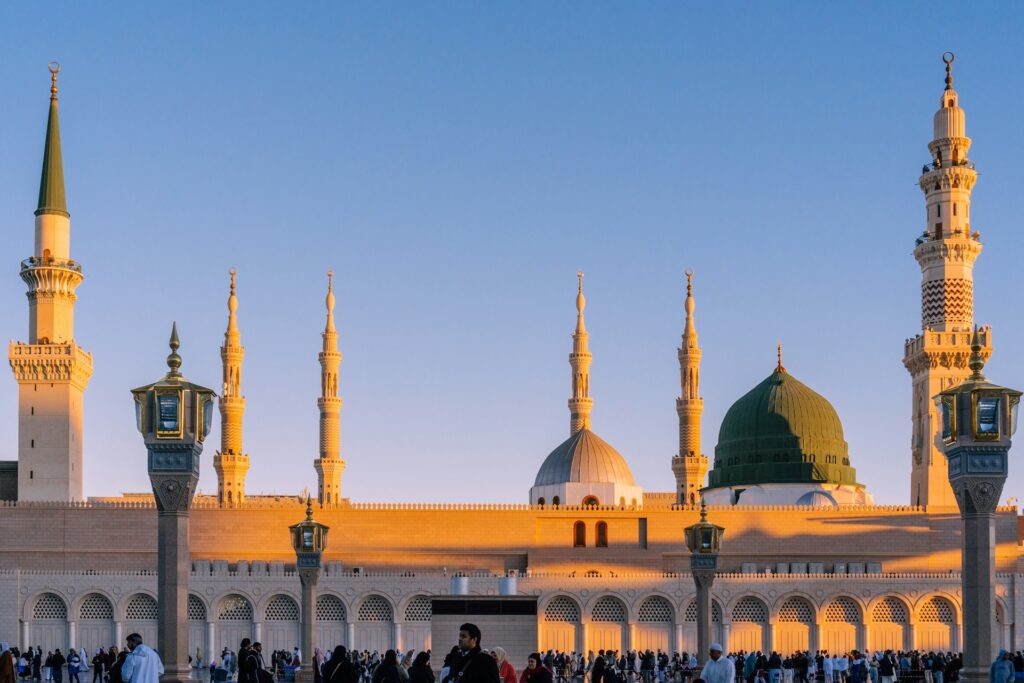
Unless your package specifies full board (three meals a day, which relatively few UK packages do), food will be your biggest variable cost. Restaurants within the immediate Haram precinct in Makkah carry a substantial location markup; a meal that costs 25 to 30 SAR in a side street ten minutes’ walk away can be double that at a restaurant overlooking the mosque. Madinah is kinder on this front, with a wider spread of affordable options around the Prophet’s Mosque.
Laundry is the other one that catches people out. Hotel laundry services in both cities charge per item, and the rates can be startling, particularly given the frequent changes of clothing that the physical nature of Umrah demands. Local laundry shops in the surrounding streets charge a fraction of the hotel rate; finding one early in your stay rather than discovering them on day six is the move.
Why December, & How To Time It
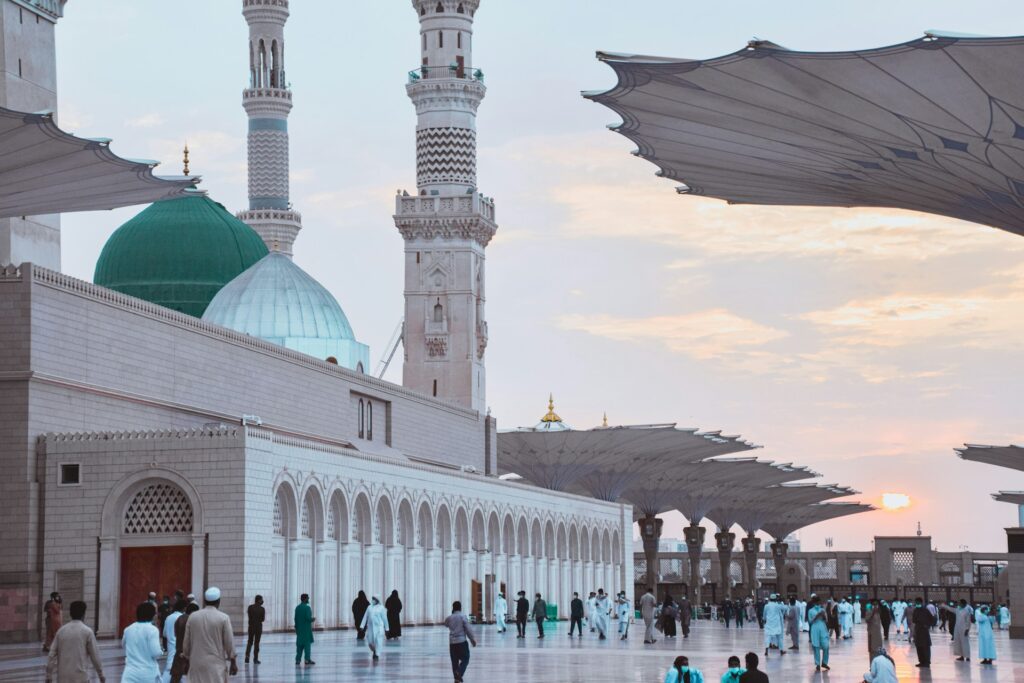
December’s appeal for UK pilgrims is straightforward. The weather in both cities is about as comfortable as Saudi Arabia gets: Madinah’s December days sit between 13°C and 24°C; Makkah is warmer, with daytime highs regularly touching 30°C and evenings dropping to around 19°C. Either way, it’s a world apart from the 40°C-plus of the Saudi summer, making the outdoor rituals far less physically draining. December also coincides with the UK school Christmas break, which for families is one of the few windows where everyone can travel without attendance issues.
The trade-off is predictable: every other UK family has made the same calculation, and prices in the final fortnight of December reflect that demand. December Umrah deals from specialist operators tend to offer better value earlier in the month, before the school holiday rush begins around the 21st. If your dates are flexible, even shifting by a week can make a noticeable difference to what you pay for flights and accommodation.
The Bottom Line
An Umrah trip from the UK is a significant financial commitment however you structure it, and the package price is only the starting point. The extras aren’t extras because anyone’s being dishonest; they’re extras because they depend on choices you’ll make on the ground, from where you eat to how you get around to whether your hotel shuttle actually runs when you need it.
Budget for them realistically, get your Nusuk registration sorted before departure, and book early enough to get the dates and hotels you want. Makkah and Madinah are among the world’s most ancient sites, and the experience of being there deserves your full attention, not half of it lost to worrying about money.