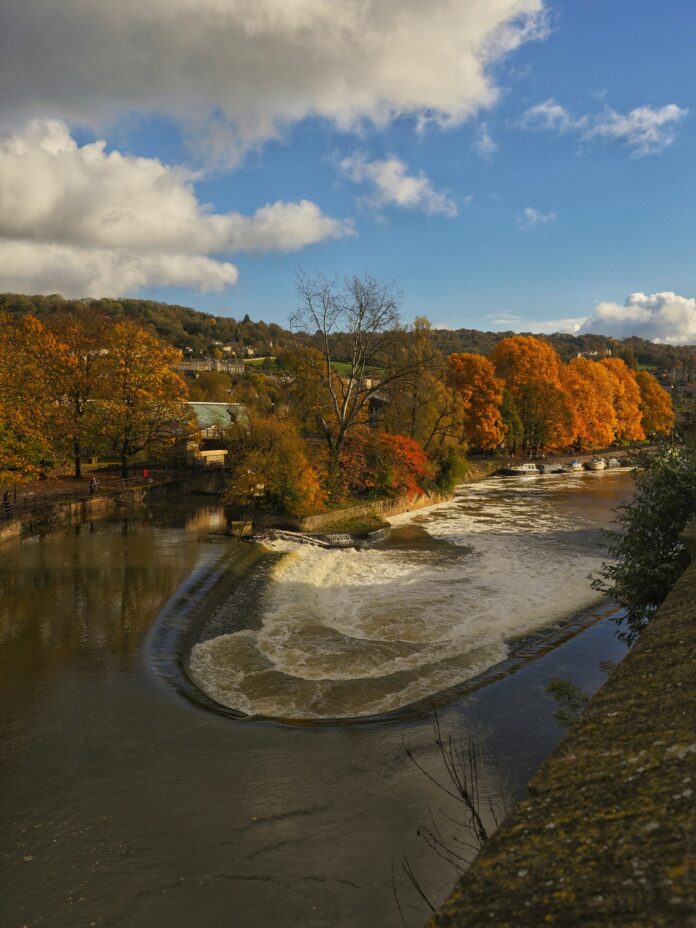
The waves at Natai Beach neither lap nor lull. They arrive in long, thick sets from the widescreen Andaman, breaking with enough force that you hear them inside the villa with the doors closed. This is not the placid, postcard Thailand of Gulf Coast bays, where the sea politely keeps its distance. It is the other side of the peninsula, facing west into nothing, and Iniala Beach House has built itself directly on its shore.
The salty sea air coming off those waves will make you inhale deeply. And arriving at one of just ten individually designed spaces will make you expel all your pent-up stress in one comically flamboyant exhale.
Because Iniala Beach House does in ninety seconds what your meditation app has been failing to do for eighteen months now – at, in fairness, considerably greater expense. The sea supplies the soundtrack throughout, present in every villa, audible through the wall of windows that face it, like an Om tone that reverberates in your ears long after checkout.
Whether you came for the sea, the chef’s table, or the frankly psychedelic design, you arrive at the same conclusion within an hour or two: this is your sign to surrender.
The Location
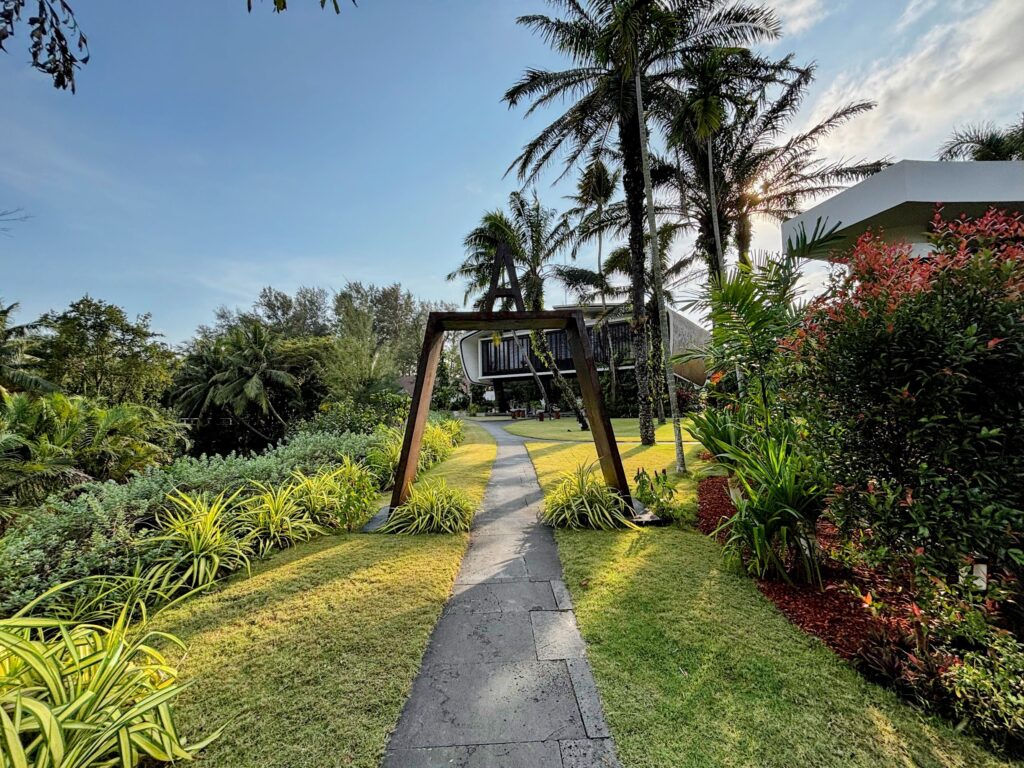
Iniala sits on Natai Beach, on the Thai mainland in Phang Nga rather than Phuket island itself. Just over the Sarasin Bridge, Phuket International Airport is around 25 minutes down the road, making arrival mercifully straightforward. Once you cross the threshold, however, the outside world effectively ceases to exist.
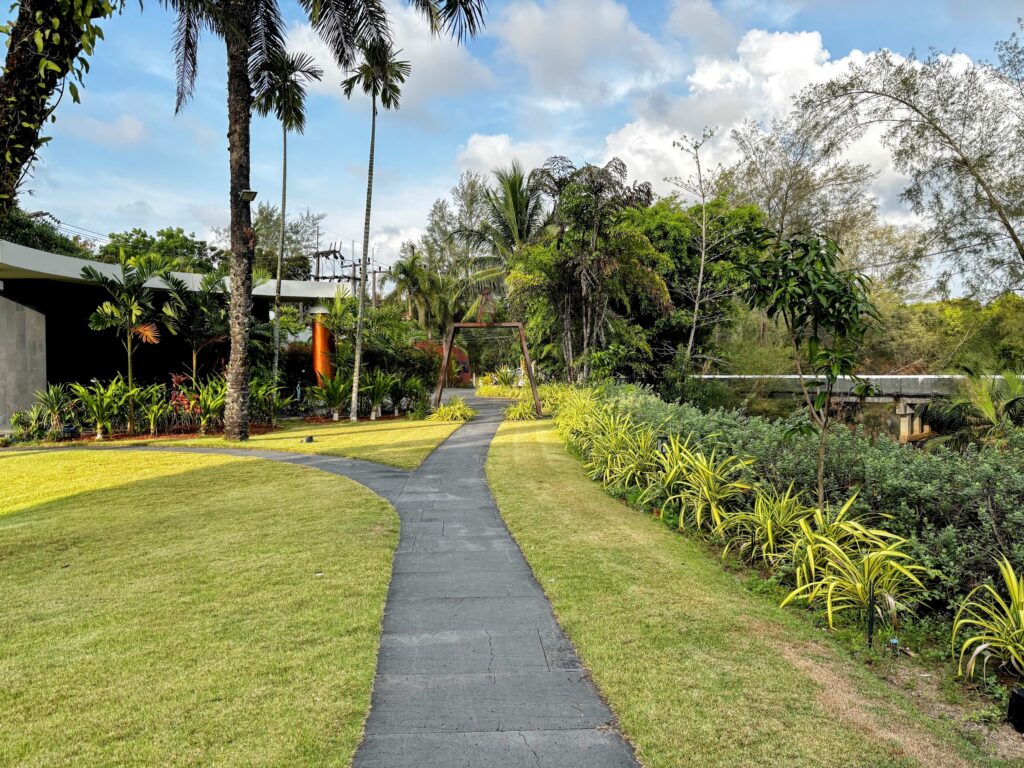
Natai is a long, unhurried stretch of sand with almost no commercial development along it. Its nearest neighbour is a mid-range family resort, though you’d barely know it; Iniala operates in its own sealed-off world.
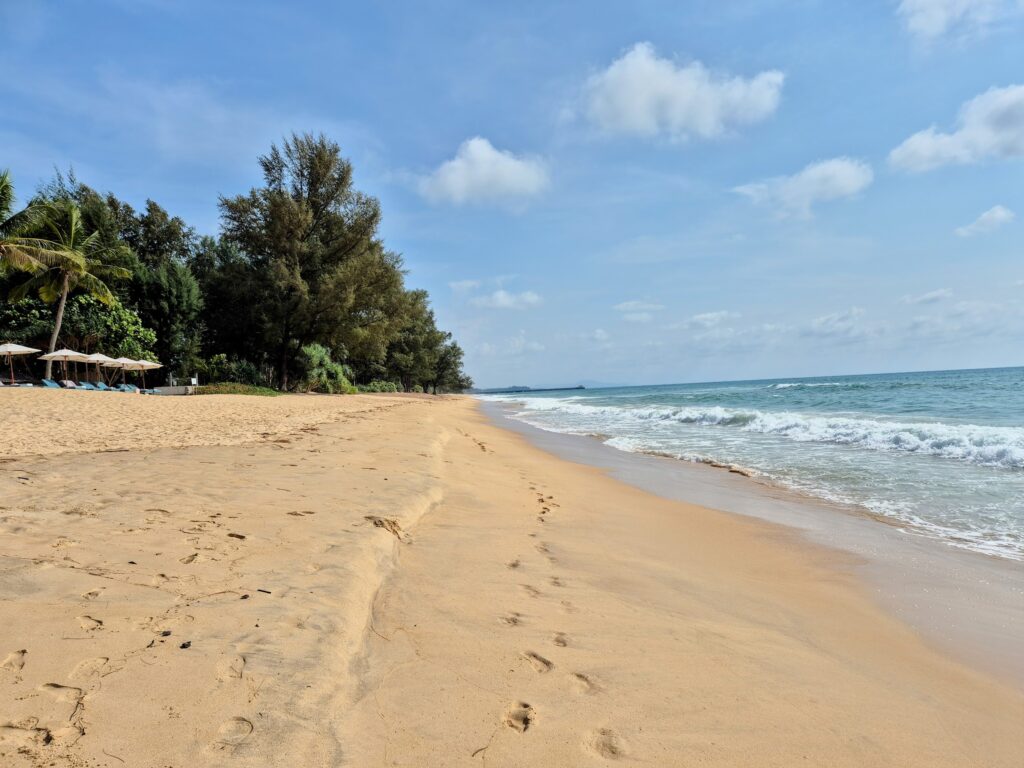
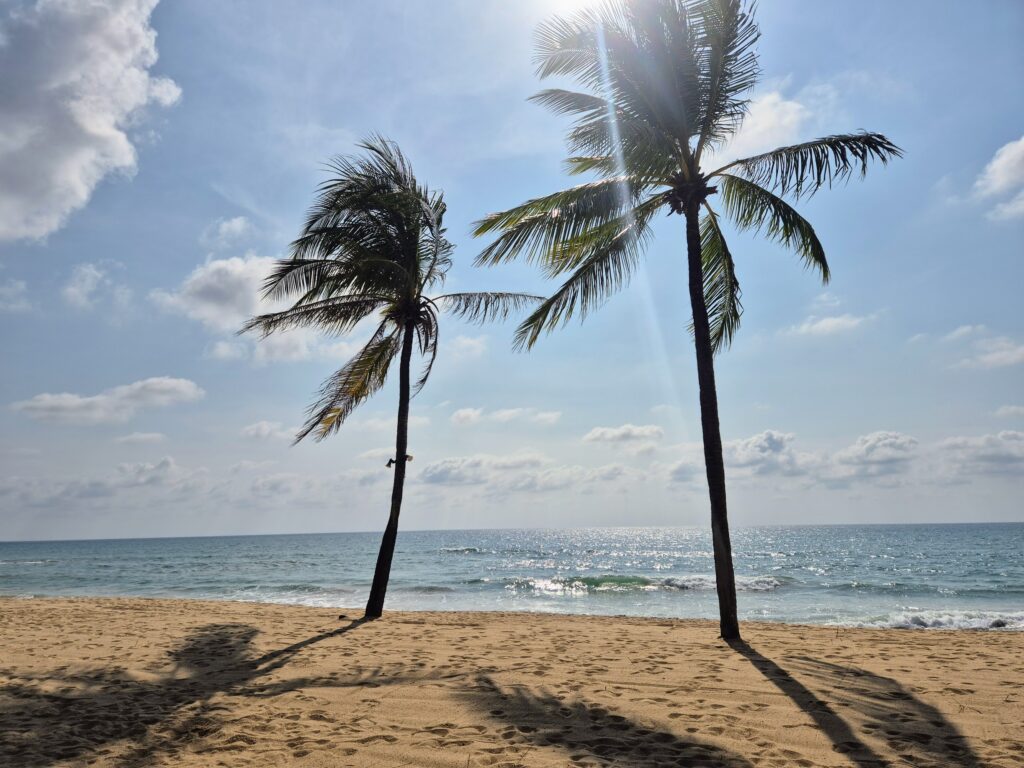
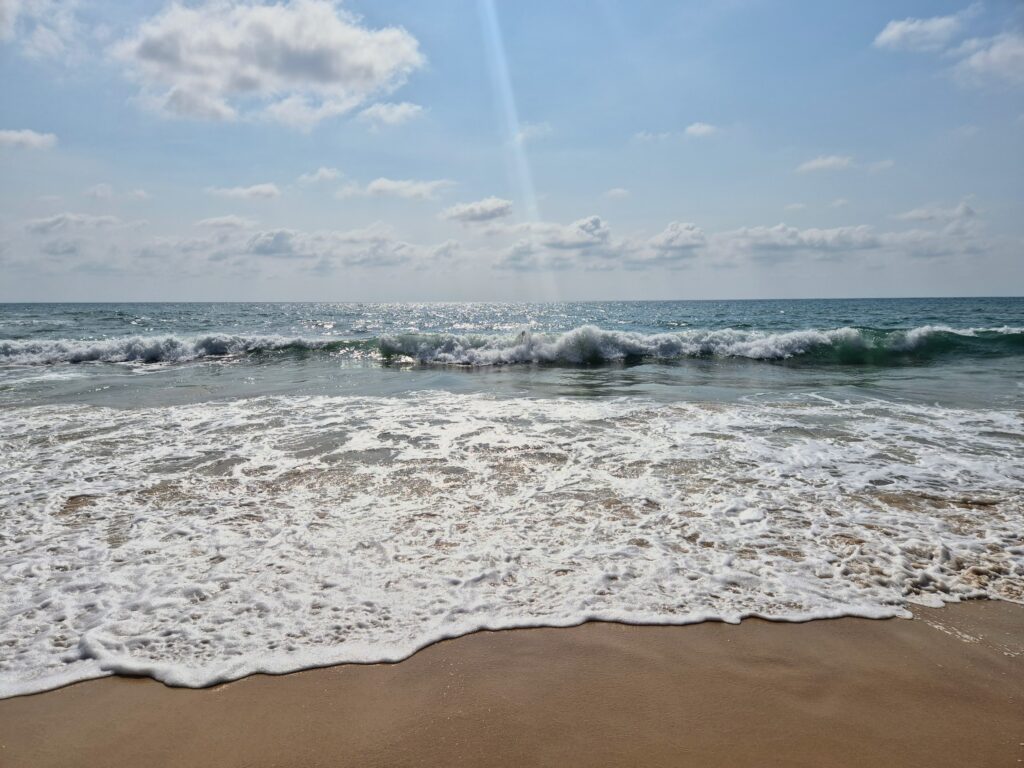
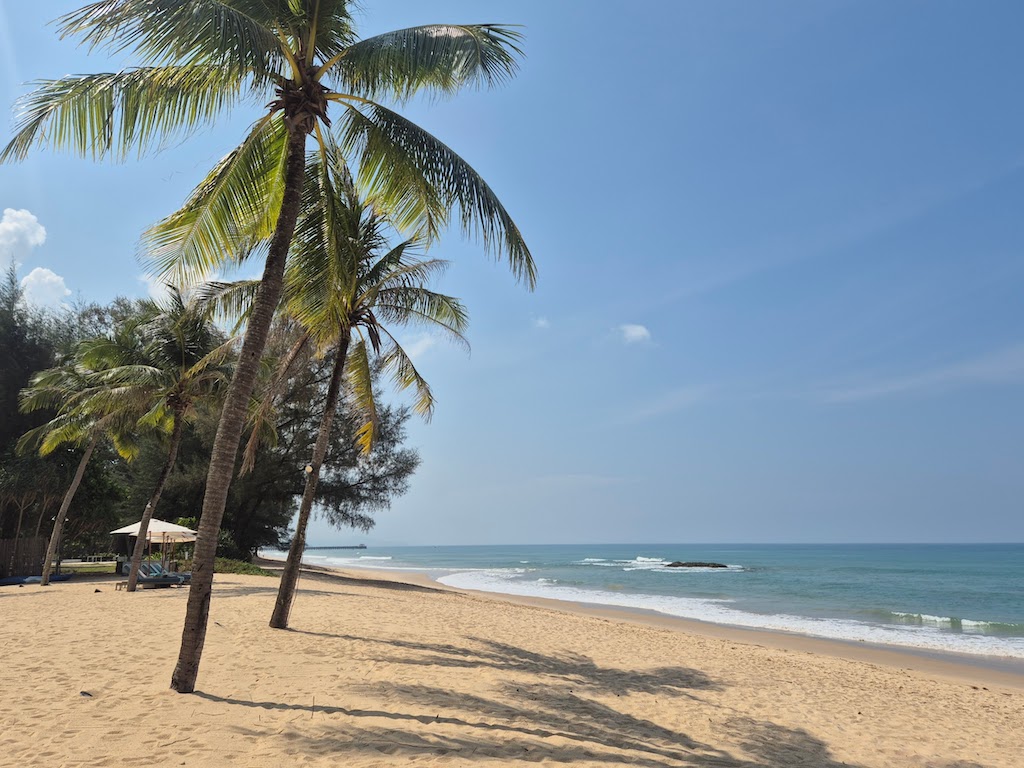
What makes this coastline special though, is its exposure. Facing the open sea with little to interrupt the horizon, Natai picks up considerably more wave action than the sheltered bays further south in Phuket proper. There is very little in the way of islands or landmasses to break incoming swells, and motorised water sports are banned, which only deepens the sense of having stumbled onto a stretch of coast that the rest of the world has overlooked.
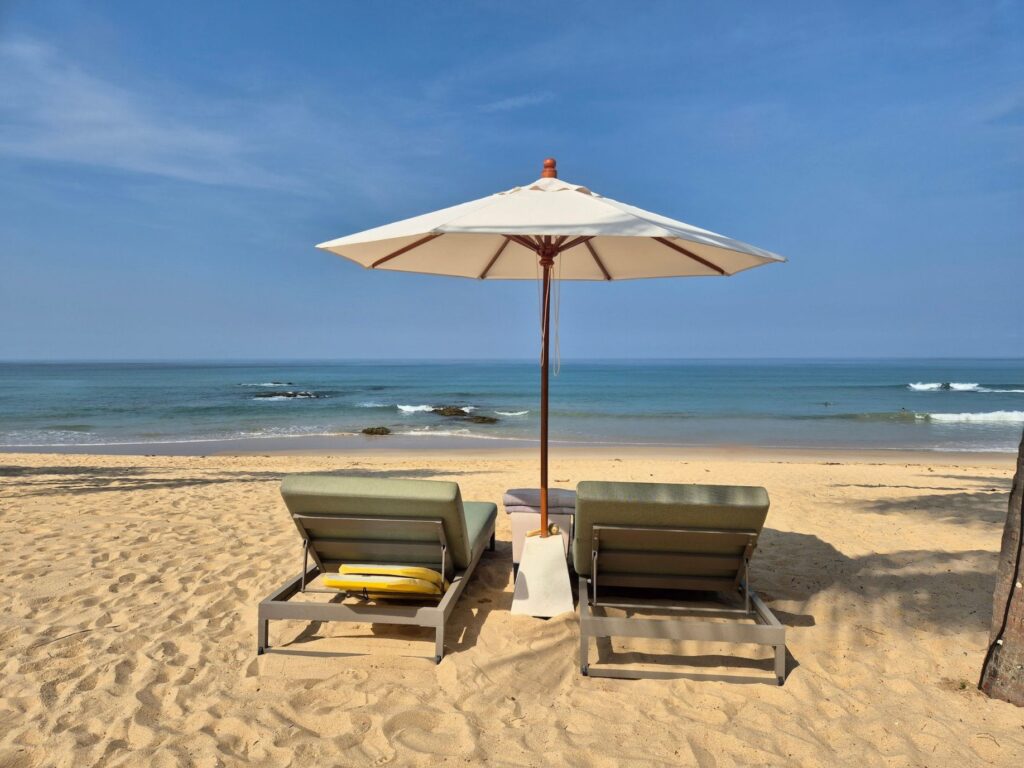
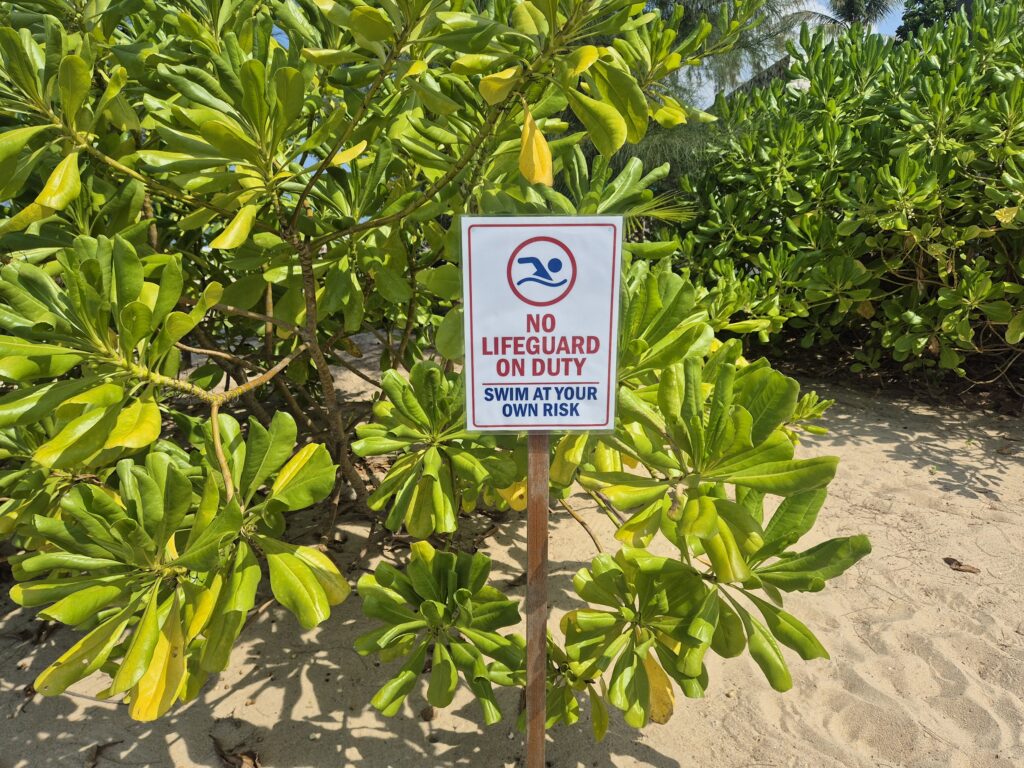
It’s a good spot for playing in the surf, and there’s a free, kinetic energy to it that feels like a deliberate counterpoint to the glassy-calm infinity pools you find at more manicured luxury resorts. The hotel rightly acknowledges this is a strong suit and plays its hand here, providing bodyboards. A note of caution though: during the monsoon season (roughly May to October), prevailing winds push swells directly onshore and conditions can be genuinely powerful, and swimming is discouraged at best, outright banned at times.
Character & Style
The effervescence of the Andaman feels like a natural foil to Iniala’s intensely curated interiors, almost as if it’s the ocean that’s been shipped in; enlisted to stop you taking all that design too seriously.
And everything is hyper-styled, it has to be said. Staying here is a cinematic experience that could border on ostentatious, but the service is so warm and personal, the design flourishes so idiosyncratic, that it never falls into that category.
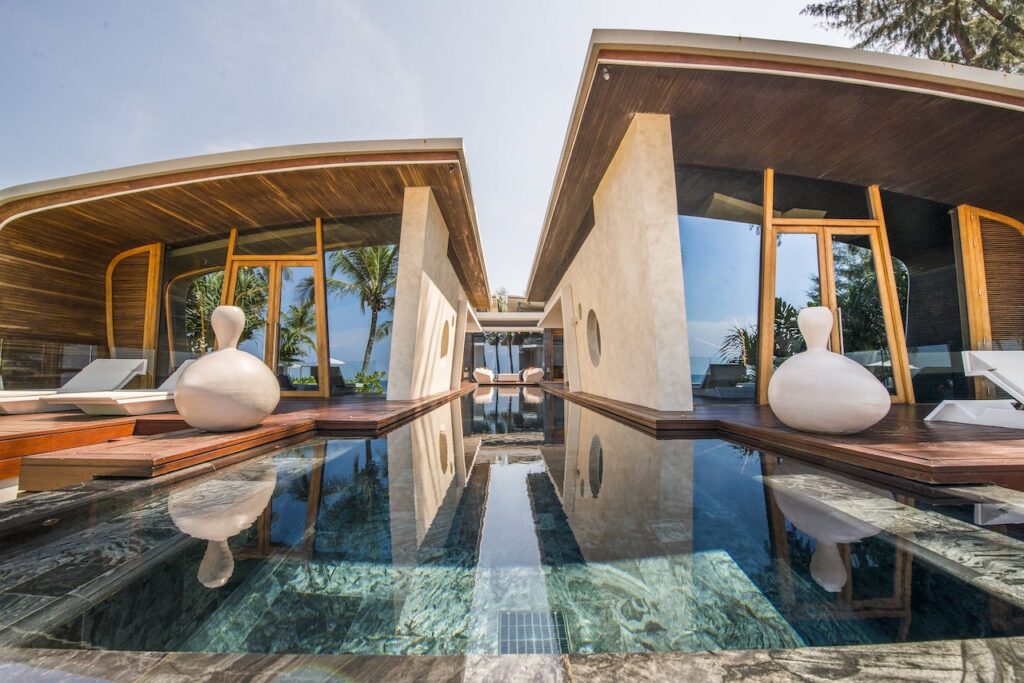
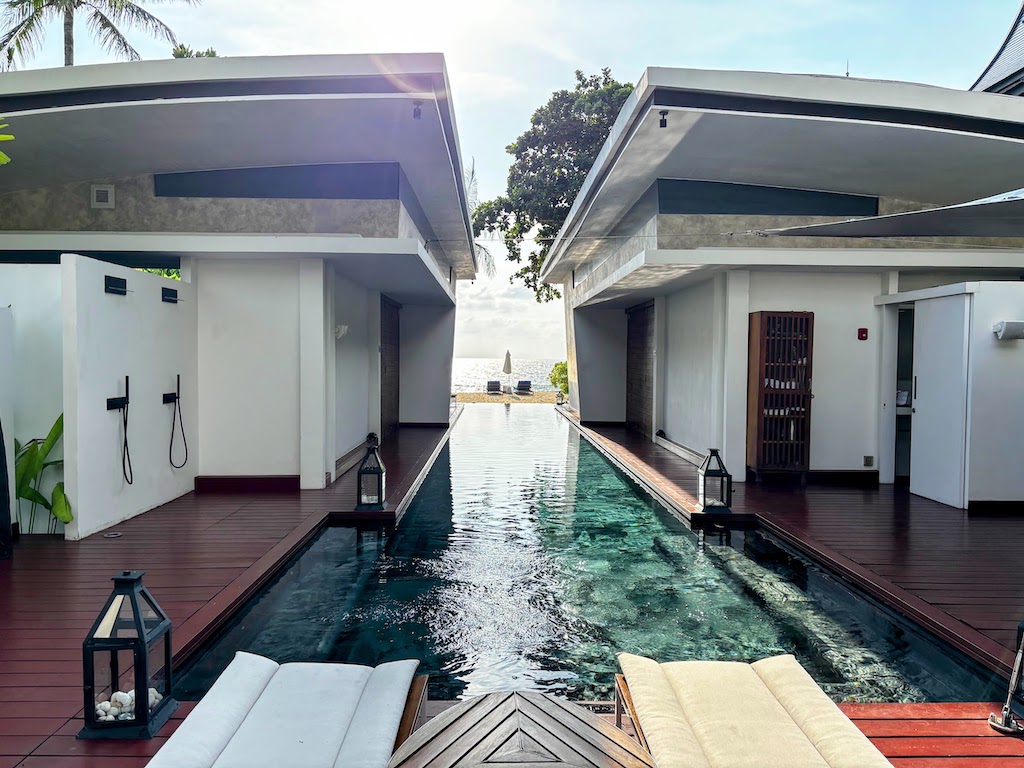
Iniala grounds its philosophy in hospitalitas, the Latin origin of the word hospitality, meaning generosity towards guests. From that foundation grows what it describes as its four pillars: gastronomy, art, culture and community. That sounds, on paper, like the kind of brand language you can safely ignore, but it is genuinely felt across the property. The pillars run through the resort itself, and find practical expression through a programme of structured off-site experiences – longtail boat trips through Phang Nga’s limestone karsts, cooking classes at organic farms, encounters with monks and artisans – each designed to explore a different pillar through the lens of Thai life.
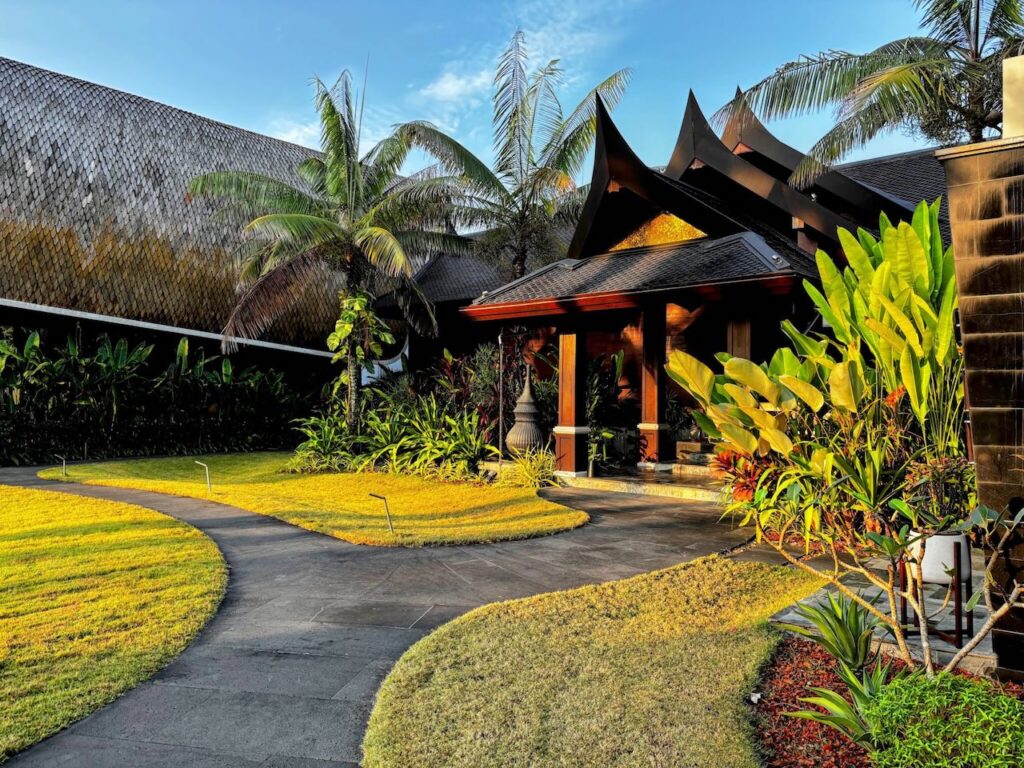
The art alone runs to more than forty contemporary pieces by South-East Asian artists, exhibited throughout the residences and public areas: a living gallery rather than decorative wallpaper. Although, come to think of it, some of it is decorative wallpaper too. Elsewhere, eleven international designers were each given a space to do with as they wished, with a single brief: every room had to be out of the ordinary, yet practical and comfortable enough to actually live in. The results are gloriously uneven in the best possible way.
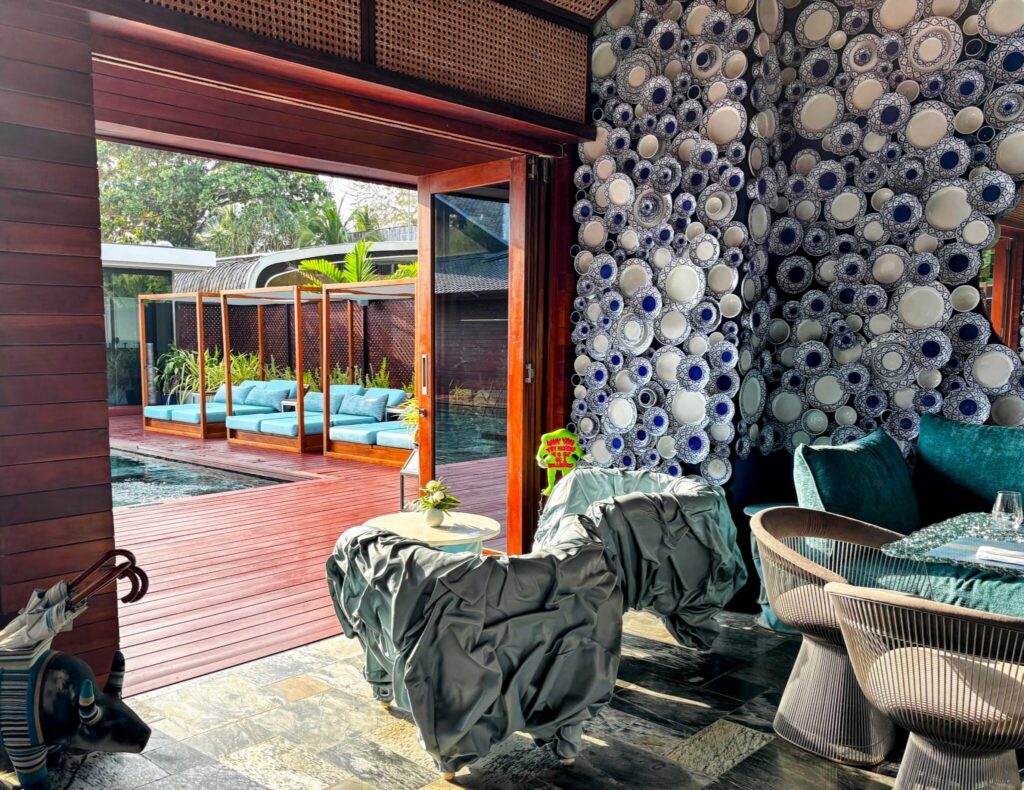
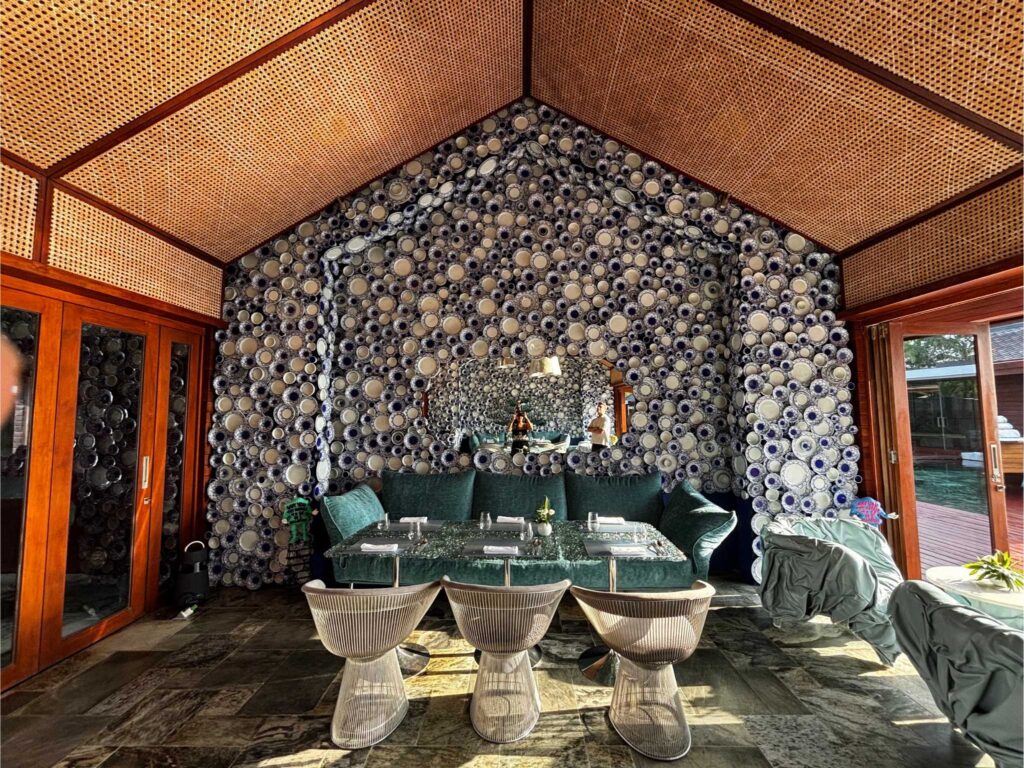
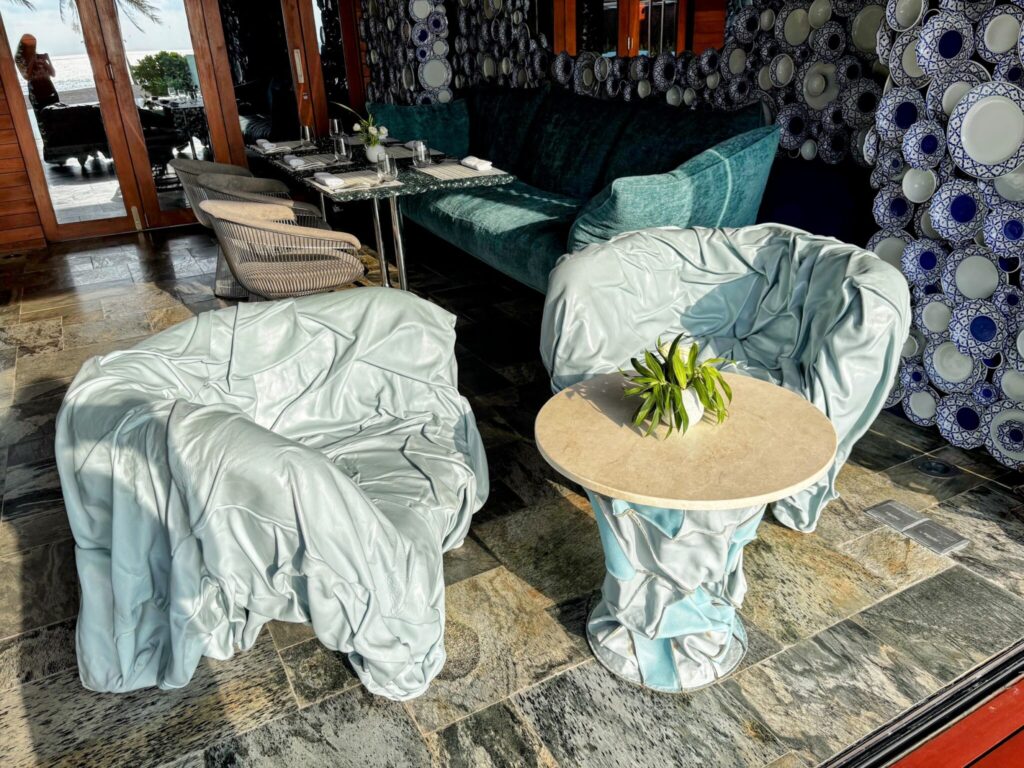
The Campana Lounge (designed by the late Fernando Campana and his brother Humberto, the celebrated Brazilian designers) is the heart of the communal areas. The most striking detail is the wall: hundreds of classic Thai blue-and-white ceramics – plates, bowls, pedestal dishes – clustered across the surface in cresting, wave-like swells. A nod to Bangkok’s Wat Arun and its broken-porcelain mosaics, here it’s translated into something looser and more oceanic. In other hands it could tip into the gaudy, and those denim-shrouded chairs won’t be to every taste, but boy is it fun.
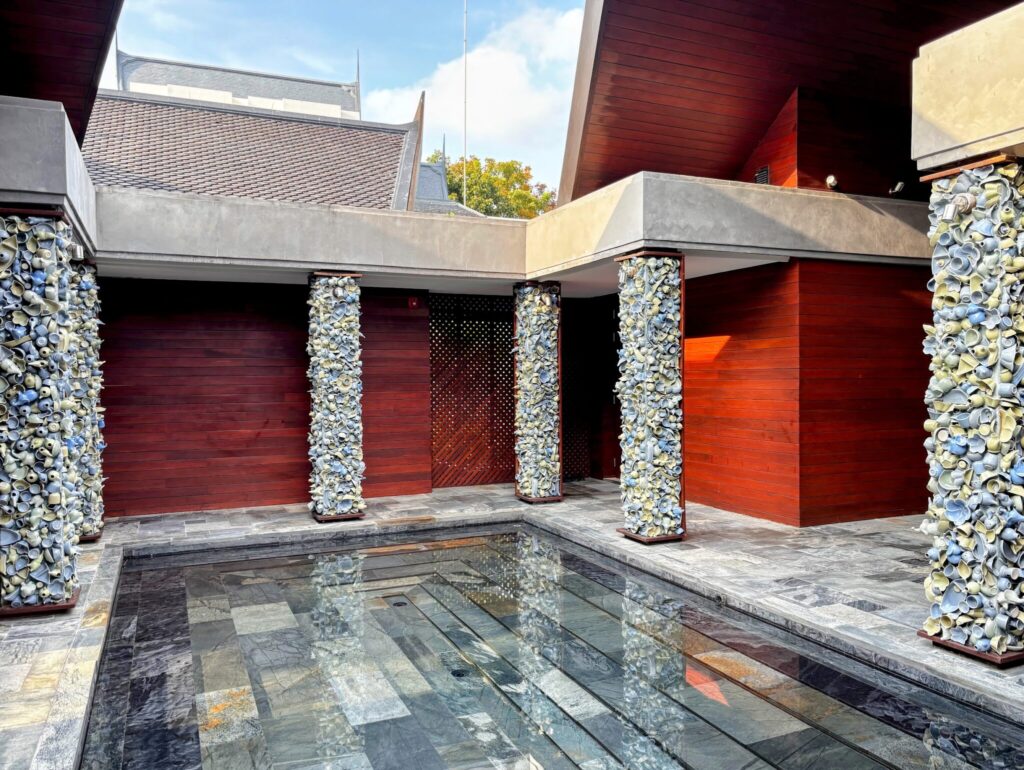
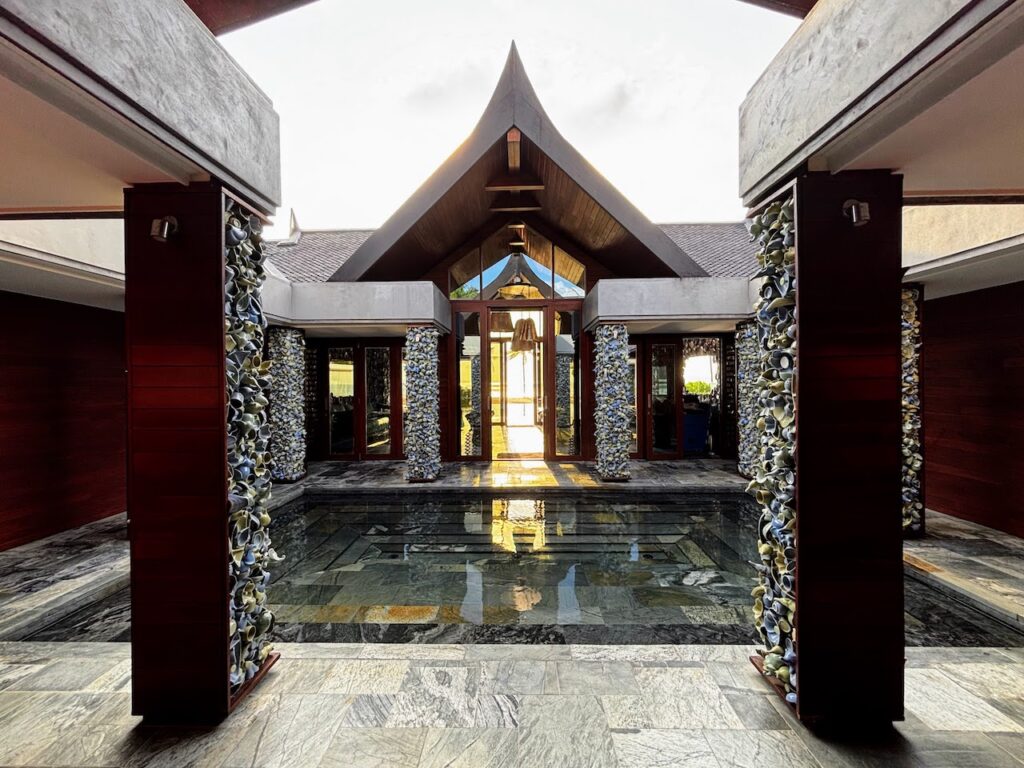
Out in the entrance courtyard, ceramic columns rise from a reflecting pool, each encrusted with hundreds of glazed pieces in soft celadon and dusty blue, clinging to the surface like barnacles on a sea-pier. They took the Campanas around 600 hours to make, and hidden among the clustered forms are elephants, flowers, miniature teapots and other small surprises rewarding a closer look. It’s where Iniala’s twin pillars of art and culture quite literally intertwine.
At Iniala Beach House, gastronomy is the pillar that pulls hardest: Aulis, acclaimed British chef Simon Rogan’s 15-seat chef’s table, is one of just two Michelin-starred restaurants in Thailand outside Bangkok, and a meaningful proportion of guests are here for the table first and the villa second. Conversations around the pool – or, indeed, on the beach – sooner or later drift toward what was eaten the night before.
There’s a dense kitchen garden on the grounds too, which supplies the herbs and edible flowers that find their way onto Aulis’s tasting menu. You can take the Rogan out of Cartmel, but you can’t take the…
Alongside flush foodies, Iniala attracts a glamorous set. Kim Kardashian spent the lead-up to her wedding here back in 2014, booking out the whole property. It was featured on the show for a few fleeting seconds, even, as if that matters. We mentioned to a Thai acquaintance in Phuket we were staying at Iniala. Their reply: “That’s where politicians and celebrities stay”. “And spies”, they added for some reason, eyeing us up and down trying to work out which, if any, we were.
Well, we couldn’t reveal that, could we?
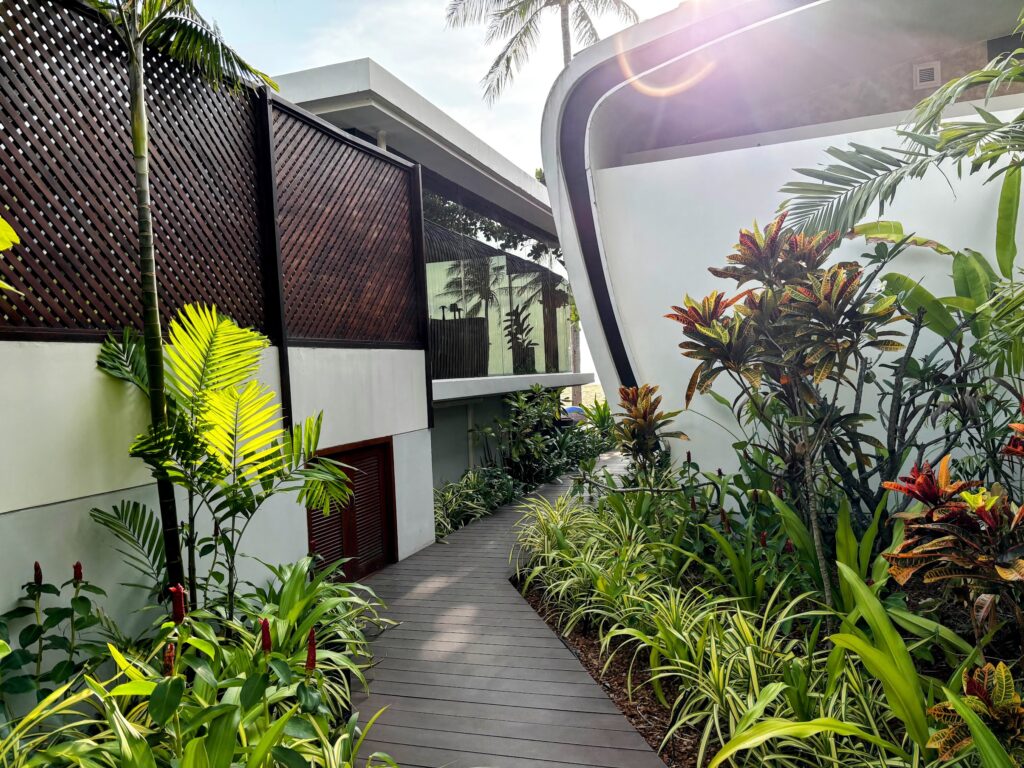
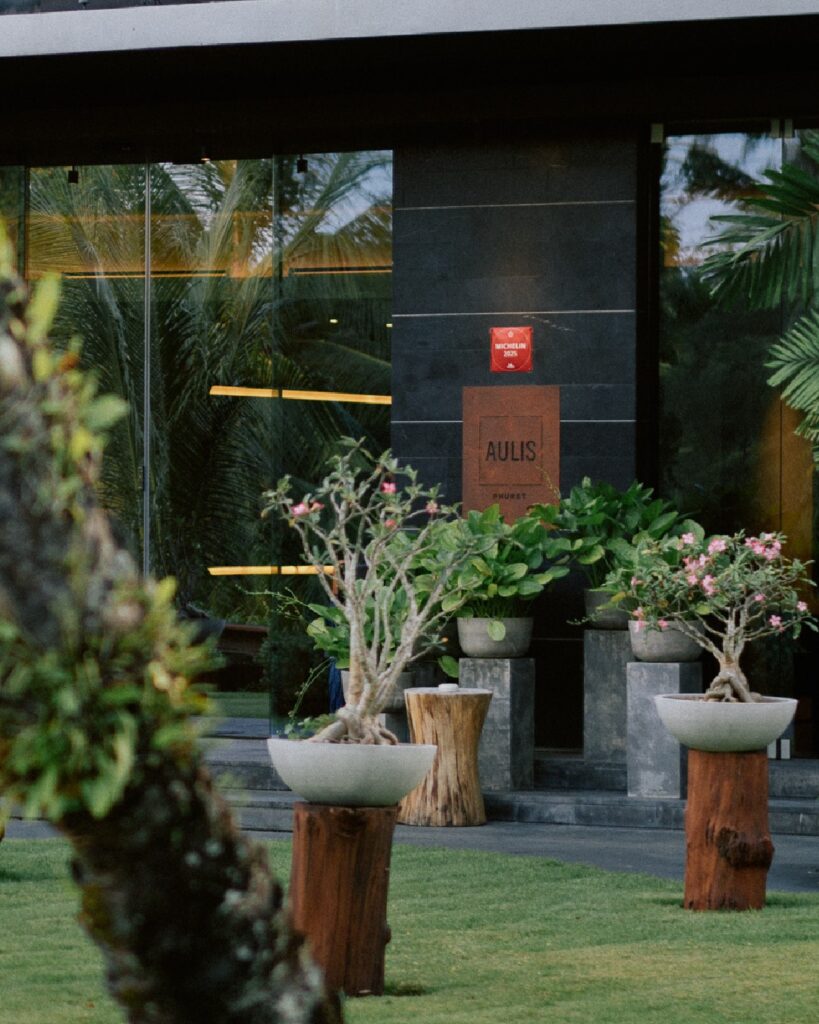
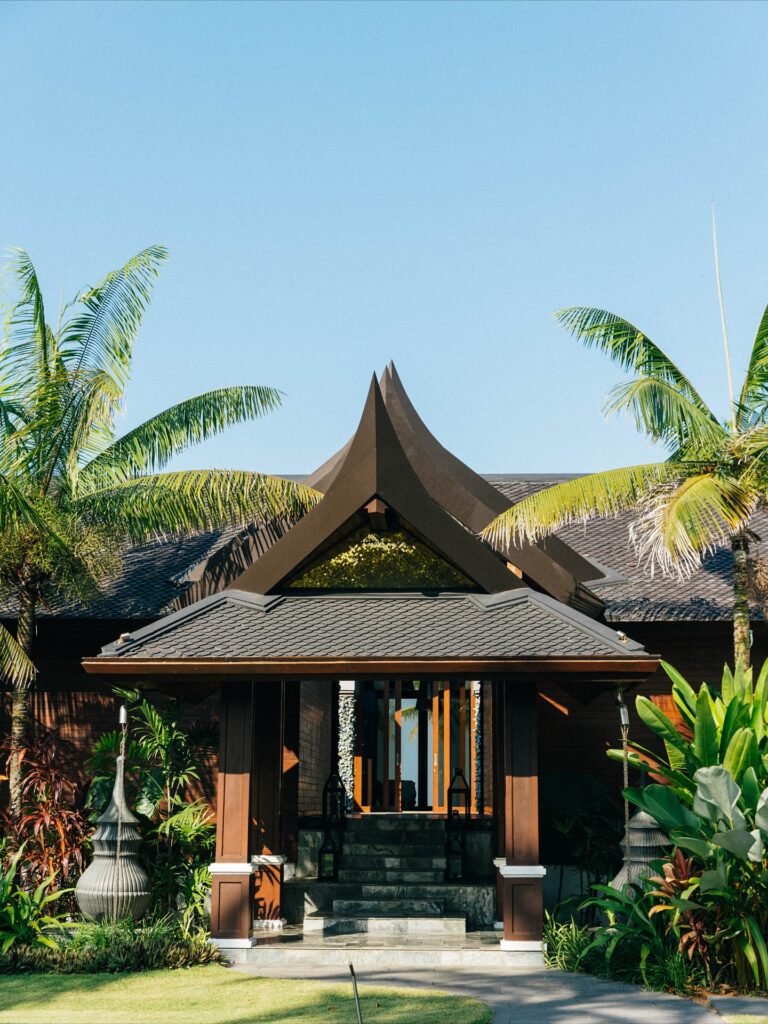
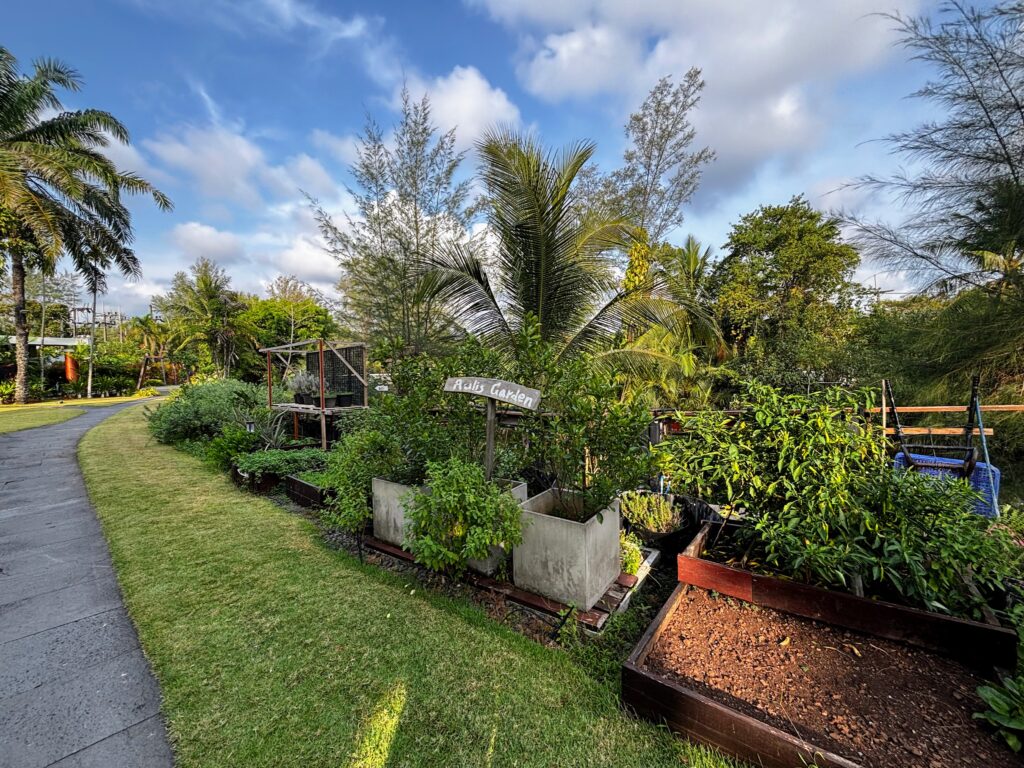
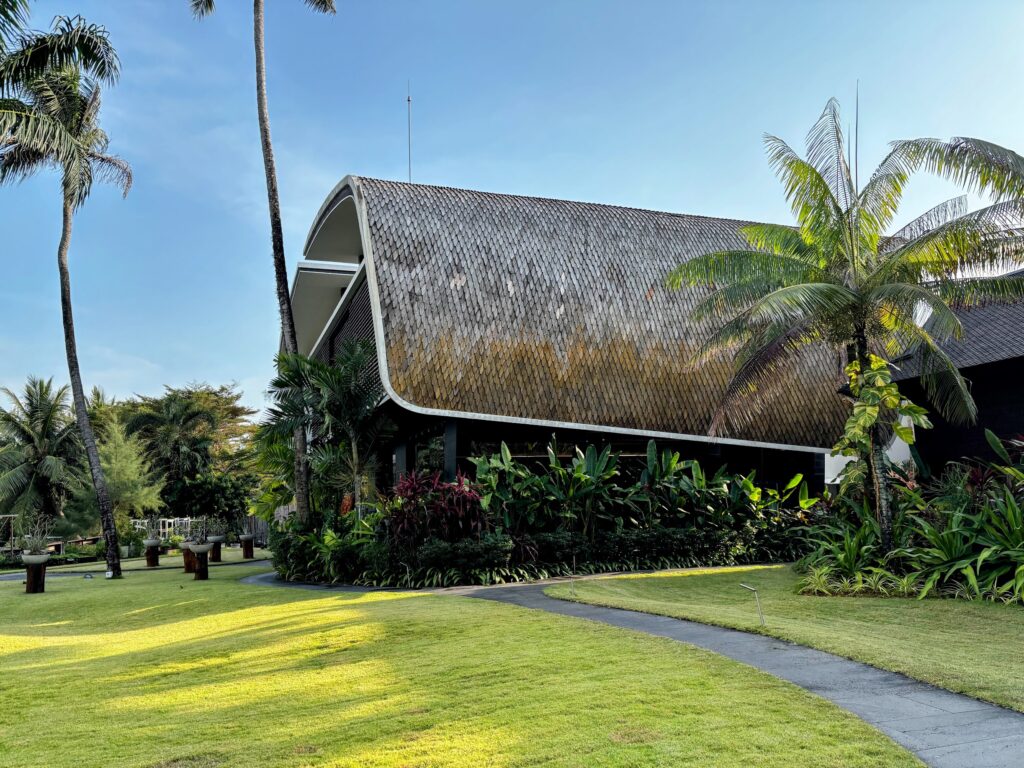
The property carries a weight that the design doesn’t immediately reveal. What is now Iniala was once Mark Weingard’s own beach house. He was in it when the 2004 Boxing Day tsunami hit Natai Beach. He and seventeen others survived by climbing onto the roof. Eleven people died on Natai Beach that morning.
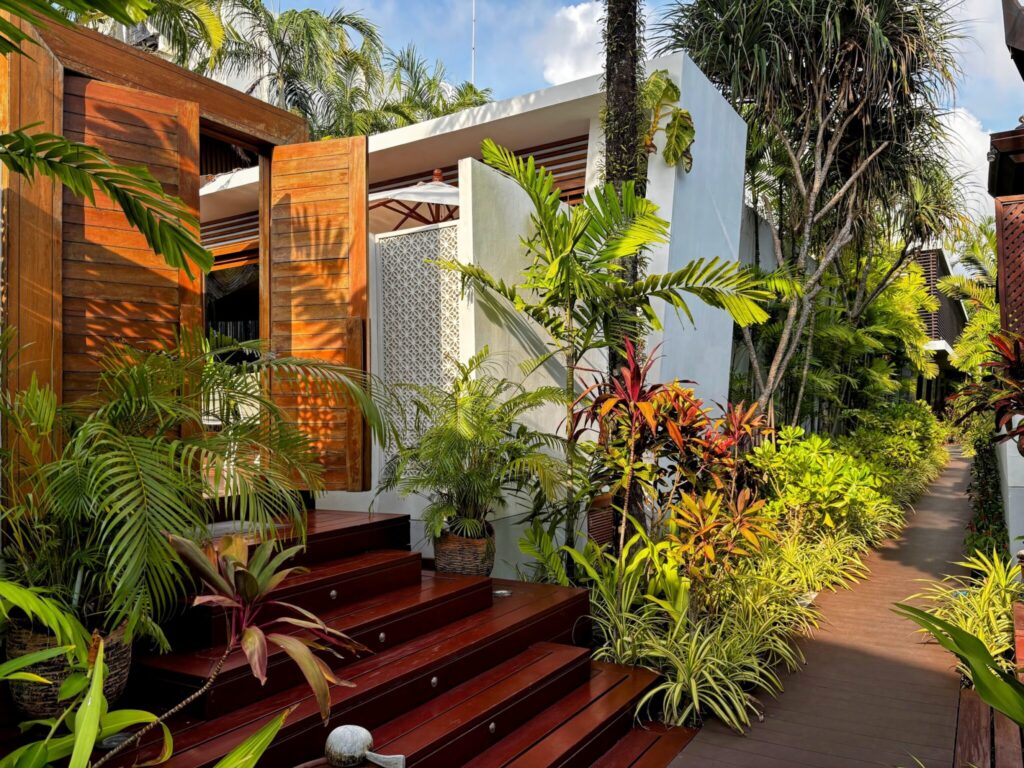
Rather than rebuilding what was lost, Weingard reimagined the site as something new, with design director Graham Lamb overseeing the project and the dream team of international designers given a space each. The traditional southern Thai house at the centre of the property was knocked down and rebuilt, and now anchors the more avant-garde spaces around it; the teak-clad carved roofs of the newer buildings draw on Thai vernacular forms and traditional healing motifs.
Weingard’s wider story is one of loss, and Iniala is, in many ways, his answer to it. The Inspirasia Foundation receives 10% of all room revenue directly and has donated over 15 million euros to health, disability and education projects across South-East Asia since 2003. It is not a footnote, but the reason the place exists.
Rooms
There is no formal check-in as such. Staff are just there as you pull up, addressing you by name as they open the car door. So this is what being a celebrity feels like. You’re escorted directly to your room without having to go through the unseemly business of announcing yourself, a lemongrass foam served from an espuma gun and a chilled towel pressed into your hands before you’ve quite worked out what’s happening. Somewhere along the way, passports are taken, returned a little later giftwrapped with a ribbon. It’s all very suave and sophisticated.
If you do have questions, you simply message the good-humoured staff via WhatsApp, and anything you request is swiftly brought over: a butler-type service that bypasses the need for traditional desk interactions. And no, it’s not AI – there are some carefully placed grammatical mistakes and charming semantic choices on the other end of that phone that prove otherwise.
Staff outnumber guests several times over, underwriting the day-to-day experience. It’s VIP service all the way. With only ten villas, suites and a penthouse, that level of attention isn’t just aspirational, it’s structurally possible.
On the bed, your name has been spelled out in fresh flower petals and orchids, alongside neatly folded towel origami. A welcome platter is ready and waiting: an assortment of local dried fruits (pineapple, mango, nuts) alongside cheeses, local honey, sweets and cookies. After a long journey, it lands well. The macarons were, admittedly, a little lurid, but we were told the chef is working on a tamarind and ginger pastille replacement, which sounds considerably more promising.
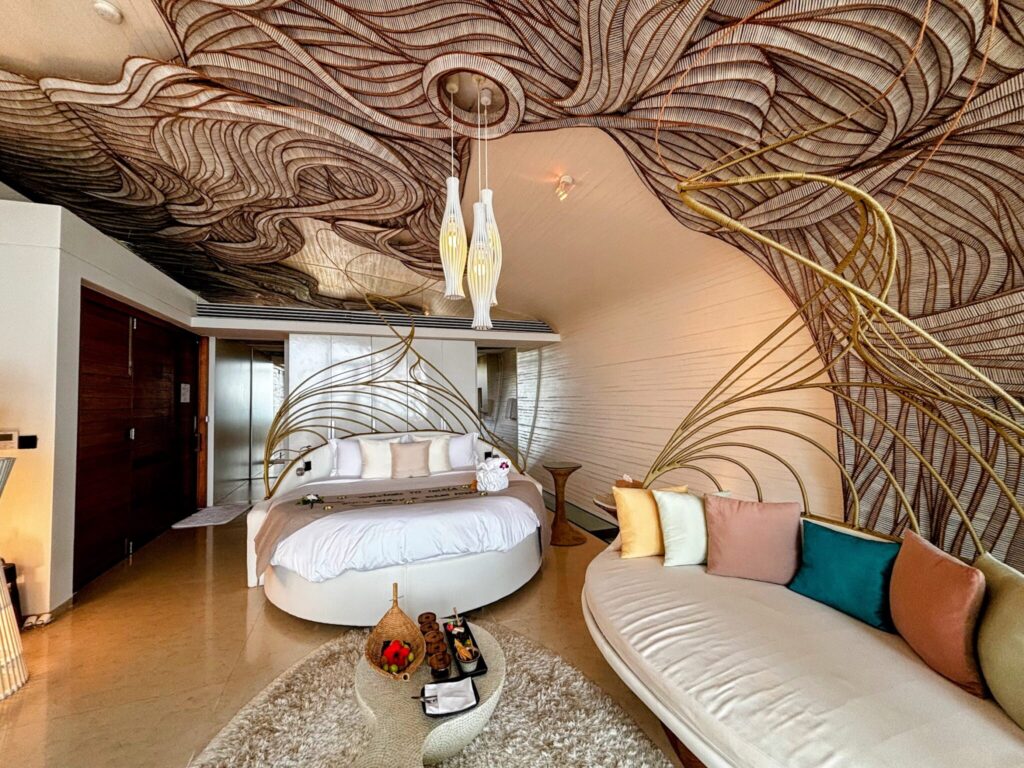
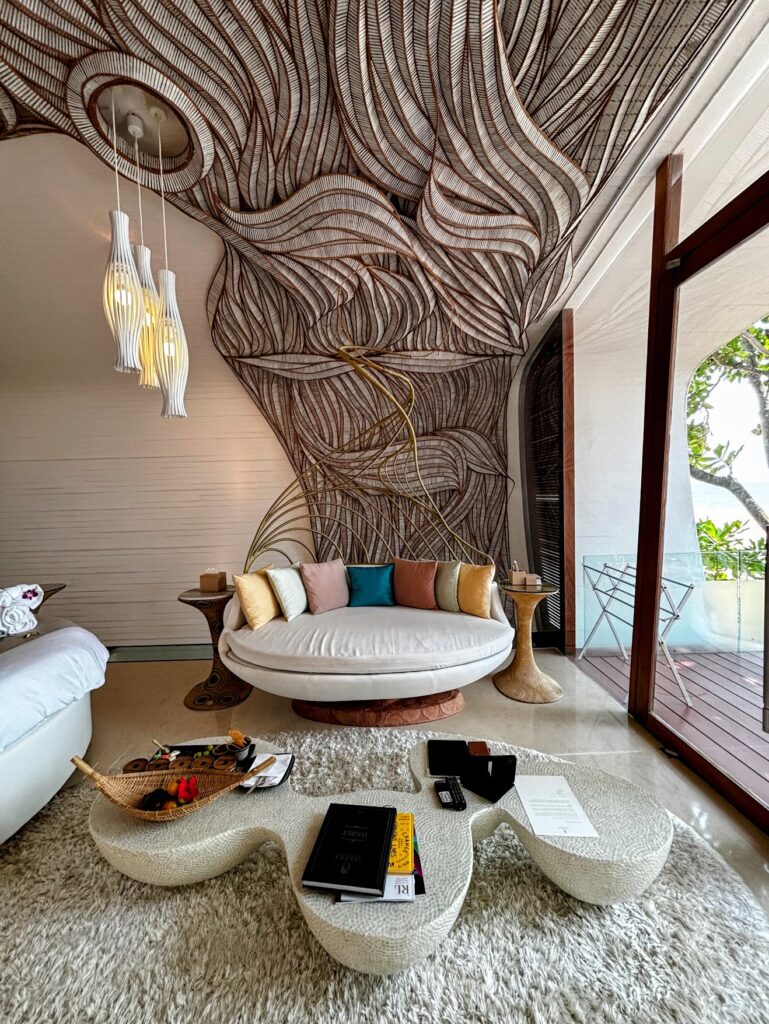
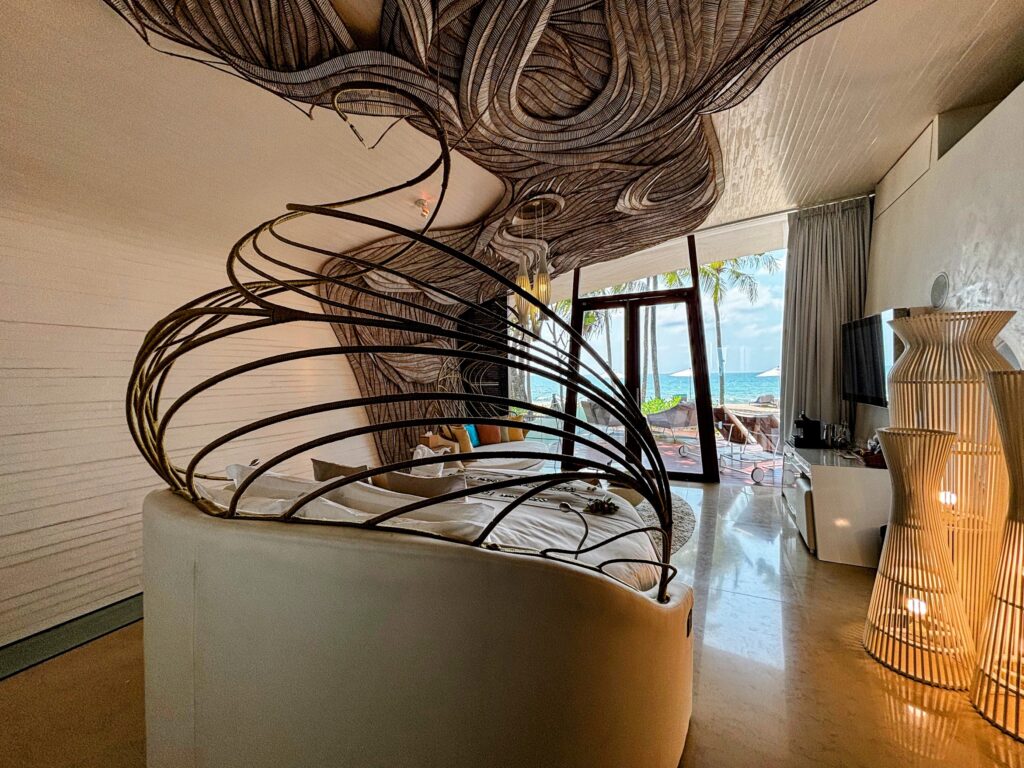
We stayed in the Siamese suite, designed by Thai designer Eggarat Wongcharit, who also turned his eye to the adjoining Golden Temple Bell Spa. He is the only Thai designer among the eleven international names commissioned at Iniala, and has spent his career arguing that traditional Thai craft is not folk heritage to be preserved behind glass but a live design vocabulary capable of speaking on any international stage. The suite is where that argument is made most forcefully.
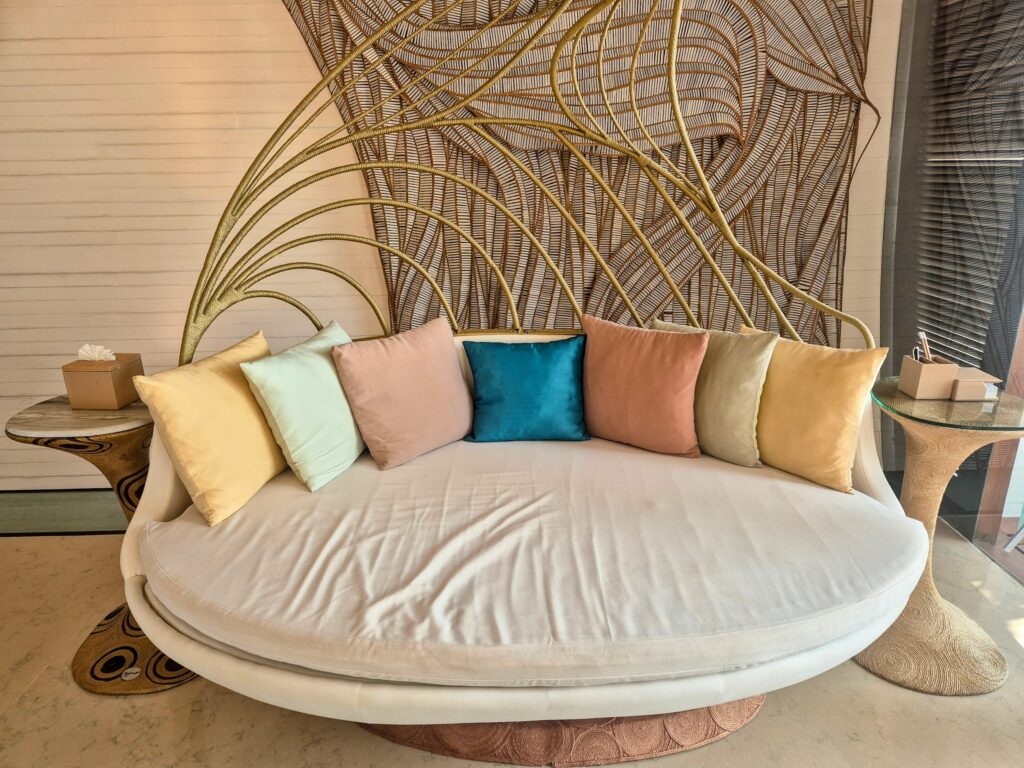
Wongcharit conceived the suite’s furniture as both form and ritual object: the bed and sofa are woven from bamboo in shapes that reference the silkworm cocoon and the temple stupa simultaneously, and hang from the ceiling rather than resting on the floor. The ornate detailing that covers the walls and ceiling is the work of a different hand: Thai artist Korakot, whose dense, swirling bamboo installation envelops the entire room, lending it the quality of being held inside something organic.
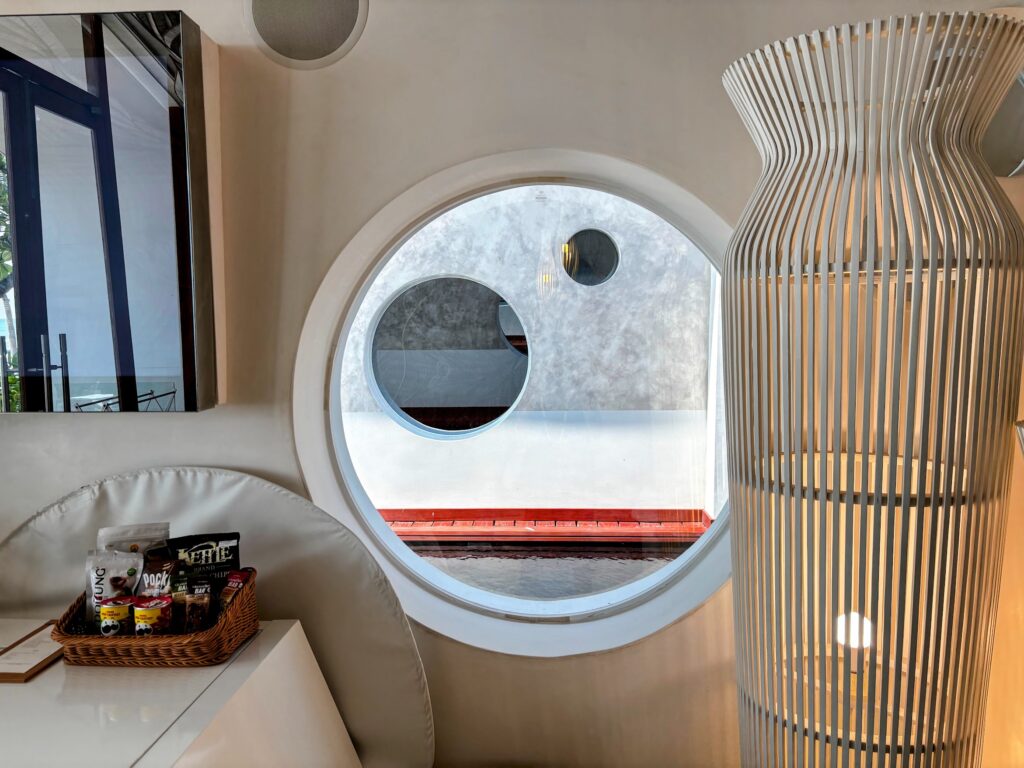
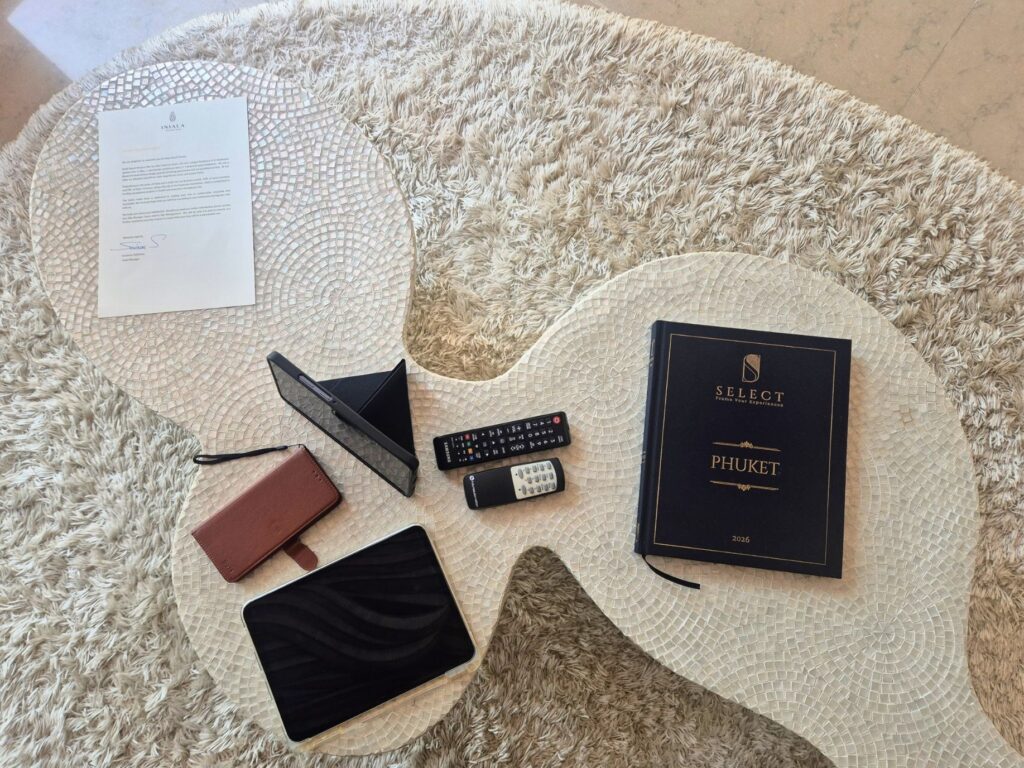
After a night on the circular mattress, held in the embrace of bamboo, we wondered why all beds aren’t this shape. The coffee table, though, was the piece we kept returning to: a low, white mosaic form with undulating, lobed edges, almost topographic, almost coastal. Whether or not it was the intention, it read to us like a map of Phang Nga Bay rendered in miniature. It is a room whose references only deepen the longer you spend in it.
Everywhere you look, something has been considered, shaped, placed: weirdly wonderful, and entirely deliberate. The wildness of the Andaman, framed through those windows, is the natural counterpoint to all that intention, the thing that keeps the room from tipping into pure exhibition.
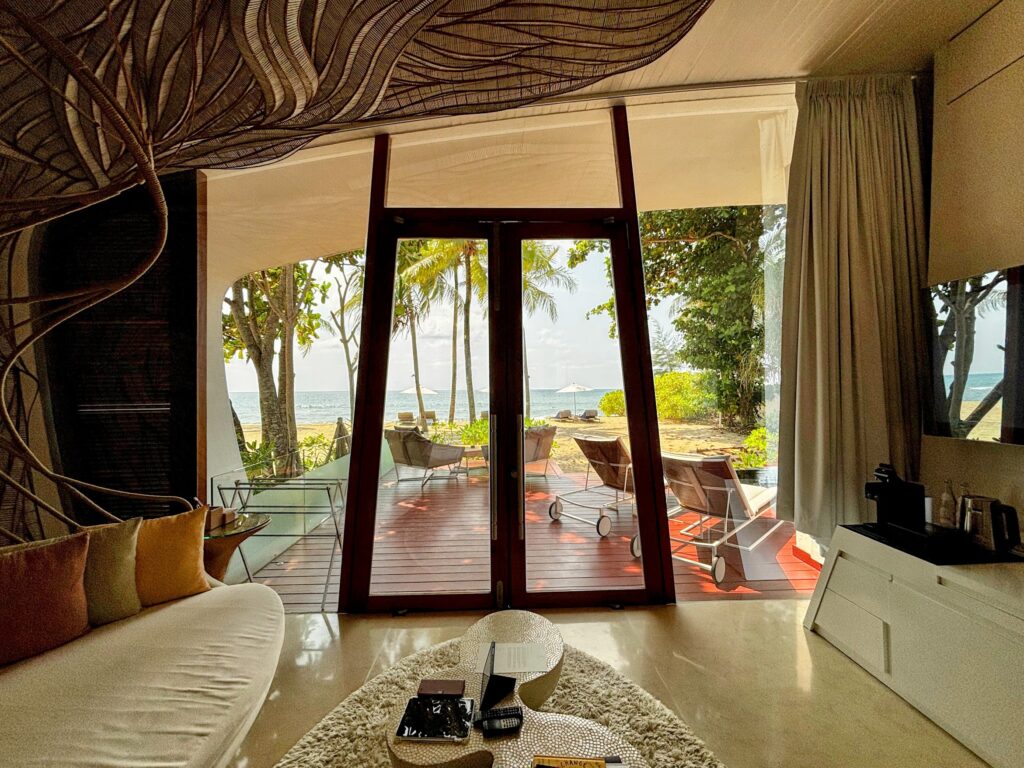
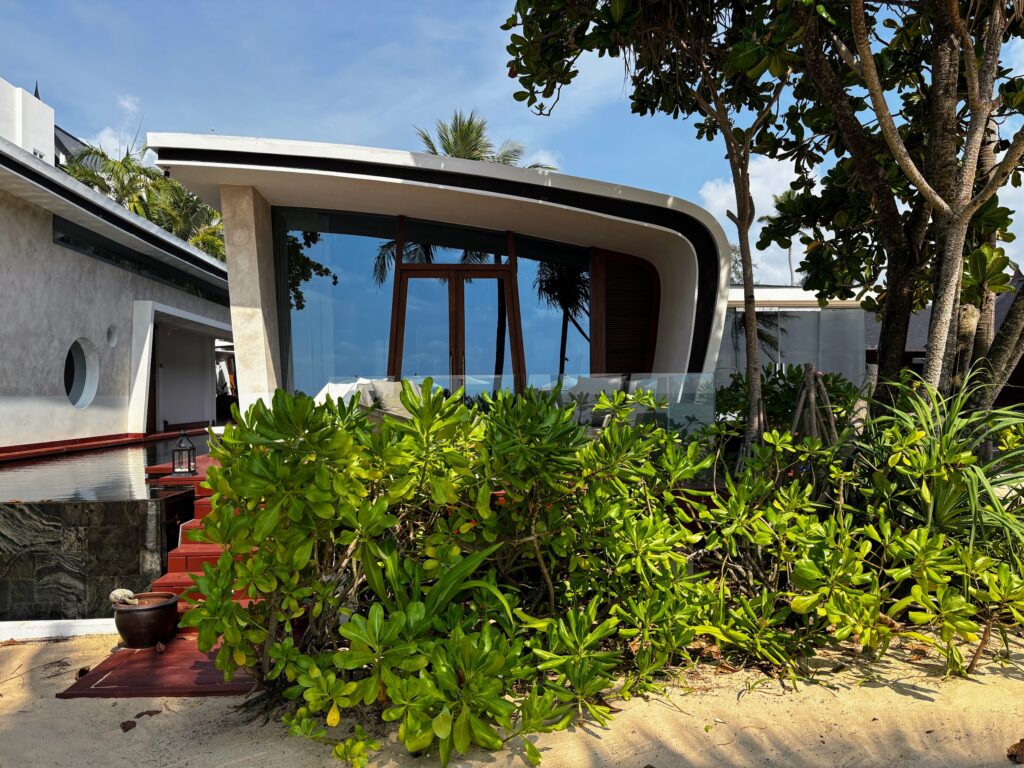
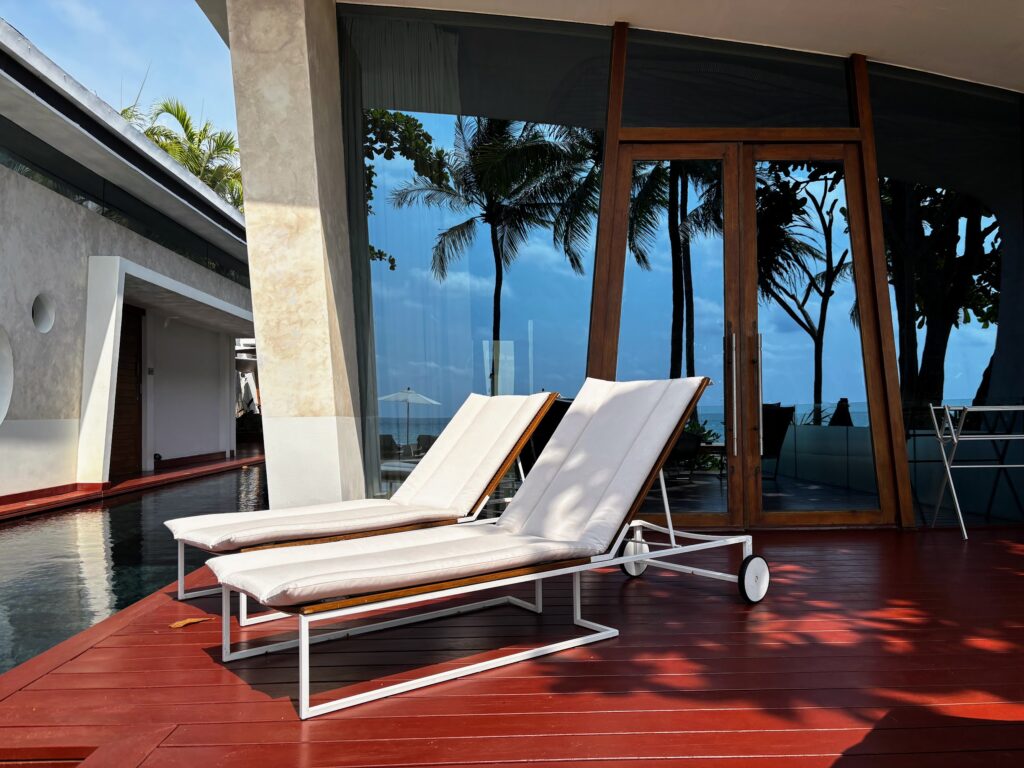
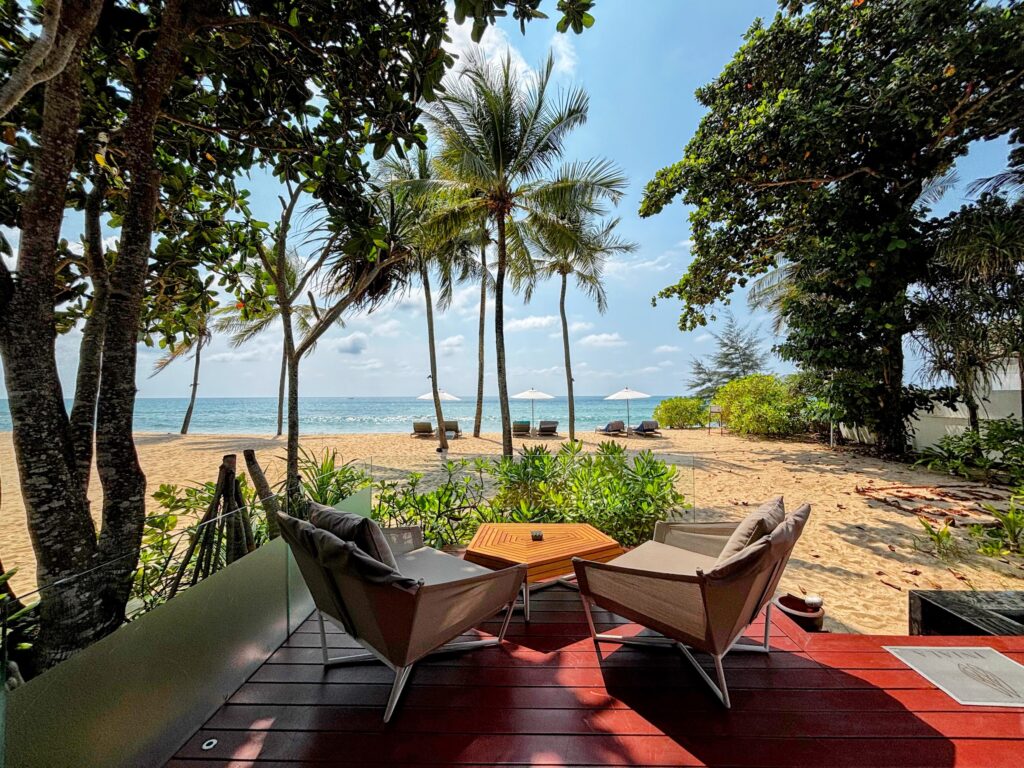
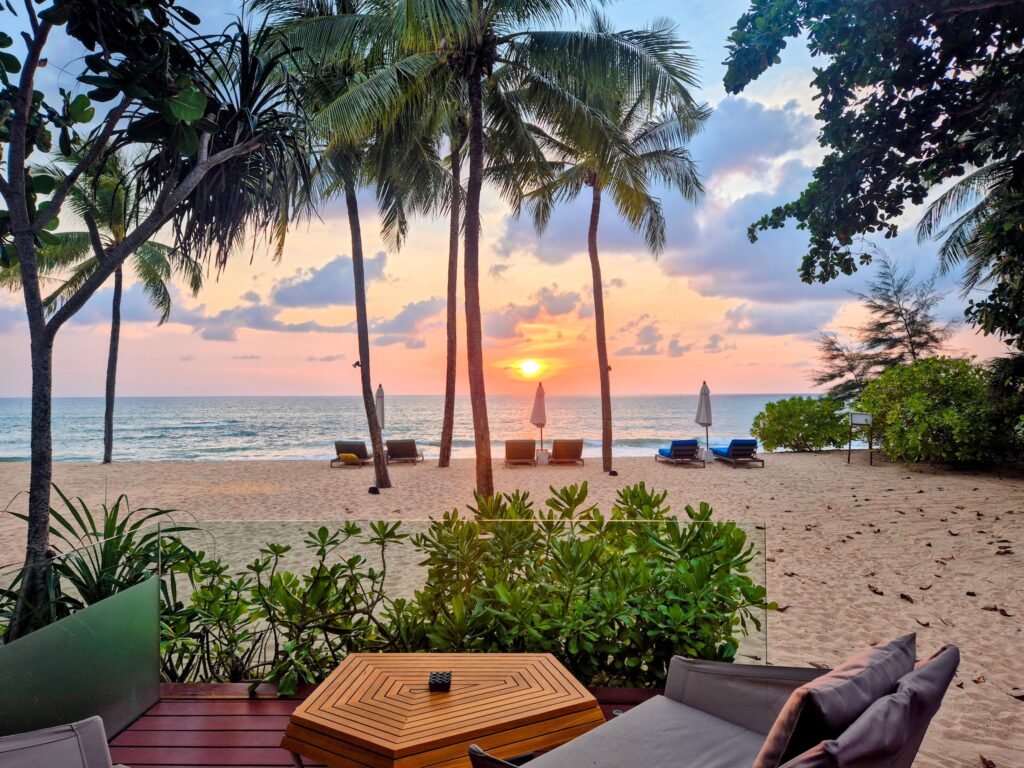
Floor-to-ceiling windows face the sea, and the motorised curtain mechanism is one of those small, satisfying details that lodge in the memory. Talk about a big reveal. A few steps off the deck and you’re on the sand, and close enough to the water for the oceanic white noise to make sleep both immediate and deep (or maybe it was that massive tasting menu and wine flight we’d only finished an hour prior).
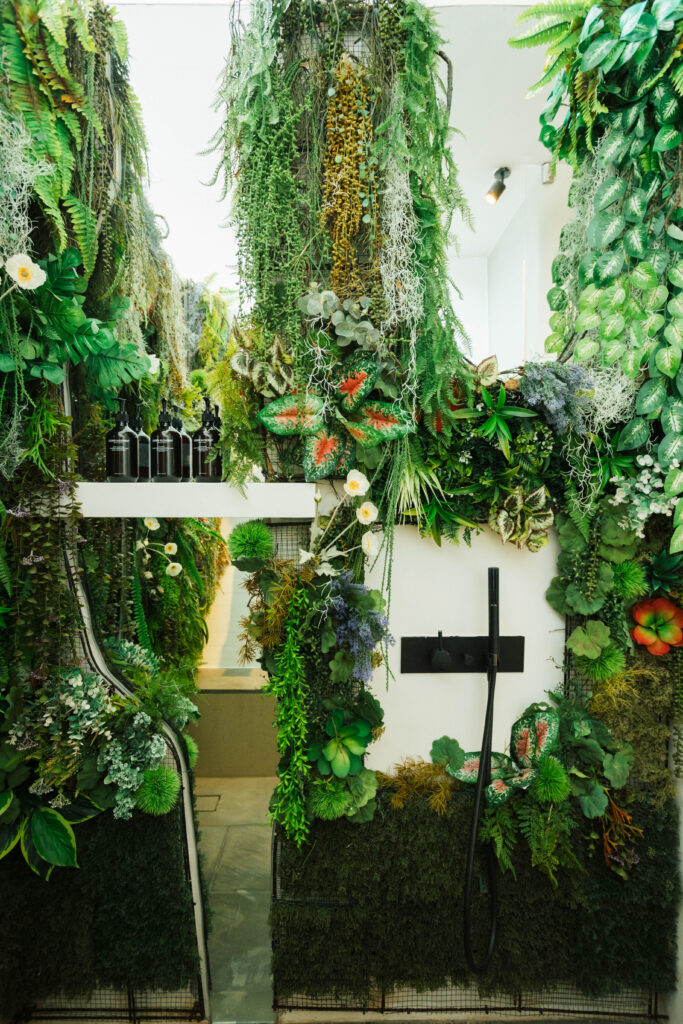
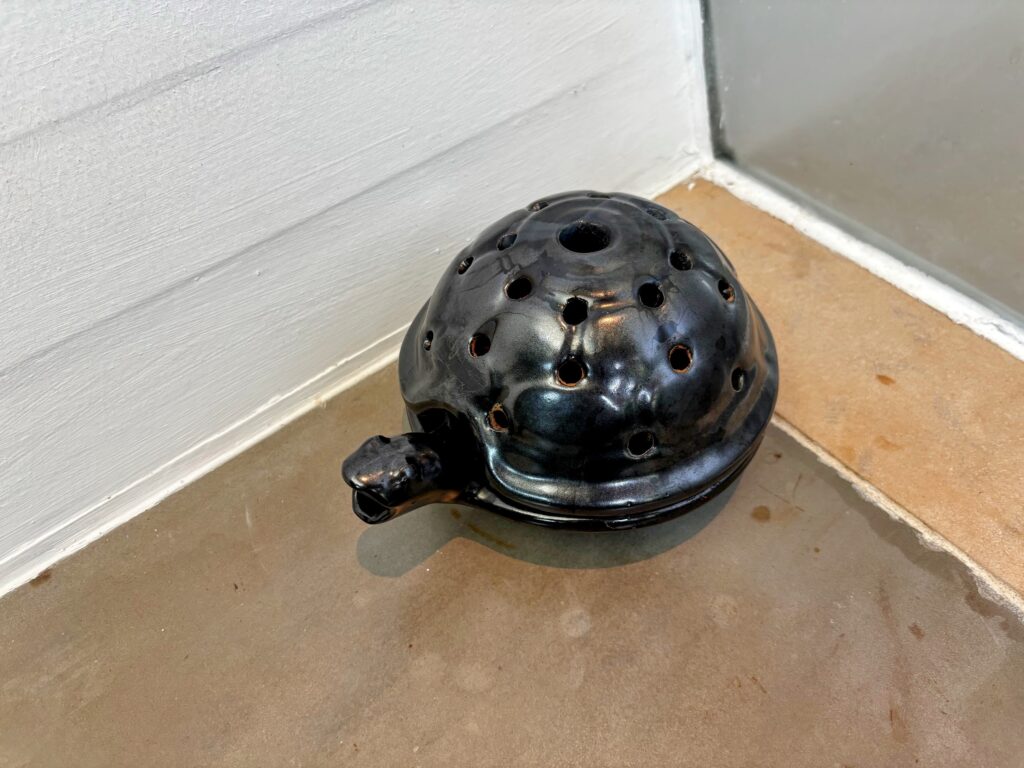
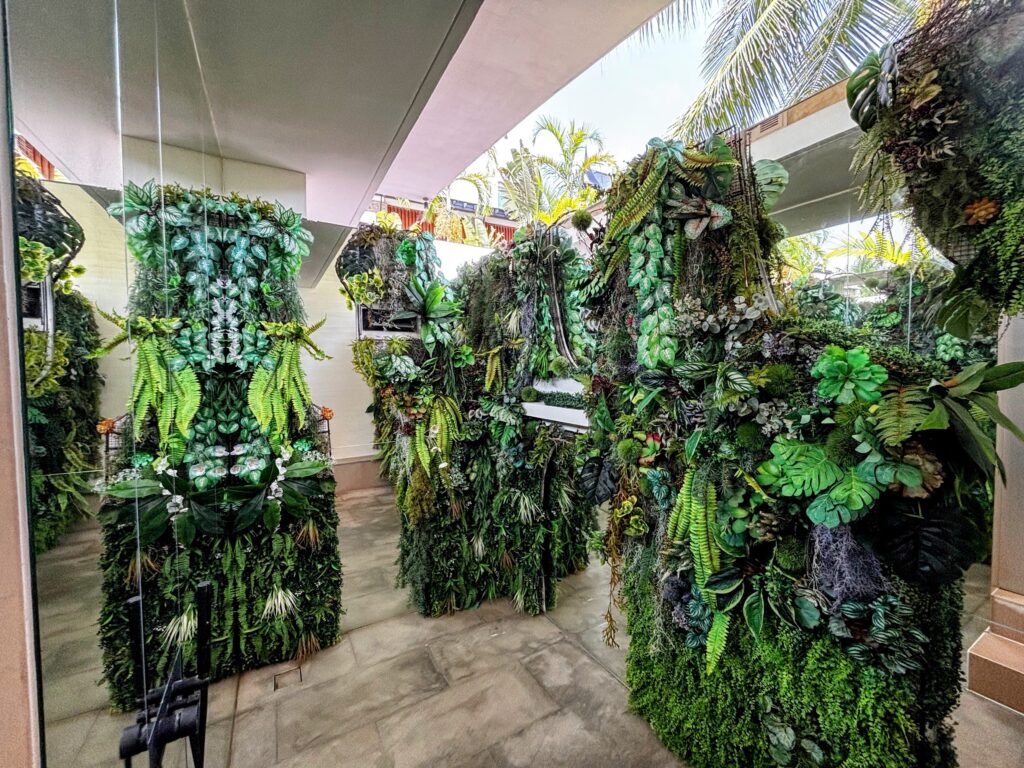
The outdoor shower is a design moment that catches you off guard: swathed floor-to-wall in cascading tropical foliage, with ferns, monstera leaves and white orchids tumbling from every surface. In the corner, a turtle incense holder releases smoky, sandalwoody resins cut with something vegetal and damp. Showering here feels faintly illicit, like you’ve gone rogue and you’re nude under Ton Sung waterfall a few miles inland. Our suite shared a pool with the villa next door, which does mean the outdoor deck falls short of absolute privacy; worth knowing before you start belting out your favourite shower song. Oh, ours? George Michael’s ‘Outside’, of course.
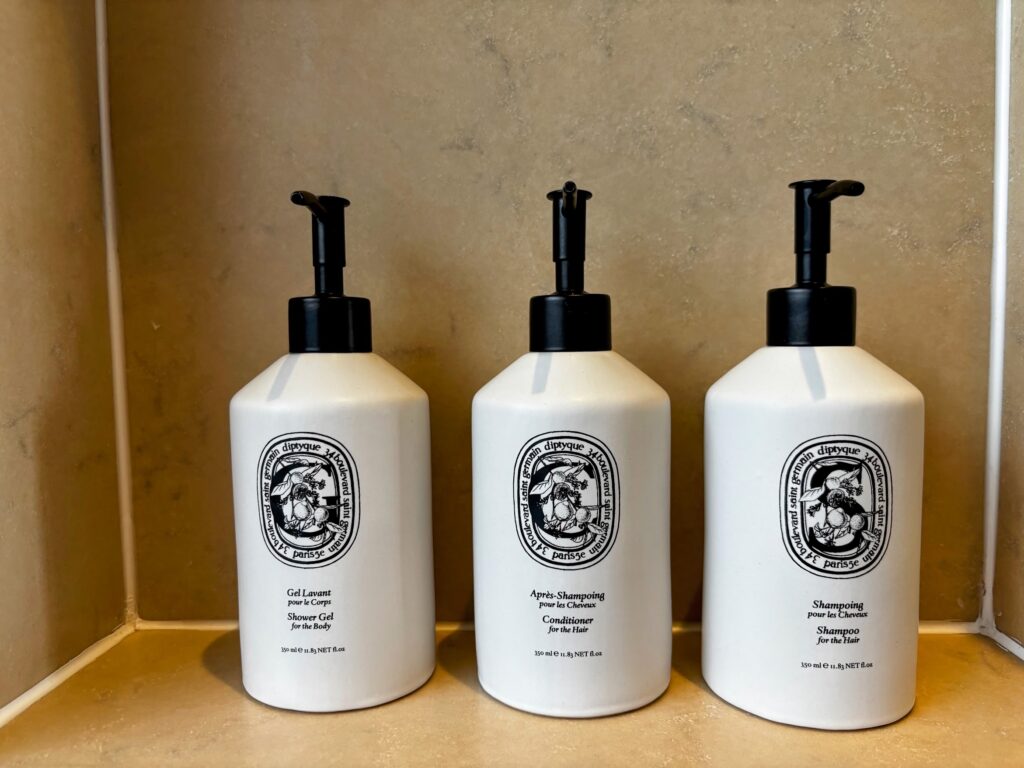
Back inside, and the bathroom is stunning, with the curling, come hither bamboo motif not letting up. Amenities go well beyond the usual vanity kit: Dyson Supersonic hairdryers, complimentary, bottomless Acqua Panna mineral water, and Marvis, the crème de la crème of toothpaste. There’s also a lemongrass and geranium shampoo and conditioner from Diptyque, which leaves your hair feeling so soft you start to understand why celebrities always look the way they do. That, and botox.
Anyway, try buying that shampoo back home; there’s a waiting list for it on the John Lewis website that’s reportedly several years long. Perhaps you’ve gotten off lightly; they do currently stock Diptyque hair mist, and it’s priced at £2,066.67 per litre.
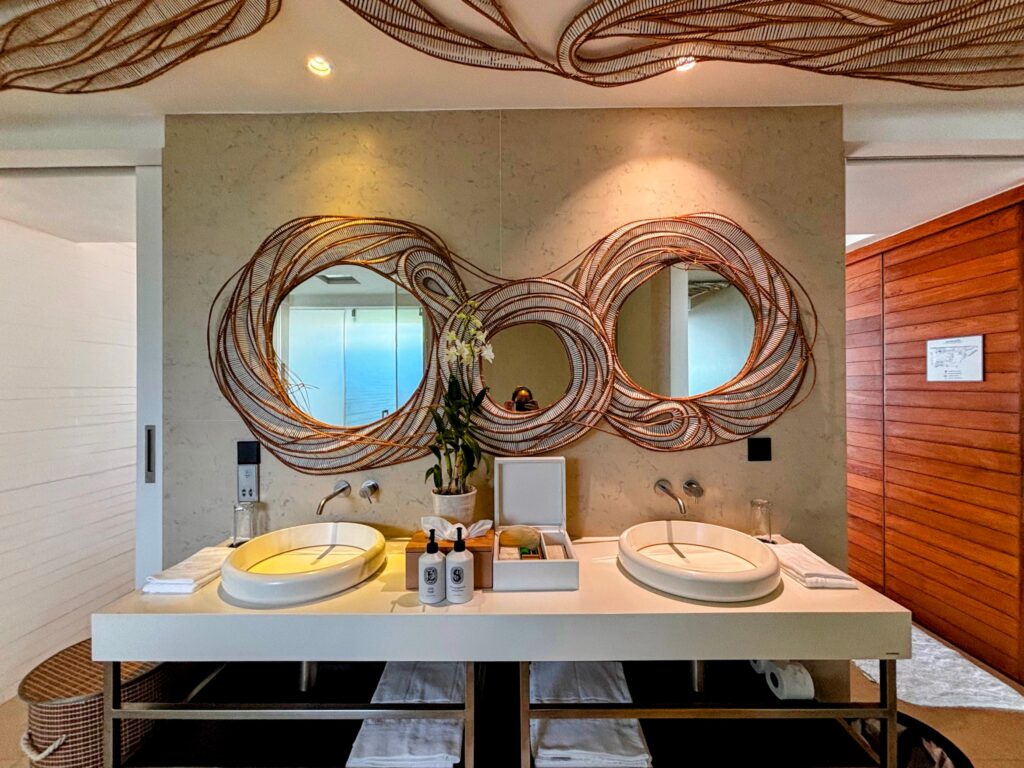
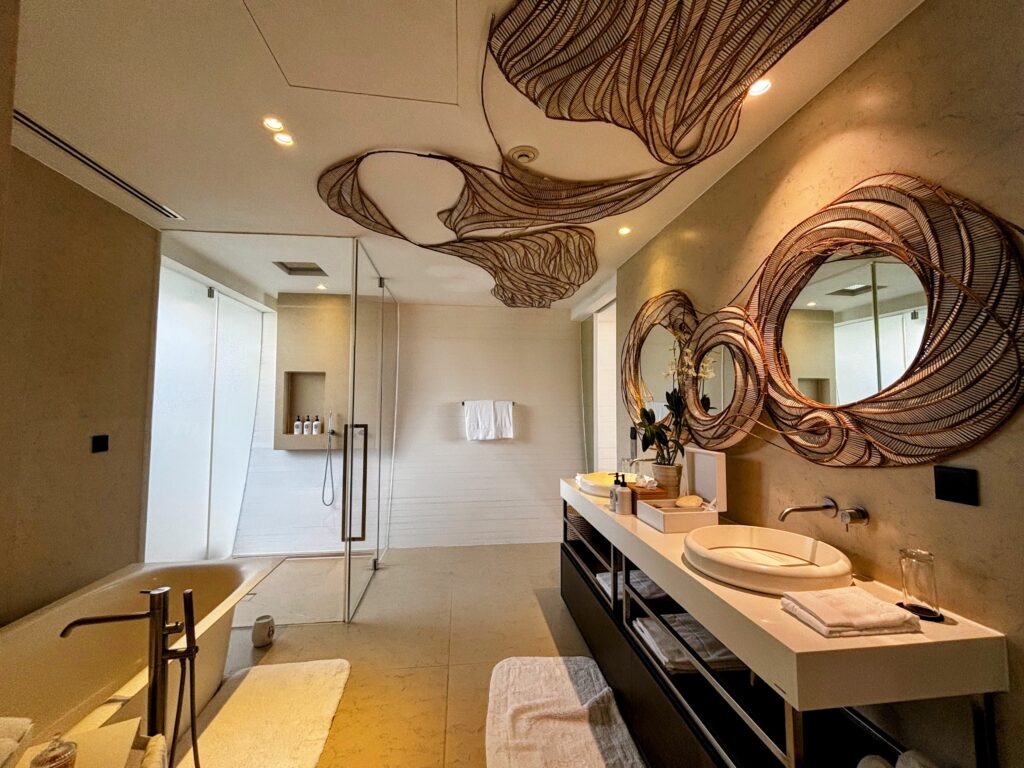
The disparate group of designers is perhaps Iniala’s masterstroke. They’ve pulled off something very clever here: each suite and villa boasts that spark of eccentricity that makes you feel that whatever room you’re in, it’s the one, the highlight, the most coveted. The only constant is the sea, framed through every window, and you breathe it all in, facing forward into the horizon of your life as much as actually squinting at the ocean.
Elsewhere, the more theatrical instincts of individual designers are given full rein. The Penthouse (where the Kardashians stayed) for instance, is conceived as one continuous holistic environment, with the bed cantilevered from above and a giant whale tail sculpture appearing to leap from the sea straight into the pool: the detail that earns the property its ‘iconoclastic’ billing, no doubt.
Although the hotel welcomes children, the villas and suites are decidedly adult spaces. You’d be bloody worried about young Tarquin unravelling the bamboo or smashing a bottle of that prodigious shampoo, it has to be said. Some rooms lean harder into this than others: the Boudoir Suite, with its Swarovski-laden side tables and shimmering drinks trolley in the form of a vintage motorcycle, leaves little ambiguity about its intended guest. All that said, there is a Kids Club, and it’s no afterthought – treehouses, caves, a costume shop and its own theatre. Chuck them in there till checkout.
But back to those rooms. Each embraces an unapologetic, idiosyncratic interior, with no design language softened or hedged to keep the baseline happy. Staying for a few days surrounded by hanging cocoon beds, swirling bamboo ceilings and coffee tables shaped like coastlines is enough to make you start cataloguing the safe choices back home.
Facilities & Spa
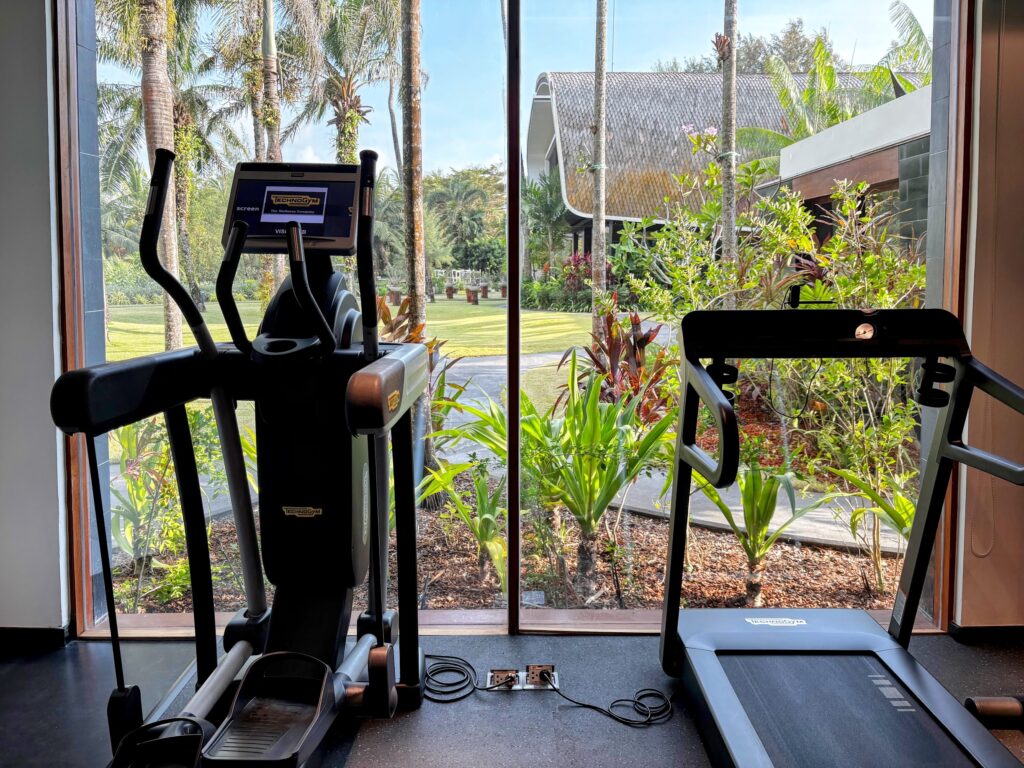
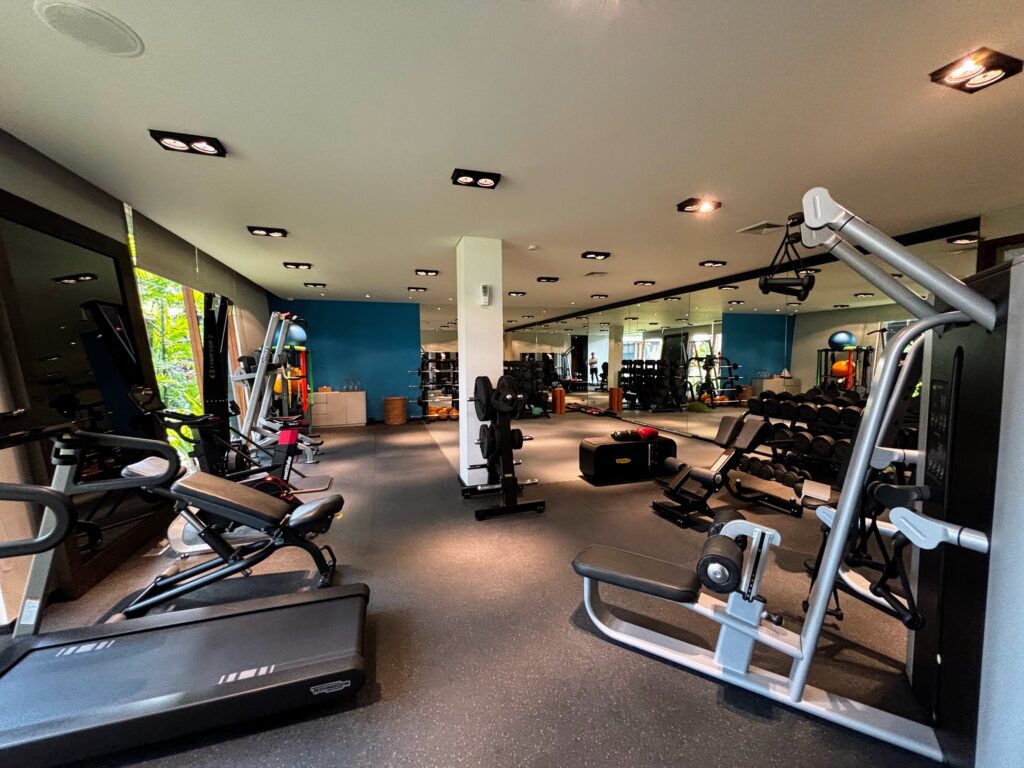
With the sand, the sea, and a room that keeps revealing new details every time you look up, standard resort notions of ‘facilities’ feel almost beneath Iniala Beach House. Huffing and puffing on an elliptical or getting tangled up in a cable crossover is a perverse way to spend a morning with the beach and big blue right there, but there is a gym. A well-appointed one, in fact, with a boxing ring, Concept 2 SkiErg and Wattbike, which is more than most five stars manage.
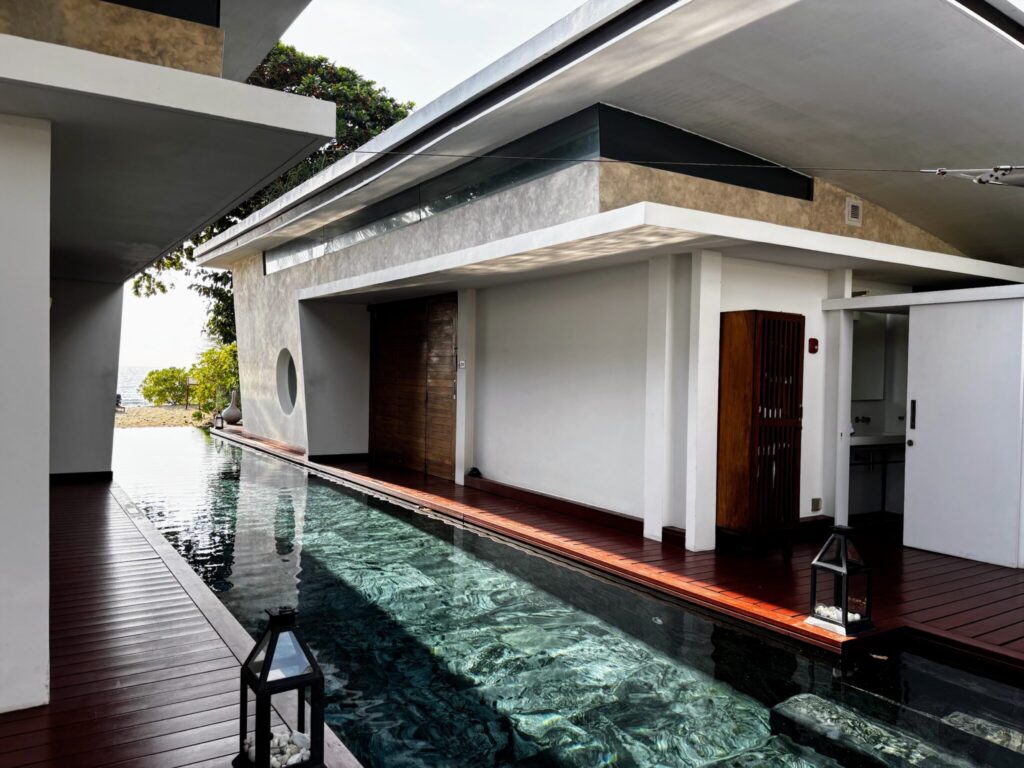
The beachfront infinity pool is the natural centre of the property, with aftersun, mosquito repellent and suntan lotion all laid out poolside, small touches that matter when the nearest 7-Eleven is a long drive away.
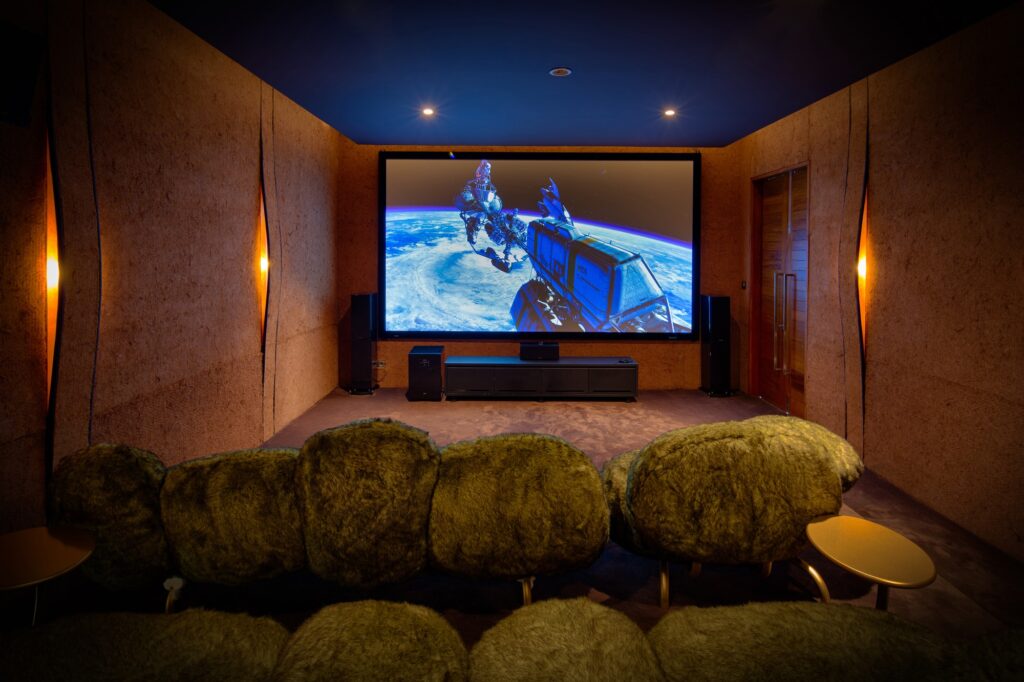
Beyond the pool sits the Cinema of Nature: a 160-inch screen with state-of-the-art surround sound, the room again designed by those prolific Campana Brothers. Its walls are clad in real coconut skin and there’s their famous Cipria sofa in here, rendered in a limited edition green. Yes, we know you’re thinking actual nature is ten feet away, but it’s ideal for those occasionally (very) stormy Southern Thai evenings.
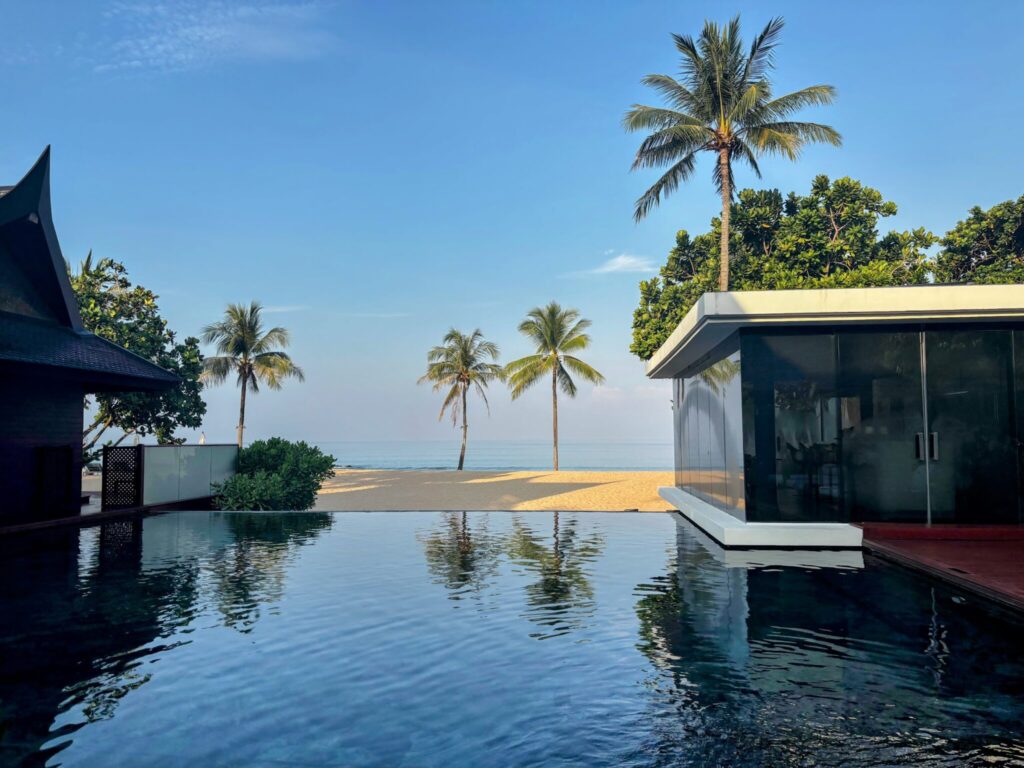
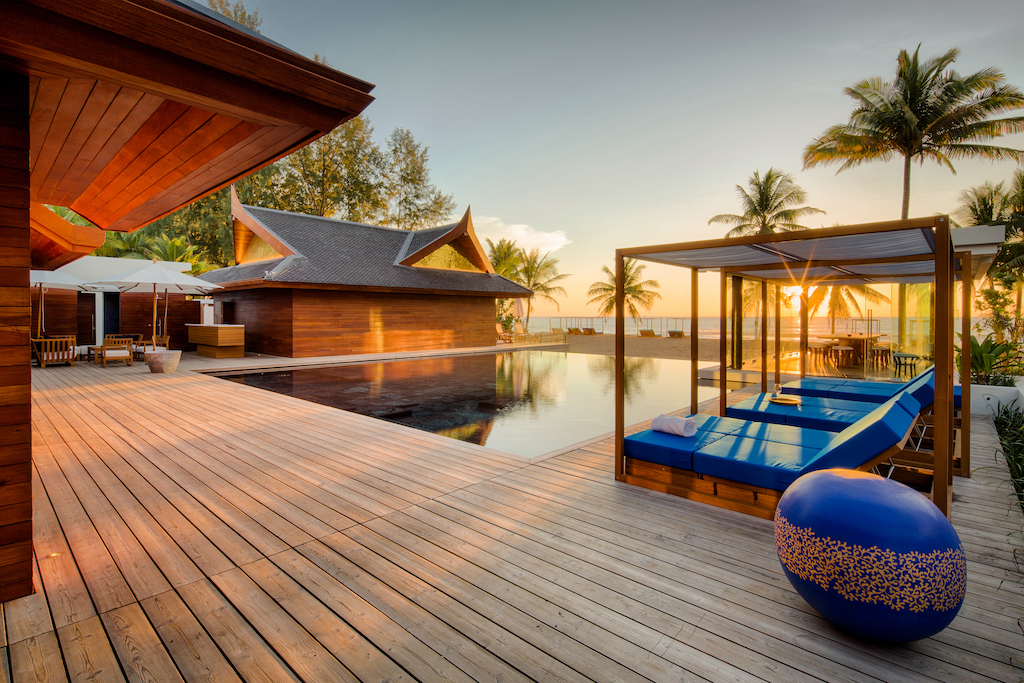
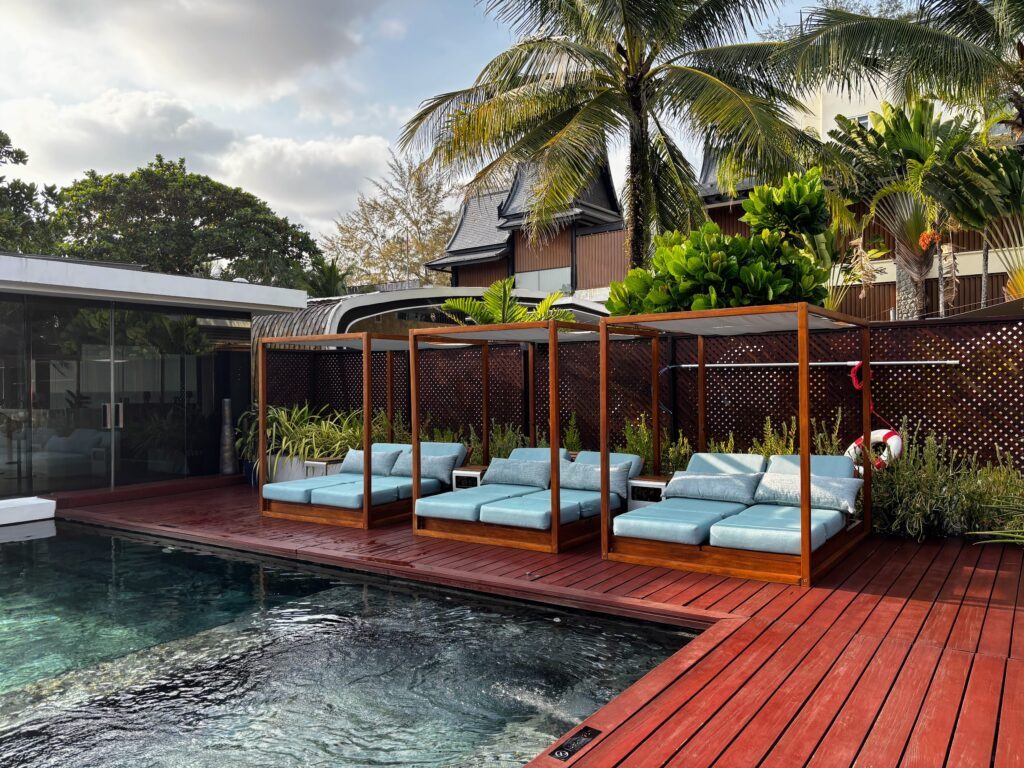
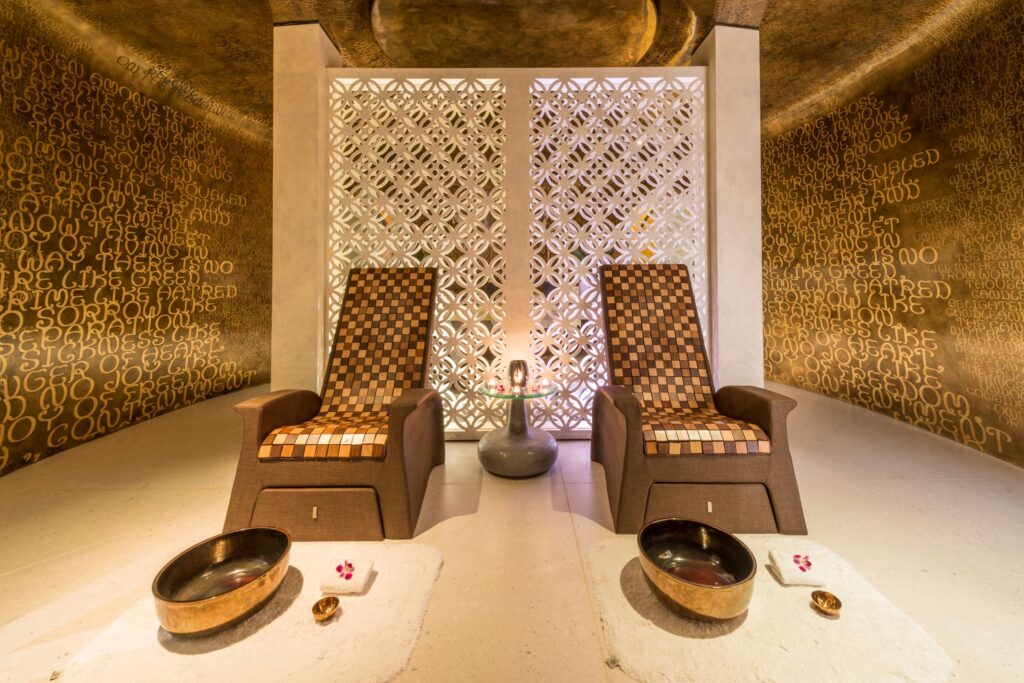
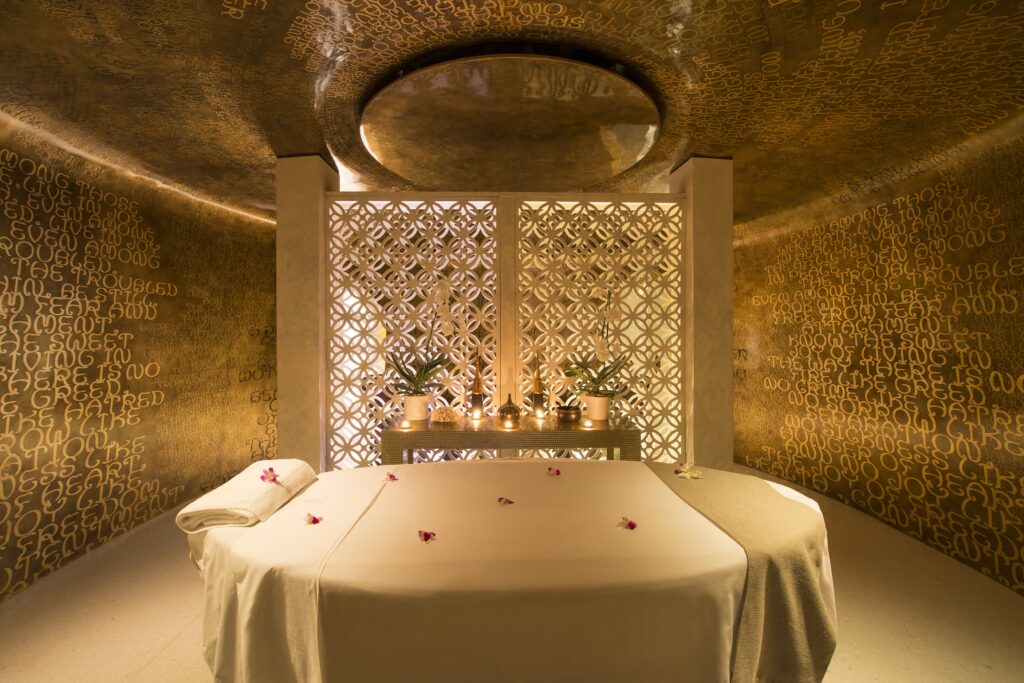
The Pearl Spa is adorned in its namesake material and offers treatments that go some way to restoring both purity and beauty, two qualities this writer arrived conspicuously short on. There’s also the Golden Temple Bell Spa, covered in gold leaf and inscribed with Buddhist texts translated into English. The Thai herbal steam room will lift you out of any jet-lagged malaise.
Should you surprise yourself and all the staff and get the urge to venture out, the hotel can arrange canoe trips into the sea caves and hidden lagoons of Phang Nga Bay (particularly beautiful at night, when bioluminescent plankton lights up the water inside the caves), a trip to Ko Tapu (the limestone pinnacle from The Man with the Golden Gun), or simply bikes to borrow for pedalling past local temples and fishing villages. Cooking classes, Muay Thai and sunset horse rides are also on offer.
It is, of course, the sea that is the hotel’s most natural facility. This is the kind of holiday you can pack lightly for: all you really need is a couple of swimsuits and a few outfits for the evenings, because you’ll spend most of the day playing in those waves anyway.
Food & Drink
Who needs a poolside pizzeria, an ‘international’ buffet and a pan-Asian place when you have a singular hotel restaurant as good as this? Iniala has arguably become best known for Aulis, the hotel’s magnum opus if you will.
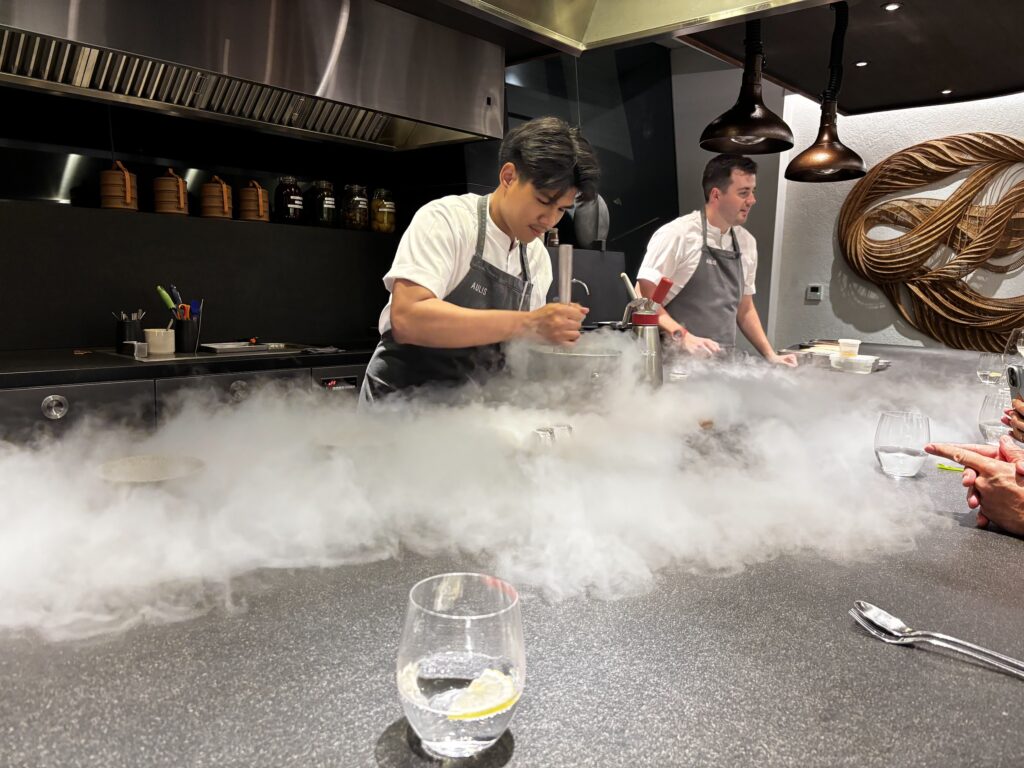
At Simon Rogan’s 15-seat chef’s table concept, he champions hyper-local Thai produce through the same farm-to-table philosophy he has honed at his three Michelin-starred L’Enclume in Cumbria, reinterpreted entirely through Thai terroir and ingredients. Now when you see him back on British tele looking all tanned, healthy and happy, his sunnier disposition makes total sense.
In 2026, Aulis retained its star for the second year running (one of just two in wider Phuket), and restaurant manager Arsen Brahaj also picked up the Michelin Service Award for Thailand. Dining here, that latter award makes just as much sense as the former; Brahaj is a class act from beginning to end, a real craftsman, suavely guiding service with an assured hand and precise pours.
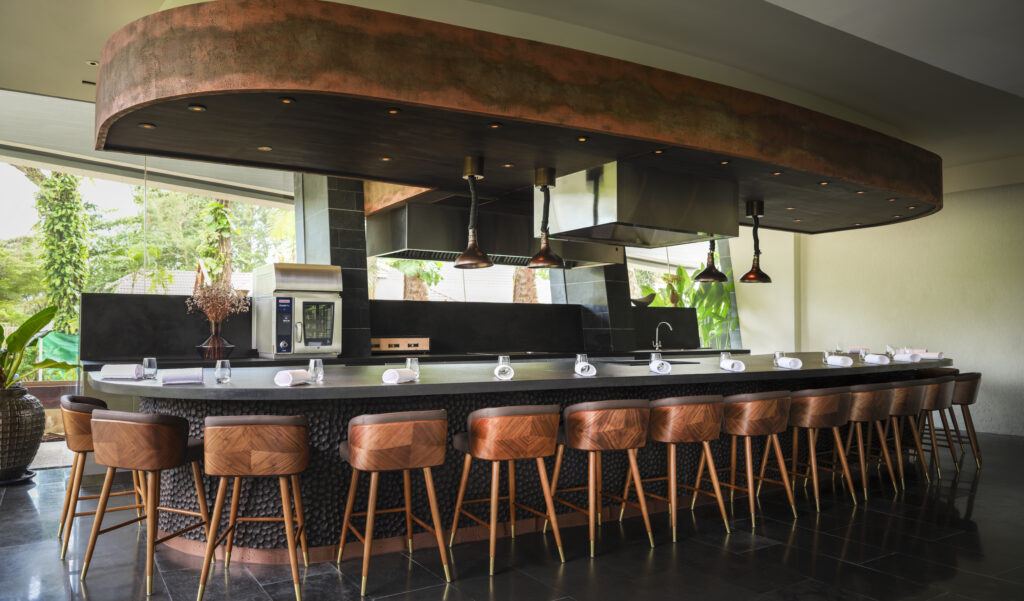
Choosing highlights from a hugely accomplished tasting menu almost does Aulis a disservice. Each course is as intricately designed and idiosyncratic as the rooms. And just as those rooms come together to form a coherent resort, the meal coalesces to tell one story about this stretch of coast. Come to think of it, that might be the whole idea.
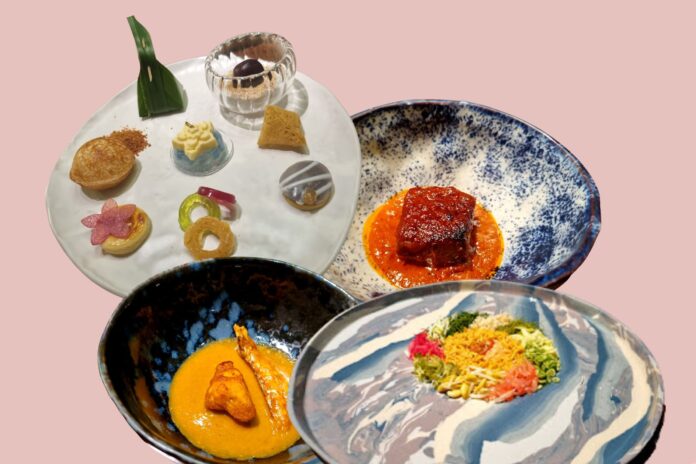
Hey, but if forced to choose: four snacks in the lounge set the tone, among them a Klong Phai Farm chicken wing lacquered with Thalang honey mead, makrut lime leaf and pickled jalapeño from Khok Kloi, which tells you everything about Rogan’s approach here; myopically sourced but rich in inspiration.
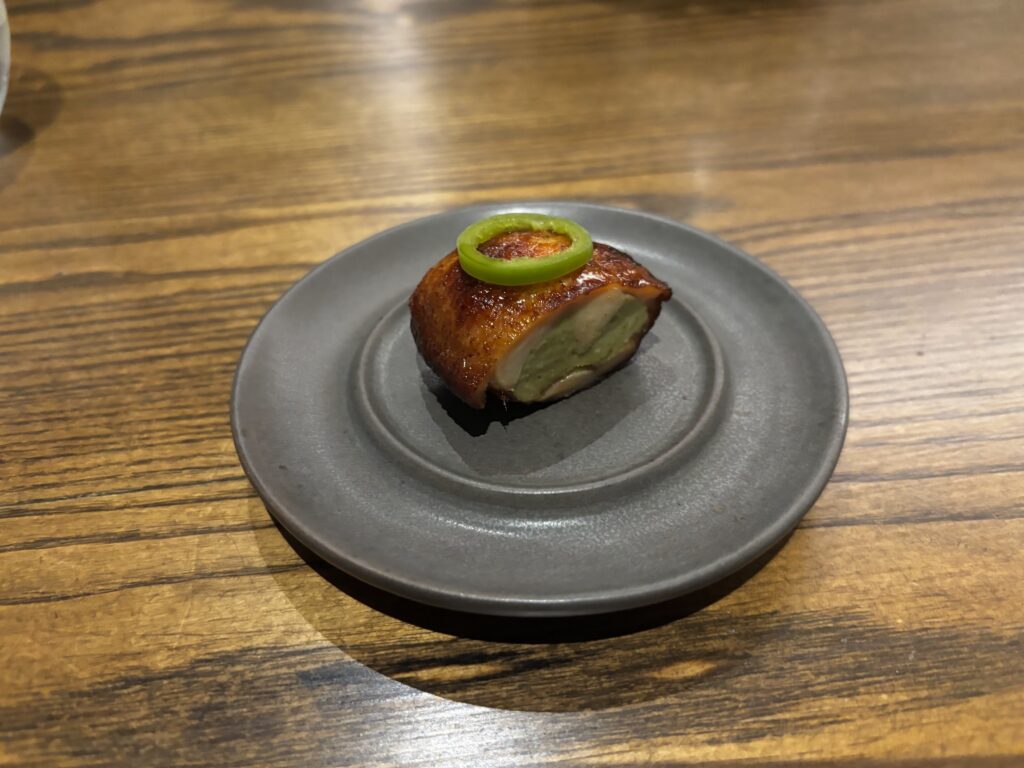
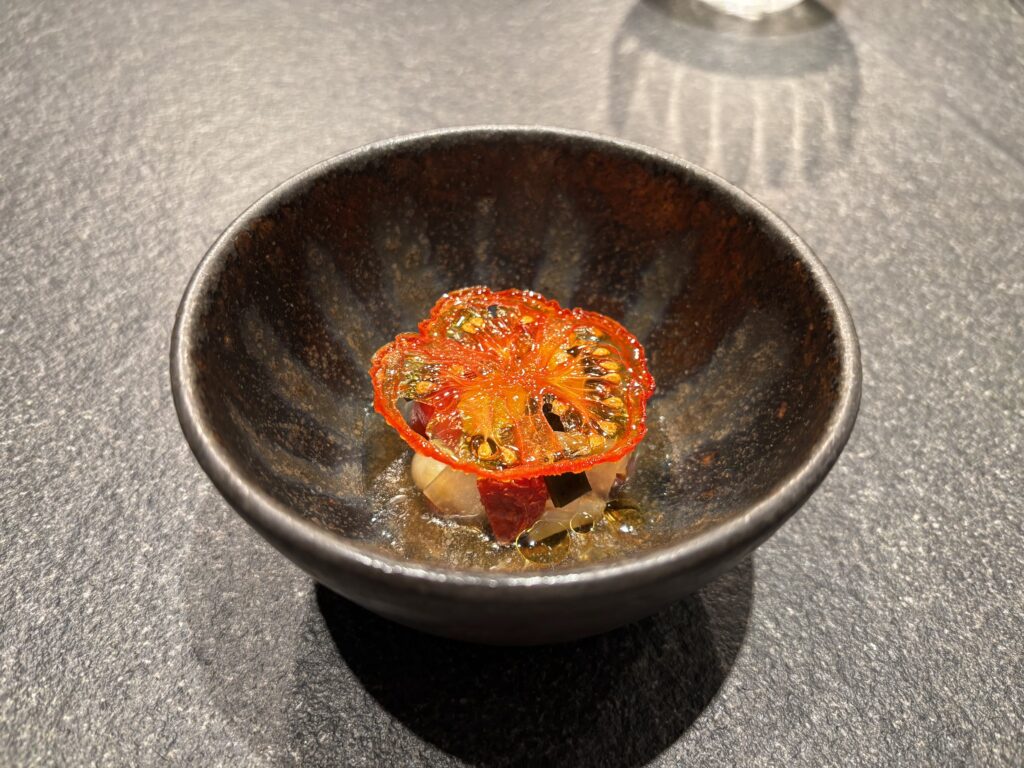
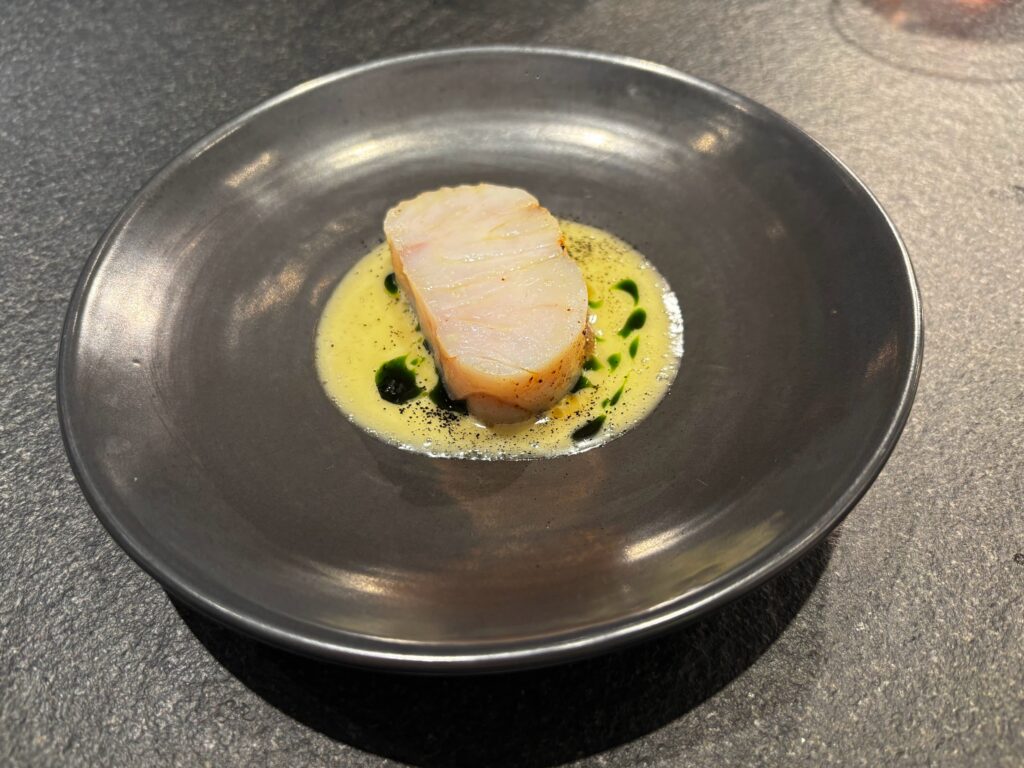
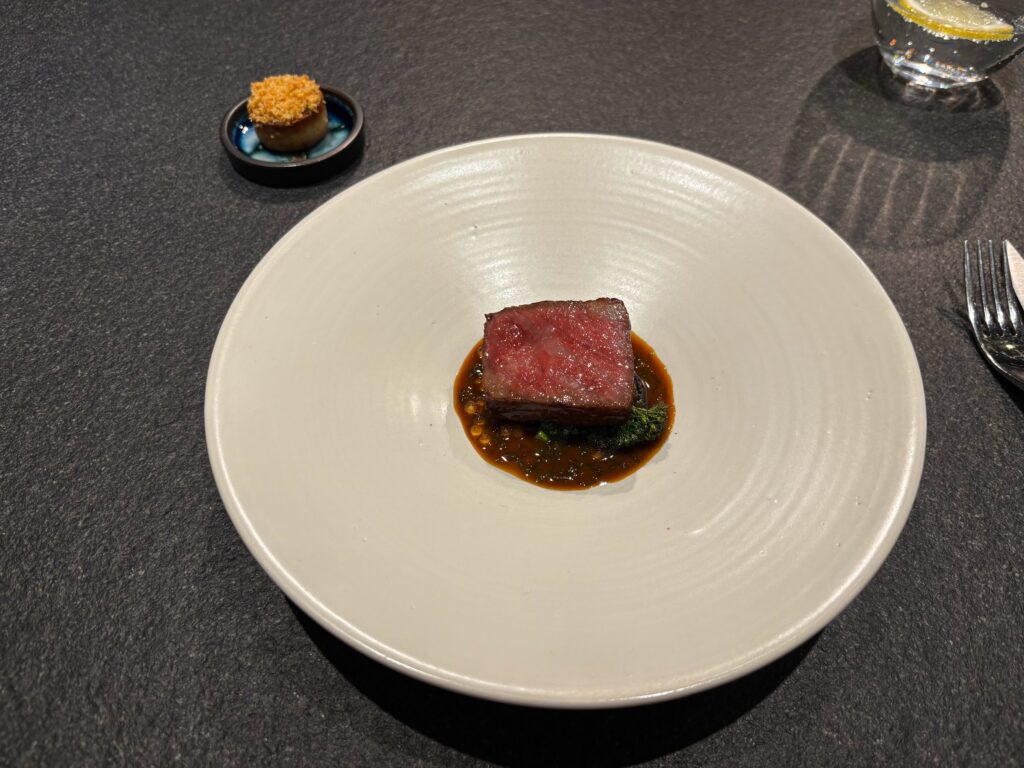
At the chef’s table, a Phang Nga squid with smoked tomato and Rayong wasabi opened beautifully, and the day boat coral trout with toasted koji butter and burnt purple eggplant was a standout. The ‘main’ course was 76-day aged wagyu striploin, arriving alongside a toasted crumpet with bone marrow and a massaman-inspired curry sauce, a pairing that sounded experimental on paper but landed with absolute conviction.
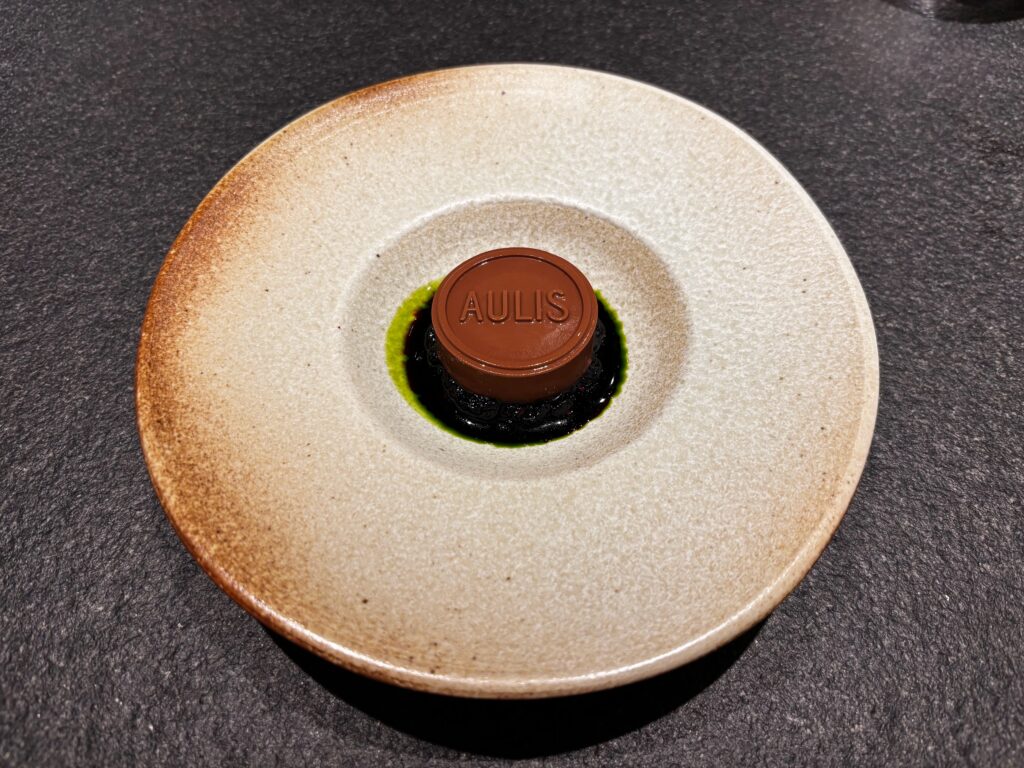
To close, the Pa Khlok 90% dark chocolate with Phuket mulberry and sacha inchi praline, the Aulis take on Rogan’s signature anvil dessert, recognisable across his restaurants from L’Enclume to Hong Kong, here reinterpreted through Thai ingredients. It tasted as dramatic as it looked, with a sharp, crisp clarity that made fifteen courses fold away into my back pocket.
Do note that Aulis closes after service on 17 May 2026 for a seasonal break and menu refresh, reopening at the end of October.
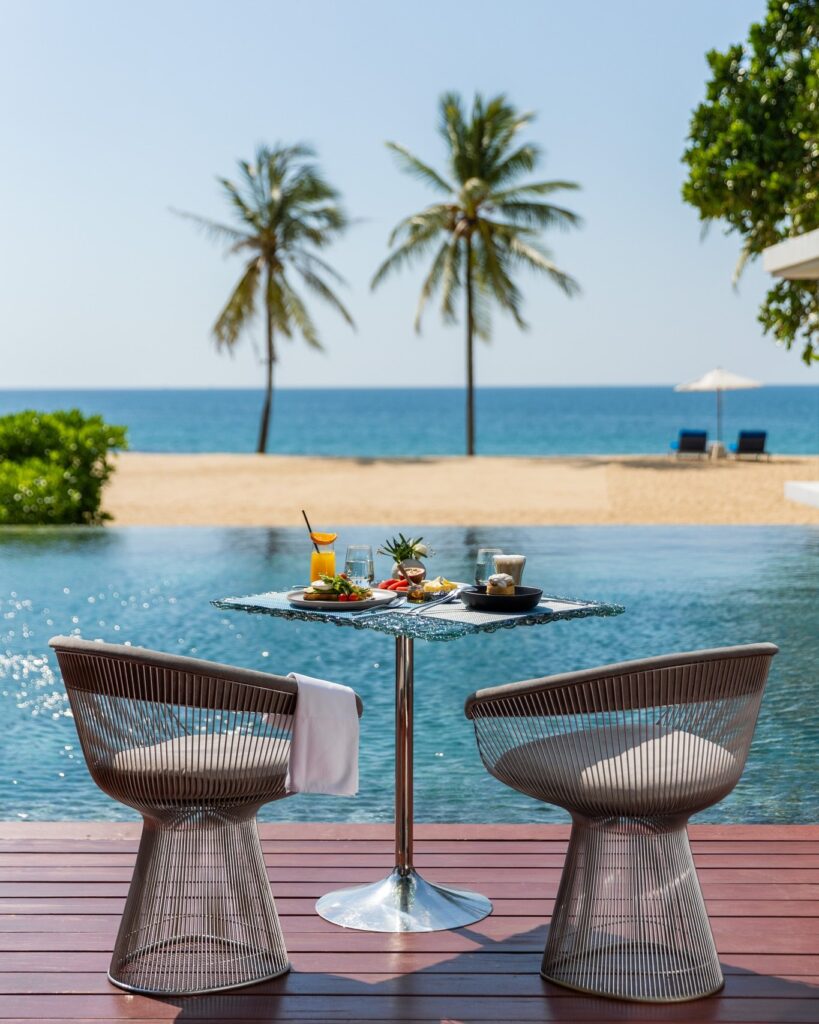
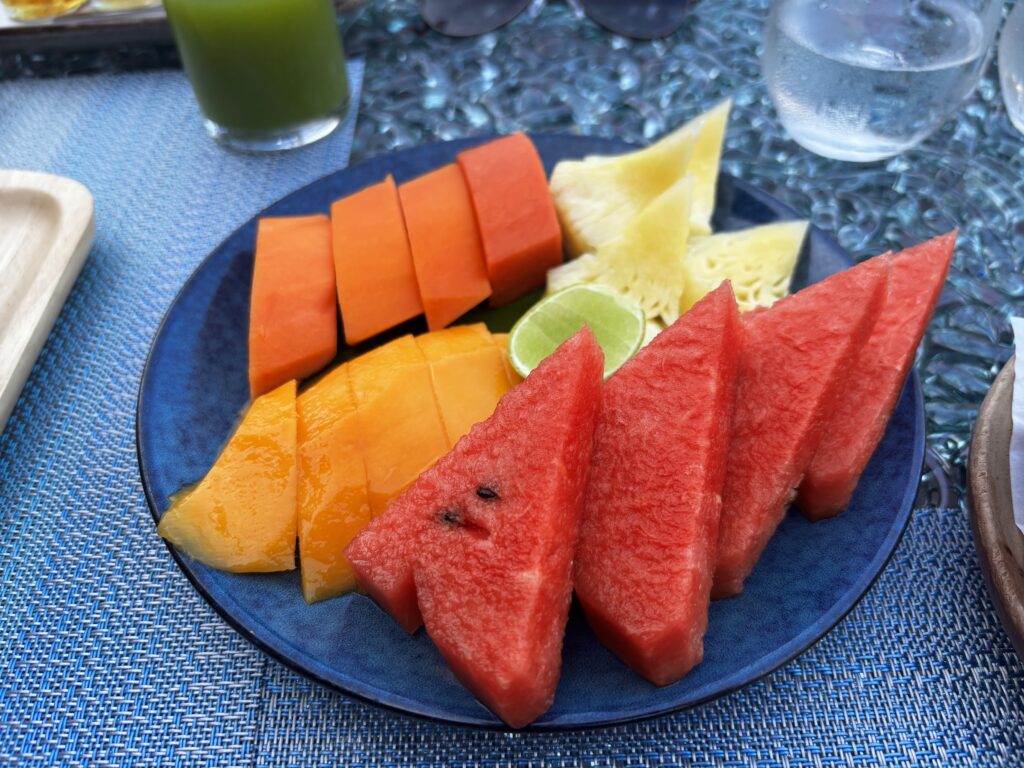
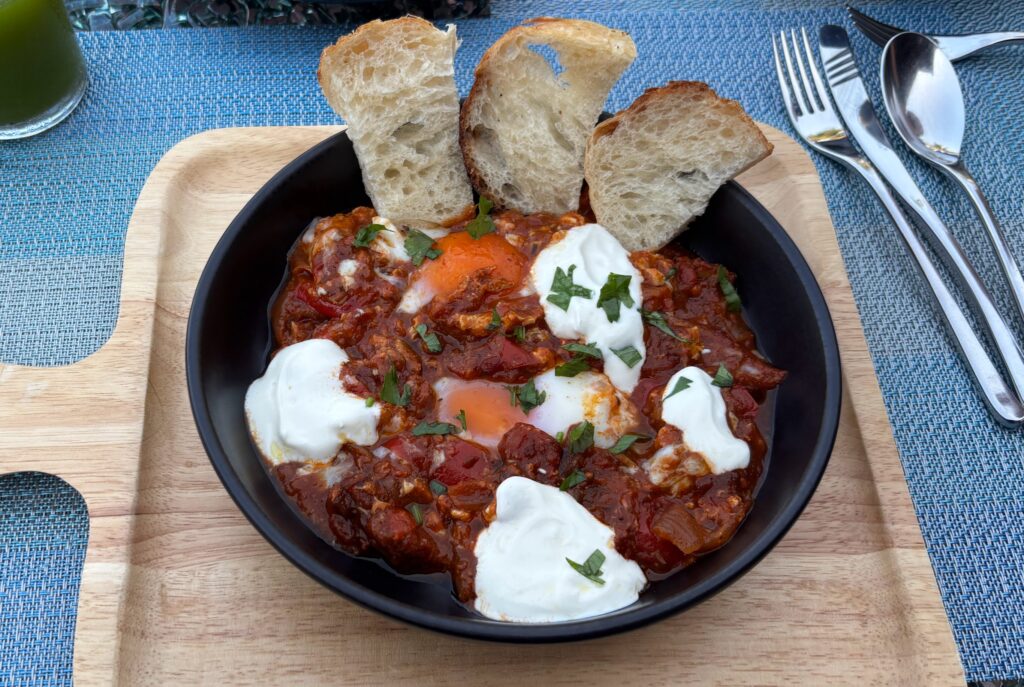
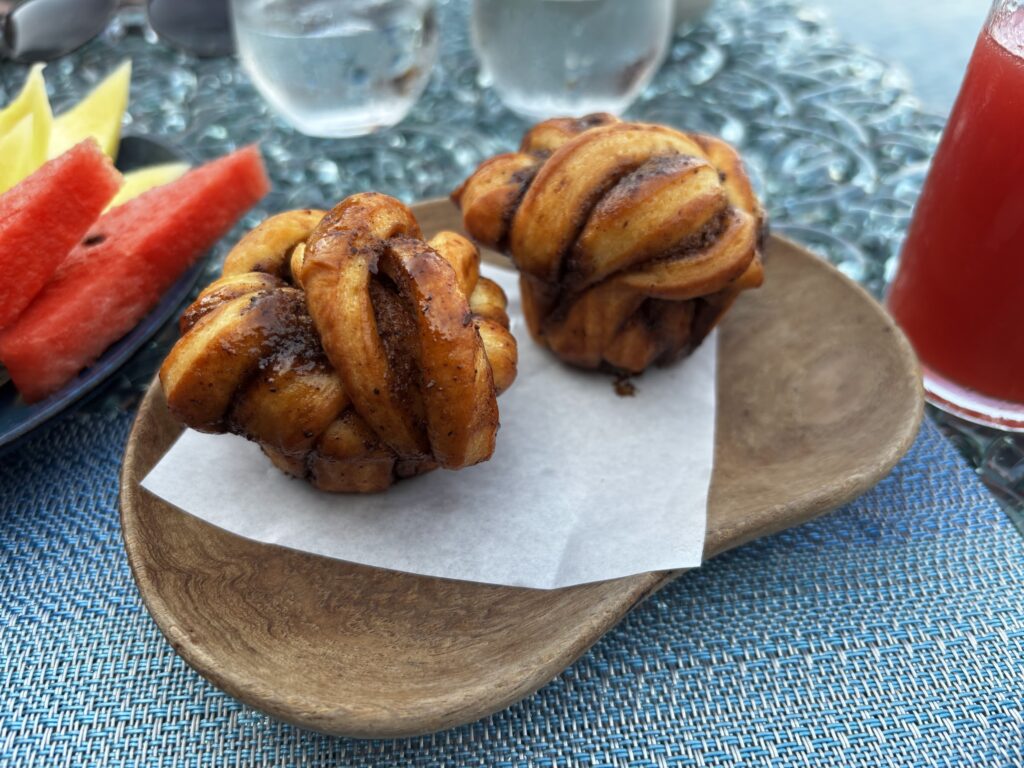
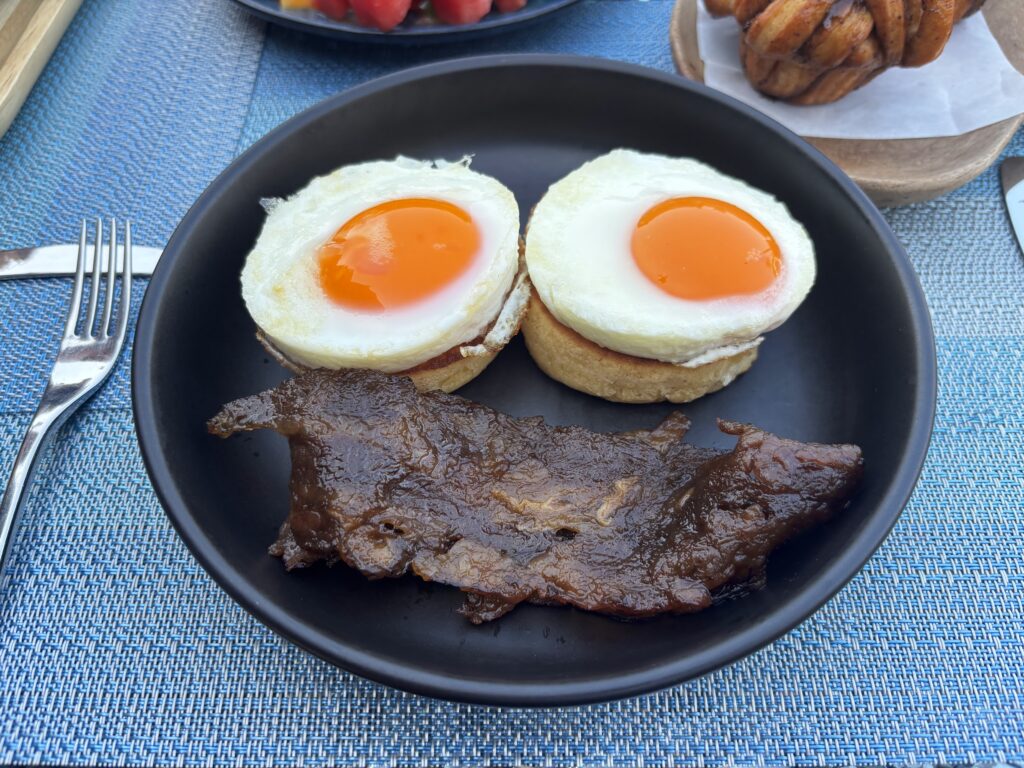
Phew. Wake up, it’s time for breakfast, handled by the Campana Lounge, which also covers all-day dining, a more global affair. Breakfast is served à la carte. It’s a little ordinary by comparison, though one of the Aulis chefs is currently involved in overhauling the menu, and signs are encouraging. The shakshuka is genuinely good, as is the Thai granola. The cinnamon buns deserve a mention, too; just lovely.
Should you want to eat off-property, Rabiang Lay Seafood Restaurant, a little further along the beach, is popular with locals, and Thanoon Seafood Restaurant is around 15 minutes by car and Michelin-recognised Baan Rearn Mai is around 20 minutes away. Ask the hotel to arrange a driver; Grab is unreliable in this part of the world.
Ideal For…
Couples and honeymooners. Privacy here is structural, not aspirational, and the property runs on first-name terms throughout. Request one of the beachfront suites for the most direct sand-to-bed ratio. Just be aware some suites share a pool with the adjoining suite in the same villa, so choose accordingly. Each villa has its own pool.
Design obsessives. Eleven distinct creative voices on a single site, held together by a Thai vernacular shell. Ask for a tour of the other rooms; the staff are happy to show you around, and no two are remotely alike.
Serious eaters. Book Aulis well in advance; it seats fifteen and fills up fast. Take the wine pairing; Brahaj’s selections are half the experience. And the beauty of staying on-site is that you can roll straight from the table to your bed without troubling a taxi.
Charity-minded travellers. A portion of room revenue goes to funding health, disability and education projects across South-East Asia. You’re not just staying somewhere beautiful; you’re funding something meaningful. Rare at this level, where there’s often a lot of talk and not enough action.
It’s perhaps less suited to those craving a resort with seven restaurants and a sprawling kids’ complex, or anyone who needs constant stimulation beyond the property gates. The nearest nightlife is a bridge and a world away.
Why Stay?
There are plenty of clichés about finding an undeveloped beach in Thailand. Natai, for now, remains the real thing: uncommercialised, largely unknown outside Thailand, and possessed of that open-ocean character its more sheltered rivals simply cannot replicate.
Iniala rewards those who stay put. The surf gets into your sleep. The design gets into your head. The food gets into conversations you’ll be having months later. And the knowledge that 10% of what you’re paying is going directly to the Inspirasia Foundation means the guilt of spending this much money on a holiday is, for once, genuinely blunted.
Go for the waves, the seclusion, the food, and the feeling that you have found something most visitors to Thailand have not.
Room rates at Iniala Beach House Thailand start from 39,725 baht (£896) per night (Pool Residences) and Villas start from 129,200 baht (£2,914) per night. There is a two-night minimum stay. The Aulis tasting menu is priced separately. Book direct on ialathailand.com for the best rates and complimentary airport transfers.
Address: Iniala Beach House, Khok Kloi, Amphoe Takua Thung, Phang Nga
Website: iniala.com/iniala-beach-house