London’s South Bank is one of those stretches of the city that never gets old. Bookended by Westminster Bridge and Blackfriars, this pedestrianised ribbon of concrete and culture hugs the Thames like a favourite scarf, offering everything from Brutalist architecture to second-hand paperbacks, street food to skateboarding.
It wasn’t always this way. For centuries, the area was known as Lambeth Marsh, a waterlogged stretch of land that flooded with the tides. Drained in the 18th century, it became an industrial zone of tanneries, breweries, and factories.
The transformation came in 1951, when the Festival of Britain reimagined this bombed-out, run-down patch as a showcase for post-war optimism. The Royal Festival Hall is the lasting legacy of that moment, and the regeneration has continued ever since, with the Southbank Centre, National Theatre, and Tate Modern turning the riverbank into one of Europe’s great cultural districts.
With Waterloo Station spitting out commuters and day-trippers mere minutes from the action, it’s about as accessible as London gets. Here are ten ways to spend a brilliant day on this beloved stretch of riverbank.
Browse The South Bank Book Market
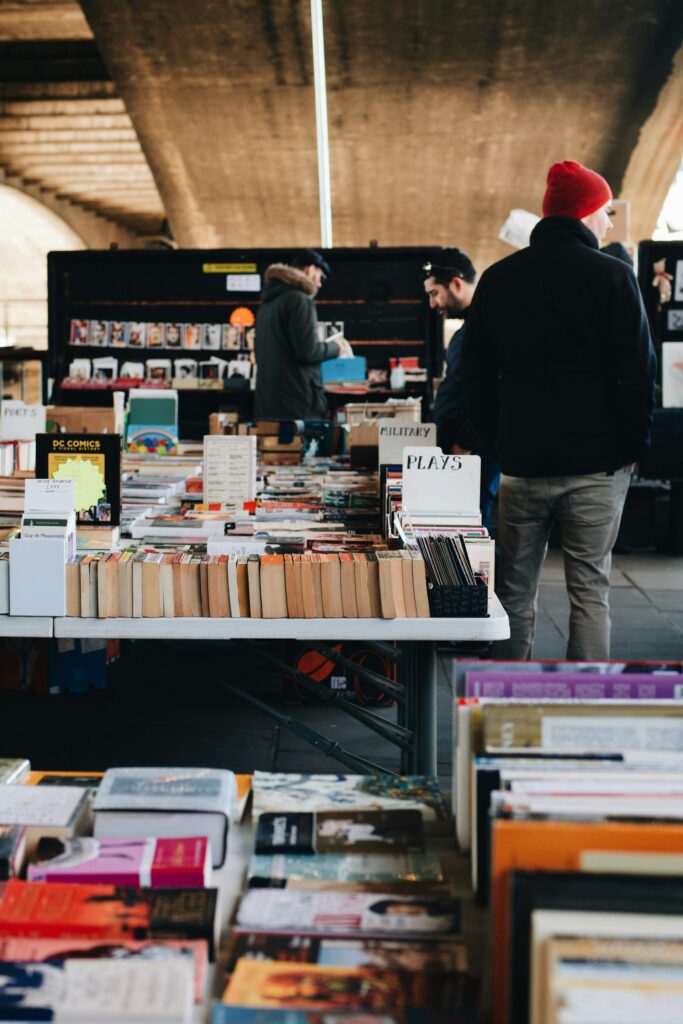
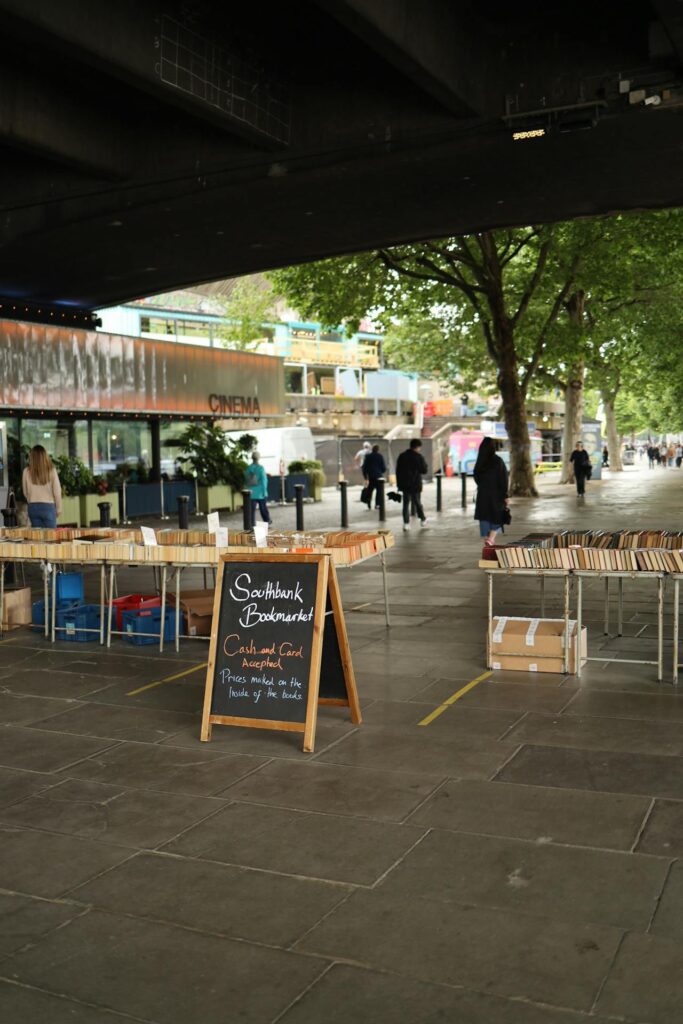
The South Bank Book Market has been drawing bibliophiles to its spot beneath Waterloo Bridge since 1983. Originally dreamt up by Leslie Hardcastle, then controller of the BFI, the market was conceived to liven up what was then a rather bleak patch of concrete.
Four decades later, it’s one of southern England’s only outdoor second-hand book markets, and its loyal stallholders have become as much a fixture as the brutalist architecture overhead. Expect everything from battered Penguins and vintage maps to antiquarian curiosities across eight permanent stalls. The traders know their stock inside out and are happy to chat.
Open daily from 10am to 7pm, though not all stalls operate every day and the market may close in bad weather, so weekends are your best bet for the full selection.
Catch A Film At BFI Southbank
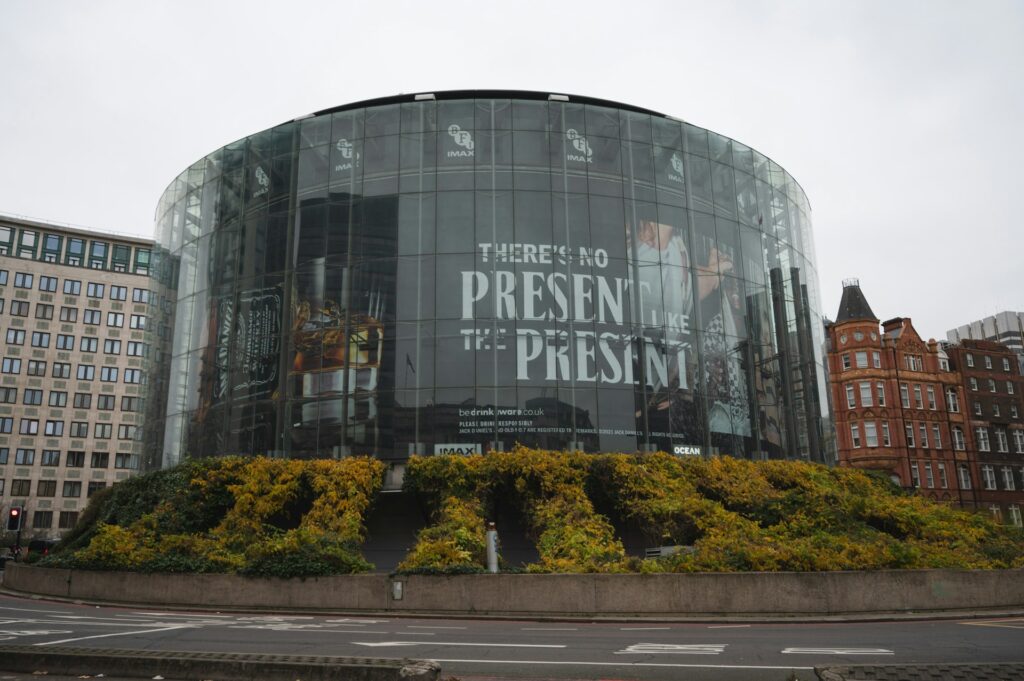
BFI Southbank is a film lover’s paradise, nestled in the arches beneath Waterloo Bridge. This isn’t your multiplex experience: across four screens, the programming ranges from arthouse premieres and archive oddities to director Q&As and thematic retrospectives.
The flagship NFT1 screen, with its 450 seats and 9.2-metre screen, has been called one of the crown jewels of London cinema by Forbes. Even if you’re not catching a film, the BFI Reuben Library offers free access to an astonishing collection of film literature, while the Mediatheque lets you dive into the BFI National Archive.
The building is open daily from 11am to 11pm (11.30pm on Fridays and Saturdays), and the Riverfront Bar & Kitchen makes a fine spot for a post-screening debrief, with views across to the Book Market and the Thames beyond.
Explore Leake Street Arches
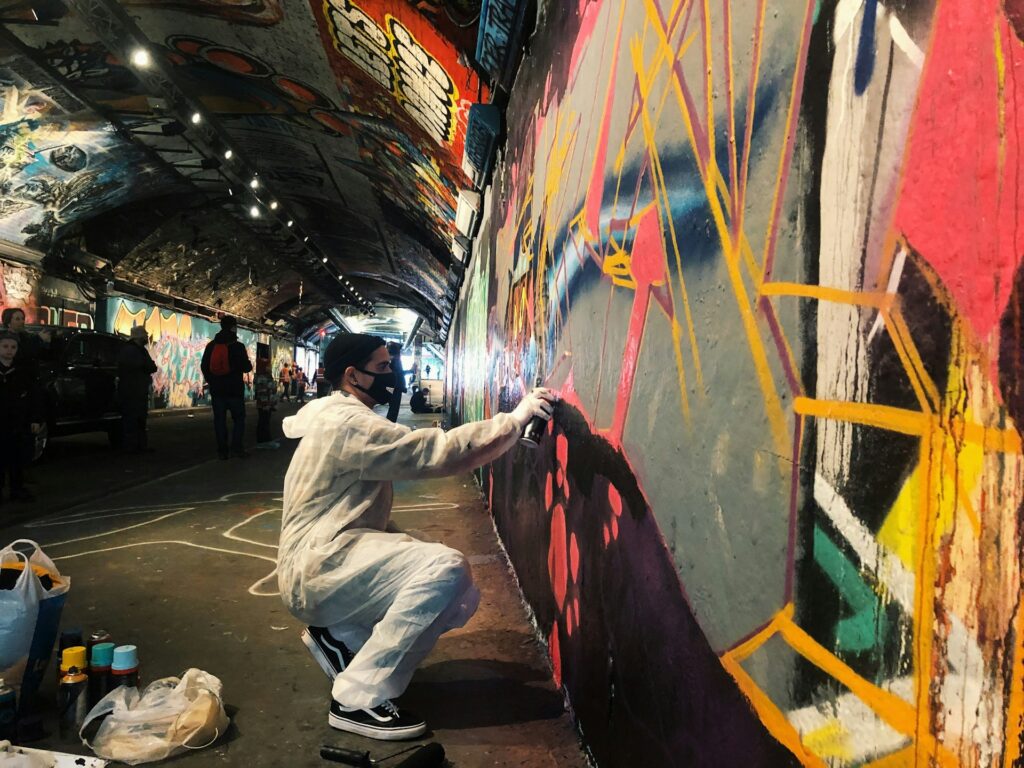
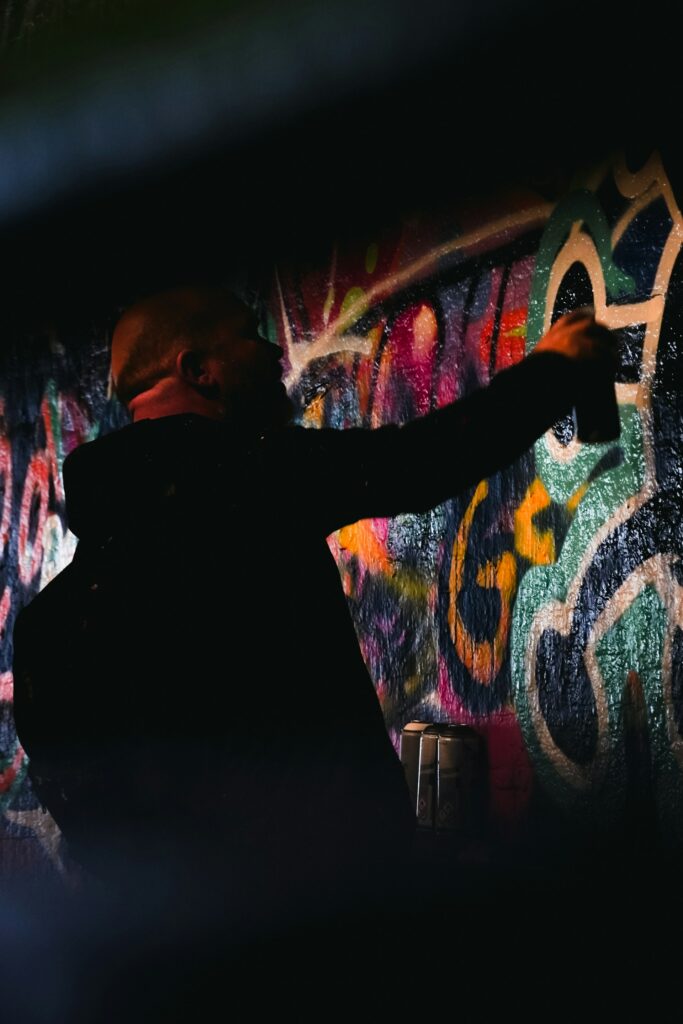
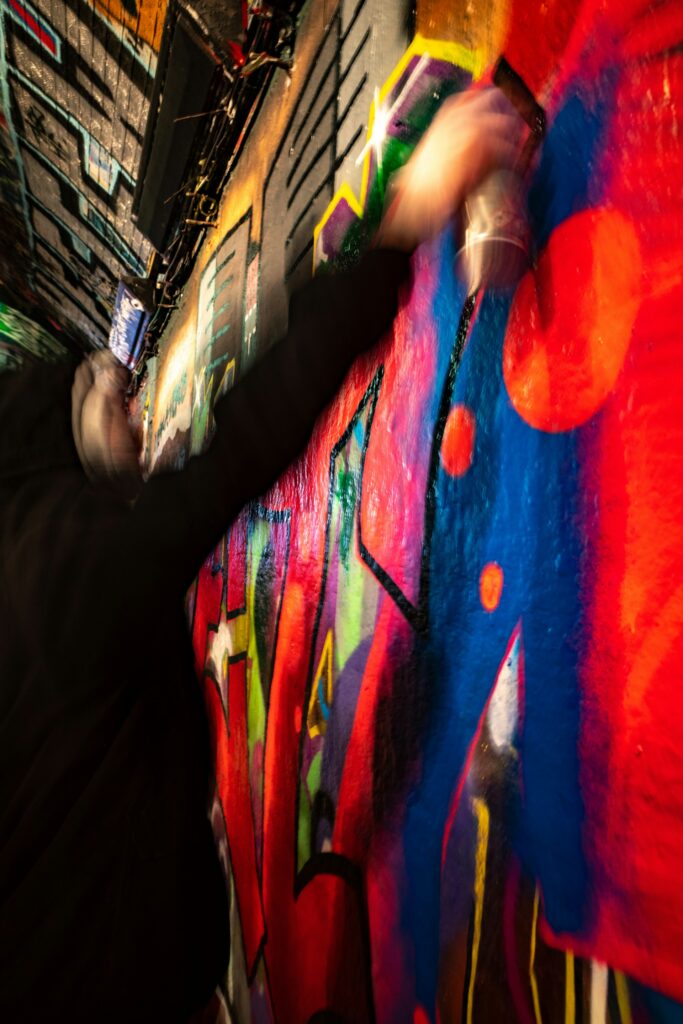
Leake Street Arches is a 300-metre tunnel running beneath Waterloo Station, and London’s longest legal graffiti wall. Every inch of surface is covered in constantly evolving street art, from elaborate murals to quick tags that might last hours before someone sprays over them. Banksy put the spot on the map with his 2008 Cans Festival, and the tunnel has hummed with creative energy ever since.
But it’s not just about the walls: the arches now house a cluster of independent bars and restaurants. Mamuśka serves hearty Polish classics (pierogi, bigos, vodka boards), Draughts is a board game café with over 1,000 games on its shelves, and Passyunk Avenue channels the dive-bar energy of Philadelphia with cheesesteaks, buffalo wings, and ice-cold American beer.
The tunnel itself is open 24 hours; individual venue hours vary.
Watch The Skaters At The Undercroft
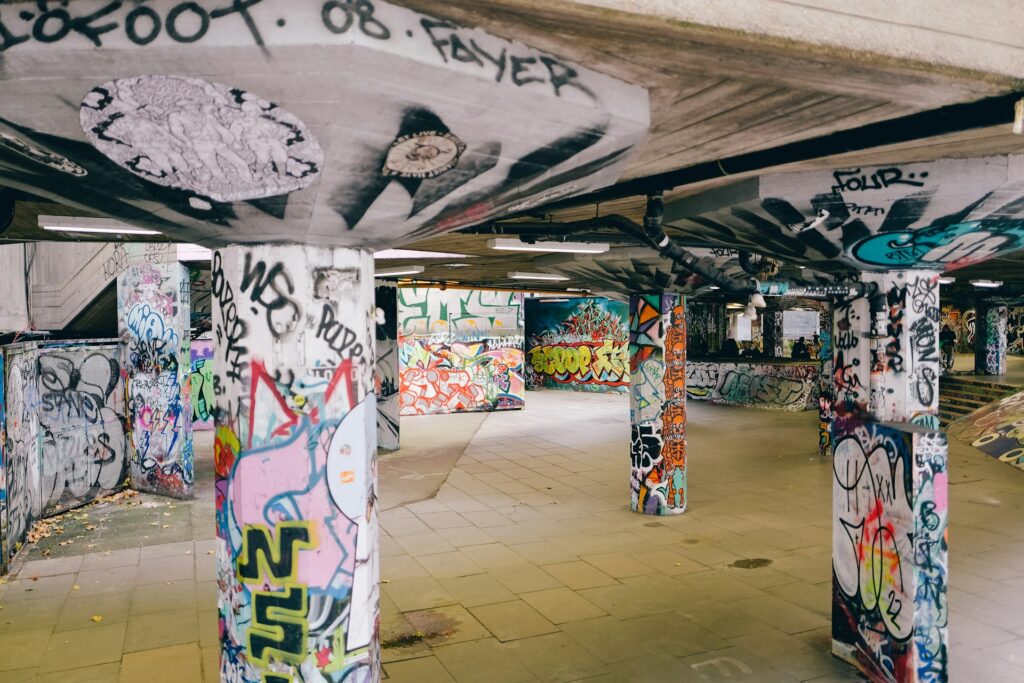
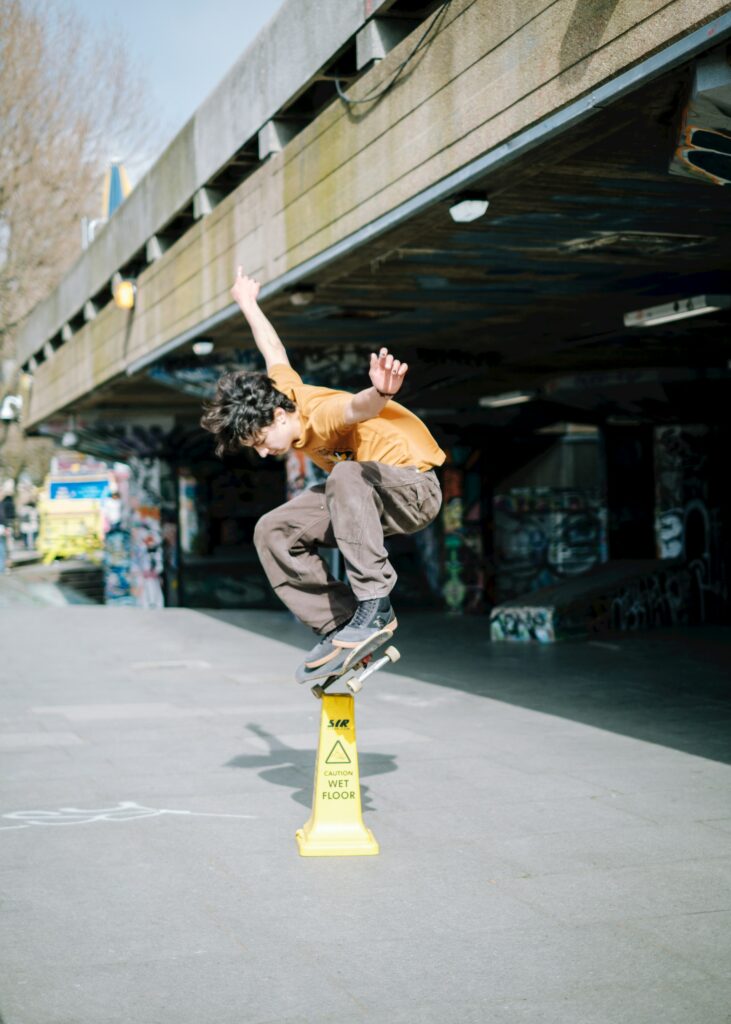
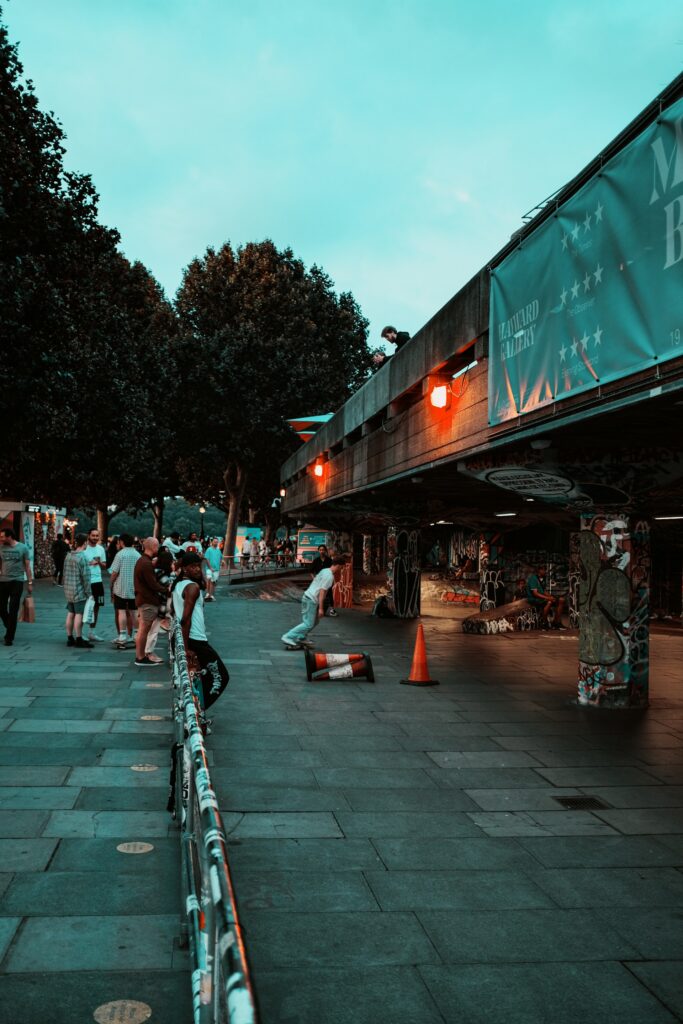
The Undercroft beneath the Southbank Centre has been home to skateboarders since 1973, making it the world’s longest continually used skate spot. What started as a happy accident (the architects simply left the space open when they built the Queen Elizabeth Hall) became the beating heart of British skateboard culture.
The spot was threatened with redevelopment in 2013, but a spirited campaign by Long Live Southbank saved it, and subsequent renovations have expanded the skateable area back towards its original footprint.
Even if you’ve never stood on a board, it’s mesmerising to watch riders navigate the banks, ledges, and staircases. On any given afternoon you’ll find everyone from wobbly beginners to visiting pros, all sharing the same stretch of concrete.
Eat & Drink At The National Theatre
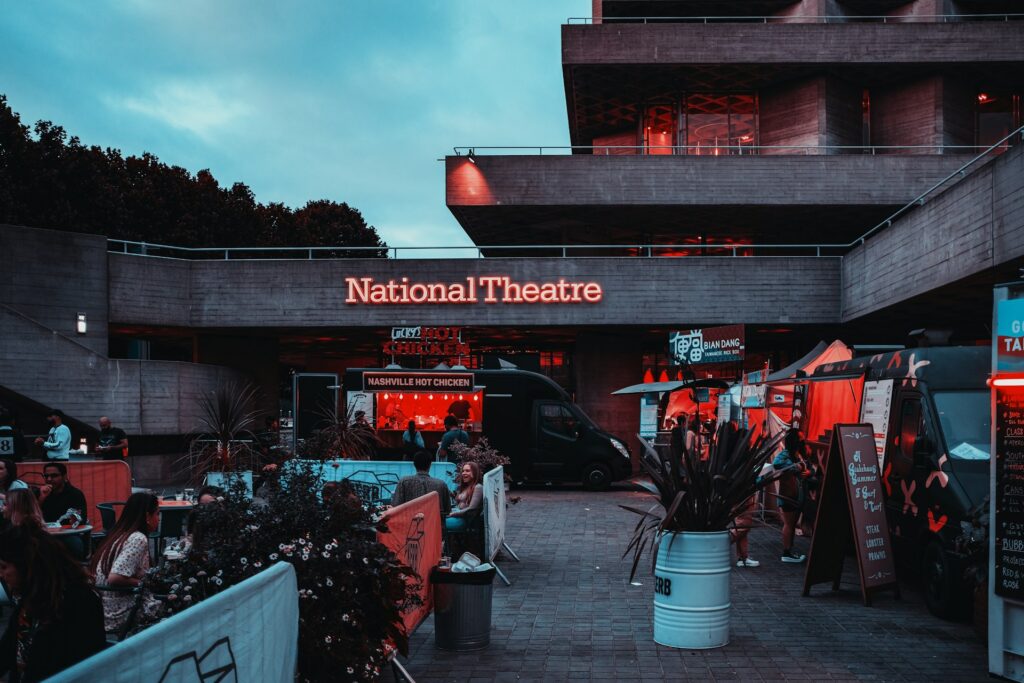
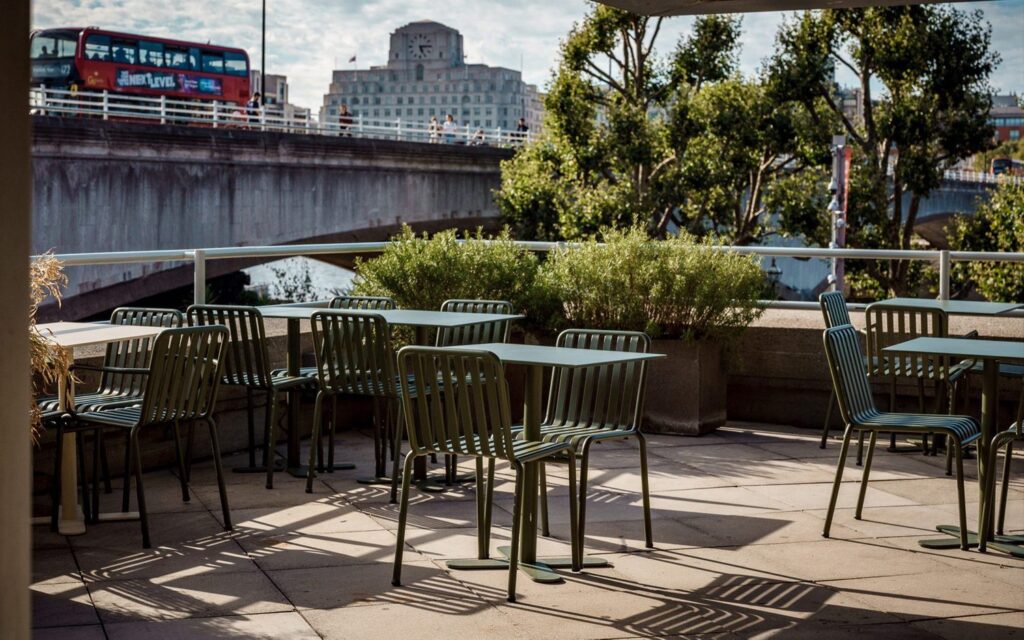
The National Theatre is justly famous for its productions, but it’s also become a serious food and drink destination in its own right. The headline act is Forza Wine, the terrace bar that Time Out named London’s best rooftop bar for 2025.
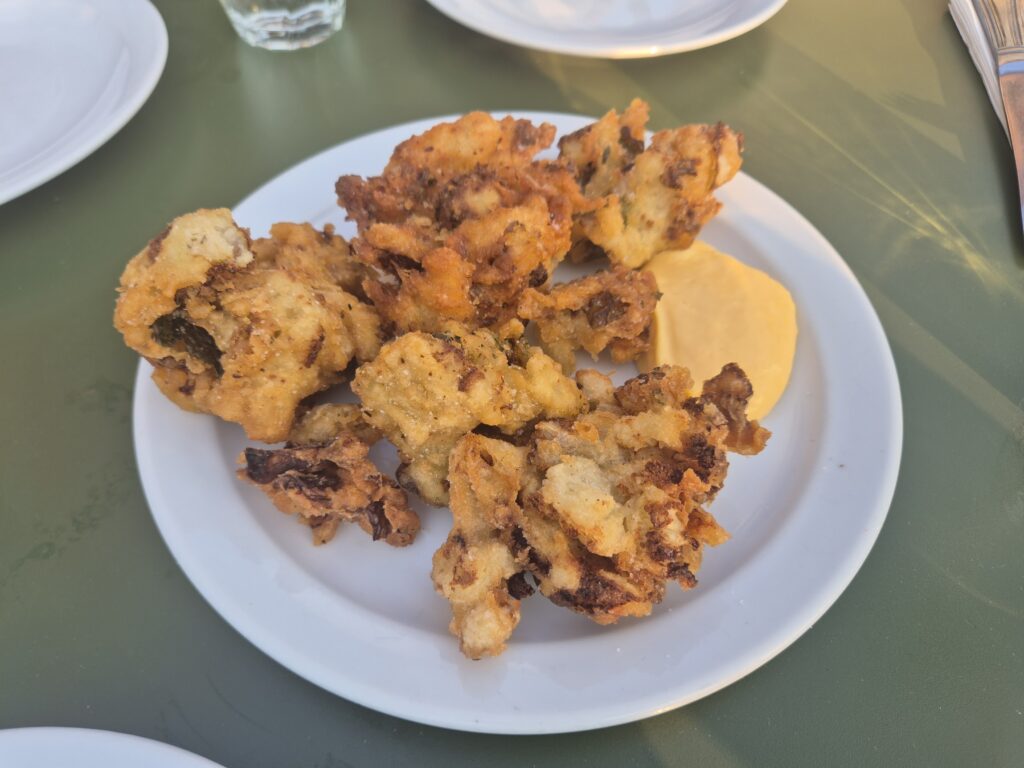
Perched above the Lyttelton Lounge with views across the river, it serves sharing plates of “Italian-ish” food (the cauliflower fritti is legendary) alongside a smartly curated list of natural wines. Open daily from midday to midnight.
For something more substantial, Lasdun offers modern British brasserie cooking from the team behind Hackney’s celebrated Marksman pub: think whole Cornish pollack and chicken and girolle pie. Even if you’re just passing through, the Atrium Café does excellent coffee and light lunches, and the building’s brutalist foyers are worth a wander in their own right.
Read: The best restaurants near London Waterloo
Visit The Hayward Gallery
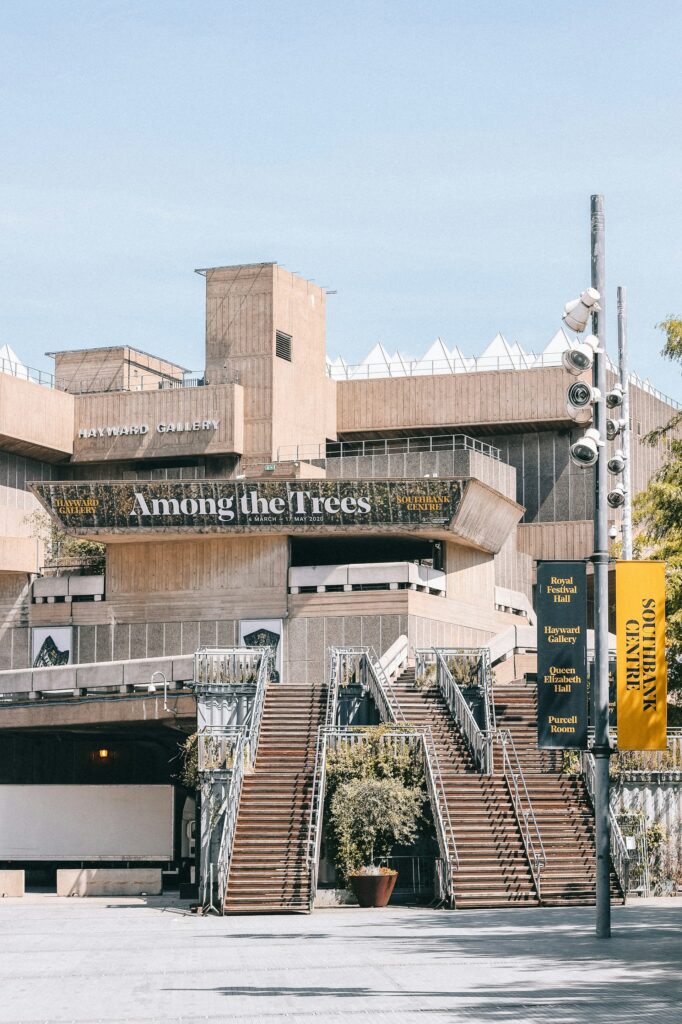
The Hayward Gallery, with its distinctive brutalist exterior, has been showcasing major contemporary art exhibitions since 1968. The gallery’s raw concrete spaces suit bold, large-scale work particularly well.
From 17 February to 3 May 2026, the gallery hosts a double bill of immersive installations: Japanese artist Chiharu Shiota’s Threads of Life, featuring her signature floor-to-ceiling woven structures, alongside Chinese artist Yin Xiuzhen’s Heart to Heart. Come summer, Anish Kapoor takes over from 16 June to 18 October.
Even when you’re not heading inside, the gallery’s outdoor sculpture terraces are free to explore and offer some of the best elevated views along this stretch of the river. Standard tickets are £19; Southbank Centre members go free.
Graze The Street Food Markets
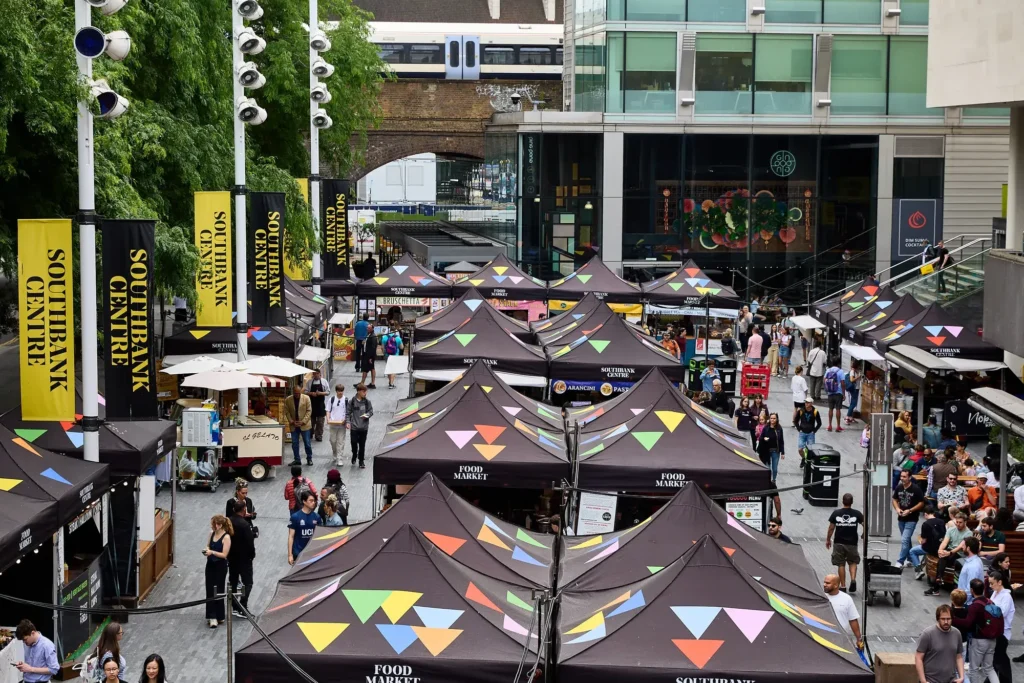
The South Bank has become one of London’s best spots for outdoor eating, with two street food markets within a few minutes’ walk of each other. The Southbank Centre Food Market sets up every Friday, Saturday, and Sunday on Southbank Centre Square, tucked behind the Royal Festival Hall on the Belvedere Road side. Around 40 stalls offer a world tour of cuisines: Ethiopian injera platters, Punjabi biryanis, Venezuelan arepas, and New Orleans po’boys all within a few metres of each other. Horn OK Please does some of London’s best dosas, and four new stalls rotate in each month.
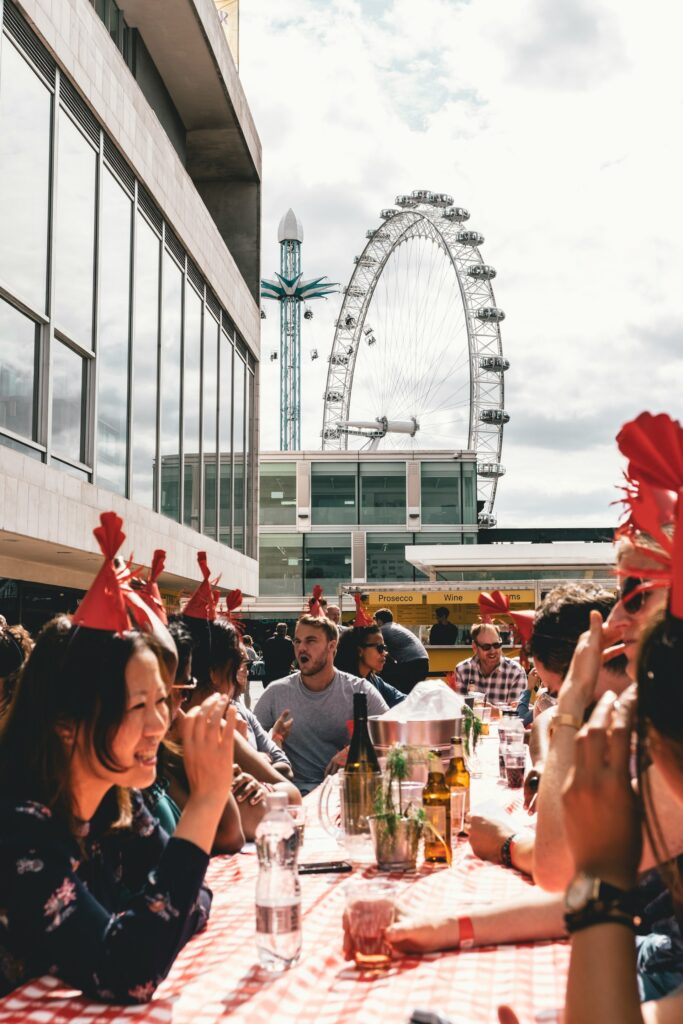
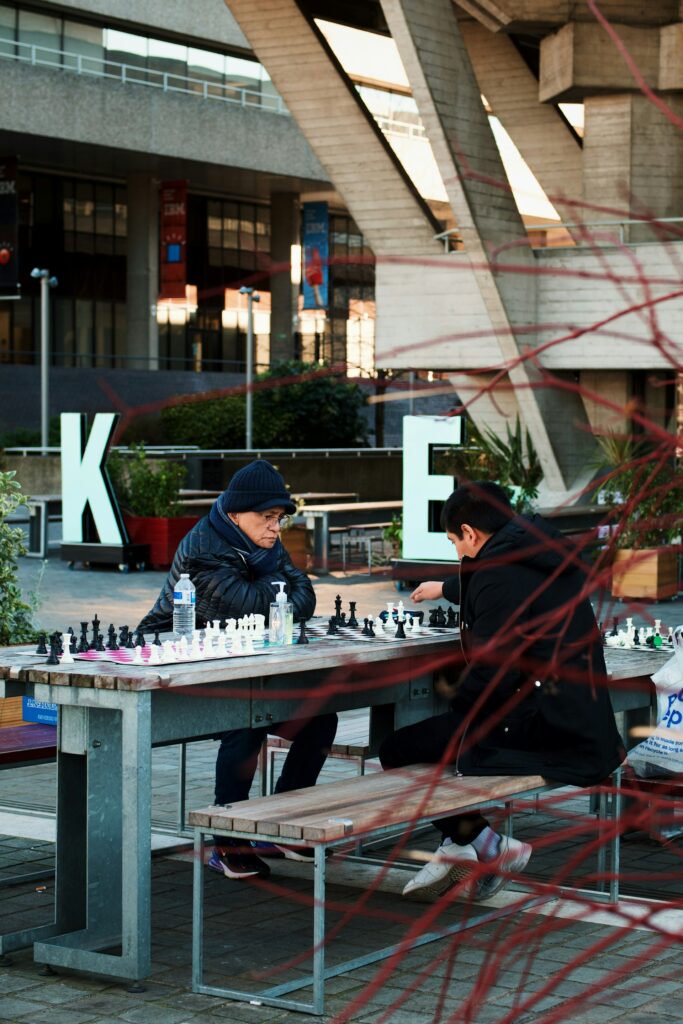
In summer, KERB sets up its own open-air market outside the National Theatre, with a rotating lineup of street food trucks and a 70-metre communal table overlooking the river. The vibe is more curated than the Southbank Centre market, with traders like El Pollote (Venezuelan fried chicken) and Harissa and Lemon (Moroccan street food) alongside craft beers from Gipsy Hill and cocktails from a pop-up bar. Grab your haul and head to Jubilee Gardens for a riverside picnic with views of the London Eye.
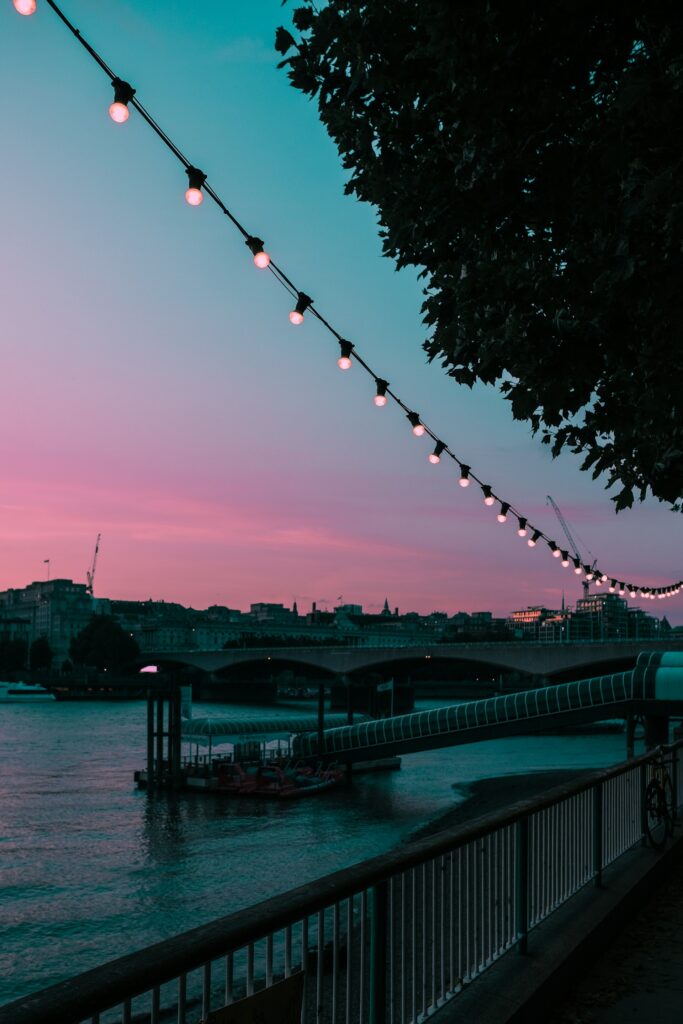
Come winter, the Southbank Centre Winter Market takes over, with Alpine-style wooden chalets stretching along the riverfront from November through early January. Mulled wine, Dutch pancakes, raclette, and churros fuel the browsing, while craft stalls sell handmade jewellery and seasonal gifts. It’s free to wander, and the fairy lights reflecting off the Thames make for one of London’s more atmospheric festive experiences.
Walk The Queen’s Walk
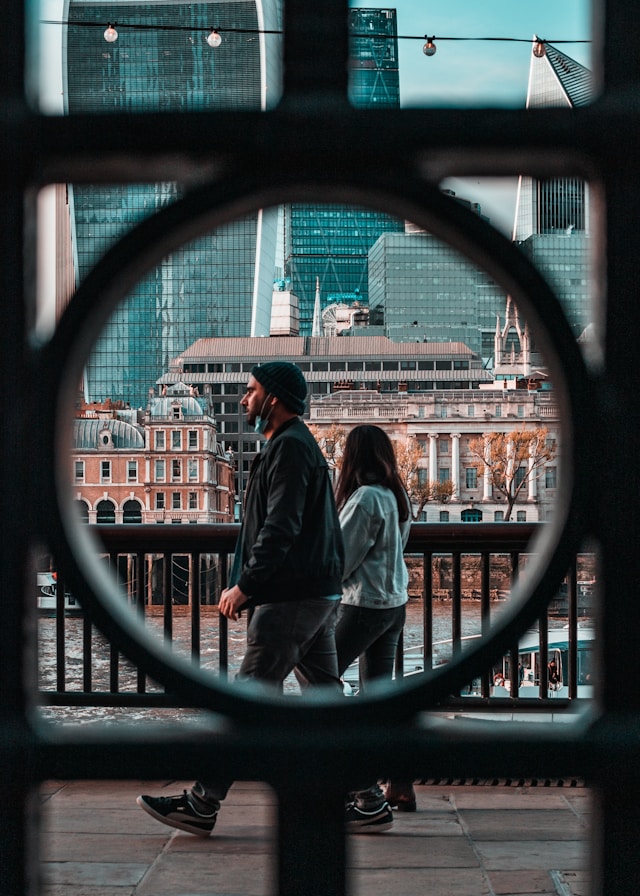
Sometimes the best thing to do is simply wander. The Queen’s Walk stretches along the riverbank, offering a constantly shifting parade of views: Big Ben and the Houses of Parliament to the west, St Paul’s Cathedral and the City’s glass towers to the east.
Street performers set up along the route, buskers fill the air with music, and the benches offer prime people-watching territory.
Grab a coffee for the stroll from Beany Green, a colourful shipping container tucked beneath Hungerford Bridge. Part of the Australian-inspired Daisy Green group, it serves excellent flat whites from its house-roasted Beany Blend, plus house-made banana bread that’s developed something of a cult following. In the evenings, the coffee gives way to craft beers and cocktails.
Walking east, stop off at the OXO Tower for a drink with a view. The eighth-floor bar sits at the top of the Art Deco landmark (the one with the cleverly disguised OXO lettering that got around a ban on riverside advertising), with floor-to-ceiling windows and an outdoor terrace looking across to St Paul’s. Cocktails aren’t cheap, but the setting is hard to beat.
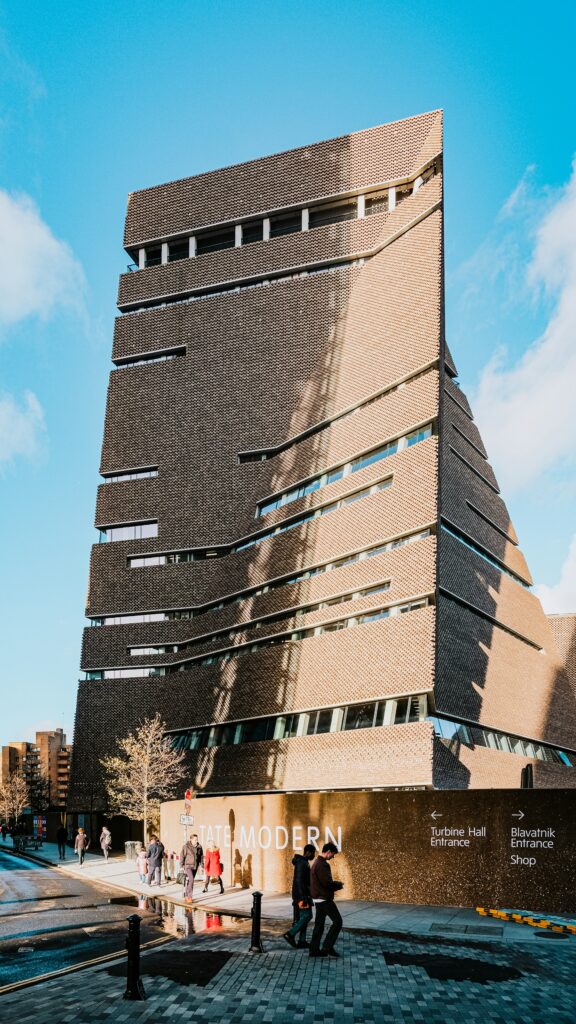
Keep going and you’ll reach Tate Modern, the converted power station that helped kickstart the South Bank’s transformation when it opened in 2000. Entry to the permanent collection is free, and the cavernous Turbine Hall hosts large-scale installations that are worth seeing even if contemporary art isn’t usually your thing. The viewing platform on Level 10 offers panoramic views across the river to St Paul’s.
A stay in a Waterloo aparthotel puts you in the perfect location to return to this walk at different times of day, catching the morning joggers or the golden hour light over the water.
Have A Drink With A View
The South Bank is blessed with drinking spots that make the most of its riverside location. The BFI Riverfront is reliably good for a post-film pint with views across to the book stalls. Skylon, on Level 3 of the Royal Festival Hall, offers floor-to-ceiling windows and cocktails with a side of skyline.
For something less formal, The Understudy at the National Theatre pours local craft beers from Gipsy Hill and spirits from East London Liquor Company, with street food from a rotating cast of KERB traders. Open daily from midday.
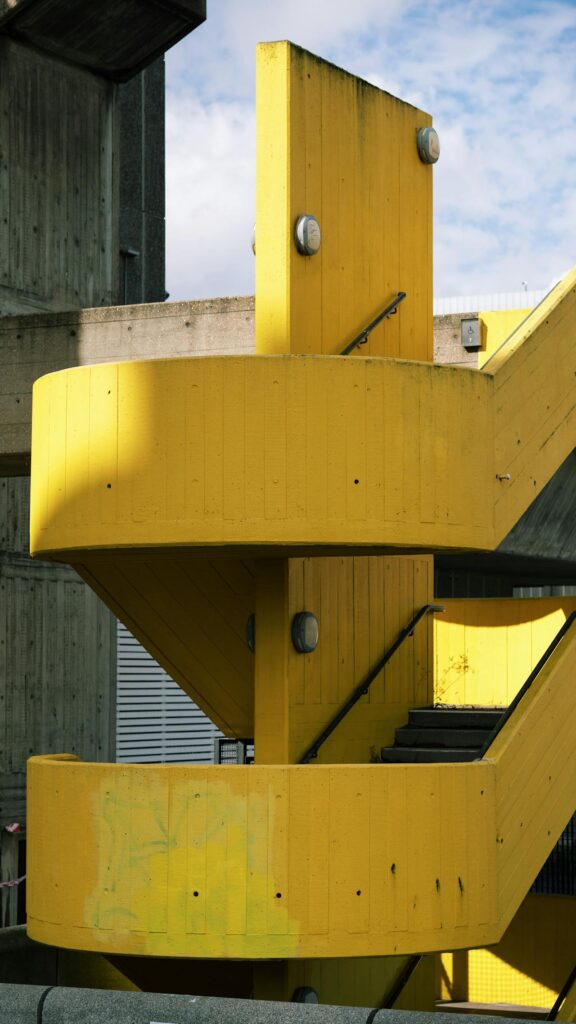
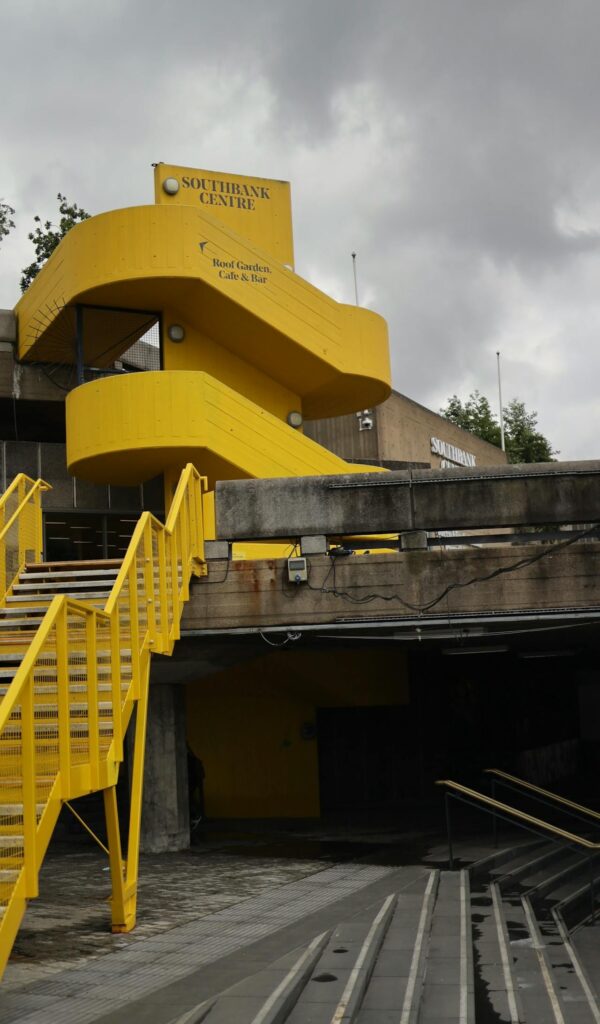
In summer, the Queen Elizabeth Hall Roof Garden is the move: a hidden green oasis above the Brutalist concrete, with deckchairs, cocktails, and views across the river. Time it right and you can sip something cold before heading downstairs to catch a show.
See A Production
The Queen Elizabeth Hall opened in 1967 with a concert conducted by Benjamin Britten, and its nearly 1,000-seat auditorium has welcomed an eclectic roster ever since. The programming veers from classical and contemporary music to dance, theatre, and spoken word. Radiohead’s Jonny Greenwood has performed here; so has JK Rowling.
The hall reopened in 2018 after a three-year renovation that stripped things back to the original designs, with floors, walls, and ceilings restored to their 1960s glory. Sharing the building is the smaller Purcell Room, which hosts more intimate chamber music, jazz, and debates. The foyer itself sometimes comes alive with Concrete Lates, monthly club nights featuring electronic music and river views.
The venue opens 90 minutes before performances, and there are bars throughout the Southbank Centre complex for pre-show drinks.
For something scrappier, Waterloo East Theatre is a 100-seat fringe venue tucked into a railway arch near the station. Founded in 2010, it champions new writing and stages European premieres, revivals, and the occasional cult musical. The programming leans adventurous, the bar is well-stocked, and tickets rarely break the bank.
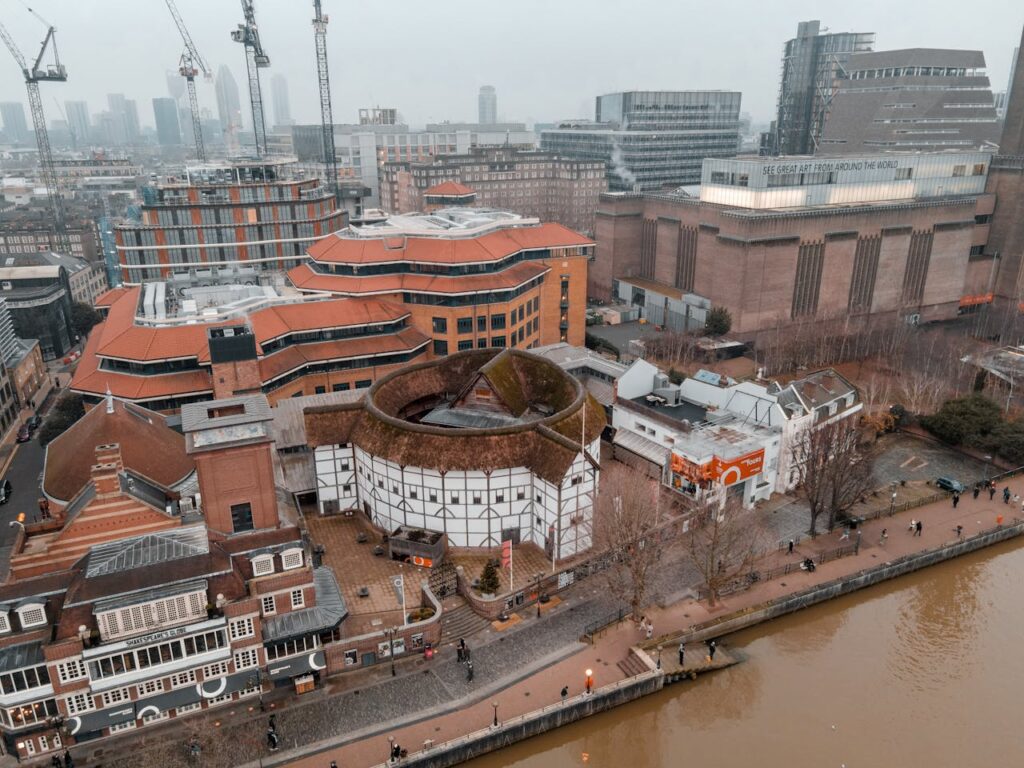
Further east along the riverbank, Shakespeare’s Globe is the open-air reconstruction of the Elizabethan playhouse where the Bard staged his greatest hits. Rebuilt in 1997 after a decades-long campaign by American actor Sam Wanamaker, the thatched ‘wooden O’ hosts productions from spring to autumn, with £5 standing tickets available for groundlings willing to brave the elements. The indoor Sam Wanamaker Playhouse, lit entirely by candlelight, offers a more intimate (and weatherproof) alternative year-round.
The Bottom Line
The South Bank rewards a lack of planning. Turn up at Waterloo, point yourself towards the river, and let the day unfold. You might spend an hour lost in a second-hand bookstall, catch an obscure film from the BFI archive, watch a teenager nail a trick at the Undercroft, or simply sit with a coffee and watch the Thames slide past.
That mix of high culture and street-level energy, of world-class institutions and happily scrappy corners, is what makes this stretch of London so enduringly appealing. Pack comfortable shoes and an open mind.
And if all this culture leaves you craving something slower-paced, the Thames offers very different pleasures further upstream. Here’s our guide to London’s best places for coarse fishing. Rod licence required; patience optional.