We’ve all noticed it: wellness has gone from niche interest to full-blown cultural obsession. The Global Wellness Institute puts the global wellness economy at a staggering £5.4 trillion in 2024, with projections suggesting it’ll hit nearly £7.8 trillion by 2029. That’s not a trend; that’s a seismic shift in how we think about looking after ourselves.
2025 gave us sleepy girl mocktails, the protein-everything craze, and enough longevity podcasts to last several lifetimes. But what’s coming next? Here are the health and wellness trends set to define 2026.
Better Sleep, Not Just More Sleep
Sleep stopped being something that just happens and became something we actively work on. The ‘sleepy girl mocktail’ (tart cherry juice, which naturally boosts melatonin, mixed with magnesium powder) went viral on TikTok, but the obsession with quality rest runs much deeper than a single recipe.
Circadian rhythm alignment is the phrase you’ll hear more and more: timing light exposure, controlling bedroom temperature, and treating sleep as seriously as diet or exercise. Hotels have cottoned on too, with sleep-focused retreats and specially designed rooms becoming genuine draws for wellness travellers.
The Ockenden Manor in West Sussex runs a Good Sleep Retreat designed by sleep psychologist Dr Maja Schaedel, featuring private consultations, workshops and floatation therapy. The Cadogan in Chelsea offers a Sleep Concierge service developed with Harley Street hypnotherapist Malminder Gill, complete with bespoke meditations, weighted blankets and calming bedtime tea. The Scarlet in Cornwall has introduced an Ayurvedic-inspired Restorative Sleep Break with cliff-top hot tubs, herbal teas and a curated book library to encourage a digital detox.
In 2026, expect the conversation around rest to get even more granular.
The Rise Of Body-Based Healing
For years, healing meant talking. Now, it often means breathing, plunging, or shaking. Somatic wellness, which uses the body to process emotional states, is gaining serious ground as people seek alternatives to conventional approaches.
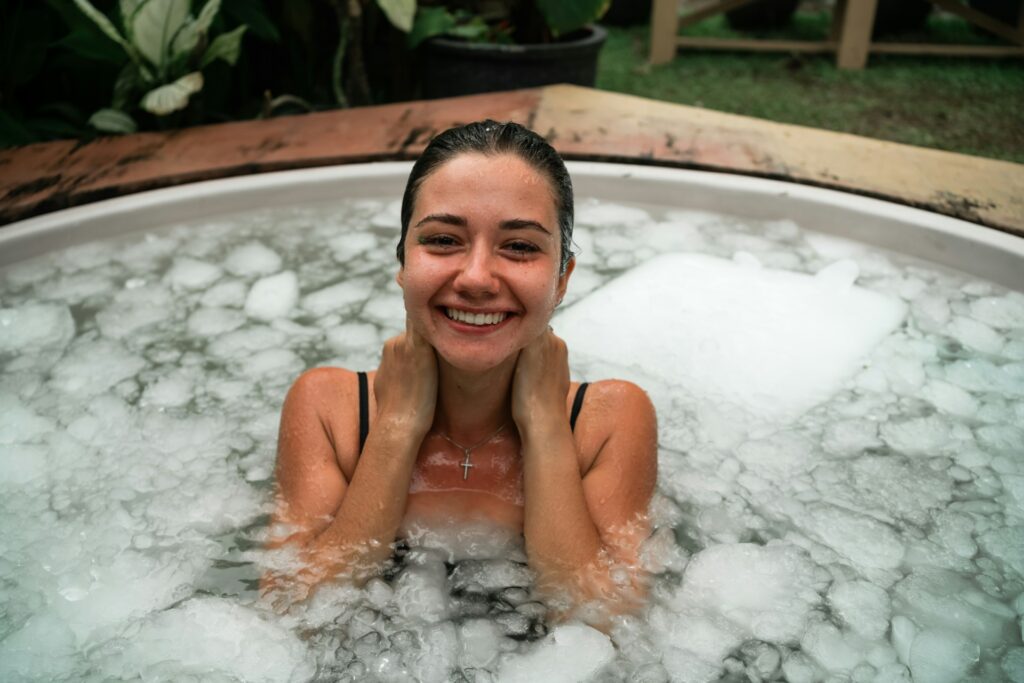
Breathwork, cold plunges, and sound baths are no longer fringe interests. They’re filling gyms, group classes, and even corporate wellness programmes. Part of the shift is a growing understanding of the nervous system and its role in regulating stress. Drawing from polyvagal theory, practitioners emphasise how physical interventions can help the body return to a regulated state more effectively than talking alone.
London’s Sauna & Plunge in Shoreditch offers ice plunge pools at temperatures down to 3°C alongside infrared saunas and breathwork classes. Third Space Recovery Spa in Canary Wharf now features vibroacoustic beds, a therapy shown in studies to increase parasympathetic nervous system activity, while AI-powered massage robots are launching across the gym chain’s London clubs.
The science is catching up with the practice: researchers have demonstrated the effects of vibroacoustic therapy on heart rate and blood pressure, while breathwork is increasingly recognised by trauma experts as a powerful tool for nervous system regulation. In 2026, this trend moves from wellness centres into everyday life.
Switching Off To Switch On
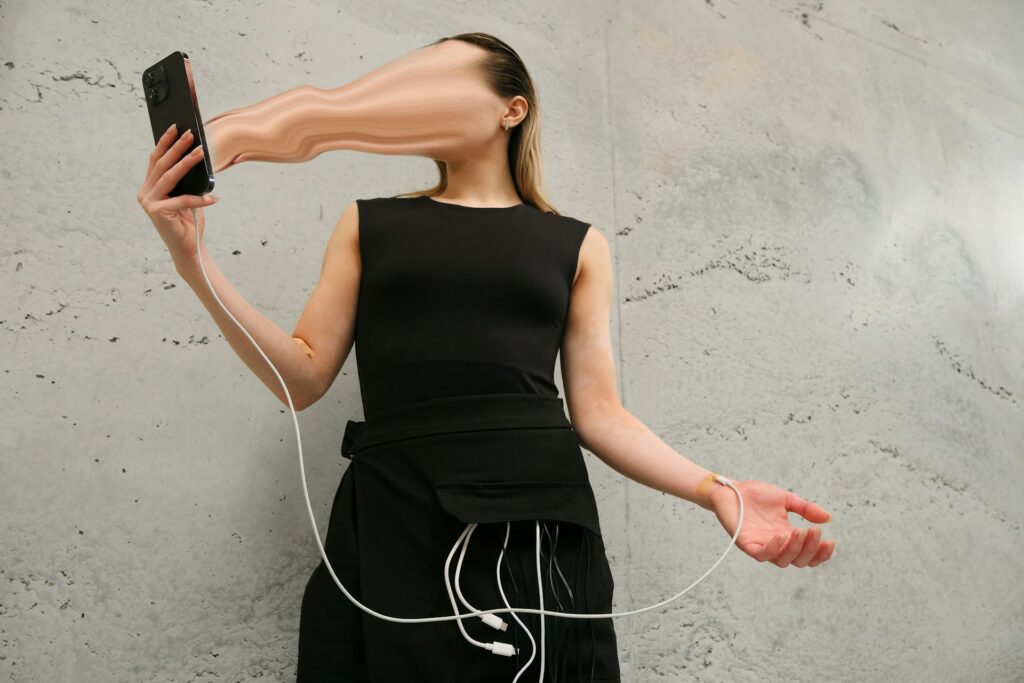
After years of constant connectivity, people are actively seeking periods of digital silence. The average Briton now spends over three hours daily on their smartphone, with 70 per cent checking their phone within 15 minutes of waking. That dependency has been linked to increased mental health issues, poor sleep quality, and diminished ability to focus.
Enter digital detox retreats and off-grid escapes. Unplugged, which operates over 50 phone-free cabins across the UK countryside, asks guests to lock their devices away for a minimum of 72 hours, citing research that this is the time needed to ‘rewire’ the brain and break digital dependency.
Swinton Estate in North Yorkshire offers off-grid tree lodges without electricity, paired with sound bathing, forest bathing and reiki drumming, while 42 Acres in Somerset combines digital detox with nature restoration projects and a ‘Soil to Gut’ menu of home-grown ingredients.
David Lloyd Clubs predicts 2026 will see rising demand for what they call ‘slower, analogue wellness practices’: mindful movement, restorative yoga, and screen-free spaces to recharge. Trend forecasting platform WGSN has coined the term ‘ping minimalism’: decluttering our tech spaces in the same way we declutter our homes.
Food That Works Harder
Gut health was everywhere in 2025, but the focus is getting more specific. Functional nutrition is about food doing something for you beyond basic sustenance: prebiotics and probiotics, yes, but also adaptogens, nootropics and carefully targeted protein intake designed to support energy, mood and immunity.
If you’re unfamiliar with these, adaptogens are plants and mushrooms that help the body manage stress: ashwagandha lowers cortisol and supports sleep, while rhodiola combats fatigue and sharpens mental stamina. Nootropics support cognitive function: lion’s mane mushroom shows promise for long-term brain health, and L-theanine (found in green tea) promotes calm focus without sedation.
Targeted protein, meanwhile, means strategic use of specific amino acids: tryptophan for mood and sleep, glutamine for gut health and immunity, tyrosine for the neurotransmitters that govern energy and focus.
Trends highlight a shift from ‘free-from’ (no gluten, no dairy, no fun) to ‘fortified-with’ (added benefits, specific outcomes). People want their food to work harder, and brands are responding with increasingly clever formulations. That said, nothing beats healthy eating.
The Fibre Revival
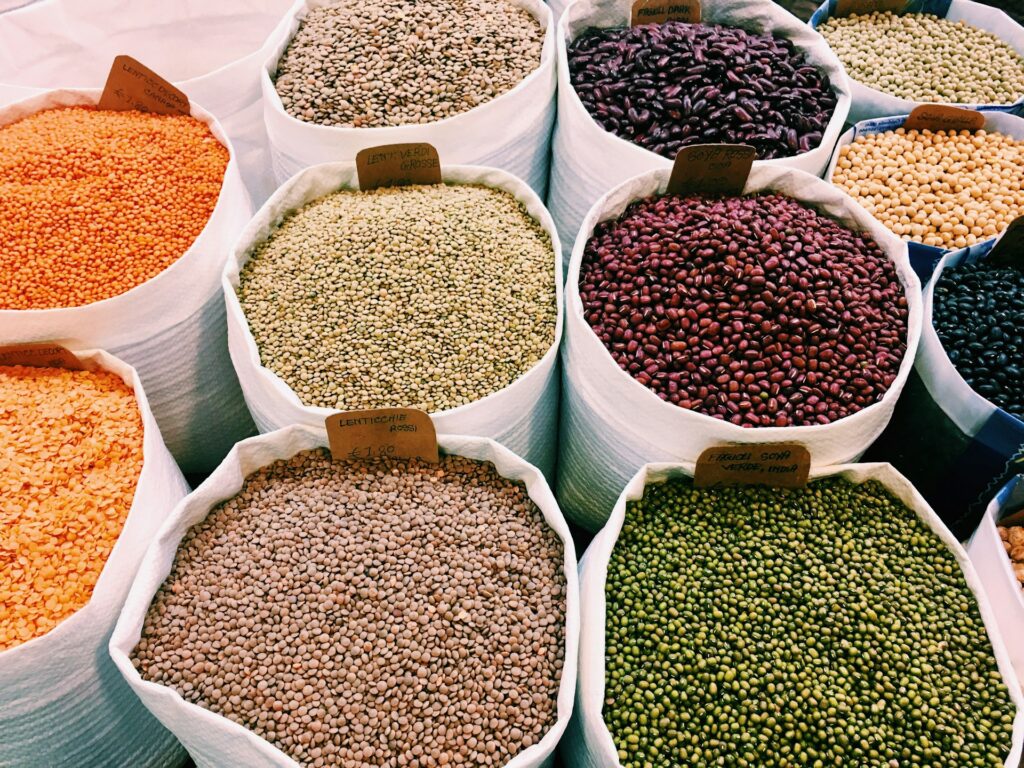
Move over protein. Fibre is having its moment. The social media trend dubbed ‘fibremaxing’ has seen thousands of posts promoting strategic fibre intake through whole foods like fruits, legumes and seeds. PepsiCo’s CEO has called fibre ‘the next protein’, and the company is launching fibre-fortified versions of Smartfood and SunChips in early 2026.
The science backs the enthusiasm. Research from Tufts University links adequate fibre intake to reduced risk of colorectal cancer, cardiovascular disease and type 2 diabetes, while studies suggest fibre helps regulate blood sugar and supports healthy gut bacteria.
The problem: over 90 per cent of adults don’t hit recommended daily targets of 25 to 34 grams. Brands are responding with prebiotic sodas, fibre bars and fortified snacks, though nutritionists emphasise that diversity matters more than volume. Experts suggest the trend is evolving towards ‘smart fibremaxing’: consuming a variety of plant-based prebiotic fibres based on science rather than social media targets.
Bodyweight Training Goes Mainstream
Calisthenics has moved from niche park workouts to genuine fitness phenomenon. TikTok named it a community trend of the year, and Google search interest for calisthenics equipment peaked in late 2025.
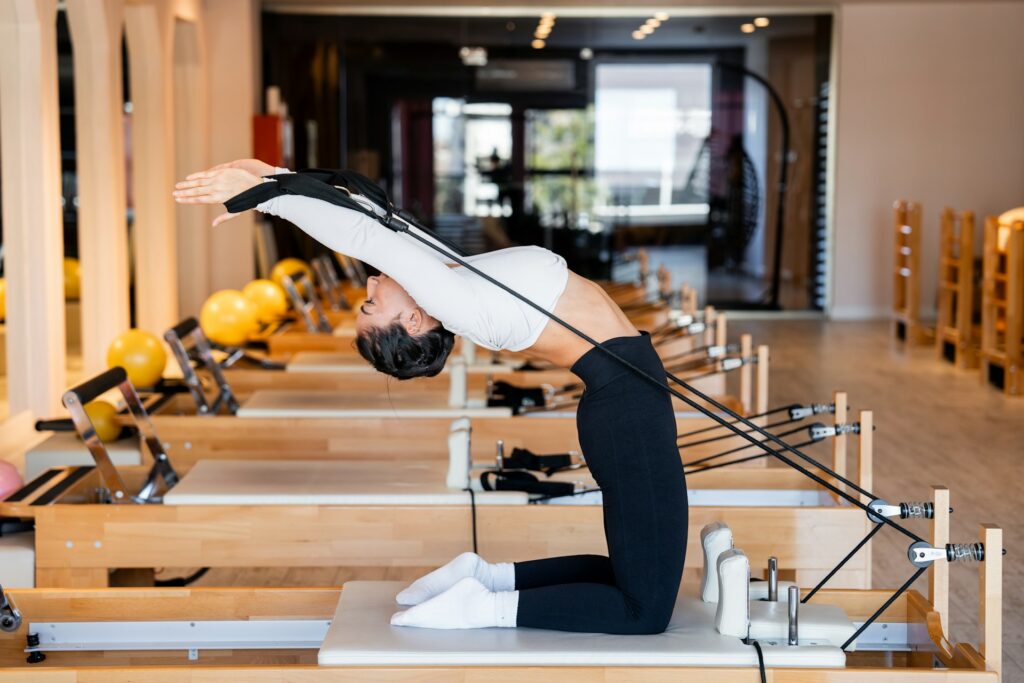
The appeal is accessibility: push-ups, pull-ups and squats require no gym membership, no equipment and no commute. But the trend has also attracted celebrity backing. Dua Lipa joined Frame Fitness as co-founder and chief creative officer in late 2025, helping bring reformer Pilates into homes with the brand’s digitally connected at-home machines.
The broader shift is towards functional strength and bodyweight mastery over pure aesthetics. Rather than isolated muscle groups, people want to move well, build practical strength and achieve skills like handstands or muscle-ups. Cities are investing in outdoor calisthenics parks, and the equipment market is growing as people look for ways to progress their training at home.
At-Home Health Testing
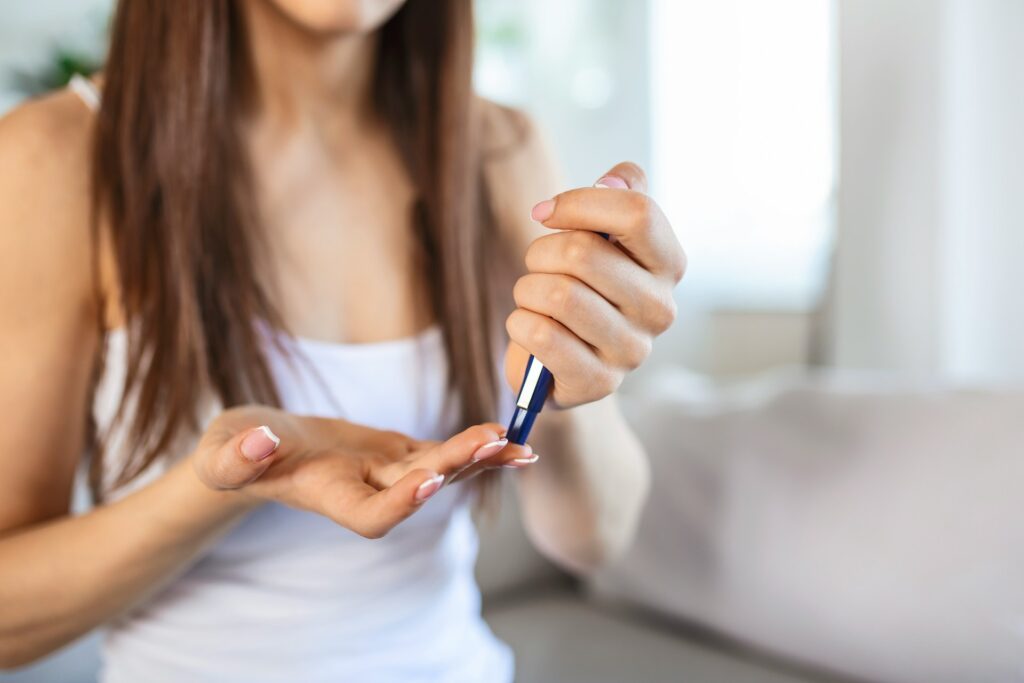
The direct-to-consumer diagnostics market is booming. Companies like the all-conquering ZOE offer blood tests, gut health panels and hormone assessments delivered to your door. The promise: personalised health insights without a GP appointment.
The appeal is obvious. Convenience, privacy and the sense of taking control of your own data. According to surveys, nearly three-quarters of adults view at-home tests as more convenient than those through their doctors.
But the picture is more complicated than the marketing suggests. Research has found that many self-test kits don’t live up to accuracy claims made by manufacturers, with one evaluation finding only three out of 20 tests could be recommended based on scientific evidence. Sample collection errors, storage conditions and user misinterpretation can all compromise results.
For screening and general curiosity, at-home tests can provide useful starting points. For anything requiring clinical precision, they’re no substitute for professional lab work. The trend is growing regardless, but 2026 will likely bring more scrutiny around which tests actually deliver value and which are simply capitalising on wellness anxiety.
Blending Strength With Flexibility
The gym-bro era of pure strength training is giving way to something more balanced. Hybrid fitness combines high-intensity work with low-impact movement like Pilates, yoga and reformer classes. Dedicated yoga courses, both in-studio and online, are seeing a surge in enrolments as people look to build flexibility alongside strength. It’s not about choosing one or the other; it’s about recognising that being strong means nothing if you can’t move properly.
Articles just like this one you’re reading now indicate mobility has become a serious fitness priority, and recovery is no longer an afterthought. The mantra is ‘train smarter, not harder’, with VO2 max (a measure of how efficiently your body uses oxygen) emerging as the biomarker for anyone serious about long-term physical health.
Tech That Actually Helps
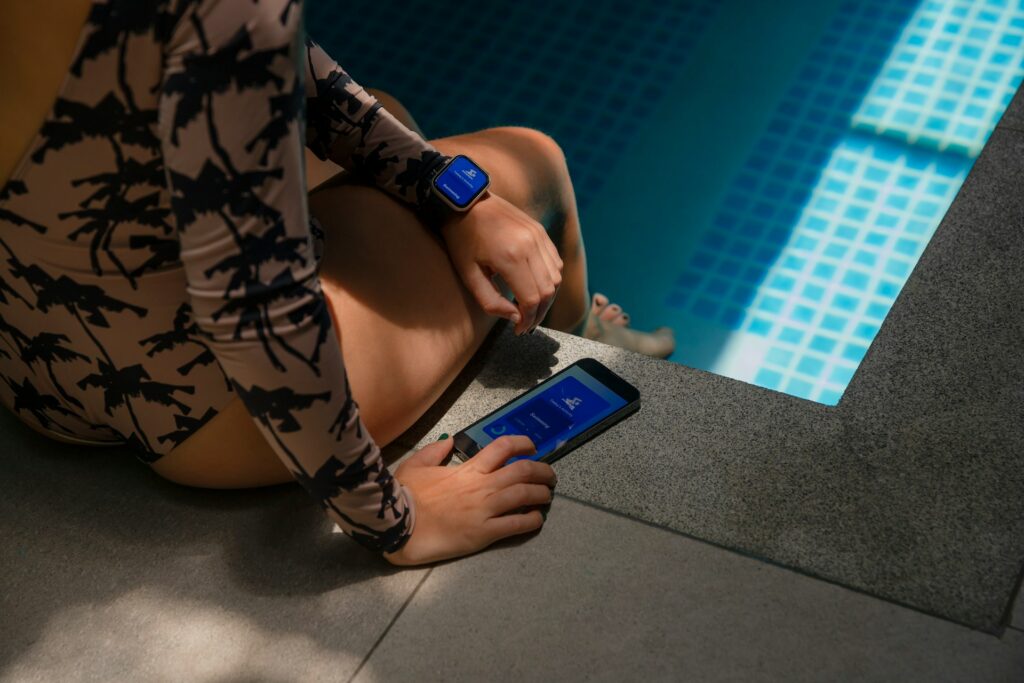
Wearables have been around for years, but AI is about to make them genuinely useful. Rather than just counting steps or logging heart rate, machine learning algorithms can now spot patterns in your data and offer personalised recommendations.
Continuous glucose monitors, sleep trackers and heart rate variability sensors are being paired with AI that learns how your body works and suggests what might help. Biohacking used to mean spreadsheets and obsessive self-experimentation; soon it’ll just mean checking an app.
Women’s Health Gets Its Due
For too long, medical research defaulted to male bodies and hoped the findings would translate. They often didn’t. Now there’s growing recognition that women’s health needs its own focus: hormonal cycles, menstrual health, perimenopause and menopause are all being talked about openly and treated seriously.
Menopause in particular has been reframed from something to be suffered in silence to a life stage worth proper attention. Specialist clinics, targeted supplements and tracking apps are proliferating. 2026 will see this momentum continue as more women demand healthcare that actually reflects their experience.
Sweating With Others
After years of solo home workouts, people want to sweat with other people again. Exercise is becoming less about personal records and more about shared experience: community fitness classes, running clubs, communal saunas and social wellness spaces are all thriving.
That Global Wellness Institute study from way back in the introduction also notes that mental wellness is one of the fastest-growing sectors, expanding at 12.4 per cent annually. Physical and mental health aren’t separate concerns, and connection is as important as cardio. As longevity doctor Dr Mark Hyman puts it: ‘People with strong social ties and a sense of meaning live significantly longer.’
Preventing Problems Before They Start
The whole approach to health is flipping. Rather than waiting until something goes wrong, people want to know what’s happening inside their bodies right now, and what they can do about it before problems arise.
Longevity medicine used to sound like something for tech billionaires with too much money and not enough hobbies. Not anymore. Recent research has found that up to 60 per cent of consumers now rank healthy ageing as a top priority, and younger generations are getting in on the action earlier than ever.
Genetic screening, blood panels that go far beyond the basics, and epigenetic age testing (which measures how old your body actually is, regardless of your birthday) are all becoming more accessible. Indeed, there have been recent public discussions on how biological age is increasingly becoming a metric that matters, distinct to chronological age. The candles on your cake tell one story; your DNA methylation patterns tell another.
The Bottom Line
The wellness trends of 2026 come down to a few core ideas: prevent problems before they start, personalise everything, and remember that humans are social animals who need each other. Whether you’re tracking your biological age or just joining a calisthenics club, the message is the same. Looking after yourself has never had more options, or more science behind it.