According to research by Aqua, the average Brit spends £560 a year on nail treatments alone. With salon appointments eating into both your budget and your lunch breaks, the appeal of doing it yourself is obvious. The good news is that at-home gel kits have improved dramatically over the past few years, and with the right technique, you can achieve results that rival what you’d get from a professional. Here’s how to do it properly.
Choose Your Formula Wisely
First things first; not all gel polishes are created equal. Traditional formulas can be harsh on nails, particularly during removal, which typically involves soaking in acetone for 15 to 20 minutes. If you’ve noticed your nails becoming brittle or peeling after repeated gel manicures, the removal process is likely the culprit.
Newer formulas have addressed this. Manucurist gel polish, for instance, uses a plant-based formula that removes in around a minute without acetone, which is considerably gentler on the nail bed. Other brands now offer ‘peel off’ base coats that let you remove gel polish like a sticker, though longevity can suffer with these. If nail health is a priority, it’s worth paying a bit more for formulas designed with this in mind.

Invest In Decent Equipment
The temptation to grab the cheapest kit on Amazon is understandable, but your lamp matters more than you might think. Look for a UV LED lamp with at least 36 watts of power, which will cure polish quickly and evenly. Cheaper lamps often have patchy coverage, leaving you with tacky spots and premature peeling. A lamp that fits your whole hand at once also speeds things up considerably compared to models that require you to cure fingers in batches.
Beyond the lamp, you’ll need a decent base coat, top coat, and remover. Many starter kits include these essentials along with a few colour options. Brands like Mylee, Bluesky and 14 Day Mani offer solid entry-level kits at various price points, generally ranging from £50 to £100.
Prep Is Everything
Skip the preparation and your manicure will lift within days. Start by pushing back your cuticles with an orangewood stick or metal pusher. Don’t cut them unless you really know what you’re doing, as this can lead to infection and ragged regrowth. Next, gently buff the surface of each nail to remove the shine. You’re not trying to file them down, just create a slightly rough texture that the base coat can grip.
The final prep step is cleaning. Use a lint-free wipe soaked in isopropyl alcohol or a dedicated nail cleanser to remove any oils, dust or residue. This seems fussy but makes a genuine difference to how long your manicure lasts. Touch your nails after cleaning and you’ve undone the work, so resist the urge.
Read: 10 steps to healthier nails today


Master The Application
The biggest mistake beginners make is applying coats too thickly. Gel polish should go on in thin, even layers. Thick coats don’t cure properly under the lamp, leaving a gooey layer beneath the surface that causes lifting and peeling. Two thin colour coats will always outperform one thick one.
Start with your base coat and cure according to the manufacturer’s instructions, usually around 60 seconds. Then apply your first colour coat, making sure to ‘cap’ the free edge of your nail by running the brush along the tip. This seals the polish and prevents water from getting underneath. Cure, then repeat with your second colour coat. Finish with your top coat, cap the edges again, and cure for the final time.
Avoid getting polish on your cuticles or the skin around your nails. Unlike regular polish, gel won’t just peel off skin easily once cured, and any product on the cuticle area will cause lifting from the base of the nail. If you do make a mistake, clean it up with a small brush dipped in alcohol before curing.
Make It Last
A professional gel manicure typically lasts two to three weeks. At home, a week to ten days is more realistic, especially while you’re still perfecting your technique. A few habits will help extend the lifespan. Wear gloves when washing up or cleaning with chemicals. Avoid using your nails as tools to pick or pry things open. Apply cuticle oil daily, as this keeps the nail flexible and less prone to chipping.
If you notice a chip or lift at the edge of a nail, resist the urge to pick at it. This pulls layers off your natural nail and causes damage. Instead, gently file the lifted area smooth and apply a thin layer of top coat over the top to seal it until you’re ready to remove properly.
Remove With Care
Removal is where most nail damage occurs, so take your time. For traditional gel formulas, lightly buff the top coat to break the seal, then wrap each nail with a cotton pad soaked in acetone and cover with foil or a clip. Leave for 10 to 15 minutes, and the polish should slide off with gentle pressure. Never scrape or force polish off, as this takes layers of your natural nail with it.
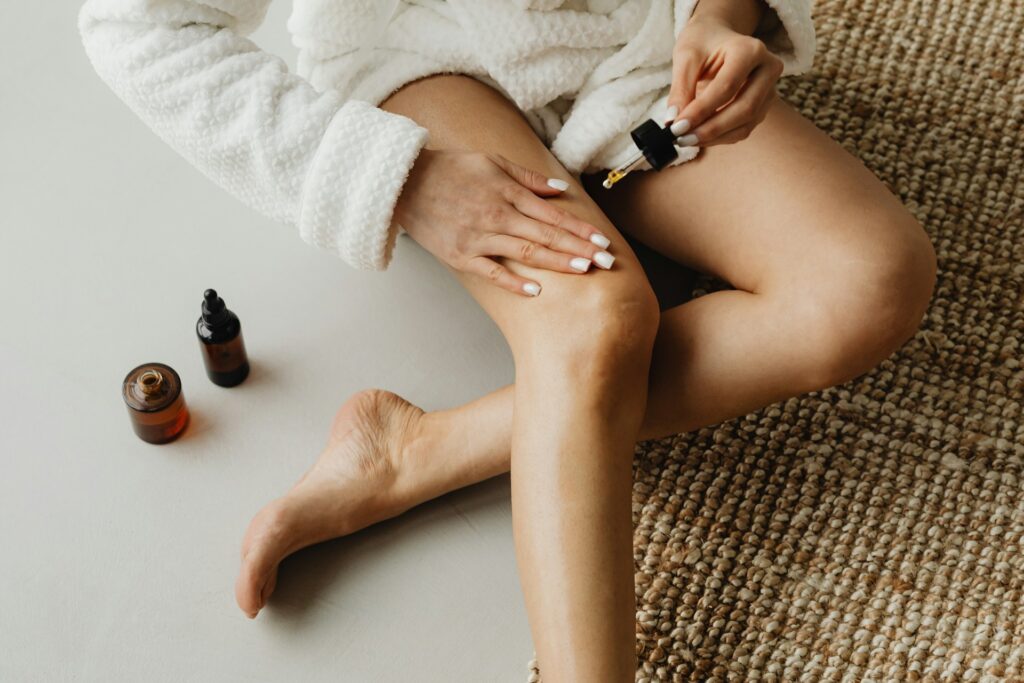
After removal, give your nails a break before reapplying. Even a day or two allows them to rehydrate. Slather on cuticle oil and hand cream, and consider using a nail strengthener if you notice any weakness or peeling.
Common Mistakes To Avoid
Curing for too little time leaves polish soft and prone to dents. Curing for too long can cause the polish to become brittle and shrink away from the edges. Follow your product’s recommended timing precisely. Shaking the polish bottle vigorously creates air bubbles that show up in your finish.
Instead, roll the bottle gently between your palms to mix. And if your polish is thick or gloopy, it’s probably past its best. Gel polish typically lasts around two years unopened, but once opened, 12 to 18 months is more realistic.
The Bottom Line
At-home gel manicures take practice, and your first few attempts probably won’t rival a professional job. But with decent equipment, proper preparation and a bit of patience, you can achieve genuinely impressive results while saving a considerable amount of money. Your nails will thank you for learning proper technique rather than rushing through the process. Hang on, nails can’t talk. Or thank…