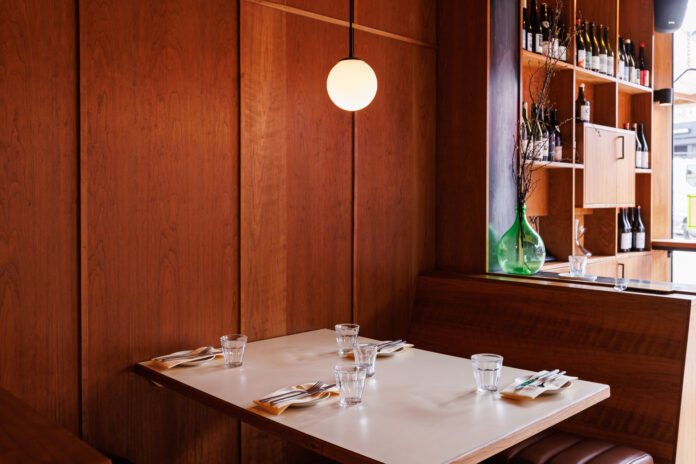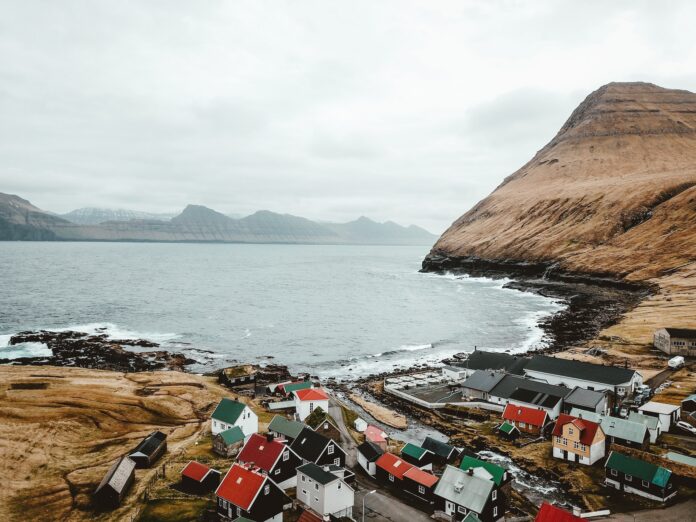
For years, the default holiday mode has been accumulation. More cities, more restaurants, more photos to prove you were having a good time. But something has turned, and the travel industry has noticed. Hilton’s 2026 Trends Report found that 56% of global travellers now cite ‘rest and recharge’ as their primary reason for going anywhere, ahead of sightseeing, culture or food. They have even coined a word for it: ‘hushpitality’.
In reaction, hotels and resorts are increasingly redesigning their offering around stillness, sensory reduction and digital restraint, catering to a generation of travellers who have finally acknowledged that doom-scrolling poolside is not a wellness retreat.
With 53% of those surveyed expressing interest in attending a silent retreat, 28% planning to seek more solitary moments even on group trips, and more than one in four business travellers deliberately carving out alone time during work trips, the demand is real and the options are expanding fast. Here are seven of the best, from full monastic silence to destinations where the landscape does the work for you.
Eremito, Umbria, Italy
Two hours north of Rome, on the edge of 3,000 hectares of protected forest, a medieval hermitage has been rebuilt from ruin into one of the most unusual hotels in Europe. Eremito has no Wi-Fi, no phone signal and no television. Its stone-walled rooms, the ‘celluzze’, measure around nine square metres each. You sleep on hemp sheets. Dinner is vegetarian, candlelit and eaten in total silence, Gregorian chant in the background and local wine flowing freely.
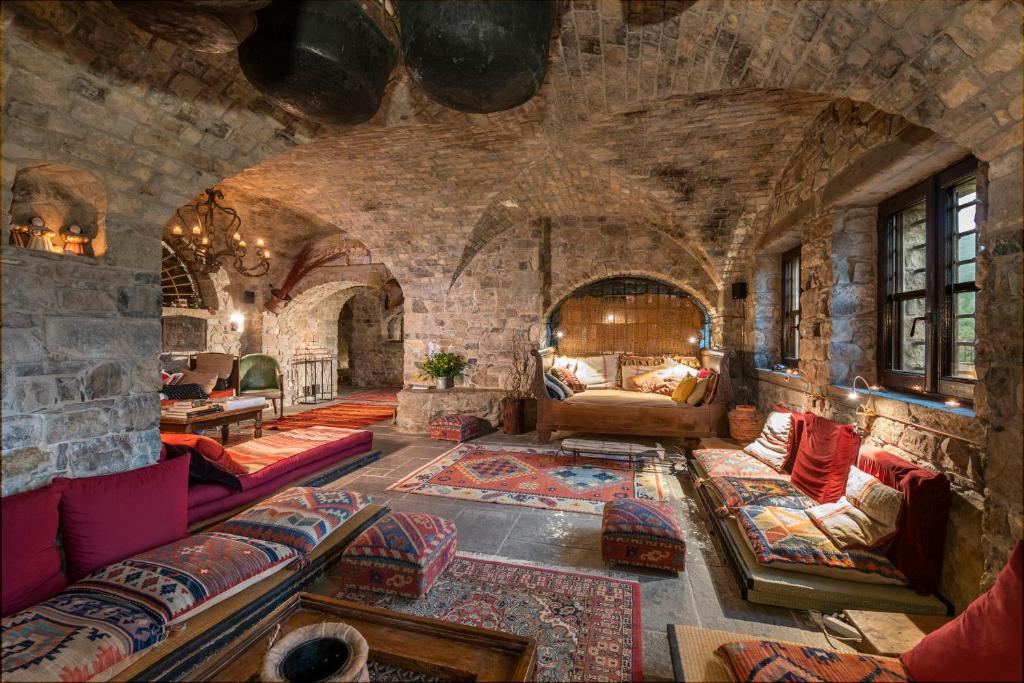
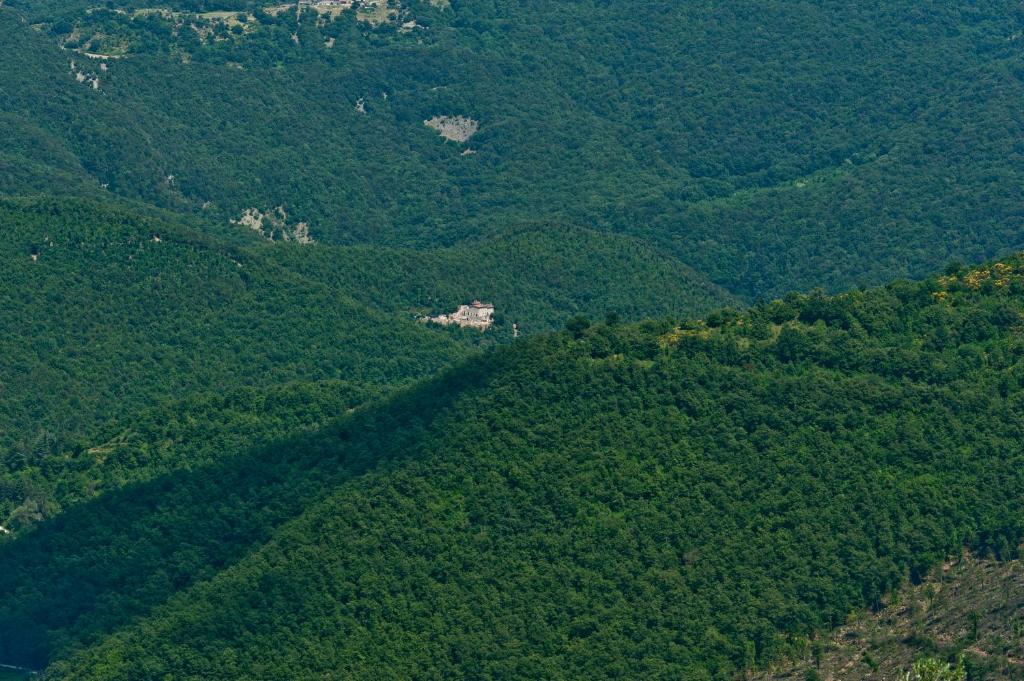
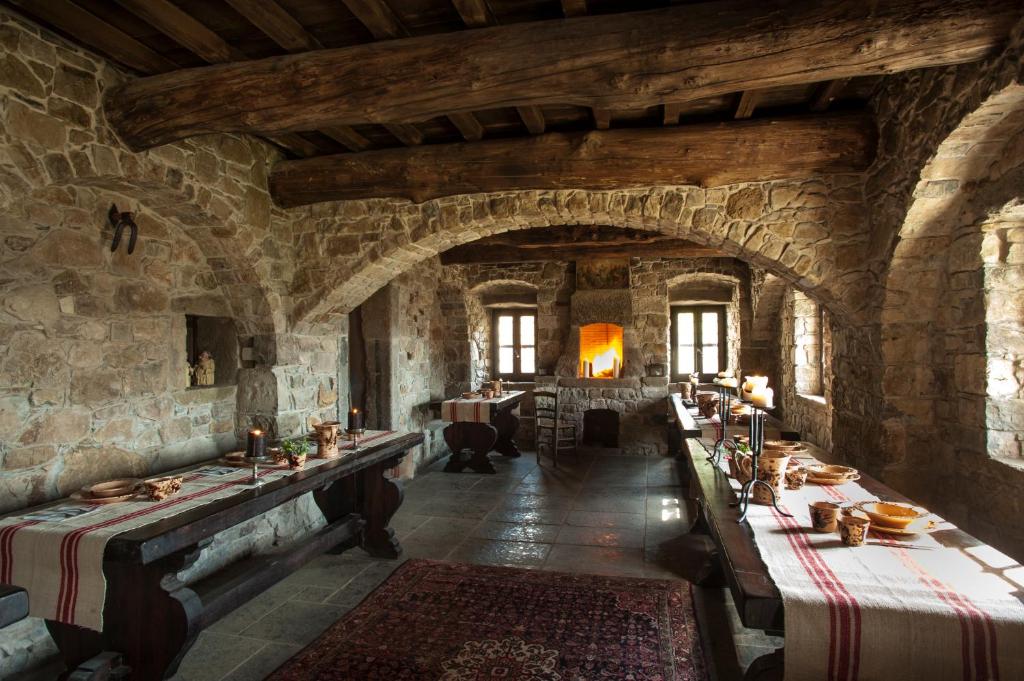
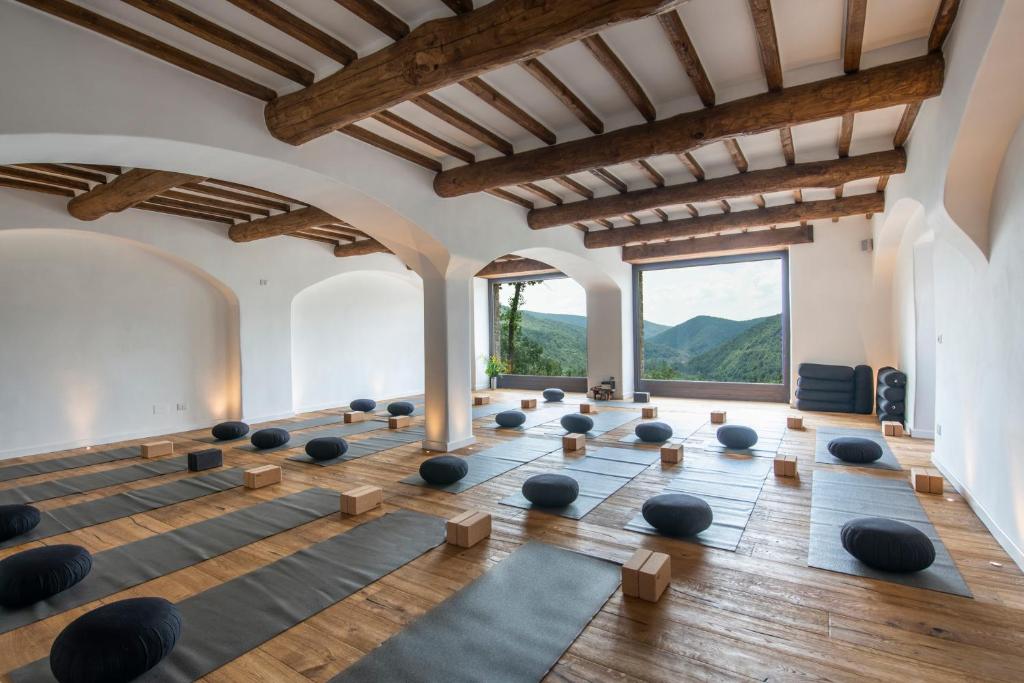
The whole place was conceived by Marcello Murzilli, a former fashion designer who previously created the celebrated Hotelito Desconocido on Mexico’s Pacific coast and spent five years rebuilding the original ruin, incorporating its original stones. Around 70% of guests arrive alone, according to the Michelin Guide, and the property is now part of the Marriott Bonvoy collection via Design Hotels, which tells you how far this concept has drifted from the fringes. There is an underground heated pool, a stone steam room, and morning yoga overlooking the valley.
Rates from around €230 per night, all meals included. Perugia airport is 90 minutes away; Rome and Florence both around two hours by car or train.
Kamalaya, Koh Samui, Thailand
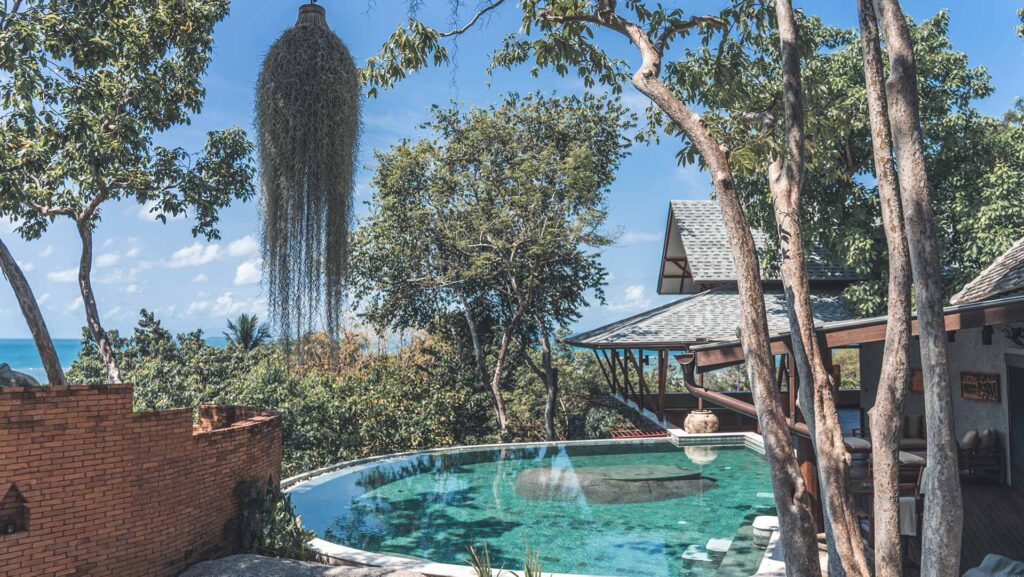
On Koh Samui’s less-developed southern coast, about 30 minutes from Chaweng and a world away from it, Kamalaya occupies a hillside above Laem Set Beach. At its heart is a cave that Buddhist monks used for meditation for centuries, and the property has been built outward from that premise. There are 76 rooms and villas, over 100 wellness practitioners and 19 structured programmes ranging from detox to sleep enhancement.
Where Eremito strips back to almost nothing, Kamalaya wraps stillness in comfort: Qi Gong at sunrise, plant-based food with serious thought behind it, and a cave that has been a place of contemplation for longer than most European countries have existed. The name means ‘Lotus Realm’ in Sanskrit, which gives you a sense of the register.
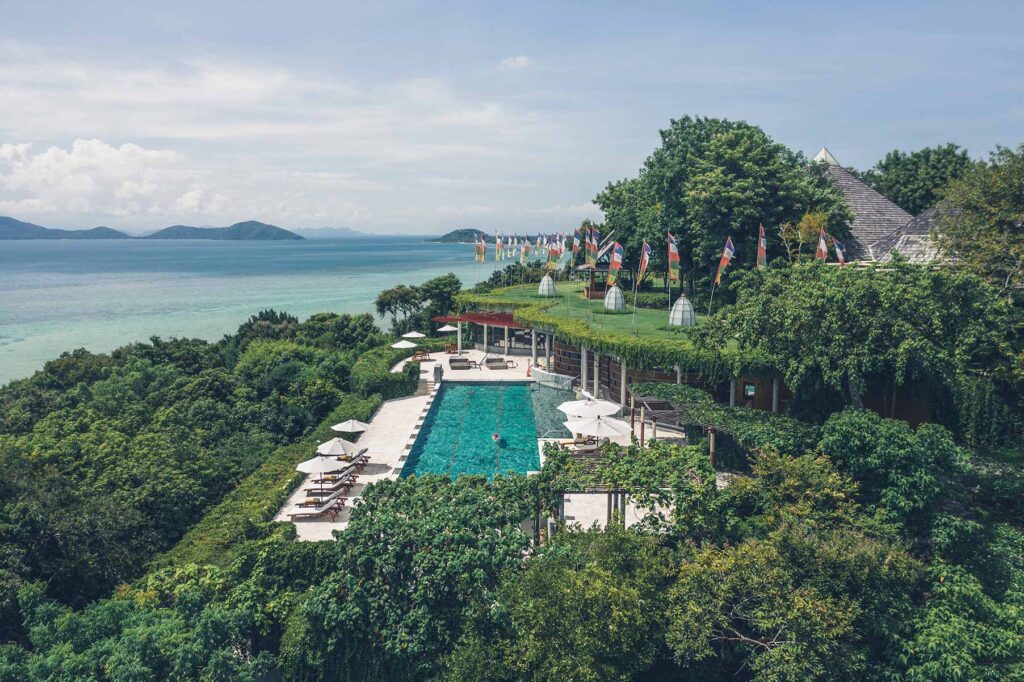
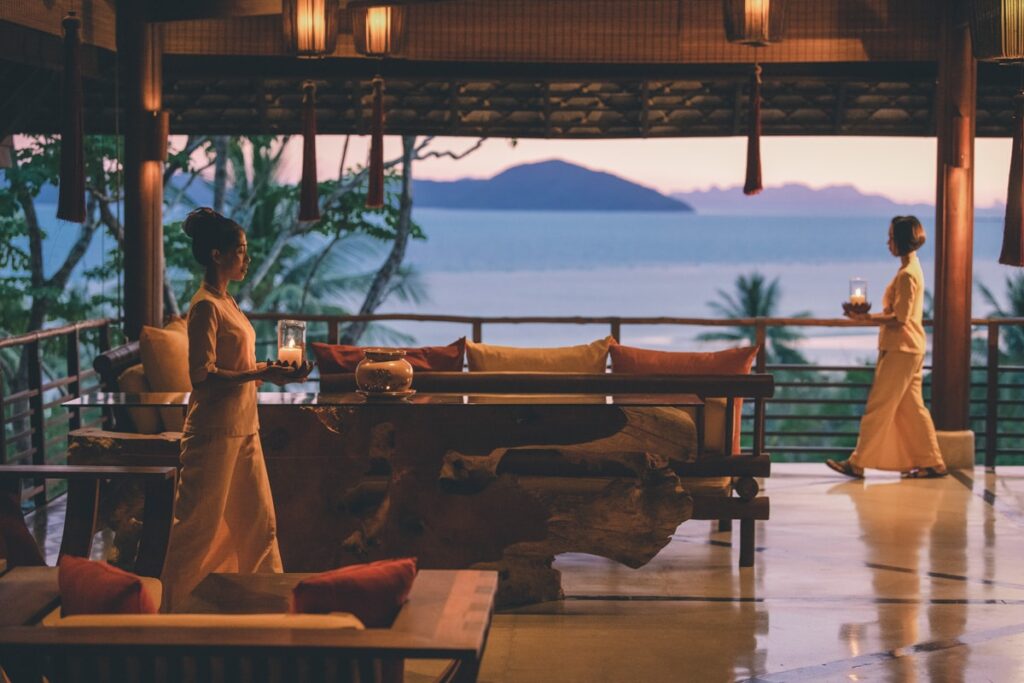
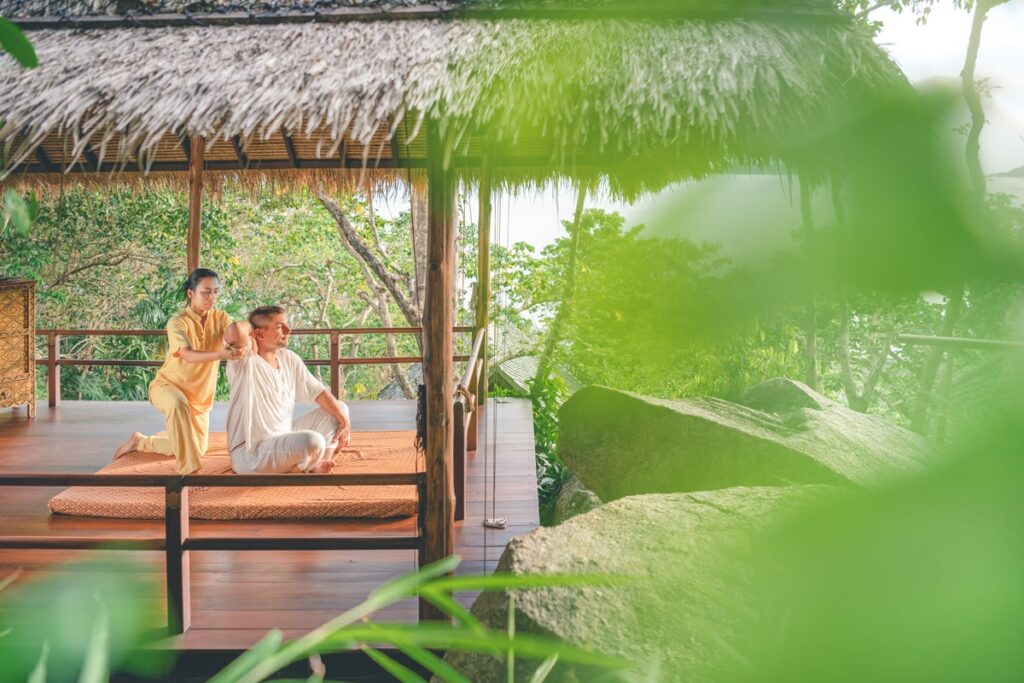
Repeat guests are so common the resort offers 10-15% off accommodation for stays booked 60 days ahead, and the longevity-focused treatments at its new Longevity House are pulling in a crowd who might previously have gone to a Swiss clinic.
Direct flights from Bangkok, Singapore and Hong Kong.
Read: Where to stay on Koh Samui, Thailand
Gangtey Lodge, Phobjikha Valley, Bhutan
Twelve rooms. A glacial valley. Black-necked cranes migrating overhead from Tibet. Gangtey Lodge sits above Bhutan’s Phobjikha Valley, minutes from the 17th-century Gangteng Monastery, and the whole experience is built around the country’s philosophy of Gross National Happiness.
Guests can join monks for morning blessings and meditation, visit local farming families to help milk cows and make cheese, or simply sit on the terrace with a hot apple cider and watch the valley do nothing whatsoever. Log fires, roll-top baths, underfloor heating, and a Bhutanese set menu served by candlelight in a stone woodshed. The lodge also runs dedicated wellness retreats hosted by international practitioners, though the valley itself, a protected reserve largely untouched by the outside world, is arguably treatment enough.
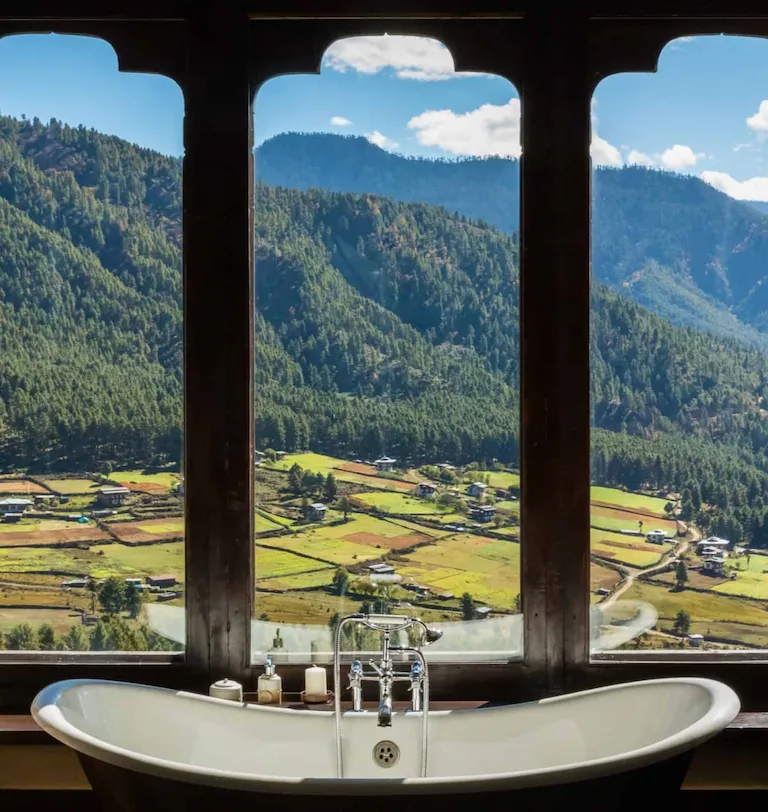
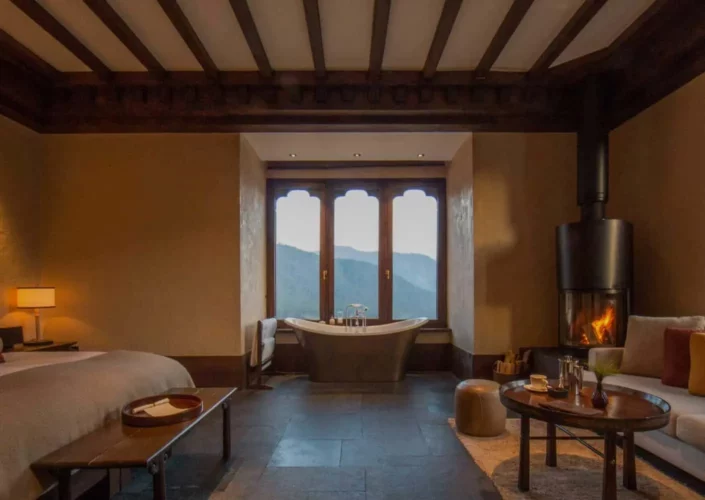
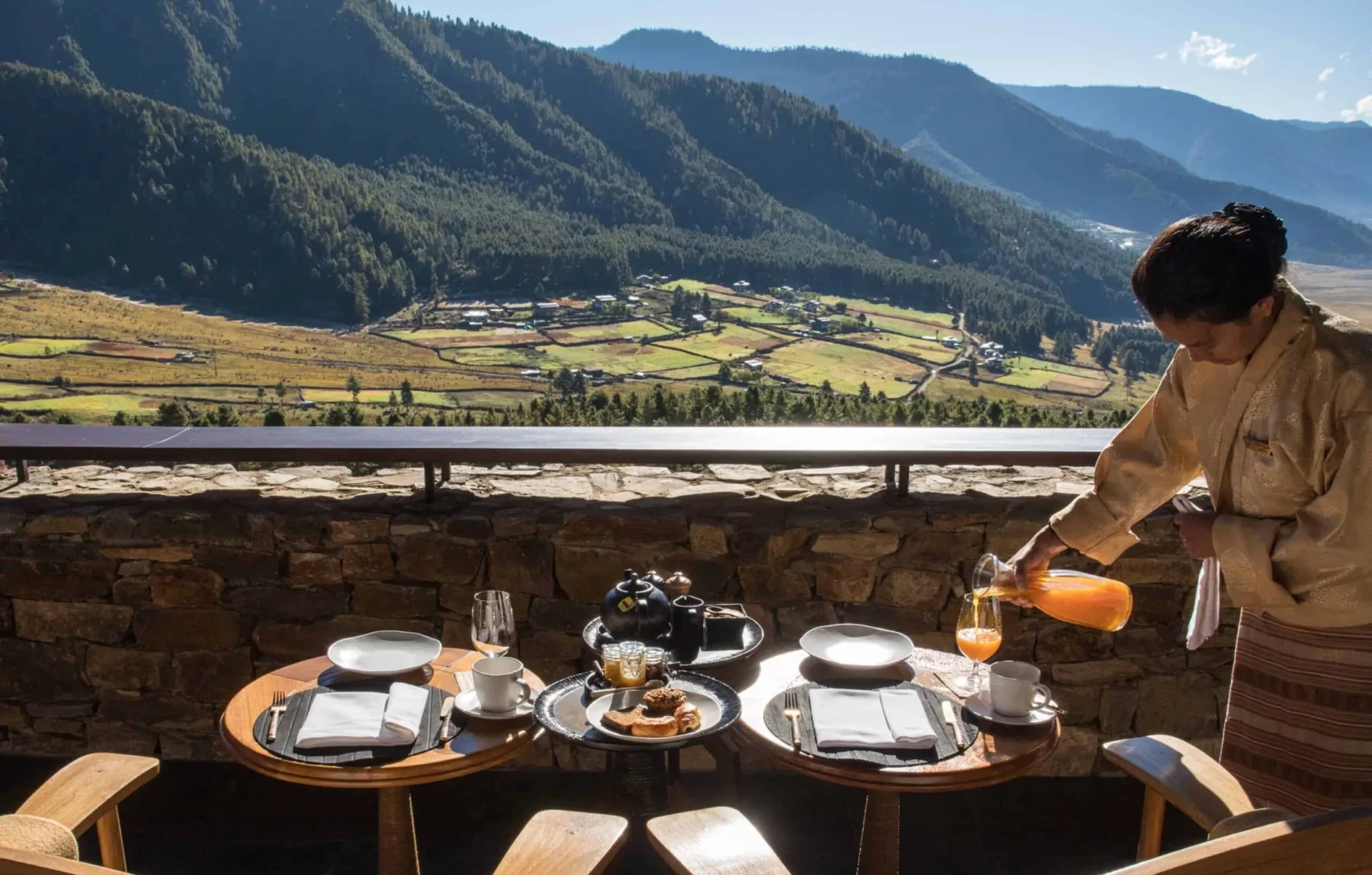
Getting there requires a flight to Paro followed by a four-to-five-hour mountain drive, which is itself part of the point.
Mii amo, Sedona, Arizona
Sedona’s red-rock country has been attracting people looking to recalibrate for decades, and Mii amo, set within Boynton Canyon on one of the area’s energy vortexes, is the most polished version of that impulse. With just 23 casitas, it runs all-inclusive ‘Journeys’ of three, four, seven or ten nights, each co-designed with a personal guide.
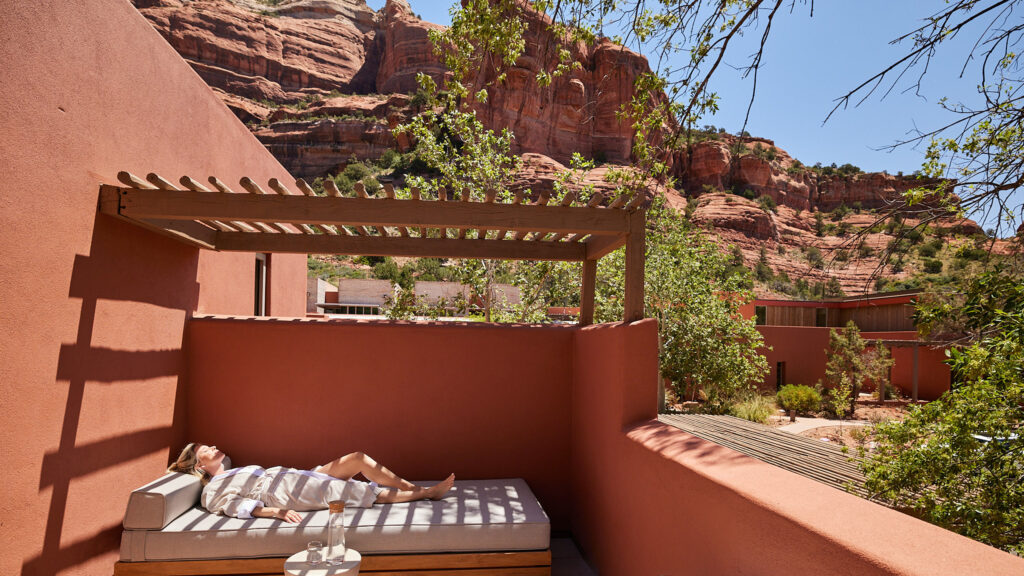
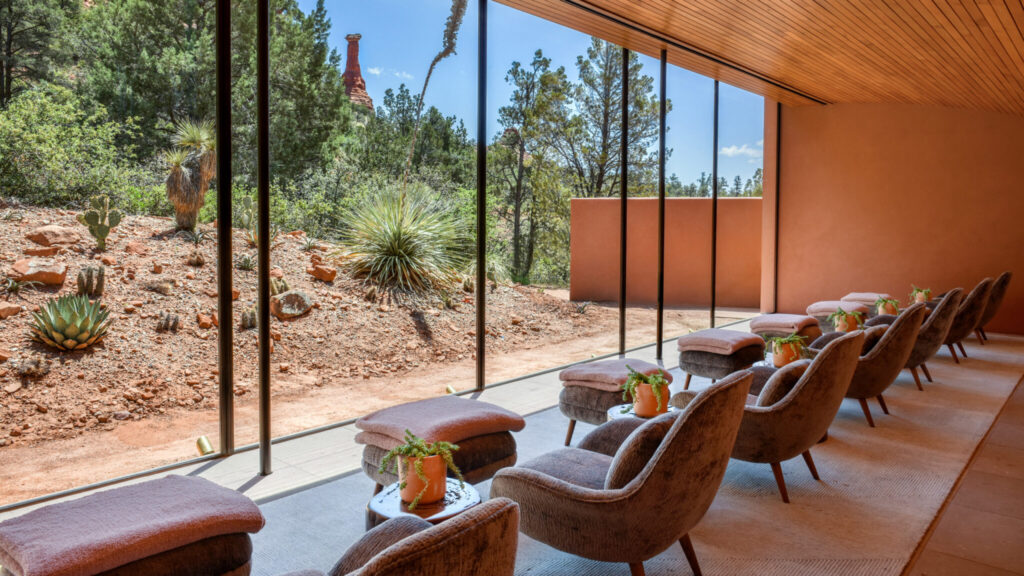
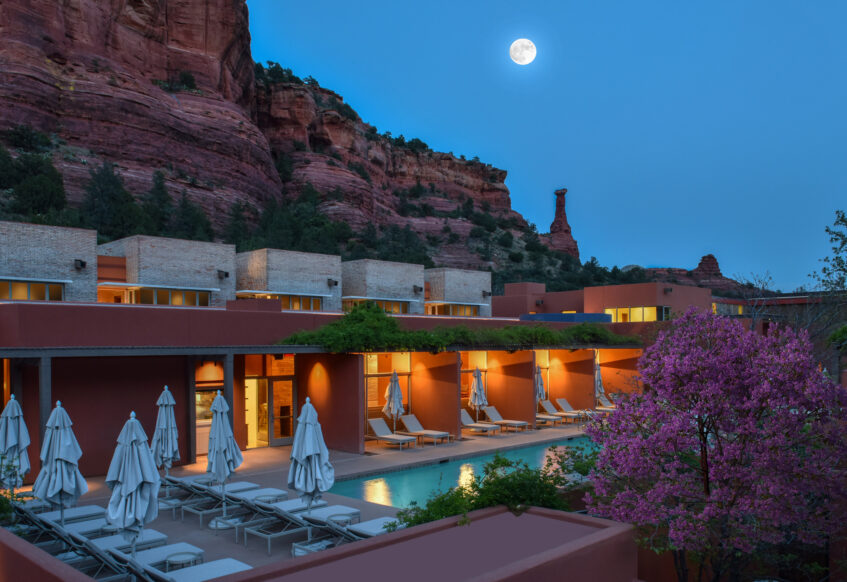
The spa has 26 treatment rooms, there is a Crystal Grotto for daily meditation, and the signature restaurant Hummingbird sources from its own chef’s garden. It has been a regular fixture on Travel + Leisure’s World’s Best list for over a decade, earning a place in their Hall of Fame. It is emphatically not cheap, with rates starting around $1,400 per night all-inclusive, but repeat bookings suggest the price is not the deterrent you might expect. Two hours from Phoenix.
Gaia House, Devon, England
At the other end of the spectrum, and the budget, Gaia House has been running silent meditation retreats in the Devon countryside for decades. Guests follow a code of noble silence, spending their days in contemplative practice with very little imposed structure. No spa, no wellness consultants, no attempt at luxury. Instead, the South Devon hills do the work.
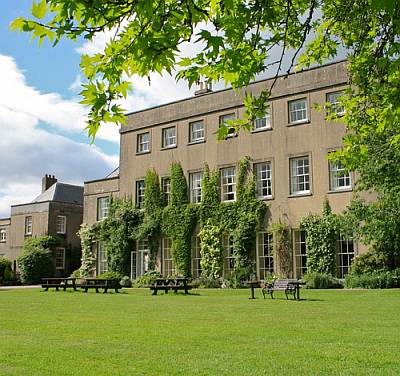
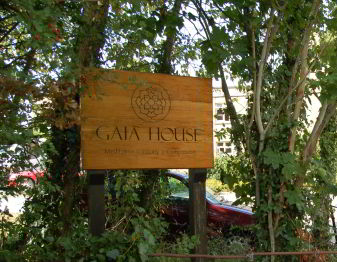
It is, in many ways, the original hushpitality venue, long before anyone thought to coin the term, and if you want to test whether extended silence is for you before committing to Umbria or Bhutan, a weekend here is a sensible and affordable way to find out. Retreats are often donation-based. About an hour from Exeter. The best wellness retreats in England are increasingly following Gaia House’s lead.
The Alentejo Coast, Portugal
No retreat, no programme, no structured silence. Just the emptiest stretch of developed Atlantic coastline in Western Europe. The Alentejo, running south from Lisbon to the Algarve border, has managed to remain largely undeveloped where its neighbour has not, and the result is whitewashed fishing villages, enormous beaches and a pace of life that does the decompressing for you.
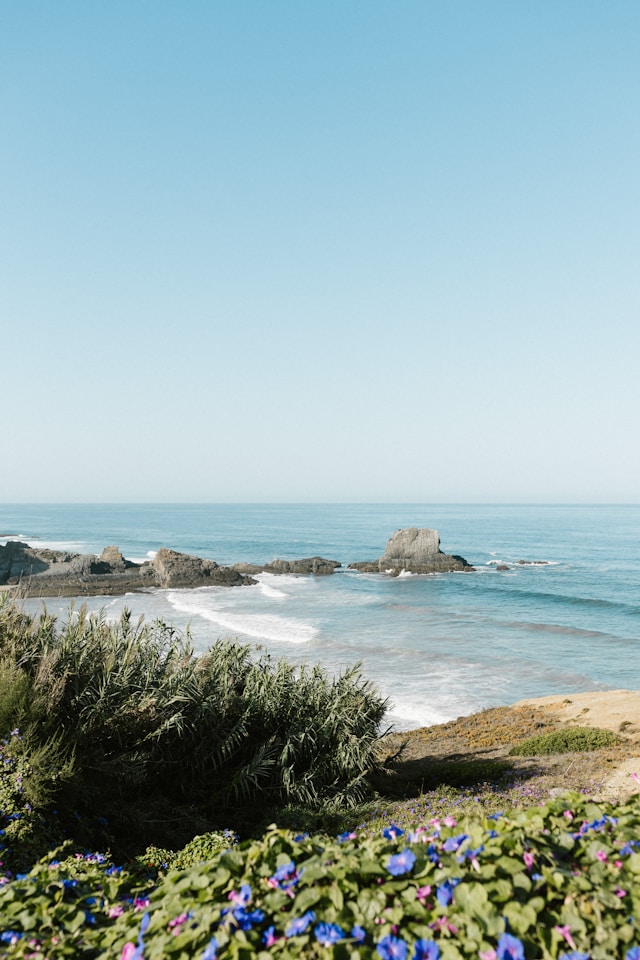
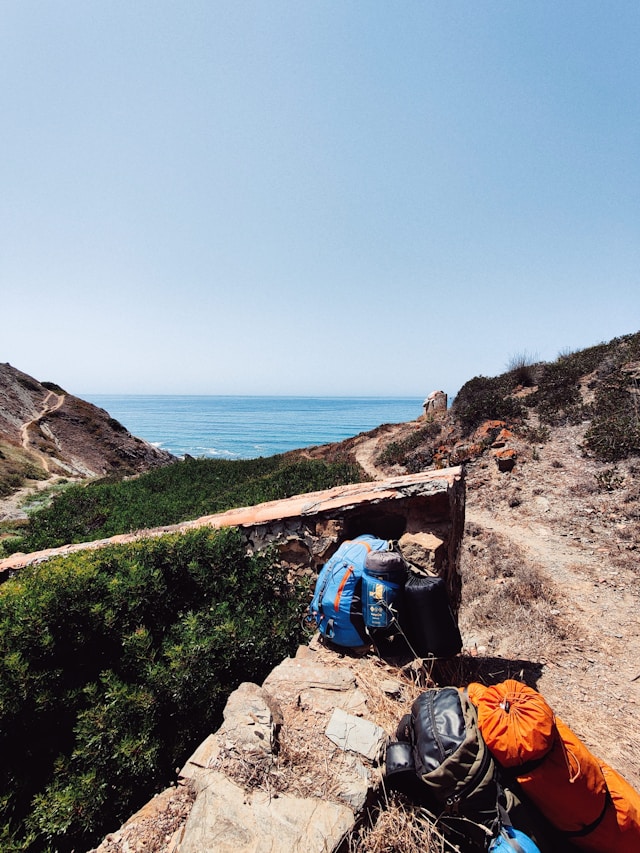
Rota Vicentina’s network of coastal walking trails connects the whole region on foot, and the accommodation runs from simple guesthouses to the occasional design-forward eco-lodge. The seafood is superb and absurdly cheap by northern European standards, and in low season you can walk for an hour along the coast without seeing another person. It is hushpitality without the branding, and arguably the better for it.
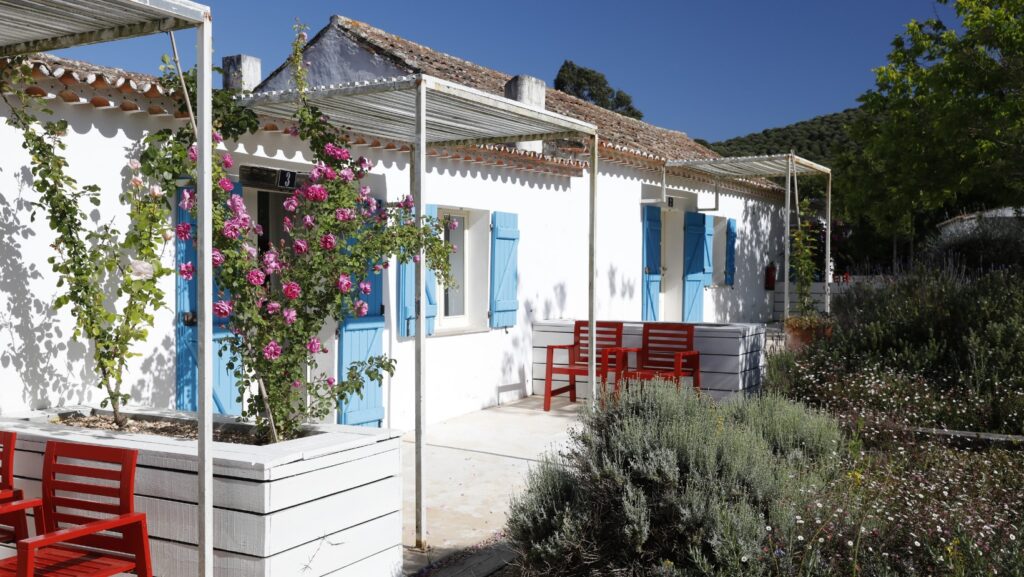
For somewhere to stay that matches the spirit of the place, Herdade da Matinha is a farmstead turned 35-room country hotel in the Serra do Cercal, about 10km from the coast. Restored from shepherds’ cottages and cattle barns, every wall hung with paintings by the owner, Alfredo, who is also the chef. Three pools, no televisions in the rooms, and the Rota Vicentina running past the front door. Nearby beaches at Malhao and Aivados are wild and largely empty. It is hushpitality without the branding, and arguably the better for it.
Rural Ryokan, Japan
Japan has been doing this for centuries; the West is catching up. The traditional ryokan, with its tatami floors, communal onsen baths and multi-course kaiseki dinners, has always been structured around restraint and consideration for fellow guests. In rural areas, particularly around the mountains of Tohoku or the hot-spring towns south of Kyoto, that restraint is the entire experience.
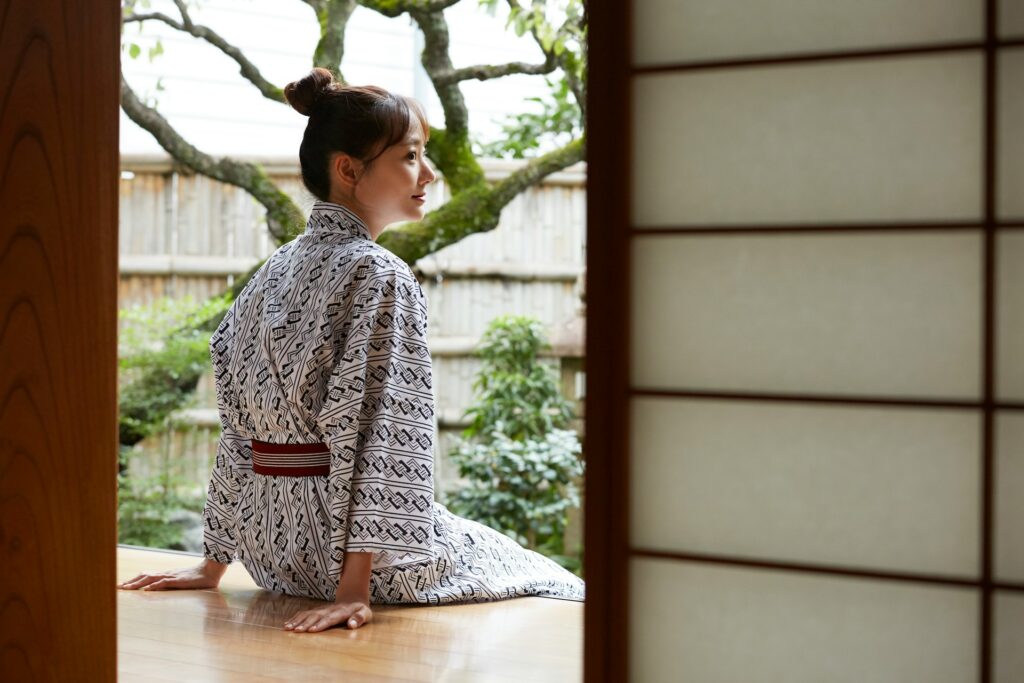
You eat in your room. You bathe in near-silence. The futon is laid out while you are at dinner, and cleared before you wake. Some contemporary ryokan have started incorporating noise-cancellation technology into their architecture, but the ethos was already there. It was already considered good manners.
Prices vary enormously across the ryokan world, from around ¥15,000 per night for a simple mountain inn to several times that for a high-end property with private onsen, but even the budget end offers a level of considered hospitality that most Western hotels charge a fortune to approximate.
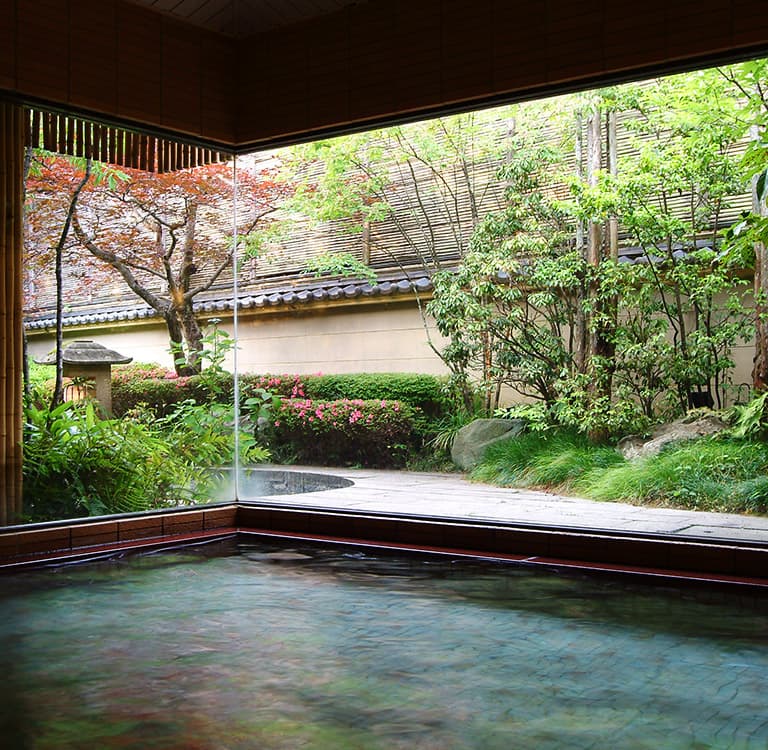
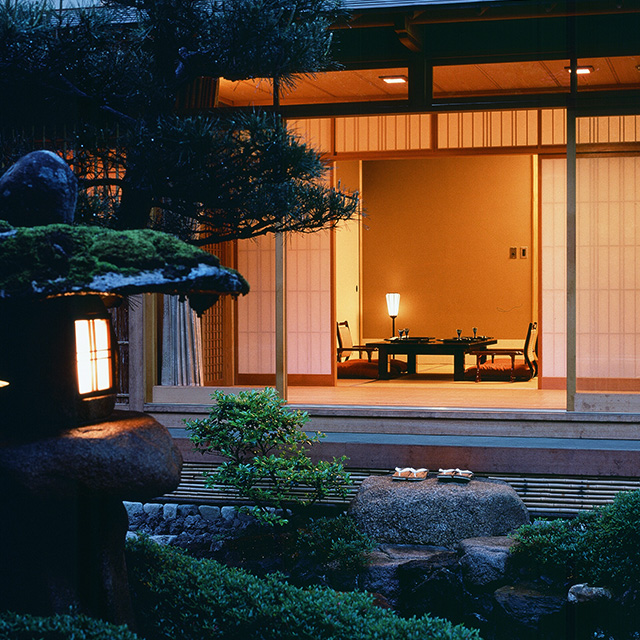
We love Nishimuraya Honkan, in the hot-spring town of Kinosaki in the volcanic mountains of Hyogo Prefecture, is among the finest examples: a 165-year-old, seventh-generation ryokan with 29 tatami rooms overlooking a Japanese garden, in-room kaiseki dinners, and a pass to the town’s seven public baths, which guests visit on foot in yukata and wooden geta along the willow-lined Otani River. It is a member of Relais & Chateaux and listed in both the Lonely Planet and the Michelin Guide. Two hours 40 minutes by limited express from Osaka.
Staying Secure On The Move
There is an obvious tension in any holiday built around disconnection: you still need to book transfers, check flight times and navigate unfamiliar cities, often on public Wi-Fi that is about as secure as a postcard. A free VPN download before you leave is the simplest way to keep your data private on shared connections, encrypting your browsing so that login credentials stay protected even on dodgy hotel or airport networks. Finally, make sure to download offline maps before you go. The places most worth visiting for stillness tend to be the ones with the worst signal.
The Bottom Line
Hushpitality is a silly word for a sensible idea. The Global Wellness Institute projects 17% annual growth in wellness tourism through 2027, and the silent end of that market is expanding fastest. But you do not need to book a formal retreat to benefit. A ryokan in Tohoku, a guesthouse on the Alentejo coast, or even just a hotel that has bothered to think about soundproofing will get you most of the way there. The principle is the same whether you are spending €230 a night in Umbria or walking the Rota Vicentina for the price of a bifana: give your brain the space it has been asking for.
If you want to go further, our guide to the best yoga & wellness retreats around the world has plenty of options. Just leave the itinerary at home.