Whether you’re a professional photographer or just want to print some pictures for your cherished family album, choosing the right photo printer can be quite an overwhelming task. I mean, where to start exactly? Most of us layman have zero reference points, and plenty of impenetrable professional jargon to try and come to terms with. And with quality printers costing at least a couple of hundred pounds, it’s not a matter of small change either, so choosing wisely is essential. In order to help you make an informed decision, we’ve put together the IDEAL buyers’s guide on picking a photo printer.
DECIDE ON THE TYPE OF PRINTER
If you’re in the market for a photo printer, it’s likely you’ll be choosing between two different types; inkjet and dye sublimation – which is also known as dye-sub and thermal.
Most people will be familiar with an inkjet printer. They spray small droplets on the surface of the printer from a print head to create the picture and the ink is easy to replace when it runs out. Whereas a dye-sub printer uses a heating process that mixes dyes together to produce one continuous tone print, which is then followed by a protective layer that makes the print stronger and less likely to scratch.
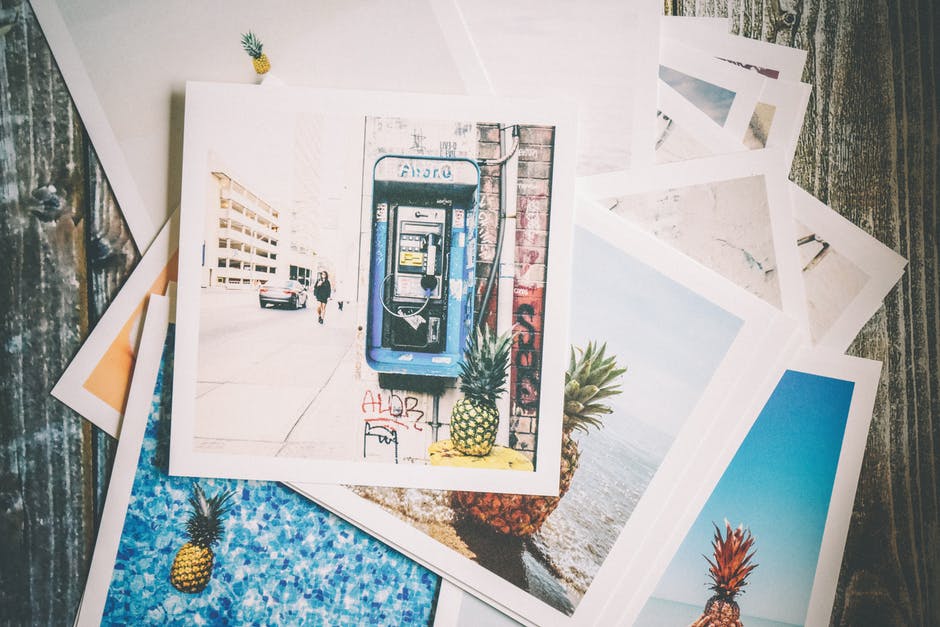
So which one would be best for you? It all depends on what you’re printing. Most inkjet printers are capable of printing photos and can also act as home printers, so you can print documents too. On the other hand, dye-sub printers are designed specifically for photography and produce very high-quality prints. They are however very expensive and because of the price, they may be better suited to professional photographers who will sell enough prints to make a return on their investment.
If you don’t want to spend a huge amount on a printer, an inkjet will suit you fine and a lot of photographers use them since they still produce high quality prints.
GET ONE WITH A HIGH RESOLUTION
The quality of prints is going to be the most important factor to consider when you choose your printer. Any photo printer will already come with a decent resolution. However, as a rule of thumb look out for printers that have a resolution of 4,800 x 1,200 dpi or higher. This will ensure you enjoy high-quality image printouts, always.
COLOUR VS BLACK AND WHITE
Whether you primarily print in black and white or colour will depend on your preference. However, bare in mind that if you pick a black and white only printer then you should consider looking at models that have more than one black ink. This is because it’s difficult to achieve a neutral black and white print without any tint and using colour inks.
DEDICATED OR NEAR DEDICATED?
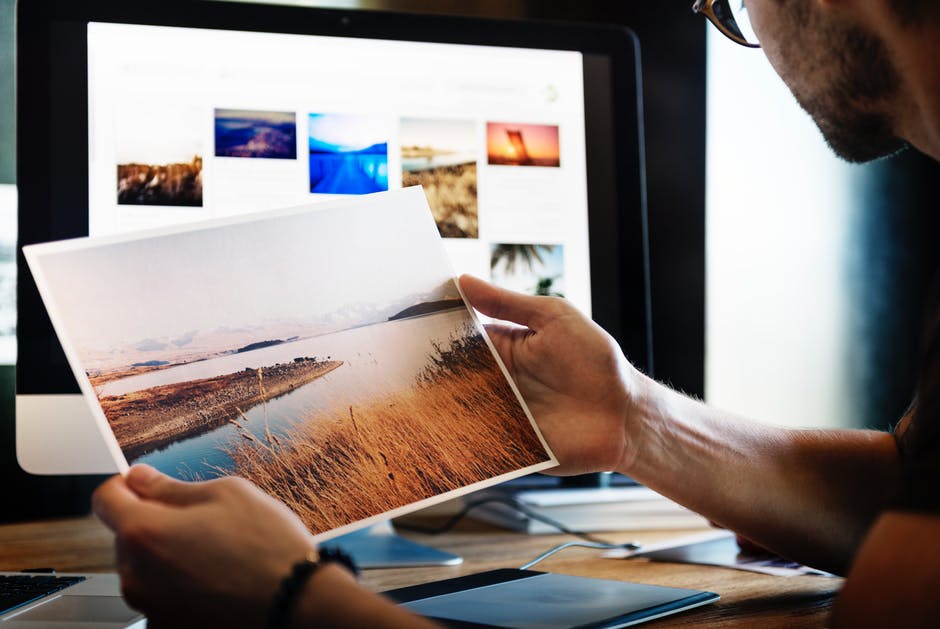
A what now? A dedicated printer is set to print only photographs, they tend to be small and portable too. Most of them have an LCD screen that you can select your options on and some also have editing options. A nearly dedicated printer is capable of printing things other than photos. If you’re running a photography business and need to print things like invoices and reciepts as well as photos, it’s probably worth spending a bit more money and getting one with more printing options.