Come summer every year, the same WhatsApp panic ripples through parent groups across the country: what on earth are we going to do with the kids for six weeks? The maths simply does not add up. Most full-time workers get 25 days of annual leave, yet school holidays in their entirety stretch across 13 weeks. Factor in childcare costs that can run anywhere from £40 to £60 per day, and you are looking at upwards of £1,500 just to cover a single summer, assuming you can even find availability. The result is a patchwork of favours, grandparent rotas and hastily arranged playdates that leaves everyone exhausted before August even begins.
Some employers are finally catching on. Amazon recently introduced term-time contracts that allow parents to take around ten weeks off each year, a blend of paid and unpaid leave that keeps full-time status intact while acknowledging that working hours were never designed with school calendars in mind. Until more companies follow suit, however, the rest of us are left to get creative.
This guide is here to help. From free government-funded provision to residential adventures abroad, we have rounded up the summer childcare options that actually work, whether you need a single afternoon covered or six solid weeks of activities.
Free Holiday Clubs: The HAF Programme
Before paying for anything, it’s worth checking whether your family qualifies for free government-funded provision. The Holiday Activities and Food (HAF) programme provides healthy meals, enriching activities and free childcare places to children from low-income families. Since 2022, the programme has provided over 15 million HAF days to children and young people across England.
The programme is primarily for school-aged children from reception to year 11 who receive benefits-related free school meals. Children can access a minimum of four days of activities over the Easter and Christmas holidays, and 16 days over the summer holidays, with sessions lasting at least four hours each day. Local authorities can also use up to 15% of their funding to provide free or subsidised places for children who aren’t on free school meals but who could benefit from the programme, so it’s worth enquiring even if you’re not sure you qualify.
To access the programme, you’ll typically need a HAF voucher from your child’s school. Each local authority runs its own programme with different providers, so check your council’s website for details of what’s available in your area and how to book. Places can fill up quickly, so don’t leave it until the last minute.

Residential Summer Camps In The UK
Summer camps aren’t a particularly British tradition. Whilst America has made the sleepaway camp a cultural institution, immortalised in countless films, and France has its deeply embedded colonies de vacances where sending children away for several activity-filled weeks is considered entirely normal, the UK has never quite developed the same culture. Our shorter six-week summer holiday, compared to America’s near-three-month break, partly explains this. But there are signs of change, and a growing movement seeking to establish residential camps as a regular feature of British childhood.
The Summer Camps Trust is one organisation working to raise the profile of summer camps in Britain. The charity campaigns for summer camps to be recognised as a vital part of provision for young people and has written to the Department for Culture, Media and Sport asking for residential summer camps to be included in the government’s upcoming National Youth Strategy. They also train young adult leaders who volunteer to work with children on camps.
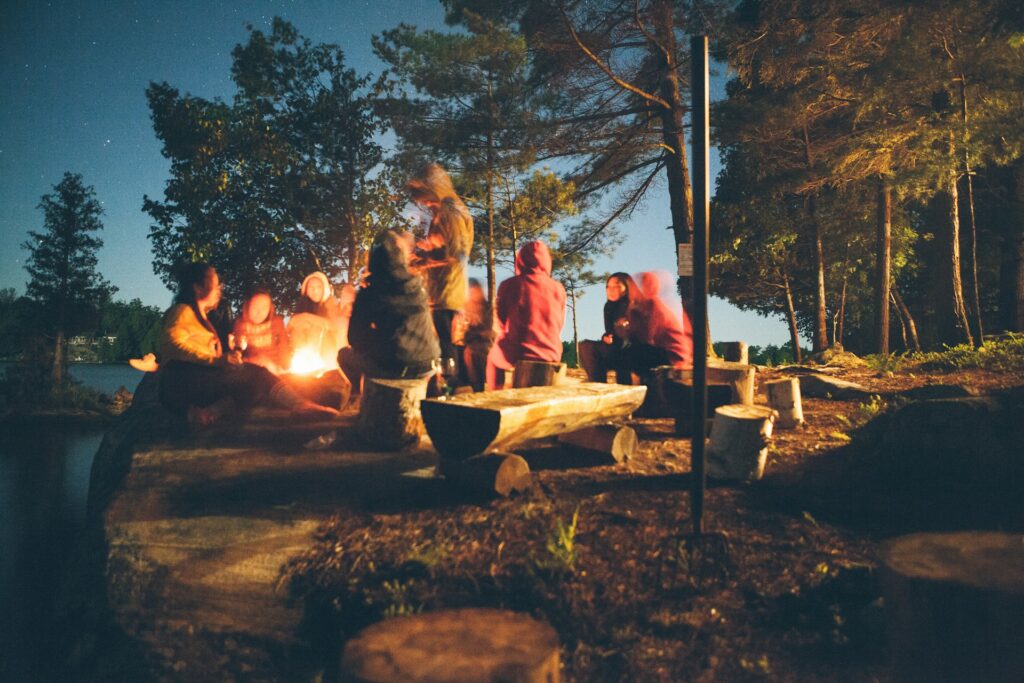
For families who have never considered a residential camp, the Summer Camps Trust runs Try Out Camps at a discounted price, open only to UK-based children aged 9 to 15 who have never attended an overnight summer camp before. It’s a low-risk way to see whether this kind of holiday suits your child, with trained young leaders and experienced staff overseeing a week of games, crafts, outdoor adventures and campfire sing-alongs.

ATE Superweeks
The Active Training and Education Trust, known as ATE, is a member of the Summer Camps Trust and has been running residential summer camps since the 1960s, making it one of the longest-established providers in the country. Their camps, which they call Superweeks, bring together children aged 8 to 16 from across the UK for a week of fun, adventure, team building and a healthy dose of silliness.
ATE operates as an educational trust with a governing council of leaders from the education sector who believe firmly in the value of summer camps. Children stay in country houses, outdoor centres or schools in locations including Shropshire, Worcestershire and Derbyshire, with days packed full of imaginative games, stories around the campfire, den building in the woods and the chance to make lasting friendships. Prices are all-inclusive, with free accompanied travel available from 17 collection points around the UK, making it practical for families without easy access to a car.
One of the great things about ATE is their intensive training programme for the young adult volunteers, known as Monitors, who work directly with the children. Parents regularly report that their children return with increased confidence, new-found independence and a broader perspective from mixing with children from different backgrounds and parts of the country.

Summer Camps Abroad
For families willing to think bigger, sending children to summer camp abroad opens up possibilities that simply don’t exist domestically. American summer camps remain the gold standard, with an estimated 14,000 camps across the country offering everything from traditional multi-activity programmes to highly specialist options. The variety is staggering: sailing camps on the North Carolina coast, marine biology programmes in the Florida Keys, performing arts intensives, STEM camps, horseback riding ranches, and wilderness survival expeditions. The American Camp Association accredits over 2,500 camps and their search tool lets you find coastal kids camps, mountain adventures, or whatever niche interest your child might have.
Some American camps do accept international children, though the logistics of travel and the fact that American school holidays don’t align with British ones can make it challenging. Costs are also substantial, with some prestigious camps charging upwards of £15,000 for the full summer season.
France offers a more accessible alternative. The colonies de vacances are a national institution, with French children from age four upwards routinely spending weeks away from home during school holidays. Whilst most are primarily set up for French children, there are programmes that welcome international participants. Some focus on language learning, combining French tuition with activities, which can serve the dual purpose of keeping children occupied whilst developing useful skills.
Organisations like EF and IBS of Provence run language camps across France that specifically cater to international children, whilst Active Travel Camps takes 11 to 16-year-olds on three-week adventure tours through France, combining activities like canyoning, sailing and rock climbing with cultural immersion. The Eurostar makes northern France particularly accessible, though camps further south require flights or longer train journeys.

Day Camps & Multi-Activity Providers
Not every child is ready for a residential experience, and not every family’s budget or logistics allow for it. Day camps offer a middle ground, providing structured activities and reliable childcare during working hours without the overnight commitment. Providers like SuperCamps and Kings Camps operate at venues across the country, offering sports, arts and crafts, outdoor adventures and themed weeks.
Most day camps run from around 8am to 5pm or 6pm, with extended hours available for an additional fee, making them genuinely compatible with typical working patterns. Many accept childcare vouchers and tax-free childcare, which can significantly reduce costs. The flexibility to book individual days or full weeks means you can mix and match based on your own leave and other arrangements.
For children with specific interests, specialist camps focus on everything from coding and robotics to horse riding, theatre and sports coaching. These tend to be more intensive and often more expensive, but can be transformative for a child who’s passionate about a particular activity.
Adventure & Outdoor Camps
PGL has been synonymous with school adventure trips for decades, but they also run holiday camps for individual children. With centres across the UK, they offer multi-activity weeks packed with high ropes, kayaking, abseiling and team challenges. Their camps cater to children aged 8 to 16, with age-appropriate groupings and OFSTED registration providing reassurance for parents.
Camp Wilderness takes a more back-to-basics approach, with camps focused on bushcraft, shelter building, fire-making and wild swimming. Their tech-free ethos appeals to parents concerned about screen time, offering children the chance to reconnect with nature in locations from Yorkshire to Snowdonia. Family camps are also available for those who want to share the experience.
For a more American-style experience without crossing the Atlantic, Camp Cooper in Scotland and Camp Crusoe in Norfolk both model themselves explicitly on the traditional US summer camp, complete with cabin living, campfire traditions and a focus on community building alongside adventure activities.
Youth Organisations & Local Clubs
Do not overlook what your child may already have access to. Scouts and Girlguiding units often run summer camps at a fraction of commercial prices, while the YHA and Outward Bound Trust offer residential adventures with funding available for those who need it. Teenagers working towards their Duke of Edinburgh’s Award can join open expeditions during the holidays, and the National Trust runs family volunteering days.
Closer to home, check whether your child’s gymnastics club, swimming school or dance academy runs holiday programmes: many offer intensive courses during summer that combine skill development with childcare-friendly hours, and the familiarity of known coaches and venues can make all the difference.
The Bottom Line
Summer childcare is a logistical puzzle that no single solution will solve. The key is booking early. Popular camps fill up months in advance, and waiting until June means settling for whatever’s left rather than finding the right fit for your child. Start researching now, involve your children in the decision where appropriate, and consider it an investment not just in your own sanity but in experiences that could genuinely shape their summer and their development.
Most importantly, try to see the investment as exactly that. These experiences teach children independence, resilience and social skills that last far beyond the summer months. The WhatsApp panic will return next year, but with a plan in place, you might just be the calm voice offering solutions rather than adding to the chaos.