
Few things in life are as quietly satisfying as a car that just works. No warning lights, no mysterious rattles, no that-doesn’t-sound-right moments on the motorway. Yet for many of us, vehicle maintenance falls into the same category as flossing or cleaning behind the fridge: we know we should do it, we just don’t quite get around to it.
The good news is that staying on top of your car’s health doesn’t require a mechanical engineering degree or a weekend sacrificed to your driveway. It does, however, require a bit of know-how about what actually matters, what can wait and what really, truly can’t.
Start With What’s Under The Bonnet
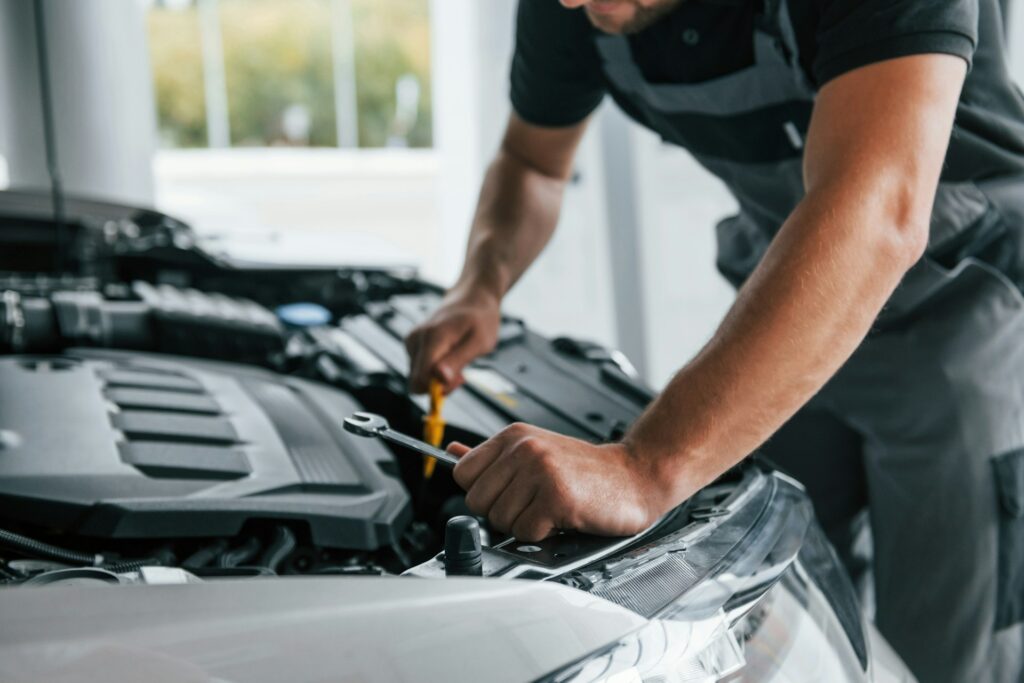
Oil is, without exaggeration, your engine’s lifeblood. Running on old, degraded oil forces your engine to work harder, generates more heat and accelerates wear on components that are expensive to replace. Most manufacturers recommend an oil change every 10,000 to 15,000 miles, but if you do a lot of short, stop-start journeys, you’ll want to err on the lower end. Check your dipstick monthly and top up if needed between services.
Coolant levels deserve similar attention. A quick glance at the expansion tank takes seconds and can save you from an overheated engine and a very bad day on the hard shoulder. The same goes for brake fluid, power steering fluid and windscreen washer fluid; none are glamorous, all are essential. The RAC has a handy rundown of regular car checks worth bookmarking if you’re not confident about what you’re looking at under the bonnet.
Tyres: The Only Thing Between You & The Tarmac
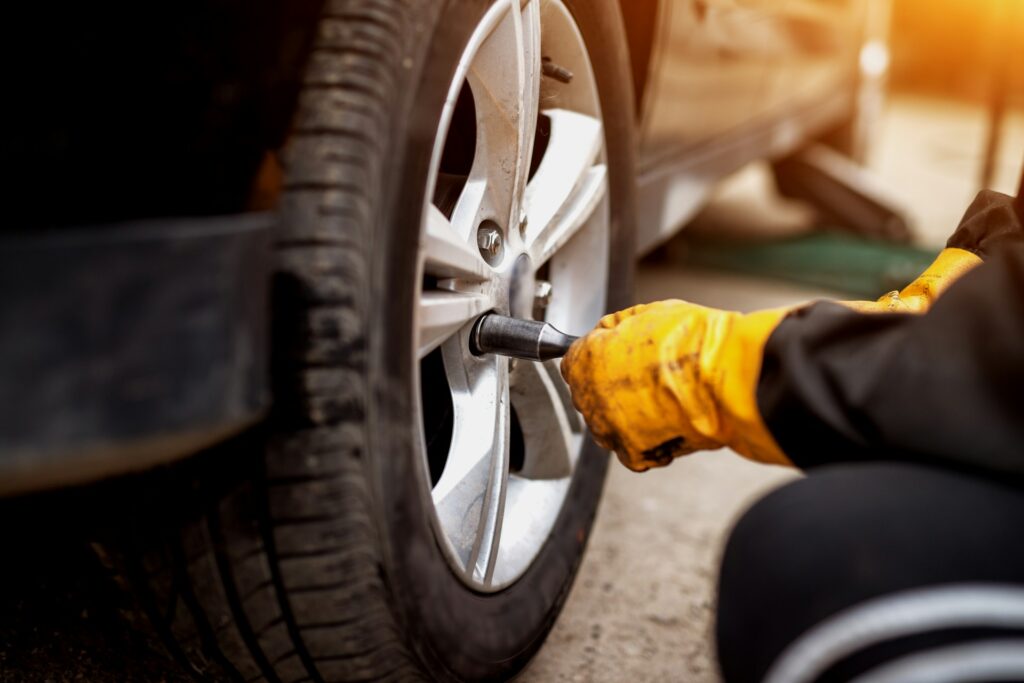
Your tyres are doing more work than you probably give them credit for. Tread depth, pressure and general condition affect everything from braking distance to fuel economy. The legal minimum tread depth in the UK is 1.6mm, though most safety experts suggest replacing tyres once they reach 3mm for meaningfully better wet-weather grip. Tests have found that braking distances increase dramatically below that threshold, particularly in the rain.
Check your tyre pressure at least once a month and always before long journeys. Under-inflated tyres increase rolling resistance, meaning you burn more fuel, while over-inflation reduces the contact patch with the road and compromises handling. Your vehicle’s recommended pressures are usually found on a sticker inside the driver’s door frame or in the owner’s manual. And while you’re down there, keep an eye out for cracks, bulges or uneven wear patterns, all of which suggest something isn’t right with your alignment or suspension.
It’s also worth knowing when your tyres were actually made. Every tyre has a four-digit DOT code stamped on the sidewall indicating the week and year of manufacture. Even with plenty of tread left, tyres older than five or six years start to degrade and lose grip as the rubber compound hardens. It’s one of those things nobody tells you about until it matters.
Don’t Forget Your Air Conditioning
Here’s one that catches people out: your car’s air conditioning system loses refrigerant over time, even if nothing is technically wrong with it. The result is a system that blows air but doesn’t cool effectively, which is more than just a comfort issue. A properly functioning AC system also demists your windscreen far more efficiently in winter, making it a genuine safety consideration year round.
Most vehicles benefit from an AC regas every two years or so. The process involves draining the old refrigerant, checking the system for leaks and recharging it with fresh gas. It’s a relatively quick and affordable job, but one that makes a noticeable difference to how your car feels to drive, particularly during the warmer months. Left too long, a neglected AC system can develop more serious faults as seals dry out without lubrication from the refrigerant, turning a minor service into a major repair bill.
Read: 7 tips for more fuel efficient driving this winter
Brakes: Trust Your Senses
Brakes tend to give you fair warning before they fail outright. Squealing, grinding, a spongy pedal or the car pulling to one side under braking are all signs that something needs attention. Brake pads and discs are wear items with a finite lifespan, and replacing them promptly is considerably cheaper than waiting until they’ve damaged other components. The AA’s guide to dashboard warning lights is worth a look if you’re unsure what those symbols on your dashboard are trying to tell you.
A good rule of thumb is to have your brakes inspected at every service and to take any unusual noises or sensations seriously rather than hoping they’ll sort themselves out. They won’t. Modern brake pads often have built-in wear indicators that produce a high-pitched squeal specifically to get your attention, so if your car starts making a noise that sounds like it’s auditioning for a horror film, don’t just turn the radio up.
When the time comes to replace any of these wear items, sourcing parts at a fair price is a separate headache altogether. Main dealer prices can be eye-watering, and trawling through individual breaker yards or auction sites eats up an entire evening. Parthunt24 pulls live listings from sellers including B-Parts, Ovoko, eBay, Opisto and RicambiPro into a single comparison view, so whether you’re after a full engine or a replacement indicator bulb, you can see what’s available across the market without opening fifteen browser tabs.

Lights, Wipers & The Small Stuff
It’s remarkable how many cars are driving around with a blown bulb. A quick walk-around check every few weeks takes less than a minute and keeps you on the right side of both the law and other road users. Driving with defective lights can result in a vehicle defect rectification notice from the police, giving you 14 days to fix the issue and prove you’ve done so, and during an MOT, lighting is one of the most common reasons for failure.
Wiper blades, meanwhile, tend to deteriorate gradually enough that you don’t notice until you’re caught in a downpour with what amounts to two rubber smears across your windscreen. Replacing them once or twice a year is cheap insurance against poor visibility. And while you’re thinking about visibility, give your headlights a clean now and then. Oxidised, yellowed lenses can reduce light output significantly, and a basic restoration kit costs less than a tenner.
The Bottom Line
Simple car maintenance checks aren’t about becoming a weekend mechanic. It’s about paying attention to the basics consistently enough that small issues never become big ones. A few minutes of checks each month, a service schedule you actually stick to and a willingness to address warning signs early will keep your car reliable, safe and far less expensive to run in the long term. Your car is constantly telling you what it needs; the least you can do is listen.