Cast your mind back, if you dare, to the spring of 2020. Banana bread was rising on every kitchen counter in Britain, Joe Wicks was conducting national PE from his lounge, and a small but enthusiastic subset of homeowners decided that what they really needed, what would really see them through, was a garden room.
Some imagined a pub. Some imagined a yoga studio. Most imagined a home office, where they would work productively while sipping flat whites and gazing benevolently at the lawn.
You know what happened next. Lockdown lifted, the office summoned everyone back, the kids started school again, and the garden room slowly took on a second life as a place where the lawnmower lives, where Christmas decorations go to gather dust, and where, on one memorable occasion, a wasp’s nest was discovered.
But here’s the thing. Life has moved on. Maybe there’s a new baby in the house now, or the kids have grown into the kind of teenagers who need somewhere to go that isn’t the kitchen, or you’ve simply realised that your family has outgrown the four walls of your actual home. That sad little outbuilding at the end of the garden, currently moonlighting as a shed, is square footage you’ve already paid for. It’s time to put it back to work.
With that in mind, here are seven ideas for repurposing your garden room into something that actually serves your family.
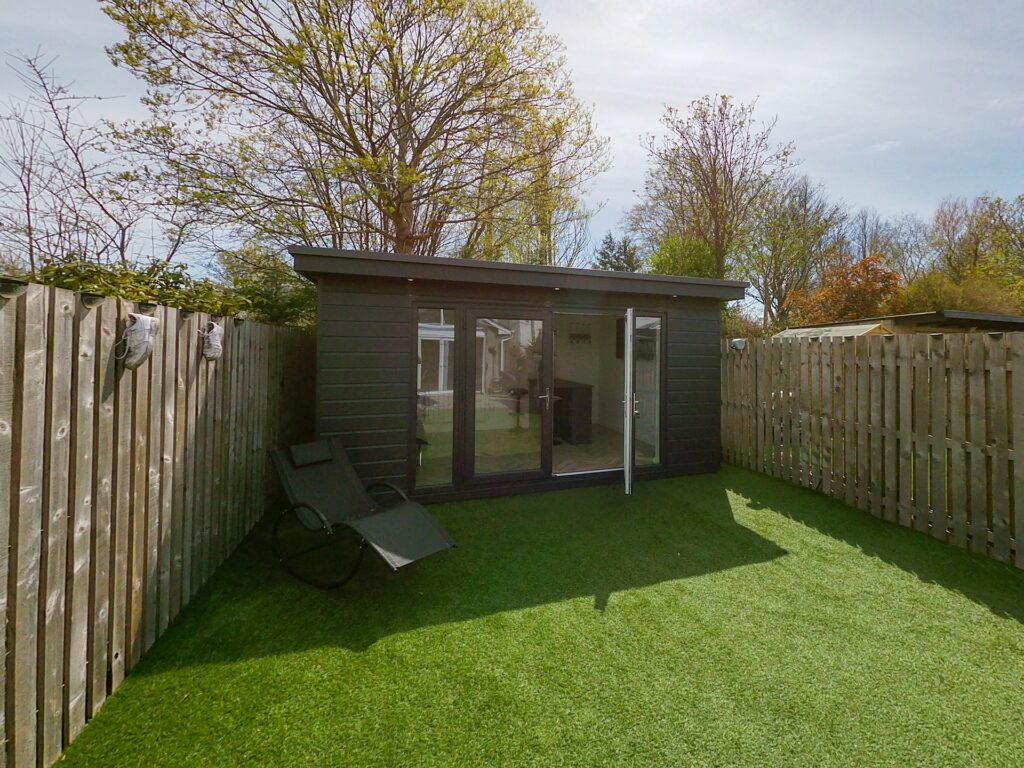
A Playroom To Reclaim The Lounge
The lounge has fallen. You know it, your partner knows it, and the small army of Duplo bricks colonising every surface knows it too. Toys multiply, they sprawl, they end up in places you didn’t know toys could reach, and no amount of clever storage seems to stem the tide.
Reclaiming the lounge starts with giving the toys somewhere else to live, and a garden room is uniquely well-suited to the job. It’s contained, it’s washable, it’s far enough from the main house that you can shut the door on the chaos at the end of the day, but close enough that you can keep half an eye on proceedings from the kitchen window.
Soft flooring is the obvious starting point, ideally something forgiving for inevitable tumbles. Low, open shelving means little ones can actually reach their own things (and, in theory at least, put them away again). A few wall-mounted hooks for dress-up costumes, a small table for craft sessions, and you’ve created the kind of dedicated kids’ zone that estate agents charge a fortune for.
A Teen Hangout That Keeps Them Close
The teenage years bring with them a peculiar parental contradiction. You want your kids to have independence, to host their friends, to feel like they have their own space. You also, very much, want to know where they are.
A garden room is the diplomatic solution. Far enough from the main house to feel like genuine territory, close enough that you can still call them in for dinner without having to send out a search party. Throw in a beanbag or two, a TV, a games console, decent Wi-Fi, and you’ve created a hangout that means their friends end up at yours rather than disappearing off into the night to who-knows-where.
The added benefit, of course, is that you get your living room back on a Friday evening. It’s hard to put a price on that.
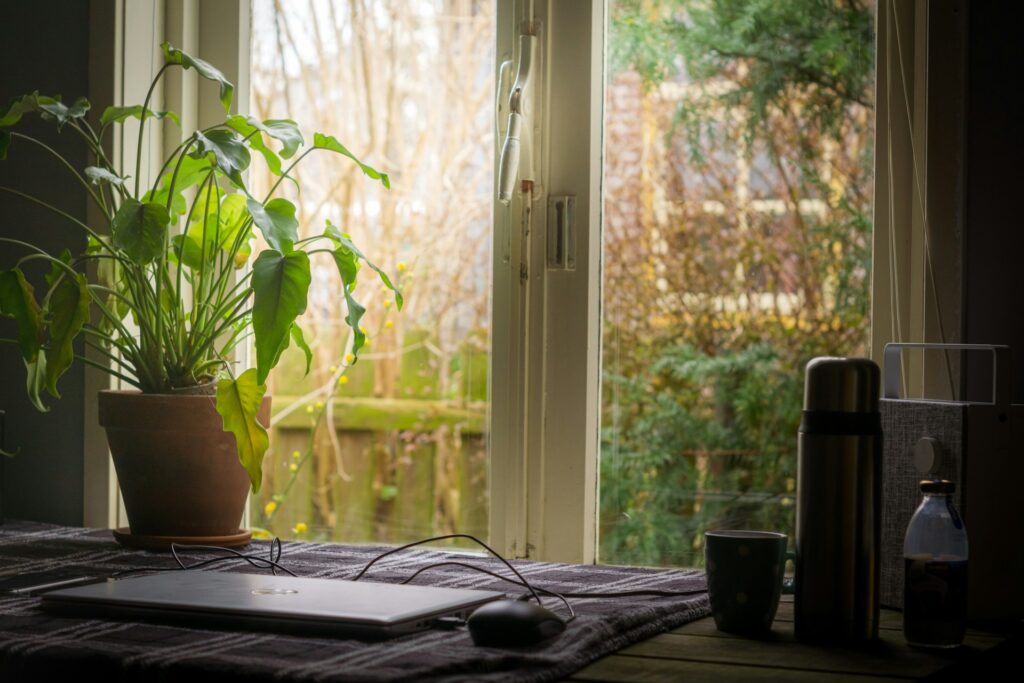
A Home Office That Actually Encourages You To Switch Off
Hybrid working has settled into something permanent rather than a pandemic-era quirk, and the spare bedroom desk that seemed adequate in 2020 is starting to feel like a prison sentence. The problem isn’t the work, it’s the lack of separation. When the laptop lives ten feet from where you sleep, the working day never quite ends.
A garden office solves this with the simple addition of a back door and a few paces of grass between you and your inbox. As the team at Room to Grow, who build and deliver Essex garden offices suggest, the small daily ritual of walking out to your office in the morning and walking back in the evening creates a psychological boundary that no home-working setup inside the house can replicate.
For parents in particular, that boundary is gold. You can take a video call without a toddler interrupting to ask for snacks. You can close the door at six and actually mean it. The commute is twenty seconds long and involves no Network Rail timetable, which seems, on reflection, like a small daily victory worth celebrating.
A Family Gym You’ll Actually Use
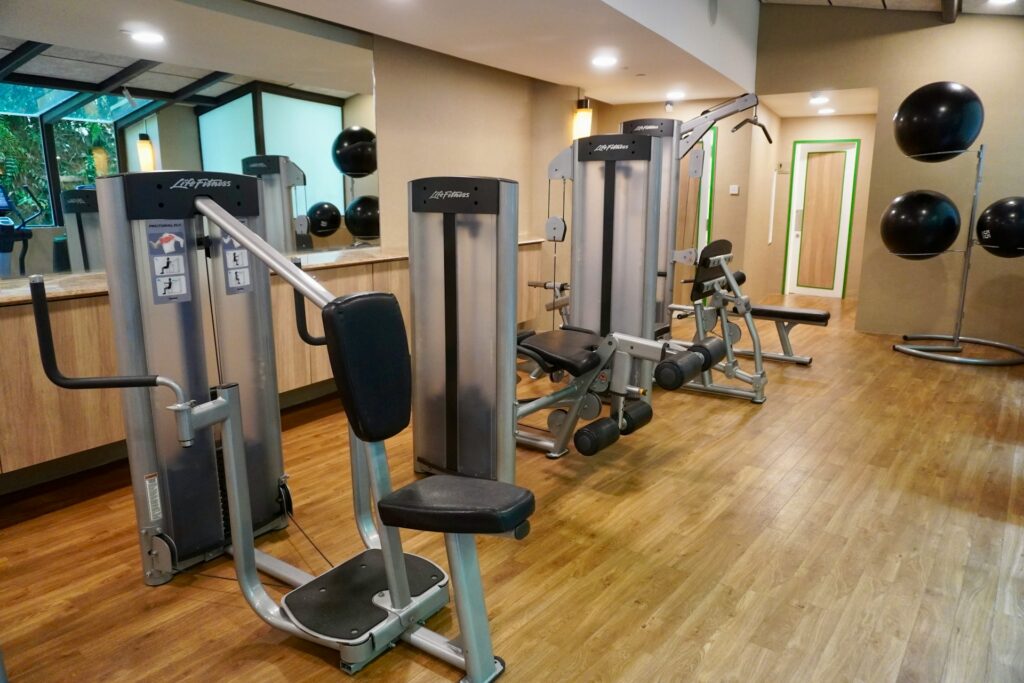
The honest truth about gym memberships once children arrive is that most of them go unused. Between school runs, work, and the relentless administrative business of family life, finding ninety minutes to drive somewhere, change, work out, shower and drive home becomes a logistical impossibility.
Bringing the gym home solves the time problem at a stroke. A well-equipped garden gym room means a workout becomes a twenty-minute job rather than a half-day expedition, and for parents trying to hold onto some semblance of a fitness routine, that difference is everything.
Rubber flooring, decent ventilation and a mirror are the basics. Then it’s a question of what you actually use, which for most parents is less about Olympic lifting platforms and more about adjustable dumbbells, a yoga mat, resistance bands and a kettlebell or two. Compact, versatile, and all on hand the moment you find a window between bedtime stories and collapsing on the sofa.
A Hobby Room For The Things You Used To Love
Remember hobbies? Those things you used to do before parenthood absorbed every spare hour of your life? They’re still in there somewhere, buried under the laundry, and a garden room gives them somewhere to live.
The specifics will depend on what you’re trying to revive. A potter’s wheel and a small kiln. A drum kit, finally free to be played at volume without anyone banging on the wall. A sewing machine, an easel, a long workbench for whatever it is you tinker with. The principle is the same in each case. Give the hobby its own room, and you give yourself permission to actually do it.
There’s a wellbeing argument here too. Meaningful leisure time outside of work and caregiving is well established as a buffer against burnout, and a dedicated space makes it more likely you’ll actually use those leisure hours for something restorative, rather than scrolling on the sofa until it’s time for bed.
A Calm Bedroom For An Older Child
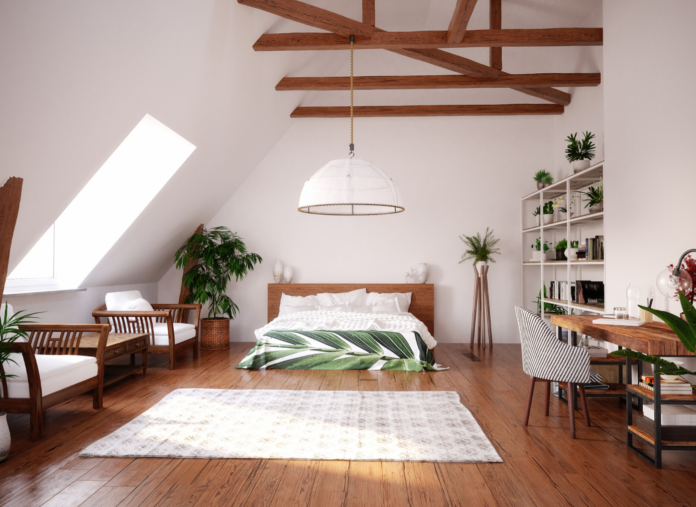
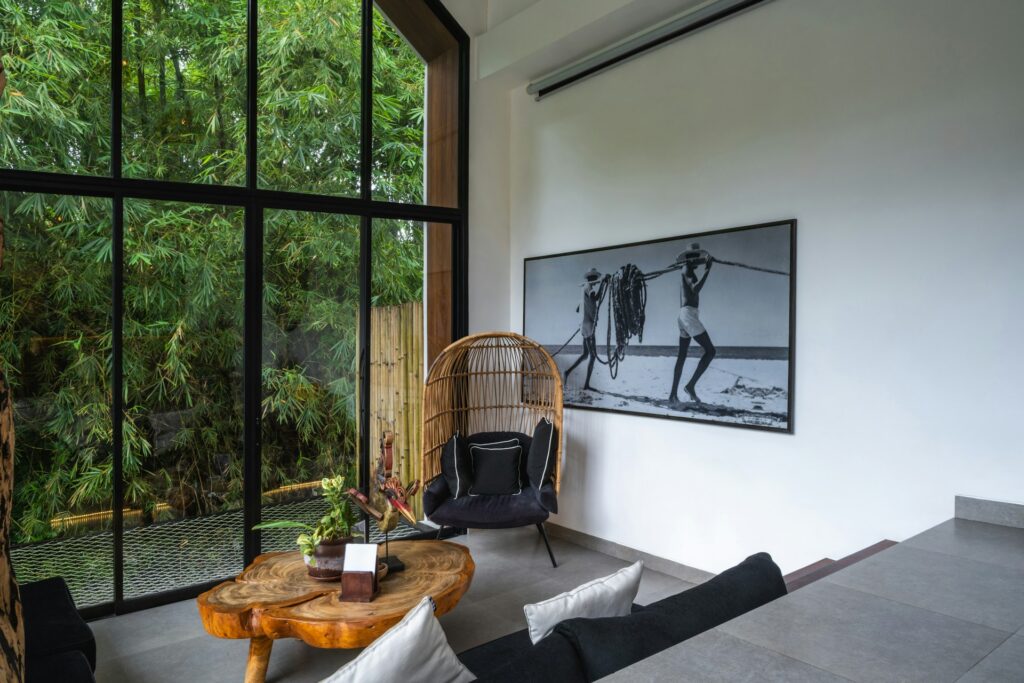
In houses where the bedrooms are already spoken for, the arrival of another baby or the growing-up of an existing child can create a genuine spatial headache. A well-built, well-insulated garden room offers a workable answer once children are old enough to sleep separately from parents, giving an older child a bedroom of their own and freeing up indoor space for younger siblings.
The acoustic separation alone is worth its weight in gold. No more pausing the TV every time someone laughs too loudly downstairs, no more tiptoeing past a door for fear of waking anyone.
This only works if the garden room is built for habitation, with insulation, heating, ventilation and a stable internal climate. It’s not a job for the kind of structure that gets cold in October and damp by February.
A Multi-Use Space That Earns Its Keep
Here’s the practical reality for most families. You don’t need a yoga studio or a music room or a teen hangout. You need all of them, in rotation, depending on what the day demands.
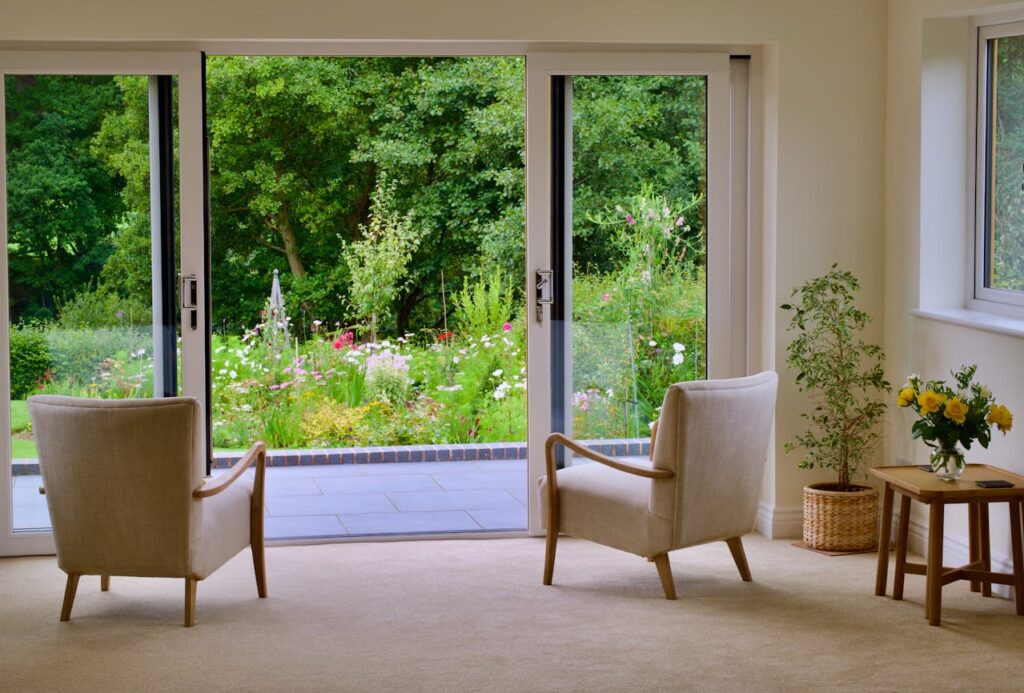
The cleverest use of a garden room is often the most flexible one. A space that functions as a home office during the working day, becomes a playroom after school, hosts a yoga session before breakfast, and turns into a film den on a Friday evening. With the right furniture, the right storage solutions, and a bit of thought about how the room transitions from one mode to another, a single garden room can do the work of several.
The trick is to design for adaptability from the outset. Furniture on castors, ample storage solutions so the room can be reset quickly, lighting that can shift in mood from bright and functional to warm and relaxed. Build it that way and the garden room becomes something rare in family life: a space that genuinely flexes around your needs, rather than the other way round.
The Bottom Line
The garden room that seemed a slightly indulgent purchase in 2020 looks, with the benefit of hindsight, like one of the better decisions you made that year. Whether you’re navigating a new baby, a growing family, or simply the dawning realisation that your house is no longer big enough for the lives being lived inside it, that structure at the end of the garden is an asset waiting to be put to work.
The only question is what you’d like it to do next.