The UK is home to around 13.5 million pet dogs, with 36% of all households owning at least one. That makes it one of the most dog-dense countries in Europe, yet the experience of owning one varies wildly depending on where you live. In one city you might have three parks within walking distance, a vet around the corner and a local pub that keeps biscuits behind the bar. In another, you could be driving 20 minutes to find somewhere your dog can run off-lead, paying well over the odds for a routine consultation and fielding dirty looks every time you try to bring them inside for a pint.
The gap has widened in recent years. The Competition and Markets Authority found that vet fees have risen at nearly twice the rate of inflation, with standard consultations now ranging from around £35 in Birmingham to upwards of £70 in parts of London. Rental markets in many cities remain hostile to dog owners. And while the culture around dogs in pubs and restaurants has shifted enormously over the past decade, some places have embraced it faster than others.
All of which means the city you choose, or already find yourself in, has a real impact on the quality of life you and your dog share. Here are five that get the balance right.
Edinburgh
Scotland’s capital has a structural advantage that most English cities cannot match. The Land Reform (Scotland) Act 2003 grants walkers and their dogs the right to roam across most of the countryside, provided the dog is kept under proper control. In practice, this means the city’s boundaries blur into open hills, coastline and woodland without the “Private, Keep Out” signs that dog owners south of the border encounter so often.
Within the city itself, 49% of Edinburgh is green space, the highest proportion of any major UK city according to a study by First Mile. The 650-acre Holyrood Park, with its climb up Arthur’s Seat, feels more like the Highlands than a capital city. Inverleith Park and The Meadows cover the everyday walks, and the 13-mile Water of Leith Walkway connects much of it together, running from the edge of the Pentland Hills all the way down to Leith. Portobello Beach adds a coastal dimension for dogs who prefer saltwater to grass.
A 2025 study by Accor rated Edinburgh 8.9 out of 10 for dog-friendly dining, the highest of any UK city in their analysis. Gastropubs like The Scran & Scallie and The Palmerston treat dogs as standard. For those moments when sentimentality strikes, there’s always Greyfriars Bobby’s statue to remind you that Edinburgh has been a dog city for well over a century.
Liverpool
Liverpool might not be the first city that springs to mind for dog owners, but the numbers tell a convincing story. In the same Accor study, Liverpool ranked as the overall most dog-friendly city in the UK with a combined score of 7.11, taking top marks for quality of veterinary care at 8.1 out of 10. That vet provision matters more than people tend to realise, and Liverpool’s consultation fees sit comfortably at the affordable end of the national spectrum.
The city’s green spaces do serious work. Sefton Park, a Grade I listed 235-acre Victorian park, has lakes, woodland and a palm house that makes you forget you are in a city at all. Croxteth Country Park adds 500 acres of countryside on the city’s edge, while the Otterspool Promenade offers a flat riverside path that suits older dogs or anyone after a walk without the gradient.
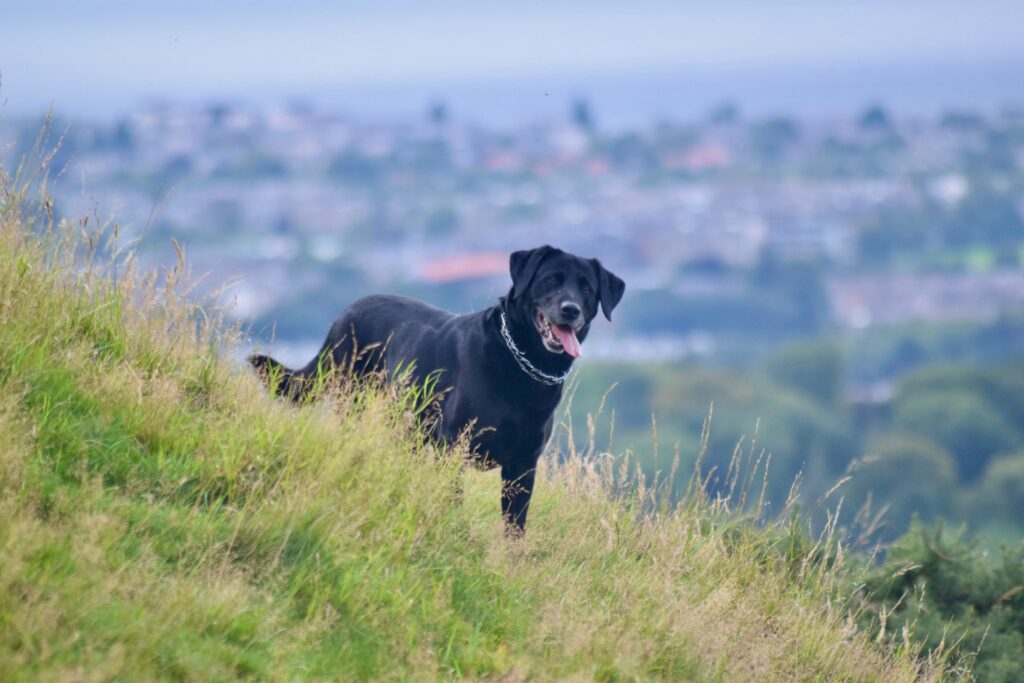
For a coastal fix, Crosby Beach is a 15-minute drive north; dogs are welcome year-round with no seasonal restrictions, and the three-kilometre stretch of sand around Antony Gormley’s iron figures is one of the more memorable walks on Merseyside.
Liverpool’s pub culture has embraced dogs without reservation. Lark Lane, the strip of independent bars and restaurants running alongside Sefton Park, functions as a dog-walking pitstop with a drinks licence. Venues like Mowgli on Bold Street, Duke Street Market and The Bookbinder all welcome four-legged visitors. The cost of living makes a tangible difference here too.
According to estimates from Pets4Homes, a medium-sized dog in the UK now costs between £1,900 and £3,000 a year to keep, and being in a city where rent, food and vet bills sit below the national average provides genuine breathing room. Pet insurance premiums tend to be lower outside London and the South East as well, which is worth factoring into the monthly budget.
Brighton
If Edinburgh is the city where dogs have the freedom to roam, Brighton is the city where dogs have a social life. It has more dog meet-up groups per capita than anywhere else in the UK, with dedicated gatherings for pugs, terriers, sausage dogs and a catch-all group for everything in between. It would not be unusual for your cockapoo to have more weekend plans than you do.
The beach is the obvious draw. Miles of seafront let dogs run off-lead for most of the year, with the South Downs National Park rising directly behind the city for longer walks when pebbles lose their appeal. Preston Park, Stanmer Park and Queen’s Park cover the everyday routine, while Devil’s Dyke on the Downs offers one of the best viewpoints in southern England with a dog-friendly pub at the top.
Brighton’s food and drink scene treats dogs as default rather than exception. From the North Laines to Hove, you would struggle to find a pub without a water bowl by the door. The Farm Tavern in Hove has earned a reputation for serving complimentary roast dinners to visiting dogs, and Dishoom Permit Room on East Street welcomes them inside. The city’s progressive, community-minded character extends to its whole approach to animals, which is why Brighton consistently lands at or near the top of every dog-friendly city ranking published in the UK.

Bristol
Bristol combines the green credentials of a market town with the infrastructure of a proper city.
According to Visit Bristol, the city has over 400 parks and green spaces, an astonishing number for its size, anchored by the 850-acre Ashton Court Estate just across the Clifton Suspension Bridge. Leigh Woods, Brandon Hill, St George Park and the Blaise Castle Estate all offer varied terrain, from woodland scrambles to wide-open fields. The harbourside provides a flat, scenic loop that suits dogs of any age or energy level.
The independent pub and cafe scene has enthusiastically adopted a dogs-welcome policy. The Tobacco Factory in Southville, Mud Dock on the harbourside and The Grain Barge, a floating pub moored in the harbour, all treat dog owners as regulars rather than exceptions. Racks in Clifton keeps a selection of treats behind the bar for visiting hounds.
Vet provision is competitive, with prices sitting well below London and the South East. The city’s relatively compact layout helps on a daily basis; most Bristol dog owners can reach a significant green space within a ten-minute walk, which is the kind of everyday convenience that makes the biggest difference over the long run. The surrounding Somerset and Gloucestershire countryside is there for weekend adventures when the city parks start to feel too familiar.

Bath
Bath is a compact city, and for dog owners that works in its favour. You are never more than a few minutes from open countryside, and the hills surrounding the Georgian terraces provide some of the most scenic dog walks in the south of England.
The Skyline Walk, a six-mile National Trust route circling the city along the ridgeline, offers panoramic views over Bath and the Avon Valley without a stretch of pavement in sight. Alexandra Park, Bathwick Meadow and the towpath along the Kennet & Avon Canal cover the everyday walks, while Prior Park Landscape Garden welcomes dogs on leads past the Palladian Bridge and through its sweeping valley grounds.

The city’s pub scene has caught up with its dog-owning population. The Marlborough Tavern, The Hare & Hounds and The Hop Pole all welcome dogs, and several of Bath’s independent cafes keep water bowls and treats as standard. Victoria Park, which sweeps around the foot of the Royal Crescent, is an unlikely but excellent spot for an off-lead run with Georgian architecture as the backdrop.
Bath also benefits from proximity to wider walking country. The Cotswolds, Mendip Hills and the Somerset Levels are all within easy reach for day trips, and the Two Tunnels Greenway provides a traffic-free cycling and walking route that dogs love. On the practical side, the city has a decent spread of vet practices, and while it is not the cheapest place to live, it avoids the premiums of London, where vet consultations alone can run close to double what you would pay elsewhere.
The Bottom Line
Choosing where to live with a dog is not all about which city has the most Instagram-friendly park. The practical stuff, vet costs, rental policies on pets, access to off-lead space within walking distance of your front door, matters far more in the day-to-day reality of ownership than any ranking can fully capture.