
There’s something rather romantic about the idea of traversing Europe by train. Even now, in an era of low-cost flights and same-day city breaks, the rhythm of a long rail journey, the slow reveal of borders, the way a landscape drifts from one national character to another through the carriage window, has a pull that wheels-up-wheels-down travel will never quite match.
No longer the preserve of the gap year student, interrailing across mainland Europe has surged in popularity across all age groups, with a record breaking 1.2 million Eurail and Interrail Passes sold in 2023 and sales continuing to perform well into 2026. Climate consciousness, the rise of sleeper trains, and a broader cultural reappraisal of slow travel have all played their part in the resurgence.
If you’re thinking about boarding the bandwagon, then have we got an itinerary for you; here’s our IDEAL three-week interrailing adventure from London through Europe.
Week 1: London to Paris to Amsterdam
Your journey begins in London. Once you’ve soaked up the city’s iconic sights, or, you know, just had a really good lunch close to London St Pancras, then it’s time to hop aboard the Eurostar, which will whisk you away to Paris. The direct journey covers approximately 343 km and takes around 2 hours and 20 minutes.
In Paris, take time to explore its diverse arrondissements and timeless charm, devouring croissants by the Seine and marvelling at the masterpieces in the Louvre. After two days, continue your adventure on a Eurostar service to Amsterdam (the Thalys brand merged into Eurostar in 2023, though the route and trains will feel familiar to seasoned travellers). The distance is roughly 430 km, and the journey takes around 3 hours and 20 minutes.
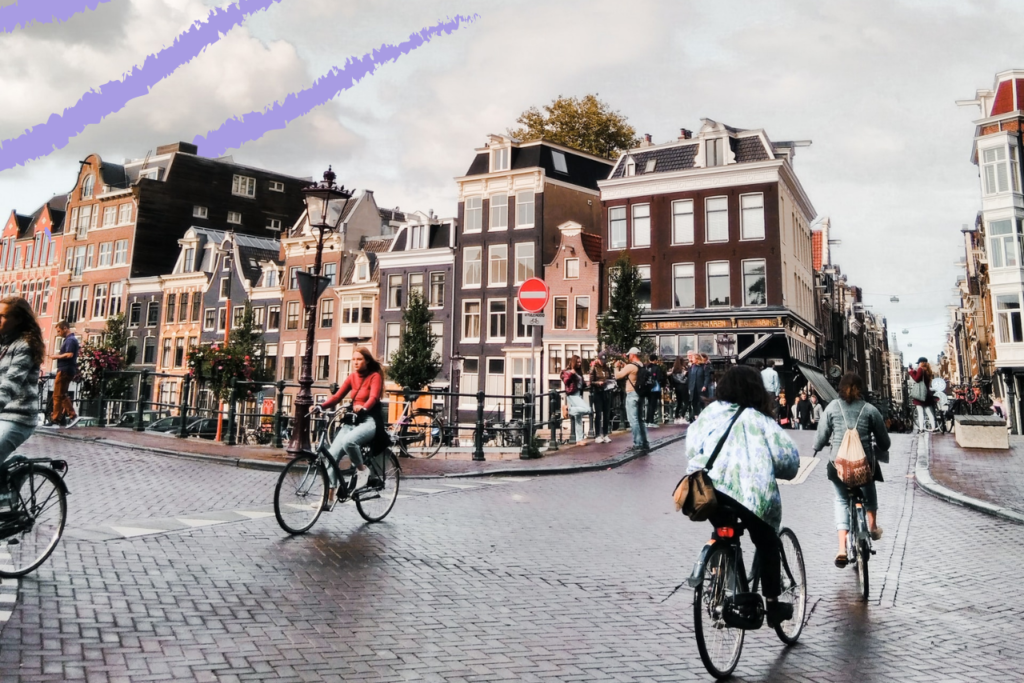
Amsterdam is a city that defies expectations, where historic canals rub shoulders with innovative design and a vibrant nightlife scene. Don’t miss the Anne Frank House or the Van Gogh Museum.
Week 2: Amsterdam to Berlin to Prague
From Amsterdam, catch a direct ICE train to Berlin, a journey of approximately 638 km that lasts about 6 hours and 20 minutes. Berlin’s blend of history, culture and contemporary cool makes it a must-visit destination. Explore the remnants of the Berlin Wall, take a stroll around the Brandenburg Gate, and savour a currywurst or two.
After absorbing all that Berlin has to offer, hop on a EuroCity train to Prague. Covering a distance of roughly 350 km in about 4 hours and 30 minutes, this journey takes you into the heart of the Czech Republic. Prague’s fairy-tale charm is irresistible, with its cobbled lanes, hidden courtyards, and the stunning Prague Castle.
Read: The perfect birthday weekend in Prague

Week 3: Prague to Vienna to Budapest
As your third week begins, board a Railjet train to Vienna. This 330 km journey takes about 4 hours. Vienna, Austria’s capital, offers a blend of imperial tradition and stunning modern architecture. Visit the Schönbrunn Palace, stroll around the historic city centre, and indulge in a slice of Sachertorte.
Your final stop is Budapest, accessible via a direct Railjet train from Vienna. The journey covers approximately 216 km and takes about 2 hours and 40 minutes. Budapest, Hungary’s capital, is split by the River Danube, with Buda and Pest offering contrasting experiences. Explore Castle Hill on the Buda side or unwind at one of the thermal baths in Pest.

Three Ways To Stretch Your Trip
If three weeks feels too short, or if Budapest seems an abrupt ending to such a grand European arc, there are three natural extensions to consider. Each pulls the journey in a different direction, and each suits a different kind of traveller.
South To Italy
For those who’d rather their trip ended somewhere warm, sun-bleached and full of pasta, head south from Budapest into the Adriatic and Italian peninsula. A Eurocity service runs from Budapest down through Slovenia to Venice, with Ljubljana making a worthwhile stopover en route. The Slovenian capital has emerged as one of Europe’s most rewarding city break destinations, all riverside cafe culture and dragon-flanked bridges.
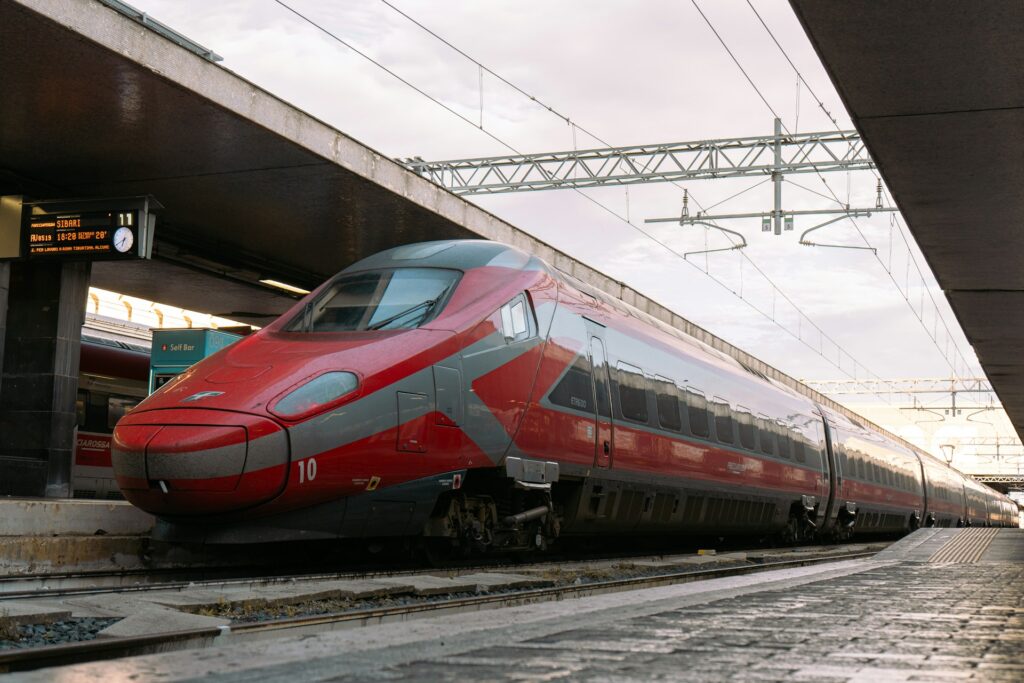
From Venice, the high-speed Frecciarossa network opens up the rest of Italy at pace. Florence is two hours south, Rome a further hour and a half beyond that. Naples, Bologna, the Cinque Terre and the lakes are all within reach for those with an extra week to play with.
North To Scandinavia
For travellers visiting in late spring or summer, and willing to swap continental warmth for long northern daylight, fjord-cut coastlines and Nordic design, Scandinavia offers a compelling counterpoint. The route works best as a diversion from Berlin or Amsterdam, heading north via Hamburg to Copenhagen, then on to Stockholm and Oslo.
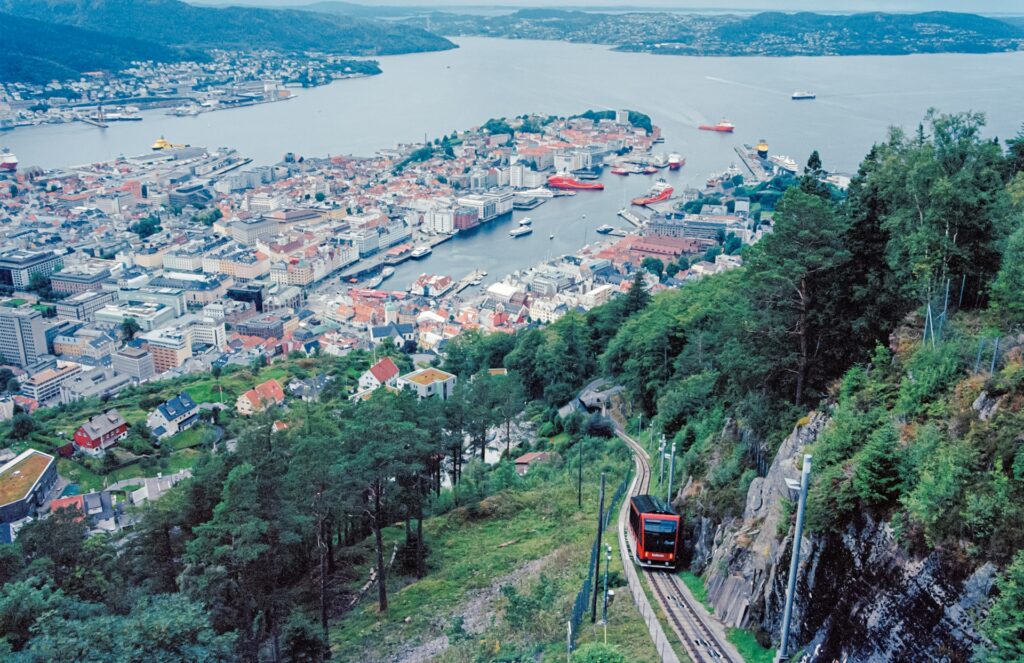
The Copenhagen-to-Stockholm sleeper service, reintroduced after a long absence, has rekindled interest in the route, while the Oslo-to-Bergen line remains one of Europe’s most cinematic train journeys, climbing through high mountain plateaux and birch forest before descending to the fjords.
Westward In Style
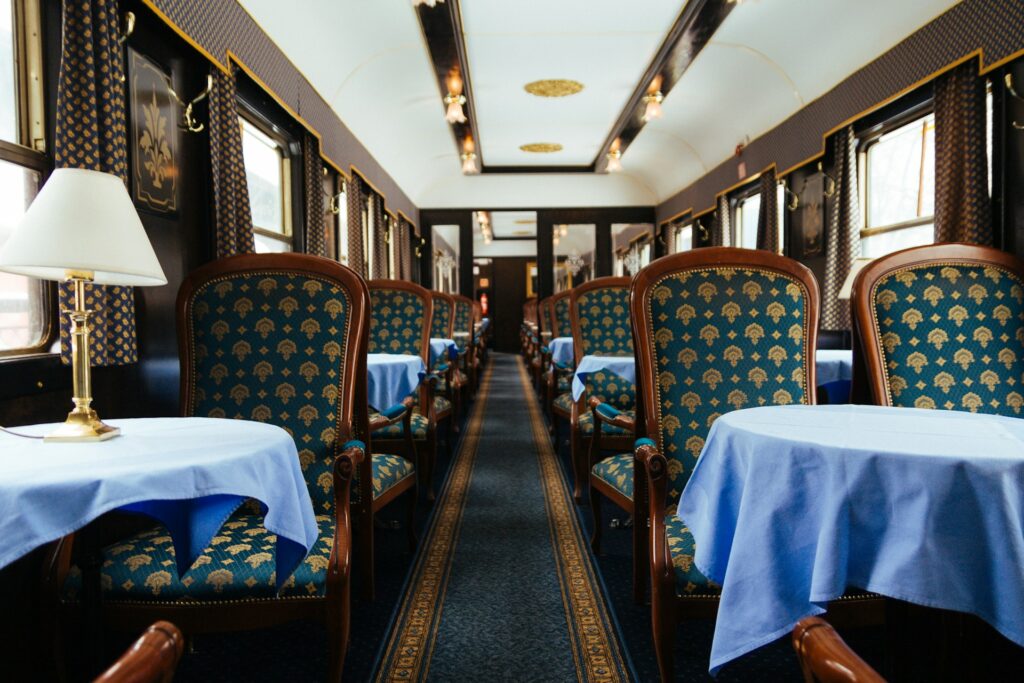
For the most romantic finale of all, luxury rail journeys such as the Belmond Venice Simplon-Orient-Express offer a rather different way to make your way back across the continent. Where interrailing is rail travel’s accessible, democratic face, the Venice Simplon-Orient-Express is its grand dame, all polished wood, vintage 1920s carriages and white-jacketed stewards.
The Budapest-to-London route picks up neatly from the end of Week 3, sweeping back across Europe over five days with overnight stops along the way. It’s the antithesis of budget interrailing in every respect bar one: the abiding belief that the journey itself is at least as good as the destination.
What Are The Different Tickets & Passes Available?
Though you could buy your tickets as you go at each European station along your route, that would be inconvenient and costly. Instead, the best options are the Eurail Pass and the Interrail Pass, for non-European residents and Europeans, respectively.
The Interrail Pass
An Interrail Pass, also known as an Interrail ticket, is a rail pass available to European residents that allows unlimited travel across the vast railway network of 33 participating countries in Europe. It’s a fantastic way to explore the continent at your own pace, offering flexibility and freedom to travel as much or as little as you like within a certain time period.
The Interrail Pass works on a simple principle. Once you’ve purchased your pass, you can hop on and off most trains in the participating countries without needing to buy individual tickets. Some high-speed or overnight trains may require a reservation, but the Interrail Pass will still cover a significant portion of the fare.
The pass comes in various types to suit different travel needs. There are Global Passes for those who want to travel across multiple countries, and One Country Passes for those who want to explore a single country in depth. The passes also come in different durations, from a few days to a month, and there are options for continuous travel or a certain number of travel days within a longer period.
The Interrail Pass is available to both European citizens and non-Europeans who are official legal residents of European countries. It’s a fantastic option for anyone wanting to see more of Europe, regardless of whether you’re a solo traveller or travelling in a group, prefer a planned itinerary or spontaneous journeys, and no matter your age. There’s always an Interrail Pass that can cater to your travel preferences and needs.

The Eurail Pass
Visitors from outside Europe can use the Eurail Pass to travel across the continent’s railway network, while permanent residents of European countries should opt for the equivalent Interrail Pass, which offers the same benefits.
The Eurail Pass is a comprehensive train ticket that provides unlimited travel across participating European rail networks for a predetermined number of travel days, ranging from 4 days to 3 months. It’s an economical option for non-European citizens or residents looking to explore single or multiple European countries.
The pass opens up some of Europe’s most striking landscapes, from the Centovalli line winding between Italy and Switzerland to the pine forests of Germany’s Black Forest. The Eurail Pass comes in two types: the Global Pass, which covers 33 European countries, and the One-Country Pass, which is specific to one country. Both offer additional benefits such as discounts on Eurostar, free local public transport in some countries, and free entry to local museums.
The Bottom Line
This three-week interrailing route from London through Central Europe is designed to show you the breadth and depth of what this incredible part of the continent has to offer. It’s an itinerary for those who want to see the most countries while enjoying direct train journeys wherever possible, with the option of stretching the trip south, north, or homeward in serious style. Remember, the joy of interrailing lies not just in the destinations but also in the journey itself. So sit back, relax, and watch Europe unfold before your eyes.