The Brexit vote didn’t end the British love affair with France. If anything, it sharpened it. Those who’ve made the move now do so with a clearer sense of what they’re signing up for: a long-stay visa, a carte de séjour, healthcare registration, the whole bureaucratic ballet that EU citizenship once spared us. The UK government’s Living in France guidance is the obvious starting point for anyone serious about the move, setting out the visa requirements that now govern British nationals staying beyond 90 days in any 180-day period.
But the paperwork is only half the battle. The bigger question is where. France is enormous and varied, and the wrong choice can be expensive to undo. Forget the obvious Riviera fantasies and the chocolate-box Provençal villages everyone has already heard of; the British expats who settle well tend to pick places where day-to-day life genuinely works, where there’s a community to plug into, and where the trade-offs are honest. Here are six of our favourites, from a proper city to a fishing village on the Spanish border.
Montpellier, Hérault
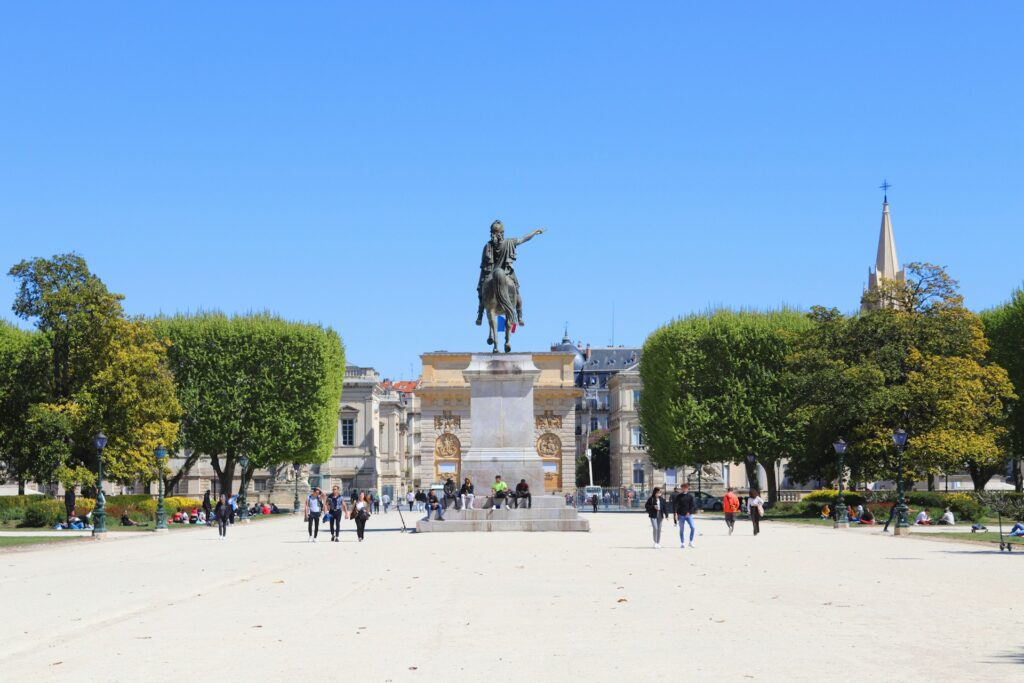
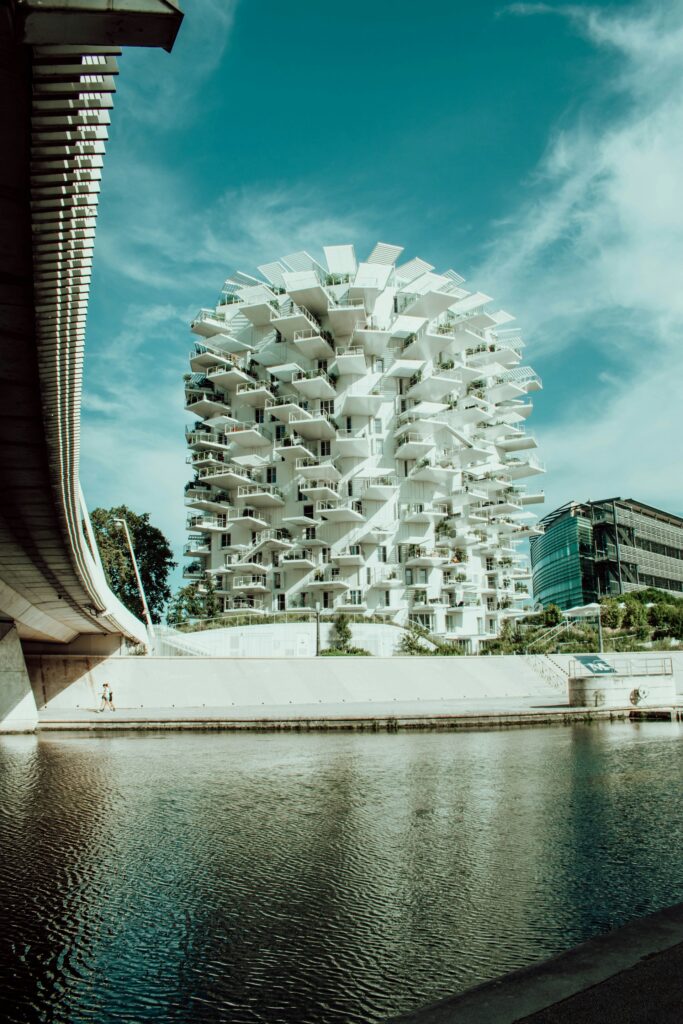
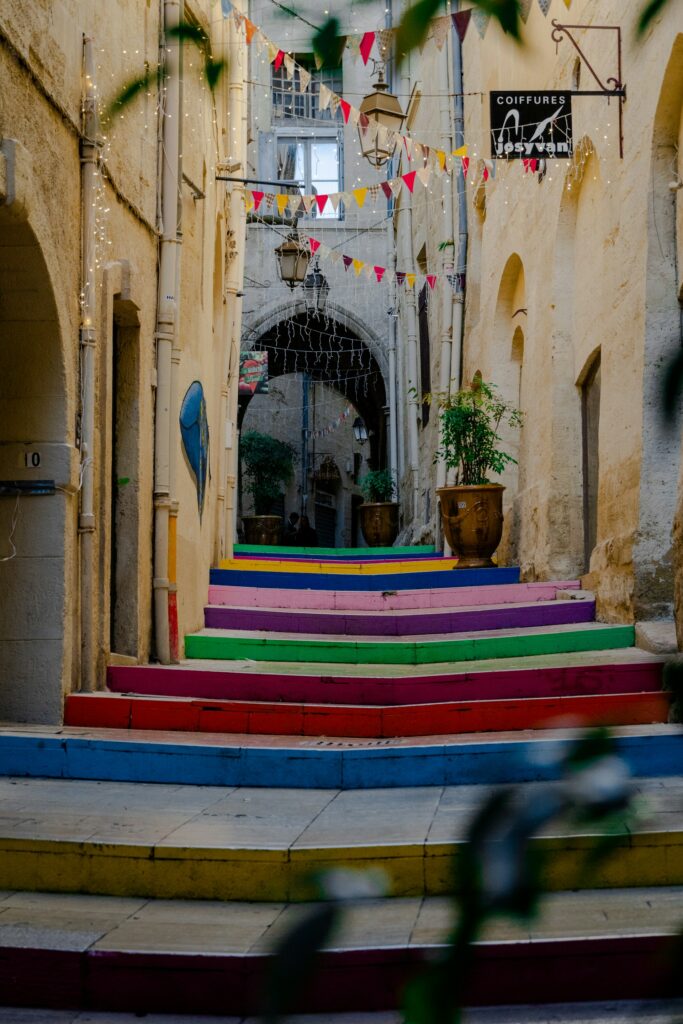
The Mediterranean south without the Côte d’Azur price tag, the city of Montpellier is young, with roughly a third of its population studying at one of Europe’s oldest universities, and that gives the place an energy you don’t get in more obvious sun-belt cities. The historic core, the Écusson, is medieval and walkable; the four-line tram network is excellent and cheap; Montpellier-Méditerranée airport puts you on a Stansted, Gatwick or Edinburgh flight in under two hours.
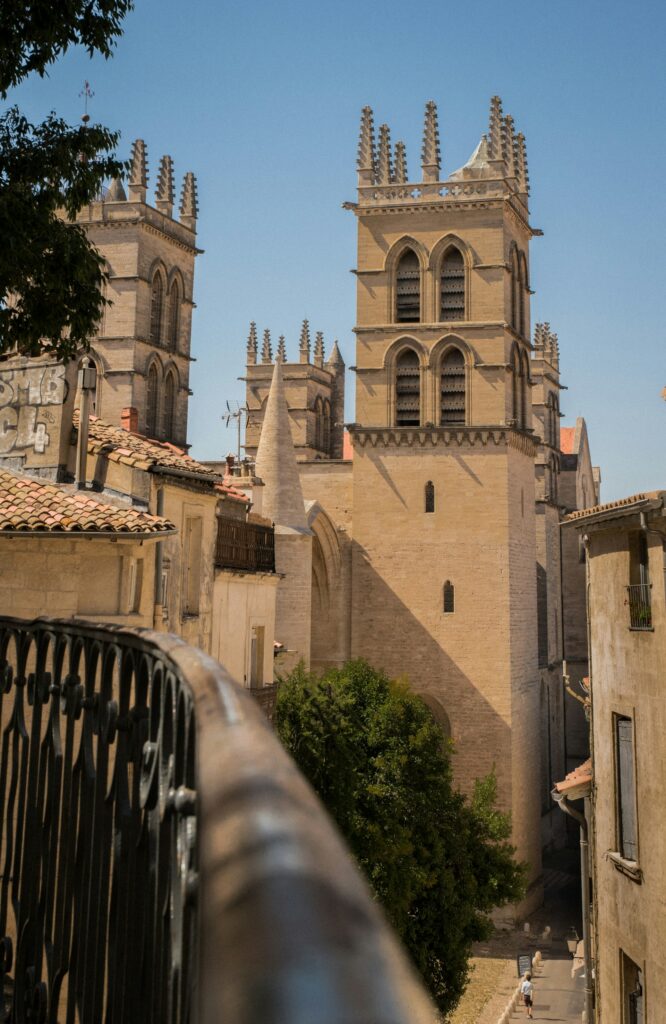
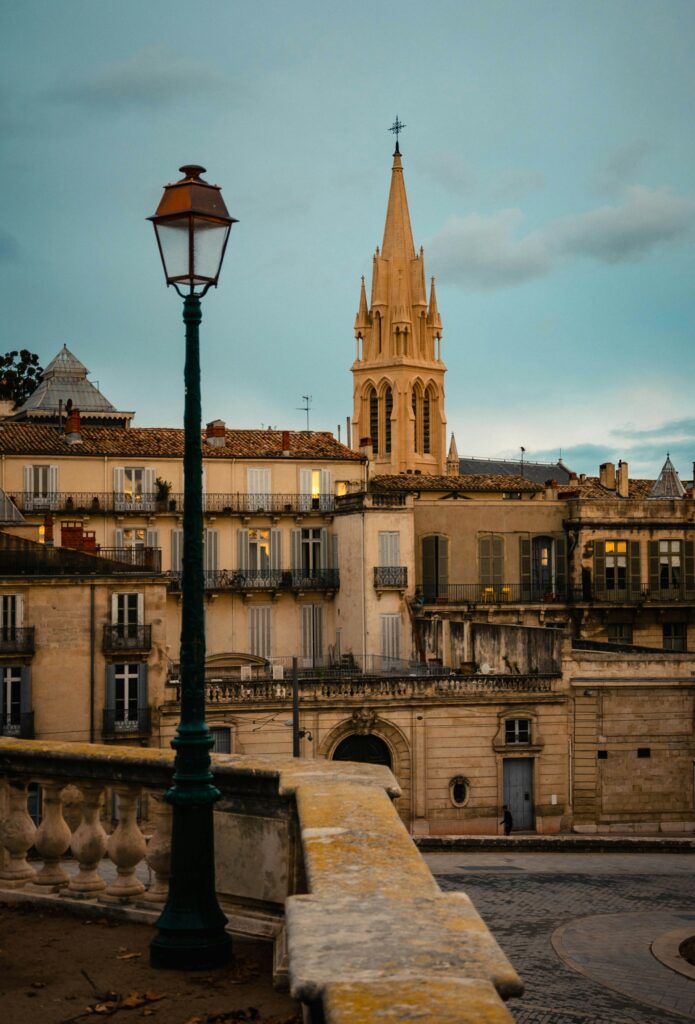
For families, the École Internationale Montpellier offers a proper bilingual programme from maternelle to lycée, and the British Section at Lycée Jean Monnet runs the OIB (Option Internationale du Baccalauréat) for older children. CHU Montpellier is one of France’s larger teaching hospitals, so specialist healthcare is on your doorstep.
Property is meaningfully cheaper than Bordeaux, particularly in residential quartiers like Aiguelongue or Hôpitaux-Facultés away from the centre. EasyStart Relocation, which handles end-to-end relocation paperwork for international expats across France, points out that processing times vary significantly depending on local préfecture capacity, so factor that into your timeline rather than assuming the speed of a Paris-pace process.
Summers are punishing (35°C-plus is normal in July and August), and rental supply tightens every September when students return. If you want sunshine, sea access, and a city that still feels like a city, Montpellier is the strongest all-rounder in the south.
Bordeaux, Gironde
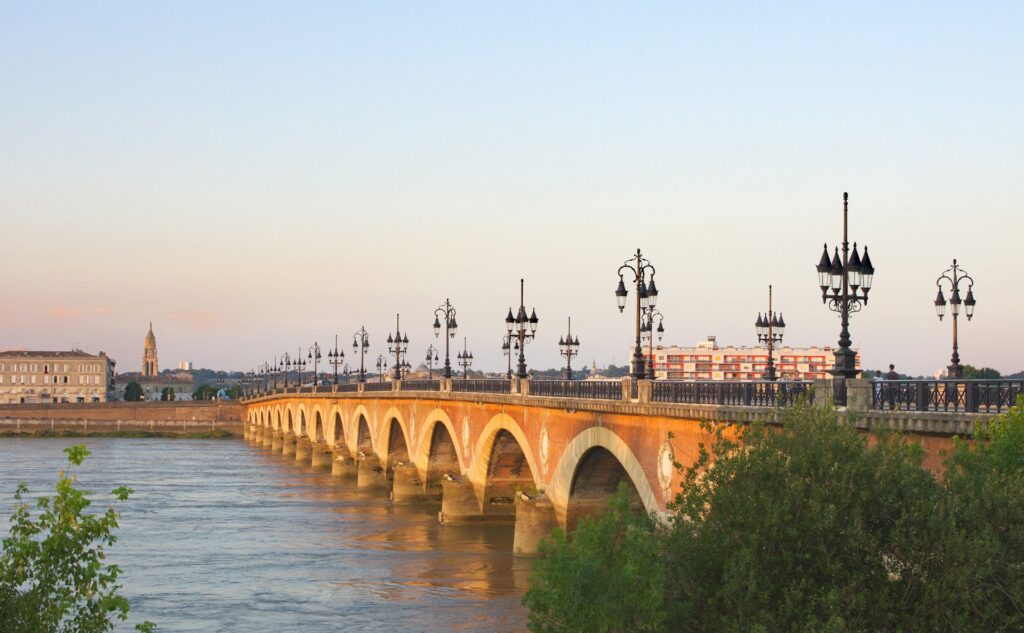
Bordeaux underwent a long, expensive facelift over the past two decades and emerged as one of France’s most liveable cities. The wine economy buys it a level of polish you don’t see in other regional capitals, but the real draw for British expats is practical: a two-hour TGV to Paris Montparnasse, a working international airport, a proper job market for those still earning, and Atlantic beaches an hour west.
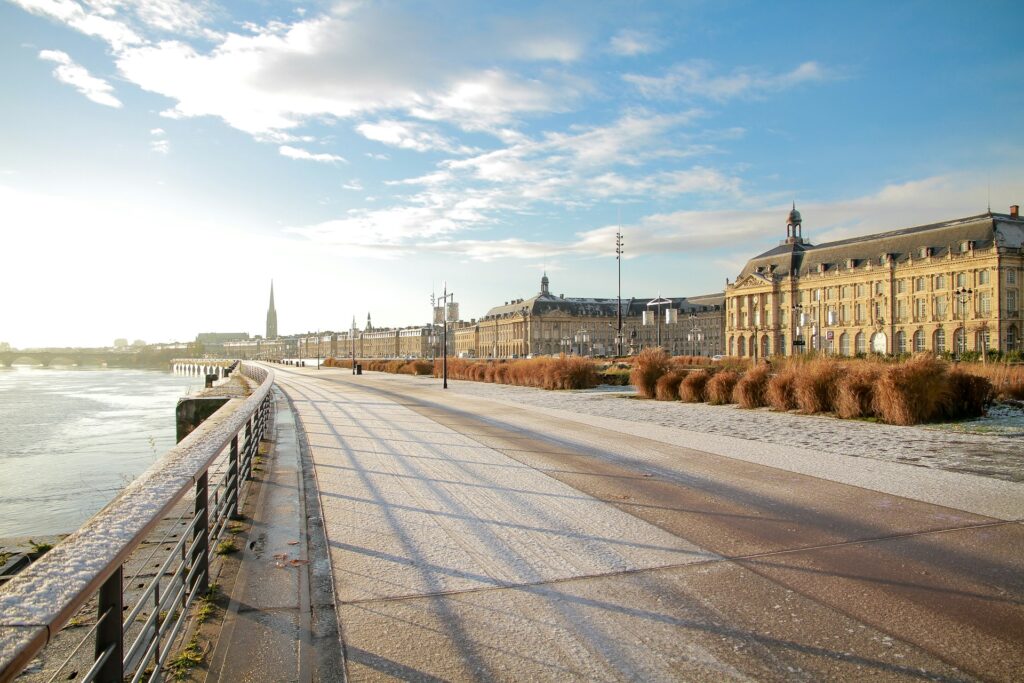
Property prices climbed sharply post-renovation but have softened since 2024. According to data published by the Notaires de France, median prices for older apartments in Bordeaux now sit at around €4,087 per square metre, with houses around €4,460. The Chartrons and Saint-Pierre districts push higher; the surrounding villages of the Médoc and Entre-Deux-Mers offer the rural option for considerably less. Bordeaux International School covers ages 3 to 18 on a British and IB curriculum, and there are well-regarded sections internationales britanniques at Lycée François Magendie. CHU Bordeaux handles complex care, and English-speaking GPs are reasonably easy to find through the Doctolib platform.
The food, predictably, is excellent. Confit duck, cèpes in autumn, and oysters from the Bassin d’Arcachon are the local religion.Be aware that the city fills up around two key wine-trade dates: Vinexpo, the international wine and spirits fair held in June, and the September vendanges (grape harvest), when buyers, journalists and visiting château owners descend on Bordeaux. Book restaurants and travel well ahead if you’re moving or visiting around either.
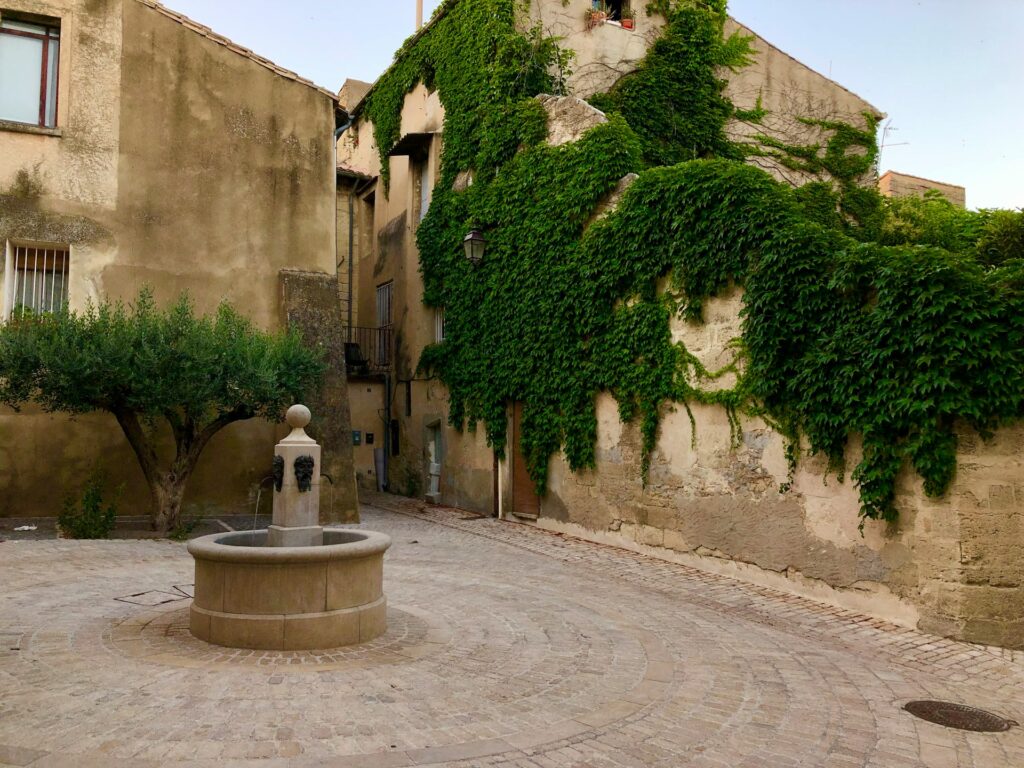
Uzès, Gard
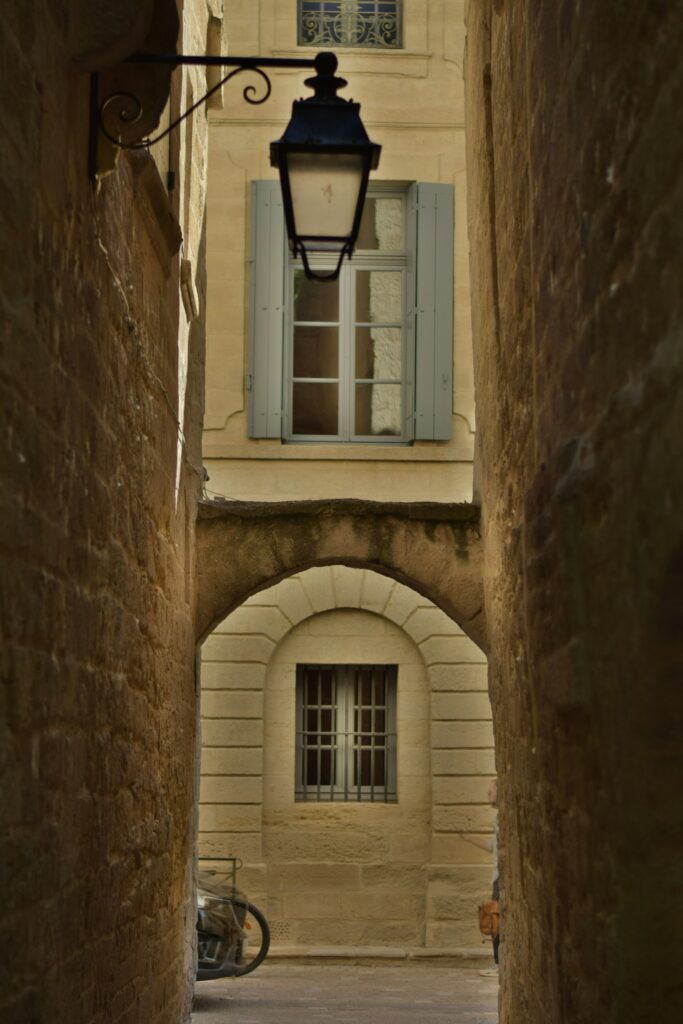
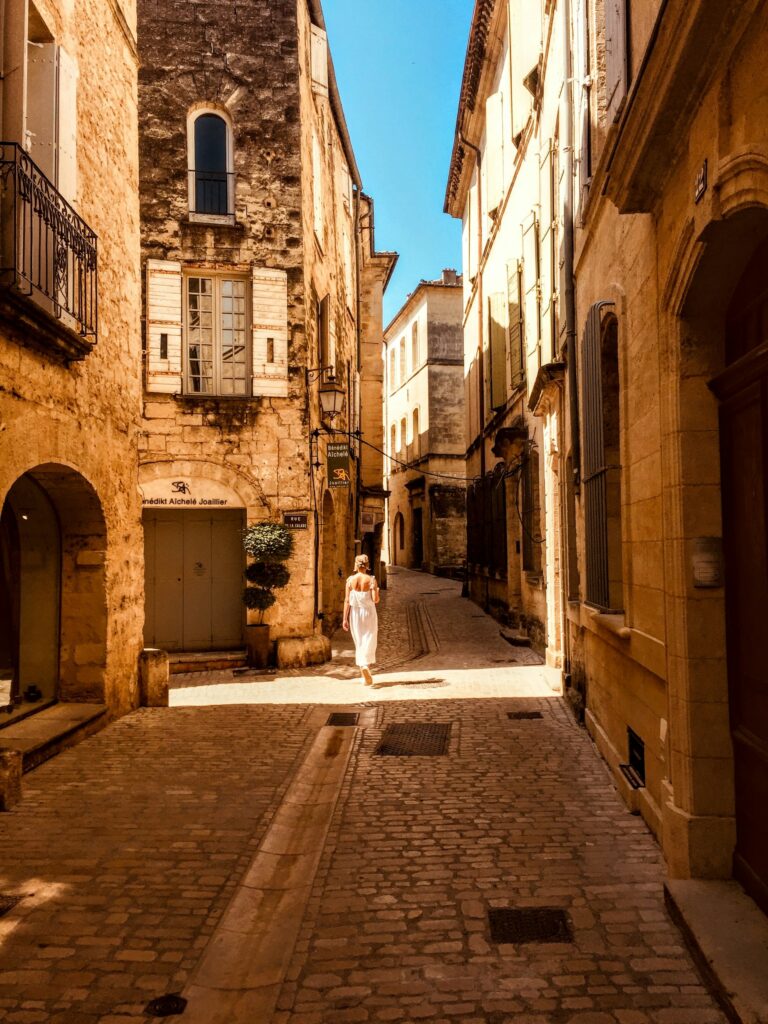
Often called the most beautiful small town in southern France, and for once the description holds up. Uzès has a perfectly preserved arcaded square (the Place aux Herbes), a Wednesday and Saturday market that’s a genuine destination, and a position that puts you within an hour of the Cévennes, the Camargue, Avignon and Nîmes. It attracts a slightly older, more affluent British contingent, and the town has adapted accordingly with English-speaking notaires, immobiliers and accountants.
Property is the catch. Uzès has been comprehensively discovered, and prices reflect it; expect to pay considerably more for a habitable village house in town than you would for the equivalent in less fashionable corners of the Gard. The surrounding villages (Saint-Quentin-la-Poterie, Arpaillargues, Montaren) offer better value while keeping you within a short drive of the market square. The nearest international school is the École Internationale Bilingue in Nîmes, 25 minutes away, and many families opt for the standard lycée system supplemented by private tutoring.
Healthcare is the practical concern. There’s no major hospital in Uzès itself; the CHU Nîmes is your reference centre for anything serious, and Avignon has good private cliniques. Nîmes airport handles seasonal Ryanair routes, and Marseille Provence is 90 minutes by car for year-round connections.
Sarlat-la-Canéda, Dordogne
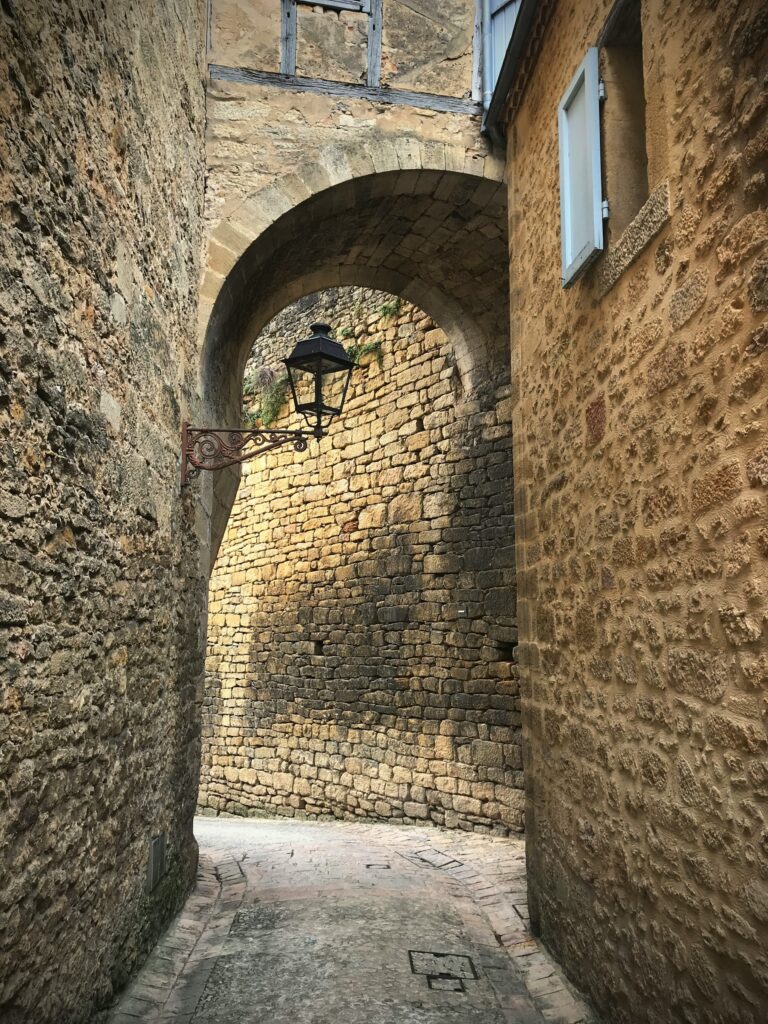
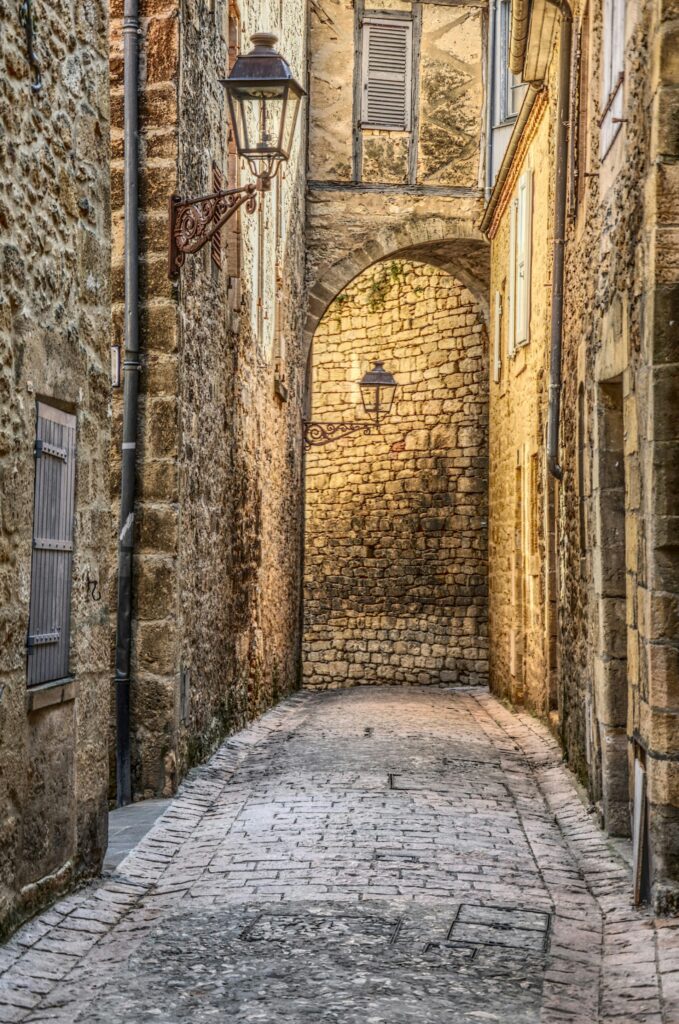
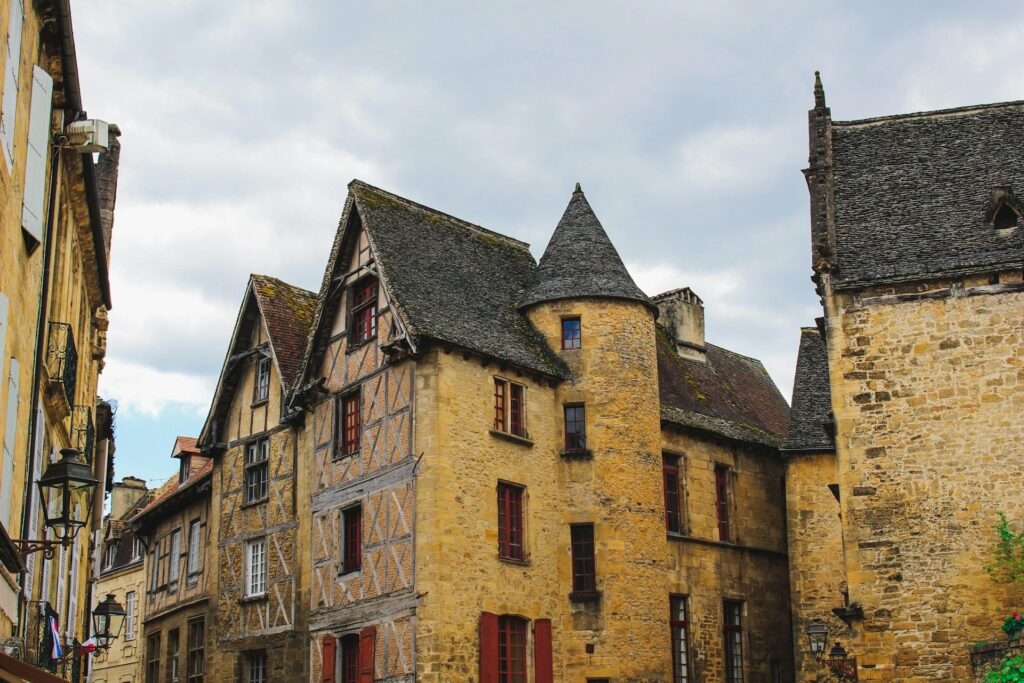
If you want the Périgord properly, Sarlat is the obvious answer. The medieval centre is one of the best-preserved in Europe, the Wednesday and Saturday markets are worth planning your week around, and you’re in the heartland of duck, walnut, truffle and cèpe country. The British community here is well-integrated rather than enclaved (Eymet, an hour west, is where the bowls-club crowd gathers if that’s your scene).
Property is genuinely affordable by UK standards, and stone longères in the surrounding countryside still come up regularly, though renovation costs are rarely modest and the work itself can take years longer than you’d plan. Bergerac airport (50 minutes) handles Ryanair and easyJet routes to several UK cities seasonally. For schools, the local collège and lycée are solid; for international curricula you’re looking at boarding at Bordeaux International School or the British School of Toulouse, both of which take weekly boarders.
Healthcare is the honest caveat. The Dordogne is one of the départements explicitly targeted by the French government’s 2025 mission de solidarité territoriale to address rural GP shortages, with nine of its communautés de communes identified as priority zones. The nearest large hospital is CH Sarlat for everyday matters or CHU Bordeaux (two hours) for anything specialist. Tourism is intense in summer; September through May the town is calm and beautiful.
Collioure, Pyrénées-Orientales
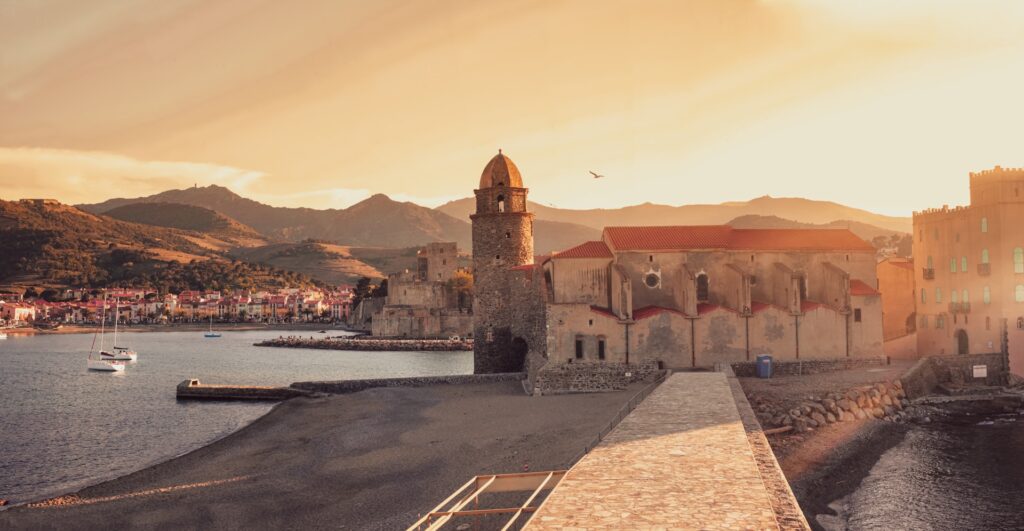
For those willing to go further south than seems sensible, Collioure sits on the Côte Vermeille where the Pyrenees fall into the Mediterranean, ten minutes from the Spanish border. Matisse and Derain painted here; the light is genuinely different. It’s a working fishing port that became an artists’ colony and is now a small, intensely beautiful town with anchovy smokehouses, a Templar castle in the harbour, and Banyuls vineyards stacked on the hills behind.
Be honest with yourself about scale and seasonality. Collioure has around 2,500 residents, doubles in summer, and goes properly quiet from November to March. There are no international schools locally; Perpignan (30 minutes) has the École Internationale and several sections européennes. The CH Perpignan handles most healthcare needs, with Barcelona two hours by car for anything more specialist (many residents register with Spanish private clínicas as a backup).
Property in Collioure itself is expensive for what it is, with the villages immediately inland (Banyuls-sur-Mer, Port-Vendres, Argelès-sur-Mer) offering significantly better value. The Catalan influence runs through the food and the festivals, and the cross-border life is a genuine feature rather than a quirk; many residents shop weekly in Figueres or La Jonquera and treat Barcelona as their nearest major city.
Strasbourg, Bas-Rhin
A wildcard for the list, and the one most British expats overlook. Strasbourg is technically French but functionally Franco-German, with a quality of life routinely ranked among the highest in France. The European Parliament gives it a serious international footprint, which means strong Anglophone schools (the École Européenne de Strasbourg in particular, free for children of EU institution staff and fee-paying for others), a multilingual professional environment, and an unusually well-funded public transport network.
Property is reasonable for a city of its calibre, with the Neustadt offering grander options and the suburbs (Robertsau, Schiltigheim) providing better value for families. CHU Strasbourg-Hautepierre is one of the better teaching hospitals in northern France, and proximity to Germany means many residents cross-border for certain specialist treatments. Strasbourg airport handles direct UK flights, though many residents use Frankfurt-Hahn or Basel-Mulhouse for cheaper routes.
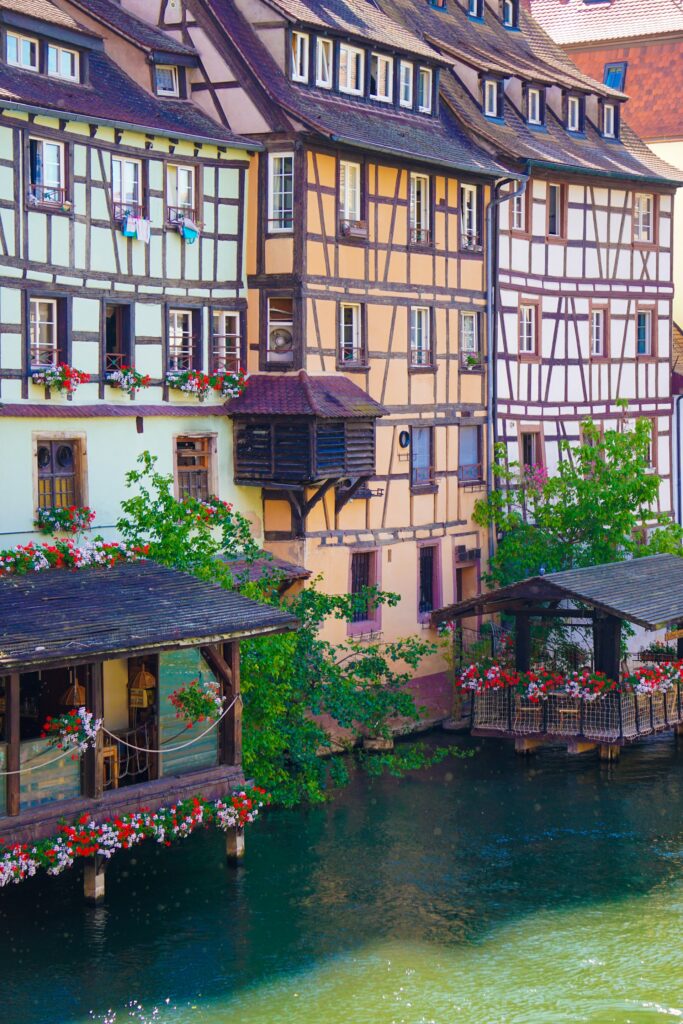
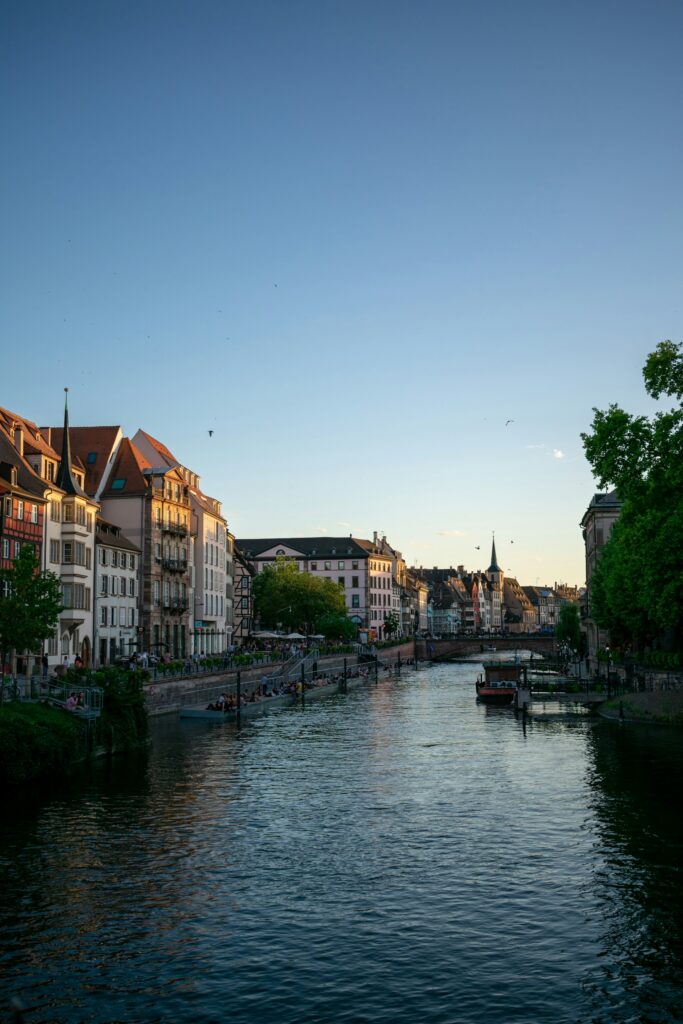
Winters bite (this is not the south, and January regularly drops below freezing), but if you want a city with international institutions, easy access to Germany and Switzerland, and a properly different cultural register, nowhere else in France quite matches it. The winstubs serve choucroute and Riesling rather than cassoulet and red, which is part of the appeal.
The Bottom Line
There’s no single right answer, but there is a wrong way to choose: viewing properties before you’ve understood the visa route, the healthcare registration, the carte de séjour timeline and the tax implications. Pick the town that fits the life you actually want, then sort the paperwork around it. The six places above all work; what matters is matching the trade-offs to your honest situation, and giving yourself enough time to do the move properly.