The anti-ageing skincare market is enormous, and the ingredient lists on most moisturisers read like a chemistry textbook. Some of those ingredients have real research behind them and can meaningfully improve how your skin looks and feels over time. Others are filler, marketing flourishes, or actives with thinner evidence than the packaging suggests. The trick is knowing which is which before you spend £80 on a jar.
The good news is that a well-formulated anti-ageing moisturiser, used consistently, can genuinely help. It can hydrate, support the skin barrier, and over months of use improve the appearance of fine lines, dullness and uneven texture. What it can’t do is reverse ageing wholesale, rebuild lost collagen at depth, or undo years of sun damage, and any product claiming otherwise is overstating its case. With realistic expectations set, here are the ingredients worth looking for.
First, The Ingredients With The Strongest Evidence
If you’re going to spend money on anti-ageing skincare, these are the active ingredients with the deepest research base behind them. Everything else is supporting cast.
Retinoids. This family of vitamin A derivatives, including retinol, retinaldehyde and retinyl esters, has the most robust research behind it of any over-the-counter anti-ageing active. Studies dating back several decades suggest retinoids may help improve fine lines, skin texture and pigmentation when used consistently over months rather than weeks. They need introducing slowly to avoid irritation, ideally a couple of times a week before building up, and they always require daily SPF since they can increase sun sensitivity. If you only have room in your budget for one anti-ageing ingredient, this is the one.
Peptides. Short chains of amino acids that appear to signal the skin to behave as if it’s repairing itself. The evidence varies by specific peptide, but matrixyl and copper peptides have the most research behind them and show encouraging results for supporting collagen production. Worth noting that “peptides” on an ingredient list is a category rather than a guarantee, so it’s worth checking which specific peptides are included before paying premium prices.
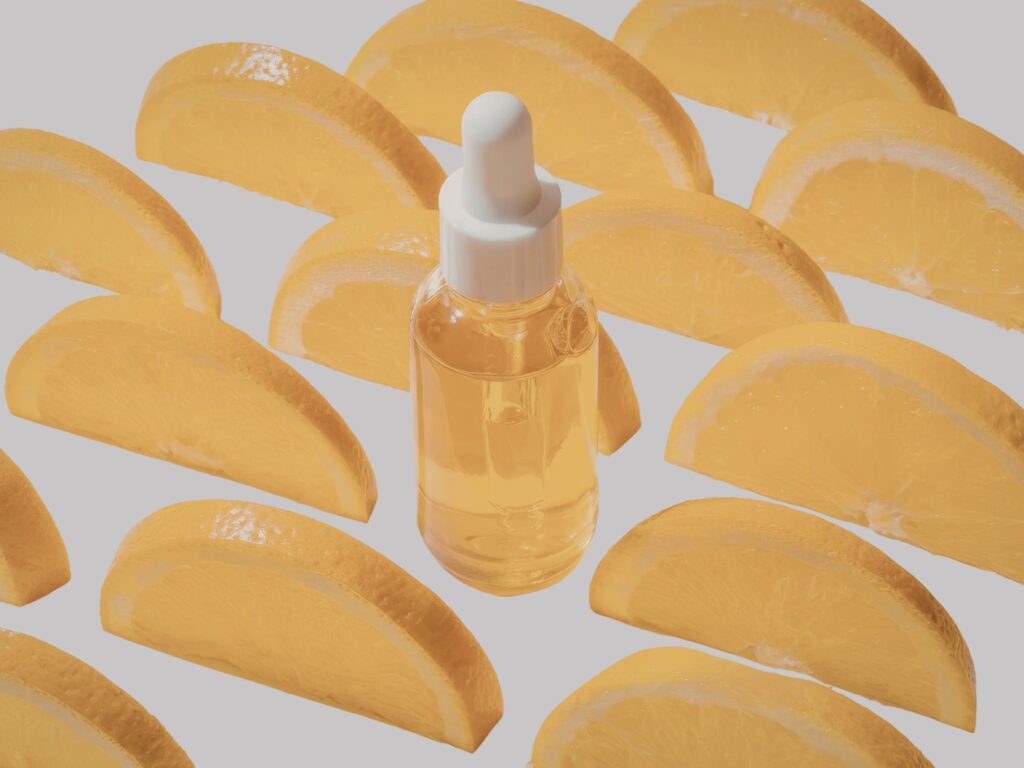
Vitamin C. Antioxidant protection during the day, plus a brightening effect over time. The evidence for vitamin C protecting against environmental damage when paired with SPF is solid, and there’s reasonable research suggesting it can improve the appearance of pigmentation and dullness with consistent use. L-ascorbic acid is the gold standard but is unstable in formulation, so well-made products in opaque packaging matter here.
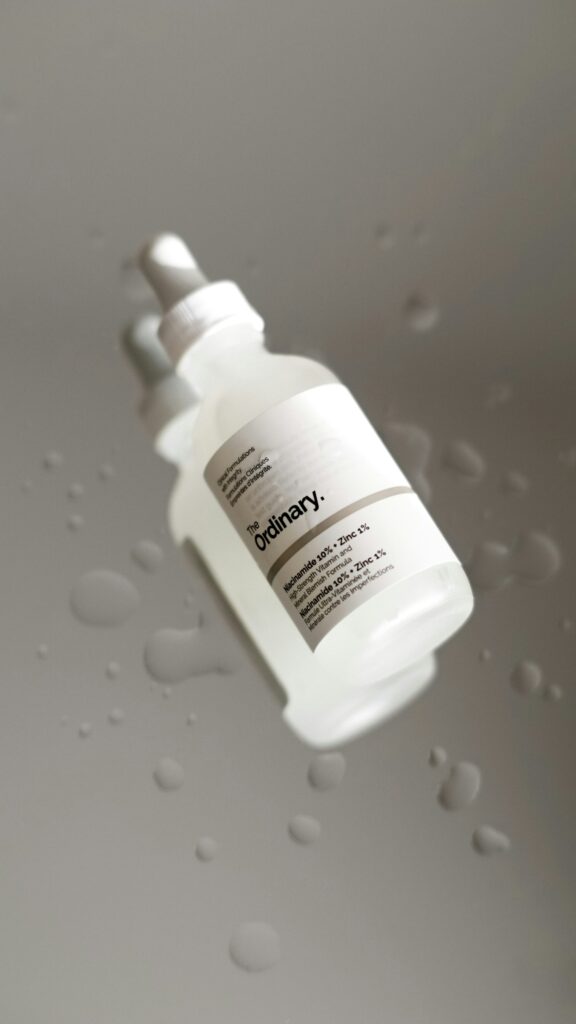
Niacinamide. A form of vitamin B3 that supports the skin barrier, offers mild brightening, and has some evidence behind it for improving the appearance of fine lines. It’s well-tolerated by most skin types and plays nicely alongside other actives, which makes it a sensible everyday inclusion.
The most effective formulations tend to combine two or three of these actives at sensible concentrations rather than throwing everything at the wall, and a healthy range of anti-ageing moisturisers on the market are built around exactly this principle.
The Hydration & Barrier Workhorses
These aren’t anti-ageing ingredients in the strict sense, but they do the foundational work that lets the actives above perform.
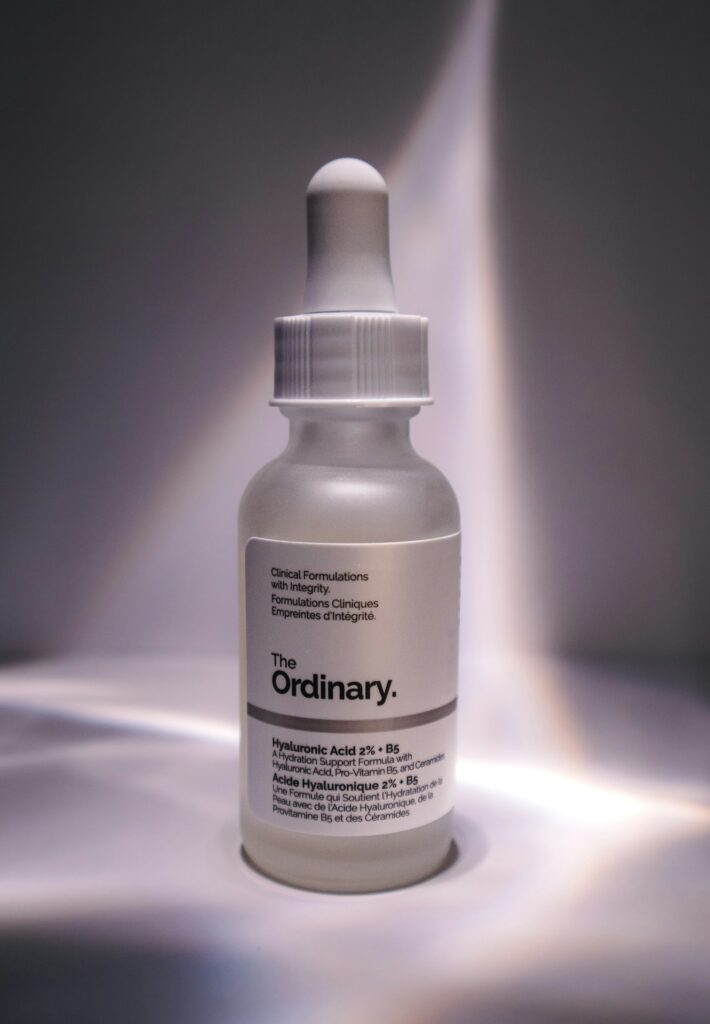
Hyaluronic acid draws water into the upper layers of the skin and plumps temporarily, which makes fine lines look less noticeable in the short term. It doesn’t do anything for collagen, but well-hydrated skin genuinely does look smoother and more youthful.
Ceramides are the lipids your skin already uses to maintain its barrier. Including them in a moisturiser supports that barrier function, which matters more as you get older since barrier function tends to decline with age. Skin that’s losing water faster than it should will look duller and feel tighter regardless of what actives sit on top.
Squalane, a stable non-greasy oil that mimics the skin’s own sebum, helps keep moisture in without congesting the skin. A useful addition particularly for combination and mature skin types.
Choosing By Skin Type
The right formulation matters as much as the ingredients themselves, and what suits one skin type will sit badly on another.
For dry and mature skin, rich creams built around ceramides, peptides and squalane tend to feel better and work harder. For oily and combination skin, lightweight gel-cream textures with niacinamide and hyaluronic acid will hydrate without congesting. For sensitive skin, fragrance-free minimalist formulations with shorter ingredient lists, introducing actives slowly and one at a time, will save you from the reaction-and-restart cycle that derails so many routines.
How To Actually Use Them
Application matters almost as much as ingredient choice, and most of us are getting at least one part of this wrong.
Apply to slightly damp skin after cleansing, which helps lock in hydration. Use morning and night consistently for at least eight to twelve weeks before judging whether something’s working, since most evidence-backed actives need that long to show meaningful results. Follow with SPF every morning, regardless of weather or season, because without it you’re undoing the work of every active you’ve just applied.
The most common mistake is using too many actives at once, which usually results in irritated skin and abandoned routines. Two well-chosen ingredients used consistently will outperform six high-strength actives used erratically.
The Habits That Outperform Any Moisturiser
The hardest thing to accept about anti-ageing skincare is that lifestyle factors do more for your face than anything in a jar.
Daily SPF is the single biggest difference-maker in how skin ages, full stop. Adequate sleep, enough protein and antioxidants in your diet, limiting alcohol, not smoking, and managing chronic stress all show up on your face over years and decades. Getting the basics right matters more than spending £80 on a cream and expecting it to do work that sleep and sunscreen should be doing.
The Bottom Line
The best anti-ageing moisturiser is one with two or three evidence-backed actives in a formulation that suits your skin type, used consistently for long enough to actually work. Avoid anything promising dramatic transformation, be sceptical of ingredients with thin evidence behind them, and put more energy into SPF and sleep than into chasing the next miracle ingredient. Most of us are overcomplicating this. The fix is usually fewer, better-chosen products, applied consistently, for longer than feels reasonable.