
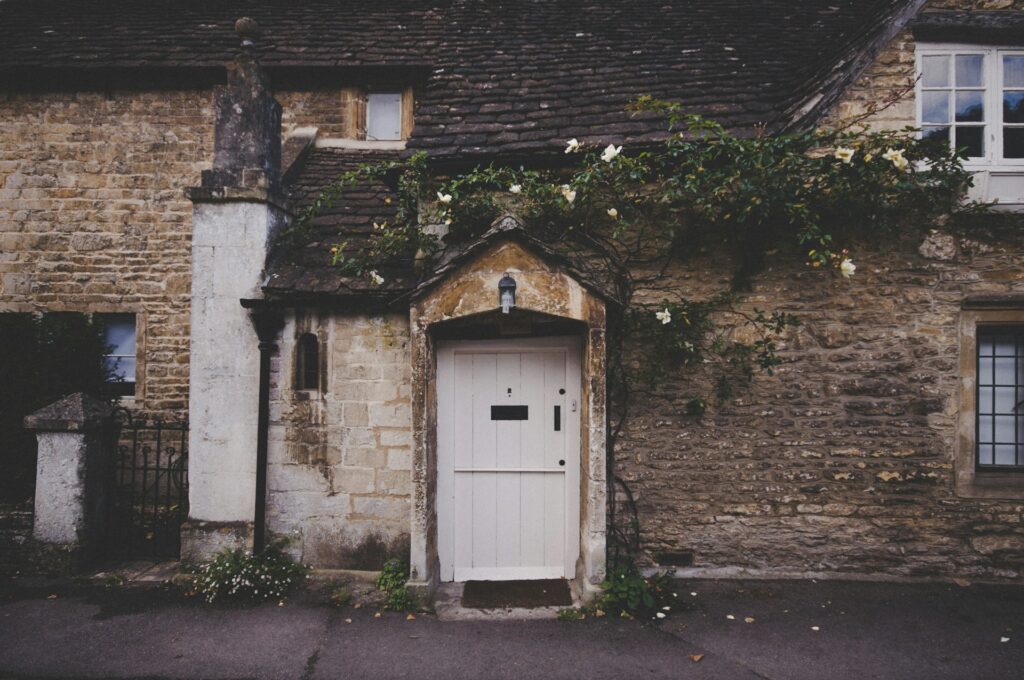
A weekend viewing in spring sells almost any cottage. The wisteria’s out, the lane looks like something off a National Trust biscuit tin, and the flagstone kitchen smells faintly of woodsmoke. Then you move in during a wet February and discover the oil tank’s three-quarters empty, the septic tank hasn’t been emptied since 2019, and the listed status you found charming now applies to the kitchen window you wanted to replace.
This isn’t to put you off. Country cottages, when they work, are wonderful. But they often come with quirks that don’t show up in the cheerful Rightmove listing, and the seven checks below come up again and again in conveyancing reports and surveyor write-ups. Some will apply to every cottage. Others only to the more out-of-the-way ones. Either way, running through them before you exchange will save you a lot of grief once the keys are in your hand.
How The Heating Actually Works
A meaningful minority of cottages, particularly older ones or those further from larger villages, aren’t on the gas grid. If yours isn’t, that usually means oil, LPG, or an air-source heat pump, and each comes with its own running costs and quirks. Oil is still the most common of the three, and you’ll want to check the tank’s age, capacity, and bund (the secondary containment around it).
Domestic oil tank installations are governed by OFTEC standards and Building Regulations, with single-skin tanks no longer suitable in many situations (within 10 metres of a watercourse, 50 metres of a borehole, or where a spill could reach drains). A leaking single-skin tank can cost five figures to remediate.
Ask the seller for the last three delivery receipts. That tells you what a real winter costs to heat the place, not what the agent guesses. A poorly insulated 18th-century cottage with solid stone walls can easily burn through 2,500 litres a year, which at current prices is a meaningful line item rather than a rounding error.
If the cottage runs on an Aga or Rayburn, find out whether it’s the heat source for hot water and radiators too. Some owners switch them off in summer and rely on an immersion heater, which is fine, but you’ll want to budget for servicing, which typically runs £200 to £500 a year. They’re glorious things to cook on. They’re less glorious things to find out, in October, that you don’t know how to relight.
Read: How to bring cottagecore charm to your city home
Why The Property Likely Needs A Specialist Insurance Quote
Country cottages rarely fit the tidy boxes mainstream insurers use. Solid stone walls, timber-framed construction, listed building status, flat-roof extensions, and outbuildings used for storage all push a property into non-standard territory. If the cottage has been underpinned at any point, or sits in a flood-risk postcode, mainstream comparison sites will often refuse to quote at all, which is a fun thing to discover three days before completion.
According to the team at Intelligent Insurance, one of the biggest pitfalls for cottage buyers is underinsuring against the rebuild cost, which is rarely the same as the market value. For older cottages built with reclaimed stone or lime mortar, the rebuild figure can be considerably higher, since you’re not just paying for materials but for craftspeople who know how to work with them.
The reinstatement valuation in your surveyor’s RICS report is the number your buildings cover should match, not the price you paid. Specialist insurers are also more likely to recognise non-standard features like thatch, listed status or unusual outbuildings as part of the policy rather than reasons to decline cover.
What’s Going On With The Drains
Most cottages are on mains drainage, but a significant minority aren’t, particularly older properties and those in smaller hamlets. If yours falls into that group, you’re dealing with a septic tank, cesspit, or a small private treatment plant. Since the 2020 General Binding Rules came in, septic tanks that discharge directly to a watercourse have been illegal in England, and the responsibility for upgrading falls on the current owner before sale. Your solicitor should ask for evidence of compliance, but it’s worth raising directly during the viewing rather than leaving it to surface later.
Ask three things: when was it last emptied, where does it discharge to, and is there a maintenance log. A modern treatment plant needs annual servicing and emptying every one to three years depending on use. Replacing a failed system can cost £4,000 to £10,000 once you factor in groundworks and connection, which is the kind of unexpected expense that tends to sour the romance of cottage life rather quickly.
Damp, Ventilation & The Smell Test
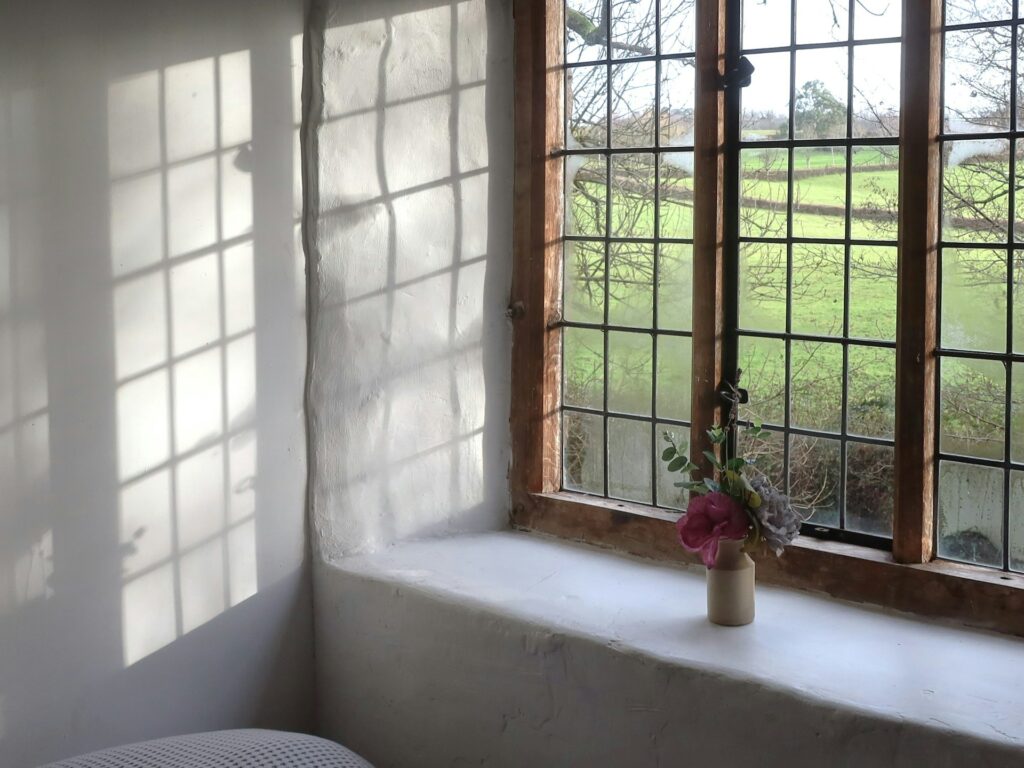
Old cottages and damp are old friends. Solid stone walls don’t have cavities to keep moisture out, lime mortar needs to breathe, and decades of well-meaning previous owners slathering on modern cement renders or plastic paints have trapped moisture in walls that were never designed to be sealed up. The result is rising damp, penetrating damp, condensation, or some combination of all three.
A good Level 3 RICS survey will pick up the major issues, but use your nose at the viewing too. Musty smells in cupboards, salt blooms on internal walls, blistered paint behind sofas, and black mould around window reveals are all worth flagging. Ask about the ventilation, particularly in the kitchen and bathrooms. Cottages were built to breathe; modern double glazing and extractor fans can change the equation in ways that take a few winters to reveal themselves.
If the property has had chemical damp-proofing injections, treat that as a question to investigate rather than a reassurance. The treatment is sometimes the cause of the problem rather than the cure, especially in older buildings where breathable lime-based solutions would have been more appropriate.
Boundaries & Land Registry Surprises
Older properties are notorious for boundary disputes. Fences drift over decades, neighbours park or plant on land they don’t quite own, and garden extensions quietly absorb strips of adjoining plots.
The Land Registry title plan gives you the general boundary, but it’s not precise to the centimetre, and older rural plots sometimes have features on the ground that don’t match the filed plan at all.
Ask your solicitor to check for any rights of way, easements, or access rights registered against the title. Footpaths running through gardens or across driveways are more common than you’d think, and they’re very difficult to reroute once established. If the cottage comes with land, confirm where the maintenance obligations sit. Hedgerow upkeep, ditch clearance, and fencing between your property and any neighbouring agricultural land can all fall to the buyer, and the costs add up if several hundred metres of stock fencing need replacing.
Access, Broadband & Mobile Signal
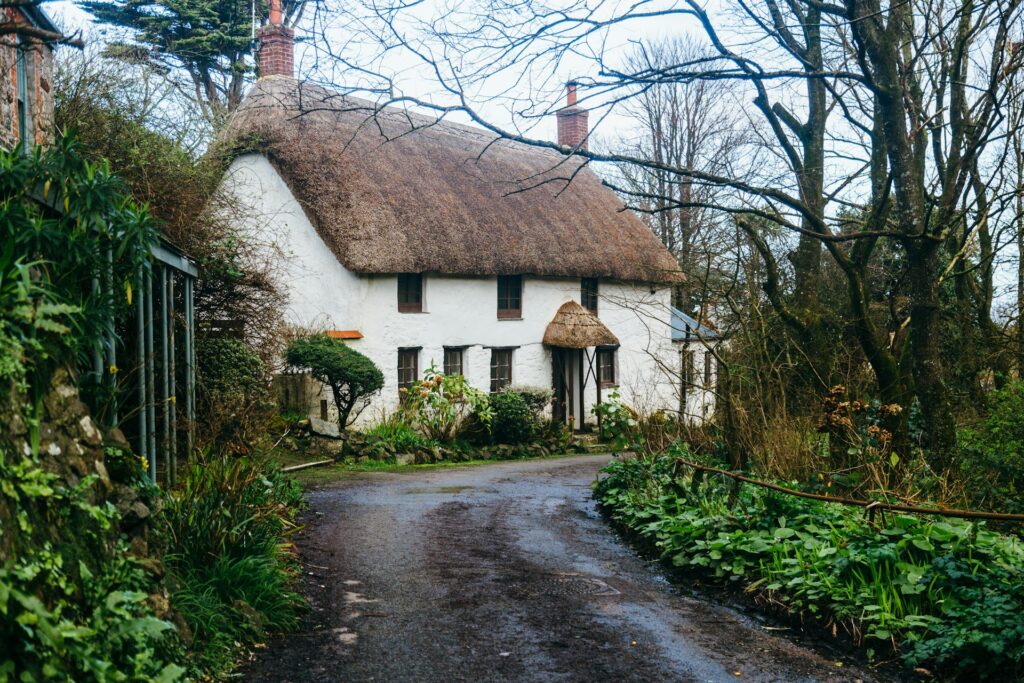
If the cottage is on a private road or shared driveway, find out where the maintenance obligations sit. Disputes over potholes and resurfacing are surprisingly common, surprisingly heated, and surprisingly expensive to litigate, and they tend to surface six months in rather than during the viewing.
Then there’s connectivity, which matters more than ever if you’ll be working from home. Check the actual line speed at the postcode using Ofcom’s broadband and mobile checker, not just whether full fibre is available in the area. Test all four mobile networks inside the cottage during the viewing too, since thick stone walls can knock signal out completely even in well-served villages. If the cottage is more isolated, ask whether the area has frequent power outages and whether there’s a wood-burner or solid-fuel backup for heat.
Renovation Reality Check
Most cottages need work. The question is whether you’ve priced it honestly. Repointing solid stone walls with lime mortar runs around £60 to £100 per square metre. A new oil boiler with installation is £3,500 to £5,500, and rewiring a three-bedroom house typically lands between £4,450 and £8,000, before any redecoration. Solid stone walls, lath-and-plaster ceilings and awkward access tend to push you toward the upper end of those ranges rather than the lower.
If the property is listed, every external change needs listed building consent, and many internal ones do too. Listed building consent applications should be determined within eight weeks, but factor in time for pre-application advice, preparing a heritage statement and, if needed, revisions to your plans. For more complex projects, the full process from initial discussions to approved consent can take several months. The local conservation officer is generally the most important relationship you’ll cultivate in the first year of ownership, so it’s worth starting on the right foot.
The Bottom Line
A cottage purchase rarely goes wrong because of the obvious stuff. It goes wrong because someone assumed the boiler was newer than it was, didn’t realise the access drive was unadopted, or didn’t budget for a non-standard insurance premium. Spend a weekend on these seven checks before you exchange and you’ll have a much clearer picture of what you’re actually buying, beyond the wisteria.
And once you’ve moved in? The wisteria really is glorious.