Salt is the single most important ingredient in any kitchen. It’s not hyperbole to say that understanding how to use it properly will improve your cooking more than any other skill you could learn. Yet most home cooks reach for the same box of table salt regardless of what they’re making, missing out on the transformative potential of matching the right salt to the right dish.
The differences between salts aren’t just about flavour intensity. Crystal size, shape, mineral content and texture all affect how salt interacts with food, when it dissolves, how it adheres to surfaces and whether it provides that satisfying crunch between your teeth. Here’s how to navigate the home cook’s different salt options and use each one to its full potential.
Fine Table Salt
Ideal for precise measurements…
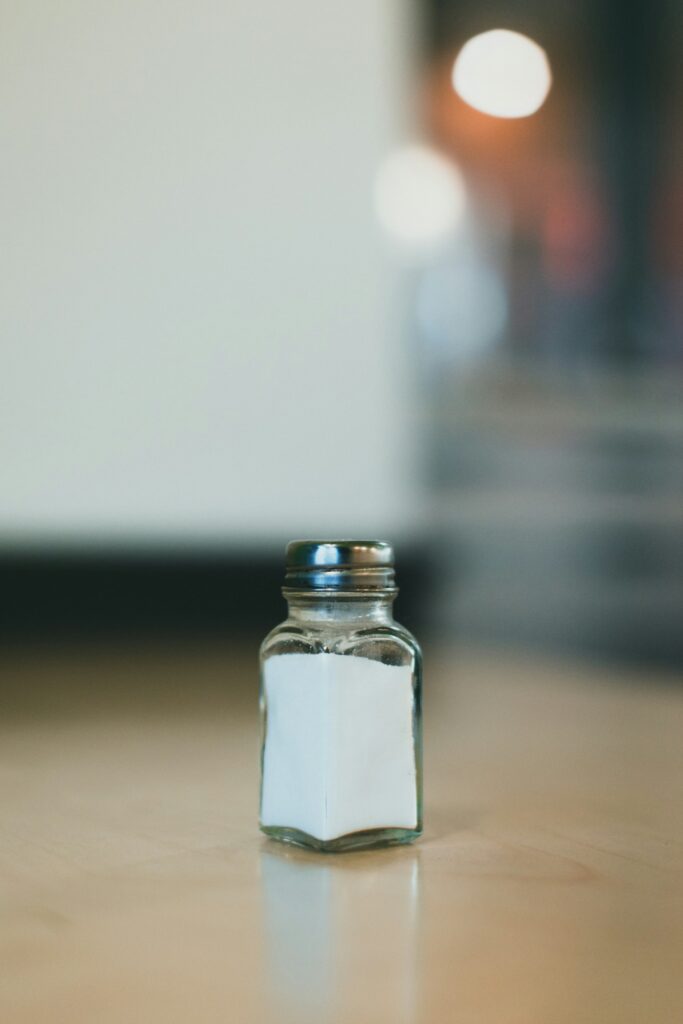
The ubiquitous pour-spout container that sits in most kitchen cupboards has its place, though that place is narrower than many assume. Fine table salt dissolves instantly and distributes evenly, making it useful for baking where precise measurements matter and you need the salt to incorporate completely into a batter or dough. It’s also the sensible choice for pasta water and blanching vegetables, where you’re seasoning cooking liquid rather than the food’s surface directly.
Where fine salt falls short is in finishing. Those tiny, uniform crystals disappear into food without providing any textural interest, and because they’re so dense by volume, it’s easy to over-season. If a recipe calls for a teaspoon of flaky sea salt and you substitute fine table salt measure-for-measure, you’ll end up with a significantly saltier result.
Coarse Sea Salt
Ideal for everyday cooking…
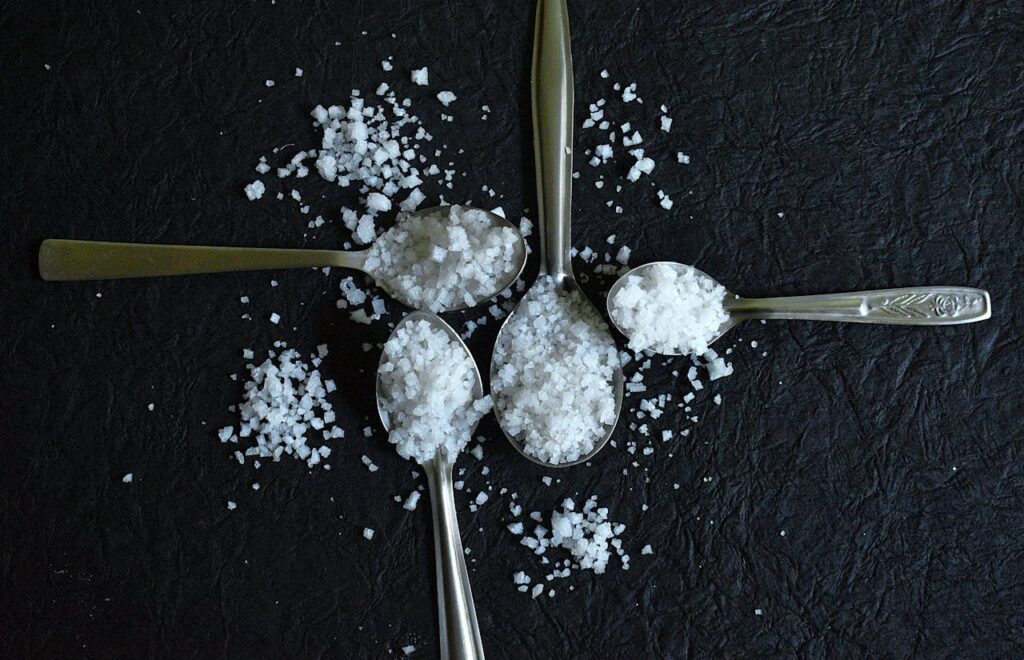
This should be your everyday cooking salt. As organic salt wholesaler Vehgroshop tells us, sea salt’s appeal lies in its minimal processing – it’s simply evaporated seawater, retaining natural trace minerals without the additives found in standard table salt. The larger, irregular flakes are easy to pinch and distribute by hand, giving you far greater control than shaking from a container.
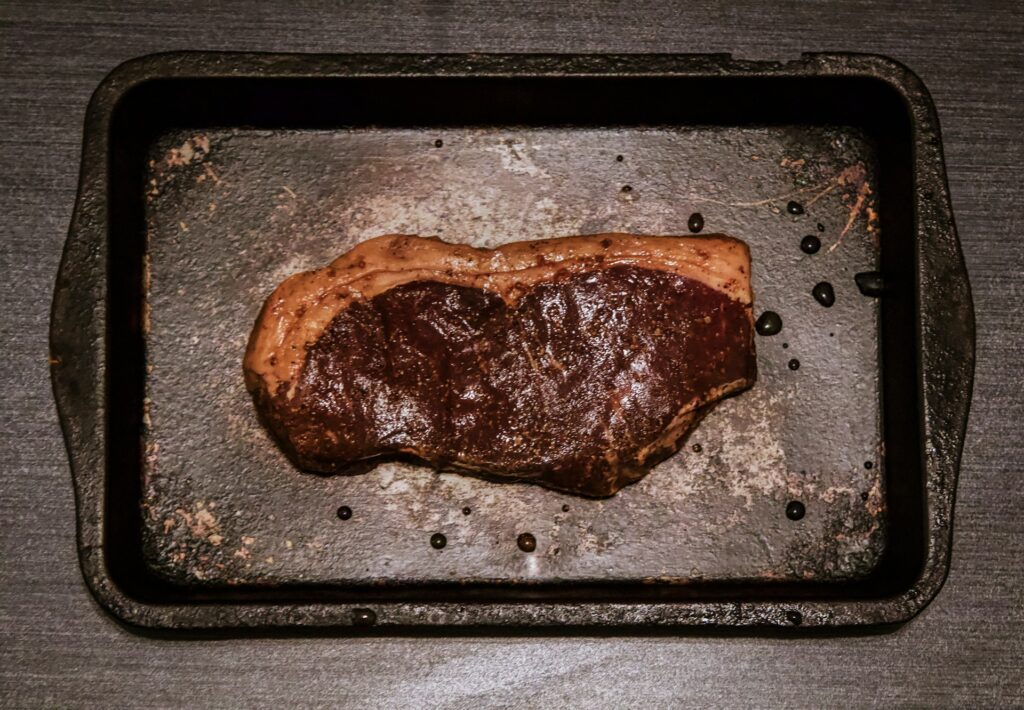
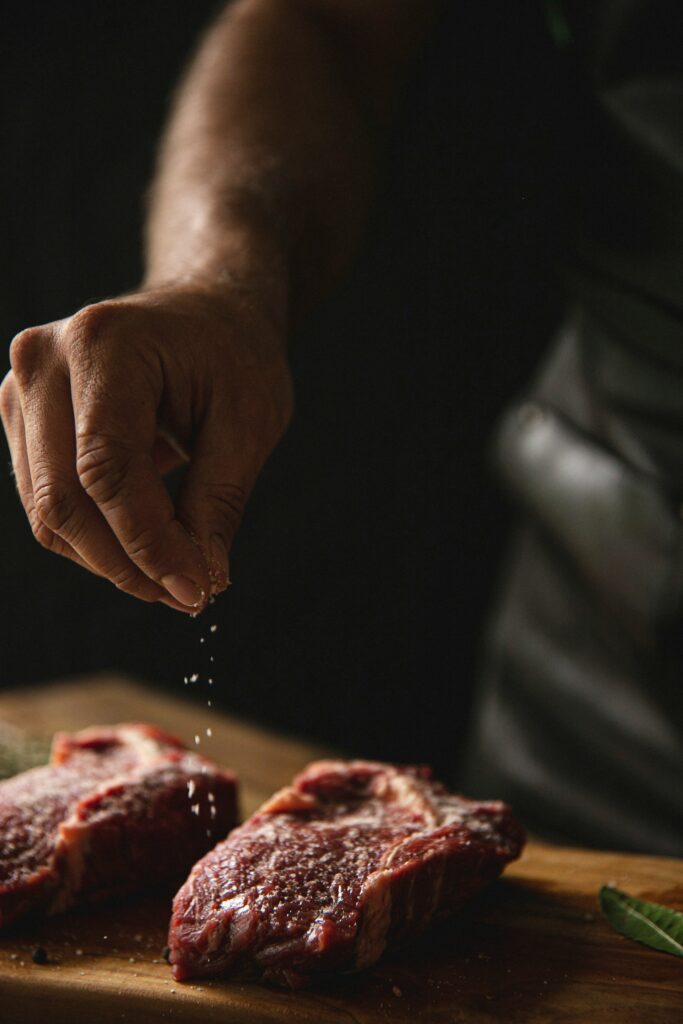
Coarse sea salt adheres well to meat surfaces, making it ideal for seasoning steaks, chops and roasts before cooking. It dissolves relatively quickly when exposed to moisture, so it seasons food as it cooks rather than sitting on top. For sautéing vegetables, making sauces, or any stovetop work, this is what you want within arm’s reach. Brands like Tidman’s or supermarket own-label coarse sea salt work perfectly well and won’t break the bank.
Himalayan Pink Salt
Ideal for a bit of theatre…
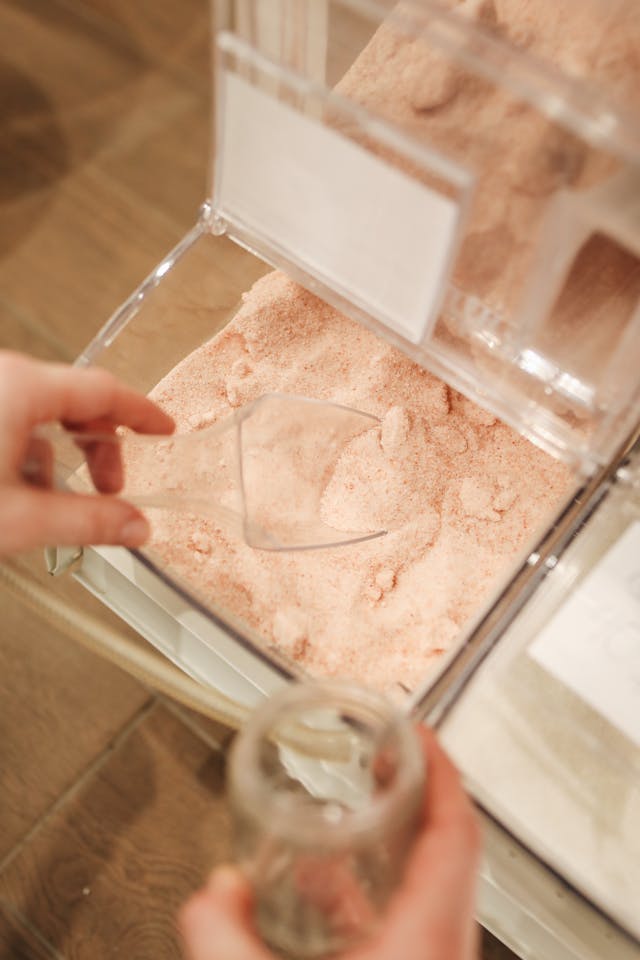
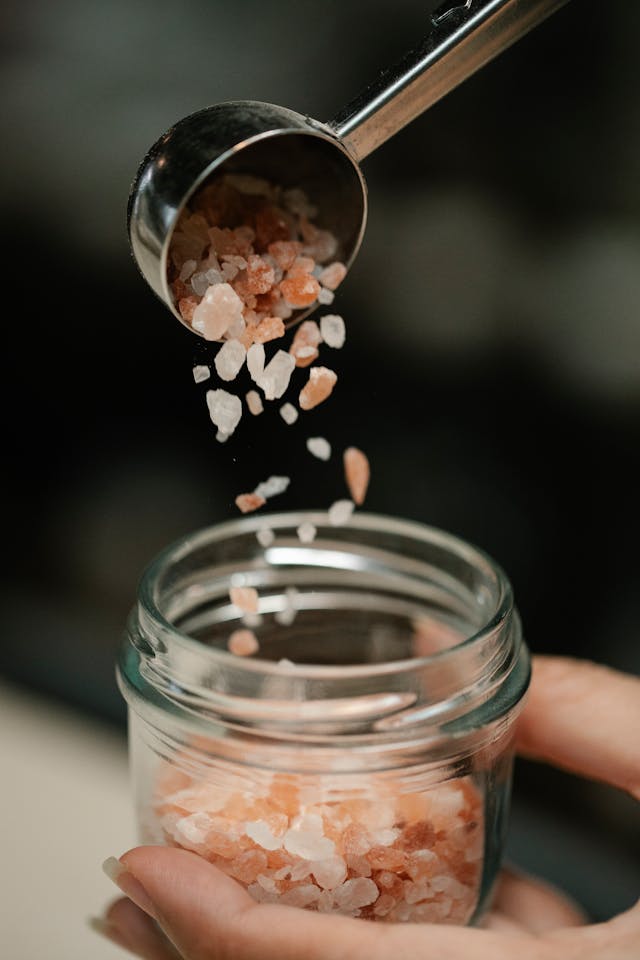
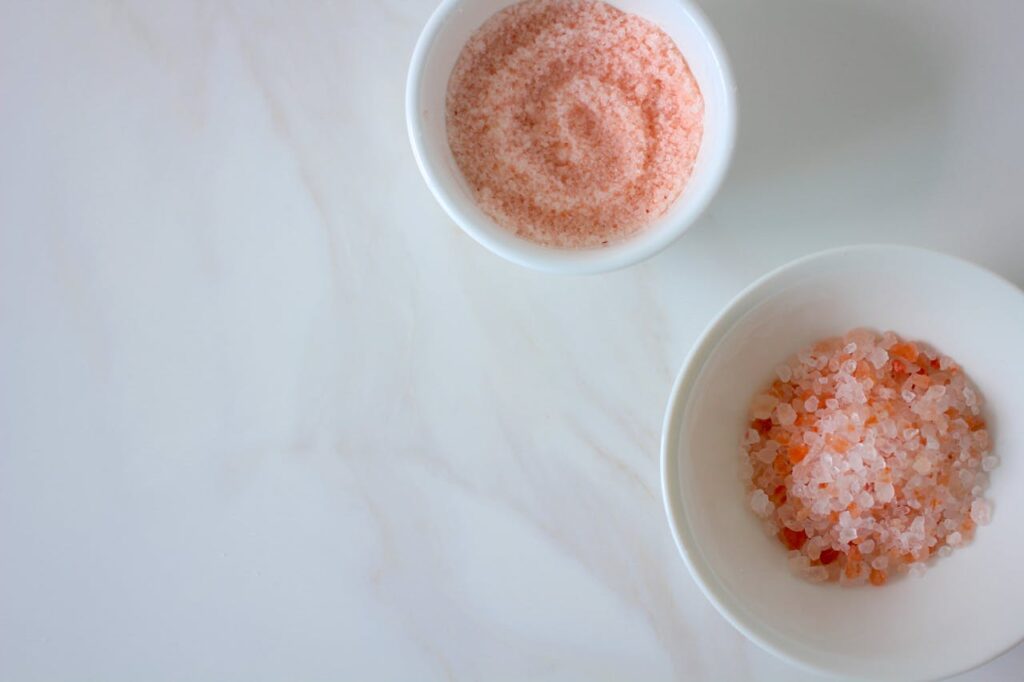
Himalayan pink salt, mined from Pakistan, contains trace minerals that give it that distinctive blush colour, though whether you can actually taste the difference from regular salt is debatable. What’s not debatable is that it looks striking, which makes it a solid choice for presenting at the table in a small dish or grinder.
The crystals are hard and dense, so they’re slow to dissolve. This works in your favour when using Himalayan salt as a finishing touch on heartier dishes – grilled meats and whole fish, roasted vegetables, dishes where you want the salt to maintain its presence rather than melt away.
Large slabs of Himalayan salt can be heated and used as cooking surfaces for searing fish or meat, imparting a gentle seasoning as the food cooks, though this falls more into the category of entertaining novelty than everyday technique.
Maldon Sea Salt
Ideal for that final flourish…
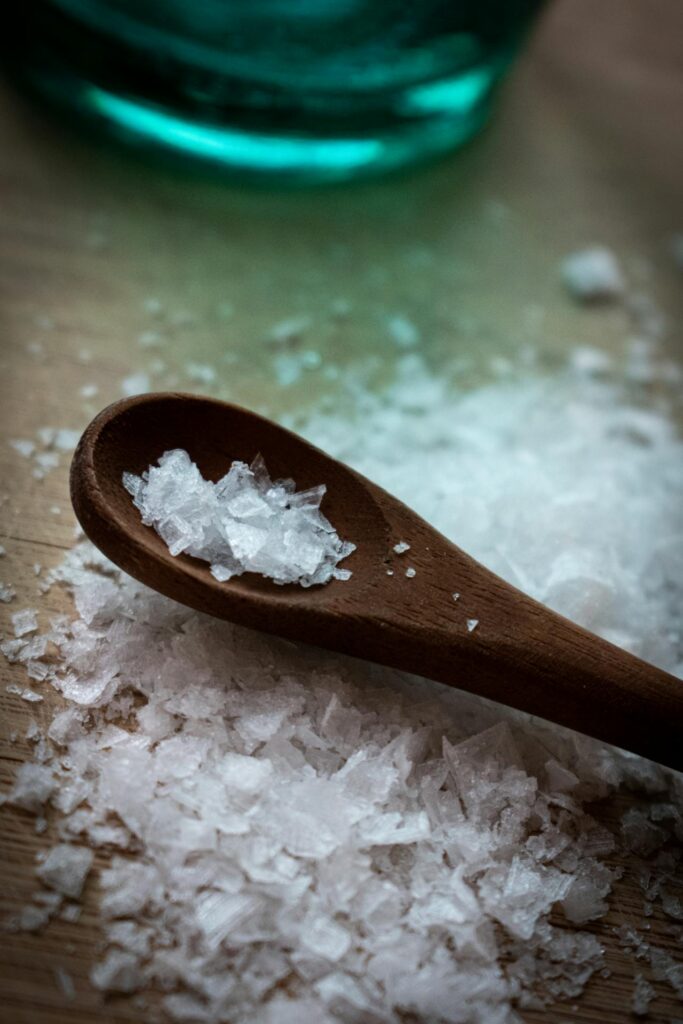
Maldon’s distinctive pyramid-shaped flakes have become the finishing salt of choice for good reason. The crystals are large enough to provide a genuine crunch but thin and delicate enough to dissolve on the tongue, releasing a clean, bright hit of salinity. This is salt as a final flourish, added just before serving to provide both seasoning and texture.
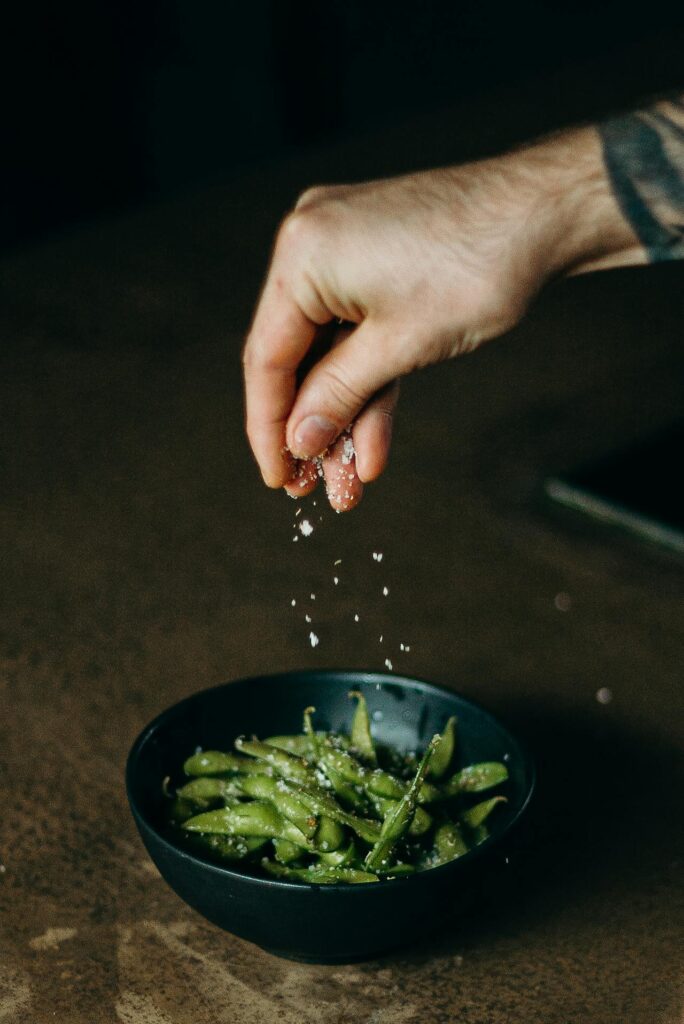
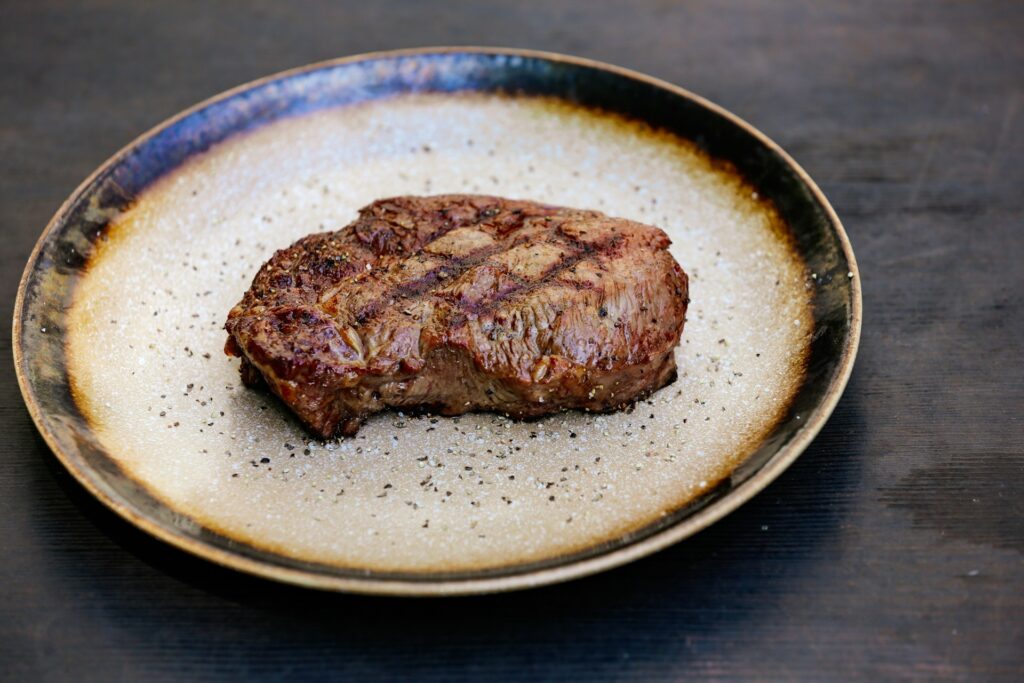
Scatter Maldon over a slice of steak, a piece of grilled fish, a chocolate tart, sliced tomatoes with olive oil, or a soft-boiled egg. Crush the flakes lightly between your fingers as you go for more even distribution, or leave them whole for maximum textural impact. Using Maldon during cooking is a waste – the crystals break down and you lose what makes it special. Save it for the last moment.
Fleur De Sel
Ideal for when you want to impress…
Hand-harvested from the surface of salt ponds in Brittany, fleur de sel shares Maldon’s role as a finishing salt but with a different character. The crystals are smaller and more irregular, with a slightly moist texture and a complex, almost sweet minerality that reflects its origins. It’s subtler than Maldon, less about crunch and more about nuanced seasoning.
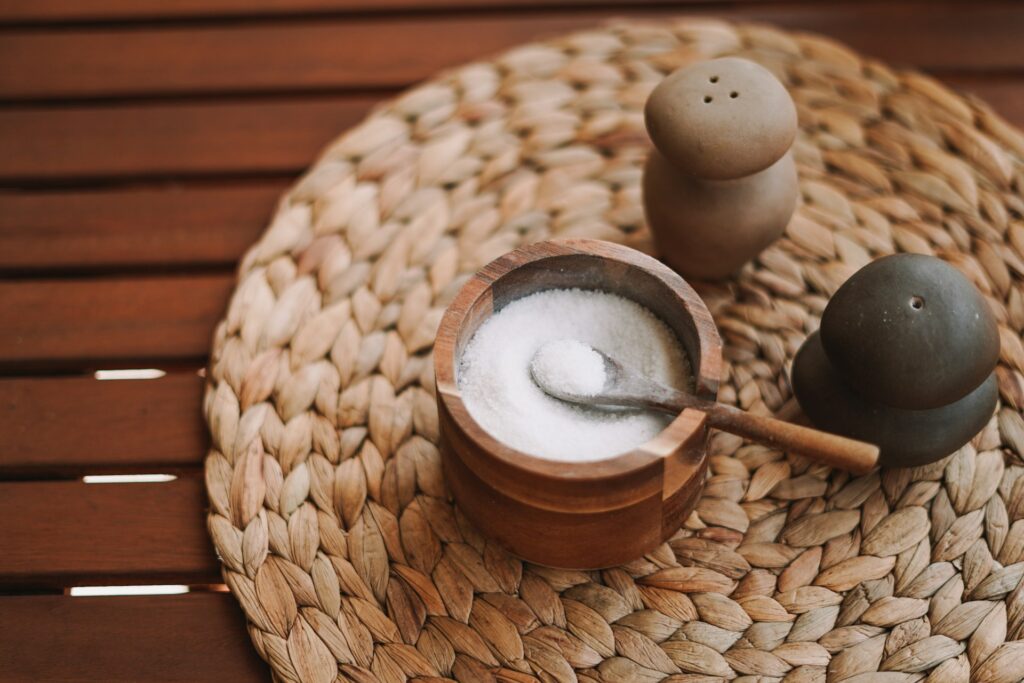
Fleur de sel works beautifully on butter, caramel, fresh bread, and anywhere you want salt to enhance without dominating. It’s particularly good on salads dressed simply with good olive oil, where its delicate character complements rather than overpowers the other ingredients. The moisture content means it doesn’t store as well as drier salts, so keep it in an airtight container away from humidity.
Smoked Salt
Ideal for a taste of the flame...
Smoked salt, cold-smoked over wood fires, adds a layer of complexity that can elevate the right dish considerably. The smoke flavour varies depending on the wood used: applewood gives a milder, sweeter smoke, while oak or hickory provide more assertive character. This is a speciality ingredient rather than an everyday seasoning, best deployed strategically.
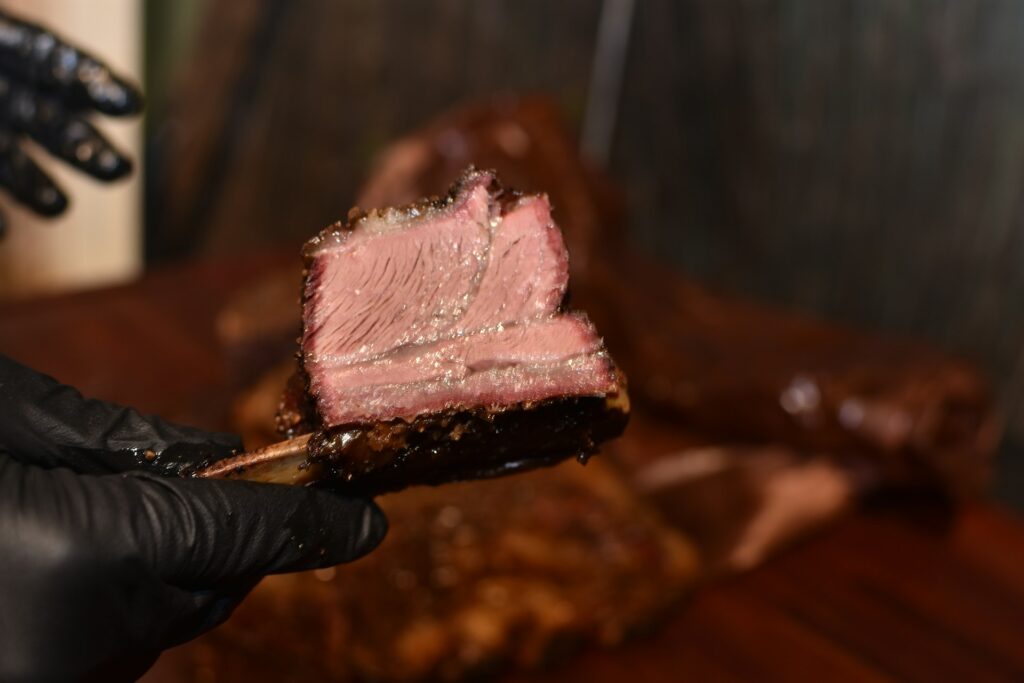
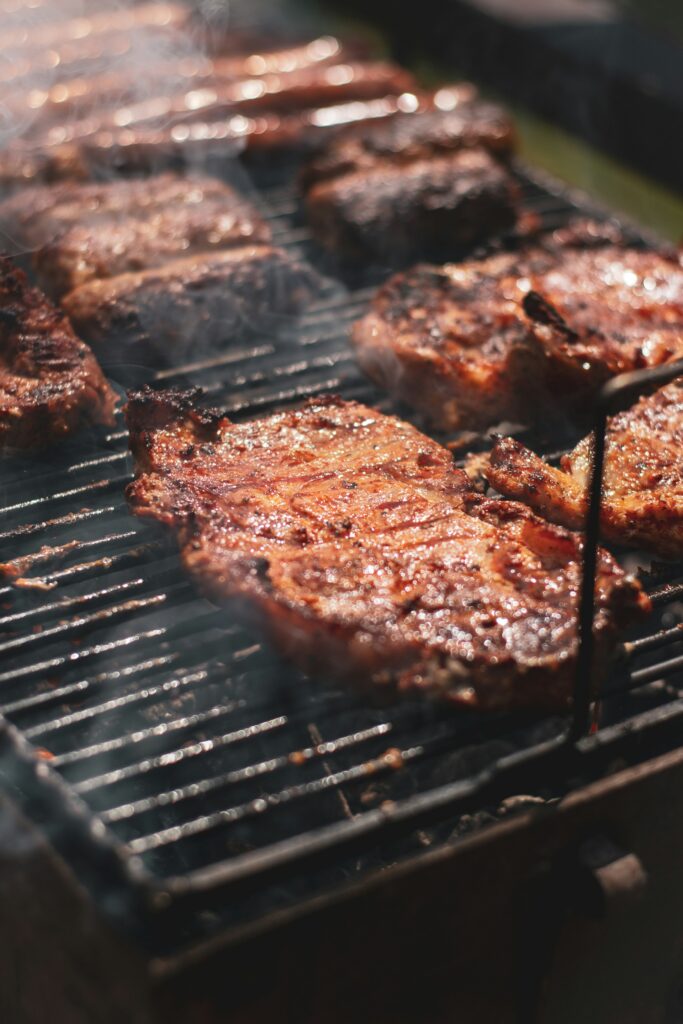
Smoked salt shines on grilled or barbecued foods where it reinforces existing smoky notes, on eggs and breakfast dishes where a hint of smoke adds depth, and in vegetarian cooking where it can provide that savoury, almost meaty quality that’s otherwise hard to achieve. Halen Môn from Anglesey makes a particularly good smoked version. Use it sparingly at first until you understand how assertive your particular salt is. A little goes a long way, and too much can make food taste like it’s been left too long over a campfire.
Black Salt (Kala Namak)
Ideal for introducing a, erm, distinctly egg character…
Kala namak has a distinctive sulphurous aroma that smells disconcertingly like eggs. That same quality makes it invaluable in plant-based cooking, where a pinch can give tofu scrambles or vegan egg dishes a remarkably convincing eggy character. It’s also used in traditional Indian cooking, particularly in chaats and chutneys, where it provides a specific flavour note that’s difficult to replicate with other salts.
Black salt isn’t a finishing salt in the Western sense – you wouldn’t scatter it over a steak – but it’s a useful addition to the pantry if you cook much South Asian food or experiment with plant-based recipes. You’ll find it in Asian supermarkets or online.
Rock Salt
Ideal for bursts of salty flavour…
Large crystals of unrefined salt have practical applications beyond direct seasoning. They’re the right choice for creating a salt crust around whole fish or meat, where the salt forms a shell that steams the food gently inside while seasoning it throughout. They’re also what you want for your salt grinder, if you use one.
For direct seasoning, rock salt works on foods sturdy enough to handle the texture – thick-cut homemade chips, pretzels, focaccia where the crystals press into the oiled surface before baking. The slow dissolution rate means the salt remains present as you eat, providing bursts of flavour rather than even seasoning.
The Bottom Line
Building a small collection of salts and learning when to reach for each one is a modest investment that pays dividends across everything you cook. Keep coarse sea salt by the stove for everyday seasoning, Maldon or fleur de sel for finishing, and perhaps one or two speciality salts for specific applications. The differences are real and, once you start paying attention to them, surprisingly significant.