
There’s a reason your favourite winter fragrance suddenly feels wrong in April. It isn’t your nose playing tricks. Heat, humidity and cold each behave differently on skin, lifting some notes and flattening others, which is why perfumers think in seasons even when marketing departments don’t.
Wearing scent well through the year is less about owning twelve different bottles and more about understanding which note families do what, and when. The approach is straightforward: work out which family of notes suits the season you’re dressing for, then find a fragrance within that family that suits you. Once that logic is in place, building a rotation becomes much simpler, and a lot less expensive than the trial and error approach most people default to.
With all that in mind, here’s a season by season breakdown, with the perfumery logic behind each shift and a handful of fragrances worth seeking out if you want to test the theory on your own skin.
Spring: Green Notes, Fresh Florals & Citrus Top Notes
Spring is the season perfumers tend to build around transparency. After months of resinous, ambered fragrances doing the work in cold weather, skin and nose alike want something that breathes. The note families that come into their own here are fresh florals, green notes such as galbanum and violet leaf, and the lighter end of the citrus spectrum, particularly bergamot and neroli.
The reason these work in spring is partly chemical. Warmer air and modestly raised skin temperature lift volatile top notes faster, so fragrances that felt thin in February suddenly read as bright and three dimensional in April. A fresh spring floral scent built around dewy rose, transparent jasmine or orange blossom will project differently in mild weather, holding its character without becoming cloying.
Chloé Eau de Parfum is the easiest entry point here, an airy rose led modern classic that has held up well since launch. Diptyque Do Son takes the tuberose route with more restraint than the note usually receives, while Hermès Un Jardin Sur Le Nil offers a green, slightly aquatic take on the season for anyone who wants to sidestep the more obvious floral register entirely.
The mistake people make in spring is reaching for something too sweet too soon. Gourmand notes, vanilla heavy bases and dense white florals can tip into overwhelming once temperatures climb above the high teens, which means a fragrance that feels balanced in March may need rotating out by late May.
Summer: Citrus, Aquatic & Aromatic Herbs
Summer is when fragrance choice becomes genuinely technical. High heat accelerates evaporation, which means light fragrances disappear faster while heavy ones can turn sour on the skin. The note families that survive this best are citrus, aquatic notes built around calone or similar molecules, aromatic herbs such as basil, mint, lavender and rosemary, and the lighter woody notes including vetiver and cedar.
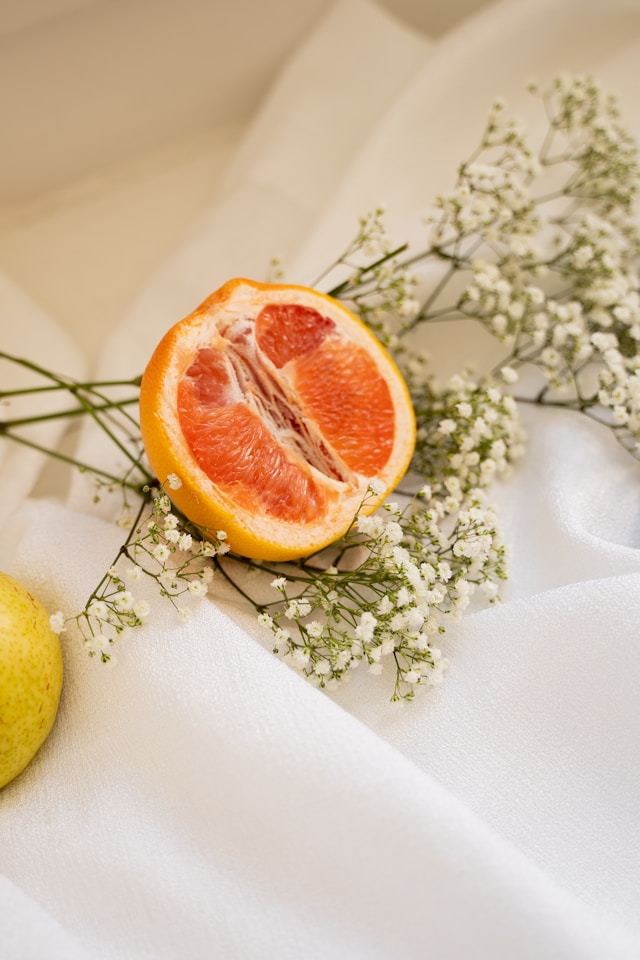
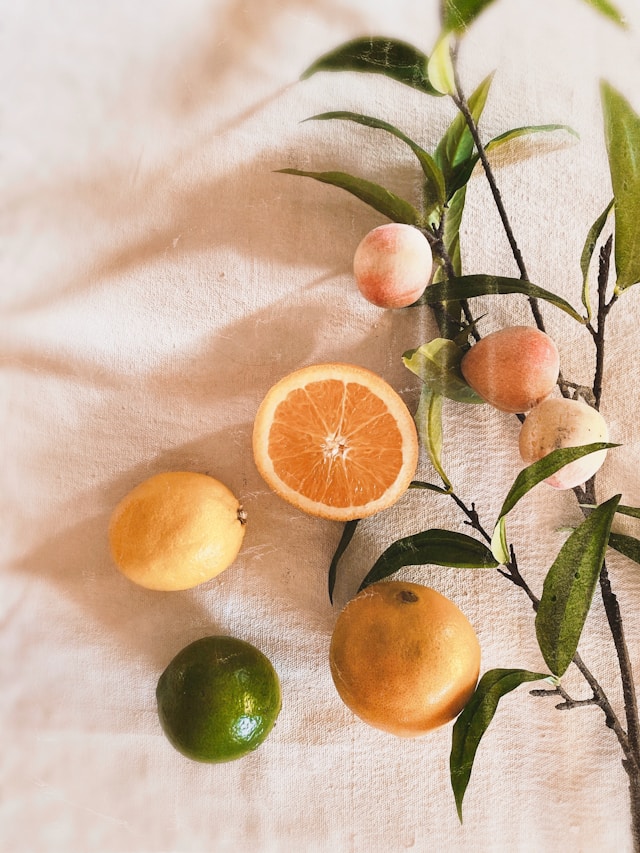
Citrus is the obvious starting point, though there is more nuance here than the supermarket aftershave aisle suggests. A well constructed citrus fragrance uses bergamot, lemon, grapefruit or yuzu over a base that gives the top notes somewhere to land, often a soft musk or a dry vetiver. Acqua di Parma Colonia remains the textbook reference for this style. Atelier Cologne Pomélo Paradis pushes the grapefruit angle harder. For something more contemporary, Maison Margiela Replica Under The Lemon Trees layers citrus over green leaves and petitgrain in a way that lasts longer than most colognes manage.

Aquatic fragrances divide opinion, but the better examples have moved well beyond the marine clichés of the late nineties. Issey Miyake L’Eau d’Issey and Davidoff Cool Water are the genre defining choices, while Escentric Molecules Molecule 02 takes the minimalist route, building almost entirely around a single ambroxan note that reads as clean, skin-like and faintly salty.
The summer rule worth remembering is that projection should come from quality rather than concentration. A well made eau de toilette will outperform a poorly composed eau de parfum in heat, every time.
Read: 7 of the best scented candles for a sweet smelling summer
Autumn: Amber, Spice & Soft Woods
Autumn is where fragrance gets interesting again, though the season’s signature scents are admittedly well-known. As temperatures drop, skin holds onto scent for longer, which means denser compositions start to make sense once more. The note families to look for are amber accords, soft spices including cardamom, pink pepper and cinnamon, dried fruits, tobacco, and the warmer woods such as sandalwood and benzoin.
This is the season where niche perfumery really earns its premium. Le Labo Santal 33 became ubiquitous for a reason, its smoky, leathery sandalwood reading as both warm and austere at the same time. Tom Ford Tobacco Vanille leans richer, with a dried fruit and spiced honey character that suits cooler evenings. For something less commercially familiar, Frédéric Malle Musc Ravageur balances amber, cinnamon and a dense musk in a way that feels enveloping without becoming heavy.

Rose appears again in autumn, but it’s handled very differently to spring’s sweet, fragrant version. Where spring rose tends to be green and transparent, autumn rose works best when paired with oud, spice or leather. Byredo Rose Of No Man’s Land is a useful reference point, balancing pink pepper and rose with a soft papery base that flatters cooler weather.
The transition from summer to autumn is where most people get their timing wrong, reaching for heavy ambers too early. Mid October is generally the point where denser compositions stop feeling premature, though anyone living somewhere with a mild autumn may want to wait until November.
Winter: Oud, Resins, Leather & Gourmand
Winter is when fragrance can carry weight without apology. Cold air slows evaporation and skin chemistry holds onto base notes for longer, which means the heavy resinous and gourmand compositions that would feel suffocating in July finally have room to breathe. The note families that come into their own are oud, frankincense, myrrh, leather, vanilla, coffee, chocolate, and the heavier white florals when used as part of a denser composition.
Oud is the obvious winter signature, though quality varies wildly. Maison Francis Kurkdjian Oud Satin Mood handles it with the most finesse at the accessible end of luxury perfumery, layering rose and violet over a smooth, slightly sweet oud. For something more smoky, Penhaligon’s Halfeti uses oud as part of a much broader composition involving leather, dark florals and dried fruits.
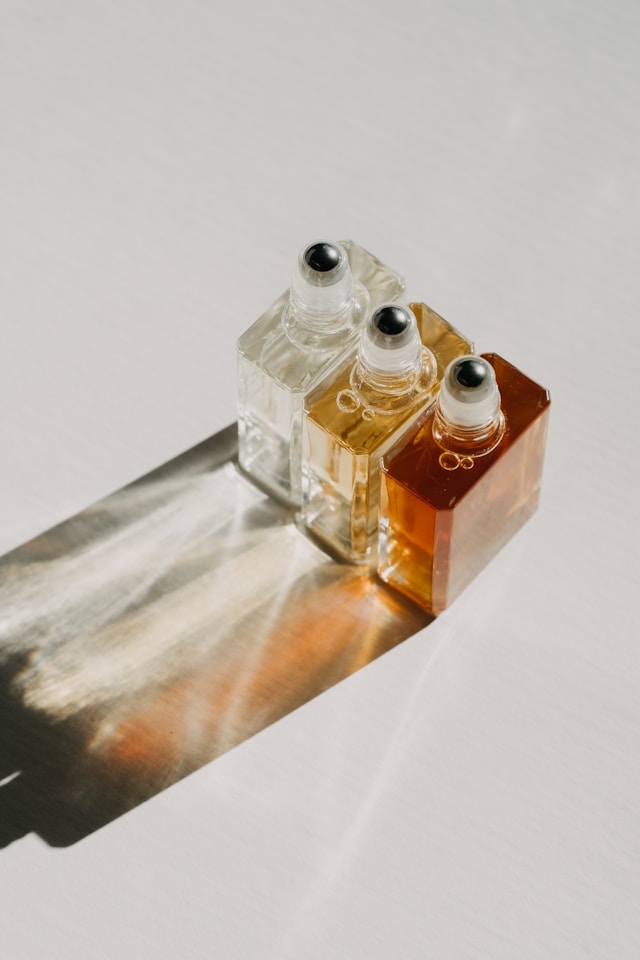
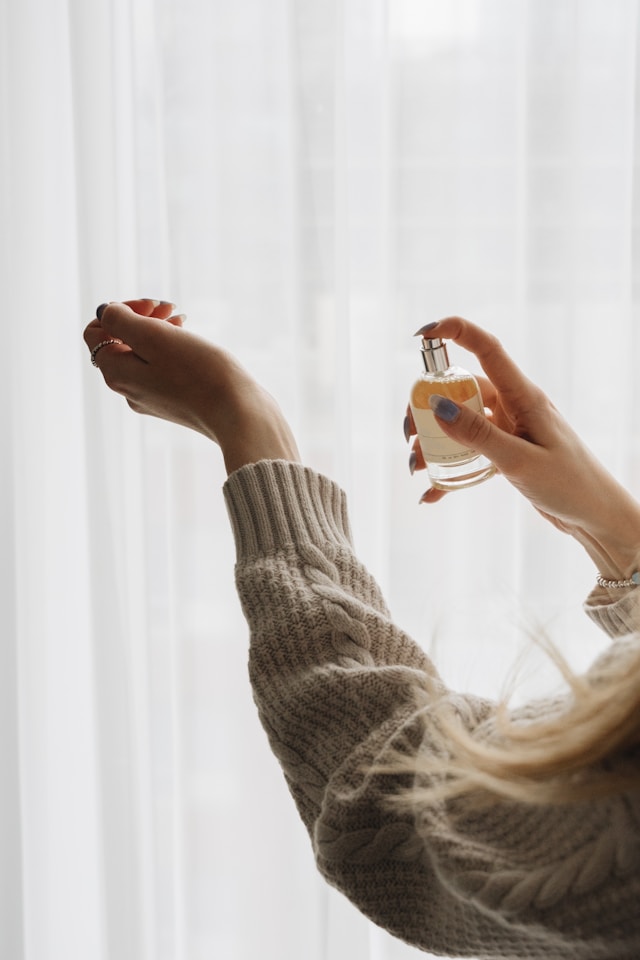

Gourmand fragrances also peak in winter. Mugler Angel remains the reference point for the patchouli and praline style, while Kilian Angels’ Share takes the cognac and vanilla route, and Tom Ford Lost Cherry pushes the fruit and almond character to its limit. These are fragrances that work because cold weather gives them somewhere to go, projecting confidently without becoming cloying.
The winter mistake is over application. Heavy compositions in cold environments project further than their wearers tend to realise, particularly indoors. Two sprays of a well made oud will fill a room in a way that six sprays of a summer cologne never will.
The Bottom Line
Thinking seasonally about fragrance is less about following rules and more about understanding why some scents work and others do not at any given time of year. The most practical way in is to identify which season your current rotation handles worst, work out which note family that season actually wants, and start there. Build outwards from the weakest point rather than the strongest, and within a year you will have a genuinely useful perfume collection instead of a bathroom cabinet full of half empty alternatives.