
Most of us are following a skincare regime designed for someone else’s face. We picked up the cleanser because a friend swore by it, the serum because it kept appearing on TikTok, and the moisturiser because it was on offer in Boots. The result is a bathroom shelf full of products that cost a small fortune and do roughly nothing, because none of them were chosen for the skin we actually have.
Getting this right is less about chasing the newest active ingredient and more about matching what you put on (and into) your body to what your skin is doing day to day. Topicals and supplements work best when they pull in the same direction, and that direction is dictated by your skin type. So before you spend another £40 on something promising radiance, here’s how to build a skincare routine that fits.
First, Work Out What Skin Type You Actually Have
There are five working categories: oily, dry, combination, sensitive and normal. Most people sit somewhere on a spectrum rather than at a fixed point, and your skin type can shift with the seasons, hormonal changes, medication and age. It’s worth reassessing every year or so rather than assuming the teenage-you assessment still holds.
The simplest way to check is the bare-face test. Cleanse with a mild, non-stripping wash, pat dry, and then leave your skin alone for an hour. No serum, no moisturiser, no SPF. After sixty minutes, look in the mirror. Shiny across forehead, nose and chin? You’re oily. Tight or flaky? Dry. Shine in the T-zone with normal or dry cheeks? Combination. Red, itchy or stinging? Sensitive. Comfortable and even? Lucky you, that’s normal skin, and most of this article is permission to keep doing whatever you’re doing.
A quick note on dehydrated skin, since it gets confused with dry skin constantly. Dryness is a lack of oil and tends to be a skin type. Dehydration is a lack of water and is a temporary state that any skin type can fall into. If your skin feels tight but still produces shine by lunchtime, you’re probably dehydrated rather than dry, and the fix is different.

For Oily & Acne-Prone Skin
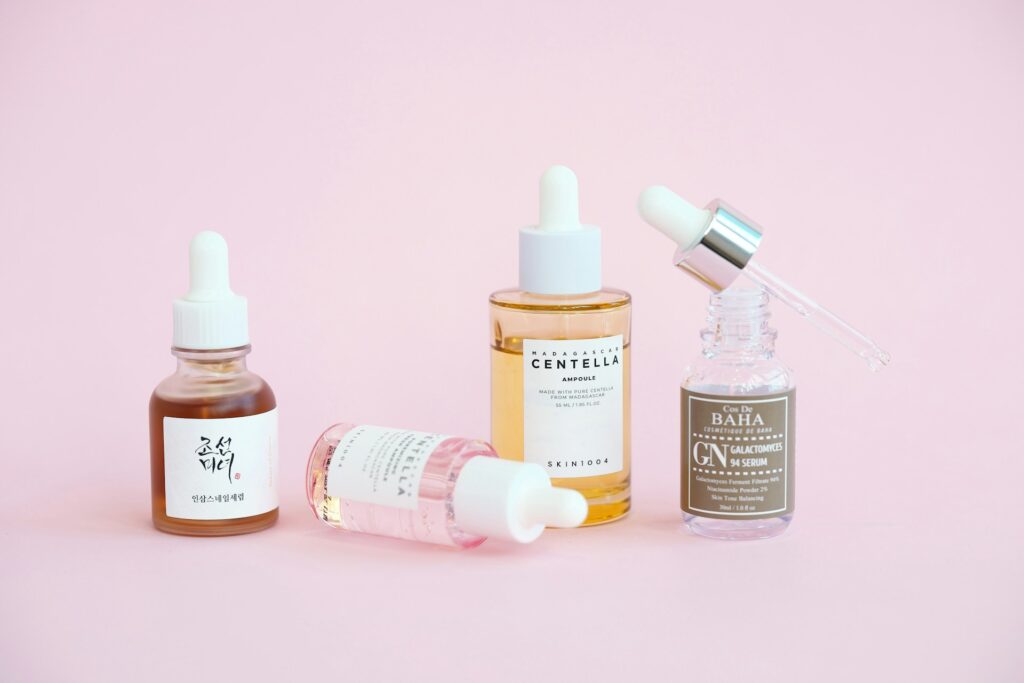
The instinct with oily skin is to strip it back with harsh foaming cleansers and alcohol-heavy toners, which almost always backfires by triggering more oil production. The better approach is gentle cleansing twice a day with a gel or low-foam formula, followed by lightweight, water-based hydration.
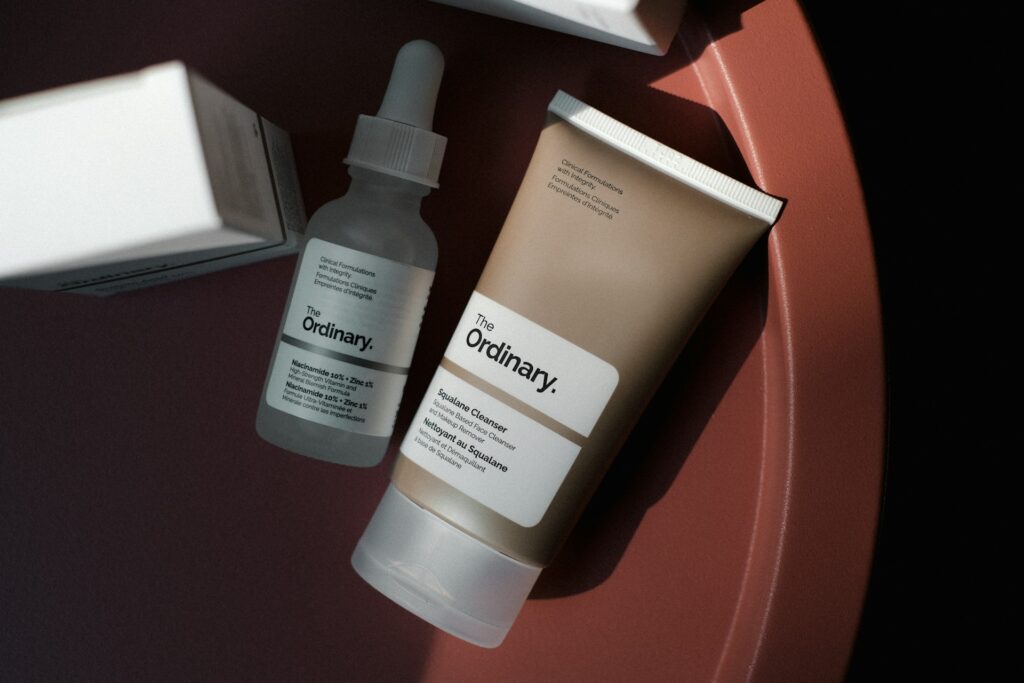
On actives, niacinamide is the workhorse. It helps regulate sebum, calms inflammation and reduces the appearance of pores over time, with clinical research dating back to the early 2000s supporting its use. This is the section where budget skincare genuinely shines, since niacinamide is well-served at low price points. The Ordinary’s Niacinamide 10% + Zinc 1% sits around the £6 mark and does the job competently. Salicylic acid is the other staple, useful a few times a week for unclogging pores and keeping breakouts down. Avoid anything labelled rich, nourishing or comforting, and steer clear of coconut oil, which is comedogenic for most people despite its reputation.
On the supplement side, zinc has decent evidence for sebum regulation and acne reduction at around 30mg daily, though it’s worth checking with a GP first if you’re already taking a multivitamin. Omega-3 from oily fish or a quality fish oil supplement helps with the inflammatory component of acne, and the NHS recommends two portions of oily fish a week for general health regardless of skin concerns.


For Dry Skin
Dry skin needs barrier support more than it needs anything else, and most of the work happens in your moisturiser rather than your serum. Look for ceramides, which are the lipids your skin already uses to hold itself together, alongside hyaluronic acid for hydration and squalane for non-greasy moisture retention. Cream cleansers beat foaming ones, and lukewarm water beats hot.
Worth understanding the hydration versus moisture distinction here, since brands use the words interchangeably and they shouldn’t. Hydration means water content. Moisture means oil content. Dry skin needs both, but the order matters: water-based hydrators go on first while skin is still slightly damp, then occlusive moisturisers on top to seal everything in. Skipping the second step is why expensive hyaluronic acid serums sometimes seem to do nothing.
On the supplement side, zinc has decent evidence for sebum regulation and acne reduction at around 30mg daily, though it’s worth checking with a GP first if you’re already taking a multivitamin. Omega-3 from oily fish or a quality fish oil supplement helps with the inflammatory component of acne, and two portions of oily fish a week is the standard UK dietary guidance regardless of skin concerns.
Read: The post-workout skincare mistakes you’re probably making
For Combination Skin
Combination skin is the trickiest type to build a regime around because you’re managing two problems on one face. The mistake most people make is treating the whole face as oily because the T-zone is, which leaves their cheeks parched, or treating it as dry, which leaves them shiny by midday.
Zone-specific application is the answer. A lightweight serum across the whole face, then a richer moisturiser only on the drier areas. Gentle exfoliation once or twice a week, ideally with a low-percentage AHA or BHA rather than a physical scrub.
This is where vitamin C earns its place in the regime. A well-formulated vitamin C serum brightens, offers antioxidant protection against UV damage, and works across both the oilier and drier zones without aggravating either. The WOWMD Glow Fusion Vitamin C Serum is a balanced everyday option that suits combination skin well, sitting at a strength that delivers benefits without the irritation higher concentrations can trigger.
On supplements, a general antioxidant approach through diet does more than any single pill: vitamin C from citrus, peppers and berries, vitamin E from nuts and seeds.


For Sensitive & Reactive Skin
If your skin reacts to most things, the working principle is simple: do less, more carefully. Short ingredient lists beat complex formulations. Fragrance-free beats fragranced. Patch testing every new product on your inner forearm for a few days beats discovering a reaction across your whole face on a Sunday evening.
Look for calming ingredients with actual evidence behind them: centella asiatica, oat extract, panthenol and allantoin. Skip high-percentage actives, alcohol-heavy toners, essential oils and physical scrubs. If you’re reacting constantly, strip your regime back to a gentle cleanser, a single moisturiser and SPF for two or three weeks, then reintroduce one product at a time so you can identify the trigger.
Supplements should follow the same principle of restraint. Omega-3 has good evidence for reducing inflammation. Probiotics get talked about a lot for the gut-skin connection, though the research is still emerging rather than settled. A basic multivitamin makes sense if your diet’s inconsistent, but megadosing anything is unlikely to help and might make matters worse.
For Mature Skin Across All Types
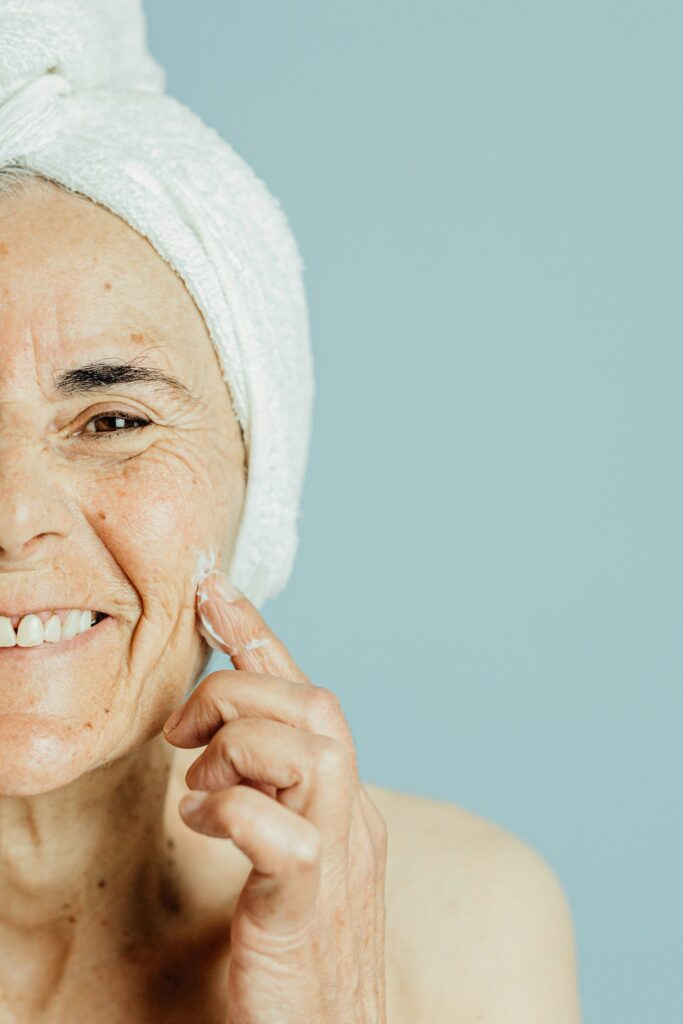
Skin tends to drift toward dryness with age regardless of where it started, and the structural changes (loss of collagen, slower cell turnover, thinner barrier) mean a few additions become worth considering across all skin types.
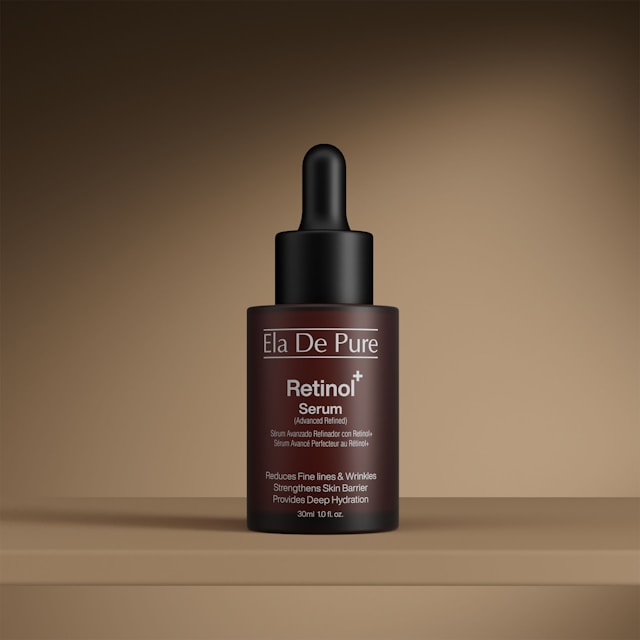
Retinoids remain the most evidence-backed anti-ageing ingredient available without prescription, though they need introducing slowly and always pairing with daily SPF. Bakuchiol is the gentler plant-derived alternative if retinol proves too irritating. Peptides support collagen production, and a heavier moisturiser tends to feel better than the lighter ones that worked in your twenties.
This is also the stage where investing in a higher-strength vitamin C can pay dividends, given that antioxidant protection becomes more valuable as cumulative UV damage shows up. Skinceuticals C E Ferulic remains the long-standing benchmark in that category if your skin tolerates a stronger formulation and your budget stretches to it.
Collagen supplements have moved from snake oil to “actually maybe” in recent years, with some decent studies on hydrolysed collagen peptides showing improvements in skin elasticity and hydration. It’s not transformative, but it’s no longer something to dismiss outright. As ever, dietary protein, vitamin C and good sleep do more of the heavy work than any capsule.


The Habits That Matter More Than Any Product
The hardest thing to accept about skincare is that no product, however expensive, will outpace the basics. Daily SPF is the single biggest difference-maker in how your skin ages, full stop. Adequate sleep matters more than your serum. Chronic stress shows up on your face. Constantly switching products before they’ve had six to eight weeks to work means you’ll never know what’s actually doing anything.
Drink enough water, eat enough plants, get your steps in, and see a dermatologist if something genuinely worries you. The boring advice is boring because it works.
The Bottom Line
The best skincare regime is the one built around the skin you actually have, not the skin you’d like to have or the skin your favourite influencer has. Work out your type, choose your topicals and supplements to match, and give them long enough to do their job before you decide whether they’re working. Most of us are over-spending and under-thinking this, and the fix isn’t another product. It’s a clearer sense of what your face needs from you in the first place.