Home Blog Page 321

6 IDEAL WHEELCHAIR ACCESSIBLE TRAVEL TIPS FOR LONDON TOURISTS

Getting around London on two wheels has never been easier, but we’re not talking about cycling here. London is reputed to be one of the most wheelchair accessible cities in the world, and that inclusivity is cause for celebration. We can, however, do better. Because while many of the main tourist attractions are near one another, and doable by pavement, others tend to the far flung, presenting problems to those with mobility issues wanting to use public transport. It’s important then, to be savvy and educated before setting out for a day of adventure in the capital. So, whether you have a folding wheelchair from Pro Rider Mobility or mobility scooter, here are 6 IDEAL wheelchair accessible travel tips for London tourists.

FORGET THE TUBE

The London Underground is infuriating at the best of times and with just a handful of underground stations fully accessible, those in a wheelchair should consider giving the tube a swerve all together. Parts of the network are more than 150 years old (a time when accessibility wasn’t thought about as considerately as now) and today only 71 out of 270 tube stations are accessible by wheelchair. As such, chances are the station you’re leaving from and your destination may well not be wheelchair friendly. Whilst we’re not saying you’ll need added cover on your long-term disability insurance policy just to negotiate the underground, it does pay to know that things can be a little perilous at a few less central stations. 

While London still needs to spend some pennies on disabled access, if you do want experience the underground, then make use of the step free tube map guide. You can also plan your route on TFL, adding your requirements and preferences to the journey. Oh, and all the stations with lifts have staff on hand with ramps to assist you onto the tube, so just ask.

BETTER BY BUS

One of the easiest and cheapest (and in our view, best) ways to travel around London is by bus. All London buses are low-floor and fitted with a hydrolic ramp and as such, are able to ‘’kneel’ to the curb making it easy for wheelchair users to roll on. They also have a designated space for wheelchairs from which you can see the streets of London as you travel. And the best bit? You can travel on London buses for free if you are a wheelchair user. Some of the best routes include:

  • The number 11, which begins at Liverpool Street and ends at Victoria Station, passes many iconic must-see sights including St Paul’s Cathedral, Trafalgar Square, The Houses of Parliament and Westminster Abbey.  
  • The number 73 is another good one, starting at Victoria and finishing in uber trendy Stoke Newington. Taking you past Buckingham Palace Gardens, Hyde Park, Marble Arch and along the whole stretch of busy Oxford Street and through Islington, you get to see London in all its glory.

TAKE A RIDE OR TWO IN A BLACK CAB

You can’t come to London without experiencing one of the city’s iconic black cabs, all of which are wheelchair-accessible (well, the licensed ones anyway). Known as ‘The Knowledge’ – which you’d be forgiven for thinking is some sort of London cult – is something all cabbies must know in order to get their license. This involves learning by heart the some 320 routes through the 25,000 streets of London. This atlas of London, imprinted in black cabbies brains typically takes between two and four years to learn and part of the process involves having to remember 100,000 landmarks and being able to navigate between them. These black cabs are easy to hail from the street, but you can also make advanced bookings online or via the phone by this one number: 0871 871 8710.

SEE THE CITY BY BOAT

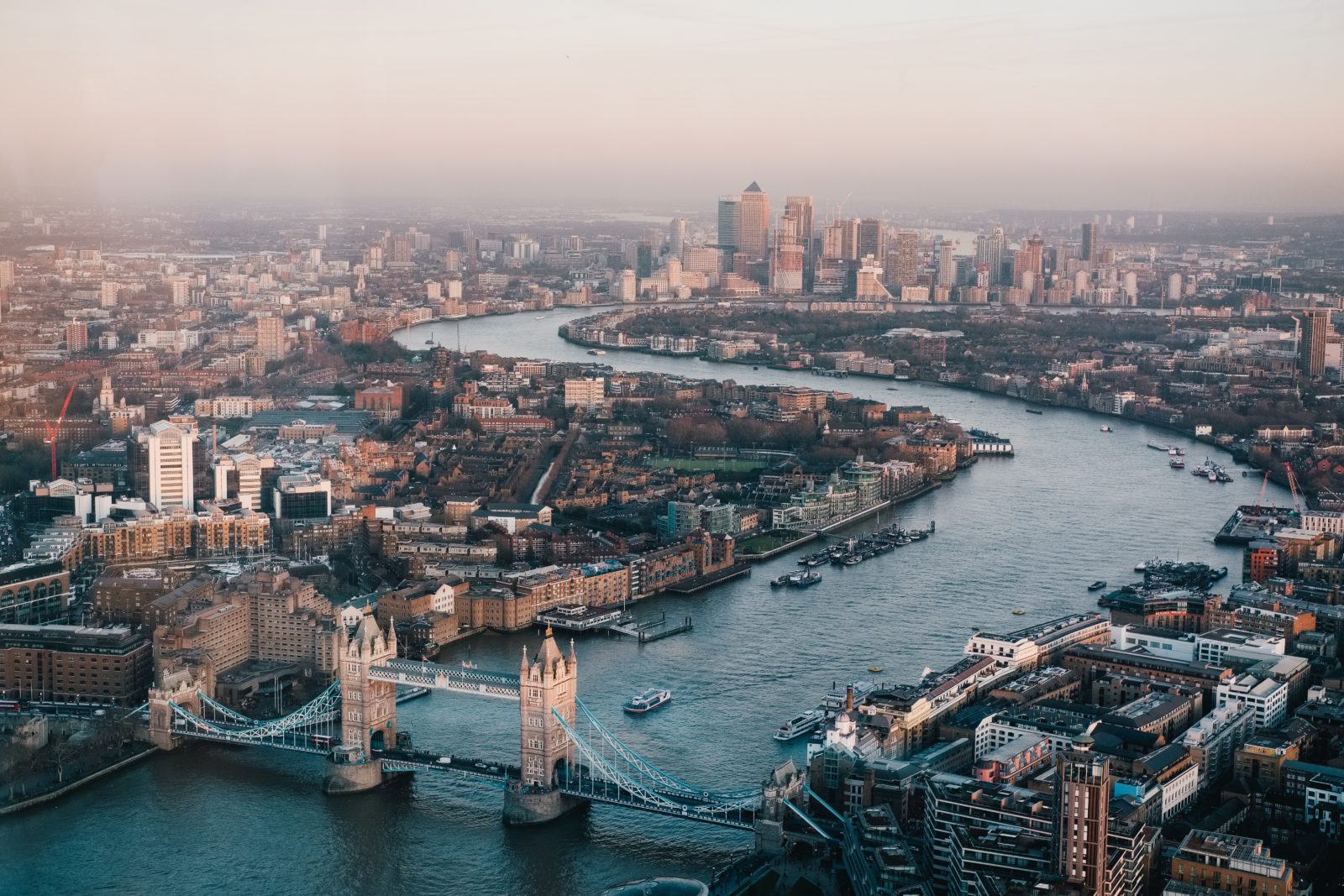
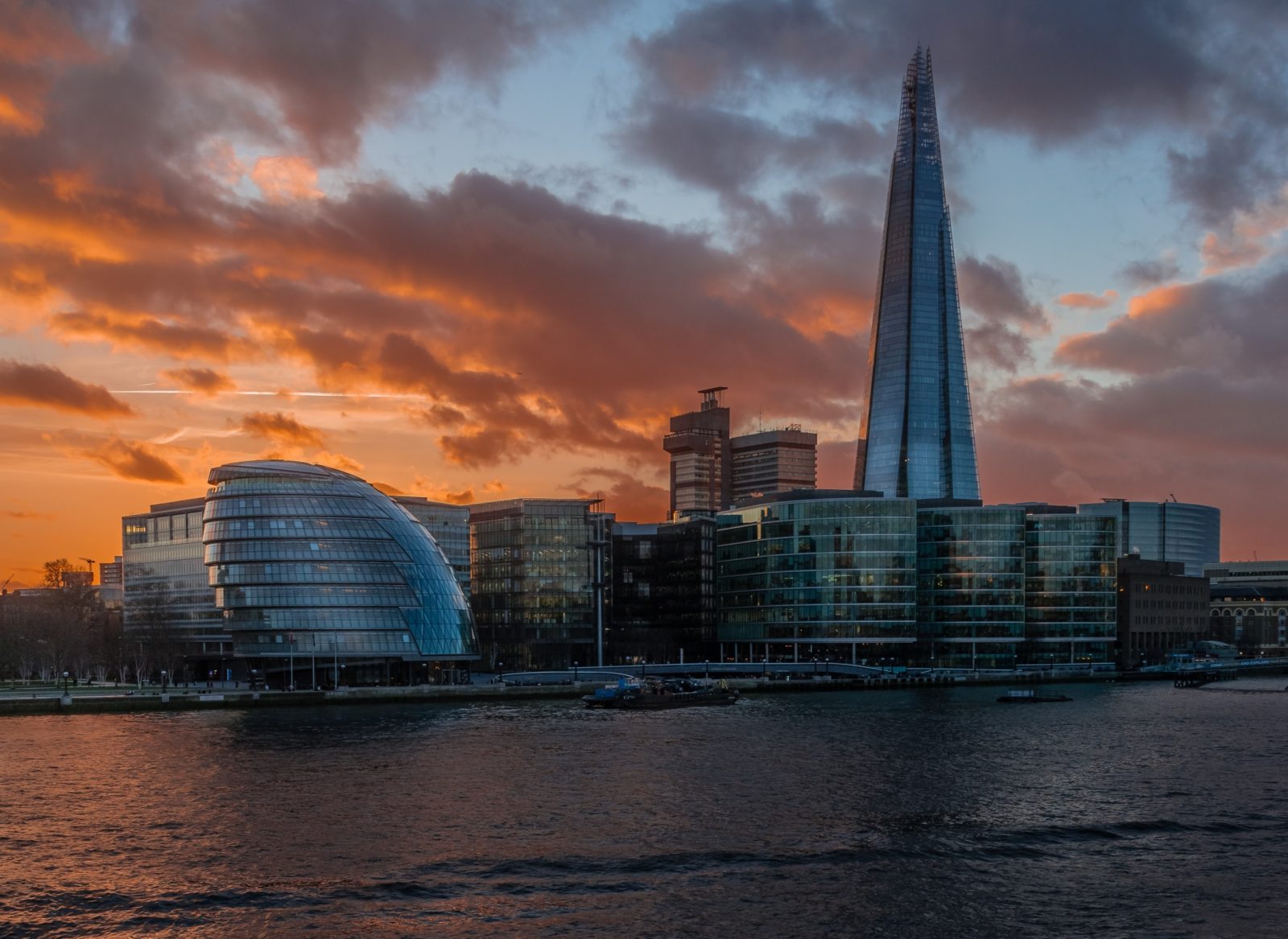
From sightseeing tours by bus to guided museum trips, there are many accessible tours of London available, however one of the best has got to be by boat. Indeed, one of the easiest and most picturesque ways to see the sights of London is by cruising down the Thames. Setting sail at sunset serves up spectacular, scenic views of London, and is a great way to see day turning to night in the capital.
PLAN, PLAN, PLAN

When visiting any big city, if you don’t plan your trip it can be a completely different experience, full of stress, frustration, and most crucially, wasted time. Therefore a little research goes a long way; essential for you to really enjoy London. While many tourist attractions have accessible side entrances, some don’t, so it’s wise to call ahead first and check if it exists and where exactly it’s located, that way you’ll know where to go as soon as you arrive, giving you more time to take in the sights.

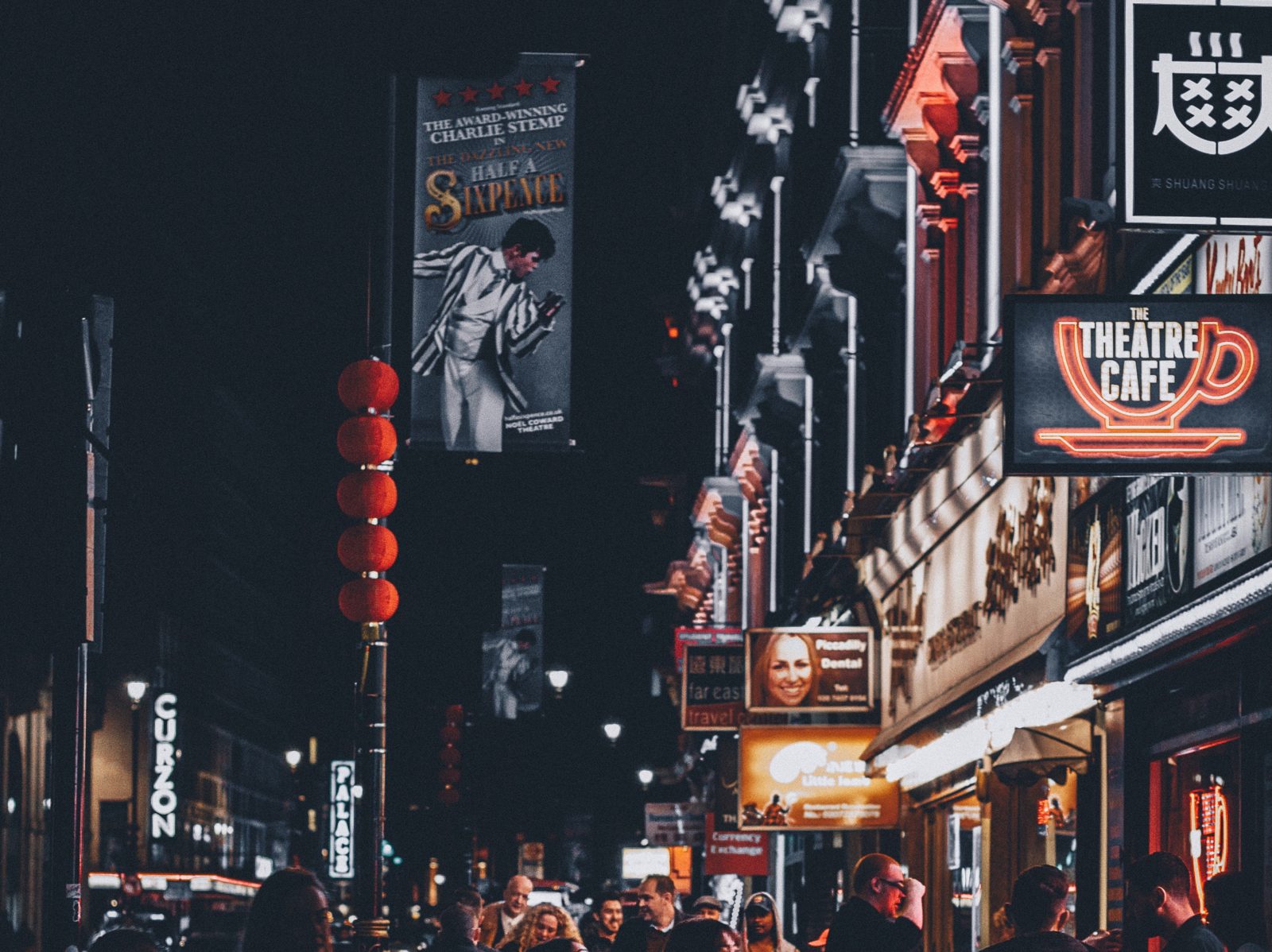
It’s also important to be aware of where won’t be so accommodating. London’s West End, for instance, is home to some of the oldest theatres in the world, with some up to 400 years old. While these historic places of performance are stunning, the drawback is that disabled access is often limited. Therefore, if you’re planning on going to see a show, it’s a good idea to call ahead first to see if the show you’re thinking of seeing meets your requirements. 
BE PREPARED

To avoid any hiccups, make sure you have everything that you need for a big day out in the city. If you have an electric wheelchair, then bring a spare charger just incase. A phone to call those black cabs is a good idea too. Also, lots of cafes, pubs and tourists attractions across London have accessible toilets that are part of the National Key Scheme (NKS).This offers disabled people independent access to locked public toilets across London and around the country. If you’re entitled to one, it’s a good idea to get it sent to you before your tip.


5 IDEAL REASONS TO INVEST IN A WATER DISTILLER

First things first, this article is going to tell you that tap water contains contaminants like toxic chemicals, hormones and pesticides. Well it’s true, however we’re not scaremongering as tap water in the UK is declared as safe to drink (that is unless it smells and isn’t clear – then you definitely shouldn’t drink it). 

As Professor Paul Younger (Glasgow University) told our national news, water coming from UK taps is the most stringently tested in the world. However, since other, more recent news revealed that microplastic contamination has been found in our tap water, we’re wondering if we should be drinking the stuff at all?

Realistically, the chemicals and other nasties present in our drinking water rarely cause us harm. However, regularly ingesting them is anything but a good thing and drinking tap water will always come with a risk, no matter how small. As such, the only way to ensure your water is clean is to purify it. How we hear you ask? Many sources cite that distillation is the single most effective method of water purification, so with this in mind, here are 5 IDEAL reasons to invest in a water distiller.

IT REMOVES REMNANTS OF OTHER PEOPLE’S MEDICATION

In October 2016, Brunel University London published the results of a study, in which it states that:

Every time you enjoy a cool, clear glass of tap water, you could be drinking a cocktail of other people’s second-hand medications. That is thanks to the fact that today’s pharmaceuticals have been designed to be stable and long-lasting. While that makes their doses reliably consistent, it also means that a substantial amount of the prescribed drugs that people take goes through their bodies and out into waste water. Ultimately, a proportion of these drugs pours unaltered through the sewage filtering system and re-enters our domestic supply.”

Need we say more?

IT REMOVES CHLORINE 

Have you ever accidentally guzzled chlorine-filled water at the swimming pool? The unfortunate consequences include stomach ache, nausea and diarrhea. But did you know that tap water is treated with chlorine? Water treatment plants use it as a bleaching agent to remove contaminants and maintain hygiene within the public network of pipes. While drinking water contains considerably small amounts of chlorine and is promoted as safe to drink, there’s really no way of knowing the exact amount of chlorine present in our tap water. So if you’re worried about chlorine, distill your own water.

TAP WATER CONTAINS FLUORIDE

Fluoride; a mineral found naturally in soil, food and water itself is a banned substance in tap water in almost all European countries. In fact, the UK is one of only five European countries that still treat water with fluoride. While this mineral is regarded as great for oral health and can help prevent tooth decay (this is why it’s added to many brands of toothpaste) there still remains controversy about whether it’s harmful to our overall health. However, it’s widely accepted that high intakes of fluoride can lead to a number of problems, including dental fluorosis — a condition found in children, caused by overexposure to the mineral during early life — skeletal fluorosis and neurological problems. Again, if you’re worried about fluoride, one of the best ways to remove it from your water is through distillation.

IT’S EFFECTIVE AND CAN REMOVE NEARLY ALL CONTAMINATES

Speaking of other people’s medication, chlorine and fluoride, as previously touched upon tap water contains a number of other pollutants like toxic chemicals, hormones and pesticides. However, a well-designed distiller can remove up to 99% of the impurities present in our water. This is because it removes the water from the contaminants rather than the other way around and as such, distilled water is said to be the purest form of water available.

On the other hand, it must be noted that the process of distillation also removes all the minerals that are good for us such as magnesium and calcium. However, experts say people get the most of those minerals from food anyway.

DISTILLED WATER IS BETTER THAN BOTTLED WATER

Thinking you still don’t need a distiller and you’ll just drink bottled water instead of tap water? Think again. According to experts, bottled water is no better than tap water – and might even be worse. Moreover, bottled water takes a huge toll on our environment, producing up to 1.5 million tons of plastic waste per year and requires up to 47 million gallons of oil per year to produce.

5 IDEAL TYPES OF SKINCARE PRODUCTS AND WHAT TO EXPECT FROM THEM

Here at IDEAL we love a good skincare routine. Those twenty-odd-minutes spent in the bathroom are an activity we savour. It’s often the only time we get to spend alone during the day, doing something that’s relaxing, therapeutic and moreover, just for ourselves. As such, we want to get the most out of the process as possible, which got us thinking; when was the last time you took a long hard look at your skincare routine?

The world of skincare is a beauty mindfield of brands, products and ingredients and a place where even the most seasoned skincare junkie can feel overwhelmed. Indeed, with so many different types of cleansers, toners and exfoliators out there, how do you know which ones are right for you? With this in mind, here’s 5 IDEAL types of skincare products and what to expect from them. 

CLEANSER

Cleansing your face is undoubtedly the cornerstone of every good skincare routine. Why? Well it’s important to remove all that make-up, dead skin, dirt and other pollutants that clog up your pores and prevent your skin from regenerating. A cleanser should leave your skin feeling clean and looking even-toned. Moreover, a good product should never have you struggling to remove makeup or dirt.

Once you’ve rinsed away your cleanser, does your skin feel soft and smooth or does it feel dry or greasy?  If it’s the latter, you might need to try a cleanser more suited to your skin type. Cleansers are meant to take off oil and oily feeling products, leaving nothing behind. However, if your skin feels extremely stretched after cleansing, it means it’s missing too much oil which again, means you’re using the wrong type of cleanser. The important thing to remember is that facial cleansers are meant to leave the skin looking bright and clear. If your skin feels clean without being greasy or dry after using, then it’s probably the right one for you.

Read: 5 IDEAL and innovative skincare solutions

EXFOLIATOR

Many people don’t exfoliate because they think it will damage their delicate skin – however, we’re not talking sandpaper here and scrubbing your face until it’s red. Indeed, the whole point behind exfoliating is to GENTLY get rid of old skin cells that pile up on the surface of your skin, leaving it looking dull, rough and dry. Not only does this build-up lead to tired looking skin, it can also contribute to clogged pores that leads to blemishes.

An exfoliator works by reducing the size of your pores and getting rid of those aforementioned dead skin cells, in turn brightening a tired looking complexion and evening out your skin tone for a more fresh and youthful appearance (realistically speaking of course). Moreover, exfoliating helps you get your money’s worth out of all those other products like moisturisers and serums by improving your skin’s ability to absorb them.

While finding the right exfoliator can do wonders for your complexion, opt for one that isn’t right for your skin type and it can do more harm than good; often making oily skin oiler and dry skin even drier. If this happens, or your face becomes red and irritated after using an exfoliator, it’s safe to say you’re using the wrong type – that or you’re scrubbing too hard. The answer? play around with the different types of exfoliator. While there’s no one type fits all, generally speaking those with dry skin should use a product with fine grains or a chemical one as overexposing dry skin can make it worse, and those with oily skin should look for one containing charcoal, which will help absorb excess oil.

TONER

When it comes to skincare routines, toner often gets brushed off as overkill – it shouldn’t. Toners are specifically designed to restore your skins pH balance which can get out of whack after you’ve washed. They also help to remove excess oils and dead skin cells that may lurk on the face after washing. As such, it makes your skin feel softer and look more radiant, calming any signs of redness and diminishing pore size for those with oily skin.  

However, a lot of toners on the market today tend to be poorly formulated and include ingredients that aggravate the skin; especially alcohol-based toners which are too drying, even for those with oily complexions. The answer? No matter your skin type, look for a toner with natural ingredients such as those offered by Tropic Skincare. After one to two weeks you should see results, but depending on your skin type you might see the benefits immediately.

MOISTURISER

Mosituriser is probably the main tenet of our skincare routine. It’s the one product we use if we can’t be bothered to go the whole hog with cleansers, toners, exfoliators and the like. As such it’s essential to take your skin type into consideration when using a moisturiser. 

For oily skin, your moisturiser should absorb quickly and feel weightless once applied whereas those with normal or dry skin will want a moisturiser that promotes hydration throughout the day. If your skin is appearing to be too dry or too oily by the middle of the day, you should look for a different formula. For drier skin, you might want to add a facial oil to your moisturiser.

No matter what, a moisturiser should always leave your skin feeling hydrated without being greasy, regardless of skincare type. Still unsure whether you’re using the right type of moisturiser? Then simply check to see if your T-zone is dry, oily or normal(ish) at the end of the day.

ANTI-AGEING PRODUCTS

If you haven’t heard, there have been calls for the term ‘anti-ageing’ to be banned from the cosmetics industry and it seems that brands have been listening – just look at L’Oreal’s Age Perfect or Dove’s Pro Age range. So instead of using this age old beauty byword, let’s call them age defying products.

These age defying products come in the form of creams, serums, boosters and targeted solutions, often promising to make you look ten years younger. But what should you actually expect from them? Well first things first, it all depends on the ingredients it contains and how long you’ve used it for. Generally speaking, regardless of the product it should leave your skin feeling smoother and looking brighter. Moreover, your skin should start to feel firmer, and fine lines and wrinkles should appear reduced.

While you don’t necessarily need to spend a fortune on an age defying potion, the best ones often contain loads of antioxidants and active ingredients, so make sure yours does too. Bear in mind that this type of product requires ongoing use for at least two to four weeks before you see any improvement. Of course, you shouldn’t expect to look 10 years younger, but you should definitely feel that your skin has started to defy age.

6 IDEAL TIPS ON HOW TO STAY PRIVATE & SAFE ON SOCIAL MEDIA

Social Media – what would we do without it? We rely on it everyday to entertain us, to speak to our friends, to get inspiration for our next meal. However, due to our oversharing culture, many of us approach social media with wreckless abandon, the consequences of the casual and careless manner in which we manage our social profiles far less a priority than updating our Insta in real time.

Many of us leave the metaphorical door wide open to identity theft and invasion of privacy and potential threats from a seemingly innocent share tend to be overlooked, especially at this time of year. Indeed, sharing your summer holiday on social media may potentially make your home a target of burglars as many use social media to find out if someone’s house is empty.

However, with just a few simple precautions you can do more to be ahead, in control and safe. With this in mind, here are 6 IDEAL ways to still enjoy sharing on social media, but staying safe and private:

WAIT TILL TO POST THOSE TRAVEL PICS

Wait till you get home to post your travel pictures.Those who really need to share their photos should at least wait till they are back home, and their home is not empty anymore.

SET TO PRIVATE

Make sure social media settings are private.One of the most important things before sharing is to make sure that the settings are set on private sharing with friends or a select group of friends, and your photos are not visible to everyone.

DON’T POST ANYTHING YOU’LL REGRET

Realize that everything you post online will stay online. Tweets or photos that one posts as a college student will still be there when they are a company director down the road. Therefore, online privacy might have a different value to the same person after some years. To stay protected, don’t post anything now that you might regret later.

NEVER GET PERSONAL

Never share personal data on Facebook. Do not enter your address or phone number on Facebook where it can be visible to anyone. Do not create status updates sharing vulnerable information.

DON’T OVERSHARE

Don’t overshare feelings, not only data. It’s more advisable to share personal feelings in close and friendly circles than publicly.

PROTECT YOUR LOCATION

Protect your location.Keep your whereabouts privateby using a VPN. A VPN is a Virtual Private Network that hides your IP address and your location. By connecting to another country’s server, you can set your location to virtually any place in the world.

UNDERSTAND THE DANGERS OF FREE PUBLIC WI-FI

Cafes, shops, and even school cafeterias offer unsecured Wi-Fi networks. Users need to be especially cautious when connecting to these networks – as they can easily be monitored. Hackers can easily position themselves as a Wi-Fi hotspot or use special software to steal data from unprotected networks. One of the best ways to safely use public Wi-Fi is by installing a VPN.

IDEAL FOR THE HEATWAVE: SICILIAN SUMMER COCKTAIL

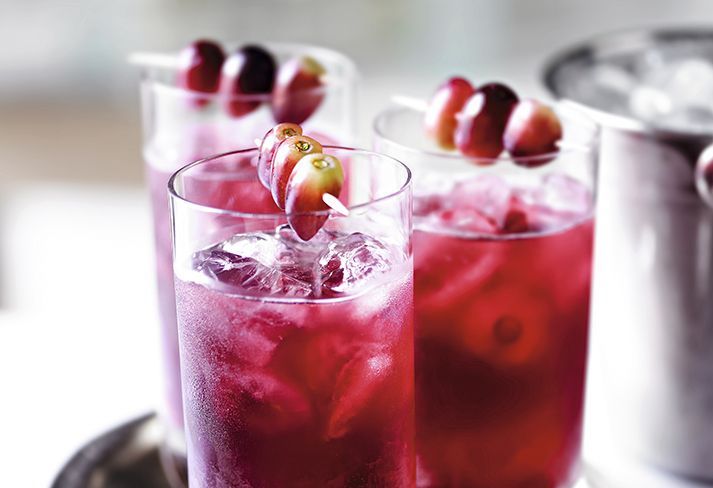
Celebrate the heat with this Sicilian summer cocktail from our pals at Waitrose. The  satisfying sweetness of the red grape juice, together with the fizzy freshness of the Sparkling Sicilian Lemon Refresher make this lipsmackingly effervescent cocktail #IDEAL for the summer season.

INGREDIENTS

  • 35ml Bacardi Superior Rum
  • 75ml pressed red grape juice
  • 125ml Waitrose Sparkling Sicilian Lemon Refresher
  • 3 red grapes to garnish

METHOD

1. Pour all of the liquid ingredients into an ice-filled highball glass and stir gently.

2. Garnish with 3 grapes threaded on a cocktail stick.

5 IDEAL WAYS TO BOOST YOUR IMMUNE SYSTEM FOR A BUG-FREE AUTUMN

Is your immune system ready for autumn? A change in seasons, autumnal darker days with less sunlight and kids returning to school creates an ideal backdrop for the perfect storm!  Colds and infections are always much more prevalent at this time of year and there are a number of reasons for this. Indeed, lack of sunlight and the consequential loss of vitamin D being produced on the skin has significant detrimental effects.

Researchers writing in the British Medical Journal found that higher levels of vitamin D helped provide protection against acute respiratory tract infections, as just one example.  They noted additional benefit to those who were severely deficient in vitamin D and those receiving daily or weekly supplementation. With this in mind and with the help of Natures Way and Clinical Nutritionist Suzie Sawyer, here’s 5 IDEAL ways to boost your immune system for a bug-free autumn.

EAT GREEN

The more green foods you can pile onto your plate the better.  Broccoli, apples, kale, spinach, courgettes, avocado, peas, limes ….. the list is endless. Green foods are packed with immune-boosting vitamin C, iron, vitamin E, carotenoids and zinc. Try to include at least one green food with every meal. Think spinach omelette, smashed avocado with sourdough bread and a stir-fry using chicken, broccoli, peas and mange touts (plus all the trimmings!).

DRINK GREEN

That’s tea! We know that mint tea is high in immune-boosting nutrients such as vitamin C, the carotenes and iron. However, spearmint tea also contains anti-viral, anti-fungal and anti-bacterial compounds.  According to the Journal of Chemistry it also contains antioxidants which protect the body against degenerative diseases as well as supporting the immune system.

AND EVEN MORE GREEN!

Think spirulina and wheatgrass. Both are little powerhouses of immune-boosting nutrients!  Spirulina is a blue-green algae which is often used in powdered form or as a supplement.  It’s especially high in vitamins A, C and E, plus minerals such as zinc and selenium – all great for the immune system.  Additionally, wheatgrass is rich in chlorophyll, the green food of life, together with many vitamins and minerals. Keep some wheatgrass ‘shots’ in your freezer and add them to your daily juice for a nutritional punch!

NOT KEEN ON GREEN?

If upping your ‘green’ intake is just not your thing, then try NEW Alive! Ultra Wholefood Plus – a range of high quality multivitamin and mineral formulations with enhanced levels of nutrients plus added botanical ingredients. Packed with high levels of B-vitamins for increased energy, and our unique dried blend of 26 whole fruits and vegetables, these specially balanced wholefood solutions provide superior levels of tailored nutrients to reflect the specific needs of women, men, and women & men over fifty. Each Alive! Ultra Wholefood Plus product also contains a bespoke range of botanical blends including Daily Greens (with spirulina and kelp), Digestive Enzymes and Citrus Bioflavonoids.

SAY YES TO SLEEP!

Many of us know how ‘under par’ we feel when we’re not getting enough sleep. Indeed sleep experts generally recommend seven to nine hours per night. A recent study found increased incidence of upper respiratory tract infections when British Army recruits slept less than six hours per night. The fact is, the body needs sleep to repair and regenerate and the immune system can become weakened when it doesn’t get enough. If you’re having broken nights, try going to bed earlier so that you’re actually in bed for longer; sleep needs to be prioritised if you’re going to stay bug-free!

4 IDEAL REASONS TO ENCOURAGE PERSONAL DEVELOPMENT IN THE WORKPLACE

As every employer knows, a business is only as good as its team. And the more content, well rounded and educated that team is, the more productive they are too; what small business owner doesn’t want that? Indeed, it seems there is no better way to encourage a sense of team unity and employee autonomy than by fostering a desire in each and every staff member to develop themselves personally. Though the initial outlay, financially speaking, may be significant, the future benefits to the company are endless. So with that in mind, we’ve teamed up with human resources and organisational development experts Thirsty Horses to offer 4 IDEAL reasons to encourage personal development in the workplace.

SKILLS ACQUISITION

Okay, let’s get the obvious one out of the way first. Personal development, such as inhouse training, night classes funded by the employer, team building excursions and even taking time out to be socially responsible (volunteering for a charity, perhaps), can give employees a whole new skill set, both hard and soft. If they gain new certificates or accreditation, clearly it’s a massive positive for the company in terms of genuine knowledge gained and experience to be passed on through the team. But also, enhanced expertise will manifest itself in a more general way; an improved dexterity, confidence and professionalism; all flexible, fluid and applicable to a whole host of workplace challenges.

PROMOTIONS FROM WITHIN

If your team are improving themselves and gaining new skills in work hours, and you as a responsible employer are encouraging this, then the opportunity for inhouse promotions is massively heightened. And you don’t need to have an A* in business acumen to know that this is great thing for the company. Firstly, promotions from within are extremely good for staff morale; if a clear pathway to career development is clear, and the results so, then employees will be motivated, dedicated and focused accordingly. Secondly, it’s great for business, negating the need for administrative fees, the long learning curve and other financial and time consuming factors traditionally associated with hiring new team members. Finally, a transient workforce does untold harm to productivity and team spirit whereas promotions from within do wonders for staff retention.

EMPLOYEES WHO OPERATE INDEPENDENTLY

No boss wants to spend their whole working day delegating, or worse, having to do the heavy lifting themselves. Independent, high functioning employees, then, are the dream. If an employer encourages, verbally and even financially, their staff to develop themselves personally, then the outcome is often a workforce able to work well without constant monitoring and management.

THE SENSE OF A BETTER WORK / LIFE BALANCE

There a few beliefs more detrimental to morale (and in turn, productivity) than the sense that one’s work /life balance is weighted more in the former category. To harbour a sense that there is life beyond the four walls of the office, but still managing to foster professional, productive behaviour, you should do everything you can as a leader to encourage personal development in all its many forms and as such, job satisfaction

10 TIPS FOR HOSTING THE IDEAL GET-TOGETHER

It seemed like the perfect plan when you dreamt it up, suggested and confirmed it as in the diary after a few margaritas. Everyone round to yours tomorrow, for a huge feast, lots of booze and lots of laughter. But in the morning, with the headache and realisation of the work ahead both bearing down on you, things don’t look so rosy. Well, for those impromptu times when you’re seeking to impress, we’re here to help. Here are our 10 tips for hosting the IDEAL get-together. 

DON’T BOTHER WITH SPOTLESS CLEAN

There’s absolutely nothing to gain by cleaning your home from top to bottom to an immaculate level, prior to the party. By the time just one or two guests have arrived, chances are it’s going to be messy again. Get your guests in a similar state, and no one will notice anyway. They’re here for the food, the fun and the laughter. Instead, straighten a few things up and get the rooms, such as bathroom, which people will definitely see, looking shipshape.

REARRANGE YOUR FURNITURE

Arrange the layout of the venue strategically so that your guests have no choice but to mingle; too many comfy seats equals a sedate, solemn occasion. Distribute snacks and drinks in various strategic points about the place which encourage standing, removing any temptation to simply sit around and not get involved.

BUFFET, FINGER FOOD & SNACKS

Always remember that finger food and snacks are significantly easier to coordinate than a full-blown, sit down, three course meal. What’s more, guests usually feel more comfortable helping themselves, as and when they want to. If you’re pressed for time, it’s also worth remembering that just about any food of any quantity on the face of the earth can now be delivered. Save yourself a huge amount of time and effort by ordering out, rather than catering yourself.

GET A CATERER

Continuing with that theme, why not consider hiring large self-catering accommodation for the party, rather than using your own home? If you simply do not have the space and facilities to cater to the crowd, short lets or party houses really can be a godsend. You even could pretend it’s your own, if you have a devious streak.

BE MINDFUL OF THE GUESTLIST

With the risk of offending your nearest and dearest, be realistic when it comes to how many people you can and should invite. It’s far better to have a relatively small guest list than one you cannot cope with when they all turn up at once. You really don’t have to please everyone.

SET A SPECIFIC BUDGET FOR YOUR PARTY

As we all know, food and drink can get expensive and the spirit of party enthusiasm can get us carried away. Instead, set a specific budget for your party, in order to ensure a level of self discipline in the party planning phase. Get-togethers have a habit of becoming quite expensive if not carefully budgeted for, from start to finish.

ASK YOUR GUESTS TO BRING SOMETHING

Another budget friendly option, this; make it clear to your guests that they are ‘welcome’ to bring something along. Alcohol, soft drinks, snacks and so on – sharing the responsibility and the expense can make things that little bit easier for everyone. If your cooking’s terrible, this could save you a fair amount of embarrassment. If it’s great, then the favourable comparisons will do your ego no harm at all.

HAVE A CONTINGENCY PLAN

If planning a get-together outdoors, you’ll also need to bear weather-based threats in mind. After all, it’s not as if the Great British weather can be counted on even at the best of times. To save your soiree from the rain, have a gazebo ready, or indoor space big enough to accommodate, to avoid any unnecessary, unexpected scrambles from an outburst of heavy rain.

DON’T FORGET THE MUSIC

Think very carefully about the music or any other entertainment you intend to provide for your guests. It can be something of a balancing act, given that you need to ensure it suits the tastes of everyone at the party. Always remember that just because you like it, it doesn’t mean the same can be said for your guests, so go for something (and we hate to say this) inoffensive.

DON’T STRESS

Last but not least, remember to not to stress yourself out. Everyone is willing the event to be a success, for your sake as well as for selfish reasons, so let your hair down and enjoy yourself!

5 IDEAL TIPS FOR HOSTING A GREAT DINNER PARTY


A great dinner party is a difficult thing to define. Firstly, you need to decide where on the stress spectrum you wish to settle; the occasion likely dictating the amount of effort you’re going to put in. Is this going to be close friend dropping by for a pizza and a chat – leisurely and lazy – or is this the inaugural wooing of the prospective in-laws, with tension and trying moments aplenty?

Obviously, both very different affairs. For fantastic hosting though, we think the ingredients remain the same; good food and wine, pinpoint timing, good grace, a certain je ne sais quoi, and most importantly, generosity. So, here are 5 IDEAL tips for hosting a great dinner party.

A GREAT MIX OF PERSONALITIES

A dinner party is only a good as its guests, as the old saying should go. Success lies not in inviting all the largest personalities, but in harnessing a fine balance of characters, temperaments and and tones. While a group of similar professions, ages and the rest equates to a harmonious vibe, it’s not going to be the most interesting; all a little too easy, and everyone preaching to the choir, if you ask us.

If conversation is to flow like the fine wine you serve, you’ll need a great blend of extroverts, introverts and those in between, with a variety of opinions to spice things up a little!

GET THE FOOD RIGHT, FOR COOKING & FOR EATING

A two part tip, make no mistake. We’ll start with the cooking. Of course, you want your food to wow the guests. That’s a given. But to be a great host, you can’t be slaving away for the duration of the meal; you’ll be seldom seen and when you are, stressed and distracted. So, the choice of dishes you serve is going to be make or break to the success of the evening. Settle on something which can be largely prepared in advance, and finished when your guests are already round the table.

We’re thinking a big rib of beef, slow roasted in the oven with thyme, accompanied by a bernaise sauce or red wine jus which you’ve already prepped and just needs warming through. Or how about a leg of lamb, carved at the table for extra theatre, which is a winner for sure.

For vegetarians, how about individual beetroot tart tatins (again, made in advance and cooked in the oven at the last minute), paired with goat’s cheese and hazelnuts. Just a couple of ideas, but you get the picture; lots of prep pre-guests, lots of hosting when they arrive.

Equally important is the way the food ‘eats’. And we don’t mean mastication and digestion here, although hopefully that won’t be a problem for your guests! No, we simply mean you should avoid anything overly fiddly or messy to eat. Also, an item of each course should be placed in the middle of the table, to be shared, as this adds a sociable, convivial air to proceedings.

DON’T CROCK IT UP

You’ve gone to all the effort of cooking up a carefully considered feasts, replete with vegetarian options, side dishes and complementing sauces. And then you serve it all up on paper plates. Okay, this an extreme example, but you want to get your crockery right if you want a sophisticated feel to the evening and the food to shine as it should. Consider investing in dinner sets so the night feels synergised and orchestrated with precision.

The same goes for drinking vessels; if you’re going to serve good wine (see below) then you’ll want an appropriate glass to bring out the best characteristics of that drop. It really does make a massive difference!

CHOOSE BOOZE WISELY

A well paired wine, perfectly suited to the grub you’re serving, can be the difference between a good and great dinner party. Don’t just throw your favourite drop at it and expect things to flourish. Instead, investigate which wine is best suited to each course, bringing out the flavours of the food elegantly. Go that extra mile with picking a better bottle, spending a little more and drinking a little less, for best results, we think.

CURTAINS DOWN

The dish every diner will depart discussing is going to be dessert. Most people have a sweet tooth and owing to it being the last course, the final act is the one whose taste will linger. So, do it in style. Again, something prepared a little in advance will save stress so close to the finish line. Chocolate fondants are a surefire crowd pleaser and can be refrigerated (or even frozen) until they’re required. Serve with a little carefully chosen sweet fine – we think pedro ximenez and chocolate are a divine combination – and send the guests merrily on their way.

4 IDEAL TIPS FOR PLANNING THE PERFECT GROUP HOLIDAY

It’s an idea so often first given volume around the pub table, with enthusiasm building to a crescendo as the night – and drinking – progresses. But in the morning, voices are mute. Yep, the group holiday is a wonderful notion on paper, but in practice, the logistics of organisation just seem too complex for the plan to ever realise itself.

There’s choosing the destination, booking the flights, sharing the financial burden, choosing where to eat, to drink, what to do and arrrggghhh, we’re exhausted just writing about it. But, it really is worth the effort, and with that in mind, here are 4 IDEAL tips for planning the perfect group holiday.

TAKE EVERYONE’S PREFERENCES INTO ACCOUNT

Before you start looking for anything, and most definitely before the credit cards come out and the financial commitments are made, you’ll need to know do an informal survey of everyone’s likes and dislikes. Accomodation, for instance, can be a divisive point. Some may want an all-inclusive, no decisions affair, while others might prefer an airbnb or Villas in Menorcawhere there’s more autonomy, privacy and freedom over the day’s routines.

Other factors to think about include the budget and whether there any particular activities the group consensus is keen on. The more input you have from all parties, the more likely you are to meet their needs, and in turn, have a damn great time.

Read: 5 alternative accommodation options for your next holiday

GROUP CHAT

It’s essential to establish a fixed, focused social media group where all plans and discussions can take place. This will be a space where you can all communicate with each other virtually, such as a Facebook event page, dedicated email address or WhatsApp group chat. There are also a number of holiday planning tools you might want to consider which can ease the burden of scheduling and recording even further. With one dedicated space for questions and holiday-related conversations, you’ll all be able to keep up with the latest plans and no one will feel left out.

MONEY MATTERS

There are going to be certain expenses which are easy to divide simply and efficiently; flights, accommodation, fixed bits’n’bobs. But a more general ‘policy’ needs to be put in to practice where spending patterns may differ and diverge. When you go out for dinner, for instance, are you going to split the bill by person or work out your own portion of the bill? This stuff matters, and can escalate into tension and dispute if not managed properly, so establish how you’re going to handle the financial side of things early on in your adventure.

LEAVE SOME ROOM FOR FLEXIBILITY

Knowing the holiday destination and where you’ll be sleeping every night are, of course, essential. Such matters shouldn’t be left to chance as it’ll only add up to a stressful trip. But, it’s also important to leave a little room for flexibility with regard to how each day is mapped out. It’s a real buzzkill to have every single minute of the day accounted for and planned out. Instead, allow for nuance and spontaneity if you want to achieve a real fun, memorable group holiday.
7 IDEAL TIPS FOR SLEEPING ON THE PLANE

The summer holidays are finally here, and the prospect of sea, surf, sand and sangria looms larger than the beer belly we’re sure to come back with. But before all the fun and frolics can start, we first need to negotiate the flight. And whether it’s short or long haul, under an hour or overnight, the plane is the perfect time to try and catch a little shut eye before all the merriment commences. So, with the help of from the sleep experts at Sealy, here are 7 IDEAL tips for sleeping on the plane.

AVOID THAT PRE-HOLIDAY TIPPLE

While a nice glass of wine or a refreshing beer might be a tempting way to kick start the holiday – we’ve all been there, reveling in the normality of an airport glass of wine at 9am – please do try to exercise some restraint.

Alcohol can have a negative impact on the rapid eye movement (REM) stage of sleep, which is often considered the most restorative part of the sleep cycle. While you may fall asleep faster after a couple of drinks, you’ll spend less time in your REM phase of sleep – meaning you’re more likely to feel unrested and drowsy when you step off the plane. There are plenty of other ways to stay relaxed during the flight, without the assistance of several massive gins.

BRING YOUR EYE MASK

Planes are full of bright lights – from overhead reading lights to the blue glare emitted by the TV screens – all of which can have a negative impact on our state of slumber. When we witness a light form, it stimulates a nerve pathway from the eye to the brain which stops us from feeling tired, making it harder to drift off. Blue lights are especially detrimental, affecting the sleep-inducing hormone melatonin and disrupting our circadian rhythm. Wearing an eye mask will help to block out these lights, helping you to fall – and stay – asleep.

IDEAL Editor’s Top Tip: Similar to covering your eyes with a facemask, consider covering your whole head with a pashmina. Not only does it block out the aforementioned disruptive light, but if you’re a self conscious sleeper, it hides your face too.

AVOID TECHNOLOGY 

While it may be tempting to watch a film or read on your tablet during the flight, the blue light emitted from the screens impacts our levels of melatonin, the sleep-inducing hormone, as we already mentioned. By avoiding technology for a minimum of 30 minutes before you’re planning to get some kip, you can help ensure a more restful time onboard.

PICK YOUR SEAT CAREFULLY

While many think the choice is simply one of two – window or aisle – it’s also important to think about which row you’re sitting in. By doing so, you can more likely secure a double seat all to yourself, or whisper it, maybe even a triple. Passengers tend to congregate around the toilets, making this area of the plane noisier and more likely to cause you disturbance when you’re trying to rest. And when checking in online, the back rows are far less preferred; plump for a seat in the plane’s nether regions and you might get lucky and get an actual lie down.

PACK YOUR SOCKS

With the harsh air-conditioning on planes, it can sometimes be difficult to stay warm during your flight, so it’s important to pack some comfy and thick socks in your hand-luggage. Having warm feet helps you to drift off faster, as well as helping avoid a restless sleep.

Pack A Sleep Kit

With everything from screaming children, pilot announcements, coughing passengers and that distinct rumble of the plane engine, there are so many noises that can keep you from getting that all important shut eye. Ear plugs can help to muffle this and turn it into soothing ‘white noise’. Perfect!

Time Your Flight Right

To avoid the much dreaded jet-lag during your holiday, it can help to try to set your body clock to your destination’s time as early in the journey as possible. Do this by working out the best time to sleep on the flight, in accordance with when your nighttime is due to fall at your destination. By beginning to shift your sleep schedule early on, you’ll feel more energised to get up and get going, even on that first day.

5 IDEAL PLACES IN THE UK FOR A LUXURY COUNTRYSIDE ESCAPE

The great British staycation. What was once nae has recently and most affirmatively turned into yay where the question of holidaying at home is concerned. Indeed, in 2017, the number of Brits opting to holiday closer to home increased by almost a quarter compared to the previous year. 

The rise of the staycation is down to a number of reasons, of course, but one key component is the current relative weakness of the pound against other currencies, giving UK businesses something to smile about in these tough, unpredictable times. With such a wide variety of scenic serenity sitting on our own doorstep, it can sometimes be difficult to choose where to ‘stay’. To help you narrow things down, here are 5 IDEAL places in the UK for a luxury countryside escape.

NORTHUMBERLAND

Northumberland is something of a hidden gem; maybe not the first place which would spring to mind when natural, rugged beauty is quoted. Located on the North East coast of England, this area has won various awards for its amazing rural wonder. Here, you’ll find castles, ancient settlements and mysterious stone formations – and you won’t need to walk for miles to enjoy them; it’s linked by quiet roads over the countryside.

For those who want to enjoy the peaceful ambience of the area with a bit of added luxury, there’s the opportunity to stay in the spectacular grounds of the Cragside Estate. With 30 miles of lakeside walks and footpaths, waterfalls and a rock garden, you won’t ever run out of places to explore, all while taking in the views of the Coquet Valley and the heather topped Simonside Hills

Elsewhere, if luxury is your top priority, Walwick Hall is home to 10 individually designed rooms and a laid-back, sophisticated eating area. And if you get tired of the jacuzzi and pool (who are you?) this country house has its own masseurs on hand to ease away the strains of the day in a relaxed treatment room.

Whilst in Northumberland, you’ll also have a chance to visit the Farne Islands via boat from Seahouses. You could also try exploring Alnwick Castle for a day of broomstick training in the very same spot that Harry Potter had his first flying lesson in Harry Potter and the Philosophers Stone!

THE LAKE DISTRICT 

This iconic location provides postcard-worthy views, breathtaking countryside and treks and hikes full of adventure. It’s no surprise that The Lake District is by far the most popular national park in the UK. Recently named a UNESCO World Heritage site, this beautiful area is visited by 15 million people each year. With a huge range of walks available, from the family-friendly circuit of Latrigg that takes in the lovely views of Keswick, to the 14 mile trek that will put you on top of the highest mountains in England including Scafell, the Lake District offers something to suit all tastes.

This region, which is often referred to as ‘The Lakes’, was also home to William Wordsworth and Beatrix Potter – you can even visit their homes, including Wordsworth’s Rydal Mount, if you don’t fancy spending all of your time in the great outdoors.  

And what about Lake District accommodation? Whether you’re looking for budget or boutique, you’ll find yourself spoilt for choice here. With such a diverse selection of locations on offer, you’re guaranteed to be well looked after whether you’re staying on a campsite or at a countryside manor.   

Set in its own secluded estate, Cragwood Country House Hotel leads down the the shores of Lake Windemere, which is the ideal setting for tranquil relaxation. It’s also dog friendly, so you can share your adventures with your four-legged friend. If fine dining is what you’re after, you can indulge without even leaving the hotel, as it’s restaurant boasts an AA Rosette for Culinary Excellence.

If you want something really adventurous however, why not try Simon Rogan’s Michelin Star winning L’Enclume. This Cartamel eatery puts its own unique spin on traditional British cuisine and is not for the faint hearted! With no set menu to choose from, every day has the potential to have a new meal available, with the restaurant deciding on its dishes depending on what local produce is available.

THE COTSWOLDS

If a walking holiday is what you’re looking for, look no further than the Cotswolds in South Central England. Spanning over 102 miles, the Cotswold Way is an excellent destination for walking enthusiasts. However, for those who want to set a base for their trip, why not consider consider De Vere Tortworth Court in the South Cotswolds? With 30 acres for you to explore and many historic castles close by including Castle Combe and Blaise Castle Estate, this beautiful spot is an adventurers paradise.  If you’re a lover of science and history, Dr Jenner’s House, Museum and Garden are located less than 15 minutes’ drive away.  For culinary enthusiasts, trip advisor names the 3AA Rosette Award winning Lumière Restaurant as the best in the area. Close to the famous Cheltenham Promenade, this restaurant offers a discreet and relaxing dining experience.

CAUSEWAY COAST AND GLENS, NORTHERN IRELAND

For a trip that’s away from the mainland but still comfortably close to home, you could explore Belfast and the Causeway Coast, which topped Lonely Planet’s ‘regions’ section of their Best in Travel roundup for 2018. Home to some of Northern Ireland’s most beautiful scenery, the Causeway Coast and Glens Borough is a popular year-round holiday destination.

With the UNESCO World Heritage site at Giant’s Causeway and the world’s oldest licensed distillery, this destination is definitely worth a visit. With the Game of Thrones TV series often being filmed here, you can also try a Game of Thrones excursion, such as the one at Dark Hedges in Ballymoney.

Any trip to Northern Ireland will be steeped in history, but why not spend some of your staycation relaxing in a luxury boutique Hotel. The Bushmills Inn was once a coaching inn in the 1600s, but now offers a taste of luxury with easy access to the Giant’s Causeway and Carrick-a-Rede rope bridge.

DUNKELD, SCOTLAND

When you think of visiting Scotland, Dunkeld may not be the first location that comes to mind, however, this idyllic destination is fast becoming one of the top spots for walkers. Visitors can enjoy a walk beside the beautiful River Tray, whilst, just like The Lakes, this region also has ties to Beatrix Potter.

For a bite to eat, Howie’s Bistro is an excellent choice. Offering fresh produce and home cooked meals, this cozy establishment is popular with many locals and regulars.

For a more relaxing option, the Dunkeld House Hotel nestled in the Perthshire landscape offers luxurious countryside living. According to their website, this hotel boasts an unrivalled experience of Scottish country living – it’s also just 90 minutes away from 90% of Scotland. With award-winning dining, spa facilities, geocaching and fishing spots, this stylish hotel is a good choice if you’re looking to unwind.

The UK is full of beautiful locations, and there are many which could have made this list. It’s no wonder that more Brits than ever before are choosing to take a staycation. So, this summer why not put away that passport and take a look at what’s on offer closer to home?

4 IDEAL TIPS FOR GETTING AN ENTRY LEVEL JOB IN THE FASHION INDUSTRY

If you’re interested in a career in fashion but not quite the right fit for international modelling and can’t thread a needle to save your life, then don’t be too quick to give up your dreams. There are many professional positions within the fashion industry that don’t have anything to do with your ability to strut the catwalk or cut patterns to order. With this in mind, here are 4 IDEAL tips for getting an entry level job in fashion.

IDENTIFY YOUR CORE SKILLS AND STRENGTHS

Start by making a list of your other interests, skills, accomplishments and experience. Sell yourself! As many opportunities within the industry are fluid and at times transient, you may be surprised to know that openings for nearly every professional role exist. As the label of ‘fashion industry’ is so broad, you might work for a design house, fashion magazine, merchandiser or fashion retail company, and come under the catch-all bracket.

This means that there is always demand for people with finance skills, such as accountancy, marketing and communication skills, business development and sales skills, and logistics. There is a but, though. Since fashion is seen as a glamorous and competitive field, you may have to put a little extra effort in to stand out from the crowd of applicants, even if you don’t have to show up to casting calls and face down the competition directly.

SEEK INDUSTRY SPECIFIC EXPOSURE AND EDUCATION

Getting some industry-specific exposure, experience or education can help give that edge which might put you ahead of the pack – check out LSBF on Twitter to see some of the fashion-specific courses and programmes they offer. While you can certainly market your transferrable skills from other sectors (if you have work experience already) to employers in the fashion sector, and soft skills are of course a huge asset, you should also be prepared to showcase why you’re the right fit for them specifically.

It’s nice if you can make anecdotal reference to your interest in fashion, sure, but it’s better if you can point to specific education or proactive steps you’ve taken to improve your exposure. Maybe you’ve volunteered for a regional fashion event, or you have close ties to someone in the industry? That’ll certainly help. And if you’re looking for work in the communications or marketing divisions, then having written for a fashion blog or publication in the recent past is certainly worth showing on your C.V.

OFFER SOLUTIONS TO INDUSTRY ISSUES

While it may sound a little bolshy to criticise an industry you’re not yet part of, demonstrating an understanding of the challenges the trade faces and offering possible measures to mitigate them is a great way to get noticed. It shows initiative, courage and an implicit understanding of the industry. If you have experience in production or logistics, then you could read up on case studies or watch fashion news for examples of high-profile problems in those areas, and promote how your skills or experience would help your prospective employer avoid similar problems. Finance and management professionals should also look for ways to demonstrate their understanding of the unique obstacles to success within the industry, and how their skills and experience are transferrable to those industry-specific challenges.

NETWORK

Networking has become such a ‘management speak’ go-to, that its true value sometimes gets neglected. Its importance, though, can’t be overstated. Once you’ve identified the type of work you’re interested in and qualified for, and established how you’d provide value to potential employers in the fashion industry, it’s time to start working on your connections. Ask around – you’d be surprised at how often someone knows someone who can make an introduction. Volunteering is another good way to get started and familiar to those people who you want in your phonebook or on your Instagram feed.


5 IDEAL WAYS TO TRANSFORM YOUR GARDEN THIS SUMMER

Summer is just around the corner and Brits everywhere will be putting on their shorts, firing up the barbeque and spending as much time as possible in the garden.  Having a serene space to spend the summer in when trying to wring every drop out of the season is essential. With this in mind, here are our 5 IDEAL tips on how to beautify your garden. 

GET SOME PRETTY LIGHTS

Lighting serves a functional purpose, of course – we’ve all had a glass of wine too many and tripped on a poorly lit path (or fallen in a pond). But lighting just as much benefits the look and feel of a garden, creating a fairytale like vibe and ambience which perfectly suits those warm summer nights. Lanterns add oriental chic, fairy lights for childlike whimsy and simple tea lights for romantic intimacy. You needn’t harm the environment and your electricity bill – many modern varieties run on solar power.

MAKE A CHILL OUT AREA

Hammocks and garden swing seats offer a groovy alternative to the traditional garden bench. Much better for indulging in an afternoon of reading or a post-barbeque nap, this style of seating is perfect in encouraging spending long summer days enjoying your beautiful garden. If you want to go the extra mile and create the ultimate chill out area, consider investing in a lovely summer house, it will be beneficial to the whole family and will be very useful during house parties.

GROW FRUIT AND VEGETABLES

Whether it’s simply some berries, or a larger project like planting a fruit tree, growing fruit brings colour to your patch and emphasizes the natural beauty in your garden. Not only does this pay off in aesthetics, you can also enjoy the fruits (ahem) of your labours – freshly picked produce from the garden, there really is nothing better. Pay close attention to the seasons to determine both the best time to plant and the best time to eat for maximum results.  Growing salad leaves, herbs and vegetables also adds to the look of a garden well looked after and a homeowner who likes to eat healthily.

Creating a vegetable patch yourself can sound more difficult than it actually is. It’s not that you need a lot of heavy machinery or other specialized tools, a shovel and a nice garden hose with a nozzle would do the job just fine.


TRANSFORM YOUR GARDEN SHED

A garden shed doesn’t have to be used as just an ordinary shed. From turning it into a  home office, to transforming it into a spa or simply a place where you can kick back and relax, there are loads of creative and clever ways to convert it into a great space. One of the most simple ways to instantly transform your shed is to use polycarbonate to create some durable shed windows. Polycarbonate is a low cost, durable alternative to glass (a bit like a plastic sheet) that doesn’t require any specialist skill to install.  Check out Pinterest for some fab diy garden shed ideas.

ADD A SPLASH OF COLOUR

Brighten up your outdoor space by adding a splash of colour and going crazy with your paint brush. Give a lick of paint to plant pots, fences and sheds. Upcycle your old garden furniture by painting it or even create a colourful feature wall with some wall art or a mural.

THE IDEAL BEGINNER’S GUIDE TO ALCOHOL LICENSING

We’ve all been there. Staring out the office window, hump day barely ascending, and wondered whether this is all life has to offer. The daydream of course goes deeper, and always seems to settle on the same happy ending; owning your own pub, restaurant or pop-up bar. For those who don’t want to wake up, but who genuinely wish to make this a reality, it’s important first to get your head around the basics. And if you’re going to sell booze anywhere, then you’re going to need a licence. So to help clear few things up, like the clarity felt when your Saturday morning hangover finally lifts, we’ve teamed up with Flogas, a UK gas installation supplier for businesses, to give you our IDEAL beginner’s guide to alcohol licensing.

SELLING ALCOHOL: THE BASICS

Whether it’s England, Wales, Scotland or Northern Ireland, if you want to sell or supply alcohol then you must have a licence to do so. If not, you run the risk of prosecution and punishment. Such legal permission is authorised by the licensing authority in the area where your business is housed, usually your local council. This legislation is overseen by the Home Office, and is defined is as follows:

  1. Businesses that sell or supply alcohol on a permanent basis, such as pubs, need to apply for a premises licence.
  2. Those who plan to authorise the sale of alcohol must apply for a personal licence, alongside the premises licence, if they are also the owner of the business in that premises.

DOCUMENTATION AND APPLICATION

The process isn’t too complicated, but you will need to fill out an application form and pay a fee to the local council. As well as the local authority, you will also have to send your application to the police and other responsible authorities; these responsible authorities can include:

  • The primary care trust (PCT) or local health board (LHB)
  • Local trading standards
  • Planning authority
  • Environmental health authority
  • Local fire and rescue
  • Any other licensing authority in whose area part of the premises is located.

PREMISES LICENCING

So, this particular licence will cover alcohol sales within any premises, whereby premises are defined as a vehicle, vessel, or moveable structure. To successfully apply for this licence, you’ll be asked a series of questions including the following:

  • Overall information concerning the premises, like the address.
  • Your details as an applicant.
  • The operating schedule, including the date you want the licence to begin.
  • Licensable activities you plan to undertake. You should also indicate what days and times you want the licence to be active from. This also includes the provision of regulated entertainment, such as indoor sporting events, live music and recorded music.
  • Under the new licensing laws, you should also stipulate who you wish to be the designated premises supervisor (DPS).
  • Your business’ opening hours.
  • How you intend to encourage the four key licensing objectives, which are: the prevention of crime and disorder, public safety, the protection of children from harm, the prevention of public nuisance.
  • The planning of the premises and any marketing on or around the premises that you wish to use.

FURTHER INFORMATION FOR THE BUSINESS OWNER

If you’re thinking about a pub setting then it’s vital to know that your general staff do not need a personal licence, but your pub does need to have a personal licence-holding premises supervisor.

If you’re planning to be the owners of the premises licence, then you also need to be the personal licence holder if the business is yours too. Furthermore, anyone who works in a pub should be authorised to do so by the personal licence holder.

Before applying for this licence, be aware that it is designed to make sure that anyone managing or running the pub is doing so professionally.