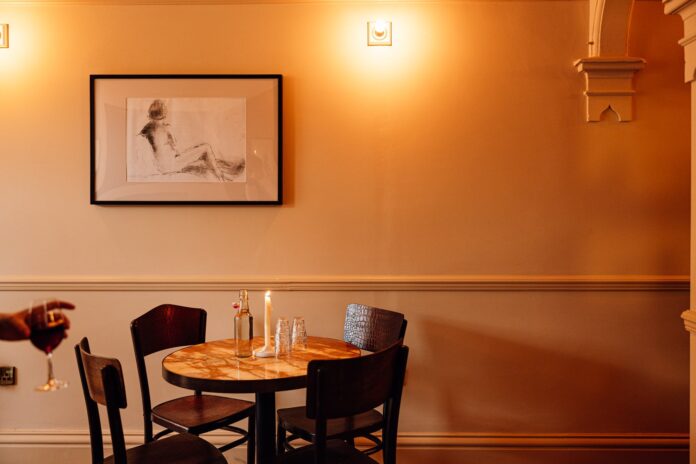
Ideal for bringing a little Gallic ritual to your evening…
There’s a specific window in the French day, usually somewhere between 6pm and 8pm, when the whole country seems to collectively exhale. The working day is done. Dinner is still an hour or two away. And in that gap, there’s apéro.
Short for apéritif, apéro is one of those French concepts that doesn’t translate neatly into English. It’s not quite a happy hour (too boozy, too rushed). It’s not pre-dinner drinks (too functional). It’s closer to a ritual: a deliberate slowing down, a moment to gather with whoever’s around, and an opportunity to wake up the appetite before the meal to come. The word itself comes from the Latin ‘aperire’, meaning ‘to open’, and that’s the idea. You’re opening the palate, opening the evening, opening the conversation.
The British equivalent, such as it is, tends to involve standing in a kitchen drinking wine while someone cooks, occasionally breaking stride to chant along to Oasis on the Alexa. If you’re throwing a dinner party, there might be some olives out, but that’s as far as it goes.
The French version is more considered. There are conventions and a loosely understood etiquette. And while none of it is rigid, understanding the form makes it easier to recreate at home. As AFAR puts it, apéro hour is sacred in France: it’s simply unthinkable to jump from a busy workday straight into dinner without stopping for a little pause.
What To Pour
Apéro drinks are meant to stimulate rather than sedate. You’re not trying to get drunk: you’re trying to prime the appetite for dinner. This means lighter serves, lower pours, and nothing too heavy or sweet.
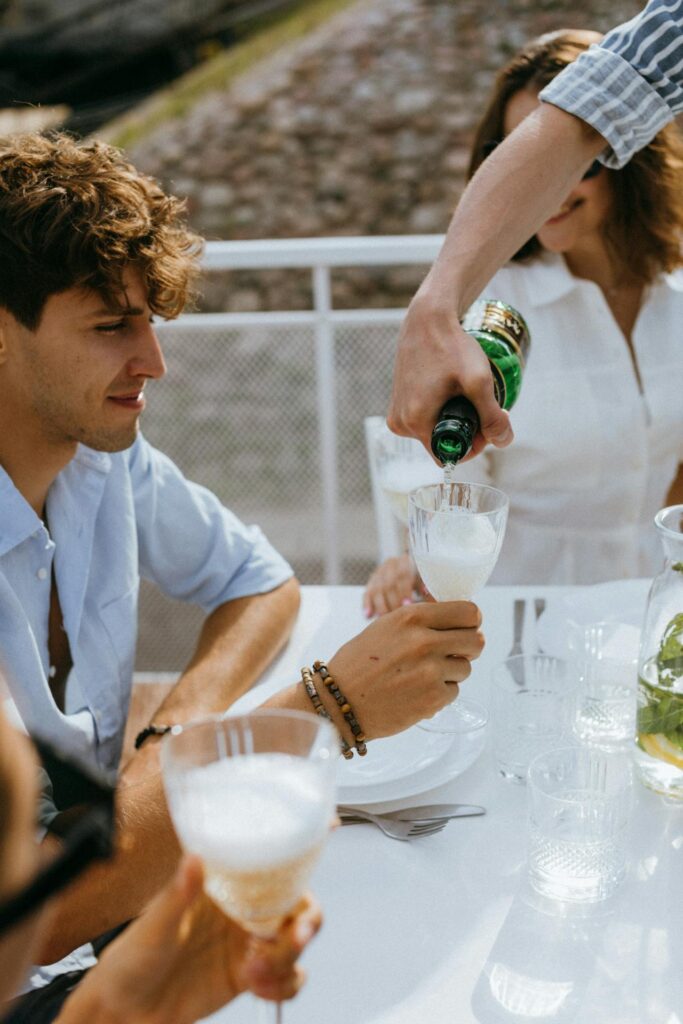
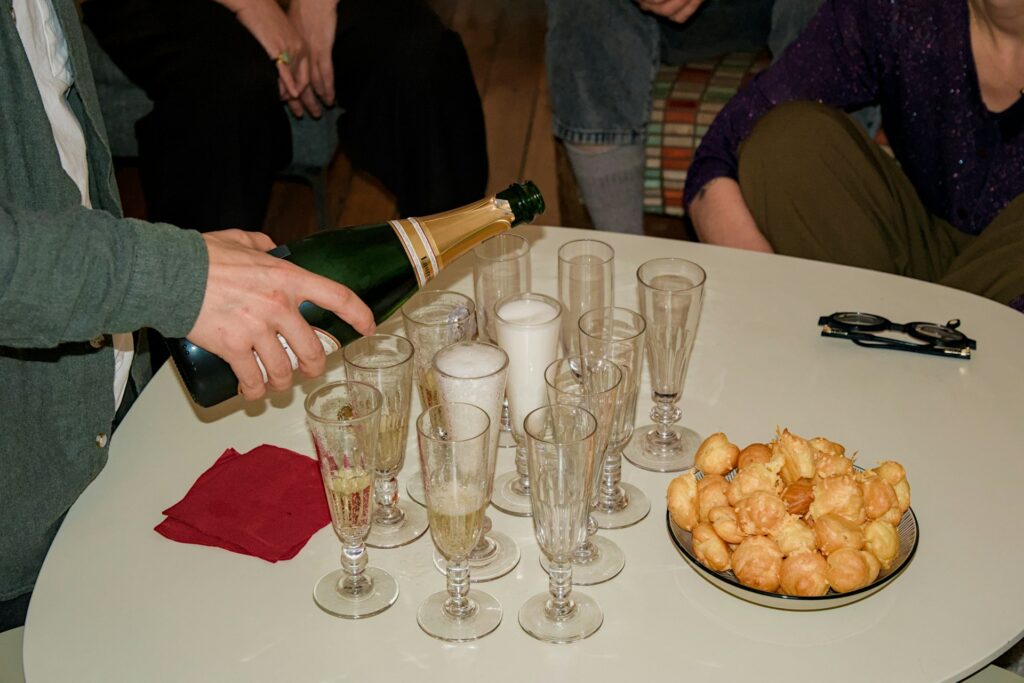
Champagne has long been considered the quintessential apéro drink, and there’s a reason it works so well: the acidity cuts through, the bubbles lift the palate, and it pairs with almost anything you might put out.
The La Cuvée from Champagne Laurent-Perrier is a good example of the style: Chardonnay-dominant, fresh, with citrus and white flower notes that make it an ideal aperitif rather than something you’d save for a toast. The house itself describes it as perfect for this purpose, which tells you something about how the French think about champagne: not as celebration fuel, but as a drink for ordinary evenings done well.
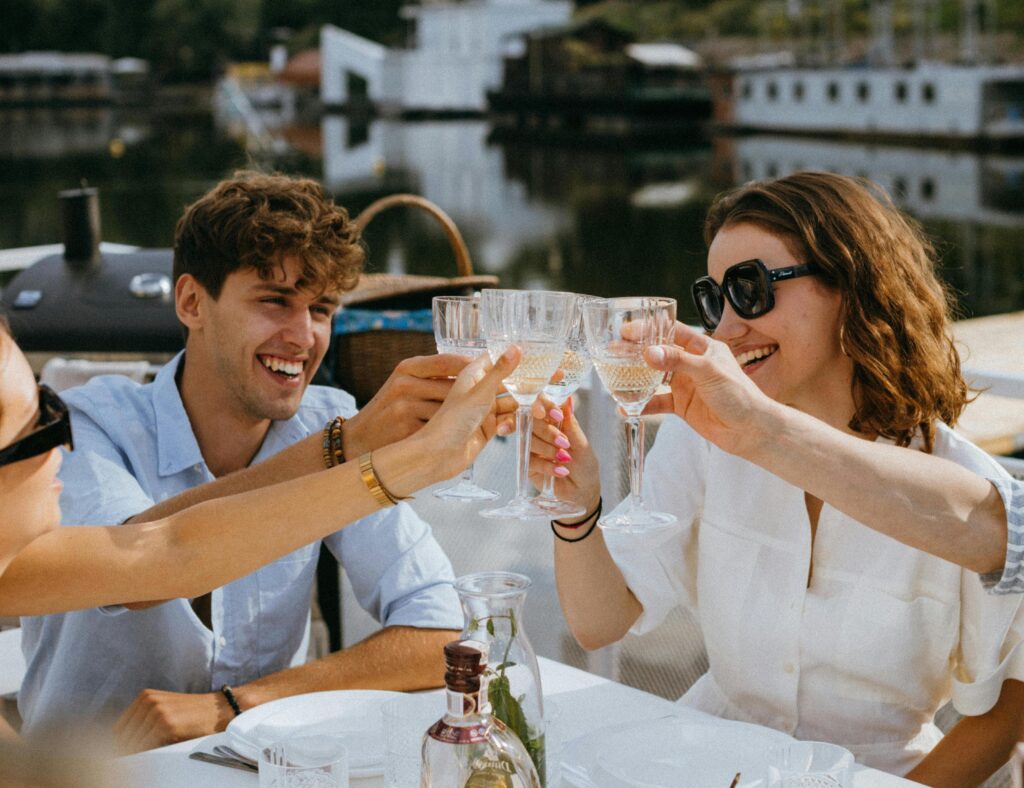
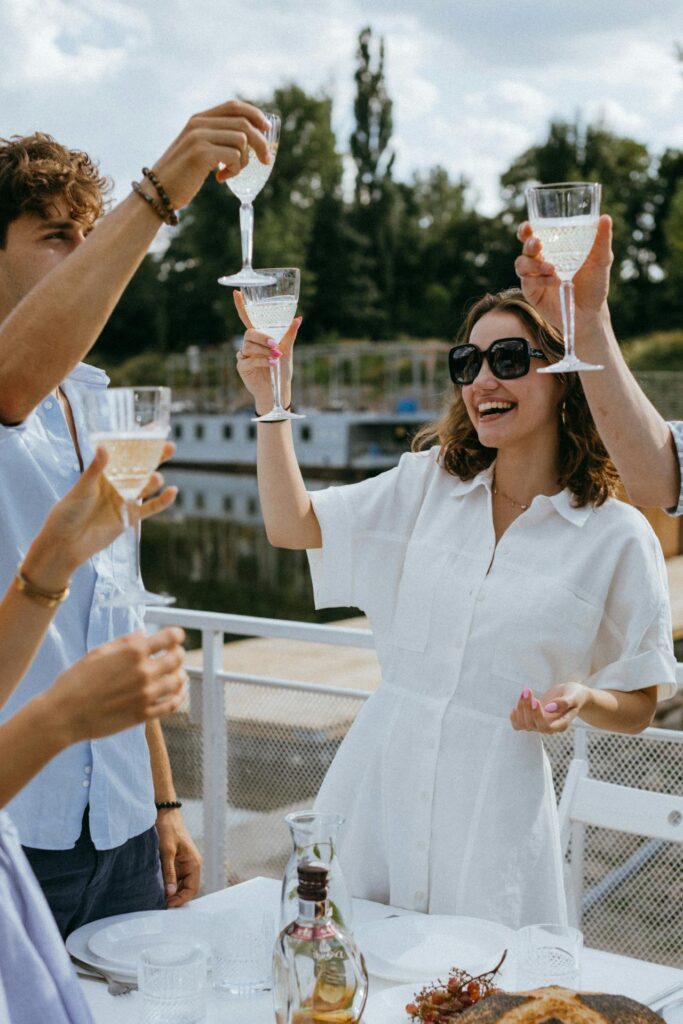
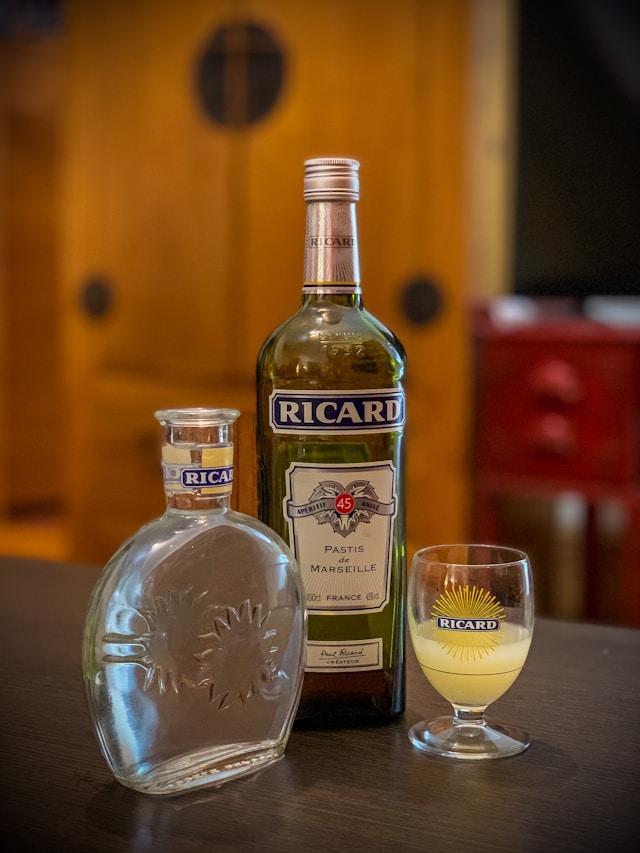
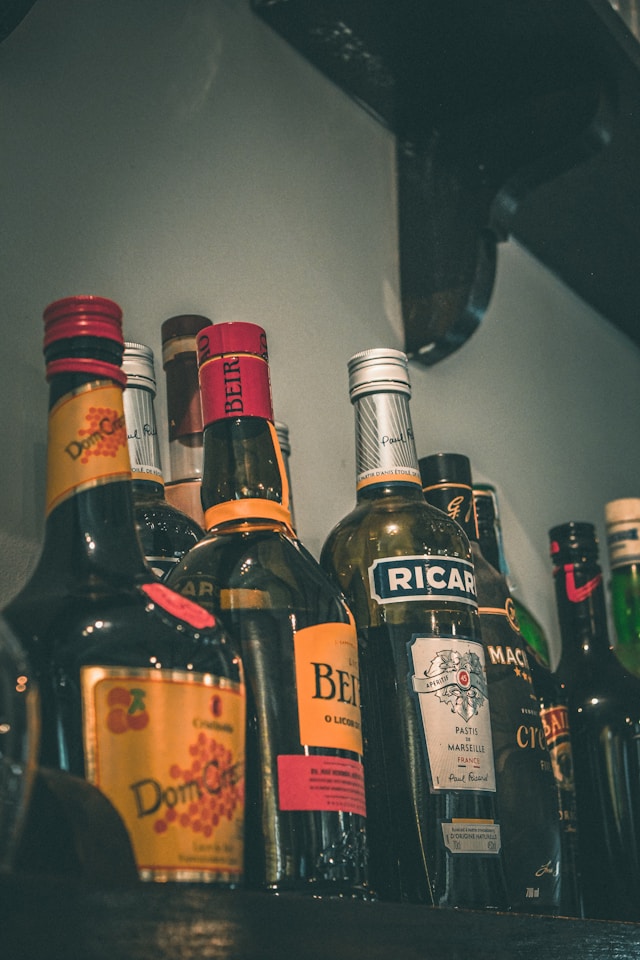
Beyond champagne, the classics include Kir (crème de cassis topped with white wine, typically Aligoté), its sparkling cousin Kir Royale, and in the south, Pastis: that anise-flavoured spirit diluted with cold water until it turns cloudy. Lillet, served over ice with a slice of orange, has seen a revival. A crisp white wine or a dry rosé are always safe choices. The key is keeping things fresh and relatively restrained. Two drinks, maximum, before dinner.
One point of etiquette: when you clink glasses, look the other person in the eye. The French will tell you, with varying degrees of seriousness, that failing to do so brings seven years of bad luck. Or bad sex. The superstition varies by region.
What To Put Out
The food at an apéro is not dinner. This is important. You’re not trying to fill anyone up: you’re trying to tease the appetite. Everything should be small, simple, and easy to eat standing up or perched on a sofa. No cutlery required.
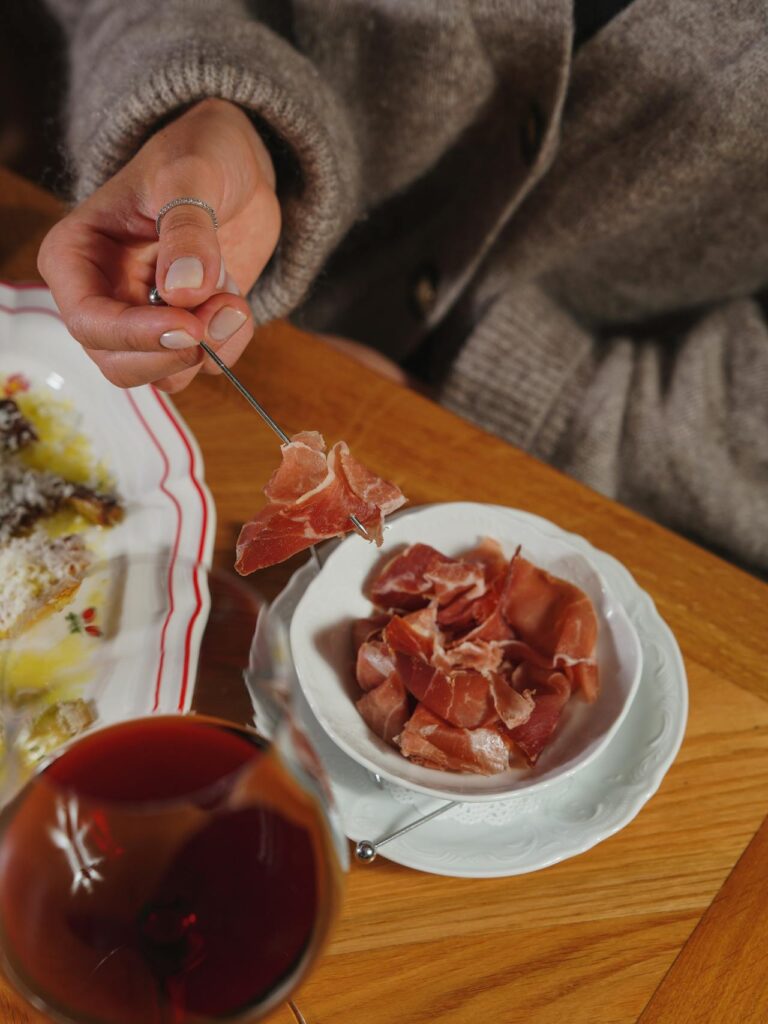
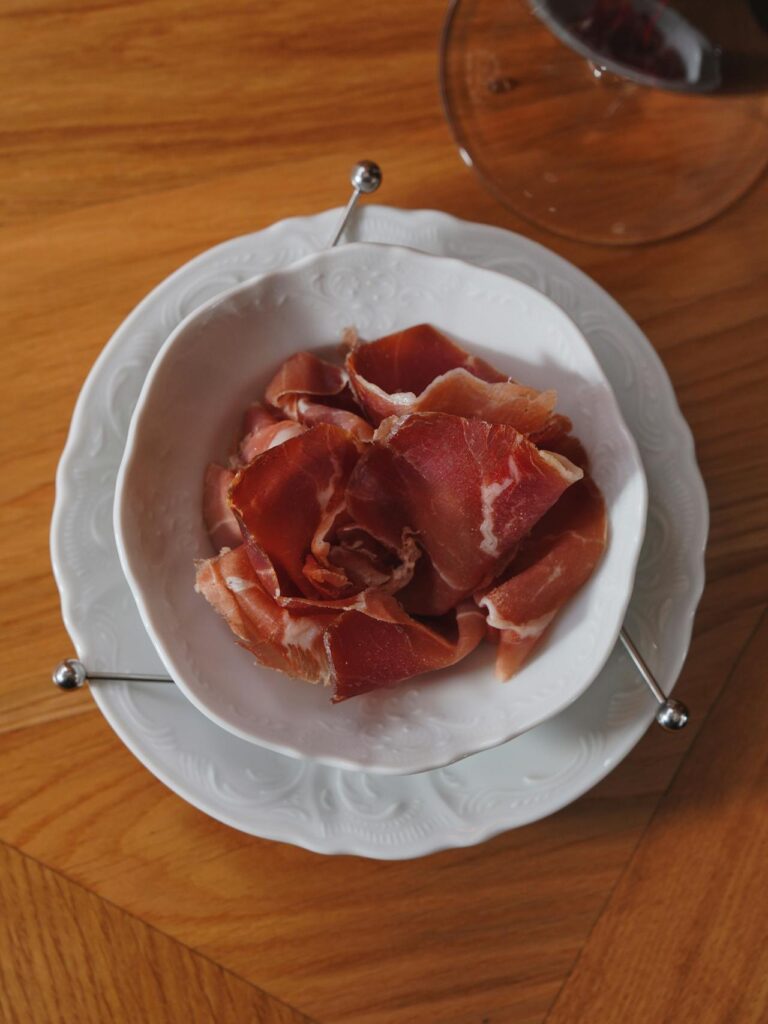
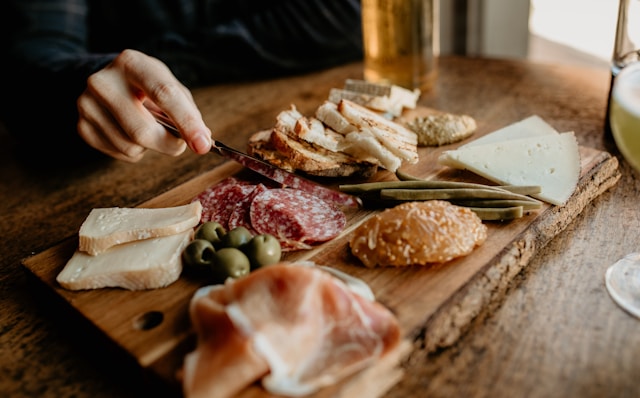
The bare minimum is a bowl of olives and some nuts. The next level up involves charcuterie: a few slices of saucisson, some jambon cru, maybe a terrine or rillettes with cornichons alongside. Cheese is traditional, though purists will tell you the French reserve cheese for after the main course, not before. A basket of sliced baguette is non-negotiable.
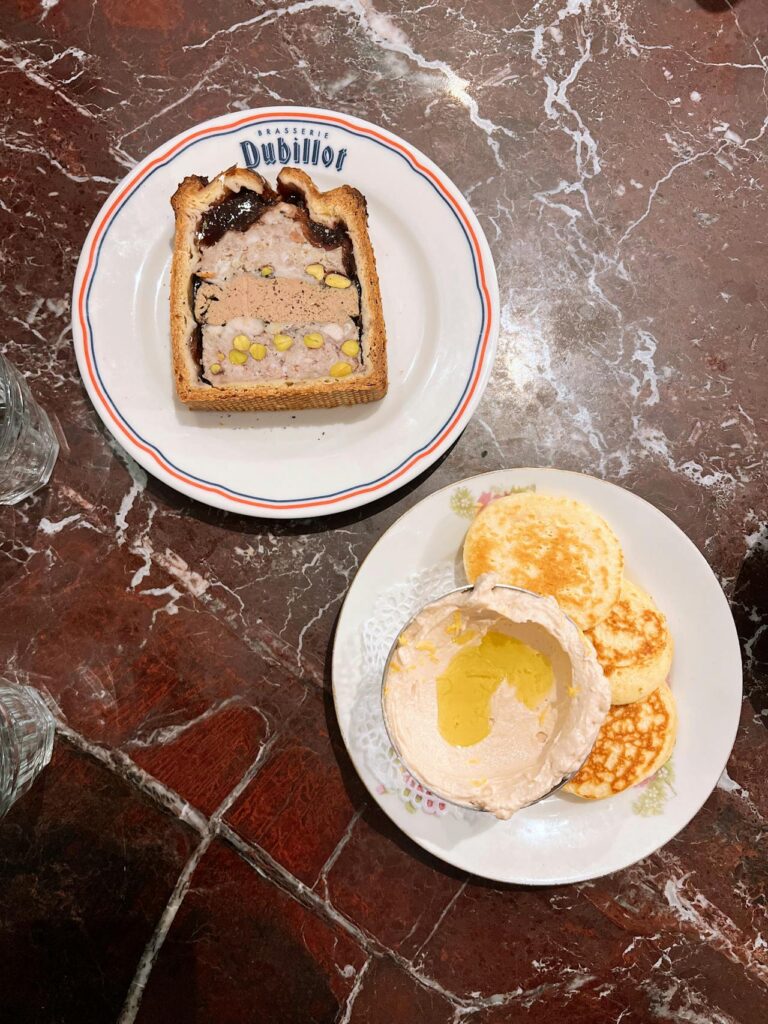
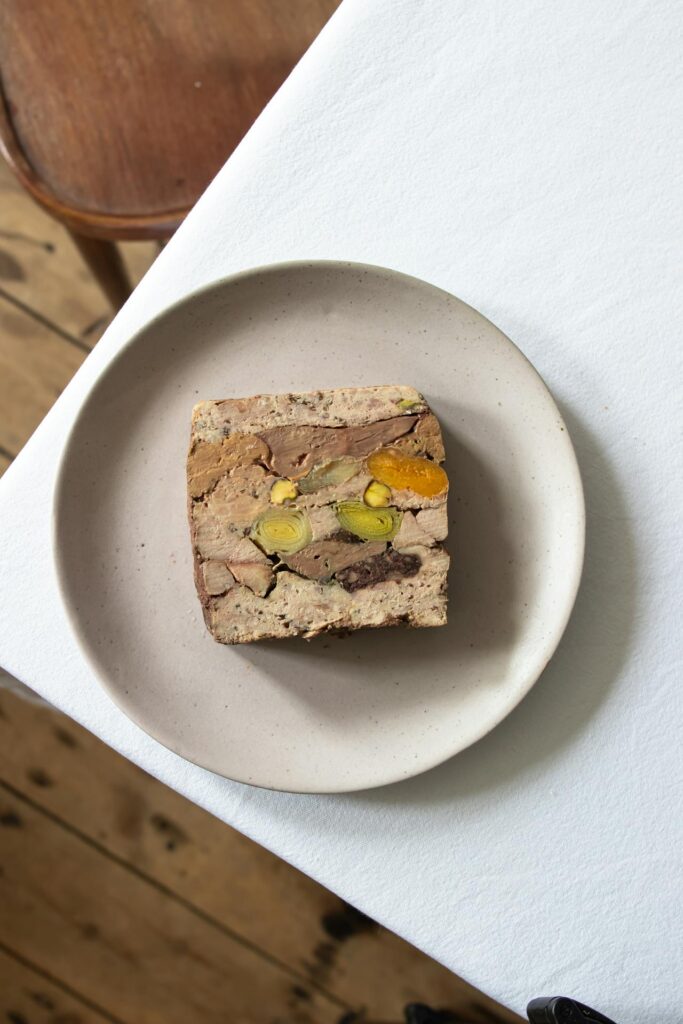
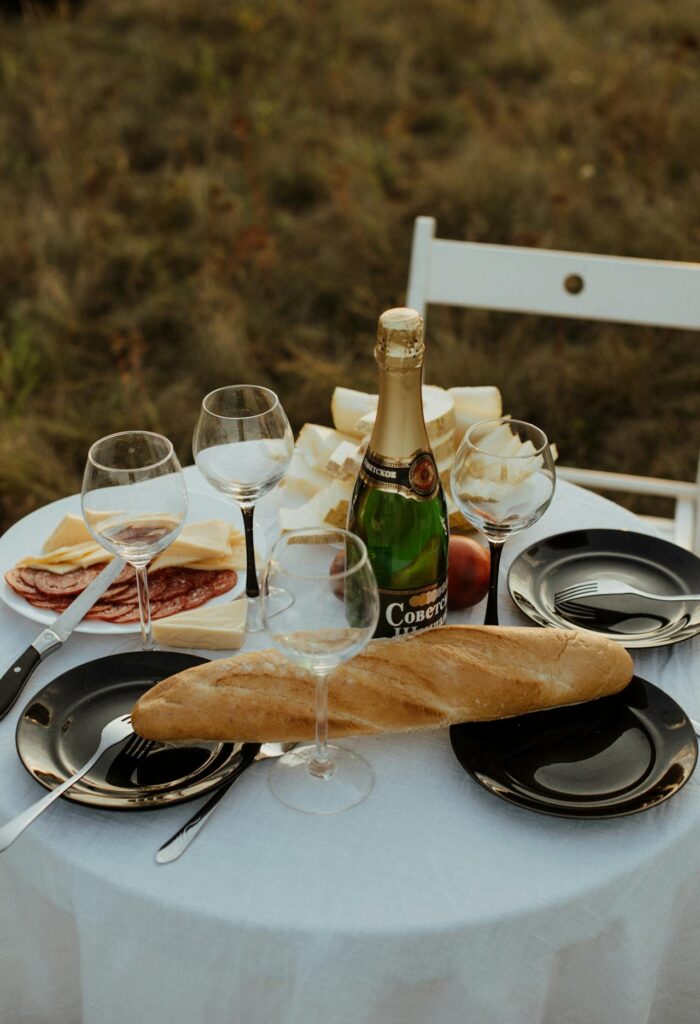
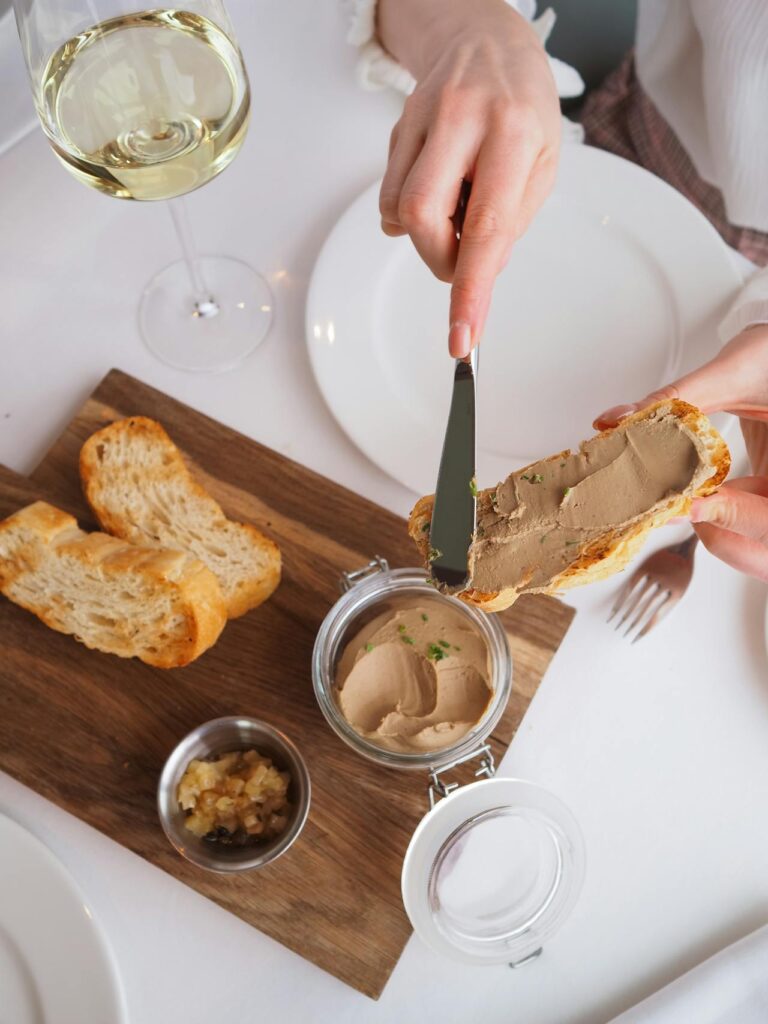
If you want to put in a bit more effort, the go-to moves are crudités with tapenade or hummus, radishes with good butter and salt, or small tartines: pieces of bread topped with whatever’s to hand. Goat’s cheese and honey. Anchovies and butter. Tomatoes and basil. The idea is assembly rather than cooking. In Burgundy, gougères (those airy little cheese puffs made from choux pastry and Comté) are the classic apéro snack, and they’re surprisingly easy to make at home.
For a more substantial affair, what the French call an apéro dînatoire, where the apéro effectively becomes dinner, you might add harder cheeses, terrines, salads, and perhaps oysters if you’re feeling flush. But this is the exception rather than the rule. Most apéros remain deliberately light.
When To Start (& When To Stop)
Apéro happens in that liminal space between work and dinner. The French eat later than the British (8pm at the earliest, often 9pm) which means apéro can start as late as 7pm and still leave room. An hour is typical. Two hours isn’t unusual. There’s no strict end point; the apéro finishes when dinner is ready or when everyone moves on to a restaurant.
The key is that it shouldn’t feel rushed. This isn’t about efficiency. The whole point is to slow down, to mark the transition from one part of the day to another. Phones go away. Conversation takes over. If the apéro extends and dinner gets pushed back, so be it.
Read: 9 champagne rules just waiting to be broken
Setting The Scene
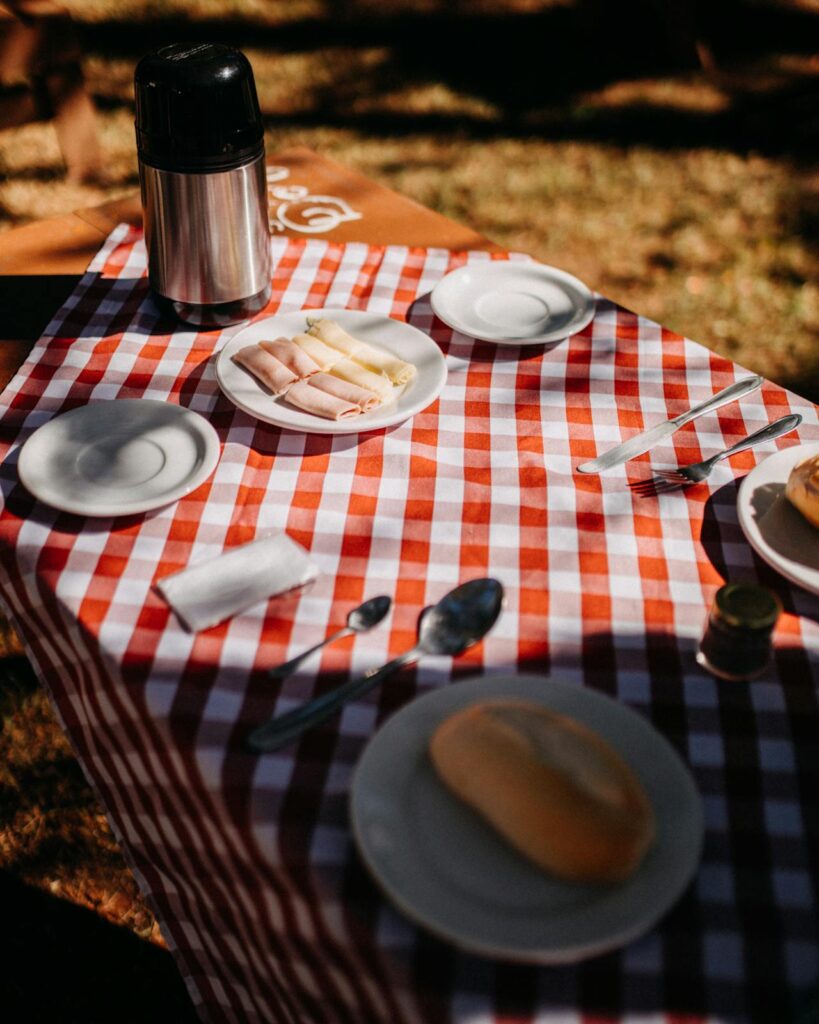
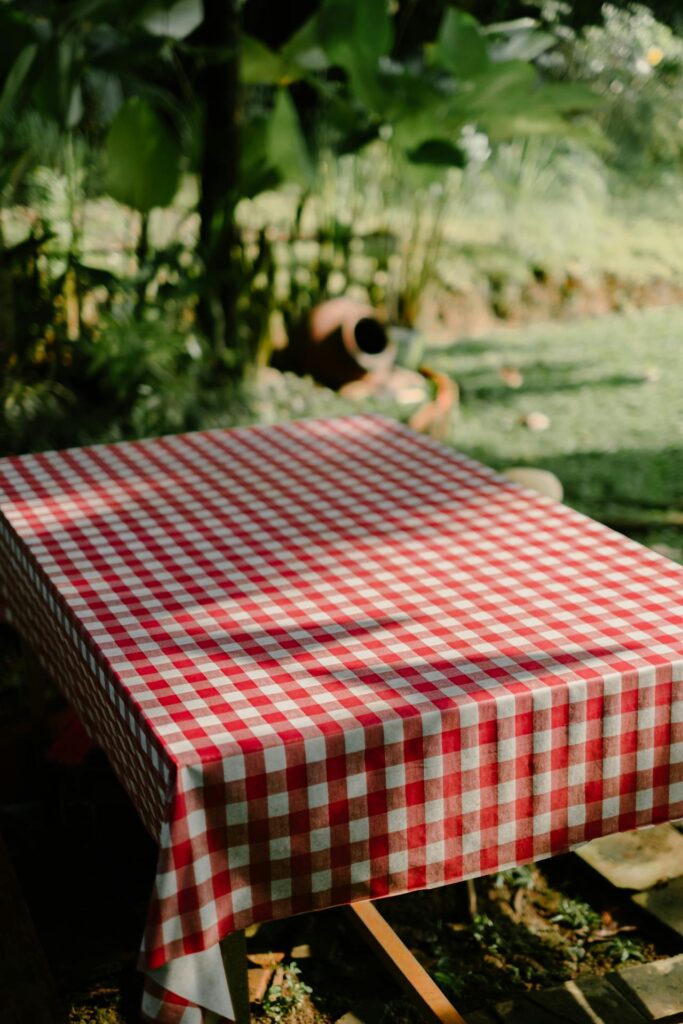
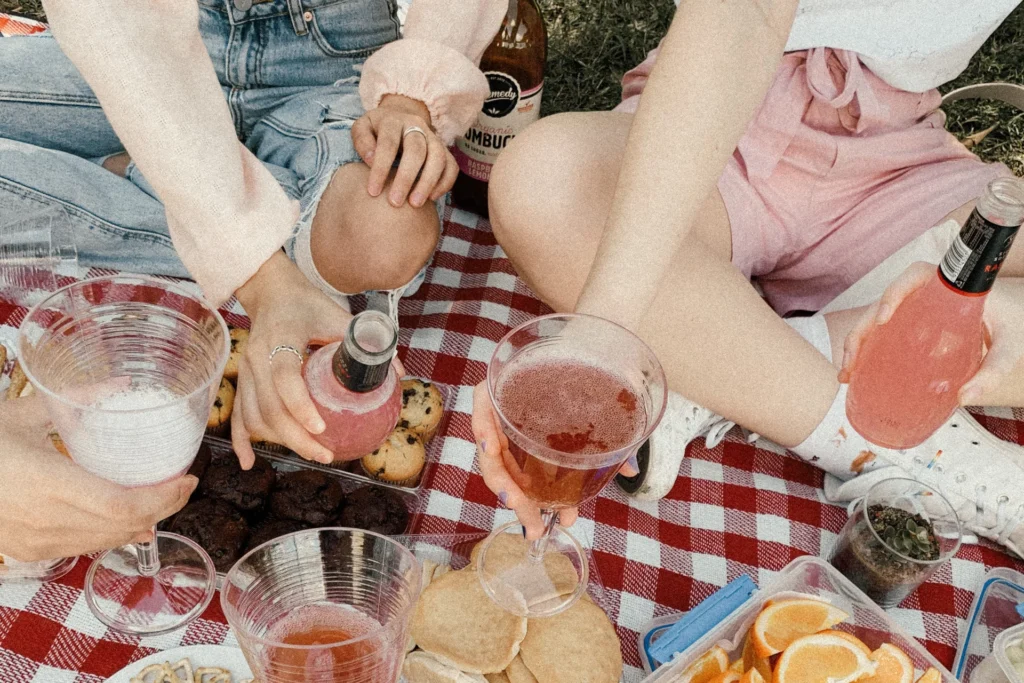
No special equipment required. A few nice glasses, some small plates or boards for serving, napkins, and somewhere comfortable to sit. The French do this in apartments, gardens, parks: anywhere works. If you want to add atmosphere, some candles and fresh flowers help — a red gingham tablecloth gives you instant bistro credentials — but don’t overthink it. Apéro is casual by design. The elaborate tablescape is for dinner.
One thing that does matter: having everything out and ready before guests arrive. The host shouldn’t be stuck in the kitchen. The point is to be present, to participate, to drink alongside everyone else. Anything that requires last-minute assembly or temperature control is probably too complicated.
The Unwritten Rules
Every French tradition comes with its own set of gentle expectations, and apéro is no exception. None of these are deal-breakers, but observing them helps capture the spirit of the thing.
First, pacing matters. This isn’t a race to the bottom of the bottle. Sip, don’t gulp. The French have a phrase for it: “L’apéritif, c’est la prière du soir des Français” (the aperitif is the evening prayer of the French). It’s meant to be savoured.
Second, the food should complement, not compete. You’re whetting appetites, not ruining them. If guests fill up on your elaborate canapés, you’ve overdone it. Keep portions small and resist the urge to keep bringing things out.
Third, conversation is the main event. The drinks and nibbles are there to lubricate, not dominate. A good apéro has a rhythm to it: people arrive, drinks are poured, small talk gives way to something more substantial, and by the time you move to the table (or say your goodbyes), something has shifted. You’ve decompressed. You’ve connected. The evening has officially begun.
And finally, there’s the question of how to end it. If you’ve been invited for apéro only (rather than apéro followed by dinner), the polite window is around an hour to ninety minutes. Overstaying is poor form. But if the host starts bringing out more food, or opens another bottle, take that as your cue: the apéro is evolving into something longer, and you’re welcome to stay.
Bringing It Home
The real appeal of apéro isn’t the specific drinks or the particular snacks: it’s the permission it gives you to carve out a moment of deliberate pleasure on an ordinary weekday. The British tendency is to collapse on the sofa after work or to power through to dinner. The French have decided there’s value in the in-between.
You don’t need to make it a production. A bottle of something cold, a few things to pick at, and an hour with whoever’s around. No agenda beyond enjoying the evening. It’s a small ritual, but rituals have a way of making ordinary life feel slightly more intentional. And after all, isn’t that the point?
The Bottom Line
Apéro is the French art of the pre-dinner drink, perfected over centuries and still going strong. It’s simple to recreate at home: champagne or wine, a few nibbles, good company. Consider it your new evening ritual.
Or, you could go full throttle and embrace a new British tradition; the unholy combination of a martini and french fries. Sounds rather good, don’t you think?