The restaurant comes first. Before the rooms, before the design awards, before the question of how far the beach is, the main reason to stay at Hotel Gahn is Juumpo, and it would be worth the detour even if you weren’t sleeping here.
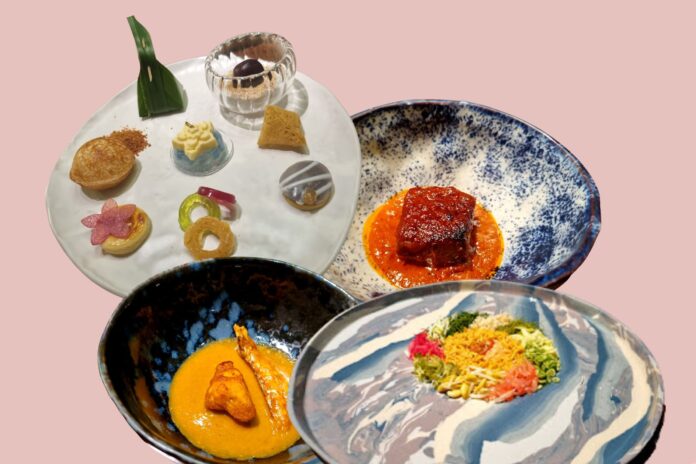
A juumpo is the chef aboard a Chinese trading junk, and the restaurant takes its name from the owner’s grandfather, who cooked on the trading routes between southern China and the Andaman coast nearly a century ago. His recipes survived him, passed through the family and now the backbone of the menu here. What arrives at the table is Baba-Peranakan cooking with no real equivalent elsewhere on the coast, a cuisine shaped by a culture that took root here when Chinese settlers came for tin and never quite left; Chinese technique and Straits sweetness shot through with lemongrass, turmeric and galangal, producing curries, soups, salads and noodle dishes that taste like nowhere else.
Khao Lak feeds its visitors well enough, but most of them eat the same things they’d eat anywhere else on the Andaman coast. The Baba-Peranakan heritage that shaped this region – most visible in the shophouses and temples of Takua Pa, just up the road – barely touches the chief resort strip. Hotel Gahn and its signature restaurant is one of the rare properties where it’s proudly celebrated.
The hotel itself is well worth the stay, an elegant, deeply-designed place. But it begins here, at the table. There are few better ways to understand a place than through its kitchen.
The Location
Most visitors to this stretch of the Andaman coast prefer not to stray beyond its beach resorts. The formula is reliable, the logic sympathetic: a long, pale shoreline, a pool, a swim-up bar, and the particular contentment of having nowhere to be. Hotel Gahn makes a compelling case for straying – even staying – inland.
Hotel Gahn sits around a kilometre from the beach as the great hornbill flies, on Phet Kasem Road, Thailand’s longest highway and the main artery through Khao Lak. Its 1,300 kilometres connect Bangkok to the Malaysian border and it’s a busy thoroughfare, with all the Toyota Hilux traffic that entails.
It’s not a glamorous address, and the hotel makes no attempt to pretend otherwise, but everything you need is within walking distance, and the area gives you a flavour of everyday Thai life that the resorts down on the sand can’t offer. There’s a boxing stadium next door, a som tam shack just down the road, and the neighbourhood’s main night market just a few hundred metres further. On top of that, the beach is a 10 minute walk away which is closer than you might expect from a road-facing property, and you don’t actually need to negotiate Phet Kasem to get to any of these places – they’re all on your side of the road.
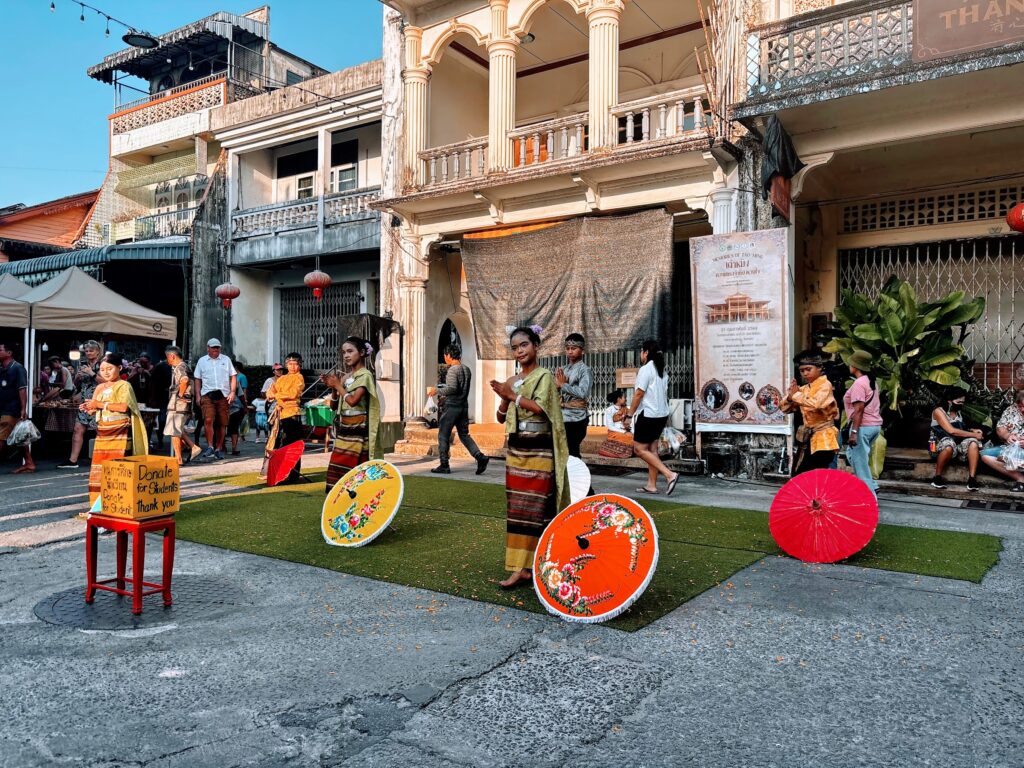
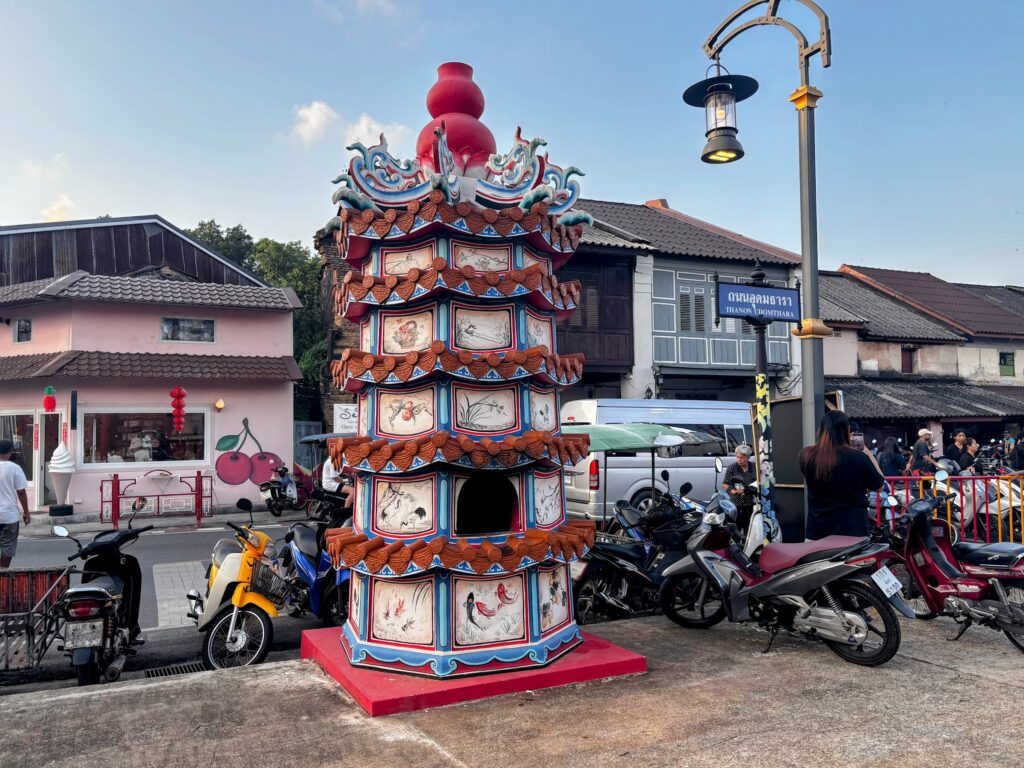
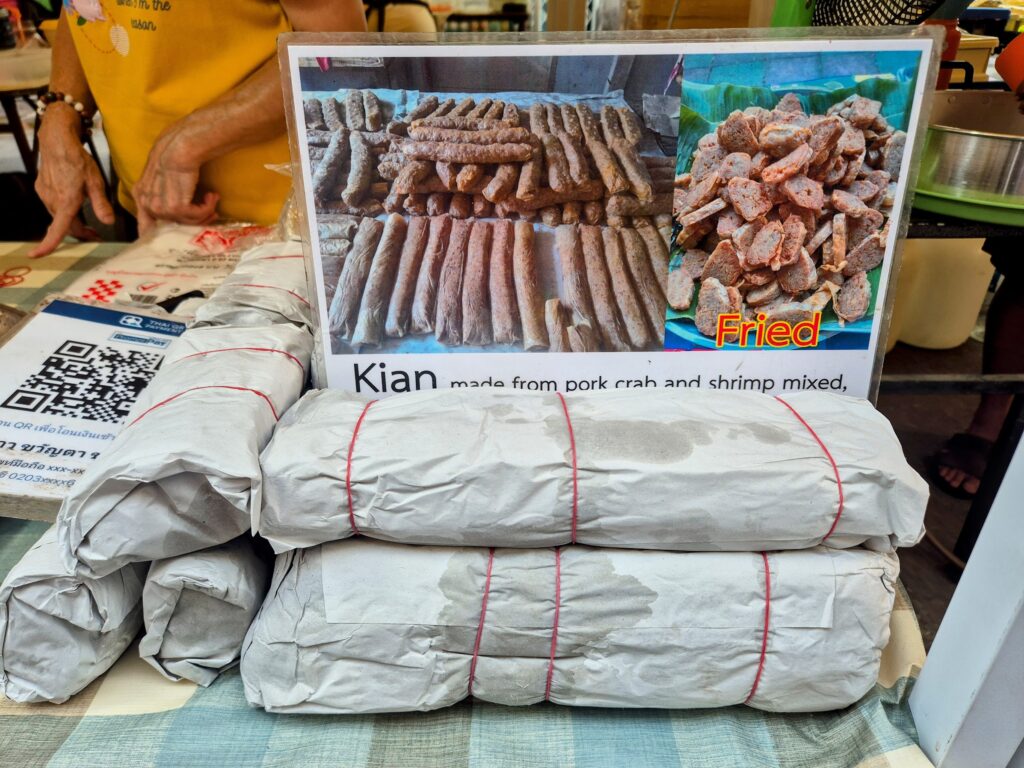
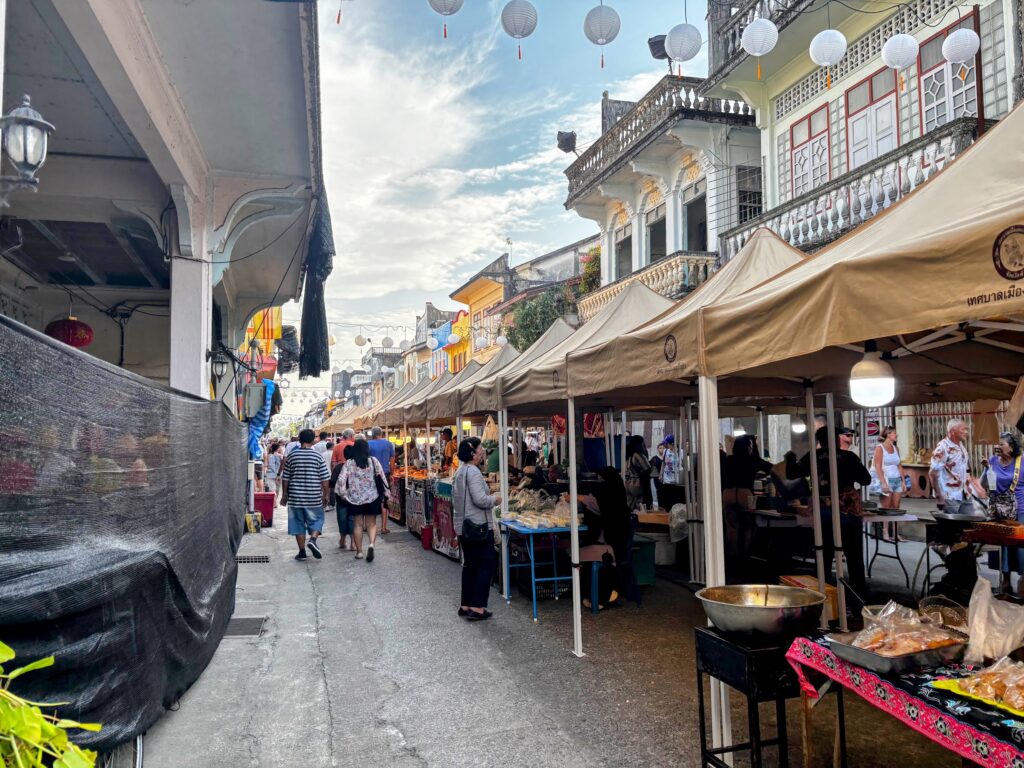
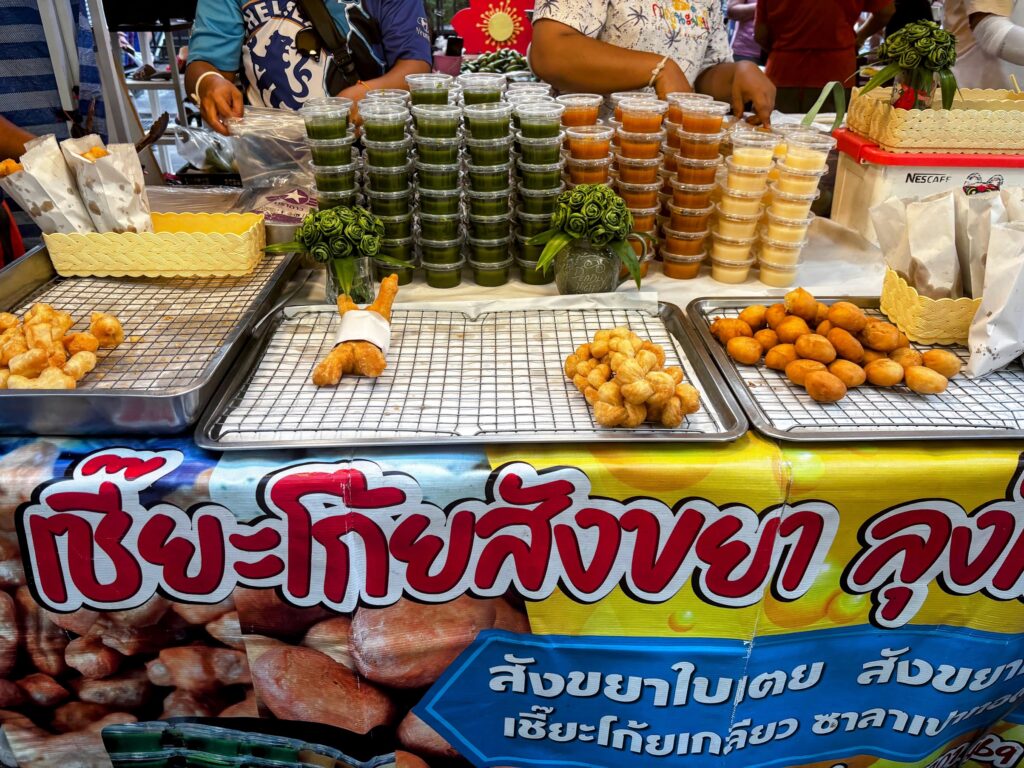
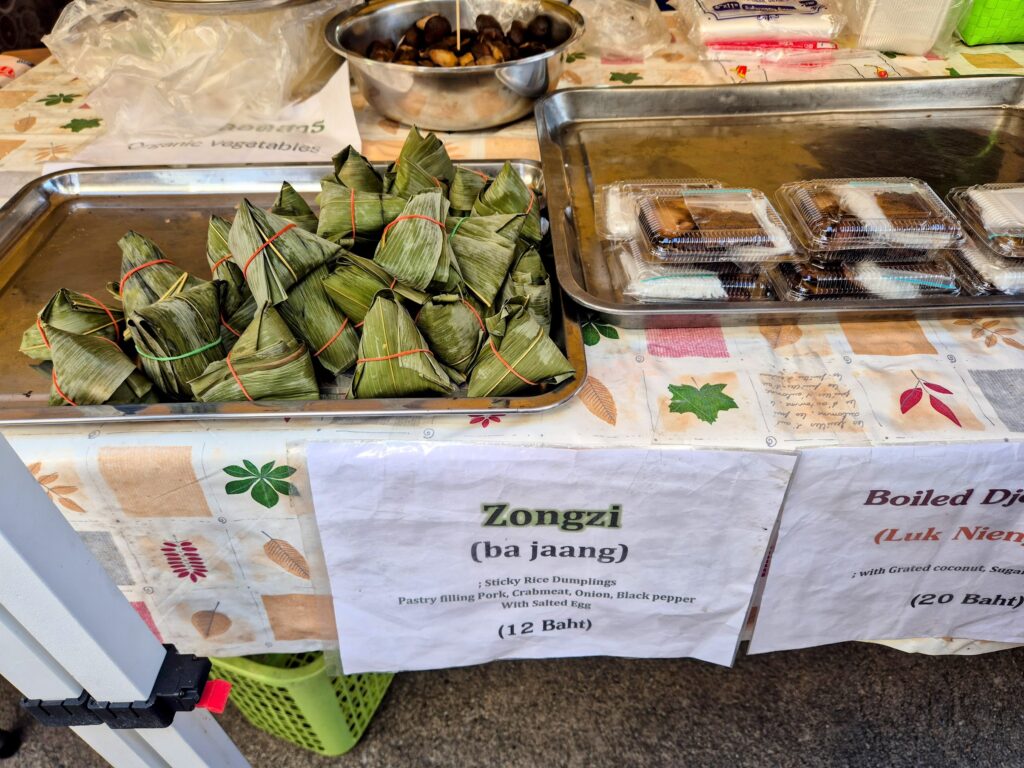
We know the gravitational pull of the Andaman is hard to resist, but the more interesting story is Takua Pa, one of southern Thailand’s oldest Peranakan Chinese trading towns, just a few kilometres north. It’s this heritage, rather than the coastline, that Hotel Gahn is really in conversation with. If you’re staying here over the weekend, be sure to visit Takua Pa Old Town’s Sunday Walking Street. It’s a wonderful place to see off an afternoon, especially if you’ve got a sweet tooth and want to taste local specialities.
Character & Style
There are only a handful of hotels in the region that make the Baba-Peranakan heritage of southern Thailand their defining feature, and most are concentrated in Phuket’s Old Town, where the pastel shophouses and Sino-Portuguese facades have become, in recent years, a kind of heritage tourism shorthand.
When you step inside, you’d think Hotel Gahn had always been here, that it had simply been renovated rather than built from scratch. But it’s only been open since 2019, which makes the innate sense of gravitas and grounding in the building all the more impressive.
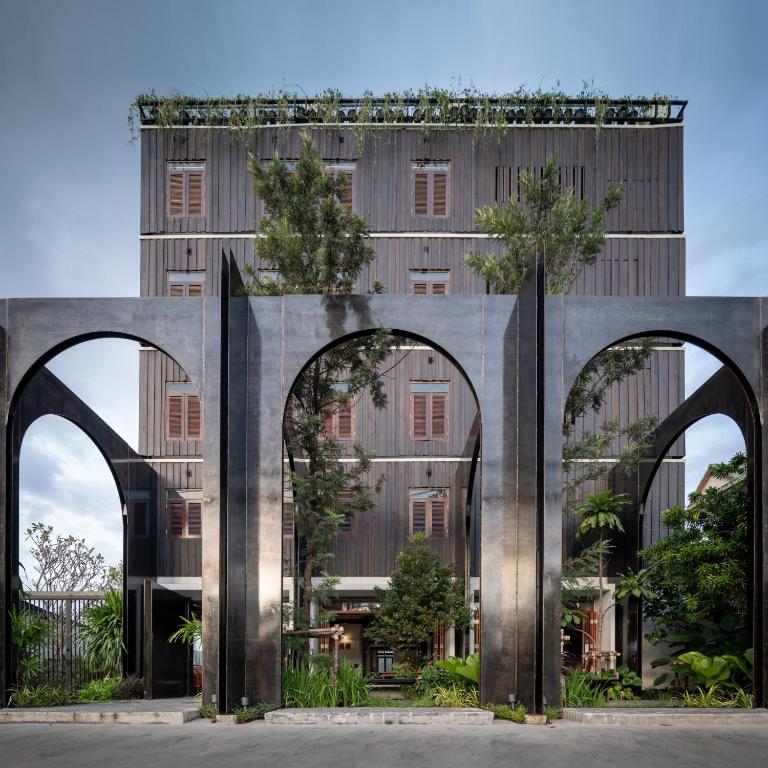
Designed by Studio Locomotive, a Phuket-based practice, the exterior features a steel gateway modelled on the Ngo-Ka-Ki (five foot way) of traditional Straits shophouses and a wood lath façade stained black using an engine oil treatment, a vernacular technique that gives the building its distinctive, weathered presence. The gateway is best appreciated from across Phet Kasem, a view most guests never actually get, approaching as they do from the pavement on the hotel’s side of the road. It’s an interesting flex, but feels fitting for a hotel that doesn’t peacock.
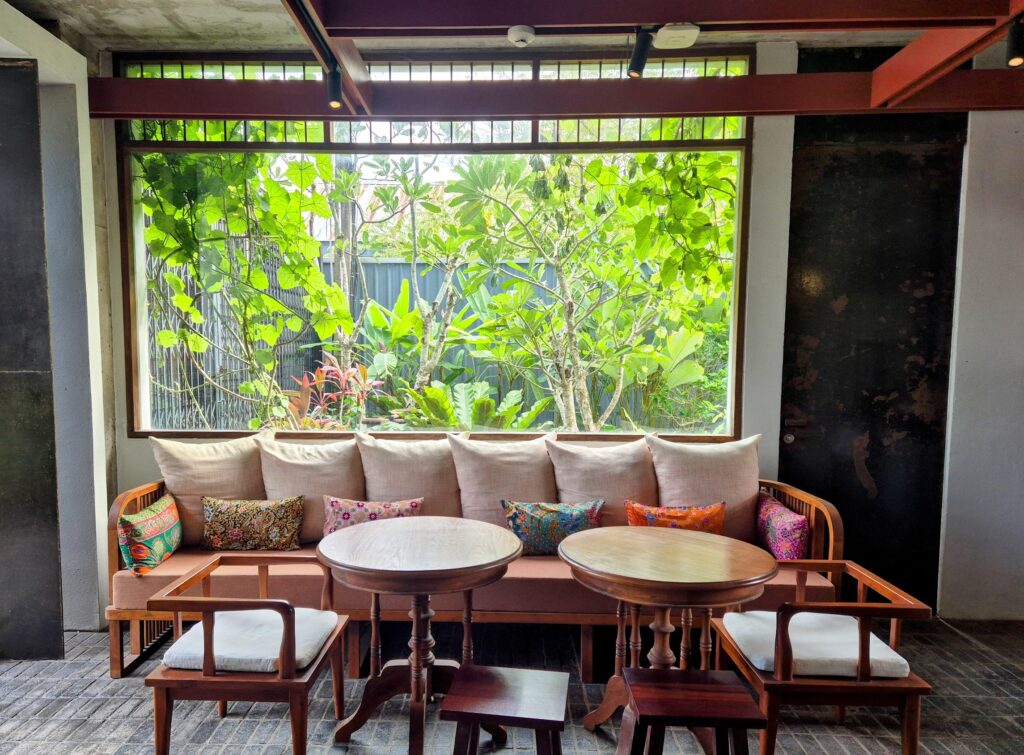
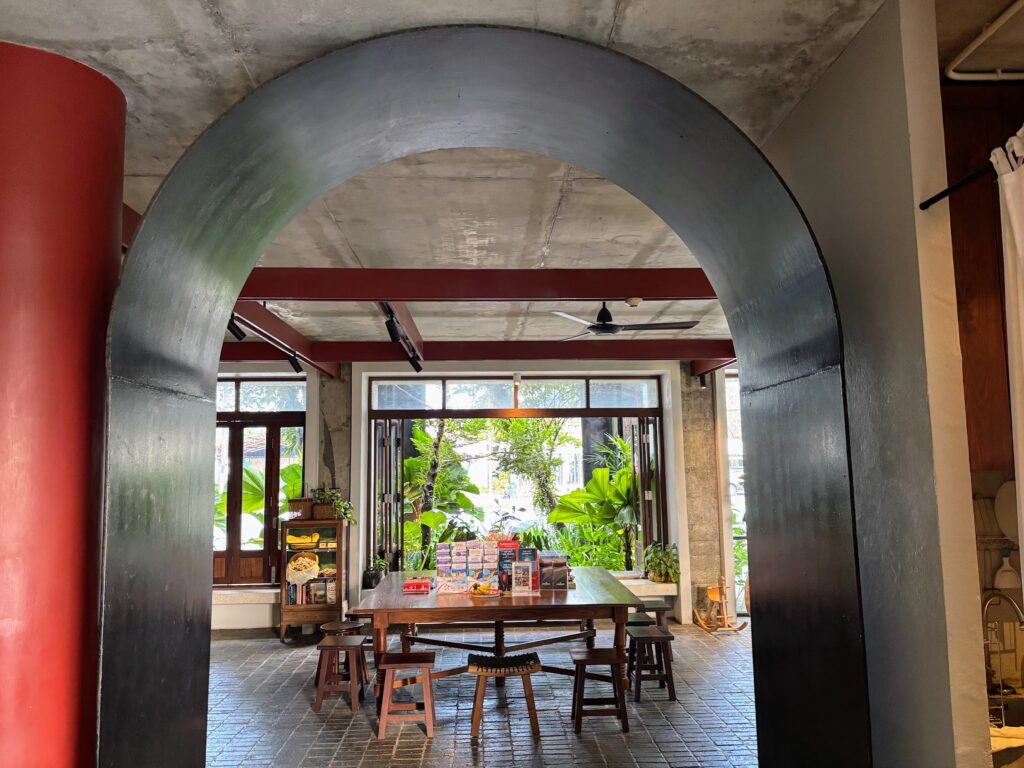
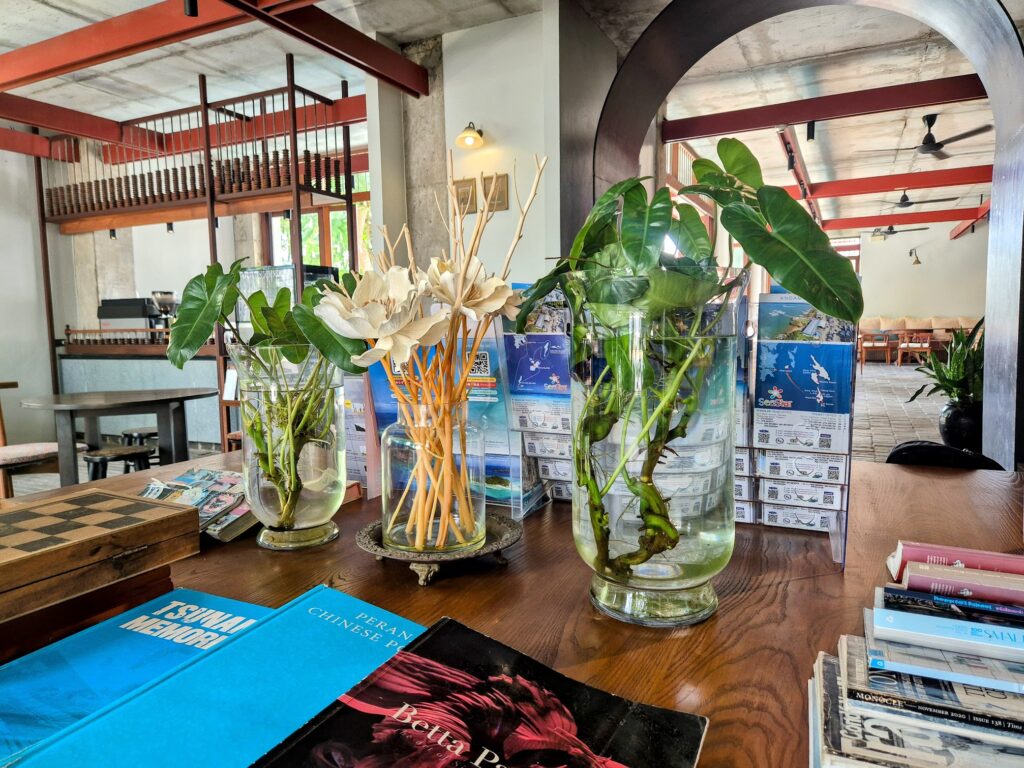
The principle continues inside. Steel arches frame a continuous sightline from the street through reception and into the restaurant, the same logic as the five-foot way, turned into a whole building.
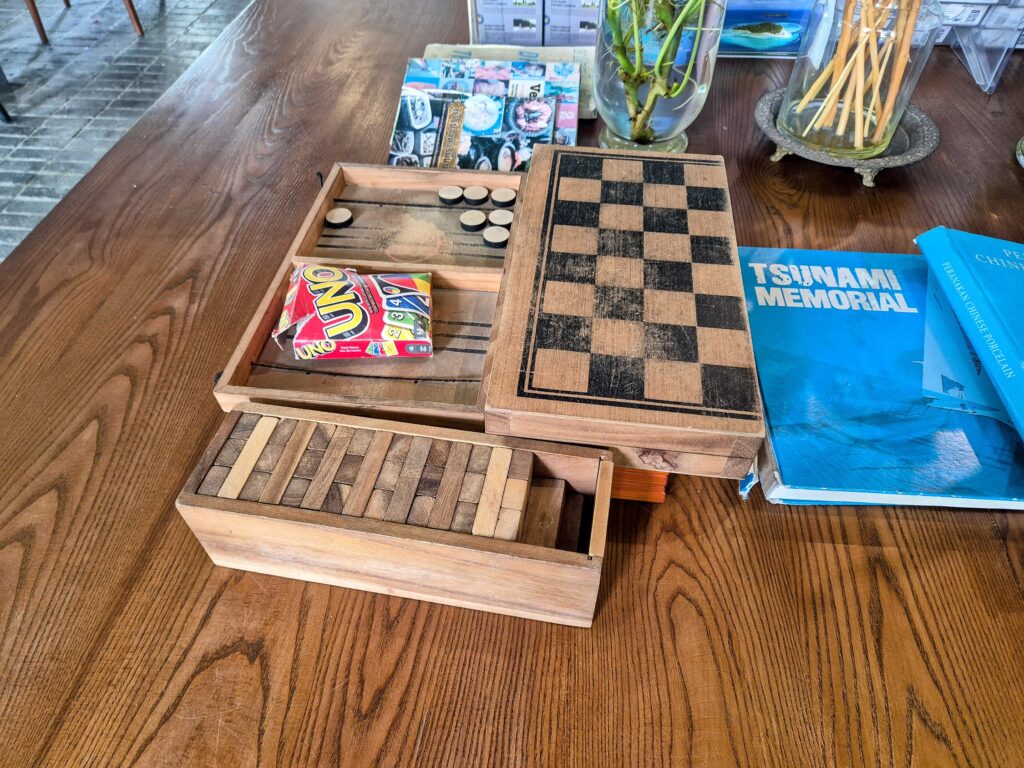
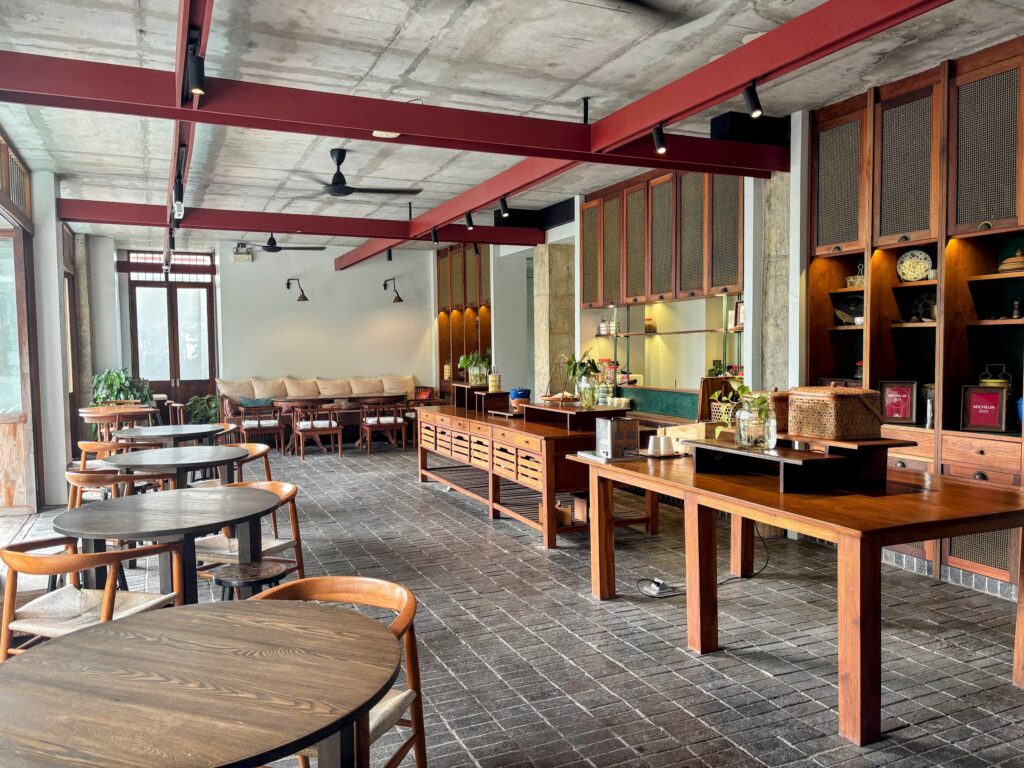
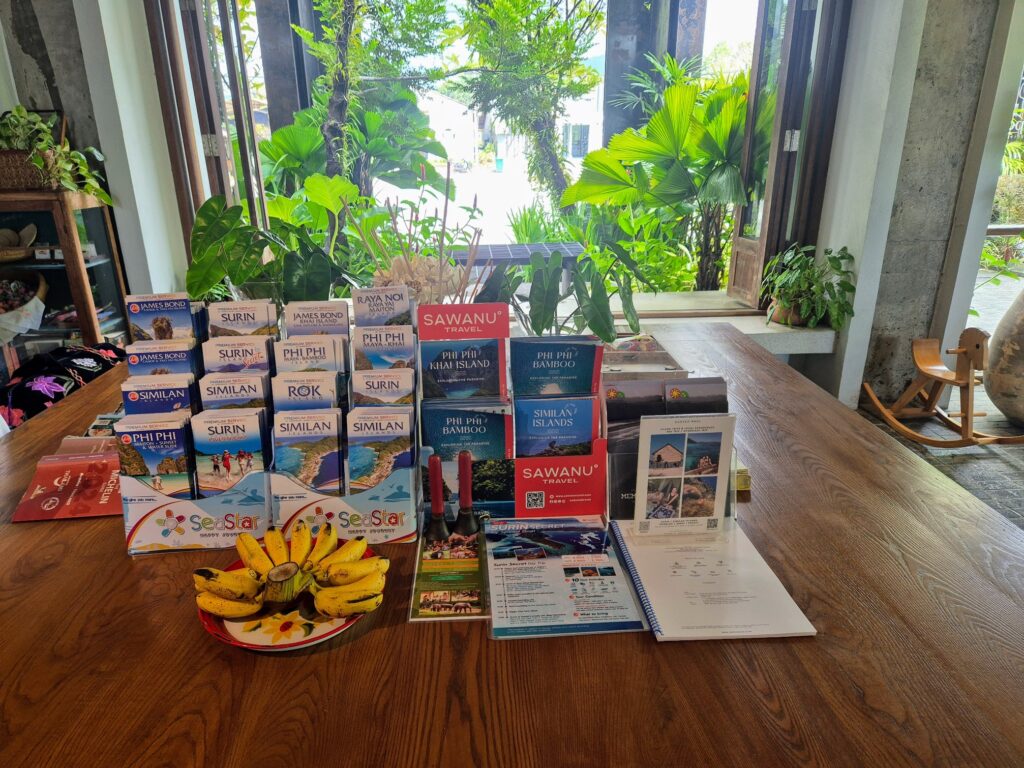
Checking in feels more like being welcomed into a family home than anything transactional. The ground floor – reception, café, and restaurant – is arranged around a large central table with antique-styled stools and benches, the kind of multi-purpose communal surface that was a fixture of extended Chinese family life in this part of the world. On it, a tsunami memorial book and an encyclopedia of Siamese fighting fish.
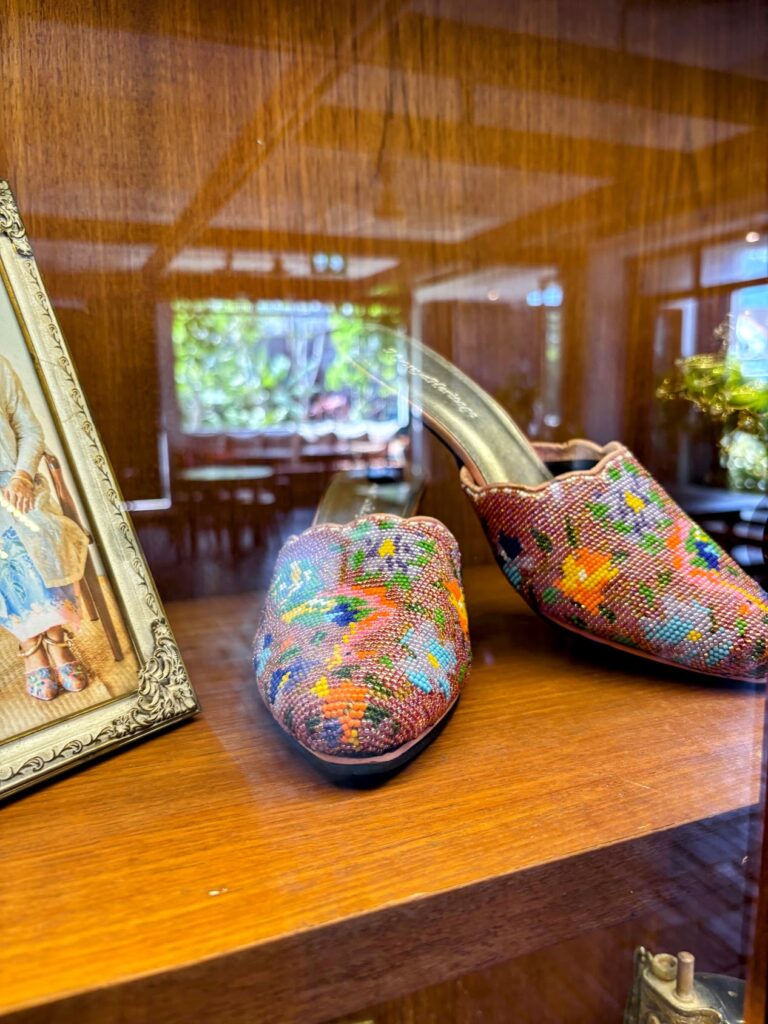
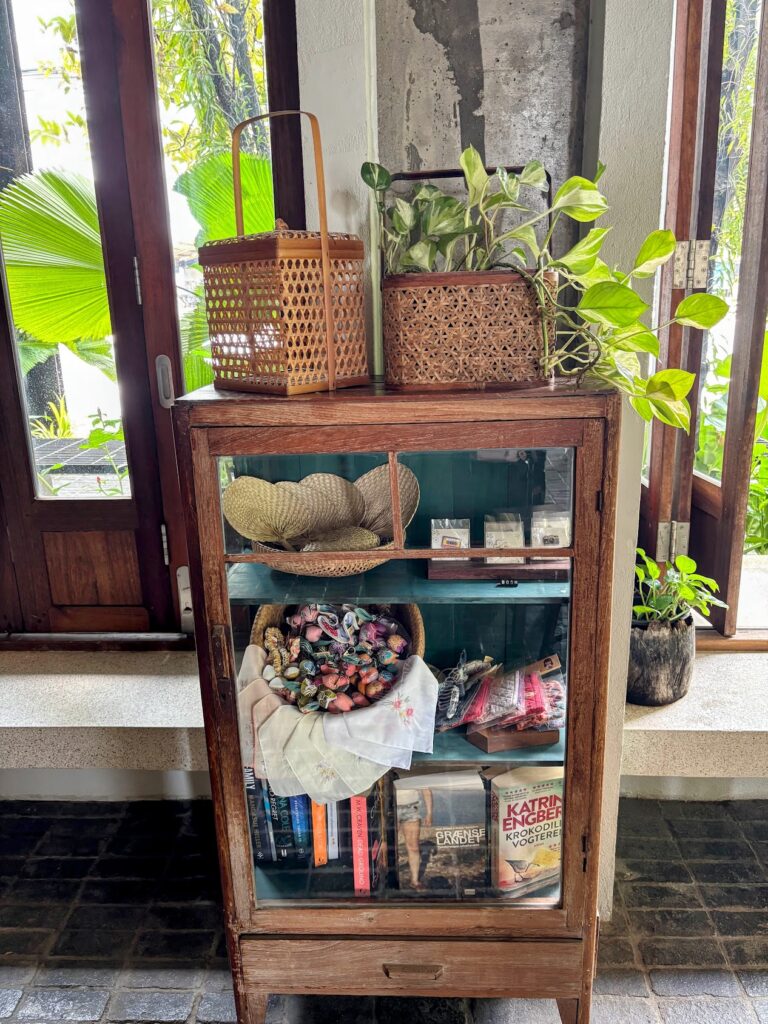
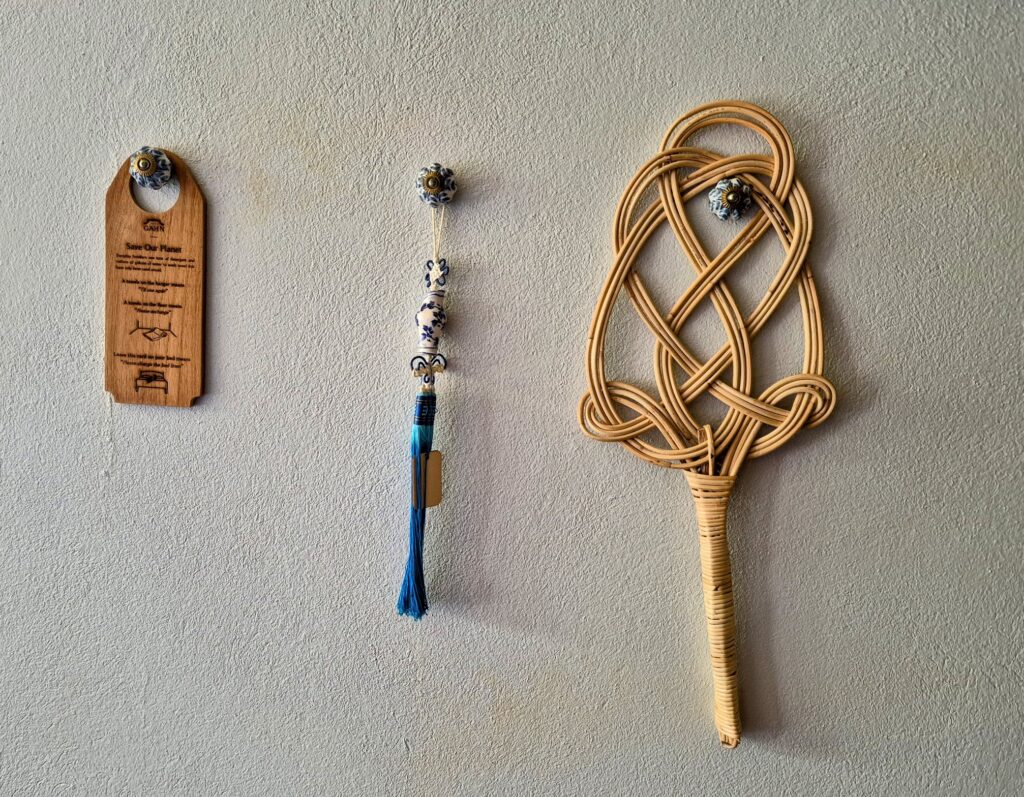
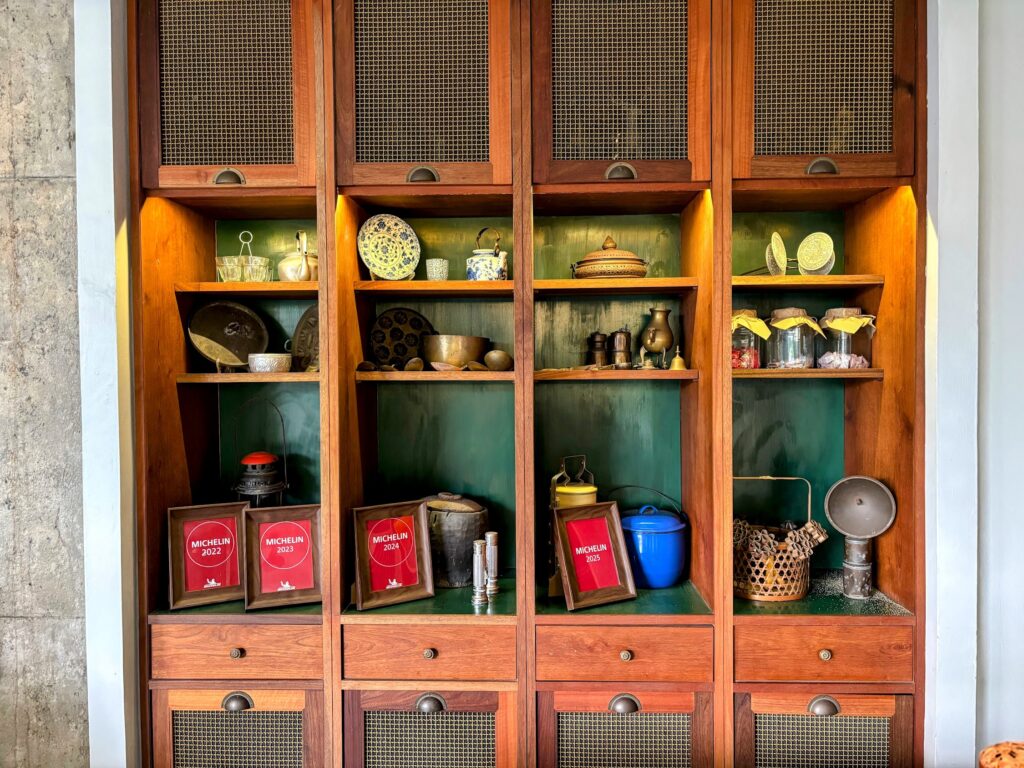
It could pass for a small museum. Intricate Peranakan porcelain lines the shelves, timber chairs are cushioned in batik cloth, and tall glass cabinets display the owner’s mother’s vintage collectibles: old irons, an abacus, an exquisite pair of beaded shoes with the photograph of the woman who wore them placed alongside. Along the restaurant walls, traditional cooking equipment and crockery do a kind of work that the kitchen beyond continues. In the corridors, framed stories about local superstitions offer advice on the correct direction to sleep in to avoid ghosts. It feels like a family home that happens to have rooms available, which is more or less exactly what it is.
Hotel Gahn won the Design Anthology Awards for Hospitality Spaces in 2021, was shortlisted for the World Festival of Interiors INSIDE 2020/2021, and was nominated for ArchDaily’s Building of the Year in 2021 too, all recognition that feels richly deserved rather than surprising once you’ve spent time here.
The Rooms
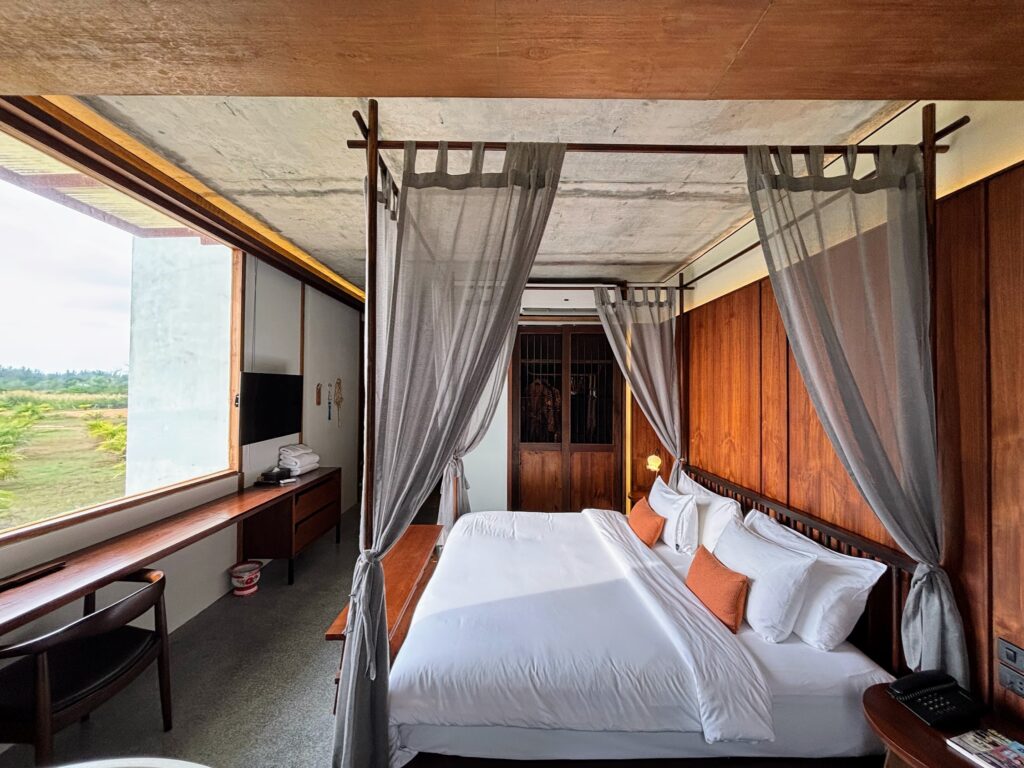
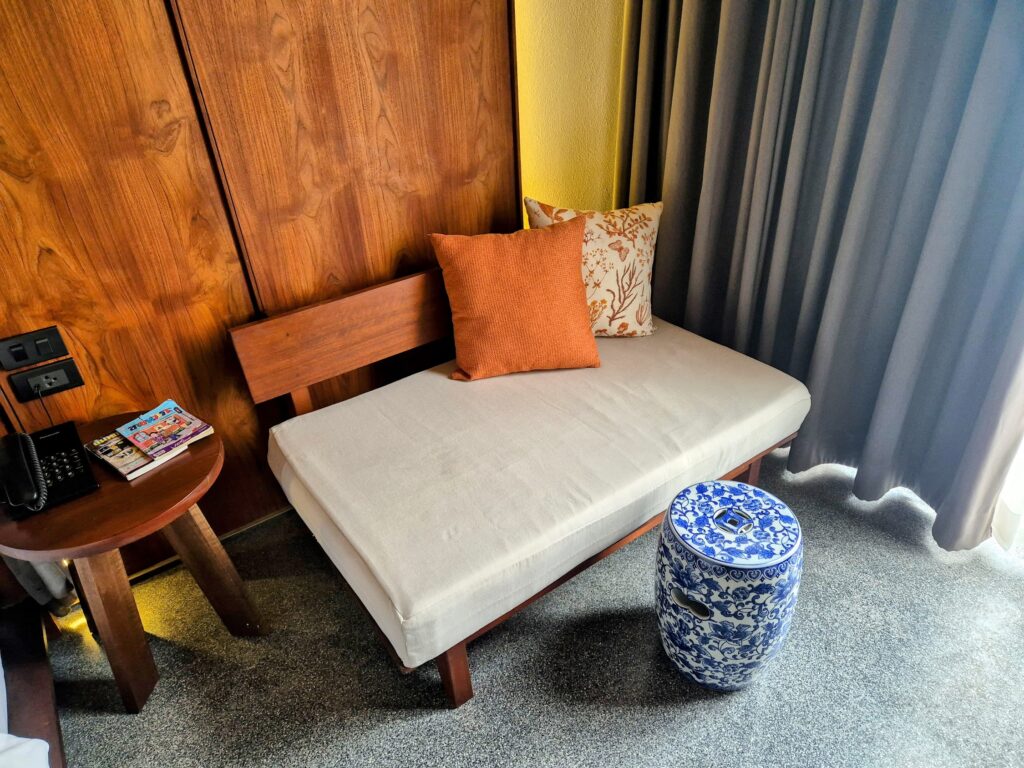
With only 20 rooms, Hotel Gahn is genuinely familial, and the rooms themselves are built around a warm, considered aesthetic – dark teak, warm concrete, and Peranakan references threaded throughout.
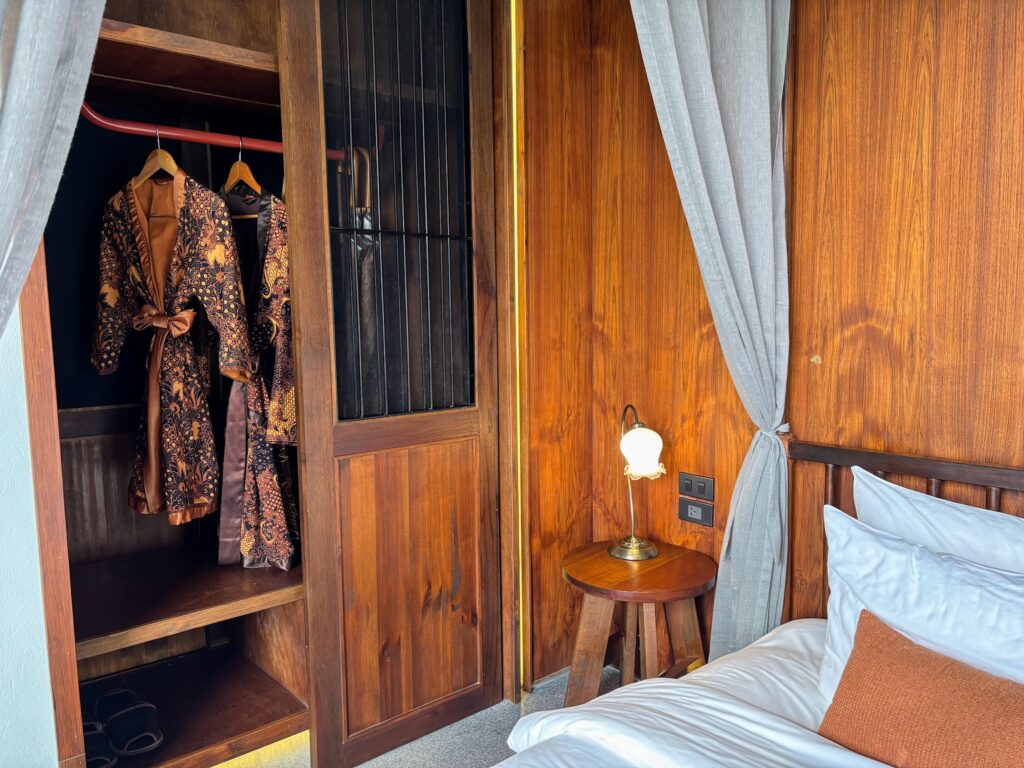
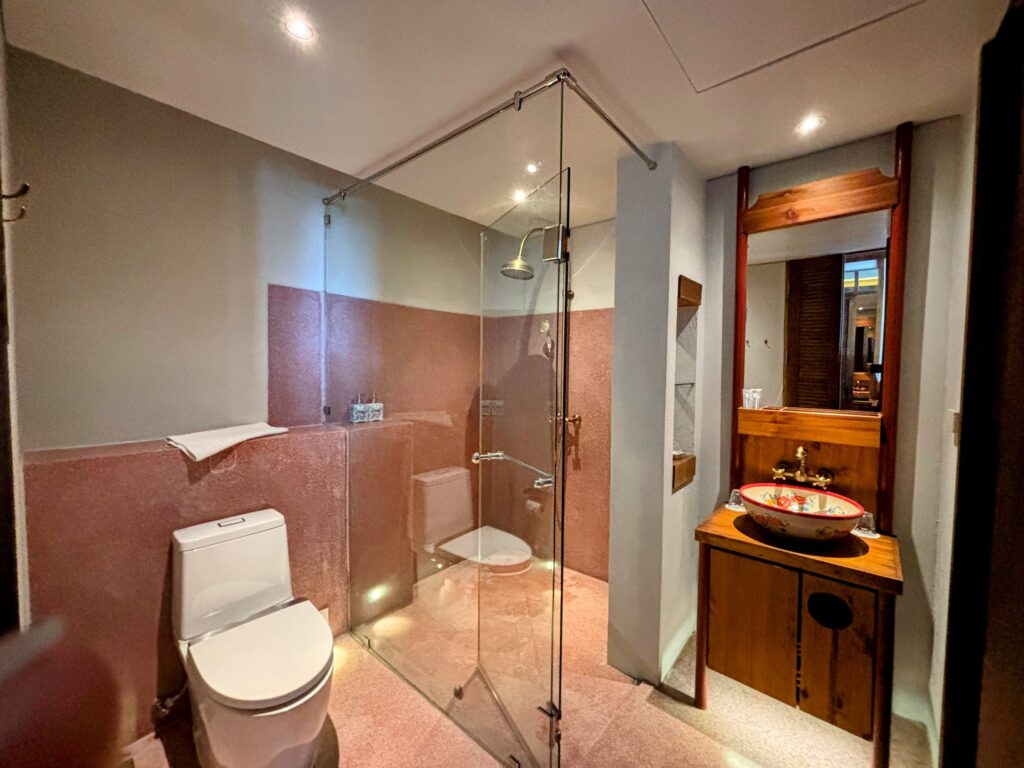
Chinese canopy beds sit at the centre of most rooms, with hand-painted ceramic wash basins in the bathrooms, brass tulip light bulbs overhead, and beautiful robes on the hook. Even the kettle looks as though it belongs to another time (don’t worry, it boils water). The craftsmanship of the antique furniture – a hidden-mirror dresser, for instance – reminds you how unwieldy most hotel furniture really is. I’ve never been moved to describe a dresser as graceful before, but I’m bloody tempted now.
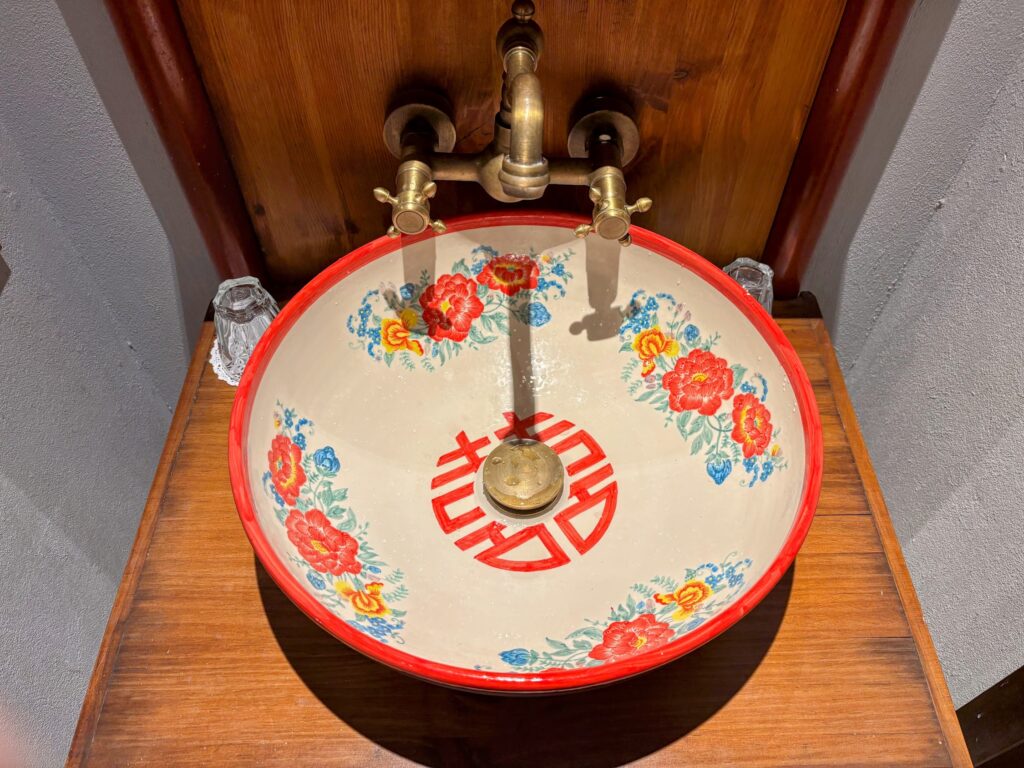
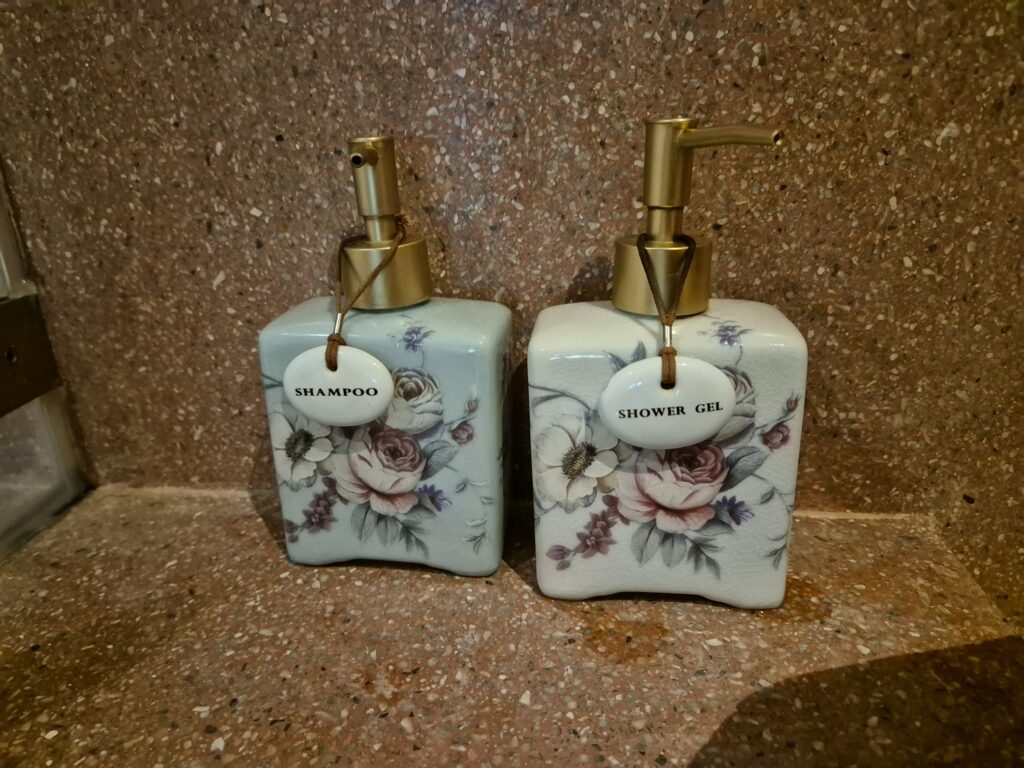
Fuck it.The whole room is graceful. The wash basin alone is worth a moment’s pause long after you’ve deposited your mouthwash down the plug: a wide, shallow ceramic bowl hand-painted with red peonies, blue florals, and a Chinese double happiness symbol at its centre fed by wall-mounted brass taps. It makes you resent your boring white bathroom sink at home. Even the shampoo and shower gel arrive in hand-painted ceramic dispensers, floral-patterned in the Peranakan tradition, with brass pump fittings.
Bathroom products are lemongrass-scented though conditioner is absent, which might matter depending on your hair. Ours is fucked by the sun, so it kinda mattered. Even more so to the other guests, who had to share their space at breakfast with me…
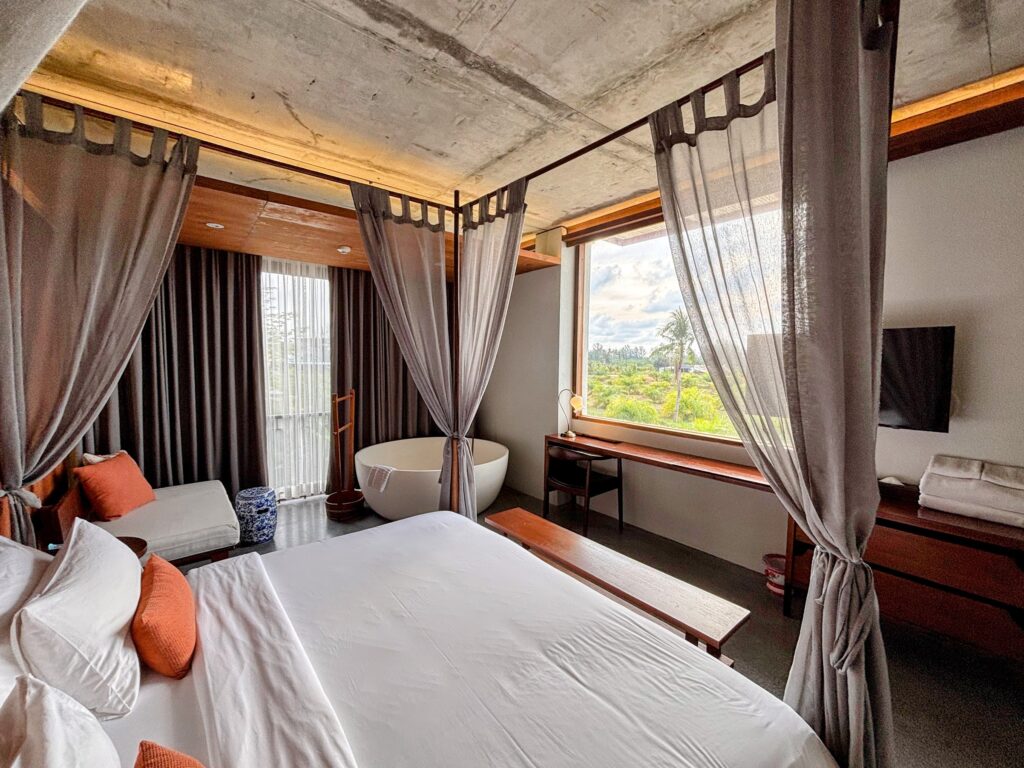
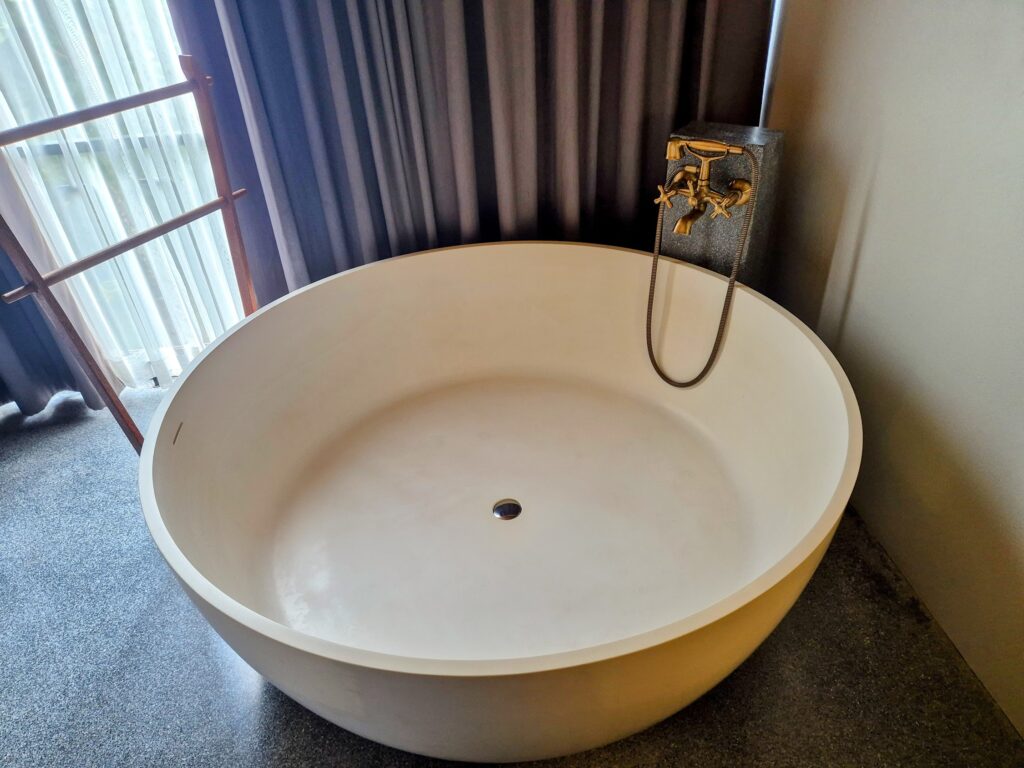
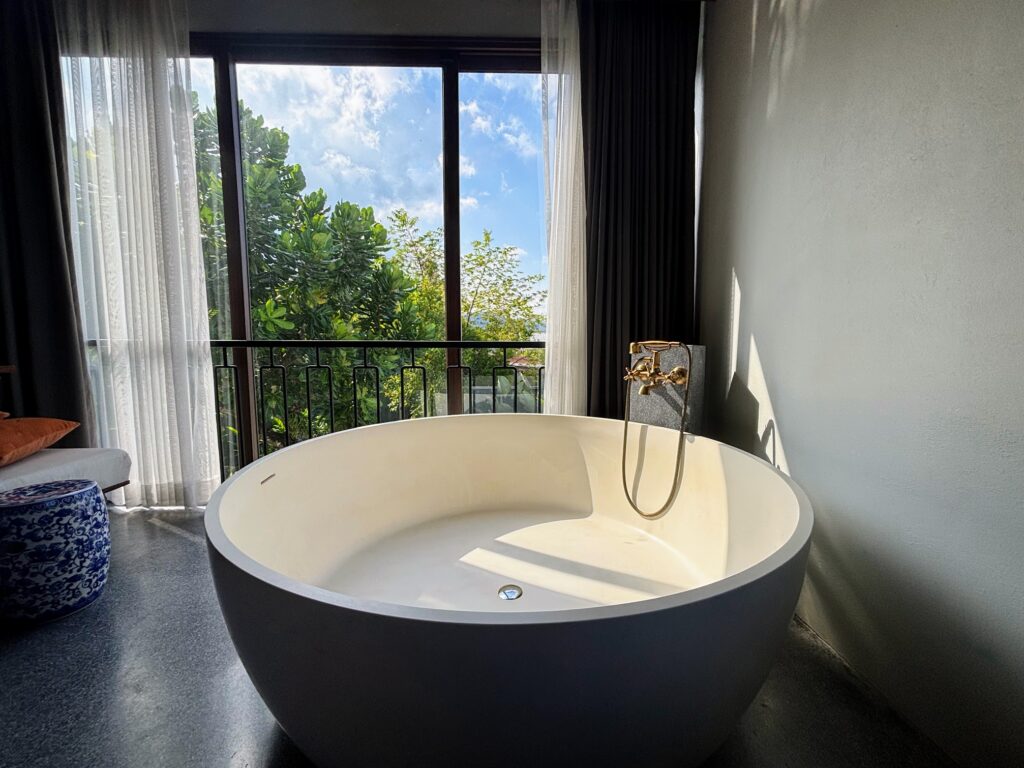
We stayed in a Grand Deluxe room, and the centrepiece is magnificent: a vast circular freestanding soaking tub in matte stone composite with a heavy, ornate brass tap. There’s this weird urge to get in it, lay down and contour your body to the curve, even if you don’t run a single drop of water. It’s that big and that inviting. I considered sleeping in it for a laugh. You can even swivel the TV to face the tub. Sure, you’ll be watching France 24 on half hour cycles, but the subversiveness of the whole affair is pretty fun for a while.
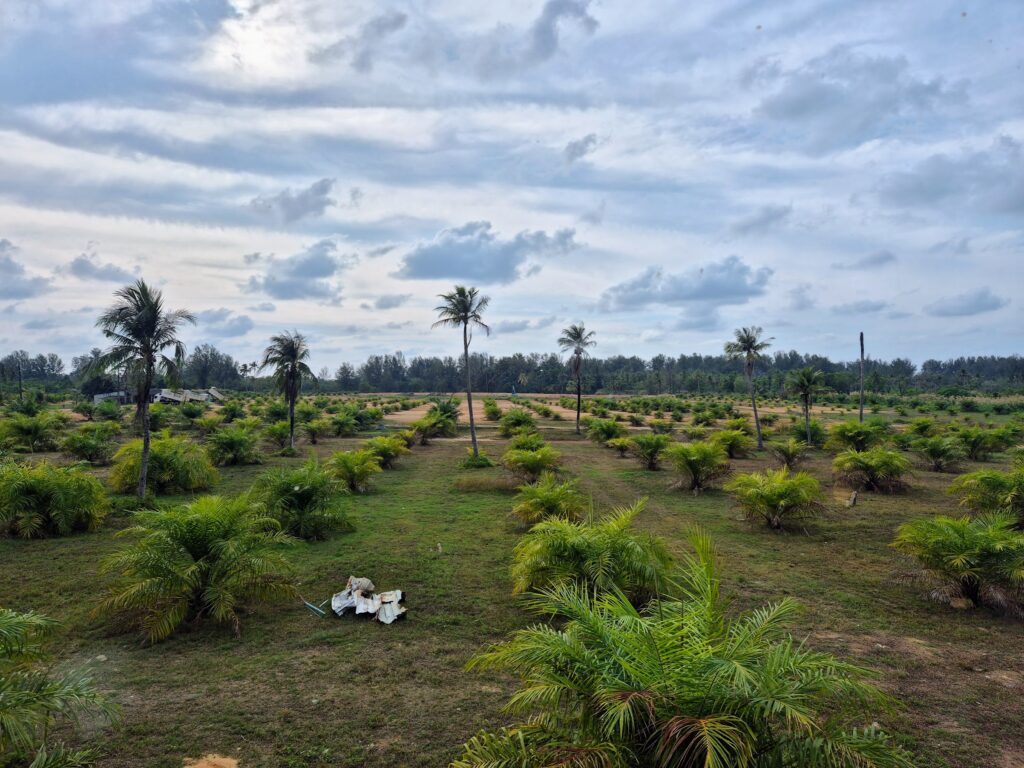
Book a rear-facing room if you can. A vast picture window opens onto low palms, open scrubland, butterflies, and the occasional dog crossing the field below with no particular agenda. Occasionally, a local farmer might cross the field in just a towel, but maybe that was just for us? Anyway, though the hotel sits on one of Khao Lak’s busiest roads, none of that reaches you back here.
One note: Superior rooms are smaller and, unlike the Deluxe and Grand Deluxe category, don’t have windows – worth knowing before you book.
Facilities
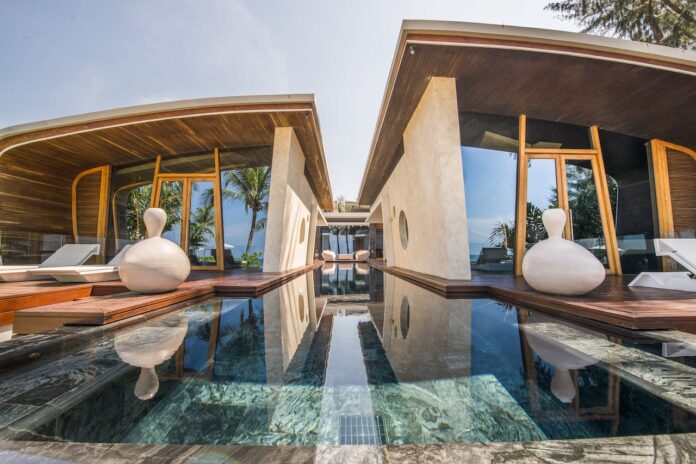
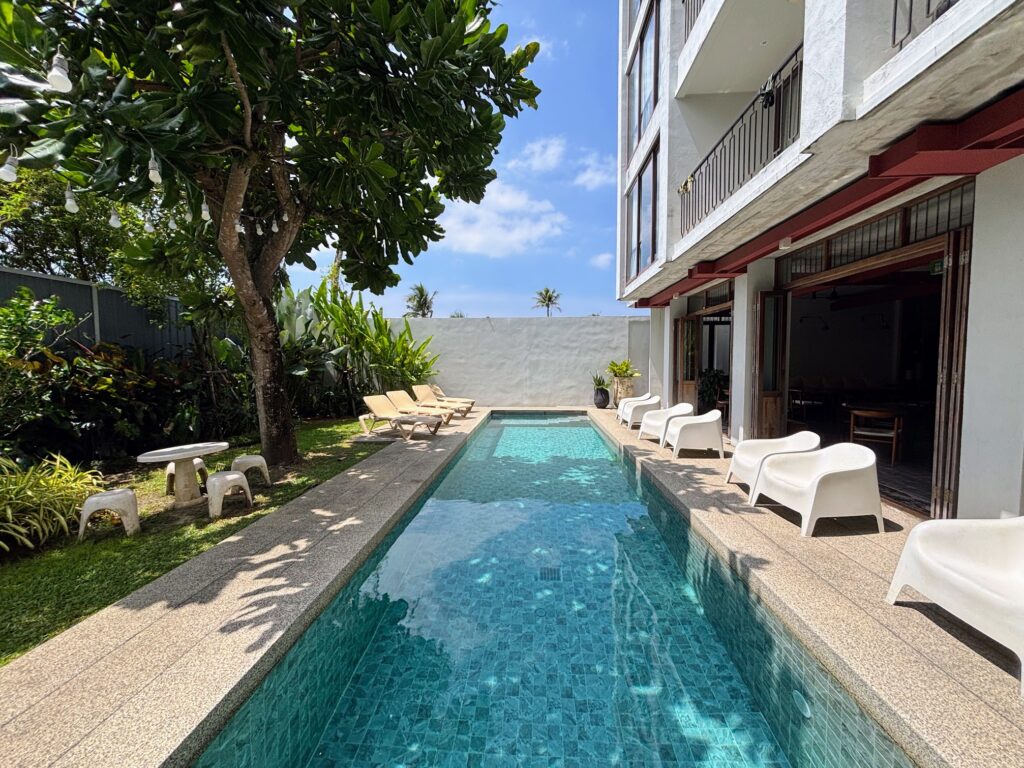
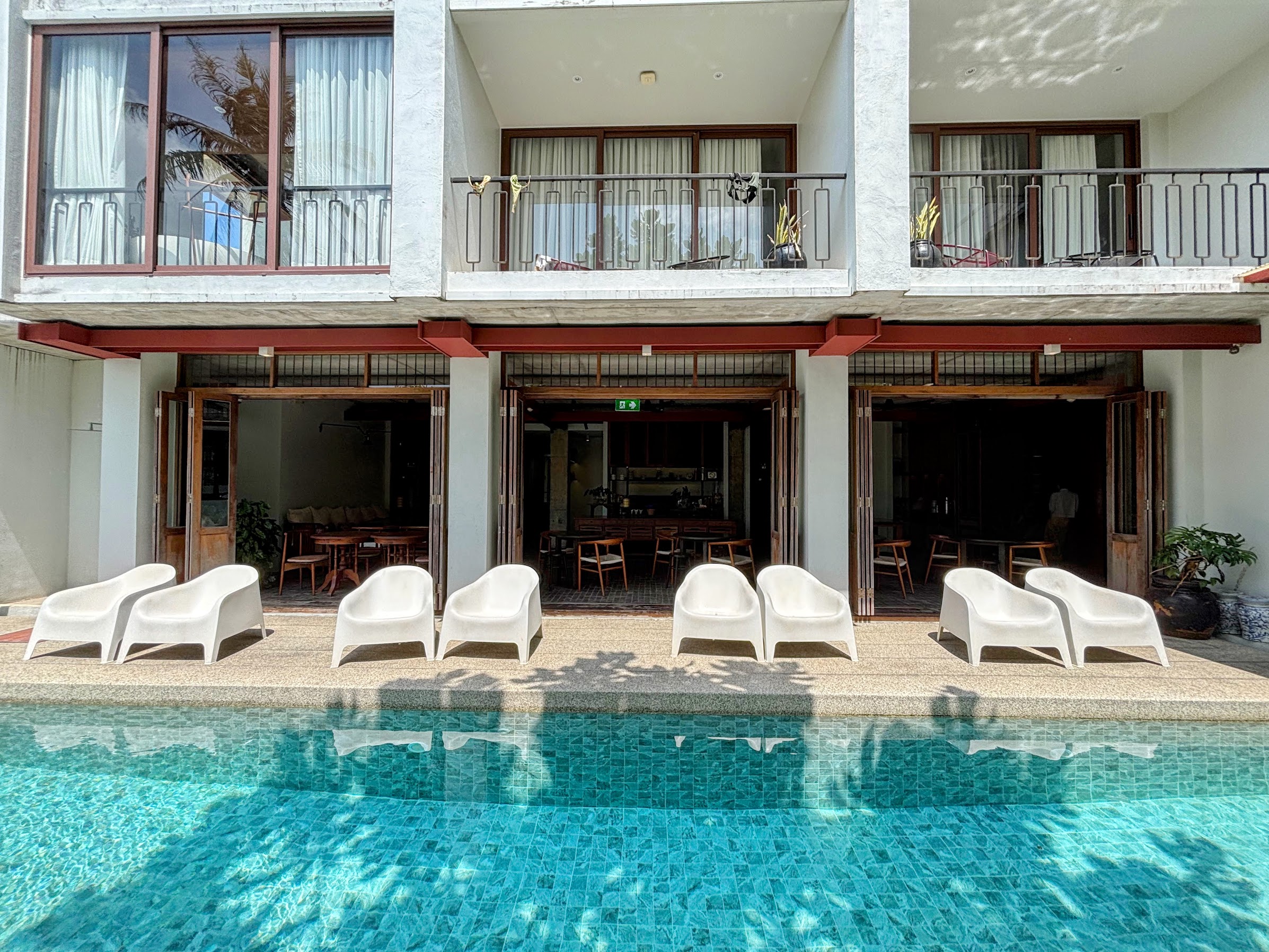
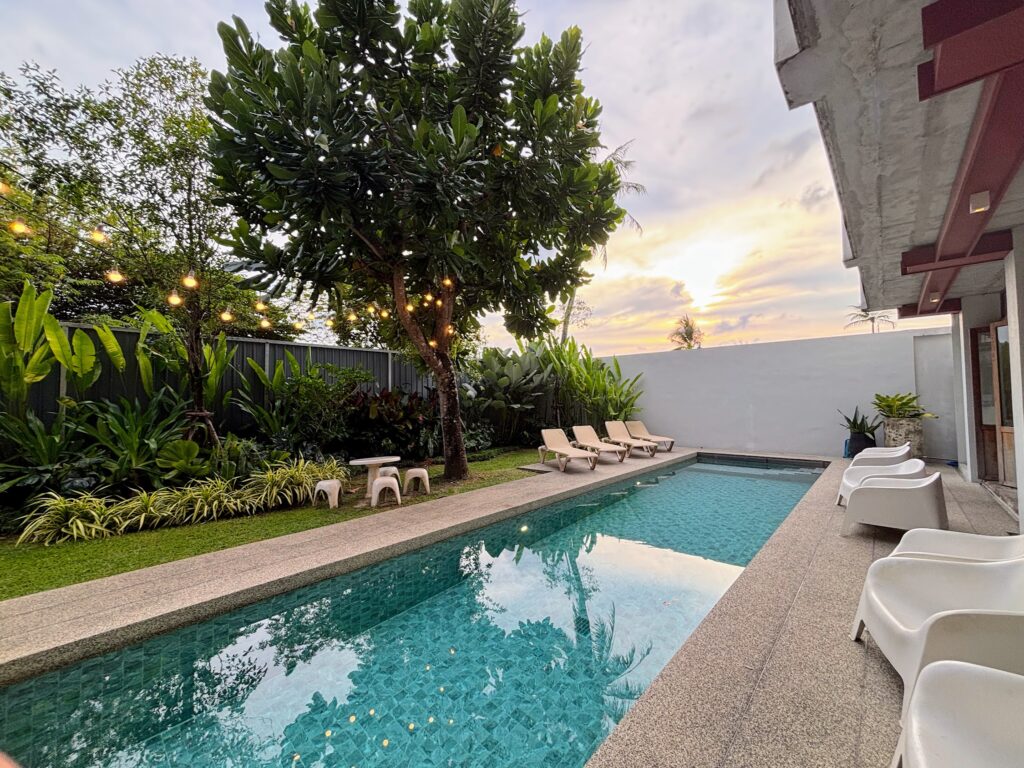
The pool is narrow and not exactly designed for doing lengths, but it does the job for cooling down after a sweaty walk. Though, we should add, only heathens are jumping into a hotel pool sweaty; you shower first, guys!
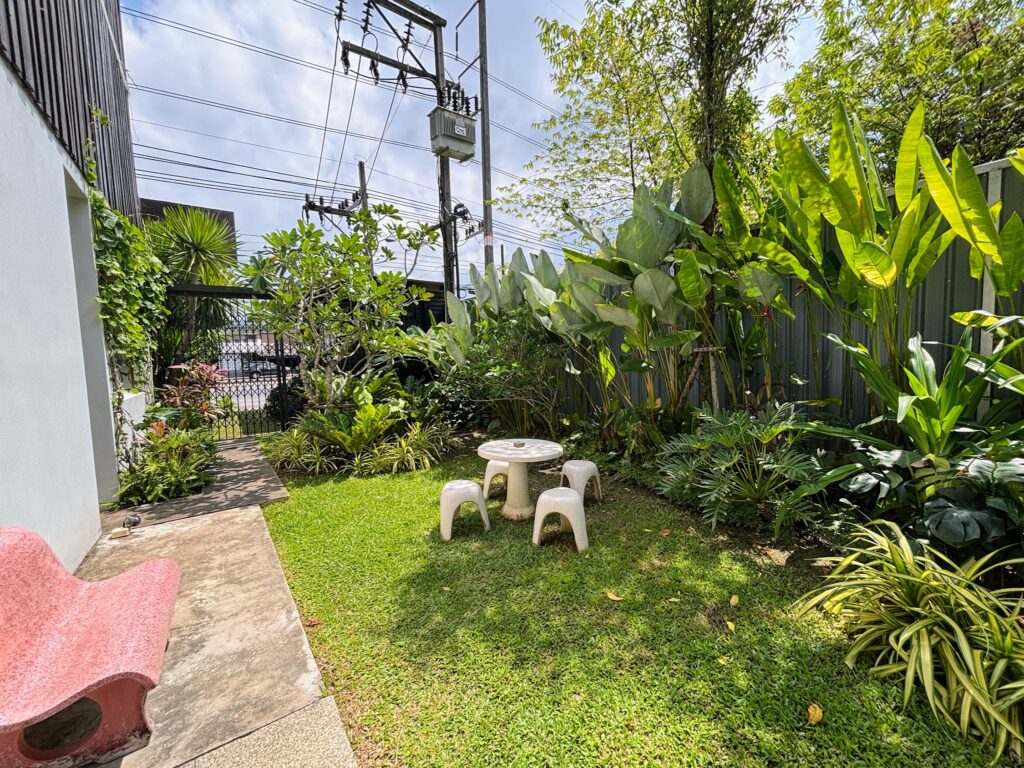
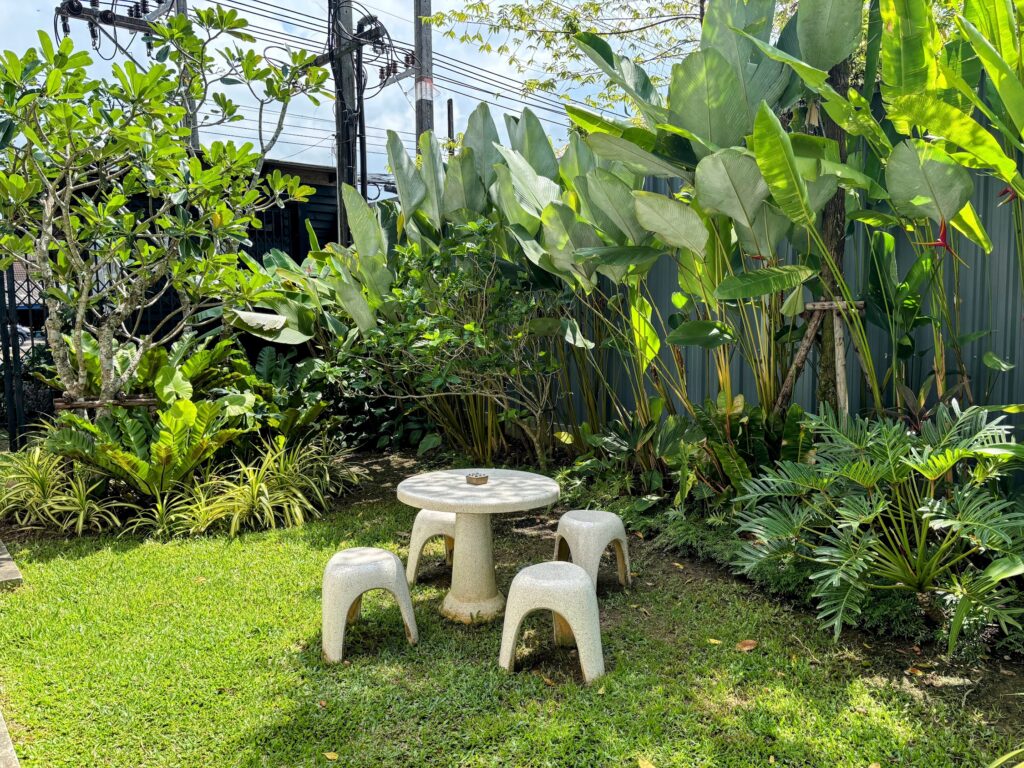
It’s a chilled spot to hang out, with a handful of deck chairs arranged around the pool beneath the shade of a large sea almond tree – its broad, rounded leaves doing useful work in the Andaman heat. It’s not a resort pool built for spectacle, but it’s genuinely pleasant, and the small garden surrounding is a lovely place to spend the afternoon. In the evening the garden is lit up with fairy lights, which creates a twinkling little spectacle that the restaurant overlooks.
You can tell we’re scratching around for ‘facilities’ by now: UV umbrellas are provided in-room which are useful for the walk to the beach, come rain or sun. Honestly, having all the mod-cons isn’t really the point here.
Food & Drink
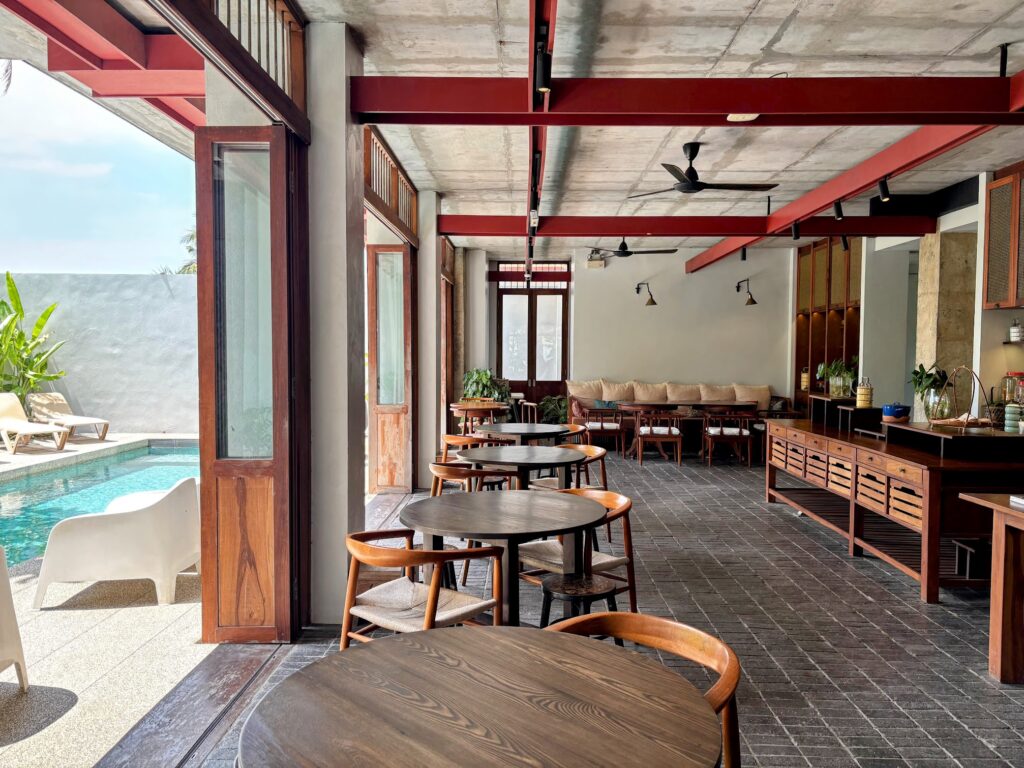
At Hotel Gahn the dining room is the heart of the hotel. It’s where the hotel breakfast is laid out each morning and where Juumpo serves lunch and dinner, open to the small pool on one side through tall timber-framed doors, the reception and the café counter on another. There’s no threshold to cross. You drift between them. It gives the whole property an easy, domestic rhythm – the kind you associate with staying with family. You start to fantasise about living here, reading the Sunday paper while your adopted Nyonya grandma whips you up something implausibly complex with such grace that you enter a flow state and finish the crossword with ease.
At Juumpo, the menu draws directly from a century-old family archive that you just know has never been committed to paper, only shown. The restaurant has held a worthy place in the Michelin guide for five years in a row and counting.
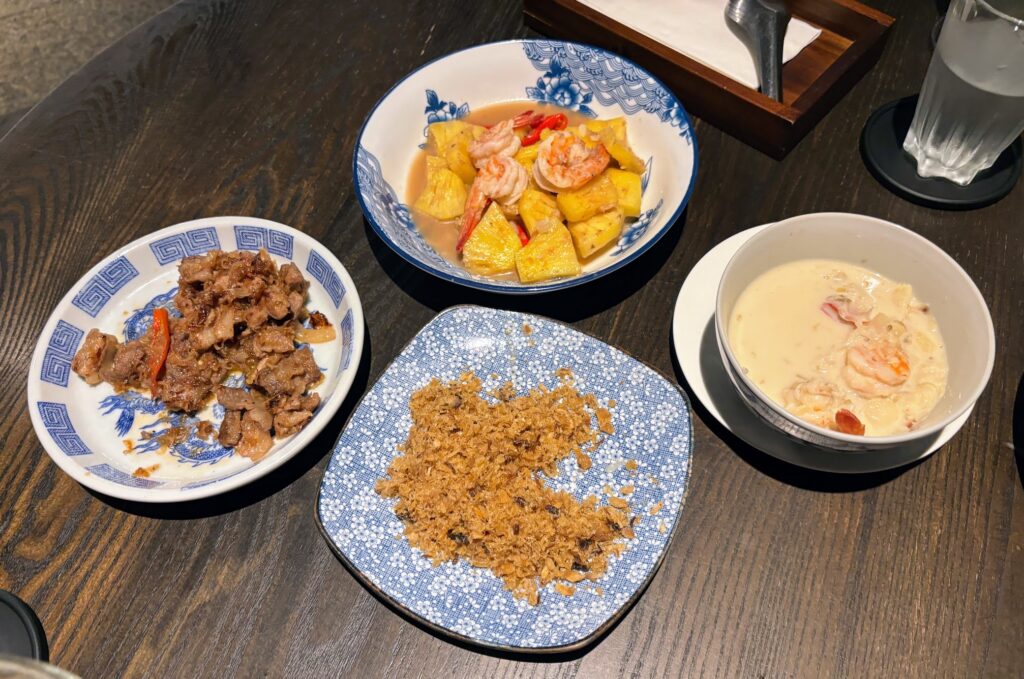
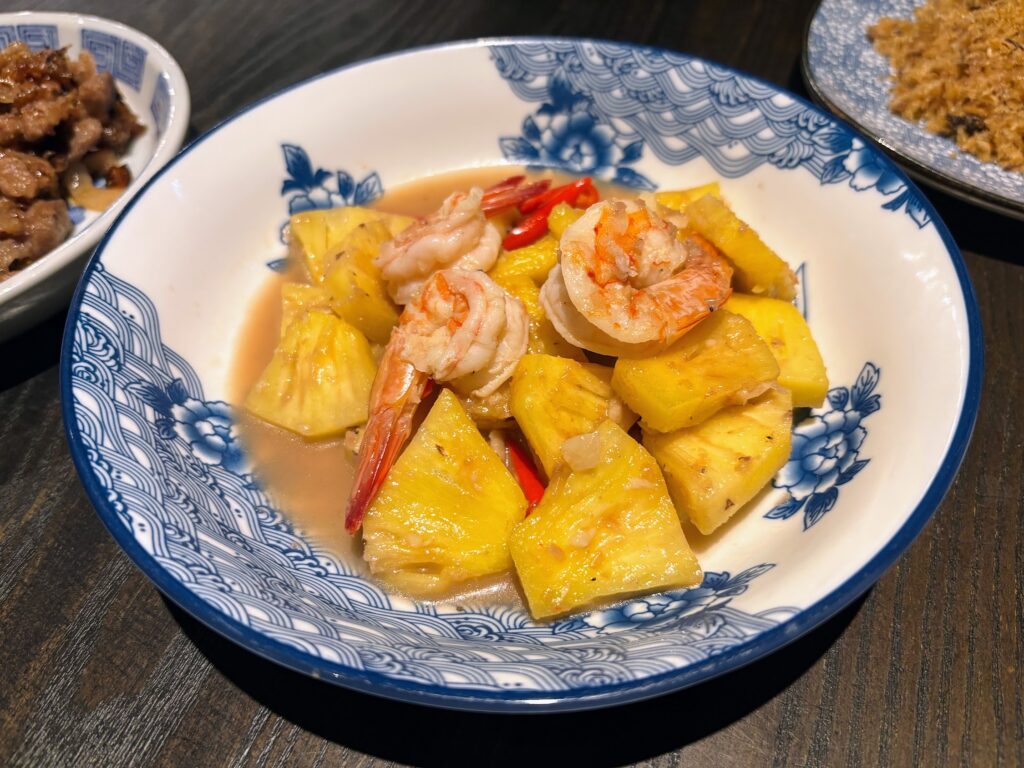
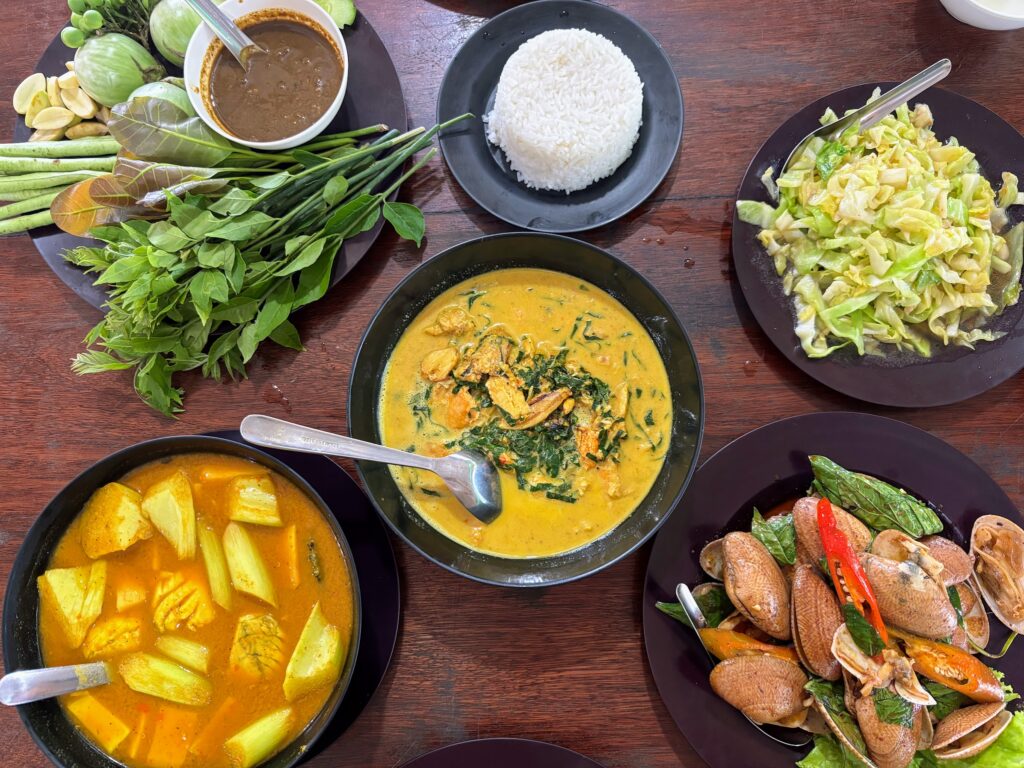
We ate the sab pa rod phad kung – stir-fried pineapple with shrimp – which is listed on the English menu as a sweet and sour dish, but was considerably more complex than that much-maligned descriptor suggests. Phuket’s famous pineapple, sweeter and more fragrant than the varieties in Tesco (or, indeed, in Big C), takes on a different character here when kissed by the wok; floral, full-bodied, extraordinary really.
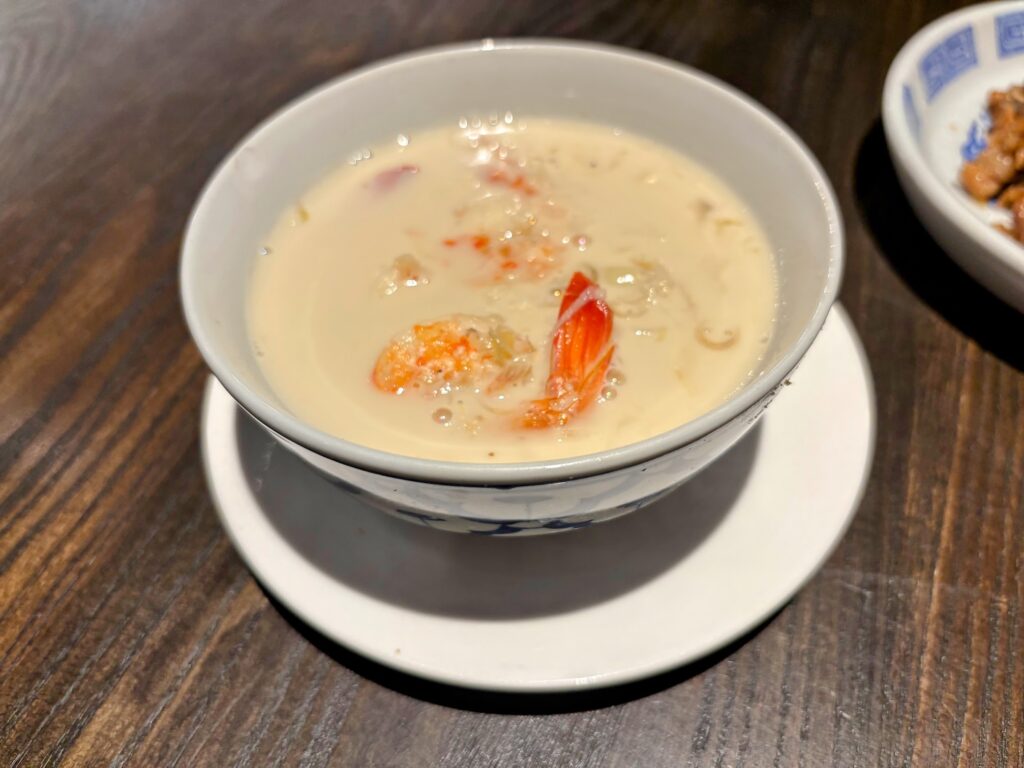
It’s a dish worth travelling for. As is the Baba-style coconut milk soup with shrimp and herbs. The coconut milk had that first-press quality – no soap-tinge, a faint nuttiness – that suggests someone had wrestled with a rabbit earlier in the day. The seasoning was reticent in a way that distinguishes the repertoire from the more bold Thai soups you’ll find out the door. Neither are necessarily better; just different. Here, the restraint was so in keeping with the dignity of the room that it felt like time had locked into place.
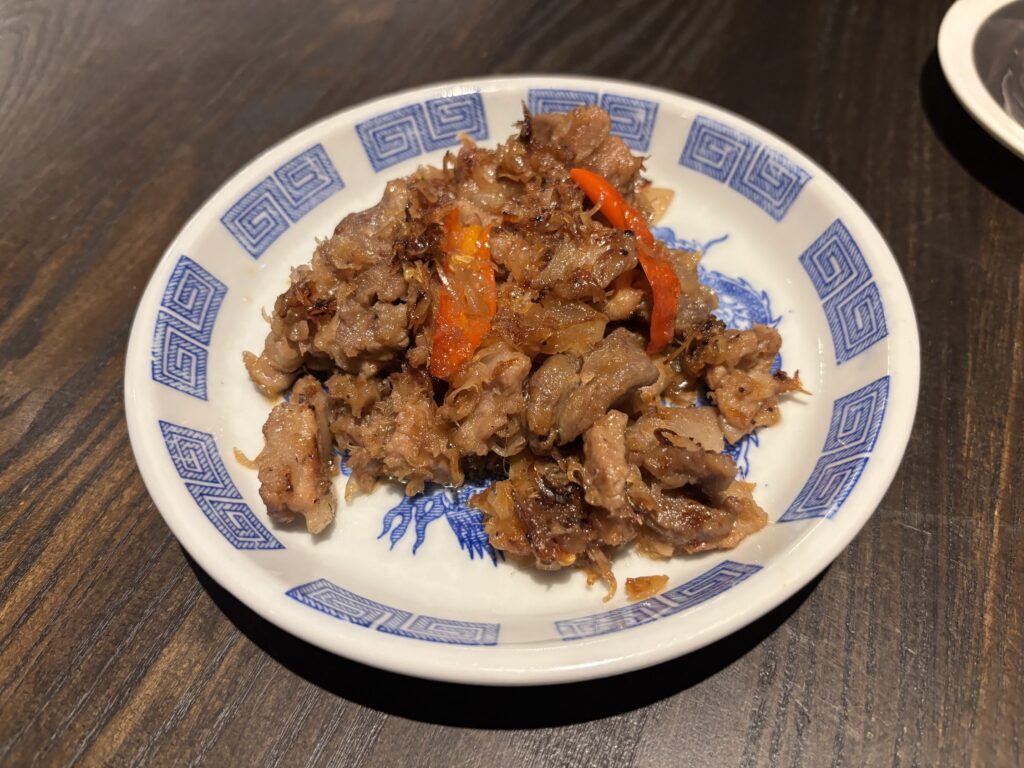
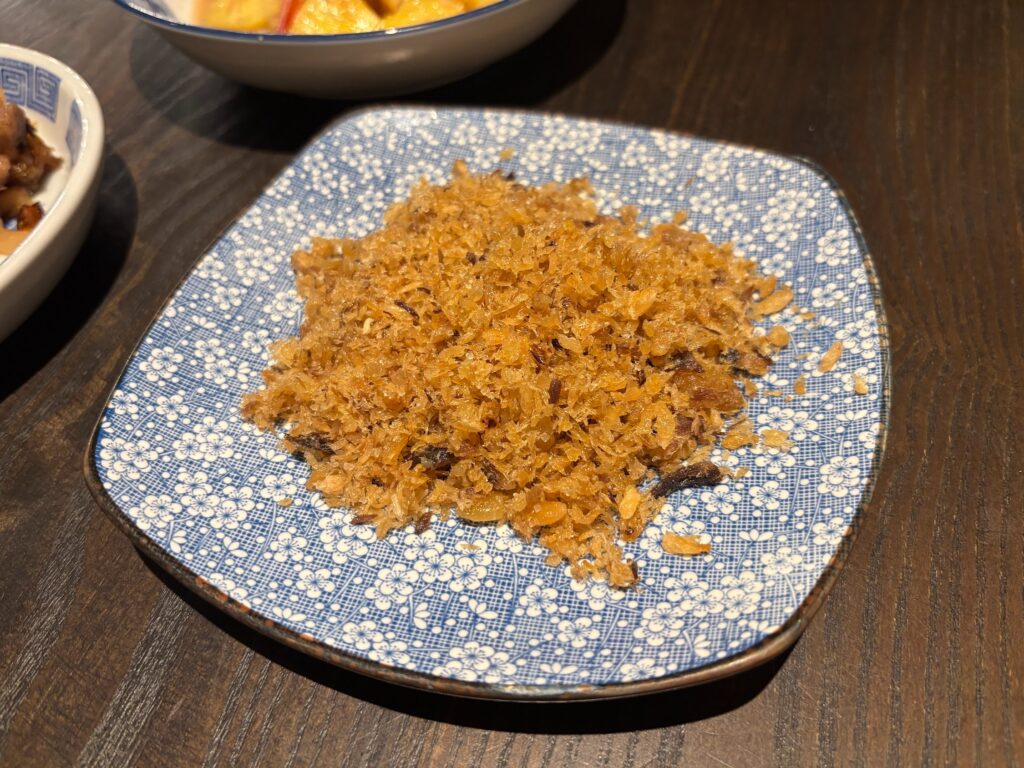
The moo phad koei kem arrived next, pork stir-fried with pickled garlic – deceptively simple, deeply aromatic. Then pla kem foi, fried salted krill served with sweet fish sauce: a dish with tension, a dish designed to be eaten with plain steamed rice that is of course cooked with the ultimate care.
There’s a few wines available by the glass, and Leo beer too. Honestly, for some reason this one called for a crisp water.
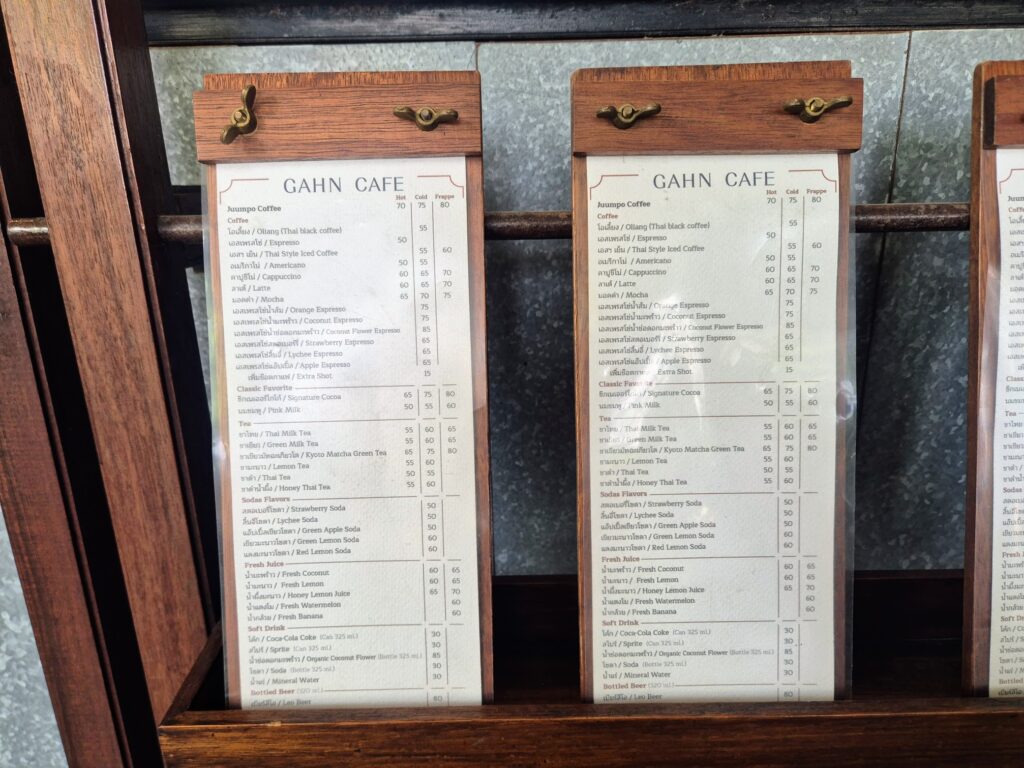
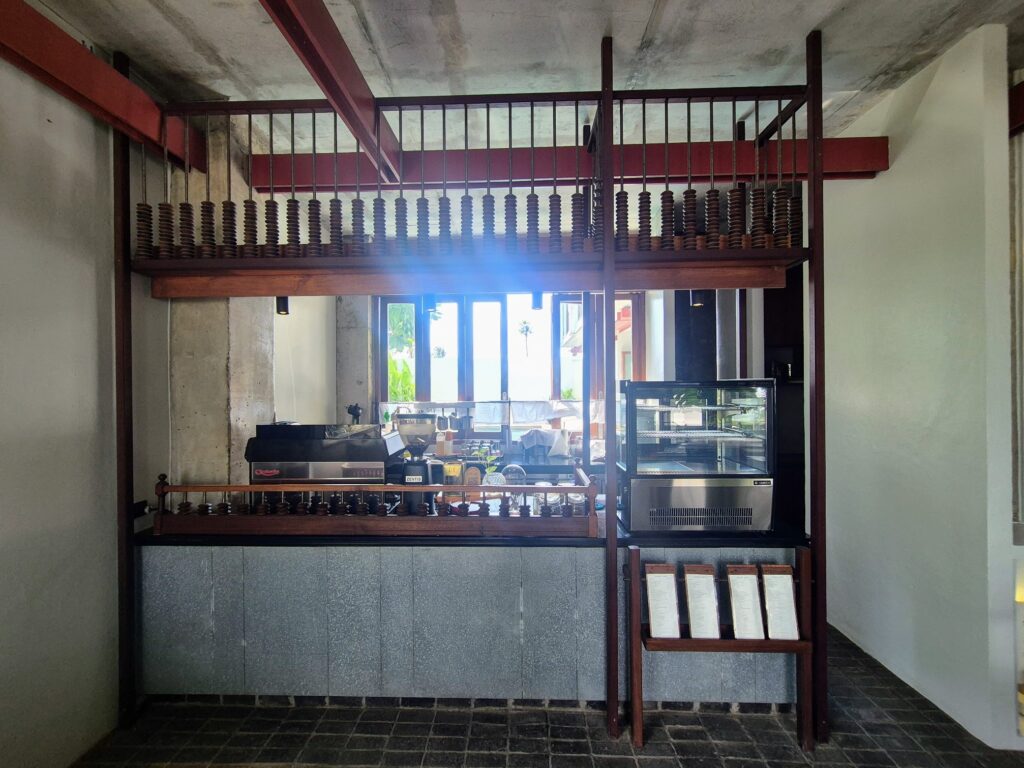
The Gahn Café, on the ground floor, is worth factoring into your day if you need a pitstop. It’s a relaxed place for tea or coffee, with handmade bakery items and local Thai desserts alongside. You might find yourself sitting longer than planned, which fits the hotel’s unhurried character well. The drinks menu is extensive: Thai teas (the Honey Thai Tea is worth ordering), fresh watermelon and coconut juice, and traditional Thai coffee. Don’t miss the orange or coconut flower espresso, and their signature house cocoa is good, too.
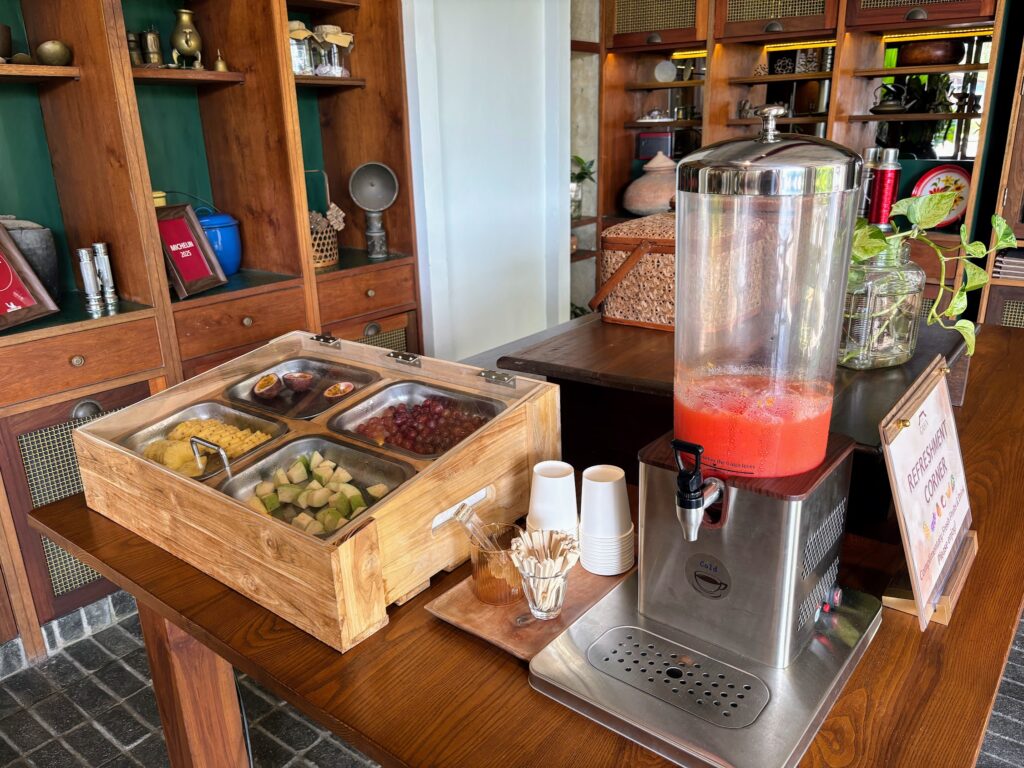
A self-service refreshment station where guests can help themselves to fruit throughout the day brings that perfect domestic cadence back around again.
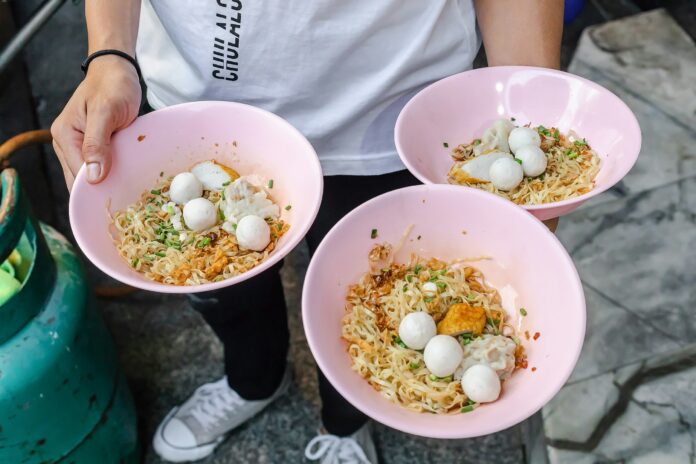
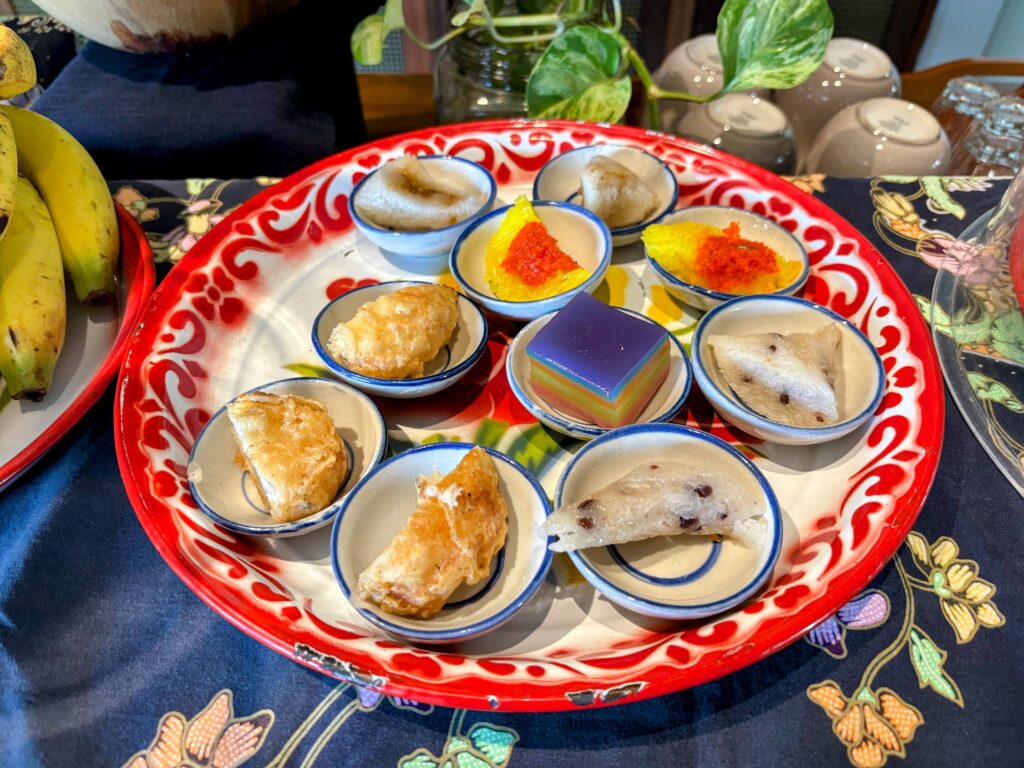
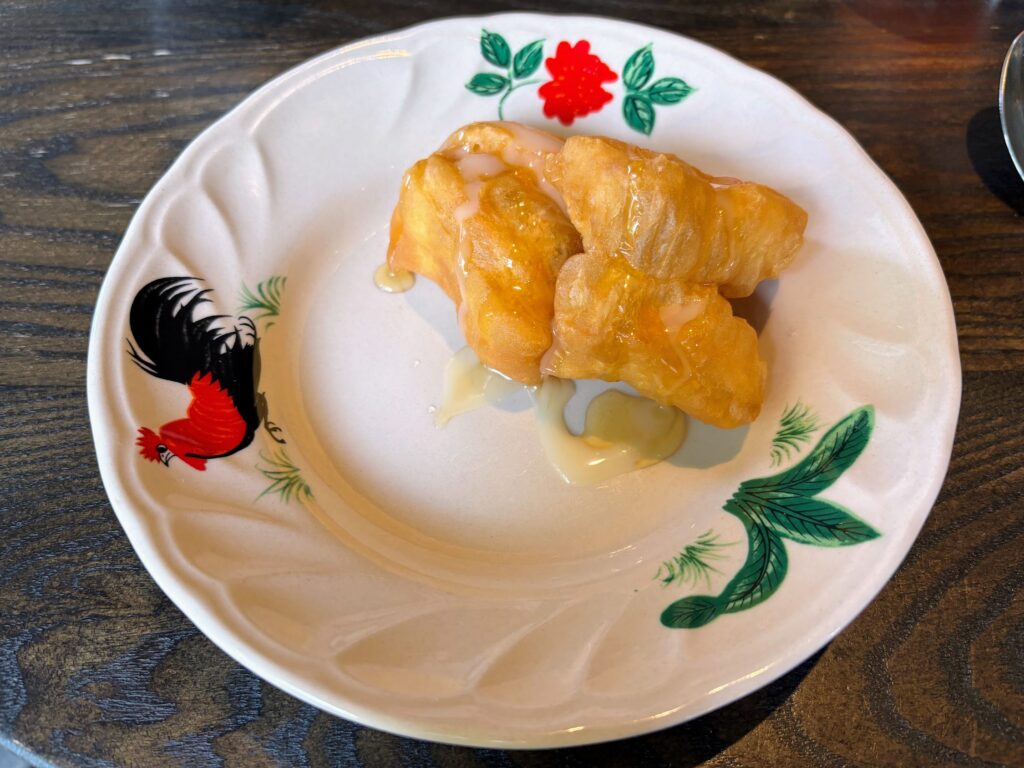
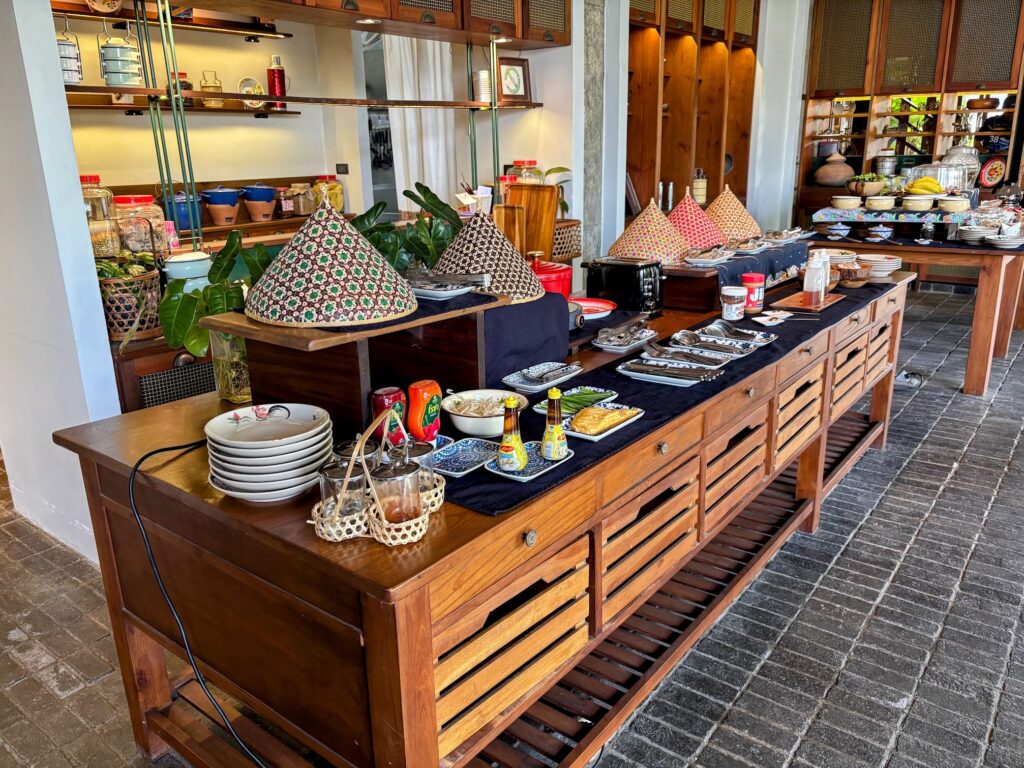
Breakfast leans Thai, and rightly so. Pa Tong Go – the deep-fried dough sticks famous on this part of the coast – sit on the buffet table alongside a pot of condensed milk for drizzling. There’s crispy cai poh tofu with sweet noodles, a generous spread of khanom wan (Thai sweets), and congee that earns its place on a slow morning.
Western options exist, mainly eggs cooked to order, but they’re an afterthought. A table of fellow guests near us made it clear they’d expected more croissants, baked beans or whatever they were reaching for. If they’d just gone Thai, they wouldn’t have been disappointed.
When you block out the moaning, it’s a wonderful way to start a morning.
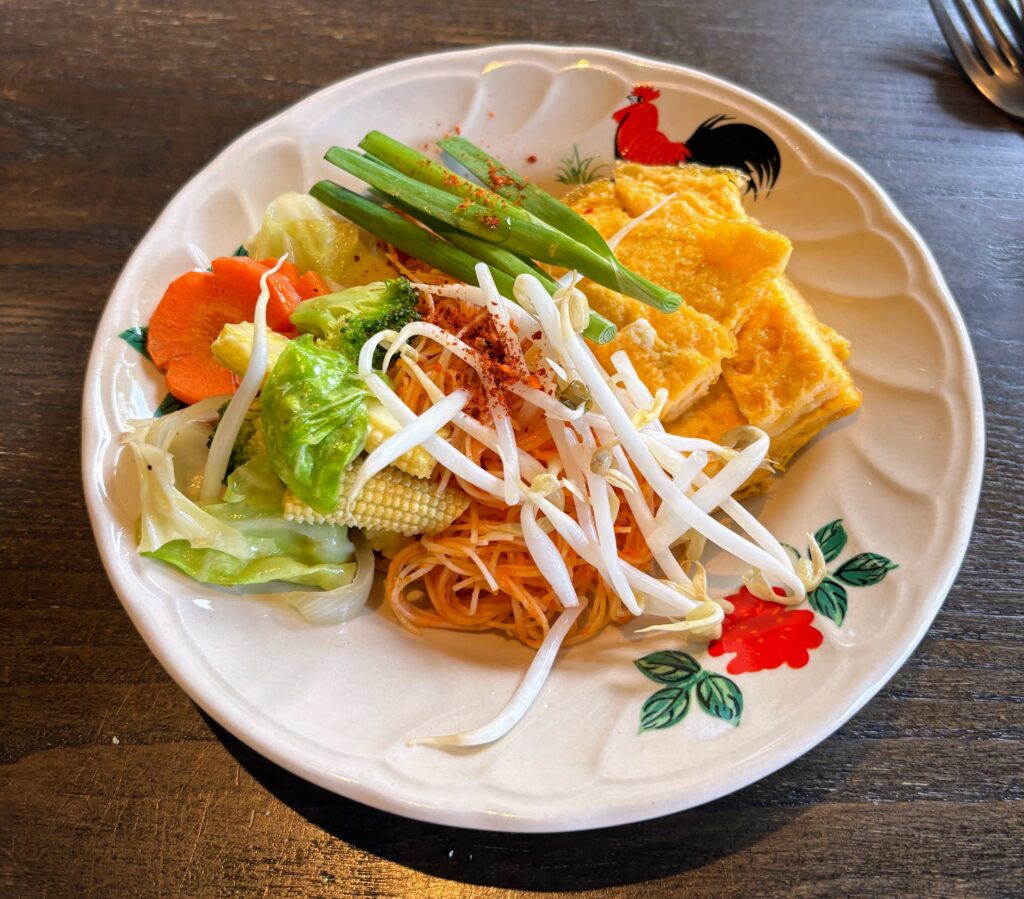
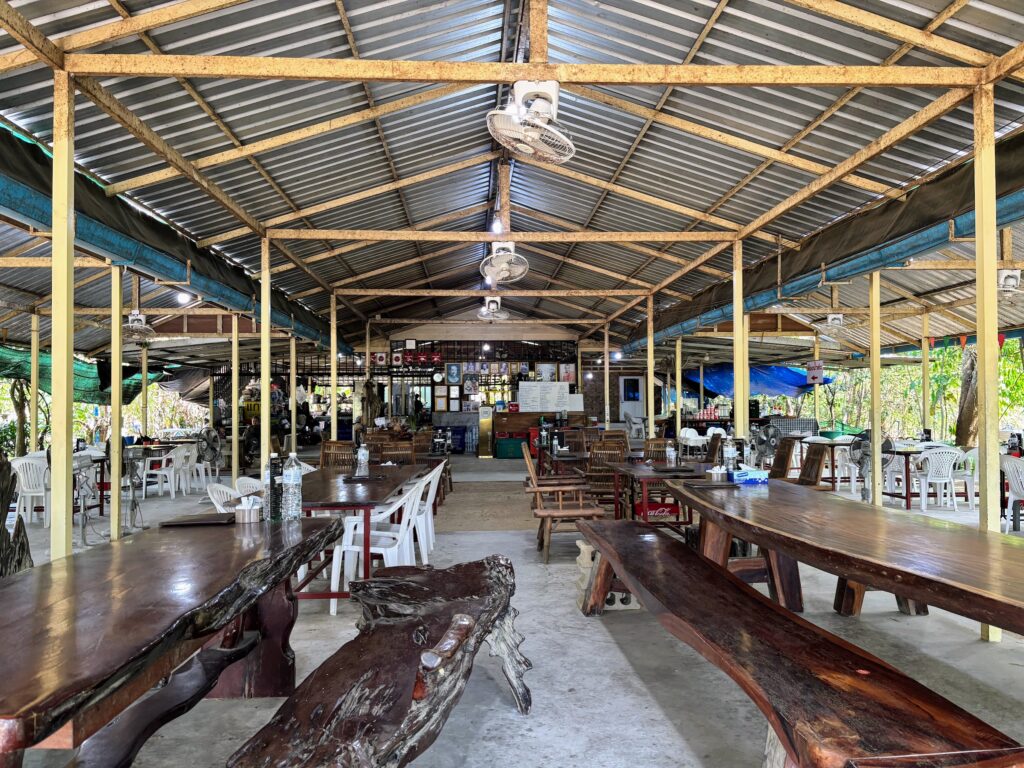
There are some decent food options on this side of Phet Kasem road, including the perennially popular Jim Fiske, the perennially popular Bang Niang night market (which does some superlative crispy pork baked in a massive earthen clay jar – you can’t miss it), and an Isaan restaurant just a minute to the right of Hotel Gahn that doesn’t have a name but lasts long in the memory for its som tam, catfish laab and the rest.
And a five minute taxi ride north along Phet Kasem, the Michelin Bib Gourmand-holding Krua Luang Ten is one of the best southern Thai restaurants we’ve been to. It’s great value, too; you’ll genuinely pay more for the extortionate Grab there-and-back than you will a full, five or six dish spread at the restaurant.
Ideal For…
Hotel Gahn doesn’t really suit the standard Khao Lak beach-resort visitor. It’s a different kind of stay for a different kind of traveller.
Travellers curious about the region’s heritage. The Baba-Peranakan history of the Andaman coast is the point here, not a backdrop. The artefacts, the architecture, the food: all of it connects to something specific and genuine.
Serious food lovers. Juumpo holds a Michelin Guide listing, and you’re unlikely to eat like this anywhere else in Khao Lak.
Couples and solo travellers who want intimacy over scale. Twenty rooms, a considered pool garden, no swim-up bar, no activities desk. The whole property rewards those who want to slow down rather than be entertained.
Design-conscious guests. The Studio Locomotive-designed building has won and been shortlisted for multiple international awards, and the craft extends into every room.
Anyone using Khao Lak as a base rather than a destination. With Takua Pa just up the road and the beach closer than the address suggests, this works well as a launchpad for the wider region.
It’s perhaps less suited to anyone after a classic beach holiday with pool bars and organised entertainment. There’s no kids’ club, no buffet, no evening programme. If you want Khao Lak for the sand and the sun lounger, you’ll find it too cerebral.
Why Stay?
That layered sense of inheritance gives Hotel Gahn a quality that’s increasingly rare in a region where luxury tends to announce itself in square footage and infinity edges.
The restaurant is the chief reason to stay, and one of the best places to eat in Khao Lak, full stop. But the building around it earns its keep too – a genuine design identity sharing a less well-known chapter of Thailand’s culinary and architectural heritage with real warmth. Stay here over a beach resort and you’ll see a side of Khao Lak that most visitors never find.
Rooms start from around 1,250 baht (£25) per night during low season, and 3,000 baht per night (£70) during high.
Address: 27, 76 Phet Kasem Rd, Khuekkhak, Takua Pa District, Phang Nga
Website: hotelgahn.com