Home Blog Page 213

4 TIPS FOR HOSTING LARGE GATHERINGS IN YOUR GARDEN SAFELY

Many of us felt a certain glimmer of hope when the government announced the UK’s roadmap to restriction lifting. While there is still a long way to go before things return to anywhere near normal, there is now a light at the end of the tunnel, and as the days get longer and the weather warms up, that light is getting significantly brighter in tandem. 

If the pandemic continues to retreat in the UK, we could see music and sports events return by the end of June without any social distancing regulations in place. This would certainly be a great way to end a difficult year and a half. 

According to the current roadmap, on Monday, May 17th, ‘’most legal restrictions on meeting others outdoors will be lifted – although gatherings of over 30 people will remain illegal. Indoors, the Rule of 6 or 2 households will apply – we will keep under review whether it is safe to increase this.’’ 

If you’re hoping to host a party for friends and family over the Summer to celebrate a tentative return to normality, then it should, in all honesty, be just that; tentative. Though the numbers allowed in private gardens change from 6 to 30 to unlimited, in March, May and June respectively, it still pays to be cautious.

With that in mind, we’ve teamed up with SRP Hire Solutions to take a look at 4 tips for hosting large gatherings in your garden safely.

LOOK AT THE REGULATIONS 

The first thing you should always do when planning an event in your garden is to, of course, look at the regulations. The situation in the UK is very fluid at the moment and is changing all of the time. One moment the powers-that-be are declaring full steam ahead, the next, they’re warning of a third wave ‘’washing up on our shores’’.

The government are consistently updating its guidelines for businesses and individuals to react to the changing climate and ongoing assessment of risk, and you need to keep abreast of their announcements to ensure that your garden gathering is safe and legal.

Regardless of the anticipated roadmap, you can expect some additional rules, regulations, and guidelines that you’ll need to follow, which will provide the perfect basis for ensuring that your event is a safe one. Find out the latest guidelines on outdoor gatherings in private spaces by checking the government’s official ‘Coronavirus restrictions: what you can and cannot do’ page.

MAKE SURE YOU HAVE THE RIGHT HYGIENE FACILITIES IN PLACE

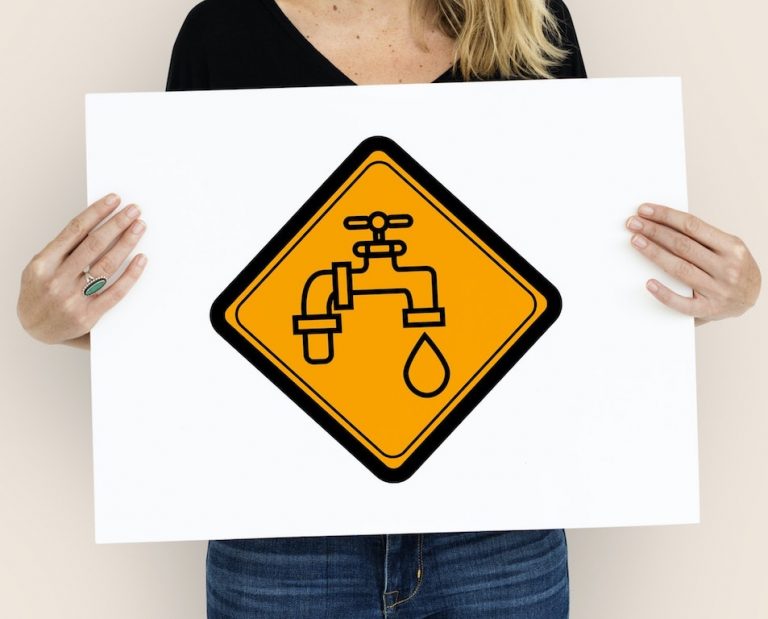
It is also critical to make sure you have the right hygiene facilities in place if you’re to host a large gathering in your garden.

This is particularly crucial after May 17th, when it’s predicted that a maximum of 30 people will be allowed to gather in private spaces, but indoor parties will be limited to six people or two households. Social distancing will still be required, too.

If you don’t invest in some basic facilities, then that’s going to mean a lot of people relieving themselves in your garden and not washing their hands properly afterwards; a recipe for disaster, don’t you think?

Consider hiring a portable toilet, complete with a sink and antibacterial wash, to ensure that your event is safe and hygiene standards are maintained. This will prevent people having to enter your home to use the facilities, and will reduce the likelihood of cross-contamination between guests. 

In 2021, according to CheckATrade, the average cost of hiring a portable toilet was just £50 for two weeks, with the company recommending that a general rule of thumb should be one toilet per 25 guests as sufficient. To ensure the legality and security of your event for such a small outlay, this one seems like a no-brainer.

SANITATION STATIONS

We probably don’t have to tell you twice that these times are unprecedented. That much has been established. And precautions which in the past would have seemed excessive are now the norm. Setting up sanitation stations in your garden, then, for guests to use regularly, is a wise move to ensure the safety of your party.

Though soap and water remains the best defence against the virus, the ‘gold standard’ for preventing disease, since the action loosens dirt and bacteria (and viruses) from the skin and rinses them down the drain, since you’re hosting the event in your garden, then regular hand washing in the sink isn’t always plausible – even if that toilet you hired has one.

If you’re serious about hosting – and you are, that’s why you’re here – you could install a dispenser or two in your garden. This may seem a little over-the-top, but it’s a wise visual reminder of not letting standards slip just because you’re not close to a sink. The CDC recommends that you always use a hand sanitizer with >60% ethanol.

STAGGER ARRIVAL TIMES & KEEP NUMBERS MODEST

Just because you can invite 30 folk round after May 17th, doesn’t mean you should. The upper reaches of that limit are certainly not a target or a challenge for you to prove how many friends you have.

Although the temptation will be strong to invite the world and her dog round once the government says the word, a more staggered approach is sensible to mitigate any lingering risk. 

Social distancing will still likely be required in the domestic garden for some time yet, so don’t get overly ambitious and throw a huge party as soon as it’s ‘safe’ to do so. Exercise your own judgment and common sense to balance the lack of it being shown elsewhere.

And if you are hosting a summer event in your garden, it might be sensible to stagger the arrival times of guests to prevent any bottle-neck effect in the path or alleyway which leads to your back garden. Having people arrive gradually will make it easier to manage social distancing and to inform people of the presence of the portable toilet and sanitation stations strategically placed in your garden.

THE BOTTOM LINE

So there you have it: some of the different steps that you need to follow to make sure that your 2021 garden parties are as safe as possible. While we are all delighted to hear the news that events are coming back to the UK, it is also imperative that we are responsible and that health and safety take centre stage when planning.

And now that we have all those caveats in place, check out these 8 unique ideas for socialising in your garden, IDEAL for having fun with loved ones once restrictions are lifted. 

HOW TO CHOOSE THE BEST YOGA MAT

If you’re a regular reader of IDEAL, then you’ll know that we’re huge fans of an at-home yoga session. During lockdown, tuning in and turning up for our daily half hour with Adriene has become an essential element of the day, allowing us to set our intentions from a space of peace and purity. Just lovely.

Turns out, we’re not the only ones, with her Yoga with Adriene YouTube channel now topping 7 million subscribers, and a cultish appreciation for Benji the obvious natural progression. Of course, the ancient discipline of Yoga outlives YouTube by some 5’000 years or more, but in terms of domestic, digital workouts, and due to lockdown, it’s never been more popular. 

The Metro reports that yoga was the top digital at-home workout of 2020, with uptake of the practice increasing by 25% from the previous year. Honestly, we’re surprised it’s not more! 

If you started your yoga journey during lockdown, perhaps buying yourself a cheap mat and some blocks to help you perfect your downward dog and warrior pose, then perhaps you’ve now found yourself at something of an impasse?

Do you want to try out the harder poses or more athletic forms of yoga but you’re not quite sure if your cheap and cheerful equipment is up to the task? Maybe now is the time to commit to stepping up and getting some better quality accessories and a premium yoga mat that will give you the extra confidence needed to take your workouts to the next level?

If this sounds like you, then you’ve come to the right place. Here are 5 considerations when choosing the best yoga mat.

THE PREVALENCE OF PVC

Yoga mats come in a surprisingly wide range of materials, from jute and cotton, through PVC and various densities of foam in both open and closed cells, as well as latex and natural rubber. All offer different benefits in the form of thickness, texture and even weight, which determines how easy they are to carry while commuting between work, home and the gym.

We’ll consider material first, as it determines the stickiness, weight, and durability. Generally speaking, PVC (sometimes referred to as vinyl) offers the best balance between the various concerns we just mentioned, and is certainly the most durable. PVC also offers the ideal level of cushioning and ‘give’; it’s easy going on your knees without being excessively giving, the latter of which can result in injury. Or, even risk being too comfortable during Shavasana…you’ll never want to get up!

That said, PVC is a manmade material, and poses a threat to both the environment and your health.

THE IMPORTANCE OF TEXTURE

Another important consideration is whether you opt for a smooth or textured mat. Smooth mats tend to be more ‘sticky’, and are ideally suited to a more athletic yoga practice, particularly Vinyasa, when you have to make quick transitions or trust your whole body weight to your hands and feet – or even just your hands! 

If you’re looking for a smooth mat with a decent grip, they are available with millimetre-thin suction attached, which increases friction and holds you steady as you move your body through the right configurations of positions and movements. That said, they are less sweat-absorbent, meaning a certain amount of slippage might occur on the upper side. The highly regard Manduka yoga mat brand is ideal here; according to Elite Daily, ‘’Manduka mat is basically perspiration-proof. This bad boy is solid and sturdy, and built to keep sweat from seeping into the mat’s core.’’

If your practice is more restorative and gentle, a textured PVC mat is better, since they offer more cushion; ideal for those poses all about longevity and resilience. That said, it’ll require regular cleaning because of the increased sweat accumulation and its somewhat abrasive, unnatural effect on the skin. For those who prioritise thickness, bamboo might be a better option (more of that later).

WEIGHT

Heavier mats will stay in place well, and tend to fall into the textured camp, but will be more of a burden to carry between sessions, work and home. These heavier, textured mats are also more of a pain to roll up, feeling bulky and oftentimes, a little clumsy.

Many yoga enthusiasts mitigate these issues by having two mats; one for solely using at home and one for public sessions. You could even get a lightweight mat for easy carriage and a heavier, better quality mat for your home workouts. The heaviness you choose won’t only be based on your style of yoga, but it’ll also concern the material you choose – even thin, natural rubber offers excellent protection, while open cell foam needs to be fairly thick to offer a good amount of cushioning.

DURABILITY

A thick, PVC yoga mat will generally be the sturdiest, and can last for upwards of a decade in the right hands. That said, they require frequent washes due to their sweat-absorbent nature.

Alternatively, many premium yoga mat producers include specifically designed cleaning products in their packages. In fact, those Manduka mats we mentioned earlier have created a line of biological cleansers to be used specifically with Manduka yoga mats which ensure you can keep your mat cleaner for longer. 

Slimmer, smooth yoga mats, which are generally used for high intensity yoga flows such as Vinyasa, tend to last for a significantly shorter period of time. Alternatively, you could prioritise a more sustainable yoga mat material. Whilst they may lack the durability of PVC, the impact of their production on the environment (and often, on your skin) is far less pronounced…

ECO FRIENDLY OPTIONS

In recent years, several eco friendly yoga mat options have emerged on the market, including organic cotton, recycled rubber and jute. Bamboo yoga mats have also earned a strong reputation in the UK lately, partly due to their green credentials, but also because of the material’s antiseptic qualities.

Though you’ll be paying a little more, a naturally made yoga mat will be kinder to your skin, less likely to provoke an allergic reaction or chaffing, and ultimately, is a more responsible shopping choice. 

The Evening Standard recently detailed ten of the best eco yoga mats, including the excellent Jade Yoga Elite S Mat, which is made from natural rubber. What’s more, the company plant a tree for every yoga mat sold, with over 1’700’000 planted so far. Wow! 

The Manduka Eko Range is another premium yoga mat with strong green credentials; it’s also made from natural rubber, but has the added bonus of it being reinforced with natural cotton (rather than the commonly used synthetic polyester).

Finally, the Pro Cork Yoga Mat is made from, you guessed it, cork, and is ‘’non-slip, 100% sweatproof and, wait for it, since cork is naturally antimicrobial, it eliminates bacteria and odours a treat.’’ The next time you’re in child pose on this mat, you’ll actually savour the aroma rather than wince at it.

THE  BOTTOM LINE 

The reasons to take up yoga are myriad, from improved flexibility to an enhanced connection with the self. If you’re considering investing in a new yoga mat, we hope we’ve helped you set your intentions for a day of shopping. Whilst PVC represents the most affordable investment, offering durability, resistance and protection against injury, it does come with several drawbacks, too. Consider your priorities carefully before proceeding!

Oh, and if you’re shopping for a yoga-loving friend, then check out these 5 yoga themed gifts IDEAL for the yogi in your life.

What Should Vegas First Timers Know? Here Are 5 Essential Tips

They say that what happens in the City of Sin should stay there, and perhaps this is why Vegas virgins so often visit without a clue of what’s in store. Indeed, go in over confident and underprepared and you’ll likely be leaving without your dignity. Las Vegas is an overwhelming assault on the senses, a full throttle place of fun, frolics and misfortune which requires a little foresight if you want to get the most out of it. Best to read on then, to these; our 5 essential tips for Vegas first timers.

Get Familiar With Drinking Laws

Of course, when you think of Vegas the first image which spins through your head is the roulette wheel. But also almost equally as synonymous with the strip is the wild party scene. Perhaps not the choice for those trying to cut back on drinking, or anyone with good taste, we think.

Known for having a “laxed” law on publicly drinking, it’s actually permitted here to walk the streets with an open container, a rare sight in the States; you’re unlikely to see any brown paper bags around here. It is, however, illegal to drink within 1,000 feet of churches, synagogues, schools, hospitals, rehab facilities and homeless shelters. Show a bit of respect (what in Vegas, surely not?) and common sense (again….) and you’ll be fine.

Practise Your Poker Face

Yes, Vegas is certainly synonymous with partying and big, brash shows of opulence, but we have to assume that you’re also here for the tables and wheels. And let us state this from a place of cruel experience; it would be a monumental mistake to set food on those casino floors and pull up a stool at a table without any knowledge of the etiquette, lingo and rules involved in the most popular games.

Most of the heavyweight casinos on the strip offer gaming lessons, so get yourself prepped and primed on your first night, or you’ll be fluttering like a pigeon. Alternatively, online casinos in the UK often offer the opportunity to play without financial commitment or having to create an account, giving you the chance to learn the ropes before you hit the tables proper.

Due Diligence With Distances

A big rookie mistake first timers to Vegas make is misjudging distances. It’s a massive place, and a scorching one at times too, so do your due diligence before setting off on foot somewhere. The main drag is four miles long so plan accordingly.

Comfortable shoes are a must. Tennis shoes, flats, loafers, and sandals will be quite the lifesaver when it comes to walking around and sightseeing, or even standing at the slots for extended period. If you did come ill-prepared with the wrong type of shoes, you can always hop on the Las Vegas Monorail to fling you from A to B. Also of note; you can actually walk through the air-conditioned hotels to manoeuvre your way down and around The Strip. 

Cut Price Partying

Everybody says how expensive Vegas is, particularly on the party scene. The celebrity guest appearances, the exclusive shows, the private tables and bottle service; it’s enough to make you retire to your hotel room and cradle your credit card in bed until the night is out. But a weekend of hedonism and letting your hair down doesn’t have to cost you a fortune.

You’ll find that VIP status isn’t just for the celebrities; there are Free Club Passes available to visitors, too, giving party-goers the opportunity to queue jump, enter for free or at a reduced price, and indulge in all the luxurious amenities a club has to offer. All you have to do is get your name on a guest list, online, to enjoy a nightlife experience unlike any other.

Off The Beaten Strip

Of course, the bright lights, star-studded shows, gaudy casinos, and depraved party scene all come to mind when you think of Las Vegas. But it’s a huge mistake to focus your whole trip on the Strip alone. There’s a whole world beyond the glitz and gambling waiting to be discovered.

The Mob Museum and Spring’s Preserve are just two attractions often passed over in favour of the excesses of the city. Getting away from the main drag also gives you an opportunity to get stuck into some of Vegas’ best food. We’ve written more about that here. Check it out!

DREAMING OF A LUXURIOUS HOTEL EXPERIENCE AT HOME? HERE ARE SOME AFFORDABLE WAYS TO MAKE THAT HAPPEN

While the UK’s vaccine rollout has so far been a success, those treasured luxury hotel stays on faraway shores still feel out of reach, until later on in the year, at least. We’re all craving a bit of escapism, and as such, there has been an increase in interest in ways to ‘holiday from home’ recently. Nope, this isn’t another article on the UK’s best destinations for a break, but rather, advice on taking a staycation in the original sense of the term; a holiday enjoyed at home.

Indeed, the Washington Post – via the Guardian – defined the much misused phrase in 2005 as meaning ‘’staying at home and enjoying such creature comforts as 300-thread-count sheets, stainless outdoor fire pit, well-stocked fridge”. And you know what? Creating the perfect hotel-feeling space at home sounds kind of ideal to us right now.

Getting ready for a season of escapism from the comfort of home? We think that there are certain elements that make a great hotel that you can incorporate into your domestic setting this Spring and Summer. With that in mind, if you’re dreaming of a luxurious hotel experience at home, then here are some affordable ways to make that happen. 

IT’S ALL ABOUT THE BATHROOM… 

One of the best bits about a luxury hotel? The bathroom. And more specifically, those long, languid soaks in the tub and contemplative sessions on the can. But how to achieve a luxury bathroom at home?

First things first – declutter.  Clutter is the enemy of any luxury aesthetic and can make even the most expensive item look cheap and ill judged. Let’s put it as succinctly as the spirit of the message demands; less is most certainly more.

You can declutter most effectively in your bathroom by ensuring you have enough storage space for your belongings – be they beauty products or fresh towels. Remember, there should be a place for everything, and everything should be in its place; the most surefire way to keep things tidy, we think.

You can evoke opulence even in the smallest of details. In fact, nothing speaks of a subtle yet sophisticated design quite like new faucets of brushed nickel or polished chrome.

That said, if you’re looking to do a complete overhaul of your bathroom, the use of natural stone in here brings a feeling of calmness to this most private of spaces and establishes a sense of connection with the outdoors, too. No wonder so many 5 star resorts and luxury hotel rooms use stone so expertly in their design, harnessing its elemental quality and reassuring feel.  

Tactile touches are important, too. Don’t forget the fluffy, plush white bathrobe – a coveted component of any luxury hotel stay. Oh, and some cosy waffle slippers for good measure. Go further; investing in some indulgent bathroom products will offer that feeling of a luxurious hotel experience, on your skin and visually. 

If we’re considering all the senses, aroma plays a huge part in the bathroom space, both sensual and functional. Rather than deploying a diffuser or freshener in the bathroom to hide aromas, be proactive and light candles or wax melts to provide a warming fragrance.

Some of the most iconic brands used by hotels across the world include L’Occitane, Hermès and Diptyque. We could go on about this forever, but instead why not check out our article on luxury bathroom ideas here.

And if you’re missing luxury hotel spas, then we’ve written a piece on tips for turning your bathroom into a private spa.

…AND THE BEDROOM

Those bedrooms you see in the movies, in catalogues and on adverts for 5 star hotels…they just look so comfy, don’t you think? So damn sinkinable. So inviting that we’ve tried to bed down on the pages of a glossy magazine depicting one, just to feel something.

So how do you achieve this at home, we hear you wonder? Without fail, luxury hotel beds boast beautifully upholstered headboards. It gives the bed that wow factor, and that extra bit of drama and opulence that you want when forking out on a hotel room. And the good news; they’re not at all expensive to install; you can find one at premium level from around £150.

When it comes to that channeling that luxury look in the bedroom, more is often more, especially when it comes to pillows. Start with oversized square pillows; we recommend 65 x 65 cm continental pillows which add support, depth and interest to the bed and really bring home the luxury hotel look. 

You’ll also want to invest in some sumptuously soft sheets; the higher the thread count – 800 for example – the denser and more luxurious the feeling of the material. However, you needn’t splash out on ridiculously high count sheets; a thread count of 300 (or higher) is about right if you’re to achieve the feel of a 5 star hotel bed without the luxury price tag to match. 

ADD A BREAKFAST BUFFET BAR 

The beloved breakfast buffet is a key hallmark of any luxury hotel stay. It’s one of the finest pleasures of the hotel experience, and the truly great buffet breakfast turns a sometimes mundane daily ritual into the ultimate gastronomic experience.

We love the ones spread over a vast dining space, with multiple ‘cooking stations’ devoted to different global influences. And while the obligatory omelette station serving tender and fluffy eggs and the sweet waffle stand laden with every topping imaginable are both integral to a great hotel breakfast, we especially love the station showcasing regional or local cuisine, offering guests exciting and enticing opportunities to try new flavours.

And for those who have overindulged the previous night, that freshly-squeezed juice, trio of smoothies and detox tonics all bring a feeling of wellness to a worn-out mind. Sorry, we got a little sidetracked there….

Unfortunately, owing to coronavirus restrictions and social distancing, it’s been rumoured that hotel breakfast buffets might be confined to the history books and pages of enthusiastic travel blogs forever. However, while the life of omelette stations in hotels across the world hangs in the balance, you can recreate this luxury hotel experience at home with just a little effort and preparation. 

Have a space in the corner of your kitchen that can instantly be dedicated to breakfast; think a breakfast bar where you can perch a waffle machine on at the weekend and a coffee maker, or a free-standing bar table that you can set up in your living room. Consider investing in a Bain Marie to keep hot items warm and perhaps even some cereal dispensers, too, if you’re keen to go all out. 

LET’S LOUNGE 

We think a luxury hotel escape is all about finding the space to properly stretch out, relax and lounge around. There’s always a few attractively furnished lounge areas within a luxury hotel exclusively designed for overnight guests, and we just love settling into them.

According to Hospitality Net, some of the key features of a hotel lounge area is comfortable seating, and what could be a more fitting piece of furniture to invest in than lounging furniture? Enter the Chaise Longue. 

The chaise longue has been associated with luxury, decadence and the high life for generations, and the hotel and hospitality industry has been using them in their high-end hotels for just as long. The guys at Homes Direct tell us that this type of French lounge furniture was “designed by French craftsmen for the rich to lounge and rest, without the need to retire to the boudoir”. So, why not spend your Spring and Summer doing the same, preferably reclined in a robe with a bunch of grapes for company…pure luxury.

A HOTEL BAR AT HOME

Serious Eats once wrote that “hotel bars are a quintessential port in a storm: reliable, comfortable places to take shelter from everyday life”. How things have changed. For the past year, hotel bars have been shut and the welcoming spirit of these meeting places, sociable spaces and sometimes, dens of iniquity around the world have all but disappeared. 

There are certain characteristics and aesthetics of a great hotel bar that are easy to pinpoint – sumptuous seating, the subtle, flickering lighting and of course a master mixologist. While the latter may be impossible to replicate (although there are some pretty excellent at home cocktail kits out there right now) you can create your ideal hotel bar at home quite easily. 

It’s worth noting here that all luxury hotel bars are different and unique. However, key to any home bar is atmosphere. Rather than keep you, we’ll point you in the direction of our guide on how to create the IDEAL wine bar experience at home for some inspiration. Cheers!

HOW TO ENSURE TAKING YOUR DOG ON HOLIDAY IS A PLEASURE NOT A CHORE

As the author Orhan Pamuk once so deftly put it, ‘’Dogs do speak, but only to those who know how to listen’’. If you’re to listen to your pup as you head off on holiday without them, you’ll hear that they’ll miss you as much as you miss them. 

And as the photographer and writer Roger Caras said so succinctly, ‘’Dogs are not our whole life, but they make our lives whole’’. As such, if you’re tempted to take yours on holiday, so it truly feels like the whole family has come along, then rest assured that you’ll enrichen the experience for both pet and owner by doing so.

Though doing so can sometimes be a stressful experience, if anything, the COVID-19 pandemic has perhaps simplified the process for some. After all, there’s no need to worry about stressful admin as you can’t go overseas. Not yet, anyway. And with social distancing measures required, your dog will likely have that extra bit of waggle room in and round your destination, to run free and explore.

Regardless, a staycation with your furry friend isn’t a walk in the park. Remember that you’re a long way from home and can’t rely on your normal routine; your whole trip could well come unstuck if you aren’t prepared.

As a result, it’s essential to consider a couple of pressing factors before your trip to ensure you are ready for anything your holiday throws at you. Look at it this way – your getaway will be more enjoyable if your dog is happy, and your dog will be happier if your getaway is enjoyable.

With that in mind, here’s how to ensure that taking your dog on holiday is a pleasure not a chore.

LONG JOURNEYS

Canines aren’t as equipped at dealing with long journeys as people. Though we’ve already speculated that they might actually be able to speak, let’s be realistic here; your dog can’t read or listen to music to pass the time, and they can’t turn on the air conditioning to cool themselves down when they’re hot. All in all, taking a long car trip can be uncomfortable for dogs that aren’t used to them.

A smart strategy is to take smaller journeys to ease them into the process. Steadily building from thirty minutes to an hour-plus should ensure they can go for extended periods without getting stressed out. So, in anticipation of your holiday, consider driving your dog for a walk in a few new locations which are incrementally further away each time, helping them get used to the ups and downs, twists and turns of car journeys. 

However, there’s more to a road trip than just mileage. You also need to plan your route in advance. By doing this, you can stop off regularly to let your pet out to stretch their legs and go to the toilet. This will help them cool down from the stuffiness of the car, too. 

If there aren’t many service stations, you should take a water bowl and snacks to stop your dog from suffering from dehydration and hunger as the journey unfurls.

SUPPLIES 

Speaking of water and food, you shouldn’t forget or neglect your pet’s supplies, ideally packed for the duration of the trip. Animals have more of them than you realise, especially if you haven’t been on a trip with yours previously. Think of it like packing for a baby!

The key is to make sure that you have everything you need for the length of time that you’ll be away from the house. It’s not as if you can head back and nip into your home to top-up on the things you’ve forgotten. Therefore, bringing enough medication treats, and poo bags, to name but three, is imperative.

Make a checklist before you head out to make sure you remember everything, and research whether there are pet stores in the local area that you’re heading to as an extra blanket of security.

TAKE PRECAUTIONS AGAINST YOUR DOG GETTING LOST

Updating collars is also essential in case something happens and you lose your dog. When taking your dog for a walk on holiday, they may get disorientated. And if they do happen to get lost, finding their way back to an unfamiliar location can be difficult. Collars with the owner’s information mean anyone who finds them should contact you right away, whilst modern technology now means you can even access GPS tracking via some cutting-edge collars now emerging on the market.

A dog tick collar is a smart choice for holidays as your pooch will be enjoying extra time frolicking in the Great Outdoors and as such, could be more susceptible to bites and infections. Doing so kills two birds with one stone.

Having your dog microchipped is another layer of precaution which can provide you with peace of mind. Doing so means the little guy can be identified even if their collar breaks.

Finally, it’s sensible to establish a cautious routine for getting in and out of your car, so your dog learns the cues for their safe and calm exit from the vehicle, and isn’t tempted to make a break for freedom when you arrive at your destination. Placing a toy with a familiar scent in their basket can help your dog stay grounded and content in a new location, too.

HOSPITALITY

From the nature of your hotel or AirBnb rental to the bars and restaurants close to your accommodation, hospitality has a significant part to play in the happiness of your dog and ultimately, the outcome of your staycation. Everyone likes to stay in comfy digs and eat at fantastic, acclaimed local restaurants when they are away, but having a furry friend in tow can sometimes put these simple pleasures in jeopardy.

The problem with pets is that some establishments won’t let them in, and others may have strict rules governing how your pet behaves within their premises, both of which make life much harder for dog owners. Regarding your accommodation, it’s essential to check if a pet is permitted at all, as it’s not a given that a hotel, apartment or Airbnb will be pet-friendly. It all depends on the operator’s rules, so do check the fine print before proceeding.

Concerning pubs and restaurants, you should book in advance as there are restrictions on how many people can be inside at one point. Better still, prioritise places with outdoor seating or establishments that are overtly, proudly ‘’dog friendly’’; any self-respecting pub should be. Turning up and winging it – the old way of doing things – isn’t responsible during COVID and there’s a good chance that you’ll be turned away, with space now at a premium and dogs causing some issues with social distancing rules. 

HOME COMFORTS

There’s a danger that in all the holiday excitement and planning, you assume that your dog is feeling the same sense of anticipation building as the rest of the family.

But canines enjoy routine, and when theirs is upended, they tend to react poorly. Indeed, a holiday might be stressful for your dog if everything is new, unfamiliar and foreign, and they could well suffer from homesickness if you leave all their usual home comforts behind. Thankfully, understanding this from the outset is vital as you can take measures to make the transition seamless and ensure your dog is happy and healthy throughout the trip.

For example, pack stuff that they use every day and can continue to use while you’re away. Whether it’s a bed or a blanket, the familiar touch and smell of their belongings should prevent your pet from getting stressed in a foreign environment. Essentially, you want to make the accommodation as ‘domestic’ as possible so that it feels like a home-away-from-home. 

You should also take your dog for walks and serve their meals at the normal, expected times of day. Providing your dog with their usual, familiar routine will help your holiday together go without a hitch!

THE BOTTOM LINE

Your dog is a cherished member of the family, and taking them on holiday can be a nourishing, joyous bonding experience for everyone when done right. If you approach the trip unprepared, however, it can be a stressful time for all concerned. Follow our advice above, and ensure your holiday with your dog is memorable for all the right reasons!

SHOULD I CONTINUE WORKING FROM HOME OR RETURN TO THE OFFICE? 5 CONSIDERATIONS

It’s safe to say that the nation is divided on its feelings towards working remotely. As working from home has become the new normal for many office workers since the coronavirus pandemic hit the UK, some workers have relished the newfound flexibility. Others, however, have struggled with the distractions of home working

Not reserved for virtual water cooler chat alone, the debate has also been playing out in parliament, too. As the Guardian reports “Boris Johnson has sparked new controversy over when employees should return to their workplaces by suggesting people have had enough “days off” at home during the pandemic, and should try to go back to their offices.” Hmmm. 

The Independent agrees, “Workers set to return to offices when stay-home restrictions ease have said they find the prospect “stressful” and “pointless,” with one comparing the possible threat of Covid in shared work spaces to a “grenade waiting to go off”.”

But that verdict isn’t actually unanimous. Some, on the other hand, have declared their enthusiasm for returning to the office, with 7% wanting a return to the way it used to be. We suspect the majority of that percentage are owners of urban office spaces keen to rake in their rent, but anyway… 

What’s clear is that the pandemic has changed the way we work forever and going forward, flexibility is key. If you’re unsure which side of debate you fall on concerning whether you should continue working from home or return to the office, then here are 5 considerations.

PRODUCTIVITY WHEN WORKING FROM HOME

Banner specialist Instantprint surveyed 2000 workers in the UK who worked from home during lockdown and found that a third of them enjoy remote working. Moreover, they do not want to return to their usual working environment when restrictions lift. These workers have found that they are more productive at home because they can control their environment and minimise the number of distractions. For example, they aren’t distracted by colleagues, inane small talk, endless impromptu meetings or by making coffees for the office. 

On the other hand, many have found the home working environment much more encouraging of distractions. For workers deciding whether or not the home or central office is more conducive to productivity, this is one which should be considered on a case by case basis.

REMOTE WORKING IMPACTS

Let’s consider other impediments to remote working. Indeed, for all its positives, working from home does bring a whole new set of challenges. 

Many home workers have previously reported that they find it difficult to stay professional and productive when their family life is playing out in the background of a conference call or virtual meetings. Wi-Fi issues at home can also cause problems with virtual conferences and productivity levels, and elements of the home office set up which were previously funded by the employer – such as equipment, lunches, hot drinks, childcare and more – are now having to be covered by the employee.

WORK/LIFE BALANCE

Remote working can save staff a lot of time and money which would usually have been spent on commuting and expensive meal deals from the closest supermarket. Without a stressful commute on either side of the working day, employees can spend more time with their families, friends and on their hobbies. 

Remote work allows employees to achieve a better work-life balance and therefore take better care of their mental health. In August 2020, it was reported that half of UK workers favoured a hybrid model, ‘’being in favour of working from home for an average of three days a week and commuting into the office for just two days a week.’’

It seems that the ideal compromise here is a return to the office part-time to experience the best of both worlds. Should you be an employer keen to respond positively to these changes, then check out our 5 ways to encourage a productive flexible working environment for more.

FIND A DEDICATED WORKSPACE

Back to that study commissioned by Instant Print; Only 16% of UK workers have a home office, with most people working from their living rooms, spare bedrooms or bed. 

This can be problematic, both for posture and productivity. It’s essential, then, even in the most compact of spaces, that you create a dedicated home office space, separating your professional and personal lives from each other, even though they are both under one roof. Responsible employers should help fund elements of this, should the company’s move to remote working be happening more comprehensively.

THE SOCIABILITY FACTOR

If you find remote working antisocial and isolating, there are several ways you can stay connected to your colleagues when working from home. Encourage your team to take part in virtual hangouts. Organise a Friday night drinks event to celebrate your team’s accomplishments and remind them of the challenges you have all overcome. Or, arrange a virtual coffee break with your co-worker to check in on how they are handling lockdown and remote work. 

Again, a flexible ‘hybrid model’ could be ideal here, as workers can enjoy the social aspects of the physical workplace whilst still maintaining a modicum of control over their work/life balance.

THE BOTTOM LINE

The debate continues about what the working world’s ‘new normal’ will look like. Increasingly, flexibility is going to be essential for companies looking to move forward in a nimble, dexterous way. For those who are looking to enjoy the best of both worlds, expect to see the ‘hybrid model’ gain traction, with workers dividing their time roughly equally between the home and central office. 

More than anything, it’s important to know your rights around working from home. All employees now have the legal right to request remote working from their employer; head over to the Government’s website to learn more about that here.

GET READY FOR A GLOW UP: 5 DIY BEAUTY MOVES TO MAKE THIS SUMMER

Phew. A couple of days of bright sunshine and balmy weather and we’re all ready to retire our layers until Winter. When temperatures soar, it’s true that everybody is keen to look their best, and this has never been truer than during this most strange of years. Soon, socialising will be allowed once again, and it’s only natural that we all want to look our best as we get reacquainted with our friendship circles and families. 

That said, with the changing of the seasons comes an impact on our beauty regimes, and Summer, in particular, can create significant issues with the health of your skin and hair. Whether it’s an increase in perspiration and the threat of oily skin, melting make-up, or simply having too much fun to be strict about your hair and skin care routines, there are plenty of potential pitfalls to watch out for.

So what do we mean by a ‘Glow Up’? Well, according to Urban Dictionary, “a Glow Up is a mental, physical, and an emotional transformation for the better”. And we’re starting our ‘Glow Up’ by giving our beauty routine a makeover.

We’ve put together some handy tips to make sure you keep looking your best during the warmer months. If you’re getting ready for a glow up, too, here are 5 DIY beauty makeover moves to make this summer.

FOLLOW A ‘GLOW UP TUTORIAL’ 

Beauty salons and hairdressers are set to reopen in just a couple of weeks time, but if you can’t wait until then (or, more likely, you’re finding it hard to secure a booking) then why not consider taking a YouTube tutorial at home to brush up on your ‘glowup’ makeover skills? 

A welcome byproduct of this difficult time has been the democratisation of knowledge online, with everyone from personal trainers to nail technicians keen to stay relevant and active online. What were previously considered ‘insider’ tips are now available for all, with views of beauty tutorials on YouTube increasing by nearly 50% in 2020, with an ever rising number of people keen to learn the latest beauty tips and hacks.

Furthermore, the higher-ranked videos tend to be uploaded by content creators rather than by brands, so you’re more likely to get impartial advice than a branded advert.

Mexican beauty blogger Yuya, for instance, boasts an incredible 24.6 million subscribers, making her one of the most popular creators on the platform. You’ll need to understand Spanish to benefit from her content, though. In English, some of the best beauty vloggers going include Lisa Eldridge, who is a professional makeup artist sharing some fantastic tips, and Jamie Genevieve, known as a ‘Glow Connoisseur’ and provider of a whole host of useful DIY tutorials.  

But perhaps our favourite of all during the last lockdown has been Britany Sullivan. According to Marie Claire, Britany Sullivan is “an Instagram-famous hairstylist and makeup artist known for her glow powers.” From using iridescent powder blush and highlighter to adding a dewy sheen across your lips with sheer glossy lip balm, they’ve made an awesome 60-second tutorial on how to create the glow up look on yourself with the exact products she used here

CHANGE YOUR HAIR COLOUR

One of the fastest routes to a spectacular glow up (and an enjoyable surprise for friends who you haven’t seen in a while!) is to give your hair a new shade. For some people, exposure to the sun will naturally lighten the shade of their hair, which can bring about that carefree, sunkissed look which many covet.

If that’s not the case for you, or you’re keen to go against the grain and go for a darker shade for Summer, you could dye your hair several shades lighter or darker than you previously wore. For inspiration, check out Good Housekeeping’s guide to the 60 Best Hair Colours for 2021…nope, we didn’t realise there were 60 hair colours either!

Should you choose to experiment with a new hair colour, make sure you wear gloves to protect your skin from the chemicals in the product, and avoid dying your hands in the process, too.

MOISTURISE FOR GLOWY SKIN

Though taking good care of your skin is a year-round devotion, it becomes particularly pertinent in summer, when sun exposure, sun tan lotion, and a more active social life can all have an effect on your visage. 

But what is exactly glowy skin and why is it so coveted in summer?

Board-certified dermatologist Dr. Marnie Nussbaum explains in Elle that “Glowy skin is supple, healthy, hydrated skin,”, going on to explain that “In the winter, dry skin tends to build up, giving a dull appearance on both our face and our body. The dry air and heat take the moisture out—and since skin is the ultimate barrier between yourself and the environment, glowing skin really just means that you have healthy skin.””

Regular moisturising during the warmer months is essential, and reduces your chances of developing extreme dryness or oiliness. It can also help camouflage any blemishes. For sensitive skin, try an oil-free moisturiser. On the flip side, if your main issue is dryness, a nourishing cream may be for you. Check out these IDEAL products to add to your skincare routine this summer for more tips on the subject!

But perhaps even more effective than any product – and free, too – is good ol’ h2o. A more natural way of keeping your skin in good condition is to drink plenty of water. Staying hydrated can also boost your mental performance and mood.

UV PROTECTION

Some moisturisers also offer protection against the harmful rays emitted by the sun.

If your moisturiser doesn’t, it’s important to wear sufficient sunscreen with an appropriate SPF every time you step out of the house. Yep, even on those overcast days when the threat from the sun doesn’t feel strong. SPF 30 is the most common level for most people and skin types, but those with particularly fair skin may need stronger.  

It’s not just your skin you need to protect, though. Wearing sunglasses can help limit the potential damage to your eyes, too. Prioritise a pair which boasts 100% UV protection from both UVA and UVB waves, ideally with polarised lenses to also protect your eyes from glare.

Both of these steps will ensure you’re looking as radiant, fresh and bright as can be when Summer rolls around. 

Finding the right sunscreen is important here, as many creams are oily and can lead to breakouts. We’re big fans of Tula Protect + Glow daily sunscreen gel, which has a lightweight formula and helps protect against our pollutants and our dreaded blue screens.  

The sunscreen’s probiotic formula helps to lock in moisture and strengthen the skin barrier, while its pineapple and papaya help promote an even skin tone. Not only does it give a dewy glow, but it can be used under make up, too. 

Supergoop’s Glowscreen is another product known for creating a totally dewy base layer while protecting against the sun. For something more affordable, Simple Protect ‘N’ Glow Triple Protect Moisturiser SPF 30 is an all-in-one secret weapon, protecting against UVA & UVB rays, pollution and blue light.

Even if you do suffer from breakouts, The Daily Struggle stresses that protecting yourself with sunscreen should still be a key part of your skincare routine for acne sufferers. Just look for a sunscreen that’s designed for sensitive skin and is oil-free so it doesn’t clog your pores. 

WARDROBE TRANSITION

Since we’re talking about a makeover, it would be rude not to talk about beauty’s BFF – fashion! Marking the transition from Winter clothes to Spring and Summer with a few smart, savvy wardrobe additions can be a great way to freshen up your look and achieve that sense of a ‘glow up’ in an affordable, easy way. Check out these 6 items to freshen up your style for Spring 2021 for some top tips on the most on-trend, in-fashion items for April and May! 

We’ll see you on the beach?

If you’re looking for another round of simple, affordable beauty tips, then check out these 7 of our favourite at home beauty hacks for a whole load more!

THE PANDEMIC WEDDING BOOM: 5 CONSIDERATIONS FOR COUPLES GETTING ENGAGED IN 2021

Does it feel like all of your friends are getting engaged right now?

In an April 2020 survey, more than 40% of couples found themselves spending over twenty hours a week together. With remote working and social distancing regulations in place, couples found themselves spending more quality time together. In fact, six in ten couples said that isolating together strengthened their relationship.  

Indeed, while the coronavirus has put a halt to many people’s wedding plans, plenty of couples are still getting engaged as lockdown has been a bonding experience. 

It’s no surprise as times of unrest  tend to lead to increased marriage rates. As reported in the New York times, “Historically, scary, stressful times have led to increased marriage rates. Following South Carolina’s Hurricane Hugo, marriage rates increased in the areas affected by the hurricane (these numbers had previously been trending downward). After the 9/11 attacks, the marriage rate didn’t change but couples were less willing to get a divorce: the number of couples in New York who filed for divorce decreased by 32 percent. It was a similar situation in Japan after the 2011 tsunami.”

And the pandemic seems to be no different. According to research by October Brides, “Eighty-two percent report that living through the pandemic has actually made them want to marry more and weather this, and any other storm, together.” Moreover ” Fifty-five percent of our followers say that the pandemic has changed their expectations for marriage. And, according to many of them, the worldwide disruption has them ruminating on the true meaning of their vows and prioritizing partnership above all”.

While of course the pandemic may have changed the answer to the “how he/she asked” question into something a little more low key, one thing is for sure; it’s proven that life is short and there is no time like the present,  If you’re one of the many couples planning to start the next chapter of the ‘new normal’ engaged, then here’s 5 tips for couples getting engaged in 2021.

PICK A RING TOGETHER 

While the pandemic has had a devastating effect on many people’s finances, according to the BBC, people spent less and saved more in 2020 and saved an average of £110 a week as the pandemic led to shops, pubs and other attractions closing their doors. 

If you’ve found yourself with a little more cash than usual, then why not invest in a beautiful engagement ring? We love the idea of choosing an engagement ring together on a romantic day out in the summer – buying an engagement ring is a defining moment, so why not share the excitement together. 

If, on the other hand, you’re looking to spend less on a ring, consider a second hand one. People are often cautious about buying pre-loved pieces; there’s the false assumption that pre-owned pieces are old and cheap. Some may even suggest they bring bad luck.  But superstitions are just the religion of a feeble mind, right? 

There are actually myriad positive aspects of buying your engagement ring second hand; you’ll likely save money, and you’ll reduce your environmental impact, too. You may even find a one-of-a-kind piece, and that’s something everyone wants from such a special, sentimental item, right?

ENJOY BEING ENGAGED

We can expect to see a boom in weddings in the next couple of years.  As a result of the pandemic, hundreds of couples have postponed their wedding, with the majority waiting right until the end of this year. 

However, according to the Telegraph, many experts say it might be better to wait until 2022 to get married. Couples in a rush to get married will have less bargaining power and will likely find extra ‘add-ons’ as surcharges as venues, caterers and other wedding industry businesses struggle to recoup their losses from last year. 

Also getting your ideal date may be a little tricky. Also in that Telegraph article, it’s reported that “Since the Prime Minister’s announcement, bookings for events have risen by 250 per cent compared to pre-Covid times. This surge not only includes events delayed from last year, but also additional nuptials to make up for original weddings held during strict Covid restrictions. Add in celebrations that were expected to happen this year anyway, and demand skyrockets”. 

So instead of rushing things, just enjoy being engaged and this moment in your relationship. 

GO FOR SOMETHING LOW KEY

According to the New York Times, “While many couples around the world are canceling or postponing their weddings because of the coronavirus pandemic, some are scaling down their plans and getting married at home”. And we love the idea. What could be a more perfect, personal setting for your celebration than the place that you call home?  

If you’re desperate to get married right away, why not go for a low-key celebration at your family home?  After all, hosting your wedding at your parents’ place, a  relatives’ or your own home is a great way to reduce costs. Moreover, you’ll have more flexibility when it comes to dates and timing. 

CARE ABOUT YOUR FRIEND’S FINANCES

There comes a time in adulthood when weddings start to come thick and fast. Friends and family of a similar generation to you seem to be shacking up and settling down with increasing frequency. And the cost? Don’t ask.

In normal times, the average cost of attending a wedding in the UK was nearly £400. Since we’re set to see a boom in nuptials, be aware that all your friends and family will likely be attending lots of other happy couple’s nuptials. So that dream wedding you’re planning abroad that will cost a lot of money for your guests to attend, well – do you really want to be that couple? 

WHAT DO YOU NEED TO START UP A NEW CATERING BUSINESS?

Since COVID changed just about every facet of our everyday, more people than ever have found solace in the kitchen, with amateur bakers, butchers, sushi chefs and wok enthusiasts all cooking up a storm from home.

Naturally, some entrepreneurial minded folk have started to sell their wares, keen for recognition beyond the wife, kids and dog for their home cooked creations. If you’re thinking about starting up a catering business, from catering equipment to the right certifications, here is a list of everything you will need to get started in the catering industry.

NAIL DOWN YOUR IDEA

There’s a lot of competition out there. As such, your proposition needs to be unique, one-of-a-kind and something which other companies don’t other. So, consider your dishes and how they might fill a hungry hole in the catering businesses. Family recipes passed down from generation to generation, or a street food cuisine which catering businesses in your area don’t cover, are just a couple of concepts to think about. Don’t simply offer some half-rate hotdogs or burgers which anyone could put together at home. Instead, do something unique and celebratory.

CERTIFICATION 

Food may seem like a fun genre to head in to, but this isn’t always the case. To be a professional caterer, you need to have some accreditation to prove that you have learned about the guidelines and follow them from a health and safety aspect.

You need to be able to cook in the genre of food you are planning on serving, and if there are any dietary requirements, for example, cooking for halaal clientele, you would need a certificate to prove that you have been credited to do so.  In order to gain consumer’s trust and for your business to grow exponentially, you need to hire professionals such as food safety auditors to get you the necessary certifications that are needed for your food business.

HERE TO HELP CAMPAIGN 

There are a ton of practical requirements you’ll need to meet if you’re starting a food business from home, from registering as a food business and as self employed, to getting permission from your mortgage provider or landlord, and even asking the local council to assess whether you’re meeting all health, safety and hygiene requirements.  

To make things easier, as part of their Here to Help Campaign, the Government are offering support and guidance to food business adapting during COVID, including advice on all of the practical requirements and much more. 

Head to the Government’s website for more information on guidance for starting a food business from home.  

EQUIPMENT FOR OUTDOORS 

You need to know what you would like to serve and how it all needs to be prepared for your clients. Are you venturing into events catering or selling individual items of food? Suppose you are planning on being a street vendor. In that case, you will need to get a portable gas stove, grill, trolley, utensils, iceboxes, storage containers, cleaning materials, a portable PayPoint, take away utensils and packaging. Food for thought, indeed.

EQUIPMENT FOR INDOOR CATERING

Indoor catering requires a lot more equipment because it usually allows you to cater for more dishes and more variety. If you plan on catering for events, you will need portable equipment like bain-marines, cutlery and crockery, cooler boxes, pots and pans, serving dishes, and suitable stoves and ovens installed. 

Catering at a restaurant or a cafe will require deep fryers if you serve fast food, and special display fridges to keep your food clean and free of insects and flies while showing it off to clients. You may need a small cold room or just additional refrigeration if you want to cook anything for freezing and resale, and then last but least, you will need to have a payment system in place to receive payments. 

If you would like to have the kind of business where you start small and move onto more significant events like weddings and conferences, then you need to focus on having the right equipment, even if it is only some of it.

For affordable equipment, you can look at second-hand sites to see if anyone is getting rid of some stock and then try and save money by purchasing that first. Your menus can also be minimalist until you have gotten all the items you need to state the catering business with your own money. The best way is always to try and do it without unnecessary expenses, so do your research before starting.

5 WAYS TO MANAGE TRAVEL SICKNESS

Travel sickness, also known as motion sickness, presents itself with queasiness and a range of symptoms, such as sweating, headache, vomiting, mild nausea, salivation, belching, and dizziness. In extreme cases, hyperventilation may occur. It isn’t fully understood why some people get sick while others do not, although genetic factors play a role.

Motion sickness is a widespread and complicated condition present where the actual or imagined motion is taken into account. The sensitivity to motion sickness is considerably variable among individuals.

According to One Medical, researchers believe that incongruence in the body’s sensory system causes travel sickness. For example, when you’re on a slowly-moving ship, your eyes may send signals to your brain, communicating that you are not in motion at all. However, your inner ear, which controls your posture and balance (through the somatosensory and vestibular systems), says otherwise. This mismatch of information causes brain confusion, and a range of symptoms present themselves.

There are both short- and long-term remedies that you can use to alleviate motion sickness. You may sometimes even need to take specific vitamins or medications. Be sure to consult your doctor before taking any as they may interact with medications you are currently taking or any underlying conditions you may have. If you’d like to try to permanently get rid of motion sickness, here are five techniques you can try:

CONSUME GINGER

Ginger is a floral plant from Southeast Asia. It is one of the most savory (and healthiest) spices globally and is a prevalent ingredient in many recipes. It’s useful in various forms: powdered, dried, oil, juice, or fresh. Ginger has a long history of conventional and complementary use in diverse fields of medicine. It is useful for digestive assistance, managing fever and the common cold, and reducing nausea, giving you relief from motion sickness. Its most significant bioactive compound is gingerol, which is responsible for many healing properties. According to research, gingerol has antioxidant and anti-inflammatory properties.

DRINK WATER

Sipping on a carbonated drink like ginger ale or drinking cold water can curb nausea. Avoid caffeinated beverages like coffee and some soda types, as they may worsen nausea and cause dehydration. Other good options to consume are apple juice and milk.

AVOID CERTAIN FOOD & DRINKS

During and before travelling, watch your beverage, alcohol, and food consumption. Do not drink excessive alcohol, smoke, or take foods that make you feel overly full. Consuming a light snack such as saltine crackers will relieve nausea. Greasy, fatty, and acidic foods can aggravate your illness because these are slow to digest. In some individuals, these may cause nausea or vomiting. Carry snacks for your journey as most stops only offer fast-food. Cereal, apples, bananas, bread, and nuts are healthy snacks.

DRIVE YOURSELF

Not being in the driver’s seat may make you feel ill when travelling by automobile. The driver of a vehicle is less likely to experience motion sickness than a passenger. This is likely because the driver’s brain’s motor controls are in use, and the motion can be predicted.

Being behind the wheel may ease nausea. If you’re not in a position to drive, the front passenger seat may be your next best option. It offers a feeling of control that is better than riding in the rear. Stare at the horizon, keeping your eyes fixated on a stationary object. If the only position you can travel is in the car’s rear seat, engage in conversation to distract yourself from the anxiety that builds up when you are not in control. If necessary, open a fresh air ventilation source and avoid reading.

USE DISTRACTIONS

Turn on the stereo or start a conversation to distract your mind from your feeling of sickness. It may help you feel better. Research indicates that listening to music may aid in alleviating nausea or other motion sickness-related physiological symptoms.

4 OF THE BEST EAST AFRICAN COFFEE VARIETIES WE RECOMMEND YOU TRY TODAY

Perhaps you’re reading this nursing your day’s first cup of Kenyan Black Gold? Maybe you’re enjoying your post-lunch pick me up that only a good Ethiopian Harrar can provide? Or do you swear by a freshly brewed Tanzanian Peaberry to get your through the day?

If these coffee names sound less than familiar, then trust us, you’re missing out.

Ethiopia is widely considered to be the birthplace of coffee. The word originates from the Kingdom of ‘Kaffa’ in the country and legend has it that whilst travelling in Ethiopia, the Moroccan Sufi mystic Ghothul Akbar Nooruddin Abu al-Hasan al-Shadhili noticed that some particularly perky birds loved to feed on a certain berry. When the mystic sampled the berry for himself, he experienced a similar perkiness. And so, after a process of roasting, boiling and brewing to remove an unpleasant bitterness, coffee was born.

The earliest records of coffee drinking in literature appearing in the 15th Century, when coffee was exported from Ethiopia to Yemen. Fast forward to the present day, and East Africa is one of the world’s most prolific and revered coffee producing regions, with market analysts predicting that by 2024, it will produce 7.5% of the world’s coffee. Some even believe East Africa will overtake South America as the top global market for the good stuff.

It’s easy to see why; coffee from the region is blessed with a floral and fruity complexity and a characterically elegant finish. With the majority of the best African coffee coming from the country’s east, today we’re looking at some of the most prestigious beans, blends and varieties from the region. With that in mind, here are 4 of the best East African coffee varieties we recommend you try today.

ETHIOPIAN YIRGACHEFFE COFFEE

Yirgacheffe is arguably East Africa’s most beloved coffee variety. Hailing from the birthplace of the good stuff, the coffee growing region of Yirgacheffe sits in south western Ethiopia. It’s organically grown at elevations between 1,700 to 2,200 metres above sea level and Fairtrade certified, and is harvested from heritage Arabica which has grown in Yirgacheffe for generations. 

This unique terroir lends itself to a sophisticated drinking experience. Look out for Yirgacheffe’s distinctive acidity, with gentle tannic tones and plenty of juicy fruit, particularly pomegranate, and a hit of florality on the finish. After you’ve tried this Ethiopian coffee, you’ll understand why it’s considered one of the best coffees in the world.

KENYAN AA SINGLE ORIGIN COFFEE

Coffee connoisseurs around the world praise this coffee for its unique flavour profile, and you know what? They might just be onto something. Kenyan AA Single Origin coffee boasts notes of fruit, cream and chocolate, with subtle floral components also present in this ulta-rich blend. Don’t be put off by those heavier sounding elements, there’s also a bright acidity present which provides an intriguing counterpoint.

To the south of Ethiopia, Kenya produces about 50,000 tons of coffee every year, which comes from both large plantations and small-scale farms. AA Single Origin tends to come from smaller farms, which results in flavours unique to each grower’s soil, humidity, and terrain. 

Grown at 2’000 metres above sea level, this high altitude cultivation is favoured by East African coffee producers since it encourages the acidity for which the region’s coffee is so revered. All in all, Kenya AA is considered some of the finest, most complex in the world. Care for a cup?

TANZANIAN KILIMANJARO PEABERRY COFFEE

This unique coffee bean is known around the world for its floral aroma and fruity hints of citrus, pineapple, and coconut, which is present in each and every sip. When compared with the Kenyan AA we just mentioned, Tanzanian Peaberry is more muted and less acidic, and is favoured by consumers looking for fruitier notes, orange and peach, if you’re wondering, with a gentle essence of hazelnut suggesting itself as an after-taste.

Grown on the slopes of Mount Kilimanjaro, the coffee beans themselves are referred to as peaberry beans because they are a slightly different shape than “traditional” beans. Traditional beans are composed of two halves that meet in the middle and fall apart once they’re roasted. Peaberry beans meet at one end and have a more full-bean shape even when they’ve been roasted.

UGANDAN BUGISU ROBUSTA COFFEE

Coffee is Uganda’s most lucrative export crop, and the country’s Robusta bean is a very different beast to the high altitude, high acidity varieties we’ve so far been drinking today. Here, Robusta grows at just 200 to 800 metres above level, close to the Lake Victoria Basin and thriving in fertile, volcanic soil. 

Though many regard Ugandan Arabica as the superior variety, the low-lying, vitamin rich soil lends itself to Robusta, and particularly the country’s cherished Bugisu bean, and as a result, it’s a clean and mellow tasting product with a nuttiness and medium body. Don’t be fooled by these gentles notes, however; Robusta contains around twice the caffeine of Arabica.

THE BOTTOM LINE

Phew, all this talk of coffee has got us feeling thirsty? We’re off to put the kettle on…

If you’re keen to share a cup with us and take your coffee to the next level, then check out these 6 tips for making coffee taste great at home. You won’t regret it!

*All the coffees listed above adhere to Fair Trade standards in their farming and production*

FAST AND EFFECTIVE TREATMENT TO RELIEVE BACK PAIN

Experiencing lockdown back pain since the beginning of the pandemic? You’re not alone. As was recently reported in the Independent, more than a third of Britons have experienced increased back pain during lockdown. In fact, with millions of people less active than before the pandemic began, and with so many spending their working days spent hunched over a laptop without ever leaving the house, the global pandemic has certainly had side effects on our posture.

The Independent reveal that a recent “survey of people working remotely, by Opinium for the charity Versus Arthritis, found 81% of respondents were experiencing some back, neck or shoulder pain. Almost half (48%) said they were less physically active than before the lockdown. Another study by the Institute for Employment Studies found 35% reporting new back pain while working from home.”

According to the World Health Organization, back pain is one of the leading causes of disabilities around the world. Yet, most people experience it at some point in their lives, especially as they get older. A report from the National Institute of Neurological Disorders and Stroke cites that an estimated 80 per cent of adults experience lower back pain at some point in their lives

Unfortunately, the older we get, the more likely we are to experience back pains and niggles. As one ages, the bones and joints in the lower back start to change. The spinal discs, structures that serve as cushions between the spinal bones, tend to wear out or become fragmented. When these structural alterations occur, it can lead to back pain.

Besides that, sometimes, a disc pushes outside the space between the bones and presses on a nerve off the spinal cord. This is what causes sciatica, which is the pain that happens when a disc compresses the sciatic nerve – the nerve that leads into the buttocks and leg.

The human back is composed of a complex structure of muscles, ligaments, tendons, discs, and bones, all of which collectively work to support the body and allow us to move.

Though there are some back pain cases whose cause is unclear, it’s common to see back pain result from medical conditions, poor posture, and issues like strained muscles or ligaments, a muscle spasm, muscle tension, damaged discs, injuries, fractures, or falls. 

For those who suffer from back pain, the feeling of discomfort each time you stand up or bend over will be all too familiar. Unfortunately, when this pain starts getting in the way of daily activities, particularly keeping fit and healthy, it can be a real drag. Activities like lifting something too heavy, sitting in a hunched position for an extended period, or making an abrupt twist or turn of the body can all cause strains on your back. 

If the pain does not improve after three to four days, it might be wise to see your GP or a physician. However, if your back pain is not severe, you may try one of these fast and effective ways to relieve back pain. 

USE ANTI-INFLAMMATORY DRUGS

If pain isn’t nerve related, the likely cause of back ache is because of inflammation brought on by a muscle or ligament strain. You can relieve this pain with a non-steroidal anti-inflammatory drug (NSAID), such as ibuprofen or naproxen, which can help reduce your back pain.

However it’s worth noting here that as Healthline reports “New research suggests that non-steroidal anti-inflammatory drugs (NSAIDs) like ibuprofen and naproxen provide little relief for back pain sufferers—and have the potential to cause serious side effects, as well”.

Indeed, doctors say that over time, NSAIDs can cause gastrointestinal problems. The NHS advises not to take them for ten consecutive days without consulting a doctor.

Jesse Bible, MD, an orthopaedic spine surgeon tells Healthline “I think most people who have experienced back pain know that over-the-counter medicines aren’t going to be a panacea,”. He continues, “What we recommend is a variety of lifestyle modifications and treatments that can help in addition to taking a pill.”

TRACTION THERAPY

Back traction, also known as non-surgical spinal decompression, is a popular therapy used by many chiropractors’ and physical therapists. It works by gently stretching the spine and is often used to treat conditions like slipped discs, sciatica and herniated discs.

Back traction and stretching devices can provide long-term back pain relief at home, but it’s essential that you ask your doctor if you’re a good candidate for this type of therapy, since it doesn’t work for everyone.

As noted in Healthline, “Your physical therapist may recommend that you buy cervical traction equipment to use at home. Certain devices may require you to have a prescription. Cervical traction devices are available online and in medical supply stores. Your physical therapist should show you how to use the device properly before you use it on your own. It’s important that you check in with your physical therapist even if you’re doing a home treatment. They’ll make sure you’re doing the best treatment, measure your progress, and adjust your therapy as necessary.”

The NHS concur, suggesting that’s it’s vital that you first consult with a medical professional on whether your particular back issue will respond favourably to this therapy; ”it is safe when recommended following a thorough verbal and physical assessment by your physiotherapist. There are some conditions and situations where traction may not be appropriate. During assessment your physiotherapist is ensuring that any treatment offered is safe for your condition, taking into consideration all other aspects of your general health”.

USE COLD AND HEAT THERAPIES

When you have a back injury, using an ice pack to ease the pain and prevent swelling, known as ‘cold therapy’ can help relieve pain. 

Keep in mind, though, that 48 hours or later after the back pain started, it might be more helpful to apply heating pads or a hot-water bottle to your back. The warmth will soothe and relax the aching muscles and will increase blood flow to help the healing process. 

However, both cold and heat therapy are only helpful for the first week. If the pain persists after this time, the likely solution lies elsewhere.

GET A NEW MATTRESS BUT LIMIT YOUR BED REST 

It may surprise you, but the average lifespan of a mattress is less than 10 years. So if your mattress is sagging or approaching the end of its natural shelflife, then you should consider investing in a new one.

However, it may help to know that both overly soft and excessively firm mattress will likely not be doing your back any favours, as several studies over the years suggest that people with lower back pain who sleep on medium-firm mattresses do better than those with soft or firm beds. 

Over the years, bed rest has been advised as a treatment for back pain, but recently medical wisdom has seen prolonged bed rest fall out of favour. As Harvard Health reports, ”in very small doses, bed rest can give you a break when standing or sitting causes severe pain. Too much may make back pain worse.”

Doctors now believe that it is better to keep moving so that your muscles don’t become stiff. Of course, bed rest remains a useful relief from low back pain, especially when it hurts to sit or stand, but it should be done in moderation for best results.

CONSIDER PHYSICAL THERAPY

A physical therapist will put you through stretches and exercises to manage your back pain, and correct any imbalances that might have caused it. The therapist may also employ other treatment techniques, such as ultrasound, electrical stimulation, and active release therapy. 

Exercise helps to build strong and flexible muscles strengthened against minor injuries. It can also help the healing process for an aching back, prevent problems in the future, and improve function. 

Work with your doctor or therapist to develop an exercise program; they can help you determine if your program will include aerobic activities, strength training, or flexibility exercises. Generally speaking, it is most important to strengthen your core and back extensor muscles, but by consulting with an expert first, you significantly lower your risk of exacerbating your injury.

CONSIDER COMPLEMENTARY THERAPIES

There are several types of complementary therapies that can be helpful for back pain relief. They include: 

  • Acupuncture is a method in which therapists insert sterilised needles into precise points in the body to release blocked energy. The needles are said to change the way the nerves react and may reduce inflammation. According to a 2015 review of research by Harvard, acupuncture can provide more relief than painkillers.
  • Spinal manipulation involves registered chiropractors applying pressure directly to the part of the body that aches to correct spinal misalignment. 
  • You can also try applying therapeutic massage to relax aching muscles. Again, this should be carried out by a trained professional to mitigate the risk of injury.
  • You can also engage in movement therapies, such as yoga and tai chi. These physical movements can help stretch and strengthen back and hip muscles.

Please keep in mind that the evidence that these therapies are effective remains inconclusive, and in general, these therapies are considered useful only when combined with the other relief methods. 

They often say that prevention is better than cure, so head over to our article on steps to prevent back pain and problems here.

THE BIG SPRING SPRUCE UP: 4 TIPS FOR CLEANING CARPETS & RUGS

If you’ve taken the time to seek out this article, then chances are your carpet is looking a little less than clean right now. That, or you’ve got designs on becoming the latest Instagram cleaning influencer and are looking for new tips to impress your new followers. If the latter is true, don’t forget to give us a shout out. Just sayin’.

Regardless of what brought you here, one thing’s for sure; after a year spent in a seemingly perpetual state of lockdown, our carpets have taken one hell of a battering. 

The living room has never seen so much action. TV dinners, home workouts, Sopranos marathons…they’ve all become an increasingly regular thing, and inevitably, stains from runaway marina meatballs and scuffs from an over zealous burpee session have also increased in tandem.

Working from home has also meant clumsy coffee spills happening daily, and don’t get us started on all those qurantinis getting sloshed all over the floor. Come to think of it, they’re not the only thing getting sloshed.

Now Spring is here, we’ll hopefully be welcoming guests back into our humble abodes once more, and as such, many of us are suddenly reaching for the carpet cleaner for all those stains, splashes and spills that have become embedded deep into our carpet piles. To prepare for the Big Spring Spruce Up, here are 4 tips for cleaning carpets and rugs.

CONSIDER A PROFESSIONAL 

First things first, if your carpet is in dire need of a deep clean, then it’s probably time to call in the professional rather than trying to tackle it yourself. Doing so may only lead to damage, after all.

Carpet Bright UK, an award winning carpet cleaning London company, tell us that ‘’over time and with regular wear, even the best factory-applied stain resistance treatments to a carpet will become less effective. By the time you’ve vacuumed your carpet around 200 times, much of the protection it had to begin with is gone.’’

They also recommend that you get professional cleaning once every six months, at least. Yes, we know what you’re thinking, they would recommend that, being carpet cleaners and all, but dirty carpets are like a luxury hotel for dust mites – a real pain in the neck for those of us who suffer from allergies – and are the home’s number one accumulator of bad odours, too. 

INVEST IN A CARPET CLEANER

Many of us clean our carpets only when they get visibly dirty. However, bacteria, bad odours and those dust mites we just mentioned can quickly get out of hand.

If you have lots of carpet in your house and plenty of room for storage, it may be worth investing in a heavy duty carpet cleaner. The Good Housekeeping Institute Home Appliances and Cleaning Products Lab recommend: 

  • The Bissell ProHeat 2X Revolution Pet Pro Carpet Cleaner as the ‘best overall carpet cleaner’. 
  • The Hoover Smartwash Automatic Carpet Cleaner as the ‘best carpet cleaner’.
  • The Bissell CrossWave Floor and Carpet Cleaner for area rugs.
  • The Bissell Pet Stain Eraser 2003T as the ‘best handheld carpet cleaner’. 

If you’re renting or not blessed with storage space, you can always hire a carpet cleaner. According to Which, “The Rug Doctor Mighty Pro X3 is one of the most popular rentable models, and costs around £33 to hire for 24 hours and are available to hire from stores across the UK including Asda, Homebase, B&Q, Morrisons, Johnsons Cleaners, Tesco, the Co-operative and the Range.” 

On the subject, the guys at Good Housekeeping concur, rating it as the “best carpet cleaner to rent”. 

THE RIGHT CLEANING PRODUCTS 

When you’re shopping for home-cleaning supplies, there’s naturally a temptation to use cheaper products to save a few pennies. That’s money being spent on something which tangibly brings no pleasure or improvement to your life, so who can blame you for wanting to cut corners? But the best cleaning products will significantly cut time, and are actually a smarter investment in the long run. 

When it comes to shampoo for your carpet. Rug Doctor Carpet Detergent works well with a heavily ingrained dirt that the day-to-day life of lockdown has imparted on your rugs and carpets. Alternatively, Dyson Zorb Powder is probably our favourite powder carpet cleaner, and if you’re looking for a carpet shampoo to use in a machine, then try Vax Ultra+ Carpet Cleaning Solution, which is pretty much foolproof. Not that we’re saying you’re a fool, of course.

REACTIVE STEPS

We certainly don’t plan to spill things – unless you love the thrill of everything going into slow motion as that glass of wine falls to the floor, of course – but taking proactive measures to prevent spillages is certainly better than the reactive cleaning of them. 

Our pals at Carpet Bright who offer upholstery cleaning London services tell us “If spillages do occur, you can prevent stains from becoming permanent and embedded into our piles with a couple of fantastic products.

For fast, swift action, we’re huge fans of Dr Beckmann Carpet Stain Remover which comes with a built-in brush. Bear in mind that some stains like wine and mud should be treated when they’re dried and others should be removed immediately when wet, before they set. Check out these tips on how to remove various common stains for a little more insight.

Speaking of Dr Beckmann, we’ve just found that the company has launched a podcast series on cleaning. If you’re looking for a new podcast to listen to while you carry out domestic duties, what could be better than listening to how to clean, what to clean and when to clean, while you clean? A fully immersive experience, we think! 

5 DIFFERENT TYPES OF DOOR FOR YOUR HOME EXPLAINED

Your door can change the entire appearance of your home, giving your house’s kerb appeal an instant boost and appealing to everyone that passes by your garden. Whether you are looking to sell your home or simply to spruce up your family’s living space from the moment you step through the door, here is a comprehensive guide to the types of doors that are available, and which one might be right for your property. With that in mind, here are 5 different types of door for your home explained.

FRENCH DOORS

French doors are usually used for the back of your property, providing a barrier between your indoor and outdoor space. Many people believe that French doors are the best option for their home as they can transition between the exterior of your home and the interior smoother and allow you to be closer to nature even if you remain inside. Not only this, but their large glass panels can allow plenty of light to enter your home, which can help to boost your mood. They allow you to take advantage of the beautiful views outside your window.

Alternatively, a bespoke wooden door brings a touch of class. The experts at parsonsjoinery.com suggest that the ”Timber is strong, resilient and beautiful, able to withstand adverse weather conditions without sustaining damage. It’s a natural insulator too, so you can say goodbye to draughts and cold spots inside”.

SLIDING DOORS

As well as French doors, sliding doors are often a popular choice for those who want to easily open and close their doors when they are going in-between the indoor and outdoor areas of your home.

Sliding doors can allow you to shut out bugs and cool air while you are enjoying your garden space while enabling you to easily get back into your home when you are ready to. Not only this, but they can be left ajar to allow a sliver of fresh air to enter your home when you want to refresh the atmosphere inside your property. 

STABLE DOORS

Stable doors are one of the most traditional types of doors that you can have in your home. Although they may appear to be like any other door, the top half of the door is separate from the bottom and can swing outwards while the bottom half of the door remains closed. These can be used to freshen up your home or even chat to someone within another room or within the garden without fully opening the door in question. 

BI-FOLD DOORS

Aluminium bi-fold doors can also be an excellent option if you are short on space within your home as they do not need to be opened outwards. They are instead made up of panels that fold into each other. Concertina doors are also popular and are similar in design, although they usually have more folds within them and do not have the hinges that bifolds do. 

ERA-SPECIFIC DOORS

However, you might want to consider investing in a door that is a little fancier for the front of your home. If you’re living in a period property, particularly, you should consider opting for era-specific doors. These doors can help you to bring the weight and elegance of tradition to your home, with beautiful replicas of historical designs that never go out of fashion.

Victorian doors, for instance, are four panelled options, with the top two panels being furnished from glass, whereas Edwardian doors are panelled once again, although often with a small fanlight above them.

And with that, we look forward to being invited round to your next party, if only to step through your beautiful new doors.

HOW TO CREATE AN EXERCISE ROUTINE FROM HOME YOU’LL ENJOY

When our whole world was turned upside down a year ago, little did we know that exercising at home would be the saviour. Indeed, with a more static day-to-day lifestyle than usual, we’ve become a nation of home workout addicts and people have found a new appreciation for moving more in the domestic setting.

And for good reason. The Leicester Mercury reports that Brits have turned to exercise to help their mental health during the coronavirus pandemic, a study shows. “Before the first national lockdown in March, only 63% of exercising Brits saw improved mental health as a core benefit of exercise. That number has now risen to 72% and over half of Brits are now more likely to exercise for their mental health and wellbeing than they have in the past. Looking back at the lockdowns, 54% of Brits now say that the lockdowns have made them think more positively about exercising”.

More than 120k people tuned in for the return of Joe Wicks’ PE at the start of this year when we were plunged back into lockdown and exercise equipment sales spiked by 5,800%. Many of us have well and truly got the fitness bug, but if your enthusiasm is waning, we’ve got some easy ways you can get excited again about getting back to the mat. Here’s some simple tips on how to create an exercise routine from home

CREATE A PLAN

Creating a weekly plan will help you stay focussed throughout the week. But it’s important to schedule in rest days too. Try doing a combination of strength and cardio sessions. If you’re short on time, a 10-minute HIIT can do just the job.  Check out our article on how to do a HIIT workout at home with no equipment and a warm-up, workout and cool-down to leave you feeling super energised here for more.

Remember it’s not just about working out. NEAT (non-exercise activity thermogenesis) is important, too. The guys at Very Well Fit tell explain that “Non-exercise activity thermogenesis, or NEAT, describes the calories burned by the movements we make when we go about our daily business”.

Making simple adjustments to your everyday routine can help you make the most of NEAT; parking your car far away in the supermarket or taking the stairs instead of lift, for instance. Other examples of NEAT activities are cooking, cleaning and even shopping!

DON’T FORGET TO STRETCH

Whether you’re doing a YouTube dance class or you’re heading out for a 5K run, warming up and cooling down are vital components of every exercise routine. Not only do they help prevent injury, but they also prepare your mind for the fact you’re about to exercise. Often half the battle is getting your trainers on and moving! 

Pick and mix a few moves to help get you warmed up and spend a few minutes at the end of your workout to stretch. Again, stretching at the end will signal to your mind and your body that you’re done! 

TURN TO ONLINE LESSONS

With no personal training, the gym floor or fellow fitness fanatics to push you through your fitness, it’s easy to get a bit lazy when working out at home. Tune into online fitness streams to guide your during this lockdown.

If you’re a regular reader of IDEAL, then you’ll know that we’re huge fans of an at-home yoga session. During lockdown, tuning in and turning up for our daily half hour with Adriene has become an essential element of the day, allowing us to set our intentions from a space of peace and purity. Just lovely.

INVEST IN EQUIPMENT

Depending on what you’re into, it may be beneficial to invest in some equipment. That said, it’s important to ensure you know how to use them safely. In a recent study by National Accident Helpline, they found that 33% of household accidents were caused by exercise equipment. 

If you’re new to strength training, invest in resistance bands instead of dumbbells, and when you get more confident and stronger you can upgrade to dumbbells. If you prefer cardio but a treadmill is out of your price range, a skipping rope is a cheap but effective alternative. 

If you’re looking to up your home gym, then check out our article on how to build the IDEAL home gym space in 5 simple steps.

DO WHAT YOU ENJOY

Ultimately, when you start any at home exercise regime there may be a little trial and error to find what you enjoy. Maybe you’re a running fanatic but hate pilates, or you love Zumba but the thought of a run fills you with dread! 

Do something you love and it won’t feel like exercise. And you’ll want to come back the next day and the next. Indeed, the perfect way to keep your motivation high and interest strong is to make sure you are exercising in a way you can enjoy and works for you. Remember fitness looks different for everyone, so even if you only manage your 10k steps, that’s still a massive achievement. 

Looking for more working out at home tips? Check out our article on how to get the most from your home workout.