
Home Blog Page 212

CLEANING TIPS: HOW TO ENSURE THAT YOUR HOUSE IS COMPLETELY CLEAN & SANITISED

Considering the fact that we spend a huge part of our lives in our houses, and certainly more so recently, we need to find a way to mitigate against the risks that lie within them. 

There are several hazards and health threats that can be found in the home, and these include rodents, insects, pesticides, clutter, cleaning products, trip hazards and more.

In this article, we’d discuss best practices on how to clean your home and keep you and your family safe and healthy.

MAINTAINING A SAFE AND HEALTHY HOUSE

To keep your family free from health hazards, it’s important to keep your house clean at all times. You can choose to do the chores yourself, or hire a professional cleaning service.

KEEP A DAILY ROUTINE

As laborious as home chores may be, it is important to do them regularly. Depending on the chore, you may consider alternate days or weeks to carry them out. For example, mowing the lawn is done once a week or once every two weeks, depending on the type of lawn. Unlike cleaning the kitchen, which needs to be done daily.

TAKE OUT THE TRASH

Make sure you take the trash out regularly, no matter how small it seems. Being militant about this is important, even if it’s the last thing you do at night. 

When trash is left inside your house overnight, it may attract rodents and insects. With trash thrown out, you wake up to a clean house and fresh start each and every day.

Also remember to decongest and declutter getting rid of old things you no longer use. That way you create space and destroy the potential breeding grounds of rodents and pests.

WASH THE DISHES AFTER EVERY MEAL

Letting the dishes pile is untidy and unhealthy and fosters the infestation of germs. Wash the dishes after each use. That way you create a neat kitchen, safe for cooking.

HOW DO I CLEAN MY HOUSE?

It may sound absurd to some people, but not everyone knows how best to clean different parts of their homes. I’ll list some of the best practices of keeping major parts of the house clean.

CLEANING THE LIVING ROOM

Being the one of the most used rooms in the house, and easily accessible to residents and non-residents, the living room is home to potential health hazards. Thorough and regular cleaning would include:

  • Pick up the trash.
  • Dust everywhere. Especially in areas with high traffic, such as door openings and others, you can clean the room with a feather duster and finish with a damp cloth.
  • Carefully return everything to its position. You can easily make your living room appear cleaner by making sure everything is in the right place. The sofas, the picture frames hanging on the wall, the lamp stand in the corner of the living room…it’s all fair game.
  • Use a damp rag and a little shampoo or detergent for streak stains on glass and windows.

For the rugs, and tiles, you can vacuum and sweep. But routinely, you need to make sure that the tiles are well polished to maintain their shine and neatness.

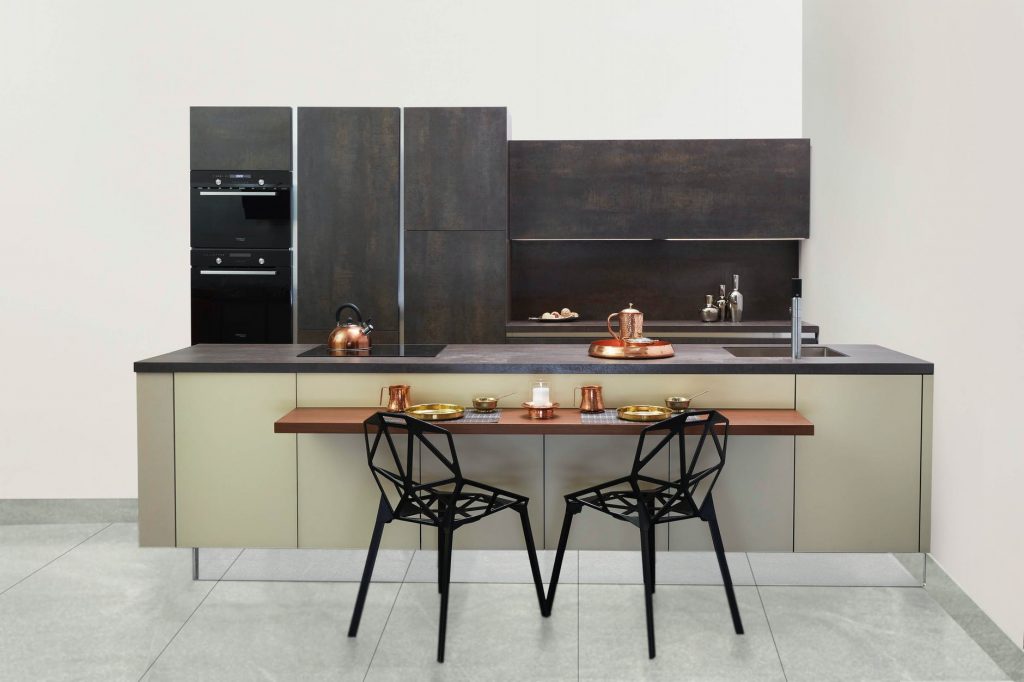
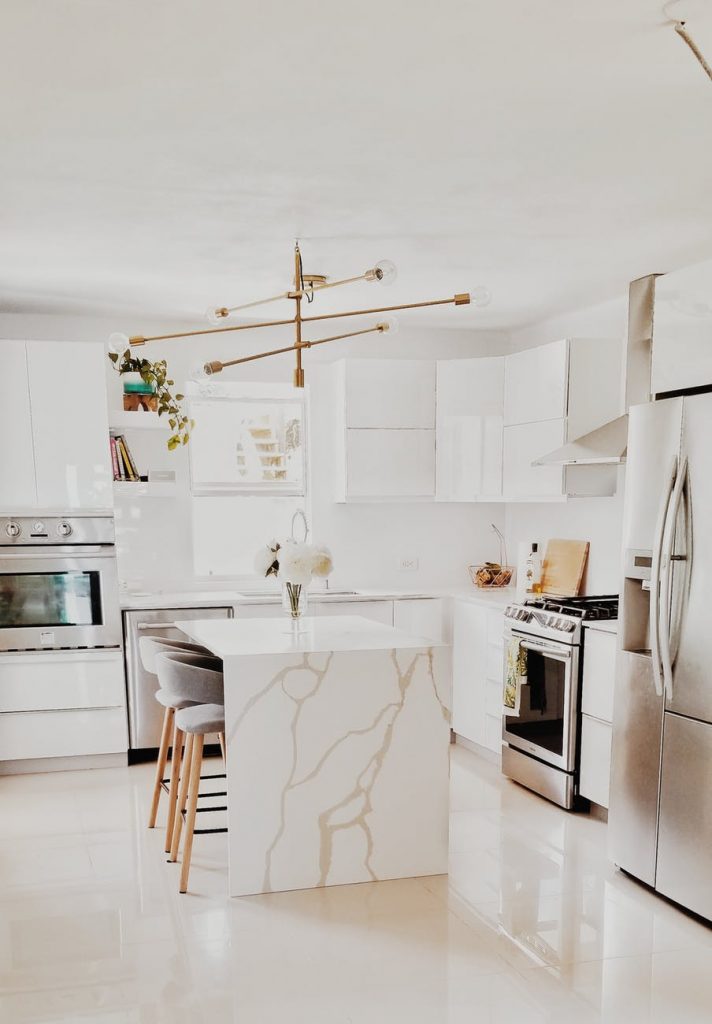
CLEANING THE KITCHEN

The kitchen is one of the most used rooms by all members of the house. It is open to every member of the house, and so it becomes a red spot for germs carried by different residents. 

Technically, every surface in the kitchen is laden with bacteria, viruses, germs, and activities of pests and rodents. This is why regular cleaning of the kitchen and utensils is of paramount importance.

Here’s how to clean the kitchen:

  • Regularly wipe and sanitize all kitchen surfaces including tabletops, countertops, and places that get touched regularly like microwaves, refrigerators.
  • Wash all dishes and silverware before and after each use.
  • Wash sponges and napkins in hot water and store in places that allow them air dry.
  • It is advisable to own separate chopping boards for cutting raw meat and vegetables to avoid cross contamination. However, if you own only one chopping board, wash with hot water and soap after each use.

CLEANING THE BATHROOM

The bathroom and toilet is the first place your mind goes to when you think of germs in the house, and so we naturally take extra measures to clean the bathtubs and toilet bowls regularly. Unfortunately, we ignore very obvious places where germs breed. This includes the walls, the faucets, the toilet flusher and door knobs. 

What to do:

  • Endeavor to use disinfectants to clean these places 
  • After a bath, wipe down the tub and walls of the bath
  • Dispose used tissues properly, and dispose the waste regularly

CLEANING THE BEDROOM

Cleaning the bedroom is very important, considering the average size and the length of time we spend there. Here are simple ways to keep a clean and safe bedroom.

  • Make your bed every morning and change your sheets regularly.
  • Dust surfaces like reading tables and shelves.
  • Do not leave clothes lying around. Keep washed laundry in wardrobes and dirty laundry in laundry baskets.
  • Remove wires and toys (toys) that may act as trip hazards from the floor.
  • Keep the room properly ventilated.

Modern conveniences have improved the functionality of life greatly, but some of these can bring germs, harmful chemicals, and safety hazards into the home. Your home should always be a safe haven. Take extra precautions to ensure it stays that way.

HOW TO MAKE YOUR FAVOURITE OUTDOOR SPORTS MORE ENVIRONMENTALLY FRIENDLY

With the four walls of home far too familiar these days, we think it’s fair to say that the pandemic has got us looking for new ways to enjoy the great outdoors.

Enter outdoor sports. However, with an increased uptake in outdoors sports comes increased rises in pollution and carbon footprint in tandem. 

It’s no secret that since we’ve all been stuck at home, pollution levels have dropped and skies have felt clearer. Although the extent of a planet in bounce-back mode might have been exaggerated – dolphins have not been swimming in Venice’s canals, for instance – we can’t ignore the fact that the natural world felt like it was thriving without our heavy footprint.

We now have the opportunity to embark on our new lives with a sustainable mindset. This is all about being mindful of minimising your impact on the planet and reducing your waste in everything that you do. With this in mind, here’s how to make your favourite outdoor sports more environmentally friendly.

CASH AND RELEASE FISHING 

Naming fishing as the opening example might raise some eyebrows. However, it’s an important place to start. Commercial fishing practices – the biggest cause of overfishing – are one of the major areas of eco-sustainability governments and authorities of all sizes are focused on, and those who enjoy fishing recreationally are no different. And yes, we’ve seen Seaspiracy.

There are ways to do things recreationally with a lighter touch, however. As the Government explains, “Catch and release (C&R) recreational angling has become a popular conservation strategy and management tool for an array of fish species and fisheries”, and as such, if you’re keen to continue your passion for fishing but ensure it’s as sustainable as possible, C&R could well be for you. 

Indeed, catch and release fishing is the preferred practice for anglers or those wanting to fish who have environmental concerns, since it relies on returning the fish to water. 

Anglers can enjoy the sport while also ensuring their favourite spots continue to be abundant with healthy fish. One of the key decisions and adjustments, aside from the technique of catching the fish themselves, surrounds the catch and release fishing hooks, and whether to use barbed or barbless hooks. Activists are trying to sway people towards the latter as it improves the chances of survival for the caught fish, which is the driving force behind the appeal of catch and release fishing, after all.

SURFING 

While surfing gives people the chance to feel more attuned to the natural world, as the Guardian reports “surfers are creatures of convenience, lured by comfort and the prestige of brands into some environmentally dubious choices. Surfers burn vast amounts of petroleum in search of waves; cars, planes and even jetskis criss-crossing the globe in pursuit of an experience which, ironically, requires no propulsive fuel. Surfboards and wetsuits are among the most toxic of sporting goods, made predominantly out of that same petroleum.“

They go on to say that “Over generations, [surfers] have trashed the places [they] love. The brutal reality is that surfers, historically led by Australians, have degraded the island of Bali beyond recognition’’. They conclude that “Coastal development is perhaps the most visible mark that surfing leaves”.

That said, many surfers are committed to minimising their impact on the environment, like the good guys at Surfers against Sewage, who have made a name for themselves as eco-friendly wave lovers. 

But how can you follow suit? Well, a good place to start is by picking eco friendly boards, wetsuits and surfing accessories – including sunscreen. Surfertoday suggests that “There are plenty of ways a surfer can increase the sustainability of their sport and reduce their impact on the water and beach environments they so frequently inhabit.” 

These include engaging in beach cleanups and picking up rubbish, even if it isn’t yours. You could also take the initiative to organise a beach cleanup in your community. 

PADDLEBOARDING 

Here at IDEAL, we’re huge fans of stand-up paddle boarding (SUP), one of the most accessible water sports out there. Yep, all you need to find is a still body of water, access to a board and the enthusiasm for an adventure, and you’re good to go!  

Moreover, there’s something magically meditative about being at one with nature and the water, standing tall and in control. What’s more, you get to enjoy the scenery from a whole new vantage point, bringing you closer to nature and far more in touch with the changing of the seasons and the movements of the great outdoors. 

However, there’s no denying paddleboarding has negative effects on the environment. Think CO2 emissions when driving to and from the water, and the toxic waste from products created during board manufacturing. 

As Men’s Journal explains, “Paddling is a relatively eco-friendly sport, but the traditional production of paddleboards is anything but environmentally responsible. Polyurethane resin, epoxy, fiberglass and foam…none of these components are easy for the world to digest”. They suggest When purchasing your next standup paddleboard, consider ecological impact along with performance and price to make a responsible decision.”

Go further, and prioritise sustainable travel products and more environmentally friendly modes of transport to offset your carbon footprint on the way to your chosen body of water. All these small changes make a huge difference to the planet. 

Check out our article on 6 places to paddleboard in the UK; just don’t forget to carpool or even ride your bike to get to them!

ROCK CLIMBING 

Rock climbing has received considerable pop-cultural attention in recent years due to highly successful documentaries, The Dawn Wall and Free Solo. This sport is an adrenaline-pumper, making it attractive for so many people keen to find natural highs, higher up. 

It does, however, have an environmental impact, with vegetation, birds, and the rockface itself at risk of being impacted by climbers. 

Authorities for nature areas which host rock climbing are encouraging enthusiasts to respect sites, protect wildlife, not to pull at branches or vegetation, dispose of waste, and not to put unnecessary amounts of screws into the rock. 

This sounds like a lot of precautions to take, sure, but this extreme sport is all about challenging yourself, and can be performed in a satisfying and eco-friendly manner whilst still being an adventure. We’ll see you on the cliff face!

5 TIPS FOR ENSURING YOUR WOOD BURNING STOVE IS SAFE & CLEAN IN 2023

Contrary to popular belief, and reassuring for those who savour the homely, comforting quality of an open fire, wood-burning stoves are not set to be banned in the UK anytime soon.

That said, as of February 2021, huge changes have been afoot regarding the way a domestic wood burning stove is permitted to run, and this primarily concerns its fuel. 

According to a report in the Guardian in February of this year which coincided with new government guidelines encouraging a phasing out of harmful fuels, ‘’Domestic wood burning has become the single biggest source of small particle air pollution in the UK, producing three times more than road traffic, government data shows’’.

That said, this doesn’t mean you should fill in your wood burning stove and whack up the central heating when Winter next rolls around. Rather, according to Dr. Gary Fuller, a member of the government’s air quality group, via The Comprehensive European Directory of Regulation on the Environment, ‘’One of the ways to tackle wood burning is to get more information out to people, as they have in New Zealand, to encourage people to burn their wood better. We have to engage and the starting point is to know who is burning wood and why they are doing so, and that is what this survey does.’’

Today, we’re here to do just that. Here are 5 tips for ensuring your wood burning stove is safe and clean in 2023.

BANNED FUELS

Firstly, let’s talk about ‘PM2.5’ since you’re going to hear this term a lot in the discussion of wood burning stoves and appropriate fuels. PM2.5 are tiny particle pollutants which are particularly bad for human health, and can infiltrate the lungs and the blood especially deeply.

In February of 2020, George Eustace, the Environment Secretary, together with the Department for Rural Affaris (DEFRA), announced that the country was ‘’moving towards the use of cleaner fuels such as dry wood we can all play a part in improving the health of millions of people’’. 

The key thing here for the wood burning stove owner is ‘dry’ wood. Because wet logs (as well as coal) produce far higher concentrations of smoke than seasoned and dry wood, and the harm to the homeowner is hugely increased, too.

According to the Huffington Post, the new ban, which came into force in a ‘gradual’ manner in February 2021, means that: ‘’Sales of bagged traditional house coal will be phased out by February 2021. The sale of loose coal direct to customers will end by 2023.’’ 

What’s more, ‘’Sales of wet wood in small units (less than 2 cubic metres) will be phased out from February 2021. Wet wood in volumes greater than 2 cubic metres will also have to be sold with advice on how to dry it before burning.’’

So, the good news is that this new legislation doesn’t mean that wood burning stoves are banned. Rather, the most polluting forms of their fuel are.

FUELS YOU CAN STILL USE

You’re probably wondering at this stage what fuels you can use. Those ‘clean alternatives’ which the government mentioned are often referred to as ‘seasoned wood’. All this means is that it has been dried in a kiln to ensure a moisture content of 20% or less. This is the type of wood which the government are now encouraging you to buy.

Alternatively, you can use one of several ‘smokeless fuels. These are anthracite, semi-anthracite, gas or low volatile steam coal. Check out DEFRA’s list of authorised fuels for more.

IF YOU’RE BUYING A NEW WOOD BURNING STOVE, ENSURE IT’S DEFRA EXEMPT

Should you already have a wood burning stove in your home, then don’t worry, you don’t suddenly have to replace it by law. If you’re buying a new wood burning stove, however, then you guessed it; there is a DEFRA list of approved stoves which emit significantly less smoke. Your new stove purchase must be on that list.

For homeowners who already own a wood burning stove – which is potentially much older and more harmful than newer models – the government encourages that you not only burn just dry wood, but that you also install an electrostatic filter, which helps reduce particle emissions.

It’s also essential that you keep your wood burning stove and chimney clean to reduce build-ups of dirt and subsequent increased emissions.

MAINTAIN & CLEAN BOTH THE STOVE & CHIMNEY REGULARLY

Build-ups of soot and tar are enemies of your stove’s function and can cause greater density of emissions, too, so it’s essential that you regularly maintain your wood burning stove. You’ll need to clean your stove of ash regularly to discourage any accumulation of detrimental dirts, and conduct a more thorough clean every six months or so, too. Best practice also suggests an annual inspection of the stove, to prevent chimney fires and protect against pipe erosion.

You should also properly clean wood stove glass as it can accumulate tar and dirt quickly. Finally, it’s vital that you clean your chimney to prevent soot and creosote from building up in your chimney, as these can lead both lead blockages and unwanted fires.

You don’t necessarily need to hire a chimney sweep. You can, alternatively, invest in a chimney rod (a long handled, flexible wire brush) and do the job yourself. Just remember to lay some tarp; this job is mucky!

ENSURE AIRFLOW TO REDUCE FUEL CONSUMPTION

Ensuring proper airflow within your wood burning stove is crucial, too, as doing so allows smoke to escape via the chimney rather than into your room. Aside from ensuring that your chimney is clear of debris and soot, you should read up a little on controlling airflow.

Prior to lighting your fire, check that there’s not a build up of ash from a previous fire blocking the grate (although a thin layer is fine). If there is, poke a few holes through it, as your fire needs a supply of air from underneath, and this will promote good flow from below. 

Whilst on the subject of air, before lighting, open the air controls fully, which will be indicated via symbols on the front of the stove, usually a simple flick between ‘closed’ and ‘open’. Once the fire is lit, you can adjust the controls as per your preferences.

THE BOTTOM LINE

Though the headlines may have initially alarmed wood burning stove enthusiasts, the small print offers some relief. Instead of an outright ban, homeowners should instead prioritise the purchase of dry fuel, and maintain consistent good practice in the upkeep of their stoves to ensure their longevity and safety. Now, who’s got a match?

While we’ve got your attention on all things green, here are 6 IDEAL ways you can play your part in saving the environment.

6 TIPS FOR SETTING UP A POP-UP SHOP IN NEW YORK CITY

Once upon a time, pop-ups were considered a short-term promotional tactic and nothing more. Sure, they were able to grant exposure to your business in a fresh, new setting, but in reality, they weren’t viewed as having much more ambition than that. 

How things have changed. Over time, pop-ups, temporary stores and residencies have evolved into a very profitable industry in their own right, possessing a guerilla spirit and rebellious energy which makes them perfectly suited to launching new products and testing the waters in and amongst emerging market segments.

The brilliant thing about pop-ups is that you can use them to expand internationally, presenting the opportunity for businesses to familiarise themselves with new markets and see if the potential is there to make some serious money.

If you’re looking for that international reach and expansion potential, New York City is the perfect place to not only validate your business goals but also grow your brand. The defining characteristic of this mega city is one that is constantly evolving, diversifying and innovating, and this makes it a fertile, fruitful ground to test and nurture new ideas. 

Whether you want to launch a new product, create a unique brand experience, test a fresh idea or increase your sales capacity, New York City could be the place for you.

Pop up shops New York City offer high flexibility, enabling you to make great strides and a good return on a low investment within a short time. Moreover, you can use these temporary rental spaces as a marketing strategy to announce your brand on the world stage, display seasonal items and introduce new products to the market. Pop up spaces in NYC will not only work for you during peak season but also at any other time of the year. Should you play your cards right, that is.

If this forward-thinking, ambitious place sounds like it chimes perfectly with your brand’s expansion plans, then read on; here are 6 tips for setting up a pop-up shop in New York.

PRICE 

First things first, you need to have a clear, strict budget for your pop up space. Pop up shops tend to be energetic affairs with a defiant spirit at their core; and this is fantastic for catching the eye of customers and establishing brand loyalty. However, this slightly chaotic aesthetic isn’t perhaps so good for your finances.

Setting a strict budget will generally determine the neighbourhood where you can set up your brand presence and the size of the space you can take up. This is because NYC rent varies hugely based on square footage, utilities and location. 

Melissa Gonzalez, writer of the The Pop Up Paradigm: How Brands Build Human Connections in a Digital Age, explained to Biz Journal that “a $20,000 investment can provide about 300 square feet of retail space for a couple of weeks, with WiFi and electricity included, but the seller will need some do-it-yourself décor. A month’s rent for that same size space would be about $60,000. To do everything from scratch, it can cost up to $100,000 for a month, with spaces in SoHo or the Meatpacking district going for $30,000 per week in rent.’’

You thought this pop up thing was going to be cheap? Think again.

LOCATION 

Gonzalez also explains that “A common mistake for companies outside New York who want to target shoppers in Manhattan is to want to do business in SoHo because it is a perceived as a sexy part of the city.”

Not only is this area excruciatingly expensive, but your customer base might not even be here. Though footfall may be high in SoHo, it’s transient and touristy, and perhaps not the type of customer you’re keen to get on board with your brand in the long term. If your brand has an alternative vibe for example, head south-west to Nolita for something a little hipper in Manhatten.

Indeed, the location of a pop-up shop is perhaps the feature most likely to determine whether you achieve your goals or not. Choosing a location that does not attract significant footfall will not offer much value for your business. Across Williamsburg Bridge and into Williamsburg, or alternatively, further south to Red Hook in Brooklyn, might present you with a clientele more suited to your brand, and for cheaper rental prices, too.

Remember, pop up shops thrive on organic encounters with consumers who did not intend to shop but were eventually compelled to by impulse. If you are considering setting up your pop up shop within another shop or business establishment then you need to look beyond the location by taking their customer base into account.

NAIL YOUR UNIQUE CONCEPT

It’s not enough to simply open up a pop-up shop and pray the people will come. You need to make a lasting impression. To get an insight into what has been popular in the last few years, Insider Trends have put together this excellent guide on 51 of the best pop-up stores in 2019 which you can check out here.

It details e-commerce fashion app Depop, who invited some of its best sellers to Broadway for a two day immersive event aimed at Gen Z, focusing on issues important to them like transparency, sustainability and activism. Since then, it seems like Depop have gone from strength to strength ensuring loyalty both on the seller and buyer side of the business. Coincidence? Perhaps. Or how about a case of ‘making your own luck?’

Another notable pop up was the teaming up of the Pantone Colour Institute and electronics company LG who got together for a pop-up café in SoHo. This event saw local baristas serve flavoured lattes inspired by the company’s four colours of the summer. Well, that’s certainly one way to consume a product.

What links these two pop up success stories is the fact that both companies showed clarity of vision and a focus on one niche element of their offering, in order to reach consumers on a level above the purely superficial.

Accordingly, you need to have an idea of how you would like your New York pop up set up to look and, more importantly, feel. It’s this emotional, physical resonance which will chime with consumers in the long run.

For instance, do you want it to occupy the storefront or be situated within a booth in a shared bricks-and-mortar space? And how will this reflect consumer engagement? You can make this decision based on the product you are offering and the duration of time you intend to have a presence in a pop up space. Equally important for consideration are the kind of opportunities and amenities you will be able to access in this space.

COLLABORATE WITH LOCAL BRANDS

Consider hooking up with local brands – billed as collaborations – to make better connections within the area and harness the power of long-established connections and followings. Do you need a bartender at your pop-up, or perhaps you’re after some snacks to serve? Enlist the help of a local chef or mixologist from a New York bar with a cult following, and watch your attendees go wild!

This thing can be symbiotic. A good example of this is London-based company Liberty, who tested out the potential to make inroads into the US market by partnering with US retail giant Nordstrom, hosting a themed shop ‘Pop-In’ at a stateside Nordstrom store. The store stocked merchandise in Liberty’s iconic floral patterns, too, and both companies benefited from the new reach they’d achieved. 

If you’re a foodie company, take a leaf out of fashion company Club Monaco’s pop-up book. They appeared in world renowned Copenhagen restaurant Noma, offering a nature-themed concept store that took cues from the natural plating style of the restaurant. There’s that sense of symbiosis again. Channel the same energy via collabs with cult New York companies.

TIME OF YEAR

In 2019, we saw Paypal launch a pop up in Fifth Avenue around the holiday season – one of New York’s busiest shopping streets at one of New York’s busiest times of year. At the same time, Millennial focused media company theSkimm opened a pop-up in New York which helped customers to find the perfect gift for Christmas and had recharging lounges for customers to relax in should the Christmas shopping get the better of them. 

Why do we mention this? Well, the holiday season is reliably, consistently the time when everyone wants to do pop-up, and for good reason; not only is footfall much higher, with the buzz of Christmas shopping in the air, but people are generally more susceptible to discovering new brands, too, with the festive spirit high. Don’t neglect recognising and optimising the importance of time of year when organising your pop-up.

New York Fashion Week is another fertile time for brands wanting to be seen in the Big Apple. As such, pop-up competition is larger at these times of year and rents are more expensive as a result. The reward, in tandem, is also much greater. Assess your budget accordingly to figure out whether the higher cost is going to be worth the extra visibility.

DURATION

Before you set out to look for a space for your pop-up store in NYC, you must decide on how long you’re hoping to be running the shop in the retail space for rent. Generally, you can set up a pop-up shop for as little as one day or as long as three months. Longer, and it’s not really considered a ‘pop-up’ anymore, and you risk losing some of the momentum you’ve worked so hard to build.

The secret to determining the length of time you’ll be out there is by linking this decision to your goals. If you want to drive more sales and grow your revenue, you may want to think beyond a weekend-long pop-up. On the other hand, when thinking about a weekend-long pop-up, you must consider the fact that it has New York’s foot traffic experiences huge ebbs and flows throughout the week. 

Areas with a high concentration of offices, for instance, will be lucrative during the week, but may be akin to a ghost town at the weekend. Many companies choose to host their pop-ups only Monday to Friday or solely at the weekend because of this.

THE BOTTOM LINE

Pop-up shops are a fantastic way to test the waters of your product and see if it boasts the same reach in new and previously unexplored markets. 

Before expanding across the pond, which can be a move ripe with potential but also fraught with tension, it represents a smart business move to first host a pop-up shop to familiarise yourself with the unique demands of a new city. The fact that the city is perhaps the most famous in the world certainly won’t hurt! Good luck.

5 PRACTICAL WAYS YOU CAN INCREASE FOCUS & MENTAL CLARITY

Have you alighted on this article after several minutes (or hours) of procrastination? Is your mouse already hovering over the Twitter tab you’ve got open? Has your mind wandered halfway through reading thi…..

Hey, you! Back in the room. In all honesty, we feel ya. In fact, it’s taken us several attempts just to write these first few sentences. If you’ve come here looking for tips on improving your focus, then hopefully you can make it through this article in one piece; do so, and you’ll be richly rewarded with these 5 practical ways you can increase focus and mental clarity. 

FOCUS ON THE DIET

You are what you eat, as they say, and the food we eat has a huge impact on our mental health and, in turn, our concentration and clarity of thought. Fatty fish (alternatively, omega 3 supplements) is considered the key ‘brain food’ and for good reason; ‘’Omega-3s help build membranes around each cell in the body, including the brain cells. They can, therefore, improve the structure of brain cells called neurons’’, according to Medical News Today.

Be a good friend to broccoli, turmeric, and pumpkin seeds, too; they’re all considered to have brain boosting potential. Berries, too, contain antioxidants which are significant in boosting the flow of blood and oxygen into the brain. Nuts and chocolate may help, too; pass me the Nutella!

Some have even taken to mushroom supplements to help with their concentration, focus and mental clarity. As the Guardian notes, ‘’cultures around the world have used them medicinally for thousands of years’’, for a wide range of needs such as boosting immune response or boosting that much sought after concentration.

It should be noted that clinical trials have so far not been fully conclusive in supporting these claims.

GET AMPLE SLEEP

When you sleep, your brain uses the time to ‘recharge’ itself, and not getting enough of the good stuff can be hugely impactful on our cognitive function. Indeed, the right amount of sleep is so good for your productivity and performance, and insufficient or excessive so bad, that it’s often suggested that sleep should be prescribed by doctors.

By getting enough sleep each night – between 7 and 8 hours is best for cognitive performance and quick thinking – you’ll feel more alert and focused when you wake up. Plus, you’ll have enough energy to deal with even the most taxing of issues that your day throws at you.

During sleep, the brain normally rejuvenates itself through the removal of neural toxins, so it’s essential you prioritise getting a good night’s Zzzeds.

Read: The IDEAL sleep handbook: 6 things we like to do before bed every night

ENGAGE IN PHYSICAL ACTIVITIES

It’s not just your mind which needs stimulation to avoid distraction; keeping your body active is essential, too, to ensure you’re fighting fit each and every day, and motivated to reach your goals.

Working out is a great way to stay productive and be more energized throughout the day. Physical activity gives you a more consistent control of your energy levels, both in your body and your brain, and has even been said to increase your overall productivity in the process.

The brain performs at its best when supplied with the right amount of oxygen. Physical exercise helps increase blood flow to the whole body including the brain, helping it function to its best.

For sports enthusiasts, regular participation can be a brilliant way of energising your body and brain. 

KEEP YOURSELF HYDRATED

In a study titled The Effects of Hydration Status on Cognitive Performances, it was revealed that ‘’dehydration may affect cognitive performances as water accounts for 75% of brain mass’’.

Water helps the brain build new cells, facilitates waste removal, and even helps the brain regulate temperature. It’s essential, then, that you keep hydrated, with experts recommending you drink at least 2 litres a day.

Check out our tips on ways to include more water in your diet for some useful tips on doing just that.

WHITE NOISE

It’s been said for years that classical music playing in the background aids concentration. It’s also been posited, with sketchy scientific backing, that any soundtrack with a pace of between 50 and 80 BPM benefits a steely focus. Sure, they’re ok. But increasingly, people are citing the magical power of white (or pink, or blue) noise as a driving force in the fight against distraction.

Initially cited as a soothing balm for babies, it now cuts across all age groups, and it’s recently been suggested that background white noise helps children with ADHD succeed academically, as well as boosting memory. You’ll find the low hum of brown noise playing at the IDEAL offices constantly. Or is our fridge on the blink again?

5 IDEAL ACCESSORIES FOR SOME POOLSIDE GLAMOUR THIS SUMMER

Those who watched The Serpent – the BBC’s retelling of the crime spree of Charles Sobhraj on Southeast Asia’s hippie trail in the ’70s – will have been shocked by the cold-blooded lead characters and the engrossed by the compelling storytelling. 

But visually, many viewers felt a conflicting emotion; because stylistically, it looked fantastic, with the leads becoming style icons, and viewers confessing that they were obsessed with Jenna Coleman’s (who played Sobhraj’s wife Monique) wardrobe.

Were you equally as inspired by Jenna Coleman’s stylish onscreen looks? You’re not alone. Various news reports even suggested that searches for halter necks, headscarves, big sunglasses and bold prints had all risen hugely after the show’s first episode aired.

Perhaps the best thing Coleman captured so well was a certain poolside glamour, which was both effortless and so on point. We’re taking a leaf from her style book this year, with these 5 IDEAL accessories for some poolside glamour this summer. 

PRINTED SILK HEAD SCARVES

According to Woman and Home, the Serpent’s costume designer ‘’Rachel Walsh recently named Bianca Jagger as one of her influences when working on the drama, and this is most apparent in Monique’s love of a good hair accessory.’’ 

Silk headscarves are a great way to add some colour and personality to your summer style. Choose geometric, big bold prints and squiggly multi-coloured patterns, and pair with some hoop earrings to really up the ante.  

There are, of course, many ways to wear a silk headscarf. You can easily update a low pony with a silk scarf – just roll and tie around a secured ponytail. Equally, you can tie it in a bandana style to tame unruly poolside hair. And when it’s not on your head as a headband, loop it through your jeans or around a bag handle for a little added flourish. 

Image:BBC/Mammoth Screen

OVERSIZED TINTED GLASSES 

Sunglasses can elevate your poolside style hugely. In fact, aside from your swimsuit or bikini, they are the poolside staple.

This year, it’s all about tinted, oversized, sunglasses, and the bigger the better, we say. Ophthalmologists and optometrists (that’s eye doctor to you and me) agree, saying that those larger, wider frames offer better protection for your eyes, too. Shop for bug-eyed shades and pair with square-shaped rims and colored tinted lenses to be bang on-trend. We’re also fans of quirky-out cat-eye frames, should you be seeking inspiration from the feline fashion world.

We love cool shades that make a style statement, but remember that the number one job of sunglasses is to protect your eyes from sun damage. Check the label for the level of UV protection – to stay safe from the sun, always go for 100% UV protection, from both UVA and UVB rays. If the shades you’ve been cooing over don’t have it, walk away, no matter how cute they are. Check out our guide on 5 tips for choosing the IDEAL sunglasses this summer for more advice.

We saw Coleman wear plenty of different sunglass styles throughout the entire show. So treat yourself to more than one pair!

Image:BBC/Mammoth Screen

A SUN HAT 

After a year spent mostly indoors, you’re definitely going to need a sun hat to shade and protect your face. Fusing style and utility, a sun hat will be your new best friend in the summer months, since your face won’t have been exposed to the sun extensively for quite some time. You can style your poolside look with plain sun hats or striped floppy ones; or, you could try both! Not simultaneously, of course. 

We’re particular fans of Scalloped hats with a wide brim, or a natural weave Panama hat with frayed edges. No matter what style you choose, the guys at Thread Curve tell us that good sun hats should have a very wide brim, big enough to cover the wearer’s entire face, for ultimate protection and a little incognito glamour, too.

KAFTANS & KIMONOS

A white crochet kaftan? Yes, please. We saw Jenna Coleman’s character in a sheer white cover-up that is covered in intricate embellishment and, immediately, we wanted one, too! 

Kaftans and kimonos are an essential component of a poolside summer wardrobe; ideal if you just want to lounge around by the pool or if you need to cover up after an extended spell in the sun. Not only are they the perfect swimsuit cover-up, but they also pair effortlessly with denim cut-offs and a top. 

Image:BBC/Mammoth Screen

A MEDIUM WEDGE SHOE

Chic wedges are the perfect partner for swimwear whilst you strut around poolside. Offering that leg lengthening power which heels can provide, they have an effortlessness (and frankly, avoid looking a little less ridiculous than high or kitten heels in this context) when paired with your swimwear. 

We do, however, recommend going for a low to medium wedge. The high-heeled wedges can look a little over the top, and, more importantly, are a broken ankle incident waiting to happen – especially by the pool. If you’re not one for wearing something with height, opt for a pair of heavily embellished sandals, instead. 

How To Throw A Legendary Birthday Party In Las Vegas

What happens in Vegas, stays in Vegas, as the old saying goes. And whilst that may be true for some hosting their birthday celebrations in the City of Sin, for others, gaining a few hard-earned stories to tell is all part of the fun!

For coming of age parties in the USA, Las Vegas is the king (uh-huh-huh) of 21st birthday celebrations, but let’s be honest, how many 21 year old Brits can afford a trip to Sin City to splash the cash? If you’re planning to travel from the UK to hit up the strip, best to do it when you’re a bit older, wiser and have a bit more money to play with, we think. That way, the coolest cocktail bars and just a sip away, the Michelin-starred restaurants ready to feed you, and the tables a little less intimidating. 

With a wallet equipped for a weekend of fun, if you’re going to be celebrating your big day in the City of Sin, here’s how to throw a legendary birthday party in Las Vegas.

Shameless Birthday Freebies 

Yep, we realise we already mentioned it, but allow us to reiterate; a birthday bash in Vegas is expensive. One of the best ways to reduce the cost somewhat is to be shameless and announce to the city that it’s your birthday at every available opportunity. Honestly. Because though the City of Sin is indeed expensive, it’s also a generous, flashy place, and the freebies and gifts do tend to flow if you’re celebrating.

The first step is letting your hotel know that you’re celebrating a birthday, preferably when booking (there’s usually a dedicated space to do this). Las Vegas hotels regularly select guests ‘randomly’ for upgrades, and this will certainly stack the odds in your favour.

At the very least, you’ll be earmarked for an ‘upgraded experience’. That means, at the least, free birthday chocolate, flowers and wine. Mention it to the bartender, waitress and hostess during your evenings out, too – you may get a free drink or two out of it.

Take Advantage Of Happy Hours 

Happy Hour is one of the best ways to be kind to your wallet on your trip to Las Vegas, but instead of wandering around aimlessly, hoping to stumble on a random Happy Hour, head over to the community website lasvegashappyhour.net. Dedicated to discovering the best deals in Vegas, the site lists nearly all (hedging our bets here, in true Vegas style) of the Happy Hour offers in the city. 

One place that we have to mention is the ‘High Roller Happy Half Hour’. For thirty minutes, you can ride the world’s tallest observation wheel, the LINQ’s High Roller, and enjoy the delights of an open bar. For a daytime ticket, you’ll have to put down $40, however, considering you get a spectacular view of the city combined with free drinks, you’ll definitely get your money’s worth.

Have A Blowout Birthday Meal 

All that money that you’ve saved on birthday freebies and Happy Hour cocktails is the perfect excuse for a blowout birthday meal, don’t you think? After all, if there’s one place in the world to go all out on your birthday, it’s Las Vegas.  

There’s a reason that they say ‘’it’s easy to leave Vegas broke, but you won’t leave hungry’’; Las Vegas is one of the world’s premier places for fine dining, attracting top notch chefs from all over the globe keen to cash in (and serve up) on the city’s hunger for opulence and indulgence. 

Here you’ll find three-star Michelin level restaurants rubbing shoulders with more down-to-earth diners, all-you-can-eat buffets and globe trotting menus, all within a chip’s throw of each other.

Head to Caesar’s Palace to find Gordon Ramsay, Guy Savoy, Bobby Flay and Nobu Matsuhisa all under one roof. Not to be outdone, the Venetian boasts Thomas Keller whilst The Palazzo has Wolfgang Puck. Alternatively, you could focus on quantity rather than quality, and try out the world famous Buffet at Wynn, which has 15 live cooking stations and some of the most extravagant all-you-can-eat treats around. 

Read: 5 IDEAL tips for eating in Vegas

Save On Shows

Shows in Vegas are notoriously expensive, with some of the residencies from huge, international artists commanding the highest ticket prices in the world.

There are ways around this, however. Tix4tonight, for instance, are a company who sell discount Las Vegas show tickets to the lucky ones who sign up to their website, though be warned that you can’t currently use their website to buy their discounted tickets. Instead, look out for any of their four booths in and around Las Vegas Boulevard, from the Premium Outlet Mall north of The Strip to the Town Square Mall on the south end. Encore!

Birthday Slots & Player Club Cards

Many casinos will have promos that encourage you to celebrate your birthday in your style, and whilst it pays to be wary of all the freebies on offer enticing you to gamble more, a little economic fun can be had if you keep your head.

It’s worth signing up for a player’s card at any casino you visit. It’s complementary and the casino will give you free stuff just for signing up. Last time we checked, Park MGM offered $25 free play as long as it’s your birth month while Luxor gives $20 in free plays if your birthday is within seven days of the date of your visit.

Should you be a newcomer, it’s a good idea to get some practice first, for free – with no financial commitment necessary – in order to get familiar with the rules and flow of the tables in advance. In doing so, you may ease the burden on a birthday bank balance which so often falls victim to the temptations of the city.

Morning After Remedies

We all know that hangovers are bad in Vegas, but a really bad one can ruin your whole weekend. Best to come prepared, then. 

When it comes to hangover cures, the Guardian urges that you “Forget rehydrating the old fashioned way (by forcing yourself to consume two litres of H20).’’ 

They go on to report that ‘’the latest miracle quick fix requires a drip, a nurse and a vein. Drip Hydration [in Vegas] offers mobile iv therapy infusions that can be delivered straight to your hotel including their aptly named ‘Hangover’ IV treatment which they say “Includes a blend of IV fluids, electrolytes, vitamins and medications to detoxify your body and cure your hangover symptoms.” 

In fact, Vegas has its very own Hangover Heaven IV Hydration Clinic, too. Taking 45 minutes, it costs a whopping $409 per two people. The clinic is found just two blocks north of the Strip, on South Highland Drive. Alternatively, they’ll come to your hotel room!

Call us traditional, but for us, a dip in a refreshing pool is the ideal hangover cure. GP Dr Bartlett agrees, telling the BBC that “there is definitely a benefit to swimming in cold water when you’re hungover…the shock to the system causes the body to mobilise its energy stores, while helping to take your mind off that dehydrated pounding headache feeling.” 

Then, of course, there’s always the ol’ hair of the dog, and Las Vegas has plenty of bottomless brunch options, including at either Lago or the Buffet, both at the Bellagio, or at the Wicked Spoon at Cosmopolitan of Las Vegas.

Looking for some alternative things to do which don’t involve drinking and gambling? Check out these 7 unique birthday party ideas in Las Vegas, IDEAL for those wanting to give the casinos a swerve.

Consider A Birthday Party Package

Trying to figure out where you want to go, what you want to see in Vegas can be overwhelming. Why not let someone else do all the hard work for you? There are plenty of companies offering birthday party packages for your big day. 

They can take care of everything from limo hire to getting you on the best guest lists, all the way to booking you into a relaxing sauna to prep for the night’s activities. They’ll even make sure you get a sun lounger at one of the luxurious resorts. You’ll also get more bang for your buck by using a service like theirs, skipping queues and getting first access to the hottest tickets and deals in town  – it’s always good to know someone, right? 

And if your squad comprises a bunch of thrifty kings and queens, then don’t leave us without checking out these 10 cheap things to do in Las Vegas for 2025. You (and your bank balances) won’t regret it!

5 TIPS FOR MAKING THE MOST OUT OF YOUR SERVICED APARTMENT IN PARIS

0

Working remotely has become the norm for so many during the pandemic, and it’s likely to stay that way for the foreseeable future. A knock-on effect, we think, is that people will look to take longer trips in the future that more effectively combine work and pleasure, free from the tyranny of the central office and keen to make the most of a post-pandemic world. 

Enter a month or three in Paris. 

Everyone, at one time or another, has fantasised about packing their bags and moving to Paris, and with flexible, remote working set to be the new normal, making this dream a reality feels well within reach. 

While we no longer have the freedom of being part of the European Union and the ‘bureaucracy-lite’ residency options which came with it, we can still enjoy a short stay of up to 3 months. The French Government’s Official Visa website explains; 

‘’British citizens do not require a visa if spending up to 90 days over a 180 days period in the Schengen area. You may however be asked like any other third country nationals to justify your travel by the Immigration Officer (means of living, address of stay, medical travel insurance…).’’

Currently, travel of France isn’t permitted but will likely be allowed later in the year, and when restrictions are eased, a chance for an extended break in Paris, working remotely and enjoying the glamorous, unique way of life in the City of Light, is waiting. 

That’s where serviced, fully furnished apartments in Paris come in handy, allowing you to establish a base, from which to live, work and explore this great city of love, lights and le Louvre.

WHY RENT A SERVICED APARTMENT?

Why not just stay in a hotel, we hear you ask?

Well, a serviced apartment not only offers the kind of spaciousness and comfort that a central Paris hotel room could only dream of, but you’ll also save money on various elements of daily life, since you’ll be able to cook for yourself and get into a rhythm of urban living which doesn’t revolve around sightseeing and expensive coffee shops!

Of course, you’ll also benefit from having that ‘domestic’ feel, allowing the opportunity to really get under the skin of the city and live like a local…

With this in mind, here are 5 tips for making the most out of your serviced apartment in Paris. 

A CHANCE TO LIVE LIKE A LOCAL

On a city break, you should have to be constantly on the move, living transiently and in a rush. It’s a kind of artificial existence which doesn’t best capture the soul of a city – and you’re here to capture the very essence of Paris, aren’t you?

Instead, it should be about getting to know a place as efficiently as possible, and adapting to the local way of doing things in a manner that allows you a little glimpse of a different way of living. We could all do with some of that after the year we’ve had, don’t you think?

As such, the trick is finding the right neighborhood that you want to explore and experience. 

Paris is divided into many arrondissements and each district has its own unique vibe and scene. You’ll find serviced apartments in neighbourhoods all over Paris, so it’s best to hone in on one specific suburb or community and go from there; check out the Lonely Planet’s ‘quick fire’ handy guide on each one here. 

Wherever your interests lie, consider a serviced apartment in Paris as a gateway to a more local way of living. In choosing this kind of accommodation, you can base yourself in a neighbourhood and engage with a community more organically than you would from the launchpad of a big, multi-national hotel. 

COOK WITH FRENCH PRODUCE 

Food is unquestionably one of the most expensive parts of any trip away from home, and Paris is consistently named as one of the most costly eating-out cities in the world. 

But alongside the Michelin starred tasting menus and intricate pastries which will cost you a week’s wages for a flake, Paris also boasts some of the best markets in the world, where the produce is still premium, but the price isn’t. 

One of the joys of staying in a serviced apartment in the city is the chance to delve into those markets, interact with artisan producers and go shopping at butchers and fishmongers for local delicacies. All with the promise of a domestic space in which to enjoy them at the end of it.

Some of the best markets for French produce include: Marché d’Aligre, Marché Biologique Raspail, Marché de la Bastille, Marché des Enfants Rouges, Marché Biologique des Batignolles, Marché Monge, Marché Saxe-Breteuil and Marché Saint Honoré. Amongst these you’ll find fantastic charcuterie and cheeses, the freshest, seasonal vegetables and fruits, and baguettes still warm from the oven.

Strolling home to your apartment, goodies clutched to your chest…you couldn’t feel more Parisien! 

That said, just because you’ve booked an apart-hotel doesn’t mean you’re obliged to cook, which brings us to our next point… 

MAKE THE MOST OF EATING OUT

A plethora of patisseries, bountiful boulangeries and delicatessens, cute cafes and Michelin starred options twinkling on every corner; when it comes to food in Paris, there’s just so much to eat. 

As we mentioned, the fine dining institutions of Paris are extraordinarily expensive, but that shouldn’t necessarily be a barrier to you enjoying them; it’s in the French tradition of hospitality to offer set menus which are inclusive and affordable for those wanting to sample high end food at lower prices. And while you’re here on an extended break, this represents a great way to check out some of Paris’ most famous restaurants.

We’d recommend a good blend of down to earth (we love historic, cheap as frites Chartier), mid-range (Les Cocottes is splendid) and maybe a blow out or two, for the full experience.

And of course pastries; lots and lots of pastries.

If you’re in Paris alone, don’t be afraid to dine solo. As Bon Appetit implore in their round up of great meals for one in the city, “Paris is a cinch for any food lover traveling solo, because as far as the French are concerned, taking yourself out for a good meal is not only civilized but just plain common sense. Counter seating and other casual options are more popular in Paris than ever, but dining at a table is so much nicer, especially in good company—your own. And as long as you’ve made a reservation, no one will bat an eyelash when you turn up without a date”. 

Since you’ll be staying in Paris for a while, check out our tips for dining in Paris on a budget.

LEARN SOME OF THE LOCAL LINGO

According to Widely Spoken, ‘’Recent stats estimate that around 39% or just under two-fifths of the French population report being able to speak English to some degree. Not many of these can speak it fluently though – much like other European countries, many of this 39% will only be able to converse in very basic English at best.’’ 

Though they do continue that ‘’English speakers who have visited Paris tend to report the prevalence of English is much higher there’’, if you’re to get under the skin of the city and make some amie along the way, it’s essential you dust off your GCSE French textbooks and reacquaint yourself.

When it comes to reminding yourself of the language, learning apps like Babbel and Duo Lingo are convenient to use, especially on the go. Moreover they give you quick, efficient results so you can carry yourself, greet new friends and order your meal with a bit of confidence. Download one and dedicate an hour or so a night to practicing before your trip. It’ll improve your experience immeasurably!

Now, ‘’où est la piscine?’’

INVITE YOUR FRIENDS OVER 

The joy of having your own serviced apartment in France is that you have your own space, not only to inhabit, but also to host. Make the most of it and get your family and friends to visit you while you’re there, perhaps showing off your new-found skills in the kitchen – or your new-found shopping skills at the market! – and your quick-developing grasp of the French language.

After a year of lockdowns, friends and family will be as keen for a holiday as you will be to host them, and having loved ones visit will be a great way to cement your relationship with Paris for many future stays in the City of Lights. Bon Voyage!

4 DIET ADJUSTMENTS WHICH ACTUALLY HELP WITH WEIGHT LOSS

Reports on the size of the UK’s collective waistline in June of last year made for stark reading. Accompanied by pictures of the prime minister Boris Johnson working up a sweat, headlines warned that ’’lockdown made Britain’s obesity problem worse’’, with nearly half a million UK adults reporting gaining weight during lockdown.

This was followed by the UK Health Secretary urging overweight people to lose 5 pounds (2 kg) to save the NHS £100 million over the next five years. Small fry, we realise, when compared with the billions of pounds lost over the course of the pandemic, but the point remains; obesity is now a major issue in the UK, and the global pandemic has only served to exacerbate it.

It’s not just the UK. In fact, this is a global problem; the World Obesity Federation have estimated that by 2025, 2.7 billion adults will be overweight or obese globally

Though there are a surprisingly wide variety of causes, some habitual, some behavioural, some educational and some environmental, the fundamental root of obesity can be defined as an ‘’energy imbalance between calories consumed and calories expended’’. 

The World Health Organisation go on to report that this is primarily due to a combination of ‘’increased intake of energy-dense foods that are high in fat and sugars’’ and ‘’an increase in physical inactivity’’. Today, we’re here to consider the former, and what small, sustainable changes you can make to your diet to help you keep your weight at a healthy level. 

With that in mind, here are 4 diet adjustments which actually help with weight loss.

SWAP REFINED FOR WHOLEMEAL AND WHOLEGRAIN

One of the most simple adjustments you can make to your diet is to swap out refined grains for wholemeal and whole grains.

The NHS defines a healthy diet as one which includes at least five portions of fruit and vegetables a day, and meals based around higher fibre, starchy foods potatoes, bread, rice or pasta. 

A balanced diet, where all food is eaten mindfully and purposefully, manages to get enough vitamins and nutrients using these starchy foods as a vehicle for the healthier elements.

But, generally speaking, the refined versions, such as white bread, white rice and pasta made from refined (wheat) flour, aren’t nearly as healthy as the whole varieties, since they’ve been processed – and in most cases, stripped of their bran and germ. 

Doing so rids the grain of nearly all of its fibre, as well as making it less nutritious. Because fibre keeps us feeling satiated for longer, as well as potentially boosting our metabolism, it’s a simple, safe swap to replace ‘white’ foods with their whole version, and is one which could help with weight management.

MAKE YOUR SWEET TREATS COUNT

We all crave a sweet treat once in a while. In fact, avoiding sugar entirely could have a detrimental impact on your health, as you’d be missing out on the vital nutrients, vitamins and minerals found in the healthy, nourishing fruits and vegetables which err on the sweeter side.

Instead, you should be wary of ‘free sugars’; the types that don’t occur naturally in organic food and instead are added to stuff like chocolate, biscuits, cereals, fizzy drinks and more. Sugars found in unsweetened fruit and vegetable juices, as well as smoothies, also count as ‘free sugars’ although they occur naturally.

Confusing, but anyway, the NHS recommends that we should limit our daily consumption of these ‘free sugars’ to 30 grams per day, which is around 7 sugar cubes. Of course, this shouldn’t be a target, but rather, an encouragement to exercise some caution in your consumption. Always scrutinise the labels of ingredients you’re buying to get a clear idea of the sugar intake involved.

LEARN THE FACTS ON FATS

To sustain a healthy diet, it’s important to know something about the nutritional values of food. That said, there’s so much confusion over nutrition, and time and time again the lines are redrawn about what may or not be healthy. 

Intelligence regarding fat, particularly, has shapeshifted, with science now recommending doing away with a daily ceiling being put on fat consumption, and instead focusing on replacing ‘bad’ fats with ‘good’ ones – or saturated with unsaturated.

Simple swaps can be made regarding fat which can help you manage your weight. These include:

  • Swap whole milk for skimmed
  • Prioritise low fat instead of full fat cheese
  • Swap butter for low fat spreads or extra virgin olive oil
  • Switch the sour cream for low fat creme fraiche
  • Use rapeseed oil or extra virgin olive oil for frying, and use a spritzer to control the amount you use

Generally speaking, doctors and nutritionists regard monounsaturated and polyunsaturated fats as being considerably more healthy than the saturated kinds. You’ll find monounsaturated fats in oily fish, walnuts, and some seeds, while polyunsaturated fats are found in nuts and avocados, especially.

SAFE, SUSTAINABLE CALORIE REDUCTION

If you are looking to reduce your calories in a safe, sustainable way, using calorie counting and BMI tracking, then the NHS Weight Loss Plan, which focuses on developing healthy habits and routines, recommends a slow, gradual reduction in calories over the course of 12 weeks as a responsible way to do so. 

Developed in association with The British Dietetic Association, and downloaded more than 7 million times, the NHS classifies safe, sustainable weight loss as being between 0.5kg and 1kg per week. The diet plan aims to take a responsible and feasible approach to weight loss – with a reduction in calorie count of just 600 per day under the daily recommended intake of 2’500 for men and 2’000 for women – to 1’900 and 1’500 respectively, for the course of three months. Check out the NHS calorie counting advice for more on this.

One increasingly popular way to do this, in a controlled, bespoke way, is through a course of IF (intermittent fasting). 

The two most popular forms of IF are the 5:2 and 16:8 plans. The 5:2 involves a standard calorie intake (using healthy eating principles) for five days of the week, with two days where just 500 or 600 calories are consumed. The 16:8 plan divides the day into two thirds of fasting and one third of regular healthy eating. 

Though previously dismissed as a fad diet, there is now increasing evidence to suggest that the 16:8 plan, particularly, can be useful in managing weight. Dr Deborah Wexler, via Harvard Health, suggests that ‘’there is evidence to suggest that the circadian rhythm fasting approach, where meals are restricted to an eight to 10-hour period of the daytime, is effective.’’

That said, caution is recommended; the team at Harvard Health go on to say that ‘’people with advanced diabetes or who are on medications for diabetes, people with a history of eating disorders like anorexia and bulimia, and pregnant or breastfeeding women should not attempt intermittent fasting unless under the close supervision of a physician who can monitor them’’.

Food for thought, indeed.

Of course, none of this should mean you’re denying yourself the pleasures of eating. Check out these 4 IDEAL steps to eating everything in moderation for some tips on doing just that!

6 LIFESTYLE HACKS TO MAXIMISE YOUR GAINS PRE & POST GYM

Rejoice! In less than a week, gyms in the UK reopen their doors, and exercise enthusiasts who’ve been chomping on the protein-boosted bit are unleashed once again. 

Let’s face it, those all-important gains (‘progressive muscle growth’ to those who have been living under a rock they couldn’t lift for the last few years) haven’t come easy in the hastily arranged home gym environment, and we can’t wait to get back down to business in the real thing soon.

That said, and however much we’ve missed the gym, so much of the hard work doesn’t actually occur in there. Instead, everything from what you eat to the amount you sleep has a huge impact on whether your workouts are as optimised as possible. With that in mind, here are 6 lifestyle hacks to maximise your gains pre and post gym.

NUTRITION, NUTRITION, NUTRITION

Your body needs fuel to build muscle, make no mistake, but the standard gym-goer’s received wisdom regarding diet and muscle growth can be murky at best and downright misleading at worst. Simply put, you will struggle to gain muscle if you’re calorie-cutting, since the more protein you consume (and your body stores), the larger your muscles can grow. This is all down to protein synthesis.

The problem, according to Men’s Health, is that your body is constantly using up its protein reserves for other purposes, leaving you less leftover for the primary use of muscle repair and rebuilding. 

The US’ weight based Recommended Daily Allowance (RDA) of protein suggests 0.8 grams of protein should be consumed per kg of body weight each day. But if you’re trying to build muscle mass, this number should be much higher. Some experts suggest doubling it to 1.6 grams of lean protein per 1 kg of body weight – which is roughly the maximum amount that your body can use in a day. 

Of course, you should vary the sources of protein you consume to ensure you’re enjoying a more balanced and nutritious diet. Using the grams of protein per kg of body weight method, the average man weighs around 80kg, so if they were trying to build muscle and maximise gains, they’d need to be consuming around 130 grams of lean protein a day, as a maximum. The body can’t use more. 

USDA guidelines suggest a maximum of 35% of your daily calorie intake should be devoted to protein. The NHS recommend that the average man and woman need 2’500 and 2’000 calories a day respectively, so the very top end of your lean protein consumption should be 875 or 700 calories, if you prefer to think of it in those terms. 

DID WE MENTION NUTRITION?

Not only should you focus on consuming enough protein, but you should also be getting energy from other food sources, in order to provide your body with enough energy so as not to dip into those protein reserves. 65% of your daily calorie intake should be provided by sources which aren’t protein, and you should place a particular focus on complex carbohydrates and polyunsaturated fatty acids. Both of these, along with protein, make up the holy trinity of macronutrients.

You should be looking to support energy and muscle building with around 3-4 grams of complex carbs per kg of body weight a day, with 1 gram of quality unsaturated fats per kg of body weight completing the trifecta. 

The best complex carbs include whole grain pasta and rice, as well as sweet potatoes, quinoa, barley, beans and pulses. Fibre rich fruits and vegetables, like apples, berries, bananas, and broccoli, leafy greens and carrots, also qualify. ‘Healthy’ fats – the unprocessed, unsaturated kinds – are found in abundance in oily fish, avocados, olive oil, corn and some nuts.

Of course, getting all of your nutrition from your diet is the healthiest, most sustainable way to do so. That said, if you’re struggling to get sufficient amounts of the good stuff from food alone, supplements are also available designed specifically to help with muscle gain. Why not check here for more information on nutrition and supplements.

That’s not to say you should neglect your micronutrients – the elements of your diet which contain vitamins and minerals rather than giving us energy and muscle building power. Without them, you simply wouldn’t be able to function.

GET ENOUGH SLEEP

Sleep is essential for muscle recovery, repair and growth, and if you’re not getting enough of it, then you’re doing all of your hard work in the gym a massive disservice. 

According to the guys at Joe (or should that be ‘according to Joe’? Hang on, my name’s Joe…now we’re just confused), each of the four stages of the sleep cycle plays an essential role in muscle repair and growth. 

  • During the initial nodding off period, Stage 1, ‘’Brain wave patterns in this stage are associated with muscle memory and ‘logging’ movements learned during the day’’. All that careful attention you’ve paid to proper form in the gym is reinforced here.
  • Stage 2 sees the body begin to produce ‘’Human Growth Hormone (HGH), which increases the growth of muscle tissue and regulates the body’s metabolism.’’
  • The third stage of sleep sees growth and repair go into overdrive, with more HGH released. What’s more, ‘’anti-inflammatory hormone called prolactin is also released which are important for joint recover.’’
  • REM, the fourth stage, sees ‘’your muscles supplied with extra oxygen to breakdown lactic acid. If you’re not getting enough shut-eye, you get painful and potentially-problematic muscle knots called “trigger points” building up.’’

Thanks, Joe. Over to Joe…

All in all, without proper rest and recovery, which is most succinctly released through a nightly 7 to 9 hours of the good stuff (we mean sleep), you’re simply not going to allow your body time to build muscle and maximise those gains.

If you’re keen to learn more about how to get more restorative sleep, then check out these 7 things to try.

HYDRATION 

The body comprises 60% of it, so neglecting proper water consumption represents a rookie error if you’re looking to build muscle mass. As such, it’s vital to focus on proper hydration pre-workout, consuming the correct amount of water during it, and also refuelling with the good, liquidy stuff afterwards, too.

One of the biggest mistakes gymgoers make is to allow themselves to be dehydrated when they’re working out, which results in them losing body weight in fluids and making exercise feel harder, in turn reducing productivity and the body’s ability to recover properly, and leaving you more prone to injury. What’s more, studies have suggested that when cells lose water, protein production slows.

Professionals recommend that you drink water regularly throughout the day to stay hydrated. As a general rule, drink 300-500 ml 2 hours before your workout, 80-100 ml 10 minutes before training, 100-150 ml every 10-15 minutes during exercise and more than 200 ml after training. To make sure you are drinking enough water within your workout to restore the fluids you lose, weigh yourself before and after physical activity. You shouldn’t lose more than 2% of your body weight.

MILK BEFORE BED

Sure, you might be thinking that this one’s a tip for the kids only, but let’s be honest here; babies are the kings and queens of ‘gains’. Have you seen their ability to grow? It’s unrivalled.

In fact, a recent study, as highlighted in Runner’s World, found that ‘’one type of protein found in milk–casein–can be digested and absorbed overnight to help speed muscle recovery and growth the day of a resistance workout.’’

Because of this, casein is found in many of the world’s most popular protein shake formulas, with the stuff cited as yielding greater gains in its consumers, as well as boosting strength and even improving metabolic rate.

DESTRESS

You’ve taken the first step to de-stressing by committing to a devoted workout regime. Exercise is consistently praised as the best all-natural stress-busting tool that humans have at their disposal. It does this by releasing endorphins, the brain’s feel-good chemical, and as anyone who has ever experienced a ‘runner’s high’ will tell you, those chemicals certainly do feel good.

But this thing is cyclical, and on the flip side, if you’re regularly stressed out, your muscles can’t rebuild as efficiently. This is because stress increases the body’s production of cortisol, a catabolic, naturally occurring steroid hormone which can inhibit that process of protein synthesis which we mentioned earlier; you know, the one that your body needs to build muscle.

This month is National Stress Awareness Month, and in the spirit of the occasion, as well as for maximising your gains and mood, why not check out these 5 IDEAL exercises to help you relax after a stressful day.

5 WAYS YOU MIGHT BE HARMING THE QUALITY OF YOUR SLEEP

0

And the IDEAL ways to remedy them.

They say that ‘sleep is the cousin of death’, but if you’re not regularly getting quality amounts of the former, then the latter looms large.

Hmmm, perhaps that was a little too morbid. But hear us out; there have been countless studies linking the two, with a study, published October 2, 2019, in the Journal of the American Heart Association suggesting that lack of sleep may lead to an early death.

Indeed, the importance of regular, quality sleep can’t be overstated. Regular sleep deprivation can lead to an increased risk of accidents, heart attacks and obesity, amongst many other issues. 

Yet still, so many of us seem to undervalue our Zzzeds, committing sleep self sabotage on a regular basis for no better reason than bad habits or boredom. If you’re wondering how to change your ways to ensure you’re giving yourself the best chance of sleep possible, then read on; here are 5 ways you might be harming the quality of your sleep.

SMART PHONE USE

If you’re wondering which lifestyle choices are most adversely affecting your sleep, then first, take a look at your devices. Actually wait; don’t look at them. That’s the root of the problem here.

The nation’s screen time has risen hugely since the beginning to the global pandemic, with solace sought in our devices, from our sofas, as a way to fill the monotony of the current situation in the UK. Indeed, following the first lockdown, it was reported that our screentime had soared, with Brits spending half their day staring at their phones, laptops or the TV. 

This can have a catastrophic effect on the quality of your sleep, particularly if you’re scrolling before bed. This is largely down to blue light. We’re sure you’ve already heard of blue light, which screens emit strongly, disrupting your brain and body’s ability to prepare for sleep by blocking the sleep-inducing hormone melatonin. 

Because of this detrimental impact on rest, it’s generally advised that you should put down all devices for at least an hour before bed, enabling you to instead focus on a healthy, hygienic bedtime routine.

If a work emergency means you do need to look at your phone or laptop just before bed, then a recent invention has entered the market, designed to reduce the sleep-harming effects of late night reading. These are known as blue light blocking glasses. The professionals behind Block Blue Light explain that this technology removes light frequencies that cause sleep disruption, allowing you to peruse your screen without messing up your melatonin production.

HAVING THE ROOM TOO WARM OR LIGHT

Your bedroom environment also plays a major role in how well you sleep, yet the nuances of this area are so often ignored. Fortunately, it’s also an area easily remedied.

Experts believe that a cool room is ideal for sleep, with the Sleep Charity recommending that a consistent temperature of between 16-18°C is optimum. They explain that ‘’Your body heat peaks late afternoon and then starts to drop in the evening to prepare your body for sleep, kickstarting melatonin production.’’

They continue, ‘’Hot, cold or draughty rooms can seriously impact on your sleep, in particular REM (rapid eye movement) sleep. Temperatures over 24°C (71°F) are likely to cause restlessness, while a cold room of about 12°C (53°F) will make it difficult to drop off.’’

That said, the elderly and children may need their room to be a couple of degrees higher, so experts advise investing in a thermometer to regularly assess the exact temperature of your sleep environment. Should you find it too warm, gently crack a window if you need to, use a fan during Summer, and make sure your duvet is at the appropriate thickness for the season. 

A really dark room can also help, as lightness stimulates wakefulness, whilst darkness encourages production of that oh-so useful melatonin we mentioned. Blackout blinds and an eye mask can certainly help, too.

GOING TO BED TENSE

Going to bed stressed and tense can also have a major impact on the quality of your sleep, and many use yoga or meditation as a way to unwind after a tough day and prepare the mind for rest.

Doing yoga has been shown to lead to longer REM sleep in its practitioners, and this is particularly true for yoga disciplines that involve deep breathing exercises. Perhaps avoid a more intense Vinyasa flow in the hours leading up to sleep, however.

There are plenty of people who swear by late night yoga done about an hour before you go to bed. Releasing the tension that has built up in your muscles all through the day definitely helps with sleep.

Meditation can help, too, particularly in developing deep breathing techniques which have been shown to benefit quality sleep.

NAPPING

Hey, we all love a nap, and sometimes, it’s necessary. But everything in moderation, as they say, and this certainly applies to catching a few minutes of sleep in the middle of the day. A longer siesta on the sofa can have detrimental effects on your sleep at night, make no mistake.

Indeed, it’s all about the length of your nap, here. According to the Sleep Foundation, a nap of between ten to twenty minutes shouldn’t pose any problems. But they caution that any more than that could cause problems with your sleep cycle. This is particularly true for naps taken after 2 pm, which ‘’may affect your ability to fall asleep at a reasonable time later that night, potentially disrupting your nocturnal sleep cycle’’. 

If you are going to nap, follow the expert’s advice; keep it short and do it early.

DIETARY MISTAKES

We love a cup of freshly brewed coffee to start the day and a glass of Beaujolais to finish it as much as the next person, but the science regarding both beloved tipples’ effect on our Zzzeds can’t be ignored. If you’re walking into 2021 determined to sleep better, then it’s a prudent move to cut back on both. Or at least, enjoy them responsibly and with particular attention to what time you’re imbibing. 

Though you may think alcohol makes you sleepy and coffee wakes you up, they actually harm the quality of your rest when consumed close to bedtime. If you’re going to have a class of wine, do so before or with dinner and not later in the evening. Alcohol works as a diuretic, dehydrating you and increasing your need to go to the loo; two things which are certainly not conducive to a good night’s sleep.

And though you may feel like you can’t get going without a coffee, nutritionists now recommend that you shouldn’t have your first cup of Joe until at least mid-morning. Drinking it too early messes with the regulation of your body’s cortisol production, and ultimately, your circadian rhythm. Hold off for a couple of hours after waking to mitigate this effect.

7 EVERYDAY ITEMS YOU MIGHT NOT BE SANITISING REGULARLY ENOUGH

Anyone else still singing a 20 second scrub song while washing your hands? Nope, not Happy Birthday…Personally, we’ve been singing the adapted version of Dolly Parton’s Jolene. 

“Vaccine, vaccine, vaccine, vaccine, I’m begging of you, please don’t hesitate. Vaccine, vaccine, vaccine, vaccine, because once you’re dead, then that’s a bit too late”…and it sounds great, if we do say so ourselves. 

However you’re choosing to soundtrack yours, the COVID-19 pandemic has brought about profound changes to behaviour and an increased frequency of hand washing and sanitising is just one of them. 

As the Evening Standard reports, “It’s currently unknown how long coronavirus can survive on objects, but studies related to viruses like Sars have shown that germs can live anything from a number of hours to several days, depending on the type of surface, and the temperature and humidity”. 

In the spirit of caution and responsibility, it’s better to follow in the footsteps of germaphobes and clean freaks, we think. If you’re wondering which items might be stealthily carrying germs and could do with a little added attention, then read on; here are 7 everyday items you might not be sanitising regularly enough.

MOBILE PHONES

Chances are you’re reading this blog on your mobile phone. After all, our mobiles have practically become an extension of our bodies these days, and many report feeling lost, and even a limb down, without theirs close to hand. 

This devotion and attachment means that we’re also constantly transferring all sorts of germs and bacteria onto their surface when we’re texting and typing. For an item that we so regularly use, it’s astonishing how often our phones are overlooked in our regular sanitation routine, when really, we should be wiping them with the same frequency as we wash our hands. 

Your cell phone goes to the bathroom and kitchen, on public transport, and to the office and shops with you, and this makes it a breeding ground for all sorts of pathogens. Shockingly, a study done by the London School of Hygiene and Tropical Medicine found that every 1 out of 6 smartphone screens is contaminated with faecal material. The study also declared that the average smartphone is 7 times dirtier than a toilet. Wow. 

If you haven’t already, make it a habit to sanitise your cell phone screen regularly with an alcohol wipe, and while you’re at it, don’t forget to give your phone case a good wipe as well.

CREDIT-CARDS, WALLETS & PURSES

There’s another reason to avoid credit cards and it’s not because of debt! If you’ve ever wondered just how dirty paper notes, coins and credit/debit cards are but have never had the inclination to actually do the research, then we’ve got news for you; your money is more dirty than a New York City Subway. Which, as another point of reference, is way dirtier than the London Underground (personal opinion, sure, but shared by many). 

As reported by Sean Perry, founder and director of cleaning company Neat Services via Bustle, “According to research from Mastercard and the University of Oxford, the average bank note is home to 26,000 types of bacteria including E. Coli. And the average coin has more germs than on a toilet seat…It’s perhaps not surprising given the number of people that exchange money on any given day, many of whom do not wash their hands before or after handling it.”

Credit cards, coins and notes all live in wallets and purses – so think of the bacteria that comes into contact with your choice of money-carrying device, too. 

Whilst the rise in contactless payments has gone some way to mitigating this, it’s still sensible to regularly sanitise your cards, wallets and purses since they’re in such regular contact with your hands.

FOOTWEAR

As reported in the Independent towards to beginning of the pandemic back in March 2020, “according to experts, the risk of spreading coronavirus from clothing or shoes for most people is thought to be minimal.”

However, while we perhaps don’t consider it enough, our shoes have come into contact with a wide variety of contaminated places.

If you’re a healthcare worker, then you know this all too well. Hospital floors are a petri-dish of all sorts of nasty bacteria, which may even be resistant to antibiotics. Floors are a common source of hospital-acquired infection, according to Healthy Sole. Even if you don’t work in healthcare, bathroom floors are a place where bacteria thrives.  

In fact, you never really know for sure what viruses and bacteria your shoes have brought back home from your grocery store trip, so it’s always a good idea to include them in your sanitising regime – especially if you wear them in your home. According to research, 93% of shoes will be carrying some faecal matter and most of that bacteria transfers directly onto a clean tile floor the moment you put your foot down – just saying! 

DOOR HANDLES

Door handles and knobs – you’ve got so many in your home and caress them often, yet still, they’re so very easy to forget during the cleaning process. We touch doorknobs and door handles multiple times a day – whether entering the room, leaving the room, going to the bathroom or going out for a walk. 

We might sound like a broken record, but as a general rule of thumb, if you touch something often, it needs to be disinfected with resultant regularity. Neglecting door handles from the disinfection process can be risky, especially since we now know that viruses are known to survive on surfaces for days. Do yourself a favour and sanitise your home’s door handles each and every day.

KEYBOARDS 

Online classes, remote work, or just binge-watching YouTube – our laptops have become our best friends in the pandemic. Without them, life under lockdown would have been unbearable. 

However, bacteria and viruses can often be found lurking in the crevices of your keyboard. While you may not be taking your laptop to your favourite coffee shop like the good ol’ days, regular use means that there is still a potential for it to be contaminated. And since we’re using our keyboards in our home office setups more than ever, it’s better to be safe than sorry; wipe your keyboard clean each day before and after use.

KETTLE, REMOTE CONTROL & OTHER HOME APPLIANCES 

The Mirror recently reported that “The handle of a kettle in a family home contains more bacteria than the toilet seat” and that’s enough to put anyone off their beloved cup of tea. Whilst we realise we might be repeating ourselves by now, do remember to sanitise this most beloved of appliances.

Speaking of beloved appliances, there’s no excuse to neglect your remote control from a strict sanitising routine, either. As we’re often eating, or worse, could be coughing or sneezing while using the remote control, it can get seriously dirty – 20 times dirtier than (you guessed it) your toilet seat! Sanitise accordingly, with a sanitising wipe containing a high enough ethanol content (66% or above, if you’re asking).

STEERING WHEELS

As with everything else on the list, steering wheels are amongst high-contact surfaces and are a breeding ground for germs. You should always keep your steering wheels sanitised so that you don’t end up inadvertently bringing bacteria into your home. It is also recommended that you should use a hand-sanitiser before driving, to avoid contaminating your wheel which could then harbour bacteria until a later date.

THE BOTTOM LINE

Looking for more cleaning tips? Check out our lockdown cleaning checklist on 10 places needing special attention at home.

SHOULD I TAKE A COLLAGEN SUPPLEMENT? 5 QUESTIONS ANSWERED

The most prolific protein in the body, collagen is perhaps most well known for the role it plays in ensuring supple, glowing skin. But in actuality, collagen is also found in the bones, muscles and tendons, and is a key building block in ensuring the body’s strength and structure.

But you knew all of that already, right? Discussion of collagen’s benefits in beauty columns and scientific papers is nothing new or novel, and its associations with youth and visual vibrancy have long been a source of inspiration to the cosmetics industry. In fact, it appears in a vast array of beauty products ranging from creams, elixirs, sprays and drops. So far, so topical. 

More recently, however, the idea of taking collagen generally, in the form of supplements, has gained traction, and several celebrities have pledged allegiance to the stuff, with Jennifer Aniston, Kim Kardashian and Gemma Collins among its fans. If you’re wondering whether you should join the collageneration and take a collagen supplement then read on; here are 5 of your questions answered.

SO, WHAT IS COLLAGEN?

Not satisfied with our introductory explanation? Let’s dive in a little deeper…

Collagen is produced in the body and is its most plentiful protein, making up a full third of the body’s protein composition and a massive 80% of your skin. Collagen lends structure to the body, especially to bones, ligaments, tendons and the skin. 

As we get older, our bodies produce less quality collagen over time, which is why we begin to notice a deterioration of the skin (lines and wrinkles), the nails (becoming thin, yellow, or brittle), and the joints (hello, weird aches!). Collagen is also damaged by environmental factors such as sunlight exposure, smoking, and poor nutrition, with processed foods particularly detrimental.

WHAT IS THE ORIGIN OF COLLAGEN SUPPLEMENTS?

Collagen supplementation has been around for centuries, finding its rudimentary beginnings in ancient China, when a concoction made from donkey hides was often referred to as a “miracle elixir” and used over many centuries in the belief that it extended life and improved health. 

In modern times, studies have been pursued since the 1990s linking collagen to improvements in joint health. In fact, this is the most heavily researched branch of collagen use, with generally positive findings. Newer to the field is the study of collagen supplementation for improved skin elasticity and anti-aging properties.  

A Systematic Review conducted in 2019 concluded that “Preliminary results are promising for the short and long-term use of oral collagen supplements for wound healing and skin aging. Oral collagen supplements also increase skin elasticity, hydration, and dermal collagen density.” 

Collagen has been backed by research as well as anecdotal evidence in its ability to nourish and support skin, hair, nails, and improve joint health. This combination of benefits almost justifies its miracle elixir status in ancient China. 

WHY DO I NEED A SUPPLEMENT? CAN’T I JUST FIND COLLAGEN IN MY DIET?

That’s actually two questions, but we’ll let you off.

You can’t find collagen in your diet per se, but you can eat a ‘collagen-rich diet’ to support the body’s process of producing it. As Dr Bradley at the Cleveland Clinic advises ‘’As you age…your body may no longer absorb nutrients as well or synthesize them as efficiently. To make sure your body has enough ingredients to make collagen, you may need to change what you eat or take dietary supplements.’’

A diet full of amino acids and proteins that your body needs to synthesise collagen, and certain vitamins and minerals which strengthen its production, is ideal, then. Some of the key ingredients to add to your diet include:

  • Bone broth (more commonly referred to as ‘stock’ here in the UK), may – though scientific opinion is divided on this one – contain collagen drawn from the bones used to make the stock.
  • Chicken
  • Fish and shellfish
  • Eggs, particularly the whites
  • Citrus and tropical fruit
  • Garlic
  • And many more!

Moreover, if you want to include more collagen in your diet, conversely, you also need to know what foods you should avoid. Too much sugar, refined carbohydrates, and other processed foods will negatively influence collagen production, no matter how many collagen-rich ingredients you consume. Food for thought, indeed.

WHAT ARE THE BENEFITS OF TAKING A COLLAGEN SUPPLEMENT?

Should your diet be diverse, balanced and nutrient rich, then you may well not need a supplement. That said, some evidence exists that collagen supplements might help in reducing the appearance of fine lines and wrinkles.

According to the New York Times, ‘’Some studies show that taking collagen supplements for several months can improve skin elasticity, (i.e., wrinkles and roughness) as well as signs of aging. Others have shown that consuming collagen can increase density in bones weakened with age and can improve joint, back and knee pain. But many of these studies are small and funded by companies that make the product, increasing the opportunity for bias in the results.’’

It should be noted that studies are ongoing and require more evidence before being conclusive.

HOW DO I RECOGNISE A GOOD COLLAGEN SUPPLEMENT?

If you are shopping for the best collagen supplement, then there are a couple of ingredients to look out for. 

In general, the best collagen supplements contain a high-quality source of hydrolyzed collagen for easy absorption into the bloodstream. Look for a collagen supplement with Type I Marine Collagen, the most bioethical as well as bioavailable collagen source available. It is easily absorbed by the body and works to offer optimal skin and joint health. 

Many quality collagen supplements also contain hyaluronic acid, a naturally occurring sugar in the body that promotes moisture retention in skin and nails. 

Look for other natural ingredients that offer additional benefits, too, such as sea kelp, which is said to help the body maintain an optimal pH level, and biotin, another beneficial ingredient that nourishes the skin and prevents peeling and cracking of the nails. Vitamins E and C lend immune protection and encourage a brighter complexion and healthy nails.  

What’s more, the better collagen supplements on the market should be free from pesticides, artificial flavours, dairy, and will be non-GMO. Know what you’re putting in your body and feed it only quality ingredients that nourish it. 

If you’re keen to consider more viable alternatives to that elusive fountain of youth, then check out these tips on how to refresh your skincare routine and the 7 simple steps IDEAL for a glowing complexion.

4 HOME WORKING HEALTH RISKS & WAYS TO MITIGATE THEM

Since the COVID-19 pandemic swept the world and government guidelines to work remotely became the norm, there have been countless studies into the effect of home working on our mental health, productivity and the economy.

Perhaps a little less has been said about remote working’s effect on our physical health, however. In the results of a survey released in February 2021 by the Royal Society for Public Health, of those who had suffered from the health and wellbeing impacts of home working, 39% reported musculoskeletal problems, whilst 37% said their sleep had become increasingly disurbed.

But those aren’t the only issues which have emerged as a result of the increase in remote working brought on by the global pandemic. Let’s dive in a little deeper; here are 4 home working health problems and their IDEAL remedies.

INSOMNIA

The term ‘coronasomnia’ has entered the popular lexicon recently, and with good reason; the University of Southampton revealed in August 2020 that ‘’sleep loss is affecting more people during the Covid-19 pandemic, reflecting rising stress levels due to anxieties about health, financial consequences, changes in social life and daily routine, all of which may affect sleep.’’

The study went on to report that the overall number of people suffering from sleep problems in the UK had risen sharply, from around 15% pre-pandemic to 25% during it. Wow.

During periods of stress and upheaval, it’s essential that you do all you can to ensure you’re sleeping as soundly as possible. This is because regular bad nights of sleep can directly affect your wider health in myriad ways, making you prone to ‘’serious medical conditions, such as obesity, heart disease, high blood pressure and diabetes’’, according to the NHS.

If you’re looking to take back control of your sleep, check out these 5 lifestyle tips on how to sleep through the night without waking.

TECH NECK

If it was comfortable to sit up straight, then bad posture would not be such a common issue among adults! 

But the use of laptops and makeshift office furniture as a hastily arranged home office set-up has forced some unusual working positions and made slouching the default setting for many. This had led to many reporting musculoskeletal problems, particularly in the upper shoulders and neck, and as a consequence, the term ‘tech-neck’ has gained frequency. Fortunately, mitigating the issue is fairly easy.

Sitting up straight and doing some healthy stretches (both warming up and down, pre and post work) can relieve the pain and improve the consequential headaches and fatigue that the condition can create. Having a quality chair, ideally ergonomic and contouring to your back in a straight posture without being too constrictive or uncomfortable is essential, too. 

The height at which you place your screen and the positioning of your keyboard also play a part in reducing the onset of tech neck by establishing good posture. Ideally, your screen should be just slightly below eye height when your back is straight, at a distance of around 50 centimetres (arm’s length) from your eyes and with the monitor tilted back between 10 and 20 degrees. The full length of your forearm should rest on your desk when manipulating your mouse, with your wrists should be placed gently on your desk a few centimetres in front of your keyboard as you type. 

EYE STRAIN

Naturally following on from that, eye strain brought about by the glare of screens and that pesky tech neck has also increased during this prolonged period of home working. Also sometimes referred to as Computer Vision Syndrome, humans can suffer from temporary – though not harmful in the long run – discomfort from staring into their screens at close distance all day. Symptoms include blurred vision; red, sore eyes; low-level twitching, soreness in the neck and headaches. 

Fortunately, there are some simple solutions to mitigate the symptoms of digital eye strain. Check them out here.

STRESS-RELATED TEETH GRINDING

A surprising health issue which has emerged since the increase in home working has been located in our mouths; cracked teeth and tooth fractures. 

Indeed, there have been several recent reports linking the stress of remote working with teeth grinding and their subsequent damage, with the New York Times reporting that ‘’From Covid-induced nightmares to “doomsurfing” to “coronaphobia,” it’s no secret that pandemic-related anxiety is affecting our collective mental health. That stress, in turn, leads to clenching and grinding, which can damage the teeth.’’

Interestingly, the article goes on to link two of the issues we previously mentioned, insomnia and tech neck, as being chief causes of these emerging tooth problems.

The NYT suggests that ‘’poor posture during the day can translate into a grinding problem at night’’. As such, it’s essential that you scroll up a little and remind yourself of those tech neck mitigating tips we mentioned earlier! The newspaper also draws the link between poor sleep quality and teeth grinding, suggesting restlessness at night causes even more of that grinding. Fascinating stuff.

Dentist and prosthodontist Tammy Chen recommends, via Inc.com, ‘’getting a night guard, a device that you wear at night that keeps you from harming your teeth when you clench your jaw. And if it turns out you are clenching or grinding during the day, you can wear it then, too.’’

Should you need to correct teeth that have become misaligned, then in the UK, clear braces prices start at around £1’500 when bought privately, but are considerably cheaper when accessed through the NHS. That said, orthodontic treatment is only usually available via the NHS for those aged under 18. 

THE BOTTOM LINE

The COVID-19 pandemic has changed the way we live and work in myriad, unpredictable and continuing ways. For those working from home, a set of unforeseen issues has arisen. Fortunately, the ways to mitigate them are fairly simple to do. Now, stop squinting into this screen and go and get some sunshine!

SPRING MEAL PLANNING: 5 STEPS TO HEALTHIER MEALS THIS APRIL

0

Pinch, punch, first of the month….

Actually, don’t; our arms are feeling rather tender from waving goodbye to March so enthusiastically. As a mini-heatwave grips the UK and the latest lockdown lifts, there’s definitely a sense of positivity, brightness and lightness in the air. 

And that’s most certainly being reflected on our plates, with crisp, green vegetables, zesty dressings and vibrant spicing taking centre stage after a long, hard winter of hearty stews and sluggishness. 

But one area where this shift in eating risks having a negative impact is our meal planning. Those hearty stews we spoke of, alongside casseroles, curries, pasta bakes and more, all lent themselves incredibly well to batch cooking, freezing and reheating. Spring’s lighter produce means things need to happen a little more à la minute, and a little less in advance.

Not to worry. If you’re keen to carry smart shopping decisions and time-efficient cooking techniques into the new season, then you’ve come to the right place. For the IDEAL Spring meal planning, here are 5 steps to healthier meals this April.

SEASONAL SMARTS

It feels almost poetic to mark the onset of Spring, the beginning of British Summer Time, and the timely lifting of certain government restrictions by freshening up what’s on your plate by using the country’s finest seasonal produce.

Fortunately, the UK is blessed with some amazing produce in Spring, with asparagus, Jersey Royal potatoes, baby artichokes, rhubarb, watercress, purple sprouting broccoli, morels and wild garlic all tasting mighty fine right now. And the narrative thread which seems to connect them? A lighter, more verdant shade of earthy.

Eating locally and with the seasons isn’t only delicious; it’s also kinder to your wallet, the environment, your local economy and your health. Generally speaking, when food is picked in its prime and doesn’t have to travel far, it boasts its maximum potential, nutrient wise. Some have even suggested that produce which is in season boasts particular nutrients that the body needs for that time of year, such as summer fruits and their particularly high fluid and sugar content; ideal for replenishing you in the warmer months.

So, endeavour to cook with what’s seasonal this Spring, and you’ll be rewarded in myriad ways. Check out our tips on 5 IDEAL spring vegetables and how to cook them for more!

DIVERSIFY YOUR SPICES, SEASONINGS & SAUCES

Unlike the root vegetables and dark, gamey meats which defined Autumn and Winter, Spring’s crisp, fresh tasting vegetables don’t realise their full potential through low and slow cooking. Instead, a quick blanch, grill or stir fry maximises their flavour and retains their texture.

Having a store cupboard replete with a wide range of seasoning sauces and whole spices ready to be ground is so useful this season, and you can turn a few carefully chosen ingredients into a delicious meal or side dish, simply in the time it takes to stir-fry or dress them.

Some essentials include soy sauce, fish sauce, oyster sauce and white pepper – the key components of many stir fry seasoning mixes. A range of interesting hot sauces – if we had to choose just one, it’d be Encona – and several jars of pickles (ideally homemade) is enough to lift many a midweek dinner, too. And the best part? The majority of these spices, pickles and seasoning sauces are vegetarian, ensuring even the healthiest of meals is given a good kick of umami or a sharp lift of piquancy.

For simple dressings, having a good quality extra virgin olive oil and balsamic vinegar in the house goes a long way when used sparingly, and is ideal for those Spring ingredients we mentioned earlier.

BETTER MEAT, LESS OFTEN

Meat and fish can be seasonal, too, and those benefits of reducing your carbon footprint and supporting local farming remain the same for protein. That said, in 2021, many are trying to reduce their meat consumption, for the sake of their own health and the environments.

We’ve all heard about meat-free Mondays, and it’s a noble start to reducing our meat intake and in doing so our carbon footprint, weight and weekly spend. But one in seven days, it has to be said, seems a little half-hearted. Instead, why not plan for at least four or five meatless meals a week? 

For the money (and guilt) saved on those meat free days, you can potentially spend more on better quality, more sustainably farmed protein on the days you do decide to treat yourself. As April begins, wood pigeon and lamb, crab and sea trout are all at their best, and abundant, too. Make smart shopping decisions by seeking these out this Spring.

DON’T DENY YOURSELF THE ODD TREAT

This has been an incredibly tough year for so many, and with some hope on the horizon, of course, you shouldn’t deny yourself the odd treat. Right now, a whole host of top restaurants across the country, in lieu of closures brought about by lockdown, are delivering meal kits straight to your door. This might be the only chance you get to enjoy a meal at home from the likes of Som Saa, Sabor or even Heston Blumenthal’s London restaurant Dinner, so seize it!

Or for something a little more affordable, we’re currently loving the seasonal lamb and mint pasty from the Proper Pasty Co. Well, we did agree that the occasional treat was fine, and pasties by post is about as indulgent as it gets!

MAKE GOOD USE OF YOUR FREEZER

Though we’ve been extolling the virtues of enjoying seasonal Spring produce in the UK, it’s just as important to ensure that your plate contains plenty of variety, particularly in colour. In fact, according to the Food and Agriculture Organisation of the United Nations, ‘’colour is key’’. 

They go on to say that ‘’It’s not just a matter of eating more fruits and vegetables; consuming a variety of different coloured produce is important as well.’

‘Why? Because different colours in fruits and vegetables tend to correspond to different combinations of nutrients and other phytochemicals, each with its own array of health benefits. Reds, oranges and yellows, greens, blues and purples — the more colours on your plate, the more health-promoting properties in your diet.’’

The freezer, much-maligned in some foodie circles, is brilliant at providing you with that rich colour palette of ingredients you need, all in the thriftiest way possible. The virtues of having frozen veggies and fruit in the freezer shouldn’t be overlooked either, with items frozen at the point of picking, ingredients lifted straight from the freezer are often at their most nutritious, too. Many chefs say, for instance, that frozen peas are actually better than the freshly podded sort, since the flavour was ‘locked in’ the moment they were picked. 

Other vegetables which respond particularly well to being frozen include spinach, sweetcorn, carrots and beetroot; all providing variety in terms of colour and therefore, nutrition.

What’s more, fruit, though prohibitively expensive for many in recent years when fresh, is affordable when frozen, and ideal for smoothies or scattering over your cereal.