Summer 2025 has been nothing short of transformative for men’s fashion. As we hit peak summer heat, it’s clear that traditional style boundaries are being not just nudged, but completely redrawn. This isn’t merely about swapping winter wool for summer cotton. Instead, it represents a fundamental reimagining of what modern masculinity looks like when the temperature soars.
The Pastel Uprising
Perhaps the most striking evolution this summer has been the wholesale embrace of pastels. Gone are the days when summer colours meant navy, khaki, and white. This season, men are confidently stepping out in strawberry pink, soft lemon yellow, pistachio green, and gentle lavender. These aren’t relegated to weekend wear either. Boardrooms are seeing strawberry-hued polo shirts paired with tailored trousers, whilst weekend warriors don pastel tank tops with equal confidence.
The key to this trend’s success lies in its sophisticated execution. Rather than looking saccharine, these gentle hues bring a fresh, optimistic energy to menswear that feels both modern and surprisingly mature.
The Great Trouser Exodus
Summer 2025 is proving to be the season shorts finally grow up. The baggy, knee-grazing styles of yesteryear are giving way to tailored, above-the-knee cuts crafted from breathable fabrics like linen, seersucker, and cotton twill. Paul Mescal has become the unofficial poster boy for this ‘thigh guy summer’ movement, regularly spotted in perfectly proportioned shorts that hit just above the knee. These aren’t your university gym shorts. They’re polished pieces that work as well with a blazer as they do with a simple tee.
This shift represents more than aesthetic preference; it’s about men embracing a more refined approach to warm-weather dressing without sacrificing comfort or practicality.
Preppy’s Triumphant Return
The influence of Ivy League style is sweeping through summer 2025 with surprising force. But this isn’t a nostalgic throwback. Its preppy style evolved for the contemporary man. Rugby shirts are appearing under blazers, cable knits are being layered over tank tops, and boat shoes are finding themselves paired with everything from chinos to tailored shorts. Harry Styles has pretty much completed the look here, effortlessly mixing formal and casual preppy elements in ways that feel fresh rather than formulaic.
The magic lies in the mixing: formal elements collide with casual pieces in ways that feel fresh rather than formulaic. A shirt and tie might be worn with a cardigan and jeans, creating looks that are both polished and approachable.
The Vest Revolution
Perhaps no single item captures summer 2025’s spirit quite like the white cotton vest. With thin shoulder straps and a clean silhouette, it’s quietly beginning to replace the ubiquitous t-shirt across wardrobes everywhere. Versatile enough to work alone or as a layering piece, the vest embodies the season’s move towards refined simplicity.
Accompanying this is the rise of volume cardigans. Oversized knits that bring cosy sophistication to summer evenings. Brands like Amiri and Sacai are leading the charge, proving that summer knitwear can be both stylish and practical.
Texture Takes Centre Stage
Whilst previous seasons obsessed over prints and patterns, summer 2025 is declaring texture the new frontier. Waffle-knit shirts, crinkled cotton, and gauze-like weaves are adding subtle visual interest without overwhelming the eye. This tactile approach to menswear speaks to a desire for clothing that engages multiple senses. These are pieces that not only look good but feel distinctly pleasurable to wear.
The Cuban Collar Comeback
No discussion of summer 2025 would be complete without acknowledging the triumphant return of the Cuban collar shirt. With its wide, open neckline, this vintage-inspired piece is bringing an effortless holiday vibe to everyday dressing. Whether worn buttoned up for the office or open over a vest for weekend lounging, the Cuban collar perfectly captures the season’s relaxed-yet-refined aesthetic.
Nautical Themes Sail In
Maritime influences anchored many of the season’s standout looks. Sailor stripes appeared on everything from knitwear to accessories, whilst navy and white combinations dominated colour palettes. This nautical theme extended beyond clothing to encompass a broader lifestyle aesthetic that celebrated summer’s coastal pleasures.
The Evolution Of Accessories
Summer 2025’s accessory game is notably sophisticated. Belts are breaking free from their traditional roles, with high-fashion brands incorporating unique buckle designs that become outfit focal points. Meanwhile, the jewellery landscape is experiencing its own revolution.
Men are embracing layered necklaces with unprecedented enthusiasm, mixing metals and textures to create personalised combinations. A$AP Rocky has been particularly influential in this space, frequently seen sporting multiple chains of varying weights and finishes. Statement rings are moving beyond wedding bands to become genuine style features, whilst bracelets crafted from natural stones and beaded designs bring an artisanal touch to summer wardrobes.
Chain necklaces, in particular, are seeing remarkable innovation. From minimalist designs to bolder statement pieces, including intricately crafted rope chains that add textural interest to layered looks, men are discovering the transformative power of well-chosen neckwear.
Smart Layering For Warm Weather
Despite rising temperatures, layering remained relevant thanks to innovative approaches that prioritised breathability. Short-sleeve cardigans worn over tank tops, gauzy overshirts with rolled sleeves, and lightweight shirt jackets created visual depth without causing overheating. This intelligent approach to summer dressing proved that sophistication needn’t be sacrificed for comfort.
The Sustainability Thread
Underlying many of summer 2025’s trends is a growing consciousness about sustainable fashion. Men are increasingly seeking pieces made from recycled materials, ethically sourced fabrics, and designed for longevity rather than disposability. This isn’t merely about environmental responsibility. It represents a broader shift towards thoughtful consumption and quality over quantity.
The Bottom Line
As we’re still deep in the summer heat, these trends continue to evolve and solidify their place in men’s wardrobes. This season is teaching us that men’s fashion can be simultaneously bold and subtle, casual and refined, traditional and progressive. It’s proving that modern masculinity has room for pastels and preppy influences, for statement jewellery and textured fabrics.
Most importantly, summer 2025 is demonstrating that the best fashion trends aren’t about following rules. They’re about having the confidence to rewrite them entirely. Whether that means pairing a strawberry polo with tailored shorts or layering multiple chains for dinner out, this summer celebrates the idea that style, at its best, should always feel authentically you.
The revolution may have started with the weather warming up, but its impact on how men approach dressing will be felt for seasons to come.
Sprawling across a valley dominated by the imposing Volcán de San Salvador, Central America’s most misunderstood capital defies expectations at every turn.
San Salvador, home to over two million souls, pulses with an energy that’s distinctly Salvadoran – a fascinating blend of pre-Columbian heritage, Spanish influences, and ultra-modern ambitions. While international headlines have long overshadowed its charms, those who venture here discover a city in the midst of a cultural renaissance, where world-class museums share streets with pupuserías, and coffee culture reaches heights that would make any barista weak at the knees.
This is a capital that refuses to be defined by its past. In neighbourhoods like San Benito and Escalón, sleek galleries and farm-to-table restaurants have transformed once-quiet residential streets into Central America’s most exciting culinary scene. Meanwhile, the historic centre, long avoided by locals and tourists alike, is experiencing a dramatic revival with restored art deco buildings housing everything from craft breweries to contemporary art spaces.
The city’s relationship with its volcanic setting adds another layer of drama – the looming peaks serve as a constant reminder of nature’s power while providing easily accessible escapes into cloud forests and coffee plantations.
While El Salvador’s Pacific beaches and heritage towns deserve their acclaim, San Salvador rewards urban explorers with authentic experiences largely untouched by mass tourism. Here, you’ll find yourself the only foreigner at a neighbourhood mercado, discover street art that rivals any global capital, and taste coffee that will ruin you for anything else.
Two days provides enough time to scratch beneath the surface of this complex, compelling city – just be prepared to have your preconceptions thoroughly shattered. The dramatic security improvements of recent years (the country now holds the safest travel rating from the U.S. State Department) mean visitors can focus on what matters: exceptional food, culture, and hospitality.
Neighbourhood Know-How: Where To Stay In San Salvador
Firstly, let’s deal with your anchor for your weekend break here, your launchpad, your roof…
When traveling to San Salvador, choosing the right neighbourhood makes all the difference between an enjoyable stay and a stressful one. The city’s sprawling nature and varying safety levels mean location matters more here than in many Latin American capitals.
San Benito emerges as the clear winner for most visitors. This affluent district combines safety, walkability, and proximity to the best restaurants and nightlife. Hotel Mirador Plaza in the heart of San Benito offers modern rooms and a rooftop pool with volcano views. Despite its business hotel appearance, the weekend rates prove reasonable, and the location allows evening strolls to restaurants and bars without constant taxi dependence.
For boutique charm, Las Magnolias Boutique Hotel in the adjoining Colonia San Benito provides an intimate alternative. This converted Art Deco mansion features just eight rooms arranged around a tropical garden where breakfast is served beneath mango trees. The personal service extends to arranging reliable drivers and restaurant reservations – invaluable in a city where local knowledge matters.
Escalón, slightly northwest of San Benito, offers a more residential feel with equally good dining options. Hotel Villa Florencia Zona Rosa sits on a quiet street but within walking distance of cafés and restaurants. The Spanish-style building might feel slightly dated, but the spacious rooms and genuinely helpful staff compensate. The neighbourhood’s tree-lined streets and local feel provide insight into upper-middle-class Salvadoran life. For those planning to explore El Salvador homes with a view to relocating, staying in this residential area offers valuable perspective on daily life.
Budget travellers might consider the hostels around Universidad de El Salvador, where a young, international crowd creates a lively atmosphere. Hostal Cumbres del Volcán offers both dorms and private rooms in a secure compound with one of the city’s best communal kitchens. The location requires more taxi use, but the savings allow for splurging on experiences.
The historic centre, despite its daytime attractions, isn’t recommended for accommodation. While ongoing revitalisation efforts show promise, the area empties after dark and lacks the restaurants and services that make other neighbourhoods more comfortable for visitors.
For those seeking apartment rentals, the residential areas of Escalón and San Benito offer modern flats with security and parking. Many Salvadorans who’ve emigrated rent their properties to visitors, providing well-equipped bases for longer stays.
Day 1: Culture, Coffee & Culinary Discoveries
Morning: Historic Heart
Start your San Salvador sojourn at Café La Casona, a branch of the S&P Coffee brand tucked into a beautifully restored building on Avenida La Capilla in San Benito. This local institution opens at 8am, serving exceptional Salvadoran coffee from the Apaneca-Ilamatepec mountain range alongside traditional desayuno típico – scrambled eggs with refried beans, fried plantain, fresh cheese, and cream. The café’s commitment to premium local beans provides the perfect introduction to El Salvador’s coffee excellence.
A ten-minute taxi ride brings you to the magnificent Teatro Nacional, El Salvador’s crown jewel of architecture. Arrive by 9am to join the first guided tour of the day (offered in Spanish and English). This French Renaissance-style theatre, inaugurated in 1917, miraculously survived earthquakes that levelled much of the historic centre. The interior dazzles with its restored 1970s cupola fresco by Carlos Cañas depicting the country’s cultural heritage, alongside Italian marble and intricate architectural details.
Continue to the nearby Catedral Metropolitana, a ten-minute stroll through the gradually awakening Plaza Libertad. This modernist cathedral, completed in 1999, replaced earlier churches destroyed by earthquakes. While the exterior’s stark concrete might disappoint those expecting baroque flourishes, the interior surprises with its soaring spaces and vibrant stained glass by renowned artist Fernando Llort. The tomb of Óscar Romero, the martyred archbishop and now saint, located in the crypt below the nave, draws pilgrims from across Latin America.
Midday: Market Life & Pupusas
Navigate the bustling streets for 15 minutes to reach Mercado Central, housed in a striking yellow art deco building that’s survived since 1950. This isn’t a sanitised tourist market but a working commercial hub where Salvadorans shop for everything from fresh produce to pirated DVDs. The comedores (food stalls) on the second floor serve some of the city’s best traditional fare at rock-bottom prices. Look for any of the busy stalls where local workers queue – a sure sign of quality. Order the pupusas revueltas (mixed pork, beans, and cheese) and watch as the cook pats the corn dough, stuffs it, and grills it to perfection on the comal.
After lunch, walk ten minutes to the Museo de Arte de El Salvador (MARTE), the country’s premier art institution. The permanent collection traces Salvadoran art from pre-Columbian times to the present, but the contemporary galleries prove most compelling. Here, young artists grapple with themes of migration, memory, and identity in ways that illuminate modern El Salvador far better than any guidebook. The air-conditioned galleries also provide blessed relief from the midday heat.
Afternoon: Bohemian Vibes
Take a taxi or Uber (about 10 minutes, $3-4) to Barrio La Zona Rosa in San Benito, San Salvador’s most cosmopolitan district. This neighbourhood has transformed from a quiet residential area into the city’s creative hub, with tree-lined streets hosting everything from vegan cafés to mezcal bars.
Start at Café Fulanos, a third-wave coffee shop where baristas treat Salvadoran beans with the respect they deserve. Their pour-over selection features single-origin coffees from specific fincas, each with tasting notes that would make wine enthusiasts jealous.
Spend the late afternoon gallery-hopping along Boulevard del Hipódromo. Galería 123, established in the 1970s, showcases contemporary Central American artists and has featured exhibitions by international names including Salvador Dalí. The neighbourhood’s street art deserves attention too – entire walls bloom with murals addressing everything from indigenous rights to environmental issues.
Evening: Modern Salvadoran Cuisine
As darkness falls, make your way to Restaurante Hacienda Real in Escalón, about 10 minutes by taxi from Zona Rosa. While the name might suggest tourist-trap traditionalism, chef Eduardo Palacios has revolutionised Salvadoran cuisine here, applying modern techniques to ancestral recipes. The yuca gnocchi with loroco (an indigenous flower) cream sauce exemplifies his approach, while the coffee-rubbed beef tenderloin pays homage to the country’s most famous export. Book ahead and request a table on the garden terrace.
End your evening at Cadejo Brewing Company, El Salvador’s craft beer pioneer, located in Zona Rosa. Their core range includes clever twists on classic styles using local ingredients – try the honey wheat beer made with Salvadoran orange blossom honey. The industrial-chic space attracts a young, international crowd, and the kitchen serves excellent beer-friendly snacks until midnight.
Day 2: Volcanoes, Villages & Views
Morning: Volcano Views
Rise early for breakfast at one of the San Martín bakery locations in the city, where French-trained bakers produce Central America’s finest croissants. Their weekend brunch menu (served from 8am) features both continental classics and Salvadoran twists – the eggs Benedict with pupusa base instead of English muffin shouldn’t work but absolutely does.
By 9am, meet your driver for the 30-minute journey to Parque Nacional El Boquerón, located at the summit of San Salvador volcano (note: closed Mondays). The crater, over a mile wide and 1,800 feet deep, offers spectacular views when morning clouds clear. The main viewpoint requires just a five-minute walk from the car park, but the more adventurous can descend into the crater itself via a well-maintained trail (allow 90 minutes round trip). On clear days, the view encompasses the entire capital, the Pacific Ocean, and neighbouring volcanoes.
Midday: Artistic Escape
Descend the volcano’s northern slopes to reach Panchimalco, a historic town that’s managed to preserve its indigenous Pipil heritage. The 20-minute drive from El Boquerón winds through coffee plantations and small farms. This isn’t a prettified tourist village but a working community where many residents still speak Nahuatl alongside Spanish.
The whitewashed Santa Cruz church, dating from 1725, anchors the main square. Its baroque facade hides an interior where Catholic and indigenous beliefs blend seamlessly – look for the pre-Columbian symbols incorporated into supposedly Christian imagery. The Sunday market (if your timing aligns) brings indigenous vendors from surrounding villages selling everything from medicinal herbs to handwoven textiles.
For lunch, seek out one of the small family restaurants around the main square serving traditional dishes. Here, sopa de gallina india (free-range chicken soup) arrives in earthenware bowls with a side of fresh tortillas and proves exactly what you need after a morning of volcano hiking. Outdoor tables might offer panoramic views across to the San Vicente volcano.
The modern building in the Zona Cultural houses an impressive collection spanning from prehistoric times to the present. The Sala de la Religión proves particularly fascinating, explaining how contemporary Salvadoran spirituality blends Catholic, indigenous, and even pre-Columbian beliefs. The museum shop stocks high-quality replicas and crafts from community cooperatives – far superior to typical tourist tat.
If energy permits, the nearby Monumento al Divino Salvador del Mundo offers insight into Salvadoran national identity. This monument to Christ the Saviour, perched atop a globe, serves as the country’s most recognisable symbol. The surrounding Plaza Salvador del Mundo fills with families on weekend afternoons, offering excellent people-watching opportunities.
Evening: Farewell Fiesta
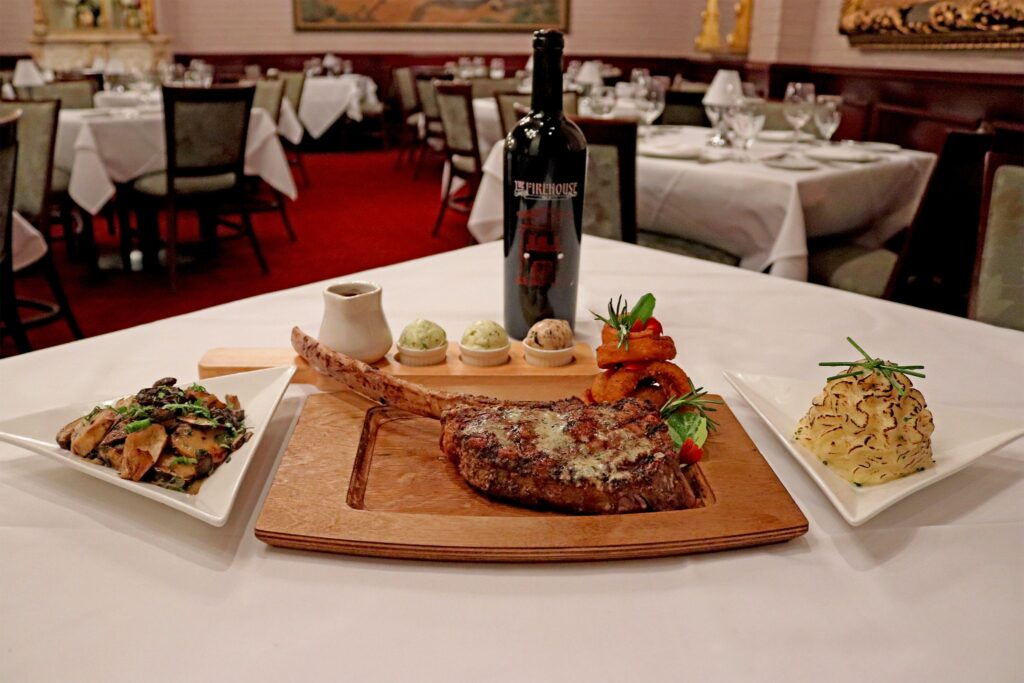
For your final evening, head to Restaurante La Pampa Argentina in Escalón. While it might seem odd to recommend an Argentine restaurant in El Salvador, this institution has been part of San Salvador’s dining scene for over 40 years and offers some of the best steaks in Central America. The Salvadoran-Argentine fusion dishes prove most interesting – try the churrasco topped with loroco chimichurri. The extensive South American wine list provides the perfect accompaniment.
Cap off your 48 hours at one of the city’s rooftop bars offering 360-degree views. As you sip a craft cocktail made with Cihuatán rum (El Salvador’s premium spirit), the twinkling lights below and volcanic silhouettes beyond provide a fitting farewell to this surprising capital.
The Bottom Line
Forty-eight hours in San Salvador reveals a capital that defies every stereotype about Central American cities. From its world-class coffee culture to its thriving arts scene, from volcanic adventures to culinary innovations, the city offers experiences that linger long after departure. While challenges remain – navigation can be complex, and despite dramatic improvements, security awareness is still advisable – the rewards for curious travellers prove substantial.
Those inspired to explore further should consider pairing their capital visit with trips to the heritage town of Suchitoto (one hour north) or the Pacific beaches of El Tunco (45 minutes west). The Ruta de las Flores, a scenic coffee country route through charming mountain towns, makes for an excellent three-day addition to any Salvadoran itinerary.
As El Salvador continues its tourism renaissance, San Salvador stands ready to surprise visitors willing to look beyond the headlines. Just don’t blame us when you find yourself planning a return visit before you’ve even left.
Speaking of that glorious Argentine beef, we’re heading to Buenos Aires next, to try the city’s very best steakhouses. Care to join us?
Ever wondered how you keep your house smelling good when you have pets?
Having our furry friends around is a blessing. They make our lives sweet and cuddly. However, sometimes they make the house smell foul by producing unpleasant odours. It could be your cat’s litter box or your dog’s fur. Luckily, there are things you can do to make your house smell good when you have pets. Here are 8 hacks for keeping your house smelling good when you have pets.
Keep Your House Clean
The most important thing you can do is keep the house clean. Your pets will produce bad odours by having accidents or bringing in dirt from outside, so you have to clean after them as soon as they make a mess. If you don’t, the smells will get older and mustier. The best thing you can use is a vinegar mixture to clean furniture, pillows, and curtains. Distilled white vinegar can clean almost anything and remove bad odours and is very safe to use.
Clean The Litter Box Regularly
Your cat’s litter box can make the house smell stale and unpleasant. So, consider creating a cleaning schedule to remember to clean it regularly; that means cleaning the box and changing the litter too. Another tip is to use different types of litter boxes if your current one makes the house smell. An automatic litter box can keep your house fresh. It also minimises the manual effort you need to put in to clean the litter box as it automatically disposes of your pet’s waste via sensors.
Use Enzyme Cleaners For Accidents
When pets have accidents on carpets, rugs, or upholstery, regular cleaning products often mask the smell rather than eliminate it. Enzyme cleaners are specifically designed to break down the proteins in pet urine, feces, and vomit at a molecular level, completely neutralizing odors rather than just covering them up.
Unlike traditional cleaners, enzyme cleaners contain beneficial bacteria that ‘eat’ the organic matter causing the smell. This is especially important because pets can smell traces of old accidents that humans can’t detect, which may encourage them to soil the same spot again. By using enzyme cleaners immediately after accidents, you’re not only eliminating current odors but also preventing future marking behaviors.
For best results, saturate the affected area thoroughly (including carpet padding if applicable), let it sit according to the product instructions, and allow it to air dry completely. Keep a bottle on hand for quick response to accidents – the sooner you treat the area, the more effective it will be.
Get An Air Purifier
Air purifiers clean the air from indoor and outdoor pollutants. It’s generally recommended for your lungs’ health, especially if a member of the household has allergies or asthma. They also clear the air from the pet dander and remove bad odours.
An air purifier with a HEPA filter will filter over 99% of air particles, leaving you breathing better in a cleaner environment. There are some models where you can even combine an air purifier with an air freshener, to increase the effect.
Maintain Air Filters
Air filters also work to remove harmful particles from the air and represent another way to get rid of the animals’ smells in the house. They can be found inside your heating, ventilation, and air conditioning or HVAC system. Be aware that your air filter needs to be changed every 1 to 2 months.
If you don’t change them, they will stop working and may harm your HVAC system or damage it. If your filter is washable, then wash it, let it dry then reuse it again. If it’s not, you might find more joy investing in one that is. The most recommended type is the HEPA filter that we mentioned before.
Keep Pets Clean
If you have a cat, you already know that you don’t need to shower it regularly. That’s because cats have natural cleansing combs in their tongues and they spend about a quarter of their day grooming themselves. Regardless of that, you have to shower your cat at least once or twice per season.
Things are different for dogs. A dog needs to be cleaned regularly, showered once a week at least. By showering your cat and dog, they won’t make the house smell as much. Another tip is to use wipes made for animals, to clean your pets’ paws after they’re done playing outside. That will prevent them from making the floor muddy.
Get Your Pet An Odour-Resistant Bed
Getting your cat a bed is useless; any owner will know they’ll sleep in that random box again. However, getting your dog an odour-resistant bed will help with the smell. Beds are where dirt and hair accumulate which can make the whole house stink. Investing in an odour-resistant bed may be worth it.
Use Baking Soda
Baking soda is worth more than its price. It’s known for its culinary and cleaning purposes. It can clean stains left by pets, but it can also absorb bad smells. Just put it in a bowl and leave it open. Or sprinkle it on furniture and leave it overnight and use a dedicated pet vacuum the next day. It’s the perfect solution if you’re having guests in a few days, and you don’t want your house to smell bad.
Pets can stink sometimes but we love them anyway. All we can do is clean after them and give them all the love we can. Keep in mind that we might get used to the bad smells and they can go unnoticed by us. However, guests may notice the smell which is quite embarrassing. That is why these tips are important, even if you don’t feel like you’re facing an odour problem. In any case, you should always keep your house fresh and pristine.
Key Questions To Consider
Here are some important questions to reflect on:
How Often Do Puppies Poop? Understanding your puppy’s bathroom habits is crucial. On average, a healthy puppy might defecate more frequently than an adult dog, often three to five times a day. This can vary based on diet, age, and activity level. Monitoring this can help you schedule regular clean-ups and prevent accidents inside the house.
What Are the Best Cleaning Products for Pet Odors? While vinegar and baking soda are great natural options, you might wonder if there are other pet-safe cleaning products that effectively combat odors. Researching and choosing the right products can make a significant difference in maintaining a fresh-smelling home.
How Can I Integrate Pet Grooming into My Routine? Regular grooming can reduce pet odors significantly. Consider how often you can realistically bathe and groom your pets based on your schedule and their needs. This will help keep them clean and reduce the amount of dander and hair in your home.
Are There Specific Diets That Reduce Pet Odours? Sometimes, what your pet eats can affect how they smell. Are there specific diets recommended for reducing the natural odors of your pets? Consulting with a veterinarian can provide insights into dietary choices that may help.
How Do I Know If My Air Purifier Is Effective? If you’ve invested in an air purifier, how can you tell it’s working as it should? Understanding the signs of an effective air purifier can ensure you’re getting the most out of this appliance.
How Often Should Pet Bedding Be Cleaned or Replaced? Even with an odor-resistant bed, it’s important to know how often to clean or replace it to prevent smells from becoming entrenched.
Can Indoor Plants Help with Air Quality? Are there specific plants that are not only safe for pets but also known to improve indoor air quality? Incorporating these into your home could be a natural way to enhance freshness.
What Are the Signs That a Litter Box Isn’t Working Properly? If odors persist despite regular cleaning, it might be time to consider if your litter box setup is effective. What should you look for to determine if a change is needed?
How Can I Ensure Guests Are Comfortable in My Pet-Friendly Home? Lastly, consider what additional steps you can take to ensure that guests feel comfortable and welcome in your home, despite the presence of pets.
By addressing these questions, you can create a comprehensive plan that not only keeps your home smelling fresh but also ensures the health and happiness of both your pets and your human guests.
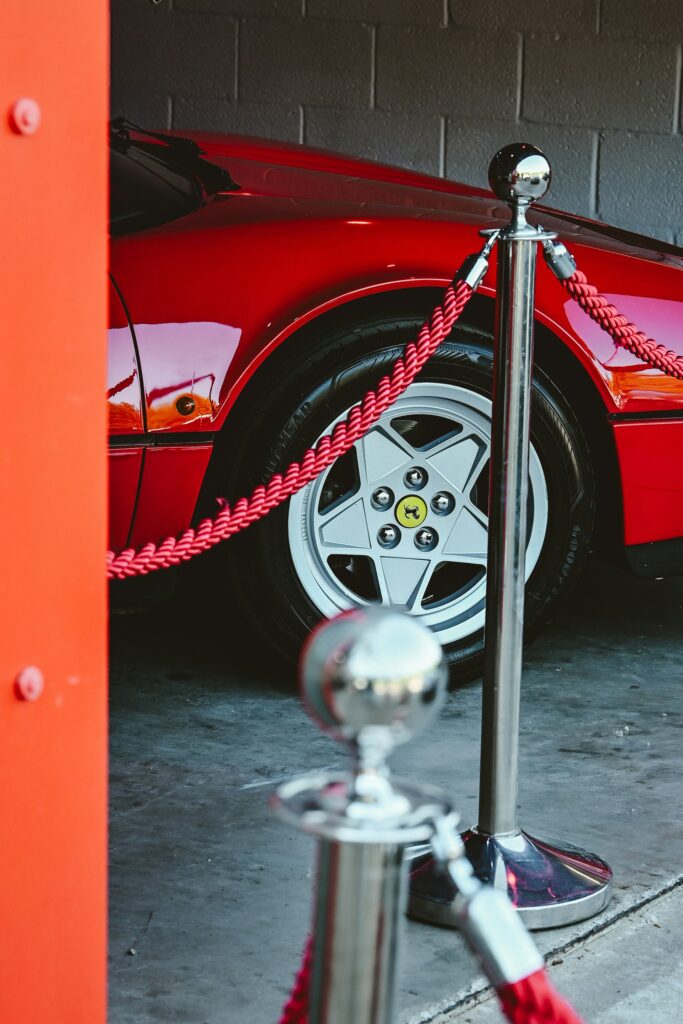
We’ve all seen them gleaming on the forecourt – those eye-catching alloy wheels that seem to transform even the most modest hatchback into something rather special.
From the sleek car alloys on a new Audi A3 to the chunky rims adorning a Land Rover Discovery, these metallic marvels have become increasingly common across all vehicle segments. But whilst their aesthetic appeal is undeniable, there’s far more to these wheels than meets the eye. Let’s explore the genuine advantages that make alloy wheels worth considering beyond their kerb appeal.
The Weight Of The Matter
Perhaps the most significant benefit of alloy wheels lies in what they don’t have: excess weight. Typically manufactured from aluminium or magnesium alloys, these wheels can be substantially lighter than their steel counterparts. Research published in engineering journals indicates that optimised alloy wheel designs can achieve weight reductions of nearly 58% without compromising safety parameters.
This reduction in what engineers call ‘unsprung mass’ – the weight not supported by the car’s suspension – has a remarkable domino effect on your vehicle’s performance. Lighter wheels mean your suspension can respond more quickly to road imperfections, delivering a smoother, more controlled ride. It’s the difference between wearing hiking boots and trainers on a long walk – the lighter footwear simply makes everything easier.
Performance That Goes Beyond Looks
The weight savings translate directly into improved acceleration and braking performance. With less rotational mass to overcome, your engine doesn’t have to work as hard to get the wheels spinning, whilst your brakes face an easier task bringing them to a stop. It’s physics at its most practical – and you’ll feel the difference every time you press the pedal.
Moreover, the superior heat conduction properties of aluminium alloy wheels help dissipate the tremendous heat generated during braking.Brake fade occurs when excessive heat builds up in the braking system, reducing effectiveness. Car alloys, with their better thermal conductivity and often more open spoke designs, promote improved airflow and heat dissipation, reducing the risk of brake fade during demanding driving conditions.
Fuel Economy: The Hidden Savings
In an era of rising fuel costs and environmental consciousness, the efficiency gains from alloy wheels shouldn’t be overlooked. The reduced weight means your engine burns less fuel to maintain speed, particularly noticeable during stop-start city driving where you’re constantly accelerating from rest.
Discussions examining fuel efficiency improvements suggest that lighter wheels can provide approximately 1-2% improvement in fuel economy, with some research indicating gains of 2-5% under certain conditions. Whilst these savings might seem modest, they add up over the thousands of miles you’ll cover during ownership. For company car drivers or those with lengthy commutes, this can translate into meaningful savings at the pump.
Precision Engineering Benefits
The manufacturing process for alloy wheels allows for more precise construction than traditional steel wheels. Academic research from engineering departments confirms that this accuracy means better wheel balance and reduced vibration, contributing to a more refined driving experience and potentially extending the life of suspension components and tyres.
Additionally, the design flexibility of alloys allows manufacturers to optimise spoke patterns for improved brake cooling or aerodynamic efficiency – benefits that would be impossible to achieve with pressed steel wheels. The intricate designs possible with car alloys aren’t just for show; they can actively contribute to better thermal management and vehicle dynamics.
The Durability Debate
Whilst steel wheels have a reputation for ruggedness, quality alloy wheels offer their own durability advantages. As noted in automotive engineering literature, aluminium alloys are renowned for their ability to withstand corrosion and rust, maintaining their structural integrity even after years of exposure to British weather and winter road salt.
However, it’s worth noting that alloys can be more susceptible to cosmetic damage from kerb strikes, and repairs can be costlier than simply hammering out a dented steel wheel. It’s a trade-off that requires an honest assessment of your parking prowess!
The Investment Perspective
Quality alloy wheels can enhance your vehicle’s resale value, particularly on performance or premium models where they’re expected as standard. Even on more modest cars, a well-maintained set of alloys signals to potential buyers that the vehicle has been cared for and potentially upgraded. If you’re looking to upgrade your wheels, you can shop the latest car alloys from Elite Wheels & Tyres to find the perfect set for your vehicle.
Making the Right Choice
If you’re considering aftermarket alloys, ensure they’re appropriate for your vehicle’s specifications. The wrong offset or load rating can adversely affect handling and even safety. For instance, the requirements for sporty Audi alloys will differ significantly from those suitable for a Range Rover Sport or a Nissan Qashqai car alloys.
According to Wikipedia’s comprehensive overview, it’s crucial to stick to reputable suppliers and ensure any aftermarket wheels meet appropriate safety standards. Don’t be tempted by suspiciously cheap offerings – in the wheel world, you genuinely get what you pay for.
The Bottom Line
Whilst the visual transformation alloy wheels provide is often the initial attraction, their practical benefits make them far more than a cosmetic upgrade. From improved performance and efficiency to better heat management and potential resale value, they represent a genuine enhancement to your driving experience.
So the next time you admire a set of gleaming car alloys, remember that beneath that polished surface lies solid engineering that delivers tangible benefits every single mile you drive. They’re not just about looking good – though we must admit, that’s a rather nice bonus.
Doesn’t it sound so satisfying under foot? Don’t you love the way it both absorbs and amplifies sound when you want it to? And how about its ability to catch the light just right? Are you tired of all these rhetorical questions yet?…
Well, according to experts, we’re not the only ones enthusing about hardwood flooring. In fact, as reported in Home Light, 54% of buyers would pay more for homes decked out in hardwood.
We’d wager that 54% wouldn’t be so keen if those hardwood floors hadn’t been properly looked after, however. Indeed, solid wood floors, engineered wood flooring and reclaimed wood floors should all be maintained and cared for in a similar manner to ensure they’re looking their best and performing well.
For wood floors to last a long time, they must be kept clean, swept regularly, varnished occasionally and treated with the correct products. With all that in mind, here’s how to maintain hardwood floors to make them last.
Be Aware Of The Danger Signs
Since wood is a natural product, it will let you know if something is wrong. Prevention is better than cure, as they say, and this maxim even applies to hardwood flooring! Indeed, it’s essential that you manage elements that can cause your flooring to buckle, crack or discolour, with heat and humidity (both high and low) having a particularly dramatic effect on wood.
To avoid the issues we mentioned, you should maintain a consistent temperature (between 16°C and 25°C is advised) at home and ensure a relative humidity of between 35% and 45%. You can monitor the humidity at home using a hygrometer, available on the high street for as little as £20. Should the humidity be too low, consider introducing a humidifier. If it’s too high, a dehumidifier will do the trick. This should also help manage any issues with mould.
Keep Them As Dry As Possible
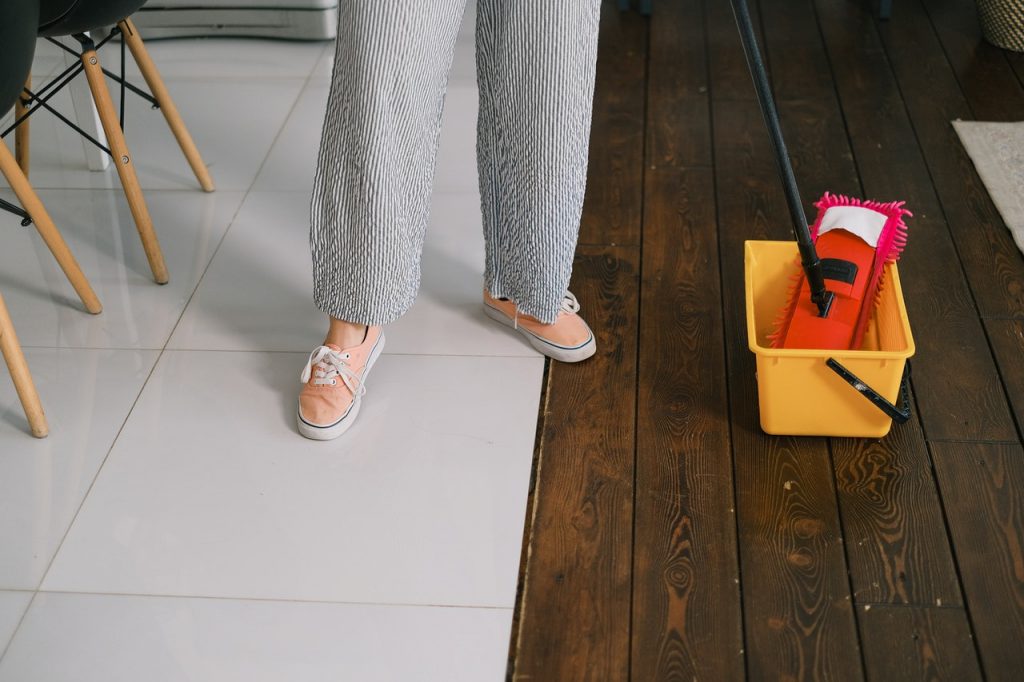
Water is the enemy of hardwood flooring, and if your floors get wet, their wood may expand. Aside from the dehumidifying we mentioned earlier, it’s also essential that you clean up any spillages immediately – though you shouldn’t use water based products to do this! A soaking wet mop is the worst thing you can do here, and steam cleaning isn’t much better, the latter causing vapour to enter the gaps in your flooring and leading it to expand. Instead, it’s recommended that you sweep and vacuum regularly and judiciously.
Vacuum Frequently
We emphasise the importance of keeping litter and debris off your hardwood floor. When you walk across wooden flooring, any debris underfoot acts almost like sandpaper, leading to scuff marks that are irreversible.
Vacuuming should be done on a regular basis, ideally with a soft brush to prevent scratches occurring. This should help you lift dust and debris from the tiny gaps between planks without causing damage.
Determine Which Cleaning Product Is Right For You
There isn’t a set rule for the ideal cleaning product for wood flooring; rather, it’s dependent on several factors such as the humidity levels of your home and the type of wood used. For this reason, we advocate listening to the product recommendations of your flooring or finish manufacturer.
Certain goods should be avoided at all costs, though. If you have a hardwood floor, we don’t recommend using any harsh chemicals to clean it. In fact, many experts recommend you use white vinegar mixed with warm water at a ratio of 100 ml 4000 ml, roughly. It should be noted that some hardwood flooring doesn’t respond well to vinegar, however, so you should check the solution in an inconspicuous spot prior to using it more comprehensively.
Of course, some floor scratches are going to happen, and are part and parcel of the ins and outs of the day. Surface scratches can be repaired with a stain marker from a wood furniture touch-up kit. That should get the job done.
Know When To Recoat
You’ll know it’s time to recoat the floor when it begins to wear, tear and take on a tired appearance. Sanding shouldn’t be necessary for a recoat; instead, simply put another coat of finish on top to bring back the brilliance and liveliness of the original floor finish. An extra layer of protection every time it’s needed is what this activity can do to extend the life of a floor for many years to come.
Use Furniture Pads & Protect High-Traffic Areas
Place felt pads under all furniture legs, chairs, and table bases to prevent scratches and indentations when items are moved or shifted. These pads should be replaced every few months as they can accumulate dirt and grit that could actually cause more damage than protection. For high-traffic areas like hallways and entryways, consider using runners or area rugs to provide an extra layer of protection, but ensure they have non-slip backing that won’t damage the floor’s finish.
Control Sunlight Exposure & UV Damage
Direct sunlight streaming through windows can cause significant fading and discolouration in hardwood floors, creating uneven patches that detract from their appearance. Install UV-protective window films, blinds, or curtains to filter harsh sunlight during peak hours. Additionally, rotate furniture and rugs periodically to ensure the floor ages evenly – this prevents stark contrast lines where covered and uncovered areas meet. Some homeowners even apply UV-resistant finishes during re-coating to provide an extra layer of protection against sun damage.
Establish A No-Shoes Policy & Entry Protocol
High heels, cleats, and dirty outdoor shoes can wreak havoc on hardwood floors, particularly in high foot traffic areas of the home, with stilettos creating pressure points that can permanently dent softer woods. Consider implementing a no-shoes policy in your home, providing a designated area near entrances for shoe storage and offering guests slippers or socks. At minimum, place high-quality doormats both outside and inside every entrance to trap dirt and moisture before it reaches your floors. These mats should be cleaned regularly to maintain their effectiveness and prevent them from becoming sources of debris themselves.
Let’s start by flinging ourselves back some 200 years. Can you feel the whiplash yet? The grand tour of Europe once meant months of travel by horse and carriage, with young aristocrats lugging around steamer trunks full of formal wear and letters of introduction – imagine trying to fit that lot in your Ryanair carry-on.
Today, thanks to high-speed trains and strategic planning, you can weave together some of the continent’s most compelling destinations in just seven days – all with no powdered wigs or personal butler required.
From Alpine peaks to Baltic shores, from Provençal villages to Habsburg grandeur, these routes minimise travel time and maximize cultural immersion, combining bucket-list landmarks with hidden gems, each designed to give you a deep taste of the diverse and distinct cultures and landscapes found across the continent. Pack light, bring comfortable shoes, and prepare for a week of European adventures that prove you don’t need a gap year to experience the continent’s magic.
The Three Faces Of The Alps: Switzerland, France & Italy
Ideal for mountain lovers seeking dramatic landscapes and Alpine culture…
Days 1-2: Geneva & Chamonix
Begin in Geneva, where Lake Léman’s famous Jet d’Eau shoots crystalline water towards the sky. A quick 7-minute train from the airport puts you in the heart of the city, where centuries-old cathedral bells chime as locals spill out of tiny chocolate shops.
The 90-minute bus journey to Chamonix winds through increasingly dramatic valleys until Mont Blanc looms like a guardian over the bustling mountain town. The Aiguille du Midi cable car journey (a breathtaking 20-minute ride that’s worth the €75) takes you through clouds to a world of ice and stone, where climbers set off across glaciers and everyone else gapes at the endless chain of Alpine peaks.
Days 3-4: Courmayeur & Aosta Valley
A 45-minute bus ride through the Mont Blanc Tunnel brings you to Italy’s Alpine face. Courmayeur’s atmosphere shifts noticeably from French precision to Italian warmth – old men play cards in sunny piazzas, and the coffee culture is decidedly more espresso than café au lait.
The hourly 40-minute bus to Aosta Valley unfolds below, a hidden realm where Roman ruins stand beneath snow-capped peaks and vineyards climb impossibly steep terraces. Local trattorias serve polenta with fontina cheese that’s been aged in medieval castle cellars.
Days 5-7: Zermatt & Return
The three-hour rail journey to car-free Zermatt threads through valleys where waterfalls cascade beside the tracks, requiring one simple connection at Visp. The Matterhorn reveals itself suddenly – more dramatic and improbable than any photograph suggests.
The Edelweiss-Höhbalmen trail (a challenging 6 hour circular hike) offers perfect views of the peak, with wildflowers and grazing ibex for company. Regular trains (running every hour) connect back to Geneva through scenery that never ceases to impress.
Week 2: An Extended Exploration Of Southern Italy’s Ancient Wonders
For travellers with additional time, the contrast between Alpine and ancient Italy proves irresistible. A comfortable 6-hour train journey from Milan connects to Naples, where Pompeii tours reveal life frozen in time beneath Vesuvius’s shadow. Professional guided tours (running daily, from €35) bring the ancient streets alive with stories of Roman daily life, while the nearby Amalfi Coast offers dramatic clifftop villages and limoncello tastings. This southern extension adds 3-4 days to your Alpine adventure, creating a journey from Switzerland’s peaks to Campania’s archaeological treasures.
An Adventure Along The Amber Road: Estonia, Latvia & Lithuania
Ideal for history enthusiasts seeking authentic Eastern European charm.
Days 1-2: Tallinn
The medieval walls of Tallinn and towers rise above the harbor, where cruises from the UK and across Europe dock beneath the fairytale skyline. A 15-minute tram ride from the airport brings you to a city where traditional meets cutting-edge. Tech startups occupy Hanseatic merchants’ houses, and cafes serve traditional black bread alongside super-fast WiFi. The Kalamaja district’s wooden houses, a 20-minute walk from the Old Town, tell stories of fishing families and Soviet times, now transformed into artist studios and boutique breweries.
Days 3-4: Riga
A comfortable four-hour bus ride (running six times daily, from €15) connects to Riga, Latvia’s riverside capital where Art Nouveau facades make every street feel like an open-air museum. The Central Market’s Zeppelin hangars buzz with activity – old ladies selling wild mushrooms and berries, farmers proudly displaying smoked fish, and locals debating the best black balsam recipe. In the evenings, cocktail bars hidden behind unmarked doors serve drinks with Baltic amber and local herbs.
Days 5-7: Vilnius & Trakai
Another four-hour bus journey brings you to Lithuania’s capital, Vilnius, where baroque churches and quirky street art compete for attention. The self-declared Republic of Užupis, just a five-minute walk across the river from the Old Town, embodies Baltic creativity with its tongue-in-cheek constitution and bohemian atmosphere.
A 30-minute train ride takes you to Trakai Castle, which seems to float on its lake – a red-brick medieval masterpiece that once guarded the Grand Duchy. Inside, Baltic amber gleams in museum cases while local Karaim women sell traditional kibinai pastries in the surrounding village.
From Porto To Principality: Portugal, Spain, France & Monaco
Ideal for culture seekers who love coastal Mediterranean life and Iberian charm…
Day 1-2: Porto & Lisbon
Begin your journey in Porto, where azulejo tiles tell stories on every building and port wine ages in riverside cellars. The Porto to Lisbon train (running hourly, from €25) offers a scenic 2.5-hour journey along the Atlantic coast through charming towns and vineyards. Lisbon’s tram-lined hills and Fado-filled tavernas provide the perfect introduction to Iberian culture before continuing your adventure eastward. The overnight train to Madrid (departing daily at 9:30pm) connects seamlessly to Barcelona the following morning.
Days 3-4: Barcelona
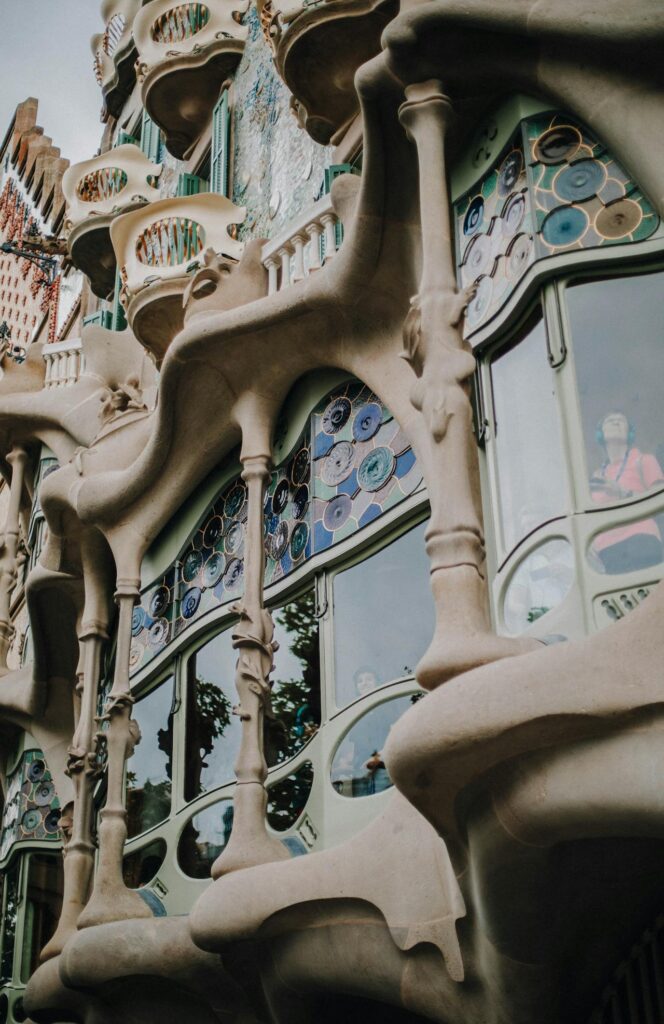
Barcelona’s streets pulse with cosmopolitan Catalan energy. The Sagrada Família reaches skyward with its melting-ice-cream spires, while in the Gothic Quarter, washing lines criss-cross above narrow streets where guitar music drifts from hidden plazas. In Poble Sec, a 15-minute walk from Las Ramblas, locals crowd around barrel tables for vermut hour, while the Sant Antoni market (open daily 7am-2pm) showcases the city’s culinary soul without the tourist crowds.
Days 5-6: Provence
The six-hour high-speed train journey from Barcelona into France and on to Avignon (book ahead for fares from around €50) whisks you to where the Palace of the Popes dominates the skyline.
The real Provence lies in the surrounding villages – honey-stone houses draped in wisteria, weekly markets where locals debate the ripeness of melons, and lavender fields stretching towards distant mountains. Rent a car to explore the Luberon villages of Bonnieux and Lacoste, offering postcard-perfect vistas and the authentic rhythm of Provençal life.
Day 7: Nice & Monaco
A three-hour train ride east brings you to the French Riviera. Nice’s Promenade des Anglais curves along the azure coast, while the Old Town’s ochre buildings glow in the southern sun. The Cours Saleya market (Tuesday-Sunday, 6am-1:30pm) bursts with flowers and Niçois specialities. Monaco is just a 20-minute train hop away – its fairytale principality perches above the sea, its famous casino and royal palace drawing visitors while locals shop at the Condamine market and enjoy aperitifs in hidden squares.
Between Rivers & Canals: Netherlands, Belgium & Luxembourg
Ideal for art and history buffs who enjoy efficient city-hopping…
Days 1-2: Amsterdam
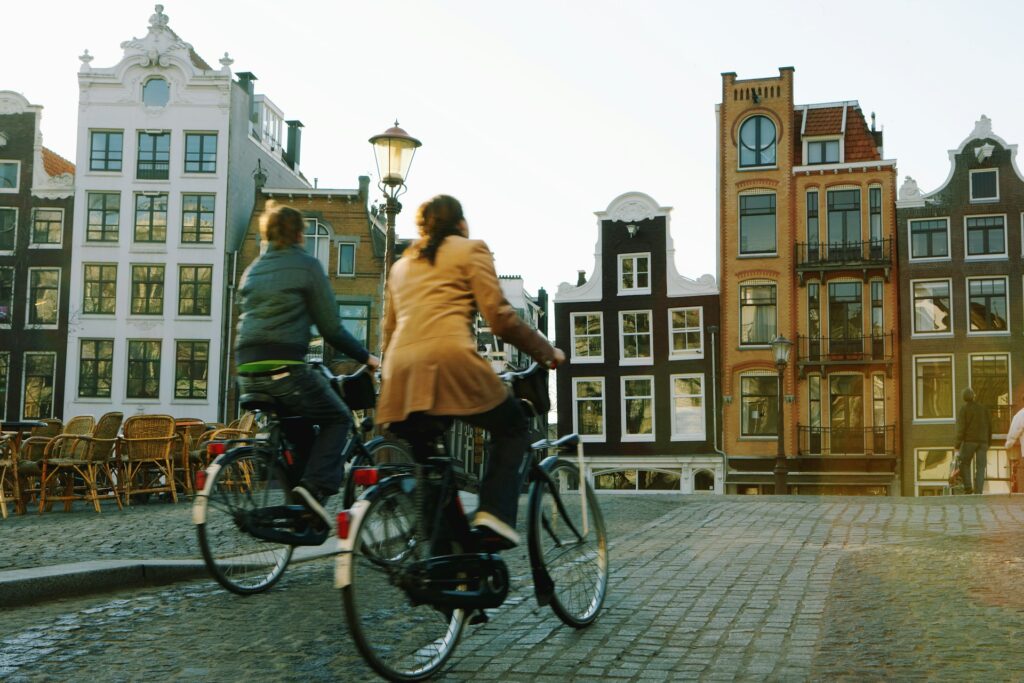
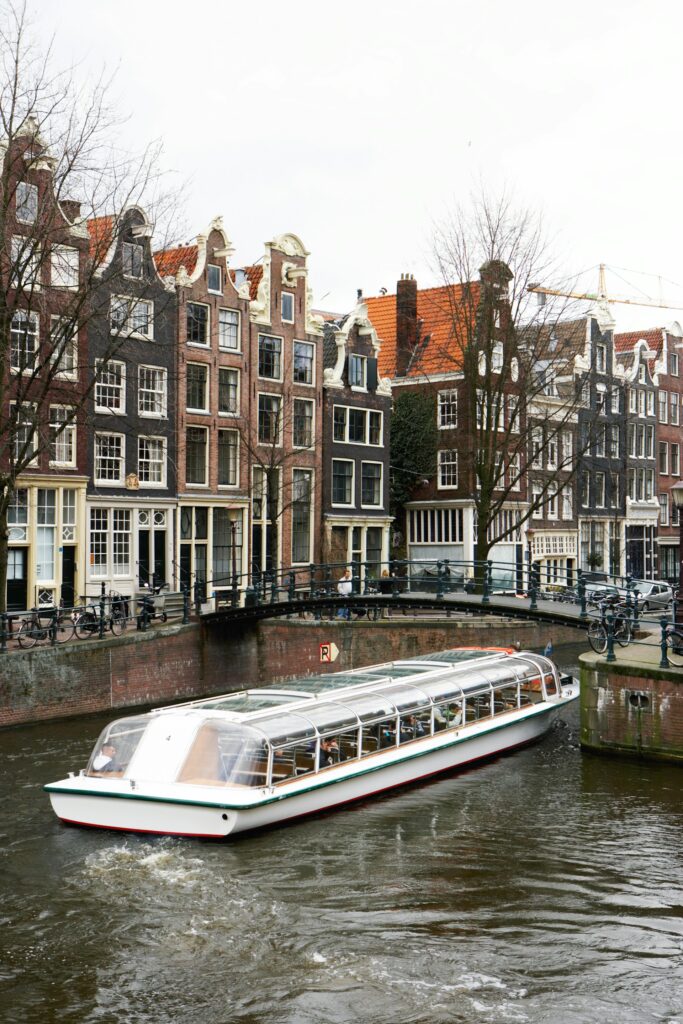
Amsterdam’s canals reflect centuries of history in their calm waters. A 15-minute train from Schiphol Airport leads to the heart of the city. Beyond the bustling centre, the Jordaan district reveals a quieter side of Dutch life – secret courtyards hide behind wooden doors, while cafes serve apple pie to locals who’ve cycled in from nearby neighbourhoods. The city’s water taxi network (day passes from €15) offers a local’s perspective on the canals, far from the tourist boats.
A two-hour train journey brings you to Brussels, where the Grand Place dazzles with guildhalls, while in Saint-Gilles, Art Nouveau townhouses host modern art galleries. Comic book murals brighten unexpected corners. Bruges, just an hour away by train, transforms as day-trippers leave – twilight turns the medieval streets magical, canals reflect lamplight, and restaurants serve steaming pots of mussels to knowing visitors who’ve stayed for dinner.
Days 5-7: Luxembourg
A three-hour train ride delivers you to Luxembourg City, where old quarters and fortifications perch dramatically above deep gorges. This tiny country packs in surprises – the Mullerthal region’s landscape of mysterious rock formations and dense forests (accessible by hourly buses) earns its nickname “Luxembourg’s Little Switzerland.” The capital’s mix of French sophistication and German efficiency creates a unique atmosphere, while the country’s complimentary public transport makes exploration effortless.
In The Habsburg Shadow: Austria, Slovakia & Hungary
Ideal for architecture lovers seeking Habsburg grandeur and thermal spa culture…
Days 1-2: Vienna
Vienna waltzes between imperial grandeur and modern creativity. The City Airport Train (15 or so minutes) delivers you to the heart of the former empire. The Belvedere’s gardens offer serenity and Klimt’s masterpieces, while historic coffee houses serve Melange and Sachertorte to a soundtrack of gentle conversation. At the State Opera, music soars to gilded ceilings, while in the MuseumsQuartier, students lounge on sculptural benches between world-class exhibitions.
Days 3-4: Bratislava
Just an hour from Vienna by hourly train, Bratislava charms with a castle overlooking the Danube and a perfectly preserved Old Town. Beyond the main square, the Petržalka district’s communist-era apartments have been transformed by vibrant street art and community gardens. The UFO observation deck crowns the SNP Bridge, offering sunset views over three countries.
Days 5-7: Budapest
A two-and-a-half-hour train ride brings you to Budapest, which reveals itself in layers – grand boulevards, hidden courtyards, and thermal baths that have bubbled for centuries. The Rudas Bath offers night bathing under a 16th-century Ottoman dome, while ruin bars in the Jewish Quarter combine Hungarian wine with creative spirit. At dawn, vendors at the Lehel Market arrange paprika and kolbász sausages while traders swap stories over strong coffee.
The Bottom Line
A week-long European adventure requires a delicate balance of planning and spontaneity. Book your major train journeys months ahead and pack with the efficiency of a seasoned traveler, but leave room in your schedule for serendipity. Learn to say “thank you” in five languages, carry a mix of payment methods, and remember that the best travel stories often begin with missed connections or wrong turns.
While Europe’s railways stitch the continent together with impressive precision, it’s often the unplanned detours – a chance conversation in a Ljubljana café, an impromptu wine tasting in a Tuscan village, or a stumbled-upon festival in a Brussels square – that transform a good journey into an unforgettable one.
In an era of ever increasing convenience, maintaining a nutritious diet can feel like an uphill battle. But what if some ingredients that could support better health were already sitting in your kitchen cupboard? These seven everyday ingredients aren’t just pantry staples – they’re nutritional powerhouses that may help enhance your wellbeing without breaking the bank or requiring exotic shopping trips.
The Golden Elixir: Raw Honey
Honey has been treasured since ancient times, but not all honey is created equal. When choosing this natural sweetener, certified raw organic honey may offer the most potent health benefits. Unlike processed varieties, raw honey retains its full spectrum of enzymes, antioxidants, and antimicrobial compounds.
Research suggests that honey’s health benefits extend far beyond its delicious taste. Studies indicate that honey contains powerful antioxidants that may help protect cells from damage, whilst its anti-inflammatory properties could support heart health and wound healing. The natural sugars in honey are also metabolised more slowly than refined sugar, potentially making it a more balanced choice for energy.
For maximum benefits, add a spoonful to herbal tea, drizzle over Greek yoghurt, or use in homemade salad dressings. Just remember that honey should never be given to children under one year of age.
The Humble Champion: Oats
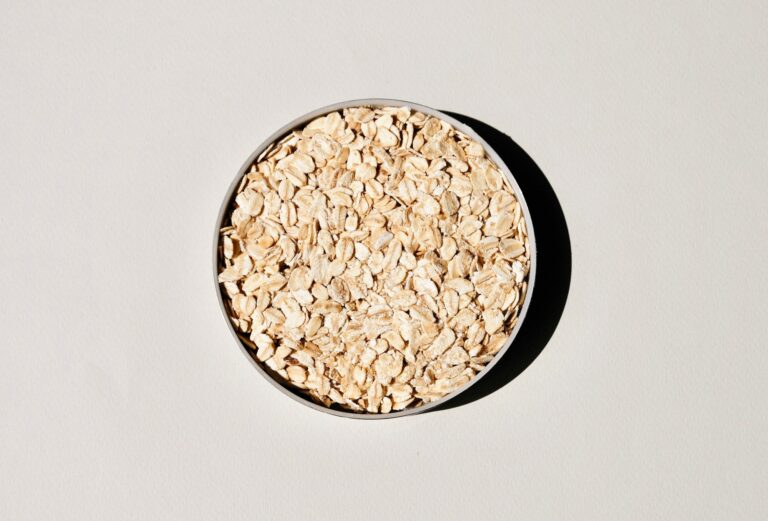
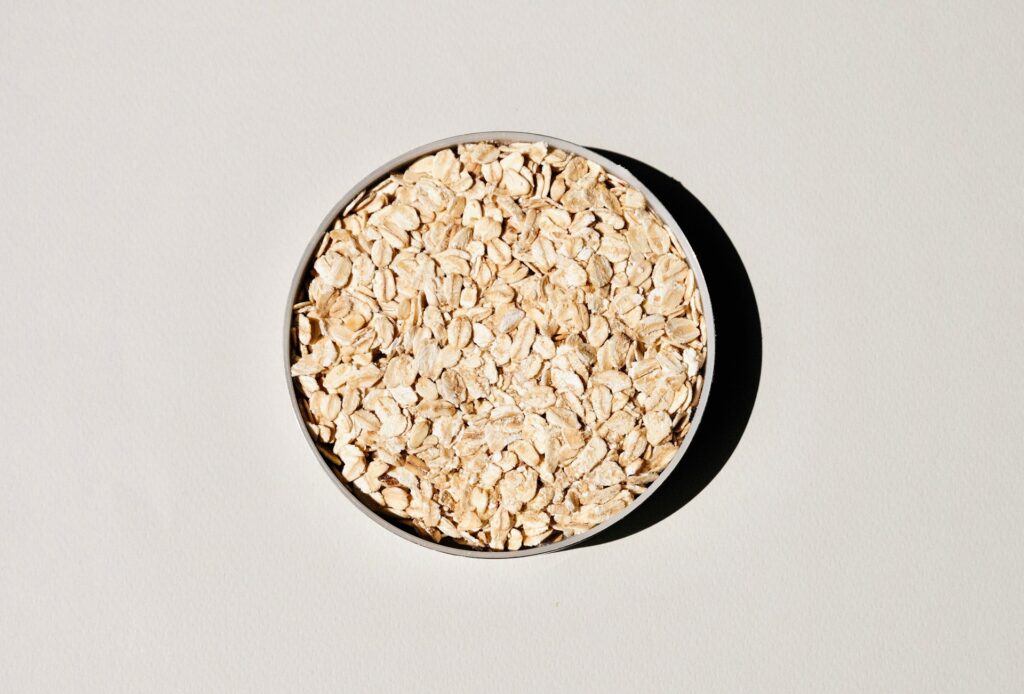
Often dismissed as boring breakfast fodder, oats are actually nutritional champions that may deserve superfood status. These humble grains are packed with beta-glucan, a type of soluble fibre that has been scientifically proven to lower cholesterol levels.
The British Heart Foundation notes that eating 3g of beta-glucan daily can significantly reduce your risk of heart disease. A 40g serving of oats provides this amount whilst delivering sustained energy that may keep you fuller for longer.
But oats could offer more than heart protection. Research suggests they may help regulate blood sugar levels, support healthy digestion, and potentially boost immune function. Steel-cut oats provide the greatest benefits, but rolled oats are still excellent choices for busy mornings.
Try overnight oats with berries and nuts, savoury oat risottos, or blend them into smoothies for added nutrition and creaminess.
Nature’s Protein Pods: Nuts
Small but mighty, nuts are nutritional powerhouses that may deserve a permanent place in your pantry. Harvard Medical School research shows that eating just an ounce of nuts daily can significantly reduce your risk of heart disease, diabetes, and even premature death.
Almonds shine with their impressive calcium and vitamin E content, whilst walnuts provide heart-healthy omega-3 fatty acids. A landmark study published in the New England Journal of Medicine found that people who ate nuts daily had a 20% lower risk of death during the study period compared to those who avoided nuts entirely.
The magic appears to lie in their unique combination of healthy fats, protein, fibre, and antioxidants. This nutritional profile may help stabilise blood sugar, reduce inflammation, and support brain health.
Keep a variety of raw, unsalted nuts on hand for snacking, add them to salads and stir-fries, or grind them into nut butter for a wholesome spread.
Liquid Gold: Extra Virgin Olive Oil
The cornerstone of the Mediterranean diet, extra virgin olive oil is more than just a cooking fat – it could be a health elixir in a bottle. Recent research published in the Journal of the American College of Cardiology found that people consuming more than half a tablespoon daily had significantly lower rates of cardiovascular disease and premature death.
What sets extra virgin olive oil apart is its wealth of polyphenols – powerful antioxidants that may combat inflammation and protect against chronic disease. Harvard Medical School research suggests that these compounds, along with the oil’s monounsaturated fats, contribute to its protective effects against heart disease, certain cancers, and cognitive decline.
Unlike regular olive oil, extra virgin varieties undergo minimal processing, preserving their beneficial compounds and distinctive flavour. Use it generously in salad dressings, drizzle over vegetables, or finish dishes with a flourish of this liquid gold.
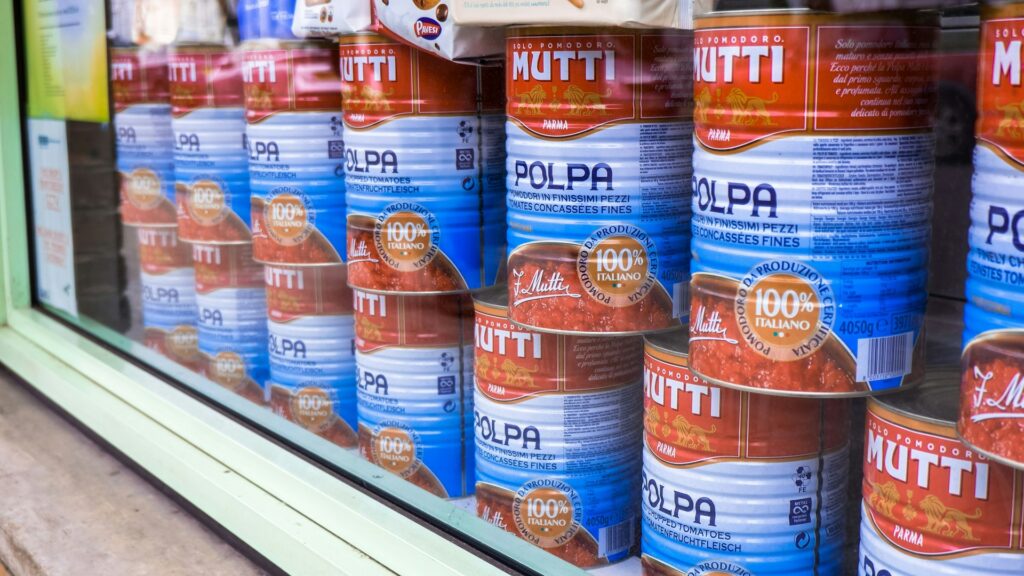
Fresh tomatoes are wonderful, but their canned counterparts offer unique advantages that could make them true superfoods. The canning process actually increases the bioavailability of lycopene, a powerful antioxidant that gives tomatoes their red colour and may provide remarkable health benefits.
Lycopene has been extensively studied for its potential to reduce prostate cancer risk, protect against heart disease, and support skin health. The combination of heat and oil during canning breaks down cell walls, making this protective compound more easily absorbed by your body.
Canned tomatoes are also incredibly versatile and economical. They form the base of countless healthy meals – from hearty pasta sauces and soups to stews and curries. Choose varieties without added sugar and look for cans lined with BPA-free materials when possible.
The Protein Powerhouses: Legumes
Beans, lentils, chickpeas, and other legumes are nutritional goldmines that have sustained civilisations for millennia. These affordable protein sources are rich in fibre, folate, potassium, and iron, making them potentially essential for vegetarians and meat-eaters alike.
The high fibre content in legumes may help stabilise blood sugar levels, promote healthy digestion, and feed beneficial gut bacteria. Their protein content rivals that of meat, whilst their low glycaemic index makes them excellent for sustained energy release.
Studies consistently link regular legume consumption with reduced risks of heart disease, diabetes, and certain cancers. They’re also incredibly sustainable, requiring less water and producing fewer greenhouse gases than animal protein sources.
Stock your cupboard with dried or canned varieties – black beans, kidney beans, lentils, and chickpeas are particularly versatile. Use them in soups, salads, veggie burgers, or as hearty additions to grain bowls.
The Dark Delight: Quality Dark Chocolate
The final superfood might surprise you: dark chocolate with at least 70% cocoa content isn’t just a treat – it could be a health food in disguise. The cocoa in dark chocolate is rich in flavonoids, compounds that may support cardiovascular health and cognitive function.
Research suggests that moderate consumption of high-quality dark chocolate may help lower blood pressure, improve blood flow to the brain, and even enhance mood through the release of endorphins and serotonin. The key is choosing varieties with minimal added sugar and focusing on quality over quantity.
Look for organic, fair-trade options with simple ingredient lists. A square or two after dinner can satisfy sweet cravings whilst potentially providing genuine health benefits – a perfect example of pleasure and nutrition in harmony.
The Bottom Line
The beauty of these seven superfoods lies not just in their individual benefits, but in how they may work together to help create a foundation for lifelong health. Unlike expensive supplements or fleeting health trends, these pantry staples are accessible, affordable, and backed by both science and centuries of traditional use.
Start by incorporating one or two into your daily routine, then gradually expand your repertoire. Remember, consistency trumps perfection – small, sustainable changes could create lasting results.
Your kitchen cupboard may already contain some valuable ingredients for supporting better health. It could be time to unlock their potential and discover that the path to wellness needn’t be complicated or costly. Sometimes, the most powerful solutions might also be the simplest.
With these seven superfoods as your foundation, you could be well-equipped to nourish your body, support your health, and enjoy delicious meals that prove good nutrition never has to be boring. Your future self may thank you for every wholesome choice you make today.
When it comes to adventure holidays, the UK is often overlooked in favour of more exotic locales. However, this small island nation is packed with diverse landscapes and thrilling activities that can rival any global destination. From the rugged coastlines of Cornwall to the serene lakes of the Lake District, the UK offers a plethora of opportunities for thrill-seekers and nature lovers alike.
Whether you’re an adrenaline junkie looking for your next big challenge or a nature enthusiast eager to explore the great outdoors, the UK has something to offer. With that in mind, here are 10 of the very best adventure destinations in the UK.
Surfing The Waves In Cornwall
Cornwall, with its dramatic cliffs, golden beaches, and azure waters, is a surfer’s paradise. Fistral Beach in Newquay is renowned for its consistent waves and hosts numerous surfing competitions throughout the year. Whether you’re a seasoned surfer or a beginner, the surf schools here offer lessons to help you ride the waves like a pro.
For a more secluded experience, head to Porthcurno Beach. Nestled between towering cliffs, this beach offers a more tranquil setting for surfing and bodyboarding. The crystal-clear waters and the stunning Minack Theatre perched on the cliffs above make it a truly unique spot.
Exploring The Caves Of County Fermanagh
Northern Ireland’s County Fermanagh is a hidden gem for those who love spelunking and cave exploration. The Marble Arch Caves Global Geopark, a two hour drive from Belfast, offers a fascinating underground adventure through a network of natural limestone caves. Guided tours take you through winding passages, vast chambers, and underground rivers, revealing the geological wonders that lie beneath the surface.
For a more challenging experience, the Boho Caves provide an opportunity for more experienced cavers to explore unlit passages and navigate through tight squeezes and muddy crawls. The caves are rich in stalactites, stalagmites, and other unique formations, making it a thrilling and educational adventure.
Hiking The Lake District
The Lake District, a UNESCO World Heritage site, is a haven for hikers. With its rolling hills, serene lakes, and picturesque villages, it’s no wonder it has inspired poets and artists for centuries. The 214 Wainwrights – a collection of fells described by Alfred Wainwright in his guidebooks – offer a variety of hiking challenges.
Scafell Pike, the highest peak in England, is a must-visit for avid hikers. The climb is challenging but rewarding, with panoramic views of the surrounding fells and lakes. For a less strenuous hike, the Catbells Lakeland Walk offers stunning views of Derwentwater and the surrounding peaks.
The Norfolk Broads, a network of rivers and lakes, is a unique and tranquil destination for kayaking. The calm waters and the abundance of wildlife make it a perfect spot for a leisurely paddle.
The River Bure, with its meandering course and picturesque villages, is a popular route for kayakers and paddleboarders. You can explore the hidden corners of the Broads, spot kingfishers and otters, and even stop at a riverside pub for a refreshing drink. It’s a serene and immersive way to experience the natural beauty of the Broads.
Cycling The South Downs Way
The South Downs Way, a 100-mile long National Trail, offers some of the best cycling routes in the UK. Stretching from Winchester to Eastbourne, it takes you through rolling hills, ancient woodlands, and charming villages.
The trail is well-marked and offers a variety of terrains, from gentle slopes to challenging climbs. The views from the top of the South Downs are breathtaking, with the English Channel on one side and the patchwork of fields and woodlands on the other. It’s a cyclist’s dream come true.
Coasteering In Pembrokeshire
Pembrokeshire, with its rugged coastline and hidden coves, is the birthplace of coasteering – a thrilling activity that involves swimming, climbing, and cliff jumping along the coast. The Pembrokeshire Coast National Park offers some of the best coasteering spots in the UK.
St. David’s Head, with its dramatic cliffs and crystal-clear waters, is a popular spot for coasteering. The experienced guides will lead you through sea caves, natural rock arches, and exhilarating jumps into the sea. It’s an adrenaline-pumping way to explore the stunning coastline.
The Peak District, with its gritstone edges and limestone crags, is a mecca for rock climbers. The area offers a variety of climbing routes, from beginner-friendly boulders to challenging multi-pitch climbs.
Stanage Edge, a 4-mile long gritstone escarpment, is one of the most popular climbing spots in the Peak District. The views from the top are stunning, with the rolling hills and moorlands stretching out below. For a more challenging climb, the limestone cliffs of Dovedale offer a variety of routes with breathtaking views of the valley.
It should be said that finding specific climbing routes along this vast edge can be challenging, especially for first-time visitors. Many climbers rely on digital guidebooks and GPS coordinates to locate the classic routes, making a reliable UK eSIM essential for accessing real-time route information and weather updates – crucial when gritstone becomes dangerously slippery in wet conditions.
Packrafting The River Tay
The River Tay, Scotland’s longest river, begins its journey on the slopes of Ben Lui in Western Scotland, flowing east through the Scottish Highlands, Perth, and Dundee, before emptying into the North Sea.
Renowned for its salmon fishing, the River Tay is a paradise for anglers. But if you’re seeking a more adventurous experience, packrafting along its 120-mile course is a thrilling option. Secret Compass, known for their small group expeditions, offers guided packrafting trips that take you through diverse landscapes, including mountains, moorlands, lochs, and tributaries. The journey is not for the faint-hearted, with grade 2 and 3 rapids providing plenty of adrenaline-pumping moments.
Wild Swimming On The Isle of Skye
The Isle of Skye, the largest of the Inner Hebrides, is famed for its dramatic landscapes and cinematic vistas, having served as the backdrop for several Hollywood films. The island also offers some of the best opportunities to witness the Northern Lights in Scotland, with nine designated discovery sites providing optimal viewing from October to March.
For those seeking adventure, the Isle of Skye is a haven for wild swimming enthusiasts. The island is dotted with lochs, waterfalls, and rock pools, with Loch Coruisk – aptly named “cauldron” in Scottish Gaelic – being a premier spot for a refreshing dip. Another hidden gem is Allt Daraich, a secluded waterfall with emerald green pools that exude a mystical charm. The Fairy Pools at Glenbrittle, with their crystal-clear spring water and stunning backdrop of the Black Cuillins mountains, are also a must-visit for a quick, albeit chilly, swim.
Mountain Biking In Snowdonia
Snowdonia National Park in Wales is a paradise for mountain biking enthusiasts. With its rugged terrain, steep climbs, and exhilarating descents, it offers some of the best mountain biking trails in the UK. The Coed y Brenin Forest Park is a top destination, featuring a variety of trails that cater to all skill levels.
The Beast of Brenin trail is a must-try for experienced riders, offering a challenging 38 km route with technical sections, rocky descents, and breathtaking views of the surrounding mountains. For those seeking a less intense ride, the “Minotaur” trail provides a fun and scenic route suitable for families and beginners.
The Bottom Line
The UK is a treasure trove of adventure destinations, each offering its own unique blend of natural beauty and thrilling activities. Whether you’re surfing the waves in Cornwall, rock climbing in the Peak District, or coasteering along the Pembrokeshire coast, there’s an adventure waiting for you.
Summer keeps on keeping on, with another heatwave forecast for next week. This likely means you’ll soon be making the most of every second of sunshine and good times. If you’re lucky enough to have a garden or even simple outdoor space, the aforementioned positive vibes are most likely going to be spent here.
As such, with the season starts to heat up, our thoughts naturally turn to transforming our gardens into a place where we actually want to spend time, rather than an overgrown plot with all sorts of creepy crawlies lurking in its depths and sharp, abrasive edges waiting to have us scattering back inside.
Fortunately, a beautiful, blooming garden doesn’t have to cost the world or require some serious thought and time. With that in mind, here are 7 great DIY landscape gardening ideas to try at home this summer.
Get Some Bones
No we don’t mean actual bones. You wouldn’t want a pack of hungry, feral dogs descending on your garden, now would you?
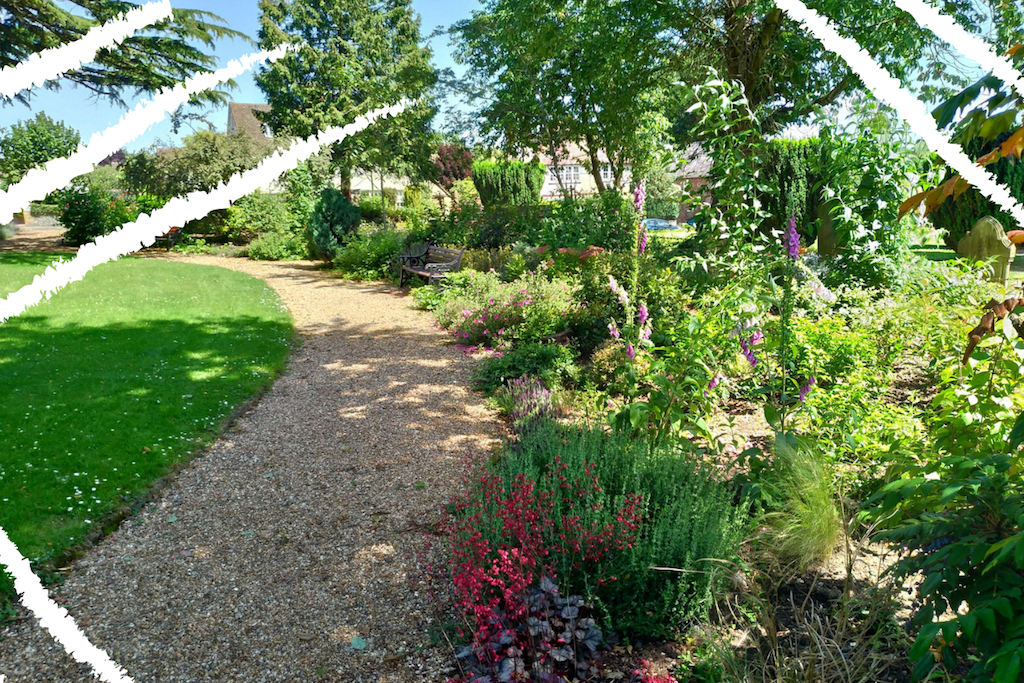
Nope, in landscaping lingo, the term ‘bones’ means a type of architectural framework that defines the structure of a garden. It can be a singular focal point standing proudly on its own or different features around the garden, used to move the eye from one corner of the garden to another. These can be ‘hardscape’ elements such as a lovely arbor, a swing or even a water piece shrubs. Even paths, an oft neglected feature of even a well-groomed garden, can form the bones of a garden.
By giving the garden path a good sweep, trim and clean you’ll create another focal point, as well as creating more borders. That all important definition and framing is the key to garden success, we think.
Dwarf Evergreens & Small Shrubs Everywhere
A what now? Yes dwarf evergreen gardens are actually a thing. Indeed, we like to think of them as garden stalwarts. They are ideal for planting in beds and borders and although this type of plant bed takes a little while to establish itself, once they’ve grown into their own, they require only a little maintenance.
Just go into your gardening centre and ask to see ‘dwarf selections such as bird’s nest spruce’; that’s Picea abies‘Nidiformis to those terminology minded. If you’re after a garden with lots of structure and a particularly well-groomed look, consider planting box (Buxus). This is a compact and versatile evergreen shrub that many landscape gardeners rely on to give that manicured look.
Though this might all be a common language for gardening enthusiasts who are as dictionary-fingered as they are green, if you find yourself totally perplexed by all the different varieties and latin names, then just admit that it might be time to call in a professional landscape gardener.
We all coo and swoon over a garden space illuminated with twinkling fairy lights and ambient lighting, yet never have the volition to do it ourselves. To really bring your garden’s design scheme to life after dark, amp up your outdoor space with some great lighting. Running with a theme, a well lit path is both welcoming, functional and oh-so pretty, and the same goes for step lighting.
Consider highlighting focal points like trees and those aforementioned shrubs for an absolute orgy of illumination. We love stringing fairy lights from a tree – there is something magical in their simplicity – and you can never go wrong with some cleverly placed lanterns.
Define Your Lawn
‘Minimal spend, maximum results’ should be the mantra when giving your garden a makeover, and redefining your lawn only takes a bit of manpower and a borrowed mower to stay true to that ethos.
A clearly defined shape for the grass in your garden – for instance, in a circle or rectangle with straight, clean lines – may sound like a basic step, but is one which completely reinvigorates the space. Further frame the space by digging a shallow rim around it, and consider surrounding the area with plants for truly maximum results.
Add Vertical Interest With Container Magic
Sometimes the best garden transformations happen when you think outside the traditional flower bed box. Container gardening isn’t just for those with tiny balconies – it’s a brilliant way to add instant colour and height to any outdoor space. Stack different sized planters to create tiered displays, or use tall containers to frame doorways and garden entrances.
The beauty of this approach is its flexibility; you can move containers around until you find the perfect arrangement, and swap out seasonal plants as the mood takes you. Large ceramic pots filled with ornamental grasses create drama, whilst a collection of smaller containers bursting with herbs near your kitchen door adds both practicality and charm. As noted at this year’s GroundsFest landscaping show, “Container gardening allows you to experiment with colour combinations and plant partnerships without the commitment – it’s like having a constantly evolving garden gallery.”
Water Your Way To Tranquillity
Nothing transforms a garden quite like the gentle sound of trickling water, and you don’t need to hire a team of specialists to achieve it. A simple water feature can become the crown jewel of your outdoor space, drawing both wildlife and admiring glances from visitors.
Consider a small solar-powered fountain that requires no complicated wiring, or create a DIY bird bath using an attractive large shallow dish elevated on a plant stand. For the more ambitious, a small pond using a pre-formed liner can be installed over a weekend. The key is choosing a feature that suits both your space and maintenance preferences. Even something as simple as a large glazed pot filled with water and floating plants can create that coveted zen-like atmosphere we all crave after a long day.
Create A Designated Chill-Out Area
Add a touch of style to your garden with a chill-out area. This style of seating creates a focal point that you can design the rest of your garden around, helping you to figure out where to place your pots and hang those whimsical fairy lights. Creating such a space will also encourage you to spend more time in your newly landscaped garden, which is the whole point of making it nice, right?
We think it’s fair to say that Sacramento doesn’t always top a tourist’s California bucket list. Most visitors pass through en route to San Francisco’s fog-shrouded hills or Lake Tahoe’s alpine splendour, dismissing the state capital as a bureaucratic pit stop. This couldn’t be more wrong.
California’s political heart has established itself as one of America’s most exciting food cities, earning recognition as the self-proclaimed Farm-to-Fork Capital through its innovative culinary scene and unrivalled larder.
Beyond the impressive dining offerings, Sacramento provides genuine Gold Rush history, a thriving craft beer culture, and enough outdoor pursuits to justify a weekend visit. With over 270 days of sunshine annually and prices that won’t have you checking your overdraft every time you flash the plastic, it’s an ideal base for exploring Northern California.
Whether you’re breaking your journey before tackling the Sierra Nevada or decompressing after San Francisco’s intensity, these 48 hours will likely become the surprise highlight of your California adventure.
Day 1: Gold Rush History & Farm-to-Fork Flavours
Morning: Coffee Culture & Capitol Grounds
Begin your 48 hours in Sacramento at Temple Coffee (the 1010 9th Street location is our favourite), where the city’s serious coffee culture becomes immediately apparent. This local institution consistently makes lists of America’s best roasters, serving single-origin brews that rival anything Portland produces. Order a cortado and a pastry, then walk five minutes to the State Capitol building.
The Capitol grounds merit thorough exploration – 40 acres housing trees from across the globe, each meticulously labelled for botanical enthusiasts. The International World Peace Rose Gardens provide Instagram-worthy backdrops, whilst the California native plants section offers a preview of the state’s remarkable biodiversity. If you arrive before 10am, you can join a free tour of the Capitol building itself. Just book online or walk up. Please be aware that the museum is closed at the weekends (though the grounds are still very much there for getting lost in).
For a substantial breakfast, head to Café Bernardo (2726 Capitol Avenue) in midtown, a local favourite since 1990 that sources ingredients locally. Their Breakfast Burrito never disappoints, though arrive early as queues form by 9am, especially at weekends.
Photo by Vitaliy Haiduk
Midday: Old Sacramento & Railway Heritage
Take a short walk to Old Sacramento Waterfront, a 28-acre historic district that recreates the Gold Rush era without feeling like a theme park. The wooden sidewalks and period buildings house legitimate museums and proper restaurants, not tourist tat.
The California State Railroad Museum (111 I Street) demands at least two hours. At £9 for adults, it’s brilliant value for what’s genuinely one of America’s finest transport museums. The restored locomotives include dining and sleeper cars you can walk through, bringing the romance of transcontinental rail travel to vivid life. The audio guide, narrated by various historical characters, explains how the railroad transformed California from frontier territory to economic powerhouse.
If you haven’t eaten, pop to The Firehouse Restaurant (1112 2nd Street), housed in an 1853 firehouse where Sacramento’s volunteer fire department once operated. Their lunch menu features locally sourced ingredients at reasonable prices, and the historic setting creates excellent atmosphere.
Sacramento’s recognition as America’s Farm-to-Fork Capital reflects genuine commitment – the Central Valley’s fertile soil produces much of America’s fresh produce, and local chefs have built an impressive culinary scene around this abundance.
Start at Mulvaney’s B&L (1215 19th Street), housed in a restored 1893 firehouse. Chef Patrick Mulvaney changes the menu daily based on what local farms deliver, visiting farmers’ markets up to six times weekly during peak season to assess ingredients. The restaurant’s commitment extends beyond sourcing – Mulvaney travels to the Central American coffee farm they work with. Expect dishes like duck breast with seasonal stone fruits or house-made pasta with foraged mushrooms, depending on the day’s harvest. Booking essential.
For something more casual, explore the Midtown Farmers Market (20th Street between J and K Streets) if you’re visiting Saturday. Recently ranked California’s number one farmers’ market and third best in America, the variety is staggering – everything from heirloom tomatoes to locally made artisan cheeses. Even non-cooks will appreciate wandering through stalls that showcase the region’s agricultural bounty. The market operates 8am-1pm year-round.
If you fancy a drink, head to Fieldwork Brewing Company (1805 Capitol Avenue) for excellent modern IPAs and sours. This Sacramento-born brewery occupies a converted warehouse space, and the industrial atmosphere creates genuine brewery vibes. They often have food trucks parked outside if you need a snack.
Evening: River Views & Local Flavours
For dinner, book ahead at Michelin recommended Canon (1719 34th Street) in East Sacramento. This tiny restaurant earned a Michelin Bib Gourmand award for innovative shared plates using regional ingredients. Chef Brad Cecchi’s seasonal menu might feature vibrant vegetable preparations or beautifully plated meats from local ranches. The natural wine list champions small producers, and the upscale-casual vibe strikes the right balance between serious food and relaxed atmosphere.
Alternatively, if you’re after something more traditional, head to Frank Fat’s (806 L Street), a Sacramento institution since 1939 that also earned Michelin recognition. Their Chinese-American menu has remained largely unchanged for decades, and politicians still conduct business over their famous banana cream pie.
End your evening at Old Ironsides (1901 10th Street), Sacramento’s legendary live music venue where touring acts have played since 1982. The venue’s intimate atmosphere and quality sound system guarantee an excellent Sacramento night out. Check their listings – you might catch anything from indie rock to jazz.
Morning: Neighbourhood Breakfast & River Activities
Begin day two exploring East Sacramento, the city’s most liveable neighbourhood. Start with breakfast at Pushkin’s Kitchen (1820 29th Street), where farm-fresh comfort food meets wallet-friendly prices. Their avocado toast topped with local eggs or quinoa bowls packed with seasonal vegetables exemplify Sacramento’s approach to healthy, affordable dining. The bright, airy space fills with locals by 9am, so arrive early.
From East Sacramento, it’s a short bike ride or drive to the American River Parkway, a 32-mile stretch of riverside paths perfect for cycling or walking. Sacramento’s position in the heart of Northern California makes it an excellent starting point for California tailor made holidays, with easy access to both mountain and coastal regions.
Note that Sacramento Bike Kitchen (1915 I Street) is a DIY repair cooperative rather than a rental shop – for bike rentals, try Sacramento Bicycle Works (1415 L Street) downtown instead. Alternatively, simply stroll along the water where the Parkway offers peaceful urban nature, and you might spot deer, wild turkeys, or even salmon during spawning season.
For the more adventurous, rent kayaks or paddleboards at Lake Natoma (Folsom Lake State Recreation Area), about 20 minutes east of downtown. Lake Natoma Paddle Rentals (9698 Greenback Lane, Folsom) offers single kayaks at £15/hour or tandem kayaks at £23/hour. The calm water and scenic surroundings create ideal conditions for beginners, whilst the proximity to Folsom’s historic district provides lunch options afterward. Note that rentals operate seasonally from May through October only.
Midday: Cultural Quarter & Vietnamese Flavours
Return to downtown for lunch in Little Saigon, Sacramento’s thriving Vietnamese community centred along Stockton Boulevard. This area provides authentic experiences without tourist pricing. Pho Bac Hoa Viet (6645 Stockton Boulevard) serves excellent pho with a lengthy menu covering everything from vermicelli bowls to grilled specialities. Their portions are generous, and prices rarely exceed £8.
For dessert or afternoon coffee, visit Ginger Elizabeth Chocolates (2413 J Street, Suite 120) in midtown. The artisan chocolatier relocated to this new space in June 2025, and using local fruits and dairy, they create everything from peach sorbet to lavender-honey truffles. Their small-batch approach highlights regional flavours, making it an ideal stop for Sacramento souvenirs that actually taste good.
Afternoon: State Fair Legacy & Craft Brewing
If you’re visiting during late July (July 11-27, 2025), Cal Expo (1600 Exposition Boulevard) hosts the California State Fair, one of America’s largest agricultural celebrations. Otherwise, explore the nearby Discovery Park, where the American and Sacramento Rivers meet. The park offers walking trails, picnic areas, and river access for swimming during warmer months.
For craft beer enthusiasts, Sacramento punches well above its weight. Urban Roots Brewing & Smokehouse (1322 V Street) pairs local brews with smoked meats in a converted warehouse space. Their outdoor seating area, complete with fire pits and lawn games, epitomises Sacramento’s laid-back atmosphere. Try their flagship IPA alongside brisket that’s been smoking for 14 hours.
Alternatively, head to West Sacramento for Drake’s The Barn (985 Riverfront Street), occupying a striking two-acre site along the Sacramento River. This architectural landmark features a beer garden, meadow seating, and regular events like S’mores & Stouts nights. The location provides beautiful river views, especially during golden hour.
Evening: Michelin-Starred Farewell
For your farewell dinner, if you can secure a reservation, book The Kitchen Restaurant (915 Broadway, Suite 100). This Michelin-starred establishment offers an interactive dining experience around a communal table where you observe chefs prepare each course whilst sharing stories about ingredients’ origins. The six-course tasting menu changes nightly based on local farm deliveries, and the theatrical presentation creates memorable dining theatre. Expect to pay around £140 per person plus service charges, though the experience proves worthwhile.
For something more casual but equally impressive, Hawks Public House (1525 Alhambra Boulevard) in East Sacramento earned Michelin Guide recognition for sophisticated gastropub fare. Their menu features local ingredients in dishes like roasted Delta asparagus with burrata or grass-fed beef tartare from regional ranches. Seasonal offerings pair with local wines and craft beers, ensuring freshness in every bite. Hawks’ elegant yet approachable atmosphere makes it ideal for visitors wanting high-end farm-to-fork dining without pretension.
End your Sacramento weekend at Golden 1 Center if the Sacramento Kings are playing – the arena’s impact on downtown revitalisation has been remarkable, and game nights create electric atmosphere. Otherwise, explore the midtown arts district where venues like Harlow’s (2708 J Street) host everything from indie bands to DJ sets in intimate settings. Alternatively, catch a movie at The Crest, an historic theatre in downtown Sacramento.
Neighbourhood Know-How: Where To Stay In Sacramento
Choosing your Sacramento base depends on whether you prioritise downtown convenience, neighbourhood charm, or budget considerations.
Downtown appeals to first-time visitors wanting walkable access to restaurants, attractions, and nightlife. The Citizen Hotel (926 J Street), housed in a beautifully restored 1920s building, combines historical character with modern amenities. Their restaurant, Grange, showcases farm-to-fork ingredients, providing local dining without leaving the hotel. Rooms start around £120 nightly. Note that The Citizen doesn’t offer shuttle services, so you’ll need alternative transport to the airport.
For boutique charm, Kimpton Sawyer Hotel (500 J Street) occupies a prime downtown location with contemporary design and a rooftop pool. Their pet-friendly policy and evening wine hour create welcoming atmosphere, whilst the central location puts everything within walking distance. Like The Citizen, no shuttle service is provided.
Midtown suits those seeking Sacramento’s creative heart. This neighbourhood houses the city’s best restaurants, bars, and cultural venues within tree-lined streets of Victorian homes. Short-term rental options abound, from converted Craftsman houses to modern lofts, typically costing £60-120 nightly depending on size and amenities.
East Sacramento attracts visitors wanting residential calm with easy downtown access. This leafy neighbourhood features some of Sacramento’s best restaurants and peaceful riverside locations. The area works well for longer stays or those planning day trips to surrounding regions.
Budget travellers should consider hotels near Sacramento International Airport, about 20 minutes from downtown. Properties like Hyatt House Sacramento Airport offer modern amenities at lower prices, with complimentary 24/7 shuttles to the airport and rental car facilities for exploring beyond the city.
Forty-eight hours in Sacramento reveals why food writers and travel journalists increasingly sing the city’s praises. From the farm-to-fork restaurants earning national acclaim to the Gold Rush history preserved without Disney-fication, Sacramento offers authentic American experiences without tourist crowds or San Francisco prices.
Those with more time should explore the Sierra Nevada foothills for wine tasting, Nevada City for Victorian charm, or the Napa Valley for world-class viticulture. Sacramento’s central location makes it an ideal base for exploring Northern California’s diverse attractions, from Lake Tahoe’s alpine beauty to Mendocino’s rugged coastline.
But Sacramento’s real appeal lies in its unpretentious confidence. This is a city comfortable in its own skin, where Michelin-starred chefs shop at farmers’ markets alongside local families, where craft breweries occupy converted warehouses, and where the state’s political business mingles with genuine cultural innovation. Just don’t blame us when you find yourself researching California property prices before your plane takes off.
You only have to set foot in a UK city centre (or watch those two rather incongruous Masterchef episodes of each series) to know that street food has transformed British dining culture. Markets once known for greasy burgers and limp hot dogs now buzz with globally-inspired dishes, cooked fresh and served with flair.
For aspiring food entrepreneurs, market stalls offer an enticing first step into the industry – lower risk than a restaurant, higher margins than delivery, and the chance to build a loyal following face-to-face.
But success in the street food scene demands more than just good cooking. The most prosperous traders understand their margins down to the penny, master prep-to-service flow, and choose dishes that balance profit with passion.
Here’s our deep dive into the street foods that offer serious returns while keeping the crowds coming back for more.
Korean Fried Chicken
Korean fried chicken is the current golden child of street food. Selling for at least £10 a portion and with costs of around £2, the margins are undeniable.
The secret lies in the double-fry technique – first at a gentle 150°C for thorough cooking, then a final blast at 180°C for that signature crunch. Those moreish sticky sauces are cheap to make in bulk. Most traders marinade their chicken overnight in buttermilk and gochugaru, then double-fry at different temperatures.
Equipment needs careful consideration: a good double-basket fryer (£1,800-2,200), a reliable warming cabinet for sauces (£400-600), and a commercial rice cooker (£300-400) for the essential side dish.
Many successful traders add a second fryer within months, doubling their capacity during peak times. The first fry can be done during prep, with the final fry during service ensuring that perfect crunch.
Fish tacos might sound fancy, but they’re a profit machine. One fresh fillet yields four tacos, each selling for £4. White fish like cod or haddock works perfectly, and the batter can be made unique with additions like Mexican beer or tempura-style lightness. The real genius is in the extras -house-made hot sauces cost pennies to produce but drive fierce customer loyalty.
The essential setup includes a flat-top grill (£800-1,000) or commercial fryer (£1,500-1,800), plus good refrigeration for fresh elements. A prep station with wells for different toppings (£400-500) keeps service flowing smoothly. Look for equipment that’s easy to clean – those fresh salsas and slaws need frequent rotation.
Banh Mi
Bánh mì requires minimal cooking equipment but delivers maximum flavour and profits. These beloved Vietnamese baguettes are packed with pickled veg and marinaded meat, with production costs around £1.50 commanding £7-8 per sandwich at a minimum. Most of the prep can be done before service -the pickled carrot and daikon that give each bánh mì its signature crunch cost almost nothing to make in bulk and keep for days.
Equipment needs focus on storage and prep: a good commercial fridge (£600-800), vacuum sealer for marinades (£200-300), and proper prep surfaces. A small grill or flat-top (£500-700) handles the meat perfectly. Many successful traders use a warming cabinet (£300-400) to keep bread crisp during service.
One key point; it’s famously difficult to perfect the bread for banh mi. It’s wise, then, to outsource production to a dedicated Vietnamese bakery, if you’re lucky enough to have one near.
Dumplings have become a market staple for good reason. Whether they’re Japanese gyoza or Chinese jiaozi, the production cost per unit is around 30p, while they sell for £1.50-2 each or £6-7 for a larger portion. The magic lies in batch preparation – a day’s work can yield hundreds of dumplings that freeze beautifully.
Essential equipment includes a high-quality flat-top grill (£800-1,000), steamer baskets, and a good freezer system. Many traders invest in a vacuum packer (£200-300) for storing prepped dumplings. The real profits come from the dipping sauces – soy, chilli oil, and vinegar bases that cost pennies per portion.
Arepas
Arepas, those irresistible Colombian/Venezuelan corn pockets, are another UK street food hidden gem. The dough costs pennies to make using pre-cooked cornmeal (masarepa), water, and salt. They can be stuffed with anything from cheap black beans to premium pulled pork, with production costs around £1.50 and selling prices of £6-8.
A commercial griddle (£600-800) is essential, along with a good prep station (£300-400) for fillings. Many traders add a sandwich press (£200-300) for perfect finishing. Hot-holding equipment for fillings becomes crucial during busy service.
Onigiri
Japanese rice balls, onigiri, offer remarkable margins. Even with premium fillings like salmon or umeboshi, each one costs under £1 to make and sells for £3-4. Equipment needs stay minimal: a professional rice cooker (£300-400), moulding equipment, and good storage solutions. Many traders add a small grill for yaki onigiri variations.
Biriyani
Proper biryani, while requiring more initial prep, commands premium prices of £8-10 per portion with costs around £2-2.50. The key is cooking in bulk and having an efficient reheating system during service. Rice and spices are cheap when bought in bulk, and even with good quality meat, the per-portion cost stays low.
Essential equipment includes specialist biryani pots (£200-300 each), quality rice cookers (£400-500), and efficient hot-holding systems (£600-800). Temperature control becomes crucial – invest in good thermometers and storage solutions.
Essential Practicalities
The backbone of any successful budding food business lies in its infrastructure. Storage demands careful planning – you’ll need prep kitchen space (from £150/week) with adequate refrigeration, dry storage, and prep areas. On-site storage requires military precision: map out your stall layout considering prep space, service flow, and storage access.
Weather protection isn’t optional in British markets. Professional-grade gazebos start at £300, but consider investing in a heavy-duty model (£500-700) with removable sides (£150-200). Weights are essential – proper gazebo weights (£100) prevent disaster on windy days. Many successful traders add vinyl banners (£80-120) for brand visibility and extra weather protection.
Smooth payment processing is key to providing a great customer experience. A portable card reader provides a reliable solution for vendors. Mobile signal can be patchy in some locations, so it’s worth considering a mobile WiFi hub (£20-30/month) for reliable connectivity.
Power management can make or break your service. Markets vary in their electrical provision – some offer 16A or 32A supply (£10-20/day), others require generators. A reliable generator (£800-1,000) needs careful consideration: factor in fuel costs (£15-20/day), maintenance, and noise levels. Always have a backup power plan.
Transportation evolves with your business. Many start with daily van hire (£50-80), but dedicated vehicles become essential for growth. Refrigerated vans start at £15,000, though leasing (£300-400/month) offers a gentler entry point. Consider payload carefully – equipment, stock, and infrastructure add up quickly.
Documentation requires methodical organisation. Beyond the basics – food safety certificates (Level 2 minimum, £150), public liability insurance (£300-500 annually), and market trading licences – consider additional certifications that add value. Gas safety certificates (£100-150) for LPG equipment need annual renewal. Many successful traders add food safety management systems (£200-300) to streamline compliance.
The Bottom Line
The beauty of all these options is their scalability. Start with one dish done perfectly, then expand your menu as you find your feet. The most successful traders often begin with a single, perfectly executed dish rather than trying to do everything at once.
Remember, all these dishes need proper storage solutions both in your prep kitchen and on-site. Investment in good quality equipment will pay for itself – cheap solutions often lead to expensive problems down the line. Factor in adequate refrigeration, hot-holding equipment, and prep space when planning your setup.
Street food, at heart, rewards both passion and pragmatism. Invest in quality where it matters, find efficiencies where possible, and always keep learning from your market experience. The most successful traders balance creativity with careful planning, building sustainable businesses one perfectly served dish at a time.
For many of us, holidays represent precious moments of escape from our busy lives – carefully saved for, meticulously planned, and eagerly anticipated. Whether it’s a family’s annual summer break with limited dates around school terms, a couple’s romantic getaway planned around special occasions, or a solo traveller’s adventure fitted between work commitments, these trips often represent significant investments of both time and money.
That’s why travel disruptions can be so devastating. Beyond the immediate stress and frustration, delays and cancellations can eat into valuable holiday time, lead to missed connections, and create a domino effect of disrupted plans – from lost hotel bookings to cancelled tours. With 40% of worldwide travellers having been affected by delays of more than an hour in 2023 and 30% experiencing cancellations in the UK according to TravelPerk data, the impact on travellers is significant. For families especially, with limited holiday windows and multiple tickets to rebook, disruptions can turn an anticipated break into a costly nightmare.
While we can’t completely eliminate the risk of travel disruption, making informed choices during the booking process can significantly reduce your chances of experiencing problems. Here’s how to set yourself up for success before you even pack your suitcase.
Consider booking mid-week flights on Tuesday, Wednesday, or Thursday, when airports typically operate with smaller crowds and fewer disruptions. Early morning departures are particularly reliable, as they’re less likely to be affected by the knock-on effects of earlier delays. If possible, avoid peak holiday periods like school breaks and bank holidays, when airports and airlines operate at maximum capacity. Direct flights, though sometimes more expensive, can significantly reduce your risk of disruption by eliminating connection complications.
Weather plays a crucial role in flight reliability, so consider seasonal patterns when booking your travels. The Met Office notes that winter flights often face more delays due to necessary safety measures in fog, snow, and ice conditions. Before booking, research typical weather patterns at both your departure and arrival destinations. Consider travelling during shoulder seasons, when weather is typically stable but crowds are smaller, making for a more reliable journey overall.
If you must travel during potentially challenging weather seasons, book morning flights to reduce the risk of accumulated delays throughout the day. When planning winter travels, allow longer connection times – what might seem like an overly cautious buffer could prove invaluable during adverse weather conditions.
Pick Your Routes Carefully
The choice of airport and route can significantly impact your journey’s reliability. Larger hubs, while offering more flight options, often experience more delays due to their sheer volume of traffic. Consider flying from smaller airports, which typically have fewer delays due to reduced congestion. When selecting your route, look for options with multiple daily flights – this provides more rebooking alternatives if disruption occurs.
Research your chosen airport’s transport links and nearby accommodation options before booking. A well-connected airport with good hotel options can be invaluable if you encounter unexpected changes to your travel plans.
Book Smart With Insurance & Flexibility
Protecting your booking from the start can save considerable stress later, and providers offer travel insurance policies tailored to include coverage for both delays and cancellations. Book with airlines known for good customer service and reliable operations, and consider opting for flexible tickets that allow free changes. Booking directly with airlines, rather than through third parties, often leads to smoother problem resolution if issues arise.
A comprehensive travel insurance policy, purchased at the time of booking, can provide vital protection against unforeseen circumstances. Consider using a credit card that offers travel protection benefits for an extra layer of security.
Plan Your Airport Journey In Advance
Even with the perfect flight booking, getting to the airport needs careful consideration. Check public transport reliability to your departure airport and consider pre-booking airport parking if driving. For very early departures, an airport hotel can transform a stressful rush into a relaxed start to your journey. Research typical security wait times at your chosen airport and terminal to avoid unnecessary anxiety about making your flight.
What To Do If Your Flight Is Delayed Or Cancelled
Despite our best planning efforts, sometimes disruptions are unavoidable. Picture this: you’re at the airport with excited children who’ve been counting down the days to your family’s annual summer break, or you’re trying to make it to a friend’s wedding abroad, when the dreaded ‘delayed’ notification appears on the board. It’s a situation that can test anyone’s patience, but knowing how to handle it can make all the difference.
3 hours or more for flights between 1,500km and 3,500km
4 hours or more for all other flights
This entitlement includes food, drink and access to communications, plus accommodation and transfers if the flight is delayed until the next day or later. Delayed flight compensation is also available under certain conditions. Remember, you’re not alone in this situation – airline staff deal with these scenarios daily and are there to help. While waiting, try to keep yourself and any travel companions comfortable and occupied. Many experienced travellers pack a ‘delay kit’ with snacks, entertainment, and essential overnight items in their hand luggage, just in case.
While careful planning can significantly reduce your risk of travel disruption, maintaining flexibility in your approach is crucial. Keep important contact details easily accessible, download relevant airline and airport apps, and save offline copies of all booking confirmations. A little preparation and the right attitude can help turn potential travel hiccups into manageable situations rather than holiday disasters, ensuring your flight is as stress free as possible and your holiday largely unaffected by the initial hiccup.
Remember, whilst thoughtful planning can significantly reduce your risk of travel disruption, some factors will always be beyond our control. The key is to make informed choices during the booking process to minimise risks where possible, while ensuring you’re well-protected if things don’t go according to plan.
If someone were to ask you what your watch does, we wouldn’t blame you for assuming that they were three hands short of a timepiece. Because it tells the time, of course, nothing more, nothing less, and don’t ask me again.
But let’s be honest, to many a watch is so much more than a functional device designed for timekeeping. It’s a fashion accessory, a statement of intent, a health checker, alarm setter, peace wrecker and so much more. From the boardroom to the beach, from vintage heirlooms to cutting-edge smartwatches, your timepiece can be your most versatile companion. The question more aptly posed should be; is there anything that thing can’t do?
So, whether you have a real deal haute horology timepiece or have been shopping in Bangkok’s markets for something off the factory floor, here’s how to get the most out of your watch, whatever its style.
Don’t Underestimate What Your Watch Can Do
We’ve already established that a watch isn’t simply for time telling, but it’s also true that all watches weren’t created equal. Indeed, there are certain watches which have more features than others (many of which lay undiscovered for a lifetime) as well as design elements and aspects which set them apart from the rest.
Probably the most commonly misunderstood element is the watch’s chronograph. The chronograph allows you to measure time when it elapses, but can also track GMT (pretty handy if you travel a lot and switch time zones). Take the Breitling Navitimer, for instance – its slide rule bezel can calculate fuel consumption, climb rates, and even currency conversions, yet most owners never venture beyond using it as a standard timepiece.
Modern complications go far beyond simple chronographs. Moon phase indicators, found in pieces like the Jaeger-LeCoultre Master Ultra Thin Moon, track lunar cycles with remarkable precision. Perpetual calendars account for leap years without adjustment until the year 2100. Even something as seemingly simple as a rotating bezel on a diver’s watch serves multiple purposes – from timing your parking metre to perfectly cooking pasta.
In general, a watch’s merit is measured depending on its complexity, in addition to its aesthetic appeal, design, heritage, and construction. If you have a complicated watch, try to at least find out what it can do – and take advantage of it accordingly. Many manufacturers now offer apps and online tutorials to help you master your timepiece’s full potential.
Form Follows Function (Or Does It?)
Well, in the watch world, perhaps not. But before you go shopping for new wrist candy, you’ll need to decide exactly what you want from your watch. In the modern world, it’s unlikely you’re going to be genuinely reliant on it to keep time, though of course it needs to do that accurately to keep up the façade that it’s something more than glorified jewellery.
The key is understanding the watch categories and what they excel at. Field watches, originally designed for military use, offer superb legibility and durability – perfect for outdoor adventures. Dress watches prioritise elegance and understatement, sliding effortlessly under a shirt cuff. Sports watches balance robustness with style, whilst tool watches like the iconic Rolex Submariner were built for specific professional tasks but have transcended their original purpose to become luxury status symbols.
If you’re looking for your watch to do more for you, like monitor your steps, your heart rate, serve as an alarm and the rest, then obviously a smartwatch is a smart choice. The latest Apple Watch or TAG Heuer Connected series merge traditional Swiss craftsmanship with Silicon Valley innovation. If you’re seeking precision for the sake of training or work, then something durable and digital is your best bet. But more often than not, the watch’s appearance and level of comfort are the dealbreakers. In this case, form triumphs over function.
A Watch For Every Occasion
Wardrobe over wrist, or so the mantra should so often suggest. Because watches can complete your look and showcase your personal sense of style in a way few other accessories could ever hope to. And just as you own more than one pair of shoes worn suitably for different occasions, so you should also consider owning more than one watch.
The concept of a ‘watch collection’ isn’t just for aficionados anymore. Even with a modest budget, you can build a versatile selection. Start with the basics: a stainless steel sports watch on a bracelet works for casual Fridays and weekend brunches. Add a dress watch with a leather strap for formal events or business functions – something like an Omega De Ville or a vintage-inspired piece offers timeless sophistication. For the adventurous, a G-Shock provides indestructible functionality without breaking the bank.
If splurging on several timepieces seems frivolous (us too) then you can comfortably get away with owning just two. Something simple for the daytime, such as bracelet strap pilot watches, and something more dressy for the evening. This generally equates to either a silver or gold case, a beautiful leather strap, and dials which are subtle and understated. The beauty of modern watch design is its versatility – a well-chosen piece can transition from office to opera with just a strap change.
Switch Up Your Straps For Seasonal Style
Watches can reflect the seasons, your mood, or the occasion, just like clothing. That being said, a chunky chronograph watch will not go with a black-tie event, and neither will a leather-strap watch look or feel appropriate for a day at the beach.
For the upcoming warmer seasons, you’d do best with a NATO strap since this fabric is a lot more comfortable and handles a sweaty wrist well. Originally designed for military use, NATO straps have become a fashion statement in their own right, available in countless colours and patterns. James Bond’s Omega watch, as Seamaster on a striped NATO strap, sparked a trend that shows no signs of slowing.
For the beach, though, the best type of watch strap is one which is made from silicone or rubber, and you can easily find them on divers’ watches as well, which means you won’t need to worry about making the watch wet. Autumn calls for rich leather in cognac or burgundy tones, whilst winter might see you reaching for a robust metal bracelet or even a sophisticated mesh band.
The strap game has evolved considerably – quick-release spring bars mean you can transform your watch’s personality in seconds. Brands like Tudor and Oris now include multiple strap options with their watches, acknowledging that versatility is key to modern watch ownership.
Take Care Of Your Timepiece Like The Investment It Is
No matter the worth of your watch, it’s a piece of jewellery and should receive the proper care and attention such a title suggests. A good quality watch will even increase in value (unless it’s a fake of course) as time goes by, especially if you keep its inner and outer workings in top condition. This is even more pertinent if your timepiece belonged to someone else in the family, passed down as an heirloom and as such, holds sentimental value.
Regular servicing is crucial – mechanical watches should visit a qualified watchmaker every 3-5 years, much like a car needs its MOT. Between services, simple maintenance makes all the difference. Keep your watch away from magnets (they can affect the movement), avoid extreme temperature changes, and give it a gentle wipe with a microfibre cloth weekly to prevent grime build-up.
For automatic watches, consider a watch winder if you rotate between pieces – it keeps the movement running and lubricants distributed. Store your watches properly too; a dedicated box or roll prevents scratches and damage. If your watch is water-resistant, have the seals checked annually, especially if you regularly swim or dive with it.
Remember, scratches and patina can add character – many watch collectors prefer the ‘honest wear’ that tells a story. However, there’s a difference between characterful ageing and neglect. With proper care, your watch won’t just keep time; it’ll become a treasured companion that might one day grace the wrist of the next generation.
Indeed, much like an engagement ring, a quality timepiece often marks life’s significant moments and carries deep emotional value beyond its material worth.
The Bottom Line
Whether you’re sporting a £50 Casio or a £50,000 Patek Philippe, your watch is more than just a time-telling device. It’s an extension of your personality, a practical tool, and potentially a wise investment. Understanding its capabilities, choosing the right piece for the right moment, and maintaining it properly ensures you’ll get the maximum enjoyment and value from your timepiece. After all, in an age where we’re surrounded by screens telling us the time, choosing to wear a watch is a conscious decision – so make it count.
Bad kitchen lighting can lead to all manner of mishaps. Perhaps you’ve struggled to notice the fly swimming in your soup as you serve it unknowingly at a dinner party? Maybe you’ve sliced off a portion of your thumb tangling with a mandoline, just as dusk fell? Or, have you been temporarily blinded by a glaring overhead light, dropping your groceries on the floor and smashing a dozen eggs in the process?
We’ve all been there. Whilst some of us are comfortable styling it out, claiming the fly was simply garnish or that we never liked our thumb anyway, the majority will, quite rightly, blame the ill-thought out or insufficient lighting in their kitchen.
Blame no more. Today, we’re exploring how to show your kitchen in its best light, whatever the time of day or occasion.
Make Use Of Natural Light
There is, quite simply, no substitute for the clean, elegant flow of natural light. Able to give the impression of more space and cleanliness, save you on electricity bills, and even lift your mood, there’s no room which benefits more from natural light than the kitchen, whose typically pale, neutral colours respond just perfectly to sunlight.
To encourage more natural light in your kitchen, there are a few simple things you can do. Consider hanging a mirror opposite the main source of natural light, re-paint your kitchen in a bright, reflective shade, and make sure that you’ve no appliances or kitchen ornaments obscuring the window.
We’re also fans of mirror splashbacks. Made from toughened glass, mirror splashbacks designed for the kitchen are heat resistant and completely safe to use behind your hob. Not only do they reflect natural light and make your kitchen look bigger, but their useful for protecting those brightly coloured walls from sauce stains.
For some, the kitchen is a purely functional space; compact, tight and solely used for food prep and storage. For others, however, it’s a space of socialising, soul-nourishment and feeding, where the family gather to right the wrongs of their day and write the plans of their future, all over a delicious home cooked meal.
The way you light your kitchen should inform how you light it. If you use your kitchen for cooking only, then the lighting should be fairly stark and largely overhead, to help you cook with precision.
Should your kitchen be more adaptive, morphing from a study space to a sophisticated dining room, then you’re going to need more room for flexibility. In such cases, consider utilising pendant or accent lights for your kitchen lighting needs, helping you illuminate the tasks or spaces according to the time of day and occasion.
Give Yourself Ambient Options
Okay, so we realise that we just recommended fairly stark lighting for when you’re focused on your cooking. For all other times, however, it’s a good idea to have some ambient lighting options available in your kitchen, to adapt your illumination needs to your mood.
Ambient lights help add personality, warmth, and tenderness to a room which can sometimes feel a little clinical and impersonal. They’re also more effective in reaching out to the room’s darker corners and inviting them to join in.
Floor lamps, table lamps, candles, and recessed lighting are good options, and are visually pleasing to boot. You can use them to give attention to decorative items such as plants, wall art, sculptures, and paintings, as well as to the kitchen gadgets you’re especially proud of!
IDEAL Tip: Lighting objects from behind can help them stand out. Casting indirect light on beautiful objects adds a little extra punch, with the effect of light emitted from below on transparent or translucent things, such as glass, being particularly eye-catching in the kitchen.
Use A Standout Shade Or Even A Chandelier To Make A Statement
Who says that your kitchen lighting has to be tasteful or muted? A chandelier can instantly transform a space with a bold and often brash statement, but if that’s your thing, then embrace it!
A chandelier isn’t just for fancy stately homes; they actually fit nicely in a kitchen and don’t have to cost a fortune. Able to hang nicely over a dining table or island countertop, they serve as a great centrepiece to complement the room and useful talking point for when dinner party conversation dries up.
Don’t Sacrifice On Quality When It Comes To Kitchen Lighting
Cheap lighting doesn’t last long and can be harmful to your eyes in its harshness, particularly in a room with more reflective surfaces than most. On top of that, cheap lighting can often lack a little nuance, showing those sauce stains on your walls in their worst light. Which no one wants, quite frankly…
When picking the right lighting, you should focus on something called CRI – the Colour Rendering Index. It tells you how different colours can appear under the light source. It’s generally considered best by industry insiders to go for lighting with a CRI rating starting from 80.
Focus On Task Lighting For Work Zones
While ambient lighting sets the mood, task lighting is the workhorse of kitchen illumination. Under-cabinet LED strips are perhaps the most transformative addition you can make – they eliminate shadows on your countertops, making chopping, measuring, and reading recipes infinitely easier. Position them toward the front edge of cabinets to avoid glare on glossy surfaces.
Consider adding dedicated task lights above your sink and stove area too. A small pendant or adjustable spot above the sink makes washing up less of a squint-fest, while proper range hood lighting ensures you can actually see whether your onions are caramelising or carbonising. The key is layering these focused lights with your ambient options, so you’re never working in your own shadow.
Embrace Dimmers & Smart Controls
The difference between a kitchen that works and one that truly lives is often down to a simple dimmer switch. Installing dimmers on your main lights transforms your kitchen from a bright workspace to an intimate dining area with a simple slide. It’s particularly effective with pendant lights over islands or dining areas.
Smart lighting takes this flexibility further – you can program “scenes” for different times of day or activities. Bright and cool for morning coffee and meal prep, warm and subdued for evening entertaining. Many systems now work with voice controls, meaning you can adjust lighting with messy hands mid-cooking. Yes, it feels unnecessarily futuristic at first, but once you’ve dimmed the lights for dinner without leaving the stove, you’ll never go back.
Why Brand Matters
After sorting your lighting plan, you’ll face a sea of options at wildly different price points. While it’s tempting to grab the cheapest fixture that fits your style, lighting is one area where brand reputation genuinely translates to daily satisfaction. Good manufacturers understand not just aesthetics but also heat management, color consistency, and longevity – factors you’ll appreciate every time you flip the switch.
Laura Ashley – Laura Ashley lighting brings a designer’s eye to the kitchen without the designer price tag. Their strength lies in creating pieces that feel considered rather than generic – a pendant that complements your cabinet handles, or a ceiling fixture that echoes your kitchen’s architectural details. Their proportions are consistently spot-on, which matters more than you might think when you’re living with a light day in, day out.
Dar Lighting – Dar has carved out a niche for those who want to follow trends without committing their entire renovation budget. They’re particularly good at translating high-end looks – think ribbed glass shades or aged brass finishes – into accessible pieces. If you’ve spotted a look in a magazine that’s beyond your budget, Dar often has something remarkably similar that won’t require a second mortgage.
Endon – A little different, Endon occupies the practical middle ground, producing lighting that simply works. Their under-cabinet LEDs are properly sealed against kitchen steam, their pendants hang at adjustable heights, and their fittings come with all the hardware you actually need. It’s the kind of thoughtful engineering that becomes apparent six months in, when everything still works perfectly despite daily use.
The right brand choice depends on your priorities – design heritage, trend-consciousness, or bulletproof reliability. What matters is choosing intentionally rather than defaulting to whatever’s on sale. Good kitchen lighting should outlast several rounds of repainting and survive countless dinner parties. It’s worth taking the time to get it right.
The Bottom Line
Natural light is beneficial to your health and well-being, but that does not deny the importance of artificial lighting, either. Adequate light and brightness are necessary for a positive mood and increased vitality throughout the day. As a result, don’t feel obligated to compromise your taste for functionality or vice versa. You can easily have the best of both worlds with so many lighting choices in the industry.
Whether you’re selling up and moving on, or simply want to make a startling first impression on guests, improving your home’s kerb appeal is a surefire way to suggest class and sophistication before visitors have even entered your home.
Though it’s what’s on the inside that counts most, the first place to come under scrutiny, and therefore, the area which contributes most to that all-important first impression, is the home’s exterior. Fortunately for prospective property sellers and houseproud homeowners equally, it’s an area which is fairly simple to spruce up.
The impact, though, is huge. With that in mind, here are 7 tried and tested ways to improve your home’s kerb appeal, IDEAL for making a good first impression.
Aesthetic Adjustments
Faultless facades are just a few minor adjustments away. Indeed, giving your gaff’s exterior an update is a largely cosmetic procedure which can be as simple as deploying some elbow grease or as committal as bringing in the painters and decorators.
We’ll deal with the former first. Should you not have a driveway or front garden, you should focus on the doors and windows, making sure they’re sparkling clean. Giving your door a new coat of paint in a pastel shade will look just the right shade of modern, and a simple scrub, clean and polish of the door handle and knocker will further enhance the sense of effort made. Keep windows clean and streak free to complete that spotless impression.
Of course, if you’re blessed with a front garden and driveway, you’ve got more wiggle room to improve your home’s kerb appeal. Consider a more all-encompassing project, like doing up your driveway or adding decorative entrance brickwork, or go all out and give the whole facade a new lick of paint.
Do ensure that the paint you go for offers weather and mould protection. In terms of colours which are on-trend right now, Cream Tea is elegant if you’re seeking something lowkey, whilst Terracotta is currently the hot choice for those looking to make a statement.
Go Green
If you’re blessed with a front garden, then do make sure you’re showing it off to its full potential, thus enhancing your kerb appeal and distinguishing your property from other similar offerings in the neighbourhood.
It’s all about getting any green space looking pristine and cared for. An unloved, overgrown front garden speaks volumes about the state of the premises as a whole, don’t you think? So, firstly trim back shrubbery and weed diligently, mulch flower beds, prune, and make sure the whole area is ready for some finessing. Then, you can set about introducing hanging baskets, window boxes, and planting a new flower beds.
If you have a lawn, make sure you’re watering it deeply but infrequently to guarantee a verdant green, preferably early morning or late evening to reduce the opportunity for evaporation. Mow regularly but not so obsessively that your lawn looks like it’s balding. Once a year, make the effort to dethatch your lawn, using a specialist rake. Experts suggest early Spring as the best time to do so, aerating the grass and leaving it a clean run at growing healthily.
Go Greener
A more modern proposition this, but no less impactful when enhancing your home’s kerb appeal. By making it visually apparent from the exterior of your property that efforts have been made to ensure it is energy efficient, you’re likely to impress potential buyers from the off. This is because value is added to your asking price via ‘green’ endeavours about the home. Plant that seed before they even enter your home and they’ll be putty in your hands, we think.
Double or triple glazed windows can increase the value of your home by around a tenth. Moreover, the warmth that double glazing adds to your home means your heating bills will be dramatically reduced – you can save around £110 a year – another bonus for potential buyers who are analysing the value of your property via its energy efficiency. Though it’s not necessarily ‘kerb appeal’ per se, seeing sturdy windows when appraising the outside of your home is sure to impress visitors.
Solar panel installation, although not done for aesthetic reasons, can also make an impact on potential buyers before they’ve stepped foot in your home. Seeing panels speaks volumes about your commitment to energy efficiency; consider installing some (a single panel costs around £350) as their presence is an impressive statement of modernity and progressive ideas. Even investing in some solar panelled driveway lights will make a similar suggestion.
Flourishing Florals
Nothing quite transforms a home’s exterior like a thoughtfully curated display of outdoor flowers. The right blooms can inject personality, colour, and vibrancy into even the most modest of facades, creating an instant impression of care and attention to detail that resonates with both neighbours and potential buyers alike.
When selecting flowers for your home’s exterior, consider the aspect and amount of sunlight your property receives. North-facing gardens will benefit from shade-tolerant varieties like hostas, fuchsias, and begonias, whilst south-facing spots can handle sun-loving petunias, marigolds, and geraniums. For a classic British cottage garden feel that never goes out of style, you can’t go wrong with lavender, roses, and sweet peas – all of which offer the added bonus of delightful fragrances that will greet your guests before they’ve even reached the door.
Container gardening offers tremendous flexibility for enhancing kerb appeal, particularly if you’re working with limited space or a predominantly paved frontage. Traditional terracotta pots clustered at varying heights create visual interest, whilst more contemporary planters in sleek blacks or greys suit modern properties. For windows, consider investing in quality metal window boxes which offer durability and timeless elegance – you can read more here about wrought iron options that can complement any architectural style.
Don’t overlook the power of seasonal rotation to keep your home looking fresh throughout the year. Spring bulbs like daffodils and tulips provide early colour, followed by summer bedding plants, then chrysanthemums and ornamental cabbages for autumn interest. Winter needn’t be barren either – winter pansies, cyclamen, and evergreen arrangements ensure your home maintains its appeal even in the coldest months.
Remember that consistency is key when it comes to floral displays. Choose a colour palette that complements your home’s exterior paintwork and stick to it. Whether you opt for a sophisticated monochrome scheme, a vibrant rainbow of hues, or something in between, maintaining a cohesive look will appear far more polished than a hodgepodge of random plantings. With regular deadheading and watering, your floral displays will continue to make that all-important positive first impression throughout the growing season.
Lighting The Way
Speaking of lights, a well-lit home exterior not only ensures safety after dark but also adds a warm and welcoming glow that can significantly enhance your home’s kerb appeal. Strategic lighting can accentuate the architectural features of your home, illuminate pathways, and create an inviting ambiance that appeals to both guests and potential buyers.
Start by ensuring that your entryway is brightly lit with a fixture that complements the style of your home. Consider replacing outdated fixtures with modern ones that provide both function and fashion. LED bulbs are an excellent choice for their longevity and energy efficiency.
Next, add landscape lighting to highlight the beautiful aspects of your front garden. Spotlights can be used to showcase trees or interesting architectural details, while softer path lights can guide visitors to your front door. For a touch of elegance, consider installing lanterns or solar lights along the driveway or walkway.
Don’t forget about the practical aspects of lighting as well. Motion sensor lights can be a security feature, deterring unwanted visitors and providing convenience when you come home after dark. These lights only activate when needed, which also helps in conserving energy.
External Staging
We’ve all heard the estate agent trick of ‘staging’ the home for potential buyers, making things seem domestic and appealing by baking bread, brewing coffee or having gentle music playing when doing a viewing.
Why not think outside the box (and the home) and do some staging outside too, thus giving your kerb appeal a boost? A family car parked in the drive, if you’re showing round a family, could be suggestive of this being a property perfectly suited to raising a brood. Or, how about a bicycle chained to the railings (tidily, of course) to imply the area is ideal for active people.
You could even position a freshly delivered veg box or bottles of milk by the door – “oh, great timing on my delivery today!”, which hints at an old school community spirit. Manipulative, maybe, but a touch of genius too, don’t you think?
You should also think about the actual signage you’ve got up, if you’re looking to sell your home swiftly. When selling your home the ‘For Sale’ sign is often the first point of contact with potential buyers, so it’s crucial that it reflects the care you’ve put into your property. Ensure that your sign is clean, sturdy, and legible.
Damage Limitation
All of this finessing and fine-tuning will be irrelevant impact wise if your driveway, front garden, and porch come across as unkempt. So, prior to any guests or potential buyers visiting, do make sure that you’ve carried out an exercise in damage limitation, first and foremost.
Tidy away any debris which may have accumulated, empty that bottle bank of last night’s beers, take out the rubbish and generally clean house. Hose down your home’s exterior if it’s looking weather beaten. If anything in your garden has got unruly, mitigate it with a quick clip and prune. And fix any squeaking gates and doors as a matter of urgency. Visitors will be looking out most keenly for lurking issues rather than aesthetic flourishes; as such, keeping things tidy should be a priority.